2027 Easiest Online Doctorate in Human Services Degree Programs Ranking in the South

Co-Founder and Chief Data Scientist
Looking to advance your career with a doctorate in human services? Our article presents the 2027 Easiest Online Doctorate in Human Services Degree Programs Ranking in the South, thoughtfully created by Research.com's team of data scientists. This ranking helps you confidently identify programs that balance quality and accessibility.
Discover how earning a human services degree can open doors to meaningful work that impacts communities positively. Whether you're juggling responsibilities or seeking flexible options, this guide supports your journey towards success.
Explore trusted insights tailored for students like you in the South.
Key benefits of getting online human services degree in the South
- Human services degree graduates in the South often find rewarding jobs with median salaries around $35,000 to $45,000 annually, reflecting steady income in roles like social work and counseling.
- Many graduates from Southern universities, such as the University of Alabama, pursue careers in social services, healthcare, or counseling, opening doors to helping professions that make a real difference.
- Online degrees from institutions like Florida State University offer flexible scheduling and lower costs, allowing busy learners to balance work and family while advancing their education conveniently.
- 2027 Easiest Online Doctorate in Human Services Degree Programs Ranking in the South
- What can I expect from online human services degree in the South?
- Where can I work with online human services degree in the South?
What can I expect from online human services degree in the South?
The average cost of an online human services degree in the South tends to be notably more affordable compared to other regions, often ranging between $7,000 and $15,000 annually. Many students enrolled at institutions like the University of North Carolina or Georgia State University find this pricing especially accessible given the added flexibility of online study. Graduates often emphasize how these costs allowed them to balance family responsibilities and part-time jobs while pursuing their degrees without overwhelming debt.
Unlike the assumption that quality online education demands premium fees, Southern programs frequently offer in-state tuition rates for online learners, reducing financial barriers. One graduate shared how this affordability enabled them to focus on gaining hands-on experience locally through internships required by their program, rather than relocating or taking on excessive loans.
These economic advantages, coupled with accreditation from bodies such as SACSCOC, ensure students are not sacrificing reputation or rigor for cost. The Southern approach to pricing human services degrees reflects a commitment to accessible education that honors both the student's budget and career ambitions in meaningful community work.
Where can I work with online human services degree in the South?
Graduates from online human services programs at Southern institutions, like the University of South Carolina or Florida State University, often find themselves transforming communities through roles that go beyond traditional expectations. It's not just about filling positions in social services; many become advocates in healthcare settings, helping patients navigate complex treatment options or securing vital resources. These real-world impacts foster a deep sense of purpose that graduates commonly describe as profoundly rewarding.
Many alumni recall starting in local social service departments, where they protected vulnerable children or supported elder care programs in cities like Houston or Atlanta. Others emerge as leaders in nonprofits tackling homelessness or substance abuse-a testament to how widely their skills apply across the region's diverse challenges. The work is challenging but energizing, as they witness firsthand the tangible difference made by their efforts.
Some graduates pursue roles in education or veterans' services, coordinating outreach programs or rehabilitation efforts, which often sparks a renewed passion for community-building. Their stories underscore how an online human services degree in the South opens doors to meaningful, impactful careers rooted in empathy and real change.
Graduates holding an online human services degree in the South often encounter a salary spectrum shaped by their role and experience. Social and human service assistants, for instance, typically earn between $30,000 and $40,000 annually, reflecting entry-level and growing expertise. This range aligns with graduates from institutions like the University of North Carolina or Florida State University, who share stories of starting in direct community support before advancing.
More seasoned professionals, such as social workers or case managers from schools like Texas A&M or Georgia State University, generally earn higher salaries-ranging from $48,000 to $58,000. This variation highlights the critical impact of gaining credentials and practical experience beyond the degree itself.
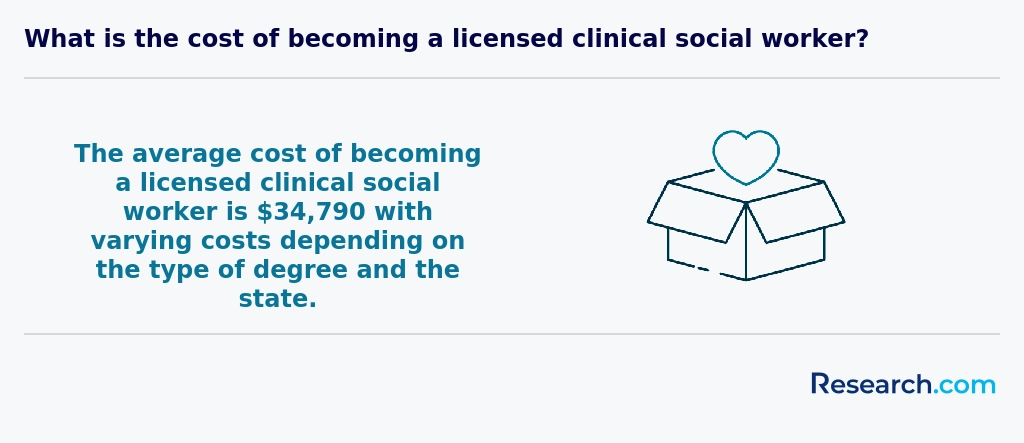
For graduates who invest in licensure, like becoming Licensed Clinical Social Workers, annual salaries climb significantly, sometimes reaching $75,000 or more. The financial growth often mirrors a tangible sense of purpose and increased responsibility, seen frequently among alumni thriving in Atlanta or Miami's growing metro areas.
Embracing an online human services degree in the South is less about immediate pay and more about continuous professional development that unlocks greater earning potential through specialized skills and certification.
- The average total cost for an online bachelor's degree in human services in the South ranges from $20,000 to $35,000.
- Starting salaries for human services graduates in the South are between $30,000 and $38,000 annually.
- Mid-career salaries can increase to a range of $45,000 to $55,000 per year with experience and certifications.
- The job market is projected to grow by about 10% over the next decade, driven by demand for social service roles.
- Many Southern programs are accredited by the Council for Standards in Human Service Education (CSHSE).
- Online formats are widely supported by broadband access, with practicums often completed locally.
Completing an online human services degree in the South is rarely a one-size-fits-all journey. While many expect a fixed timeline, graduates from institutions like the University of North Texas or Georgia State University reveal a more fluid reality. An associate degree might officially take two years, and a bachelor's four, but balancing family or work often stretches this. Some full-time students celebrate finishing their bachelor's in around four years, energized by a clear path and robust support systems. Others, juggling jobs and caregiving, find six years or more more realistic, embracing the freedom of part-time study as a means to persist rather than rush.
Master's and doctoral candidates, especially those enrolled in programs with flexible pacing and competency-based models offered at universities in Texas or Florida, share stories of accelerated progress when prior credits or professional experience come into play. Yet, when dissertations and research demand deep focus, time naturally expands. Southern online programs often reward determination and personal growth over speed, proving that completion time is less a deadline, more a personalized reflection of life's complex balance.
Choosing between an online and an on-campus human services degree in the South isn't just about convenience-it's about how you want to experience learning and grow professionally. Graduates from universities like the University of Alabama find that online programs fit their busy lives, allowing them to work full-time while taking courses whenever it suits their schedule. This flexibility often sparks feelings of empowerment and control over one's education, especially for those balancing family responsibilities.
On the other hand, graduates of on-campus programs at schools such as Florida State University frequently rave about the deep connections they made through face-to-face interactions and local internships. They describe this immersive environment as energizing and essential for building a strong professional network.
Both formats demand practical fieldwork, but online learners often juggle virtual classrooms with supervised internships arranged in their local communities, providing real-world impact without sacrificing flexibility. These varied pathways challenge the idea that traditional education is the only route to success in the human services field, especially in Southern states where accessibility and personal circumstances play critical roles.
The average cost of an online human services degree in the South typically centers around a median total of $29,155, with in-state students often paying slightly less at approximately $26,999. This challenges the common perception that southern public universities always offer sharply lower tuition; many residents still face a notable financial commitment. Graduates from prominent southern colleges share similar stories-balancing work and school while investing carefully in their futures. Many find the cost manageable when factoring in financial aid, scholarships, and program flexibility, especially in states like Florida, Texas, or Georgia where public programs might edge closer to the lower end of tuition ranges.
Experience reveals the value in exploring affordable online doctorate human services programs in Southern states, which sometimes provide accelerated paths, reducing total expenses. However, students must stay mindful of extra fees and material costs that can push annual outlays another $1,000 to $2,500 higher. For example, some recent alumni from well-known Southern universities recount using competency-based tracks that allowed them to customize pacing and reduce semester costs.
Considering the average cost online human services degree South, it's clear that while price is significant, prospective students should weigh the investment against program quality and career outcomes. For those seeking deeper insights, the cheapest human services online degrees offer a starting point to identify opportunities that align financial realities with professional ambitions.

Many graduates pursuing online human services degrees at universities like the University of South Carolina or Florida State University discover that navigating financial aid is less daunting than expected. Federal Pell Grants, offering up to $7,395 annually, often become a vital lifeline, enabling students to focus on learning rather than financial stress. Completing the FAFSA unlocks access to these grants, work-study programs, and loans that countless Southern students rely on.
State-specific aid further transforms affordability-consider how Georgia's HOPE Scholarship has lifted the burden for students attending institutions such as Georgia State University by rewarding academic commitment with significant funding. These merit-based options often spark renewed motivation by directly tying scholarship access to performance.
Institutional scholarships at Southern colleges frequently reward not only academic achievement but also real-world community involvement, resonating deeply with those dedicated to human services. Employers' tuition reimbursement programs also provide encouragement, allowing professionals already in the field to upskill without overwhelming debt. Ultimately, many find that blending these opportunities generates a surprisingly manageable cost to earn their degree online.
Enrolling in an online human services degree program in the South demands more than just paperwork-it requires reflecting on your past achievements and future aspirations. Graduates from well-regarded Southern institutions often recall how meeting prerequisites like holding a high school diploma or a relevant bachelor's degree helped them feel confident stepping into demanding coursework. These requirements are not mere obstacles; they frame the academic journey ahead and prepare students for meaningful engagement.
Official transcripts and maintaining a GPA between 2.5 and 3.0 serve as benchmarks, ensuring candidates have the dedication and academic readiness to thrive. For instance, students at popular colleges in the South find that this foundation fosters a rewarding mix of challenge and personal growth. Work experience, especially for advanced degrees, becomes an asset that enriches discussions with real-world insights, creating a dynamic learning environment.
Some programs ask for letters of recommendation or personal statements, turning the admission process into a chance for introspection and clear goal-setting. While standardized tests like the GRE might feel daunting, many Southern schools waive these, focusing instead on your lived experience and commitment to the field.

Courses in online human services degrees in the South are more than a checklist-they shape the very mindset students carry into their communities. Graduates from universities like the University of South Carolina or Florida State often share how foundational classes such as Introduction to Human Services opened their eyes to diverse career paths, from social work to community advocacy, sparking a passion rooted in real-world impact.
Core subjects such as Psychology and Human Development aren't just theory; students relate them to family dynamics or mental health challenges they've witnessed locally. Learning Social Welfare Policy feels immediate, connecting classroom discussions to the laws affecting their neighbors and shaping the support available in Southern towns.
Case Management courses bring a concrete, hands-on dimension, equipping students with skills they use during internships that often take place in their own communities, enabling them to coordinate care and navigate complex client situations with empathy and professionalism.
Ethics and Professional Issues challenge students to wrestle with moral dilemmas they might face in the field, reinforcing the deep responsibility inherent in serving vulnerable populations across the culturally rich and diverse South.
Online human services degree specializations South often confront assumptions about limited scope by offering deeply relevant areas like Substance Abuse Counseling, which addresses urgent crises such as opioid addiction-a real challenge in many Southern communities. Graduates from prominent institutions in the region frequently reflect on how coursework in Child and Family Services enabled them to make tangible impacts on families struggling with poverty or neglect, fostering resilience in environments that demand empathy and practical skills.
Many find Mental Health Counseling specialization especially transformative, given the mental health care shortages in rural areas. Student experiences speak to the power of learning clinical techniques and community support approaches that are immediately applicable. Gerontology programs at South's popular colleges reveal another layer of care, preparing graduates to meet the emotional and physical needs of an aging population, often underserved and isolated.
For those considering broader societal change, Community Development and Advocacy is a choice that calls for strategic leadership and policy insight-a reflection of the unique challenges Southern institutions emphasize through their human services doctorate program options southern US. This specialization encourages students to think beyond individual cases toward systemic solutions.
Students immersed in these paths frequently turn to programs noted for excellence, some even pursuing an online master's in human services to deepen their expertise and impact.
Choosing the best online human services degree in the South demands more than just comparing tuition prices; it requires a nuanced look at the regional significance of accreditation and curriculum relevance. Graduates from Southern universities often emphasize how programs recognized by bodies like SACSCOC provide essential credibility that employers respect, especially in community-focused roles.
Cost matters, but it's worth reflecting on how in-state options at public universities can offer affordability without sacrificing quality. Many who pursued an affordable online doctorate in human services Southern US shared how flexible payment plans and targeted scholarships made all the difference while maintaining strong practicum opportunities embedded in their curriculum.
Beyond academics, the faculty's real-world expertise changes everything. Alumni frequently recall mentors who connected them with local agencies, enhancing their professional journey. When selecting a program, consider how these relationships translate into robust career support-after all, employment rates near 85% in the South are tied to such networks.
Exploring online reviews or student satisfaction scores can reveal whether the technology and support services truly meet diverse needs. Also, for those curious about financial outcomes, reviewing a social services degree salary can provide perspective on long-term value.
Graduates with an online human services degree in the South often find themselves stepping into roles that demand both empathy and resilience in communities facing deep social challenges. From case managers coordinating resources for healthcare and housing, to substance abuse counselors guiding individuals through recovery, these careers are about making tangible, positive impacts. Many graduates from well-regarded Southern universities speak of the rewarding experience of serving as victim advocates or behavioral health technicians, roles that expose them to the realities of mental health and trauma but also offer profound personal growth.
Considering the unique landscape of the South, where poverty and uninsured rates remain elevated, the demand for professionals in these fields remains strong. Students pursuing online human services careers in the South appreciate how their training prepares them to address local needs with a keen, practical understanding rooted in their studies and community involvement. More pathways open when graduates add certifications like CADC or LCSW, enhancing their positions in healthcare and social services.
Ultimately, the question of what jobs you can get with human services degree in regions like the South invites a crucial recognition: these are not just careers but vital contributions to building healthier, more resilient communities.
The job market for online human services degree holders in the South defies simple expectations. Graduates from popular institutions-such as the University of Southern Mississippi and the University of North Carolina at Chapel Hill-often find themselves energized by the flexibility and accessibility their degrees provide, particularly when juggling work and family commitments. These students discover that online programs open doors in rural and urban areas alike, matching the South's diverse demographic needs. Those entering fields like case management or community outreach frequently witness firsthand the profound impact their work has on vulnerable populations, reinforcing the meaning behind their career choices.
Given the South regional job outlook for human services degrees, hiring demand aligns with the rising need for behavioral health resources and social support, especially in states like Texas and Florida. Graduates report feeling hopeful as they enter a market that values both their credentials and practical skills. For those considering advanced paths, exploring masters human services jobs reveals further opportunities to strengthen their roles in influential social services organizations.
2027 Easiest Online Doctorate in Human Services Degree Programs Ranking in the South
Investing in your education is a significant decision that can shape your future, and the Research.com team understands the importance of making informed choices. To assist prospective students in the southern United States, we have meticulously crafted the "2027 Easiest Online Doctorate in Human Services Degree Programs Ranking in the South." Our commitment to quality, credibility, and accuracy is reflected in the extensive research and analysis conducted to compile this ranking. We utilized the following reputable data sources to ensure a comprehensive evaluation of human services doctorate programs:
By exploring this ranking, readers will gain valuable insights into the easiest and most accessible online doctorate programs in human services across the South, empowering them to make well-informed educational decisions. For more details on how this ranking was created, please visit our Research.com methodology page.


Frequently Asked Questions About human services
Online human services degree students in the South can maximize their learning by actively engaging with virtual class discussions and utilizing available digital resources. Many Southern universities offer access to regional human services organizations for internships, which provide practical experience essential for career growth. According to the Bureau of Labor Statistics, the demand for human services professionals in Southern states like Texas and Florida is expected to grow by 12% between 2022 and 2032, highlighting the importance of hands-on experience. Additionally, networking with local practitioners through online forums and professional associations can deepen understanding and open job opportunities.
The human services field is evolving with several emerging niches gaining prominence, especially in the Southern United States. One growing area is gerontology, focusing on the aging population; the South has a higher percentage of adults aged 65 and older than the national average, according to the U.S. Census Bureau 2023 data. This increase drives demand for specialists in elder care and support services.
Another niche is trauma-informed care, which addresses the long-term effects of trauma, including in underserved rural communities common in Southern states. Additionally, digital and telehealth services are expanding rapidly, enabling human services professionals to deliver support remotely statewide and beyond. This trend aligns with the region's increasing internet accessibility improvements documented by the Federal Communications Commission.
After completing an online human services degree in the South, preparing for the job market involves several strategic steps. First, obtaining state certification or licensure is essential for many roles, as requirements vary across Southern states. Familiarize yourself with each state's regulations through official licensing boards.
Second, gaining practical experience via internships or volunteer opportunities is crucial. Many Southern organizations, such as community centers and social service agencies, offer hands-on experience that enhances your resume.
Networking is another vital component. Connect with local professional groups like the Southern Association of Human Services, which provides job listings and career resources.
Lastly, utilize employment data from the U.S. Bureau of Labor Statistics, which projects a 13% job growth for human services professionals through 2031, indicating strong demand in the region.
Employers in the South value a combination of interpersonal and practical skills for graduates with human services degrees. Communication is essential, as nearly 85% of job listings in states like Texas and Georgia emphasize this ability for client interaction and teamwork, according to the Bureau of Labor Statistics (BLS).
Critical thinking and problem-solving skills are also in high demand because professionals often navigate complex social issues. Additionally, cultural competence is crucial due to the region's diverse populations; employers seek graduates who can respectfully engage with various communities.
Moreover, knowledge of case management and ethics ranks highly in surveys from the National Organization for Human Services (NOHS), highlighting practical readiness as a key employability factor.
Finding internships in the South for human services degrees involves targeting local organizations and using university resources tailored to the region. Many human services students start by contacting local agencies in social work, mental health, or nonprofit sectors, especially in states like Texas, Florida, and Georgia, where such services have high demand. According to the Southern Regional Education Board, collaboration with state agencies often provides more structured internship opportunities.
Online students should also utilize their school's career services or internship coordinators, who usually have partnerships with regional organizations. Additionally, searching platforms focused on nonprofit and social services jobs can help locate relevant openings. Networking through local conferences or professional groups like the Southern Human Services Association can increase chances of securing quality internships.
Obtaining an online human services degree in the South significantly enhances career mobility and advancement opportunities. Many Southern states face a growing demand for qualified human services professionals, driven by expanding social programs and healthcare initiatives. According to the U.S. Bureau of Labor Statistics, jobs in social and community service positions in the South are projected to grow about 10% through 2031, faster than the national average.
Online degrees provide flexibility for working adults, allowing them to gain relevant credentials without relocating. Institutions accredited by bodies like the Council for Standards in Human Service Education improve employability in regional agencies. Graduates often move into leadership roles, such as program coordinators and social service managers, earning higher salaries and broader responsibilities.
Studying for a human services degree online in the South equips students with skills applicable across multiple fields such as social work, healthcare, and community development. Southern universities emphasize collaborative learning and practical experiences, preparing graduates for interdisciplinary roles that require coordination between agencies and professionals. According to the National Organization for Human Services, many Southern programs integrate coursework in psychology, sociology, and public health, fostering a broad understanding of community needs. This comprehensive training is crucial in the South, where diverse populations and rural challenges demand adaptable human service professionals who can work across sectors to address complex social issues.
When choosing between a thesis and a non-thesis human services degree program in the South, consider your career goals and learning preferences. Thesis programs typically require original research and are suited for students interested in doctoral studies or research careers. Non-thesis programs focus more on practical skills and coursework, ideal for those targeting direct service or administrative roles in human services agencies.
In Southern states, universities like the University of South Carolina offer both options, reflecting regional demand for flexible learning models. According to the National Association of Social Workers (NASW), professionals with research experience often find advanced career opportunities.
Evaluate your time commitment, funding, and desire to contribute to academic knowledge when making your decision.
Students based in the South interested in studying human services abroad have several options primarily through study-abroad programs linked to Southern universities. Many Southeastern institutions offering online human services degrees partner with foreign universities to provide short-term international learning experiences or internships. These opportunities enhance cultural competence, an essential skill in human services. According to NAFSA, approximately 5% of U.S. students participate in study-abroad during their degree, with Southern schools expanding such options to meet growing demand.
Online learners can often combine virtual coursework with international fieldwork or service projects, enabling practical experience abroad without relocating for full degree programs. Institutions like the University of North Carolina system emphasize these hybrid experiences to accommodate working professionals.
Financial aid and scholarships specifically targeting international human services study are limited but evolving, supporting accessible global education for Southern students aiming to expand their expertise.
Part-time job opportunities in the South that complement human services degree education are diverse and practical. Many students work as case management aides, social work assistants, or community outreach workers. These roles provide essential experience in client interaction, service coordination, and advocacy. According to the U.S. Bureau of Labor Statistics, states like Texas, Georgia, and Florida offer some of the highest employment levels for social work assistants.
Additionally, part-time roles in nonprofit organizations or healthcare settings give students exposure to populations needing social support, such as veterans or low-income families. These jobs help build skills in crisis intervention and resource referral, which are critical in human services.
Moreover, positions in residential treatment centers or substance abuse programs are common in the South, providing practical knowledge tied directly to many human services curricula. This practical experience enhances employability and complements online coursework effectively.
Online human services students in the South have access to numerous networking opportunities through regional professional organizations and virtual events. Groups like the Southern Association for Human Services provide online forums and annual conferences that facilitate connections among students and practitioners. Additionally, many Southern universities offer virtual internship placements with local agencies, enabling practical experience and relationship-building. According to the National Organization for Human Services, networking boosts career prospects by up to 70%. Students can also engage in specialized webinars and social media groups focused on human services in Southern states, broadening their professional contacts even while studying remotely.
Alumni networks offer significant benefits to online human services degree students in the South by providing vital professional connections. These networks allow graduates to share job opportunities, industry insights, and mentorship, which can be crucial in a region where community ties strongly influence employment. According to the Southern Regional Education Board, 65% of jobs in human services in Southern states are filled through referrals.
Online students gain access to local chapters and events, helping them build relationships despite physical distance. These connections can improve career advancement and support ongoing education, making alumni networks an essential resource in the Southern human services field.
Customizing an online human services degree program in the South allows students to align coursework with their unique career goals. Many Southern universities offer electives focused on areas such as substance abuse counseling, gerontology, or mental health services. This flexibility helps students prepare for specific roles in growing local industries.
Additionally, some programs include internships or practicum opportunities with regional agencies, providing practical experience that matches individual career interests. According to the Southern Regional Education Board, tailoring education like this increases employment outcomes by up to 20% in social service fields.
Students should also consider certification tracks embedded within degree plans to meet state licensure requirements common in Southern states.
Online human services students in the South face several challenges that impact their studies and career goals. Limited internet access remains a significant barrier in rural areas, where approximately 22% of households lack broadband connectivity, according to the FCC. This can hinder participation in synchronous classes and access to digital resources.
Additionally, many Southern states report lower educational attainment levels, which may affect academic preparedness and confidence for some students entering advanced degree programs.
Financial constraints also present difficulties. Students must often balance work, family, and coursework without adequate local support networks.
Finally, finding quality remote internships or practicum placements in underserved communities can delay practical experience required for human services licensure.
With an online human services degree, students in the South can pursue several key professional certifications that enhance career opportunities. Common certifications include the Certified Human Services Professional (CHSP) and the Certified Case Manager (CCM), which demonstrate expertise and commitment to ethical practice. These certifications are often valued by employers throughout southern states like Texas, Florida, and Georgia, where demand for qualified human services professionals is growing, according to the U.S. Bureau of Labor Statistics.
Additional credentials include Licensed Social Worker (LSW) and Certified Addiction Counselor (CAC), which require meeting state-specific licensing and training criteria. Obtaining these certifications often improves job prospects and salary potential.
To write a winning application for an online human services program in the South, start with a clear and focused personal statement. This should highlight your passion for helping others and your understanding of the human services field. Admissions committees in Southern universities value applicants who demonstrate both empathy and practical experience.
Include relevant work or volunteer experience, especially within Southern communities, where demand for qualified human services professionals grew by 12% from 2020 to 2030, according to the U.S. Bureau of Labor Statistics. This shows your commitment and readiness for graduate-level study.
Strong letters of recommendation from supervisors or professors familiar with your work in social services can strengthen your application significantly. Finally, ensure all transcripts and documents meet the specific requirements of the Southern institutions you apply to, as standards can vary across states such as Georgia, Texas, and North Carolina.
The global view of a human services career highlights its importance in addressing social challenges across cultures. In the United States, especially in the South, human services professionals focus on community support, mental health, and poverty reduction. According to the U.S. Bureau of Labor Statistics, human services occupations are expected to grow 13% nationwide by 2032, with Southern states like Texas and Florida contributing significantly to this rise due to increasing populations and diverse communities.
Internationally, human services share similar goals but vary in methods, often influenced by each country's economic and social infrastructure. This global perspective emphasizes cultural competence as a key skill, making online degrees attractive for Southern students aiming to work locally or abroad.
Students pursuing an online human services degree in the South can gain practical experience through internships and practicum placements required by most accredited programs. These hands-on opportunities allow students to work directly with local agencies addressing social, mental health, or community needs.
State and regional organizations such as the Southern Association of Colleges and Schools Commission on Colleges (SACSCOC) often ensure programs include applied learning components. Additionally, many universities partner with nonprofit and government agencies in southern states like Texas, Georgia, and Florida to facilitate local placements.
Research from the National Association of Social Workers highlights that internships boost post-graduation employment chances by up to 30% in human services fields.
Choosing the right concentration within an online human services degree program in the South requires understanding both your career goals and regional workforce needs. Focus areas often include mental health, substance abuse, or social work administration, each addressing distinct community challenges prevalent in Southern states. For example, the South has higher rates of opioid misuse, making substance abuse counseling a critical field, according to the CDC.
Consider programs offering concentrations aligned with in-demand roles in your area. Review state licensure requirements as many human services professions require specific certifications. Additionally, examine faculty expertise and internship opportunities that reflect regional social issues. This alignment increases job prospects and practical experience after graduation.
- 2025 Most Affordable Online Human Services Degrees https://www.onlineu.com/most-affordable-colleges/human-services-degrees
- What can you do with a bachelor's in human services? | edX https://www.edx.org/resources/what-can-you-do-with-a-bachelors-in-human-services
- The Heart of Employment: Jobs and Opportunities for Human Services Degree https://www.ucumberlands.edu/blog/jobs-and-opportunities-for-human-services-degree
- How To Solve the Key Challenges Faced by Community Social Workers https://www.casebook.net/blog/how-to-solve-the-key-challenges-faced-by-community-social-workers/
- What Are My Career Options After a Course in Human Services? https://columbia.ca/career-options-after-a-course-in-human-services/
- Professional Networking in Social Work: 2025 Complete Guide https://www.socialworkdegrees.org/professional-networking-in-social-work
- 22 Best Associate Degree in Human Services - Social Work Degree Center https://www.socialworkdegreecenter.com/best-human-social-services-associate-degrees/
- Home https://www.husson.edu/online/blog/2025/10/benefits-of-alumni-networks
- How To Navigate Human Services Challenges in 2026 https://nctinc.com/blog/how-to-navigate-human-services-challenges-in-2026/
- How to Overcome the Top Challenges Social Workers Face https://www.pacificoaks.edu/voices/social-work/social-work-challenges/