2027 Easiest Online Master's in Human Services Degree Programs Ranking in Maryland

Co-Founder and Chief Data Scientist
Choosing the right online master's program in human services can be challenging, especially with so many options available. This article presents the 2027 Easiest Online Master's in Human Services Degree Programs Ranking in Maryland, carefully crafted by the Research.com team of data scientists to guide you in making an informed decision.
Whether you're starting your career or advancing in the field, a human services degree offers rewarding opportunities to make a meaningful impact. Explore this ranking to find programs that fit your goals and lifestyle, helping you take the next step with confidence.
Key benefits of getting online human services degree in Maryland
- The average salary for human services graduates in Maryland varies widely, but many entry-level positions offer around $35,000 to $45,000 annually, providing a solid starting point for a rewarding career.
- Graduates from top Maryland schools like Towson University often pursue careers in social work, counseling, and community outreach, opening doors to many helping professions that make a real difference.
- Completing a human services degree online in Maryland offers flexibility and convenience, allowing students to balance work, family, and study while gaining the same valuable skills as traditional programs.
- 2027 Easiest Online Master's in Human Services Degree Programs Ranking in Maryland
- What can I expect from online human services degree in Maryland?
- Where can I work with online human services degree in Maryland?
What can I expect from online human services degree in Maryland?
The average cost of an online human services degree in Maryland varies depending on the institution and degree level but typically ranges from $10,000 to $25,000 for undergraduate programs. For instance, graduates from the University of Maryland Global Campus often highlight affordable tuition combined with financial aid options, making it a practical choice for working adults. Many students report feeling reassured knowing that in-state tuition rates and regional scholarships further reduce the financial burden.
Beyond tuition, students commonly recognize the value of investing in an education that balances theory with practical experience, such as internships completed at local agencies. This real-world exposure, frequently emphasized by Maryland colleges, strengthens employability and adds meaning to their studies.
Graduates express satisfaction with the cost-to-benefit ratio, particularly given the growing demand for human services professionals in Maryland's social support and healthcare sectors. The financial aid availability, coupled with flexible online scheduling, creates a supportive learning environment that makes earning this degree both accessible and rewarding.
Where can I work with online human services degree in Maryland?
Graduates holding an online human services degree in Maryland find employment across diverse sectors, reflecting the state's commitment to community well-being. Many secure roles within state and local government agencies such as social services offices and public health departments, where they assist vulnerable populations including children and veterans. For example, graduates from institutions like the University of Maryland often describe rewarding experiences working directly with clients in child welfare programs.
Nonprofit organizations in Maryland provide another prominent avenue, with graduates managing outreach initiatives or coordinating resources at mental health agencies and homeless shelters. Students from colleges such as Towson University frequently highlight the fulfillment of supporting families and individuals through these roles.
The healthcare industry in Maryland also offers promising opportunities in patient advocacy and behavioral health, reflecting the state's robust medical sector. Additionally, graduates work in educational settings, serving as school counselors or student support coordinators, integrating academic success with social services. These pathways enable Maryland's human services graduates to build impactful, client-focused careers close to home.
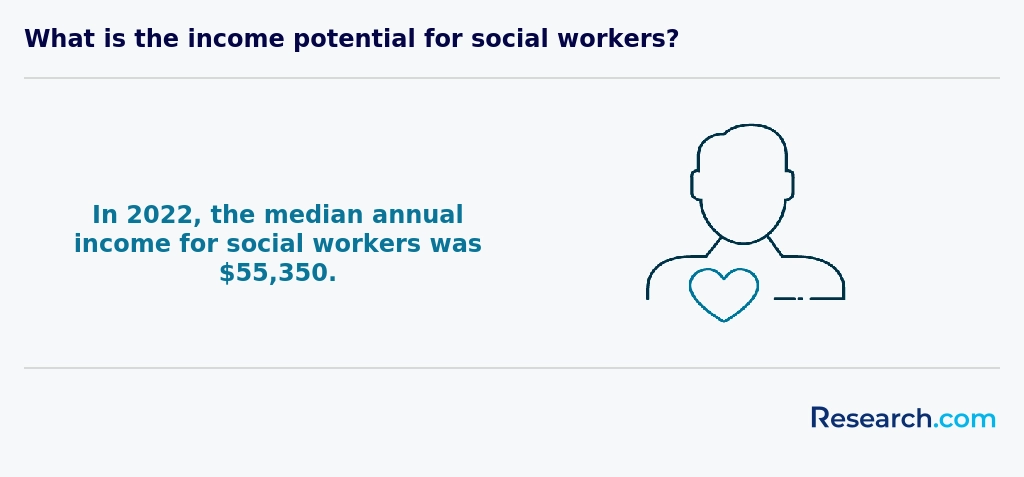
Graduates with an online human services degree in Maryland often find varied salary outcomes influenced by role, experience, and location. For instance, social workers in Maryland earn about $67,000 annually on average, with clinical social workers making upwards of $75,000. These figures align with experiences shared by graduates from well-regarded institutions like the University of Maryland Global Campus and Towson University, who highlight that advancing education and licensure significantly boost earning potential.
Community service managers, another common career path, report mean wages near $72,000, reflecting the responsibilities they hold in managing programs that support local communities. Graduates moving into counseling roles, such as mental health or substance abuse counselors, typically earn between $45,000 and $60,000, with growth linked to gaining professional credentials.
Those pursuing degrees online from Maryland colleges appreciate the flexibility combined with access to strong regional job markets like Baltimore and the D.C. area, where salary prospects are higher due to demand and cost of living. This realistic financial outlook encourages many human services students to pursue stateside careers with rewarding personal and professional growth.
- Online human services degrees in Maryland offer bachelor's and master's options, with master's programs becoming more popular due to job opportunities.
- Tuition costs for public universities range from $10,000 to $20,000 per year, while private schools often charge over $25,000 annually.
- Starting salaries typically range from $38,000 to $45,000 per year, rising to $50,000-$70,000 with experience or advanced degrees.
- The job market in Maryland for human services roles is growing by about 8% from 2020 to 2030, especially in Baltimore and the Washington, D.C. metro areas.
- Programs usually include practicum or internships arranged locally to meet Maryland licensing and certification rules.
- Admission requires a high school diploma for bachelor's programs and a relevant bachelor's degree for master's, with preference for prior social services experience.
Online human services degree programs in Maryland usually range from 1.5 to 4 years to complete, depending on the chosen degree level and enrollment status. For example, full-time students pursuing a bachelor's degree at institutions such as Towson University or Stevenson University often finish within four years, matching the standard undergraduate timeframe. Graduates frequently share how balancing coursework with work or family is manageable due to program flexibility.
Master's degrees typically require 18 months to 3 years. Many working professionals take advantage of part-time options to continue working while studying, extending their completion time but providing greater work-life balance. Several online learners from Frostburg State University report appreciating accelerated sessions that let them progress faster when their schedules permit.
Factors like transfer credits and program structure can shorten or extend these timelines, highlighting the importance of choosing programs tailored to individual circumstances. This adaptability makes pursuing an online human services degree in Maryland a rewarding experience for many students balancing multiple responsibilities.
Online and on-campus human services degree programs in Maryland differ primarily in flexibility, interaction, and learning environment. Graduates from institutions like University of Maryland, Baltimore County, highlight that online courses offer the freedom to manage studies alongside full-time jobs or family commitments. The asynchronous format allows access to lectures anytime, which is essential for adult learners balancing multiple responsibilities.
Conversely, on-campus students at schools such as Towson University often emphasize the value of direct face-to-face engagement with professors and classmates. This environment fosters stronger communication skills and meaningful networking, which are vital in human services careers. Access to campus resources like career counseling and local practicum opportunities enriches their practical experience.
Financially, online degrees may reduce extra costs like commuting or housing, but tuition can be similar or sometimes higher due to technology fees. Both formats in Maryland require supervised internships, though online students must independently secure placements, demanding self-discipline and initiative.
The average cost of an online human services degree in Maryland typically centers around a median total cost of $18,000. Public universities in the state, such as the University of Maryland Global Campus, offer more affordable tuition rates, which often appeal to many students seeking flexible learning options. Graduates from these programs frequently describe feeling satisfied with the value they received, appreciating the balance between quality education and manageable expenses. These institutions generally charge between $300 and $500 per credit for in-state students, making Maryland a sensible choice for residents exploring Maryland online human services degree tuition fees.
Private institutions in Maryland tend to have higher tuition, often ranging from $500 to $800 per credit. Those pursuing graduate-level degrees may see total tuition costs between $15,000 and $30,000 depending on program length and credits required. Students often highlight the benefits of smaller classes and specialized coursework, which can contribute to a more personalized educational experience despite the increased financial commitment.
Additional costs including fees, textbooks, and technology expenses usually add several hundred dollars to the overall investment. Many students find that financial aid and scholarships, especially those available to Maryland residents at state-supported institutions, help ease these burdens. For those weighing career options post-degree, reviewing best human services master's degree careers can offer valuable insights into the return on this educational investment.
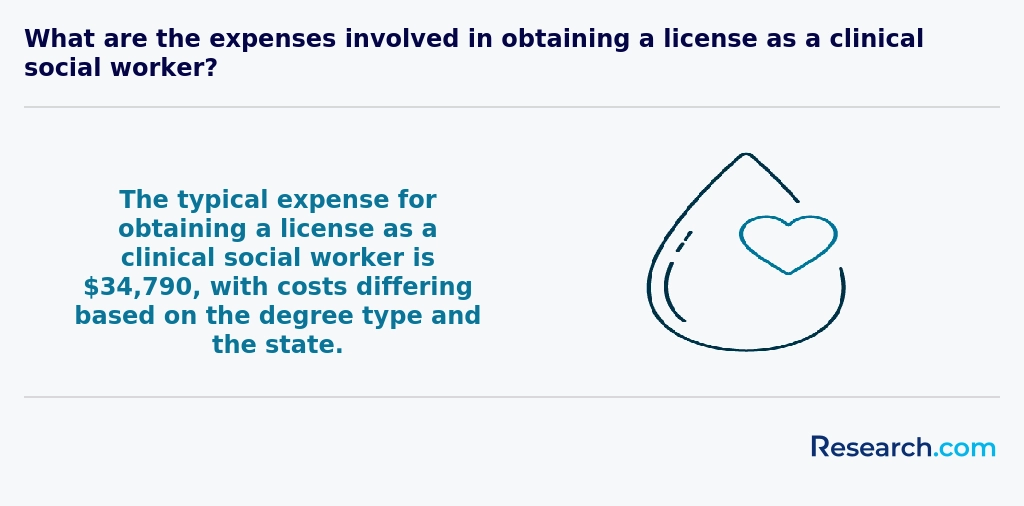
Students pursuing an online human services degree in Maryland often rely on a combination of federal and state financial aid to make their education affordable. Federal aid, accessed through the FAFSA, includes unsubsidized loans covering up to $20,500 yearly and the Direct Graduate PLUS Loan, which helps bridge remaining costs. Graduates from institutions like University of Maryland Global Campus frequently mention how these loans have alleviated financial pressure during their studies.
At the state level, programs administered by the Maryland Higher Education Commission provide critical support. Scholarships such as the Delegate Scholarship or the Maryland Part-Time Grant have enabled many part-time online learners at colleges like Towson University to continue their education without overwhelming debt. Additionally, institutional scholarships tailored for online students often factor in academic merit or professional experience, creating tangible opportunities for cost reduction.
Maryland's workforce demand encourages employers to offer tuition assistance, which several graduates have successfully utilized while balancing work and study. Joining professional organizations can further open doors to scholarships, enhancing the financial feasibility of advancing in human services.
To enroll in an online human services degree program in Maryland, applicants generally need a bachelor's degree from an accredited institution, often in human services, psychology, or social work. Graduates from popular Maryland schools such as the University of Maryland or Towson University frequently recall how their foundational academic backgrounds met these criteria, allowing them to advance confidently into their graduate studies. Schools usually require official transcripts demonstrating a solid academic record, with many programs expecting a minimum GPA around 2.5 to 3.0.
While some programs once mandated GRE scores, many Maryland institutions have shifted to test-optional policies, easing the admission path for busy professionals balancing work and study. Practical experience also enhances applications; graduates often reflect on how volunteer or work experience in community services helped contextualize their coursework and enriched their learning.
Applicants must submit letters of recommendation and a personal statement expressing their commitment to human services careers. Additionally, background checks or immunization records might be requested to meet practicum requirements, especially at schools like Salisbury University where field placements are integral.

Online human services degree programs in Maryland typically include foundational courses such as human services ethics, case management, and an overview of U.S. social welfare policies. Graduates from institutions like the University of Maryland share how these courses prepared them to navigate complex social systems, especially given Maryland's reliance on public assistance by about 7.5% of its population. Coursework in communication skills is emphasized, focusing on crisis intervention, counseling techniques, and cultural competence-vital for engaging with Maryland's diverse communities, including significant African American and immigrant populations.
Behavioral health courses cover substance abuse prevention, mental health treatment strategies, and developmental disabilities. Graduates often reflect on the impact of this training when working with clients facing mental illness, a common challenge as nearly one in five Maryland adults experience it. Specialized classes in program planning, nonprofit management, and community organization foster leadership abilities needed for managerial roles in local agencies.
Internships or fieldwork integrate theory with real-world practice, a highlight for many students from popular colleges like Towson University, who report these experiences as transformative moments that solidified their passion and readiness to serve Maryland's communities.
Online human services degree specializations Maryland students often pursue include Clinical Mental Health Counseling, Addiction and Substance Abuse Counseling, Community and Social Services Administration, Gerontology, and Child and Family Services. Graduates from prominent institutions in Maryland commonly highlight how the Clinical Mental Health Counseling track equipped them to confidently assist individuals coping with mental health challenges, fostering a deep sense of purpose. Similarly, students specializing in Addiction and Substance Abuse Counseling find their training indispensable in addressing the state's opioid crisis, feeling empowered to make tangible impacts locally.
Programs at well-regarded Maryland colleges emphasize real-world applications, such as managing nonprofit organizations through the Community and Social Services Administration specialization. This focus helps students develop essential leadership skills, preparing them to navigate complex policy environments. Graduates specializing in Gerontology often share rewarding experiences supporting Maryland's aging population, particularly given that about 15% of residents are seniors. Those in Child and Family Services describe meaningful work within foster care and child welfare systems.
For prospective students seeking efficient pathways, completing an accelerated human services bachelors degree online at these institutions offers a flexible approach to entering diverse human services career paths Maryland online.
When choosing the best online human services degree in Maryland, accreditation is paramount. Graduates from well-known institutions such as the University of Maryland or Towson University often highlight how accreditation assured them their education met professional standards essential for licensure and employment. Affordability also plays a central role; many students appreciate that Maryland public universities offer competitive tuition rates, making affordable Maryland human services master's programs accessible without sacrificing quality. Flexibility in scheduling is frequently praised by working professionals who balance family and careers, valuing asynchronous courses and part-time enrollment.
Curriculum relevance matters enormously-successful graduates often mention how programs covering counseling, ethical practice, and case management prepared them for real-world challenges. Employment outlook in Maryland's growing human services sector motivates learners to select programs with strong local industry connections and robust career services. For those seeking guidance on these factors, exploring options through resources like the best human services degree online can provide valuable insights and help tailor choices to individual goals.
Graduates holding an online human services degree in Maryland can pursue diverse career paths in roles such as social and community service managers, case managers, mental health specialists, and rehabilitation counselors. These positions enable professionals to support individuals and families through coordinated programs in healthcare, social services, and education. For example, many graduates from Maryland's well-regarded universities report rewarding experiences working within nonprofit organizations or government agencies that address housing, addiction recovery, and behavioral health.
Human services career options Maryland also include opportunities in substance abuse counseling and child and family services, where practitioners directly assist vulnerable populations. The flexibility of completing an online degree from institutions in Maryland allows students to gain relevant experience while applying advanced knowledge. Many alumni describe satisfaction in leadership roles involving program development and policy analysis, highlighting Maryland's growing demand for skilled human services professionals. Insight into such pathways and job outlooks can be found by exploring resources on human services master's degree jobs.
The job market for graduates with an online human services degree in Maryland is promising, reflecting steady demand for professionals in social care sectors. Graduates from well-regarded institutions such as the University of Maryland and Towson University often secure roles in case management, mental health services, and program coordination within public agencies and non-profit organizations. Employers value the unique expertise these graduates bring to supporting vulnerable populations, including individuals facing addiction or homelessness.
Employment projections indicate a growth rate of about 12% for human services roles in the Washington-Arlington-Alexandria metropolitan area, encompassing Maryland regions, outpacing the average for many occupations. Salaries typically range from $40,000 to more competitive wages near $75,000 annually for experienced social and community service managers, reinforcing the attractive career outlook. For prospective students, researching affordable online programs is essential; many turn to resources for an affordable human services degree online accredited to balance cost and quality.
Success stories from recent graduates highlight the meaningful impact of these degrees on local communities, particularly as Maryland invests heavily in mental health and welfare initiatives. Understanding licensure requirements ensures graduates are fully prepared to meet state standards and pursue rewarding careers in this field focused on real-world social challenges.
2027 Easiest Online Master's in Human Services Degree Programs Ranking in Maryland
Investing in your education is a significant decision that can shape your future, and the Research.com team recognizes the importance of making well-informed choices. To support prospective students in Maryland, we have carefully developed the "2027 Easiest Online Master's in Human Services Degree Programs Ranking in Maryland." Our dedication to quality, credibility, and accuracy is demonstrated through thorough research and analysis in compiling this ranking. We utilized the following reputable data sources to ensure a comprehensive evaluation of degree programs:
By consulting this ranking, readers will obtain valuable insights into accessible online human services master's degrees in Maryland, empowering them to make confident educational decisions. For more information about how this ranking was created, please visit our Research.com methodology page.


Frequently Asked Questions About human services
Online human services degree students in Maryland can enhance their learning by actively engaging with faculty and peers through virtual office hours and discussion forums. Maryland is home to various accredited programs that emphasize practical skills, so students should take advantage of experiential learning opportunities such as online internships approved by the Maryland Higher Education Commission.
Utilizing resources from Maryland's Department of Human Services and professional organizations like the Maryland Association of Resources for Families and Youth can deepen understanding of local social issues. According to the U.S. Bureau of Labor Statistics, Maryland expects a 10% growth in social and human services jobs by 2030, highlighting the demand for skilled graduates.
Maintaining a consistent study schedule and using digital tools to track assignments help students manage their time effectively while balancing work and family responsibilities common among adult learners in Maryland.
The human services field is rapidly evolving, with emerging niches that address specific community needs. In Maryland, areas like gerontology are gaining importance as the state's senior population grows, creating demand for professionals skilled in elder care and support services. Another developing niche is behavioral health, focusing on mental health and substance abuse treatment, which aligns with Maryland's increased funding for these services.
Technology integration is also a key trend, where human services professionals use digital tools to improve client outreach and support. Additionally, trauma-informed care is becoming essential, reflecting a broader awareness of how trauma impacts individuals and communities.
After earning an online human services degree in Maryland, preparing for the job market involves targeted steps to enhance employability. Maryland's Department of Labor reports a growing demand for human services professionals, with a projected 10% job growth from 2022 to 2032. Graduates should obtain relevant certifications such as Certified Human Services Professional (CHSP) to strengthen credentials. Networking through professional organizations like the Maryland Human Services Association is crucial for job leads and mentorship opportunities.
Internships or practicum experiences completed during the degree program are valuable for real-world skills. Tailoring resumes and practicing interview techniques are essential to stand out in a competitive field.
Employers hiring human services graduates in Maryland prioritize strong communication skills, as effective interaction with clients and community partners is essential. Additionally, critical thinking and problem-solving abilities are highly valued to address complex social issues. Maryland's Department of Labor notes that cultural competence is increasingly important, reflecting the state's diverse population.
Knowledge of case management and ethical decision-making also ranks high among desired skills. Technical proficiency, including data management and familiarity with virtual client support, is growing in demand due to expanding online services. The Maryland Behavioral Health Administration emphasizes the importance of adaptability and teamwork within multidisciplinary environments for career success in this field.
Finding internships in Maryland relevant to a human services degree involves a few strategic steps. Start by exploring resources provided by your online program, as many universities have partnerships with local agencies. Organizations like the Maryland Department of Human Services and nonprofits such as CASA of Maryland often offer internship opportunities.
Utilize the Maryland Workforce Exchange, a state-sponsored job and internship portal, which frequently lists social service roles. According to the Maryland Nonprofits 2023 report, human services internships have increased by 15% over the past two years, reflecting growing demand.
Networking remains essential. Contacting local social service agencies directly and attending virtual job fairs can lead to valuable internship placements.
Obtaining an online human services degree in Maryland can significantly enhance career mobility and advancement opportunities. Maryland's growing demand for skilled human services professionals, driven by state initiatives and federal programs, creates a favorable job market. According to the Maryland Department of Labor, human services occupations are projected to grow by 10% through 2030, faster than the national average.
An online degree allows working professionals to upskill without interrupting their careers, making them more competitive for supervisory or specialized roles in social work, counseling, or community outreach agencies.
Graduates often find salary increases and expanded responsibilities, particularly when earning certifications alongside their degree. The accessibility of online programs encourages continuous professional development crucial in Maryland's evolving human services landscape.
Studying for a human services degree in Maryland prepares students for interdisciplinary roles by emphasizing collaboration across fields such as social work, psychology, public health, and education. Maryland's programs focus on developing skills in communication, critical thinking, and cultural competence, which are essential in addressing diverse client needs.
The curriculum often includes courses that cover policy analysis, mental health, and community outreach, enabling graduates to work effectively with professionals from various sectors. According to the Maryland Higher Education Commission, over 60% of human services graduates enter roles requiring coordination with other disciplines, reflecting the state's integrated approach.
Online programs also provide flexibility to engage with practical experiences that mirror real-world, team-based environments, enhancing readiness for interdisciplinary careers in human services.
Choosing between a thesis and a non-thesis online human services degree program in Maryland depends on your career goals and learning preferences. A thesis option typically involves conducting original research, which suits those planning to pursue doctoral studies or research-oriented roles. In contrast, non-thesis programs emphasize practical skills through coursework and internships, ideal for students aiming to enter the workforce quickly.
Maryland's human services sector is growing, with a 7% job increase expected by 2030 (Maryland Department of Labor). Students should consider if they prefer a research focus or applied learning.
Accreditation and faculty expertise also influence program quality and outcomes.
Students based in Maryland who are interested in studying human services abroad have several options, though most international programs require some onsite presence. Maryland institutions often partner with foreign universities to offer study abroad opportunities, allowing students to gain global perspectives while earning credits toward their degrees.
Many online programs in human services include optional international internships or practicum experiences abroad. These options are ideal for students seeking hands-on experience in global contexts without relocating full-time.
When considering studying abroad, students should consult resources like the Maryland Higher Education Commission and the Council on Social Work Education for guidance on recognized programs and transfer credit policies.
Maryland offers several part-time job opportunities that align well with human services degree education. Students can find positions as case aides or community outreach assistants, roles that provide direct experience working with vulnerable populations. According to the Maryland Department of Labor, these jobs often involve supporting social workers, facilitating client engagement, and assisting with resource coordination.
Jobs in nonprofit organizations and local health departments are also common. These roles strengthen practical skills and improve understanding of Maryland's social service systems.
The U.S. Bureau of Labor Statistics highlights that Maryland expects a 7% growth in social and human service assistants through 2031, signaling strong demand for these part-time roles.
Online human services students in Maryland benefit from various networking opportunities despite the virtual nature of their programs. Many universities facilitate access to local professional organizations such as the Maryland Chapter of the National Organization for Human Services (NOVA). This group hosts regular events, workshops, and conferences useful for students seeking regional contacts.
Additionally, Maryland's proximity to Washington D.C. offers access to broader networks including government agencies and nonprofit organizations focused on human services. Some programs integrate internship placements within state agencies or community organizations, fostering practical connections.
Online platforms like LinkedIn groups specifically for Maryland human services professionals also support peer and alumni networking.
Alumni networks play a crucial role for online human services degree students in Maryland by providing professional connections and career support. These networks often include graduates working in Maryland's diverse social service sectors, increasing opportunities for mentorship and job referrals.
Given the state's emphasis on addressing social challenges, an active alumni network helps students connect with agencies involved in mental health, child welfare, and community outreach. According to the Maryland Department of Human Services, networking can enhance job placement rates, which are vital in this competitive field.
Additionally, alumni frequently share insights on licensure and certification processes required in Maryland, guiding new graduates toward meeting state-specific requirements to practice legally and effectively.
Customizing an online human services degree in Maryland allows students to align their education with specific career goals. Many Maryland institutions offer elective courses and specialization tracks such as substance abuse counseling, social work, or nonprofit management. This flexibility helps tailor the degree to sectors with strong local demand. According to the Maryland Department of Labor, social assistance roles are projected to grow by 11% through 2030, emphasizing areas like community outreach and mental health support. Additionally, practicum or internship options often let students gain hands-on experience within Maryland agencies, further aligning education with their intended career paths.
Online human services students in Maryland frequently face challenges related to maintaining engagement and communication with instructors and peers. The lack of in-person interaction can lead to feelings of isolation, which studies show affect around 30% of online learners nationwide. Maryland's diverse population requires coursework to address a wide range of social issues, making applied learning experiences essential yet difficult to coordinate remotely.
Technology access also poses difficulties; not all students have reliable internet or current devices, which impacts participation. According to the Maryland Department of Education, about 10% of households in rural areas still lack broadband.
Additionally, balancing work, family, and studies is a considerable challenge. Human services programs often demand fieldwork or internships, which require flexible scheduling in students' communities.
With an online human services degree, Maryland students can pursue several professional certifications to advance their careers. One key certification is the Certified Human Services Professional (CHSP), offered by the National Organization for Human Services (NOHS). This credential validates your skills and commitment to the field.
Maryland also offers the Certified Substance Abuse Counselor (CSAC) credential, essential for those focused on addiction services. Additionally, graduates might seek certification as Licensed Graduate Social Workers (LGSW) through the Maryland Board of Social Work Examiners, which can enhance job prospects in social services.
These certifications support employment growth; Maryland's Department of Labor notes a 10% increase in human services roles projected through 2028.
Applying for an online human services program in Maryland requires a clear and focused approach. Begin by researching accredited Maryland institutions to ensure your degree is recognized by employers and licensing boards. Highlight your commitment to human services by detailing relevant work or volunteer experience in your application. Maryland's Department of Human Services recommends emphasizing skills in communication, case management, and cultural competence, which are critical in this field.
Include a well-written personal statement that explains your goals and why an online program fits your needs. Be concise and specific about how Maryland's community needs align with your career plans. Strong letters of recommendation from professionals familiar with your human services background will also support your case.
Conveying knowledge of local human services challenges, such as those noted in the Maryland Behavioral Health Administration reports, can differentiate your application by showing familiarity with state priorities. Finally, proofread carefully to avoid errors and follow each school's submission guidelines precisely.
The field of human services is increasingly recognized worldwide for its vital role in addressing social challenges and improving community well-being. Globally, professionals in this career focus on helping vulnerable populations access resources, advocating for social justice, and coordinating support services.
In the United States, including Maryland, the demand for human services workers continues to rise, fueled by aging populations and complex social issues. According to the Maryland Department of Labor, employment in community and social service occupations is projected to grow by 9% through 2030.
Internationally, there is a growing emphasis on culturally competent care and cross-border collaboration to tackle issues like homelessness, addiction, and mental health. This global perspective enriches the human services career by broadening the understanding of diverse social systems and policies.
Gaining practical experience while studying for an online human services degree in Maryland involves engaging in internships or fieldwork with local agencies. Many Maryland universities require or strongly recommend supervised practicum experiences as part of their curriculum. These opportunities allow students to apply theoretical knowledge in real-world settings such as community centers, social service agencies, or healthcare organizations.
The Maryland Department of Human Services offers several local placements benefiting students by exposing them to regional social issues. According to Maryland's Higher Education Commission, over 70% of online human services programs encourage partnerships with nearby nonprofits to facilitate hands-on learning.
Additionally, virtual volunteering and remote case studies can supplement in-person experiences, making practical training accessible despite geographic constraints.
When choosing a concentration within an online human services degree program in Maryland, it is important to consider your career goals and the specific populations you wish to serve. Maryland offers concentrations ranging from substance abuse counseling to family services, reflecting the state's diverse social needs.
Research from the Maryland Department of Human Services highlights a growing demand for professionals specialized in mental health and addiction support, due to increases in opioid-related issues. Selecting a concentration aligned with these trends can improve job prospects.
Additionally, review program curricula to ensure they include relevant Maryland licensure requirements, which vary by specialization.
Finally, consider your personal interests and strengths to choose a concentration that will keep you motivated throughout your studies.
- 2027 Easiest Online Master's in Human Services Degree Programs Ranking in Virginia
- 2027 Easiest Online Master's in Human Services Degree Programs Ranking in Pennsylvania
- 2027 Easiest Online Master's in Human Services Degree Programs Ranking in New Jersey
- 2027 Easiest Online Master's in Human Services Degree Programs Ranking in New York
- 2027 Easiest Online Master's in Human Services Degree Programs Ranking in Ohio
- 2027 Easiest Online Master's in Human Services Degree Programs Ranking in North Carolina
- 2027 Easiest Online Master's in Human Services Degree Programs Ranking in Kentucky
- 2027 Easiest Online Master's in Human Services Degree Programs Ranking in Connecticut
- 2027 Easiest Online Master's in Human Services Degree Programs Ranking in Massachusetts
- 2027 Easiest Online Master's in Human Services Degree Programs Ranking in Georgia
- Professional Networking in Social Work: 2025 Complete Guide https://www.socialworkdegrees.org/professional-networking-in-social-work
- Human Services Administration https://www.ubalt.edu/schools-and-colleges/college-of-public-affairs/academics/explore-all-programs/bachelors-human-services-administration/index.cfm
- Careers with a Degree in Human Services https://www.mhaonline.com/faq/careers-with-degree-in-human-services
- Choosing a bachelor's in human services | edX https://www.edx.org/resources/how-to-choose-a-bachelors-in-human-services
- 25 Best Online Human Services Degree Programs - Social Work Degree Center https://www.socialworkdegreecenter.com/best-online-human-services-bachelors/
- Home https://www.nationalhumanservices.org/
- Finding Networking Opportunities as a Student | National Society of High School Scholars https://www.nshss.org/resources/blog/blog-posts/how-to-find-networking-opportunities-as-a-student/
- Is a Human Services Degree Right for You? https://www.ucumberlands.edu/blog/is-a-human-services-degree-right-for-you
- 6 Challenges of the Human Services Worker | Relias https://www.relias.com/blog/6-challenges-of-the-human-services-worker
- State of Maryland Job Openings https://jobapscloud.com/MD/