2027 Fastest Online Human Services Degree Programs Ranking in New Jersey

Co-Founder and Chief Data Scientist
Choosing the right human services degree program can feel overwhelming, especially when balancing work and life in New Jersey. This article presents the 2027 Fastest Online Human Services Degree Programs Ranking in New Jersey, created by the Research.com team of data scientists to guide you toward the best options.
Discover programs designed for flexibility and speedy completion, so you can advance your career without delay. Earning a human services degree opens doors to meaningful work helping others while building a stable future.
Explore trusted insights that make your decision easier and more confident.
Key benefits of getting online human services degree in New Jersey
- Human services graduates in New Jersey can expect competitive salaries in roles like social workers, with a mean hourly wage around $27 according to national data, reflecting rewarding financial potential.
- Career paths include social work, community outreach, and case management, as seen in graduates from Rutgers University, offering diverse opportunities to make a positive impact locally.
- Online human services degrees from schools like Thomas Edison State University offer flexible schedules and lower costs, helping busy students advance their careers without sacrificing personal commitments.
- 2027 Fastest Online Human Services Degree Programs Ranking in New Jersey
- What can I expect from online human services degree in New Jersey?
- Where can I work with online human services degree in New Jersey?
What can I expect from online human services degree in New Jersey?
When considering the cost of an online human services degree in New Jersey, graduates often reflect on the balance between expense and value. Many reputable institutions, such as Rutgers University and Thomas Edison State University, offer programs averaging between $10,000 and $20,000 for a full bachelor's degree. This range includes tuition, fees, and sometimes required materials, providing a realistic expectation for prospective students.
For those who have completed these programs, the investment feels worthwhile given the flexible online format that allows them to work while studying. One graduate shared how attending a New Jersey school online eliminated commuting costs and allowed them to support their family financially throughout the degree. Another appreciated the accredited curriculum that prepared them for certification exams, enhancing their job readiness without incurring out-of-state tuition fees.
It's important to factor in local opportunities for internships and fieldwork, often coordinated by New Jersey programs, which add significant practical value beyond the tuition price. This hands-on experience frequently eases the transition into rewarding human services careers.
Where can I work with online human services degree in New Jersey?
Graduates of online human services programs at institutions like Rutgers and Montclair State University often find rewarding opportunities working in social service agencies throughout New Jersey. These settings allow them to engage directly with vulnerable groups-such as children, older adults, or individuals facing homelessness-offering support that truly transforms lives. Many express deep fulfillment from roles in counseling, case management, or outreach, especially within organizations like the New Jersey Division of Mental Health and Addiction Services.
Others discover meaningful careers in healthcare environments, including hospitals and rehabilitation centers, where they help coordinate patient care and connect individuals to vital community resources. Graduates also report rewarding experiences in public school districts, contributing to student wellness programs and family engagement efforts that foster stronger school communities.
Nonprofits in New Jersey provide diverse paths, too, from advocacy to program coordination, often focusing on causes like domestic violence prevention or youth development. Graduates appreciate the tangible impact they have here, whether advancing elder care or supporting family services. Government offices also employ human services professionals to develop social policies and promote public health, offering ways to influence broader systemic change statewide.
Graduates from online human services programs at well-regarded New Jersey institutions often find their salaries beginning around $35,000 to $42,000 annually, particularly in entry-level roles like social service assistants or caseworkers. These positions, prevalent in government and nonprofit sectors across the state, provide meaningful work and a solid foundation for career growth. Many graduates recall the sense of accomplishment when securing their first role in areas like Newark or Jersey City, where demand for human services professionals is high.
As experience builds, especially when combined with additional certifications from respected New Jersey colleges, salaries tend to increase. For example, community service managers commonly earn closer to $65,000, reflecting the responsibilities and leadership skills required. Graduates often describe progressing into these roles as an exciting milestone, affirming the value of perseverance and continued learning.
Urban centers in New Jersey generally offer higher wages, a fact graduates quickly notice when comparing job offers from metropolitan versus rural areas. Those working in healthcare or government social work settings tend to earn above $55,000, highlighting promising pathways for degree holders eager to make a difference while achieving financial stability.
- Online human services degrees in New Jersey offer associate's, bachelor's, and master's options with self-paced, asynchronous coursework.
- Tuition for bachelor's programs averages between $10,000 and $20,000 per year, while associate degrees at community colleges can cost under $5,000 annually for in-state students.
- Employment in human services in New Jersey is expected to grow by about 10% from 2022 to 2032, driven by demand for mental health and social assistance roles.
- Entry-level salaries for graduates range from $35,000 to $45,000 annually, with mid-career professionals earning between $50,000 and $60,000.
- Accreditation from bodies like CSHSE or regional accreditors is crucial for ensuring quality and federal financial aid eligibility.
- Most programs require local fieldwork or practicum experiences to meet licensure or certification requirements.
Completing an online human services degree in New Jersey typically varies based on your enrollment pace and prior credits. Graduates from institutions like Rutgers University-Camden often share that their associate degrees took around two years full-time, allowing them to quickly enter the workforce while balancing personal responsibilities. Bachelor's degree holders, especially from Montclair State University, commonly note a typical four-year timeline, although some accelerated programs helped them finish in just three years by taking extra courses during summer terms.
Many students appreciate the flexibility offered by these popular New Jersey schools, which accommodate part-time study schedules extending completion to five or six years when needed. This adaptability often reduces stress and promotes confidence, particularly for working adults or those managing family life.
Transfer credits also come up frequently in conversations with graduates, helping some reduce their time to completion, especially those who attended community colleges beforehand. Ultimately, understanding your options and planning carefully can make the journey rewarding, efficient, and fully aligned with your lifestyle in the Garden State.
Choosing between online and on-campus human services degrees in New Jersey often comes down to how you prefer to balance life, learning, and engagement. Graduates from Rutgers often recall the vibrant in-person experience-hands-on internships and lively discussions in campus libraries-that enriched their learning and built strong community ties. This face-to-face format fosters immediate support from instructors and peers, which can be comforting when navigating complex topics.
On the other hand, alumni of Kean University's online program appreciate the freedom to study asynchronously around work and family demands. Completing coursework from home means no commuting and significant savings on housing and transportation. These students often describe a rewarding sense of independence, managing their schedules with virtual access to professors and career services.
Both paths maintain rigorous academic standards, but while on-campus learning offers rich interpersonal connections, online programs deliver flexibility that suits many New Jersey students balancing multiple responsibilities. Understanding these real-life experiences can help you choose the format that truly fits your personal journey.
The average cost of an online human services degree in New Jersey typically centers around $52,878 for the full program. Many graduates recall beginning their journeys at well-known public institutions where tuition ranges around $330 per credit hour for in-state students. This rate, combined with a standard requirement of approximately 120 credit hours, offers a realistic picture of the investment needed. However, some have found private schools more costly, with tuition often reaching twice that amount, sometimes exceeding $70,000 in total. These figures reflect the broader dynamics of New Jersey's educational landscape, where public colleges provide more affordable options while private universities generally ask for a premium.
Students pursuing a New Jersey online human services degree tuition fees are often pleasantly surprised by the flexibility and cost savings of remote learning, especially as they eliminate commuting expenses. Several graduates from Rutgers and other state universities mention how the balanced combination of quality education and reasonable tuition made their goals feel attainable. Many also appreciate the availability of financial aid and employer tuition reimbursement, which can ease the financial burden and add hope to their educational plans.
For those considering further advancement, exploring a human services master's degree online can be an excellent option. This pathway builds on the foundational degree and opens doors to new opportunities without the demanding costs often associated with traditional programs. Real-life experiences reflect that being strategic about selecting programs and understanding tuition structures is key to navigating costs effectively.

Students pursuing an online human services degree in New Jersey often find financial aid to be a crucial pillar in making their education achievable and affordable. Graduates from institutions like Rutgers University-Newark and Montclair State University frequently recall how starting with the Free Application for Federal Student Aid (FAFSA) opened doors to Pell Grants, which provided up to $7,395 annually without the burden of repayment. This federal support alone eased much of the financial stress involved in their studies.
Beyond federal aid, many recall the significant relief offered by the New Jersey Tuition Aid Grant (TAG), especially for those attending public universities, where it helped cover a substantial portion of tuition costs based on financial need. Institutional scholarships also played a vital role; some students shared experiences of receiving merit-based awards that bridged gaps left by other aid sources.
Others found employer tuition assistance invaluable-social service professionals working locally described how their employers supported continued learning, making the path smoother. Loans, while considered with caution, offered flexible repayment, making it possible for many to advance without immediate financial strain. Such layered support systems are a testament to New Jersey's commitment to empowering human services students.
Enrolling in an online human services degree program in New Jersey typically begins with having a high school diploma or GED, a basic but crucial step many graduates recall as opening doors they hadn't imagined before. For instance, students at Rutgers or Montclair State often mention how meeting general education requirements, including proficiency in English and math, helped them build confidence early on. Many programs today adopt test-optional policies, making applications less stressful and more accessible, reflecting the supportive atmosphere found at New Jersey colleges.
Transfer students appreciate the flexibility of credit acceptance from accredited schools, which can shorten their time to graduation and ease financial pressures-a relief many who started at county colleges describe fondly. Writing a personal essay or submitting recommendation letters invites prospective students to share their unique motivations, turning applications into thoughtful conversations rather than mere checklists.
While work experience isn't mandatory, having it can deepen engagement with coursework, a sentiment echoed by graduates who balanced jobs in social services while studying. Lastly, reliable internet and basic computer skills are essential to embrace online learning fully, ensuring students remain connected and successful throughout their studies.
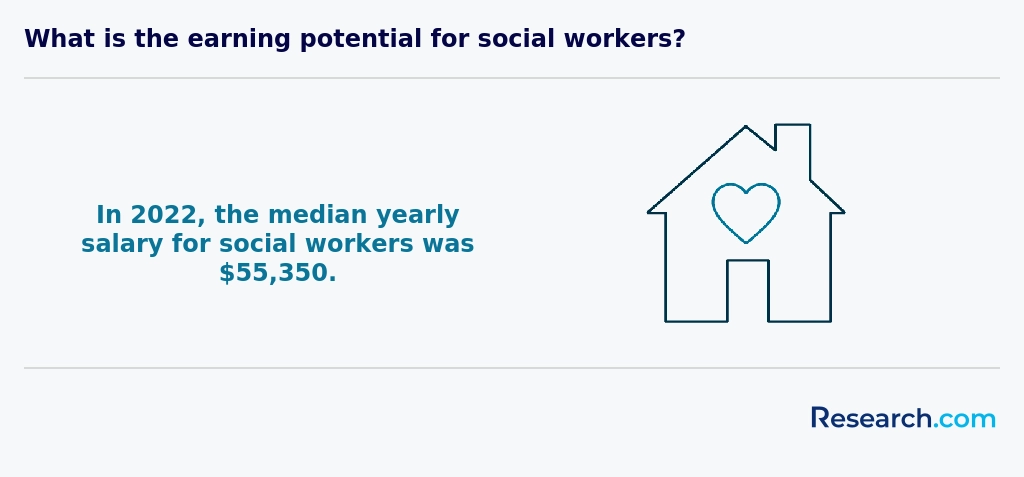
Online human services degree programs in New Jersey commonly include courses like Introduction to Human Services, which grounds students in the history and scope of this important field. Graduates from well-regarded institutions such as Rutgers University and Kean University often reflect on how Case Management and Advocacy classes taught them to navigate complex client needs with compassion and efficiency.
Courses in Psychology and Sociology bring valuable insight into human behavior, helping students understand the social contexts of individuals' challenges. Substance Abuse and Addiction Studies prepare many for meaningful intervention roles, a course frequently praised by alumni for its real-world applicability.
Counseling Techniques and Ethics in Human Services courses equip students with essential communication skills and a strong moral framework, often highlighted by graduates as foundational to their professional confidence. Additionally, Cultural Competency modules embrace New Jersey's diverse communities, making graduates ready to serve with respect and empathy.
Hands-on internships arranged through partnerships with local nonprofits further deepen learning, allowing students to translate classroom knowledge into impactful service within their own neighborhoods.
Students pursuing an online human services degree in New Jersey often find a rich array of specializations tailored to the state's diverse needs. Graduates from well-regarded programs at popular New Jersey colleges appreciate focusing on areas like Mental Health Counseling, which equips them to support individuals facing psychological challenges through counseling and crisis intervention. Others choose Substance Abuse Counseling, motivated by the community impact of opioid addiction, gaining hands-on skills in prevention and recovery support.
Those interested in social policy and welfare find the Social Work specialization rewarding, while Gerontology appeals to students inspired by New Jersey's growing elderly population, preparing them for advocacy and healthcare coordination roles. Community Services and Criminal Justice and Victim Services offer meaningful career paths that intertwine social support with justice system awareness.
Reflecting on experiences at New Jersey institutions, many emphasize how these specialized tracks not only deepen their understanding but also enhance practical opportunities. Exploring all options through resources focused on comparing social service degrees can help clarify the best path for your aspirations related to online human services degree specializations New Jersey offers.
Choosing the best online human services degree in New Jersey means prioritizing programs with strong regional accreditation and curricula that reflect local social challenges, such as urban poverty or community health. Graduates from respected New Jersey colleges often share how coursework tailored to state-specific issues made their learning deeply relevant and personally rewarding. For many, the balance of flexible online classes and opportunities for practical experience within New Jersey communities proved invaluable in building confidence and real-world skills.
Affordability also shapes the decision. Public institutions tend to offer more affordable human services programs NJ residents appreciate, especially when combined with scholarships or in-state tuition discounts. Reflecting on fellow students' experiences, those who prioritized financial aid found more sustainable paths through their studies.
Another insightful tip from alumni includes ensuring programs prepare students for New Jersey's licensure and certification requirements. This alignment enhances career readiness, especially when combined with local practicum placements. For those seeking detailed information on program outcomes or salaries, exploring resources like the degree in human services salary can guide smarter choices.
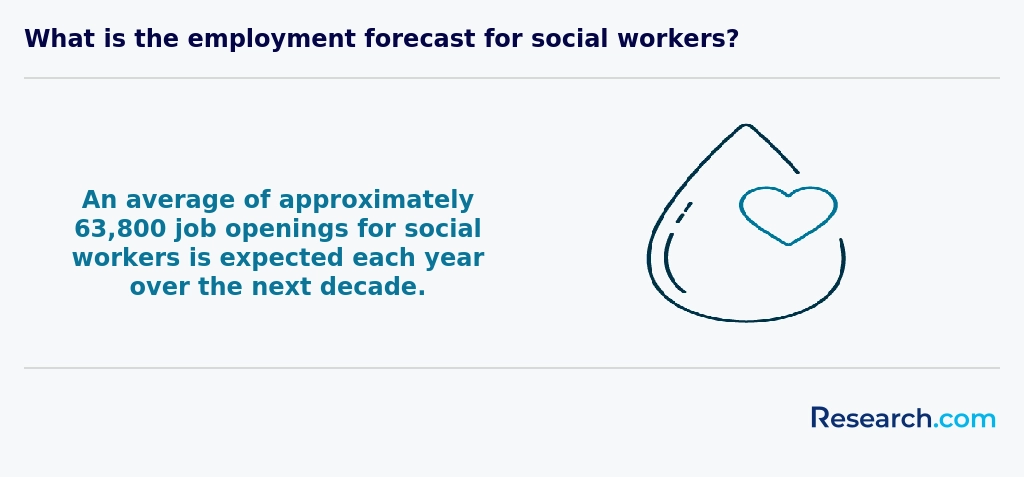
Graduates with an online human services degree in New Jersey discover a range of fulfilling career paths that make meaningful differences in people's lives. Many find rewarding work as case managers or social service coordinators, roles that center around supporting vulnerable populations and connecting them with essential resources. Those who studied at popular institutions like Rutgers University or The College of New Jersey share how their education prepared them for these roles, emphasizing hands-on experience and local community engagement. Exploring career opportunities with human services degree NJ reveals positions in mental health support and substance abuse counseling, critical fields given New Jersey's focus on addressing opioid addiction and behavioral health.
Others advance into program management or advocacy roles, impacting communities from within nonprofit organizations, healthcare facilities, or government agencies. Reflecting on their journeys, graduates value how these careers offer both challenge and reward, blending empathy with coordination skills. For more insights into broader career options for a masters degree in human services, many find this resource invaluable for planning their next steps.
The job market for those holding an online human services degree in New Jersey is vibrant and promising, particularly for graduates who balance education with personal and professional responsibilities. Graduates from popular institutions such as Rutgers University and Montclair State University often find rewarding roles in mental health centers or nonprofit organizations. These settings allow them to draw on real-world skills developed during their studies to support diverse communities.
Many online human services degree jobs New Jersey graduates secure offer median salaries around $42,000, reflecting the state's wage standards and cost of living. The flexible nature of online programs makes it easier for students to gain certifications in areas like substance abuse counseling, which can significantly improve job prospects in government agencies or healthcare facilities.
Stories from recent graduates emphasize the advantage of programs designed for working adults, such as those offering an accelerated human services degree online. These pathways allow quick entry into growing fields tied to behavioral health and social assistance, both flourishing sectors throughout the state.
2027 Fastest Online Human Services Degree Programs Ranking in New Jersey
Investing in your education is a significant decision that can shape your future, and the Research.com team understands the importance of making informed choices. To assist prospective students in New Jersey, we have meticulously crafted the "2027 Fastest Online Human Services Degree Programs Ranking in New Jersey." Our commitment to quality, credibility, and accuracy is reflected in the extensive research and analysis conducted to compile this ranking.
We utilized the following reputable data sources to ensure a comprehensive evaluation of human services programs:
By exploring this ranking, readers will gain valuable insights into the best and fastest online human services degree programs in New Jersey, helping them make confident and informed decisions about their educational and career paths. For more information on how this ranking was created, please visit our Research.com methodology page.


# 3 position
Thomas Edison State University
Master of Information Technology for Public Service

# 4 position
Thomas Edison State University
Bachelor of Public Administration
Frequently Asked Questions About human services
Online human services degree students in New Jersey can maximize their learning by actively engaging with their coursework and utilizing available resources. Many New Jersey institutions offer virtual tutoring, library access, and dedicated academic advisors to support online learners. Students should also participate in discussion forums and group projects to enhance collaboration skills, which are vital in human services careers.
Gaining practical experience through internships or volunteer opportunities within New Jersey communities adds real-world context to academic knowledge. According to the New Jersey Department of Labor, human services roles are projected to grow by 8.7% through 2030, increasing demand for skilled professionals.
Staying current with state licensure requirements and certifications can further improve job prospects after graduation.
The human services field is evolving to meet new societal needs, creating several emerging niches for students pursuing online degrees in New Jersey. One growing area is gerontology, focusing on the aging population, which in New Jersey comprises nearly 16% of residents aged 65 and older, according to the U.S. Census Bureau.
Another niche is substance abuse counseling, driven by the ongoing opioid crisis impacting the state. Additionally, trauma-informed care and mental health support are expanding due to increased awareness of behavioral health issues.
These specialties offer promising career paths within social work, counseling, and case management, reflecting the state's shifting demographics and health priorities.
After completing an online human services degree in New Jersey, graduates should focus on building relevant experience to enter the job market confidently. Internships and volunteer roles in social service agencies can strengthen practical skills and professional networks. New Jersey's Human Services sector often values certifications such as the Certified Alcohol and Drug Counselor (CADC), which can increase job prospects.
Networking through state organizations like the New Jersey Human Services Directors Association also helps graduates connect with employers. According to the New Jersey Department of Labor, employment in community and social services is expected to grow by 7% through 2030, suggesting positive demand for qualified professionals.
Creating a strong resume that highlights field experience and soft skills is essential for success.
Employers in New Jersey highly value human services degree graduates who demonstrate strong communication and interpersonal skills. According to the New Jersey Department of Labor, effective client interaction and empathy are critical for roles in social work, community outreach, and counseling. Additionally, problem-solving and crisis intervention abilities are essential, enabling graduates to support individuals facing various challenges.
Data from local agencies highlight the importance of cultural competence due to New Jersey's diverse population. Knowledge of ethical standards and proficiency in case management software also increase employability. These combined skills prepare graduates to meet the dynamic needs of human services careers in the state.
Finding internships in New Jersey for human services students involves targeted research and networking. Many state agencies and non-profits offer placements, often coordinated through college career centers. According to the New Jersey Department of Labor, social and community service managers are in increasing demand, making internships valuable for gaining practical experience. Online degree students should explore local organizations such as the New Jersey Association of Mental Health Agencies or county human services departments.
Utilize platforms like Handshake and NJ State Internship programs to find openings specifically in human services. Early application is key due to competitive demand and limited spots. Building relationships with academic advisors and attending local virtual job fairs can also enhance opportunities.
Obtaining an online human services degree in New Jersey can significantly enhance career mobility and advancement opportunities. The New Jersey Department of Labor highlights that the human services sector is expected to grow by 12% from 2022 to 2032, faster than average for all occupations. This growth increases demand for qualified professionals.
Online degrees offer flexible schedules, enabling working adults to balance education with current employment. Graduates gain foundational knowledge in social work, counseling, and case management, which employers value highly.
Many New Jersey agencies require a degree for supervisory or specialized positions, making degree holders more competitive for promotions and higher salaries.
Studying for a human services degree in New Jersey equips students to work across various fields such as social work, counseling, healthcare, and public administration. Programs often emphasize interdisciplinary approaches, blending psychology, sociology, and healthcare policy. This prepares graduates to coordinate resources effectively for diverse populations. According to the New Jersey Department of Labor, human services roles are expected to grow by 11% through 2031, indicating strong demand for versatile professionals.
Online degrees provide flexible access to coursework that integrates real-world applications with theory. Students learn collaborative skills and case management techniques useful in multiple settings including schools, hospitals, and nonprofit organizations.
Choosing between a thesis and a non-thesis human services degree program in New Jersey depends on your career goals and learning preferences. A thesis program typically requires conducting original research and writing a substantial paper, preparing students for roles in research, policy analysis, or further graduate study. Non-thesis programs focus more on practical skills and coursework, appealing to those aiming to enter human services practice quickly.
In New Jersey, institutions like Rutgers and Montclair State offer both options, with online availability increasing. Considering the state's growing demand for social workers-projected at 9% growth through 2030 by the Bureau of Labor Statistics-choosing a path aligned with your career aims is key.
Review the curriculum, faculty mentorship, and program flexibility. Thesis tracks may take longer, but they enhance critical thinking and data skills. Non-thesis tracks often allow faster completion, suitable for professionals balancing work and study.
Students based in New Jersey seeking to study human services abroad through online programs face limited options due to accreditation and licensing considerations. Most U.S. institutions offering online human services degrees require coursework from accredited universities, typically within the United States, to ensure eligibility for state licensure. Currently, New Jersey does not have widely recognized foreign universities providing fully online human services degrees that meet state licensure standards.
However, New Jersey students can explore exchange programs or semester abroad opportunities as part of their degree at local universities, such as Rutgers or Kean University, which may have partnerships with international institutions. These options allow students to gain global perspectives while maintaining progress toward U.S.-accredited degrees.
According to the New Jersey Higher Education Student Assistance Authority (HESAA), international study components are increasingly integrated into domestic programs, but fully online foreign degrees in human services remain rare. Students should verify accreditation and state licensing requirements when considering cross-border education.
Part-time job opportunities in New Jersey that complement a human services degree include positions such as case aides, social work assistants, and community outreach workers. These roles allow students to gain practical experience in social services, mental health support, and community programming. According to the New Jersey Department of Labor, the demand for social and human service assistants is projected to grow by 7% from 2022 to 2032, reflecting the expanding need for support services.
Jobs in nonprofit organizations, healthcare facilities, and governmental agencies also provide valuable exposure to human services practices. Working part-time in these settings helps build essential skills in client interaction, resource coordination, and advocacy.
Online human services students in New Jersey benefit from multiple networking opportunities through virtual and local channels. Many state universities and colleges host online career fairs and webinars tailored to human services fields. The New Jersey Chapter of the National Organization for Human Services often offers virtual meetings and events, providing students with direct industry connections. Additionally, students can engage with professional groups like the New Jersey Association of County Human Services Administrators, which supports collaboration among professionals in social services across the state. According to the New Jersey Department of Labor, over 10,000 human services jobs are expected by 2026, highlighting strong local networking potential for graduates.
Alumni networks offer significant advantages for students pursuing online human services degrees in New Jersey. These networks provide valuable connections to experienced professionals working in local agencies and nonprofits. Access to such contacts can assist students in finding internships and job opportunities within the state's robust social services sector.
Research from the New Jersey Department of Labor highlights that over 30,000 human services jobs are expected through 2028, making networking essential for securing roles. Alumni groups often host events, webinars, and mentoring programs tailored to current students' career goals.
Furthermore, these networks help with professional development by sharing insights on state certification requirements and grant opportunities common in New Jersey's human services field.
Customizing an online human services degree in New Jersey begins with selecting elective courses and concentrations that align with your career ambitions. Many New Jersey institutions offer specializations such as addiction counseling, mental health, or social work, allowing students to tailor their studies.
Additionally, some programs provide flexible internship or practicum options, enabling hands-on experience in local agencies or organizations that serve New Jersey communities. This practical exposure can improve job prospects.
Advisors often help students design a pathway that meets New Jersey's licensing requirements for human services professionals, ensuring their education supports certification and employment goals within the state.
Online human services students in New Jersey often face several challenges related to balancing coursework with personal and professional responsibilities. Many learners are working adults who must manage flexible schedules while meeting demanding class deadlines. Additionally, limited in-person interaction can lead to feelings of isolation, which affects motivation and engagement. Technical issues and access to reliable internet also impact study consistency, especially in rural areas of the state. According to the New Jersey Department of Labor, the demand for timely support and practical experience poses another challenge, as some online programs struggle to provide sufficient hands-on training opportunities required for certification and licensing.
With an online human services degree in New Jersey, you can pursue several key professional certifications to enhance your career prospects. The most common credential is the Certified Human Services Professional (CHSP), which validates your skills in client advocacy and case management. New Jersey also recognizes the Certified Social Work Manager (CSWM) for those advancing into leadership roles in human services agencies.
Additionally, credentials like the Certified Case Manager (CCM) and Licensed Clinical Social Worker (LCSW) are valuable for graduates planning clinical or casework positions. According to the New Jersey Department of Labor, employment in social and human services is projected to grow by 8% from 2022 to 2032, underscoring the value of certification in this competitive field.
To write a winning application for an online human services program in New Jersey, start by researching programs accredited by the Council for Standards in Human Service Education (CSHSE). Highlight your commitment to community support and any relevant volunteer or work experience, as these demonstrate practical skills valued in human services. Tailor your personal statement to reflect New Jersey's diverse populations and specific social challenges, such as addressing urban poverty or opioid addiction, referencing sources like the New Jersey Department of Human Services.
Ensure your resume is clear and focuses on transferable skills like communication and empathy. Submit all required documents on time and double-check for accuracy to improve your chances of acceptance.
Globally, a career in human services is valued for its focus on improving community well-being and addressing social challenges. In the United States, including New Jersey, human services professionals are essential in sectors like mental health, substance abuse, and family support. According to the U.S. Bureau of Labor Statistics, demand for social and human service assistants is projected to grow 13% from 2022 to 2032, faster than average for all occupations.
New Jersey's diverse population creates unique opportunities for human services careers that require cultural competence and adaptability. Online degree programs in the state often emphasize global awareness to prepare students for varied community needs.
Internationally, collaboration across borders strengthens best practices in human services, highlighting the profession's critical role in global health and social justice initiatives.
Gaining practical experience while pursuing an online human services degree in New Jersey is essential for career readiness. Many programs require or strongly encourage internships or fieldwork, which can often be arranged locally. Students can partner with agencies such as state health departments, non-profits, or social service organizations in New Jersey. According to the New Jersey Department of Human Services, internships provide critical exposure to client interaction, case management, and community resources.
Additionally, some schools offer virtual simulation labs and remote practicums to complement online coursework. Students should consult their program advisors to identify approved local organizations for hands-on learning. The New Jersey Workforce Development Board highlights that 75% of human services employers prefer candidates with practical experience, emphasizing the importance of these opportunities.
When choosing a concentration within an online human services degree program in New Jersey, consider your career goals first. Human services fields vary widely, from mental health to community outreach. Identifying which population or service you want to impact helps narrow choices.
Next, research local industry demands. For example, the New Jersey Department of Labor reports steady growth in social and community service jobs, especially in substance abuse and child welfare. Concentrations aligned with these areas may offer more job opportunities.
Review program curricula carefully to ensure they align with required state certifications or licensures in New Jersey.
Lastly, consider internship or practicum options offered remotely or locally, which are key for experience and networking in the state.
- 2027 Fastest Online Human Services Degree Programs Ranking in Pennsylvania
- 2027 Fastest Online Human Services Degree Programs Ranking in New York
- 2027 Fastest Online Human Services Degree Programs Ranking in Maryland
- 2027 Fastest Online Human Services Degree Programs Ranking in Connecticut
- 2027 Fastest Online Human Services Degree Programs Ranking in Virginia
- 2027 Fastest Online Human Services Degree Programs Ranking in Massachusetts
- 2027 Fastest Online Human Services Degree Programs Ranking in Ohio
- 2027 Fastest Online Human Services Degree Programs Ranking in Kentucky
- 2027 Fastest Online Human Services Degree Programs Ranking in North Carolina
- 2027 Fastest Online Human Services Degree Programs Ranking in Indiana
- Humanity in Action: Understanding Human Services Degrees https://www.ucumberlands.edu/blog/humanity-in-action-understanding-human-services-degrees
- Associate Degree - Human Services - Online | Monroe University https://www.monroeu.edu/academics/undergraduate-programs/school-criminal-justice/online-associate-degree-human-services
- 220 LSW Jobs in New Jersey | iHireSocialServices https://www.ihiresocialservices.com/t-lsw-s-new-jersey-jobs.html
- How to Maximize the Impact of Alumni Networks https://www.careeros.com/resources/how-to-maximize-the-impact-of-alumni-networks
- Careers with a Degree in Human Services https://www.mhaonline.com/faq/careers-with-degree-in-human-services
- What can you do with a bachelor's in human services? | edX https://www.edx.org/resources/what-can-you-do-with-a-bachelors-in-human-services
- How To Navigate Human Services Challenges in 2026 https://nctinc.com/blog/how-to-navigate-human-services-challenges-in-2026/
- Health and Human Services Career Guide https://www.ultimatemedical.edu/blog/hhs-guide/
- 10 Effective Ways to Build Networking Skills in Community Services https://tsa.edu.au/ways-to-build-networking-skills-in-community-services/
- Professional Networking in Social Work: 2025 Complete Guide https://www.socialworkdegrees.org/professional-networking-in-social-work