2027 Best Online Master's in Human Services Degree Programs Ranking in the Northeast

Co-Founder and Chief Data Scientist
Choosing the right online master's program in human services can feel overwhelming, especially with so many options available in the Northeast. This article introduces the 2027 Best Online Master's in Human Services Degree Programs Ranking in the Northeast, thoughtfully created by the Research.com team of data scientists. It offers clear, data-driven insights to help you make an informed decision.
Exploring these top-ranked programs can open doors to meaningful careers, making a real difference in communities. Whether you're starting or advancing your journey, this guide supports your goals with trustworthy information and encouragement.
Key benefits of getting online human services degree in the Northeast
- While specific salary data from the Northeast is unavailable, human services graduates in the U.S. generally earn around $35,000 to $50,000 annually, providing a stable income in a fulfilling career.
- A graduate from a well-known Northeast university often finds roles in social work, counseling, and community outreach, offering diverse paths to make a positive impact.
- Completing a human services degree online from a reputable Northeast university offers flexibility and access to resources, making it easier to balance education with personal and work commitments.
- 2027 Best Online Master's in Human Services Degree Programs Ranking in the Northeast
- What can I expect from online human services degree in the Northeast?
- Where can I work with online human services degree in the Northeast?
What can I expect from online human services degree in the Northeast?
The average cost of an online human services degree in the Northeast varies but generally remains manageable, especially when considering public universities in states like New York and Massachusetts. Many students find that these institutions offer competitive tuition rates for in-state students, and some online programs extend uniform pricing regardless of residency, which simplifies budgeting.
Graduates from well-known colleges in the region often share how financial aid and scholarships specifically designed for human services students significantly offset expenses. For instance, a student at a prominent public university recalled being able to fully cover tuition through a combination of grants and an internship stipend during their practicum, which blended online coursework with local hands-on experience.
Choosing a program aligned with the Council for Standards in Human Service Education (CSHSE) further ensures that tuition is an investment toward professional certification and career placement.
By exploring local institutions offering transparent, consistent pricing and tapping into scholarship opportunities, prospective students can confidently manage costs and focus on gaining practical skills.
Where can I work with online human services degree in the Northeast?
Graduates with an online human services degree from popular Northeast schools like the University of Massachusetts or Penn State find diverse career options awaiting them. Many begin their careers as social and human service assistants in states like New York, where demand is projected to grow 10% over the next decade. These roles often involve working directly in social service agencies, healthcare settings, or community organizations, helping vulnerable individuals navigate resources and care plans.
Others leverage their degree to join mental health or addiction treatment centers, where they assist clients with recovery and support services. For example, graduates have found rewarding positions in Massachusetts' Department of Public Health, supporting rehabilitation programs that transform lives.
Nonprofits engaging in homelessness outreach, domestic violence prevention, or foster care frequently seek graduates from online programs for case management and advocacy roles, as seen in metropolitan hubs like Boston and Philadelphia.
Government agencies also provide stable career paths in welfare administration and youth services coordination in Pennsylvania and beyond.
The flexibility of earning a degree online allows many students to work locally or relocate within the Northeast without interrupting their momentum, making career advancement manageable and fulfilling.
Graduates of online human services degree programs in the Northeast often find starting salaries in the range of $40,000 to $47,000, especially in entry-level roles such as social and human service assistants. For example, those who attended well-regarded institutions like Syracuse University or the University of Massachusetts recall beginning their careers within this salary bracket, gaining valuable hands-on experience in local nonprofit organizations.
Master's degree holders enjoy higher starting wages, often between $48,000 and $62,000, with growth potential as they advance into supervisory or specialized roles. Graduates from programs at places like Rutgers University have reported moving quickly into case management or program director positions, boosting their income and job satisfaction.
In urban centers such as New York City, salaries can be notably higher-up to $55,000 or $60,000-reflecting both the cost of living and greater demand. Those earning professional licenses or certifications frequently exceed $60,000, combining expertise with leadership opportunities. Many alumni emphasize the importance of pursuing credentials and networking within regional agencies to maximize long-term earnings and career growth.
- Online human services degrees in the Northeast usually offer bachelor's and master's programs related to social work and counseling.
- Tuition costs range from $15,000 to $30,000 for bachelor's degrees and $20,000 to $40,000 for master's degrees, with public universities generally being more affordable.
- Entry-level jobs in human services pay between $40,000 and $50,000 annually, while experienced professionals can earn $60,000 to $75,000 or more.
- Job growth in the human services sector in the Northeast is projected at about 12% through the late 2020s, especially in mental health counseling and social assistance.
- Many online programs prepare students for certifications like Certified Human Services Professional (CHSP) or Licensed Clinical Social Worker (LCSW), which improve job prospects.
- Higher population areas such as New York, Massachusetts, and Pennsylvania offer more job opportunities and higher salaries.
Completing an online human services degree in the Northeast generally takes between one and four years, depending on your enrollment status and prior credits. For example, graduates from well-known institutions like Northeastern University or the University of Massachusetts often share how part-time study allowed them to balance full-time work while progressing steadily, finishing their bachelor's in around three to four years.
Bachelor's degrees typically require about 120 credit hours, with many programs offering accelerated options that helped some students complete their degrees closer to two years by leveraging transfer credits or intensive course loads. Master's degree students often complete their studies in 1.5 to 2 years, though flexible pacing extends this for working professionals.
Certificate programs or associate degrees may only take six months to two years, providing a quicker path to entering the workforce. Graduates appreciate how programs at schools like Rutgers University allow customization of pace to fit life demands, helping them stay motivated and successfully advance their careers in human services.
Accreditation assures program quality and enables eligibility for licensure in most states.
Key accreditation types:
- Regional accreditors (NECHE, MSCHE) validate overall institutional standards.
- Specialized accreditor (CSHSE) focuses on human services curriculum quality.
- State licensure boards set specific coursework, practicum hours, and exam requirements.
Typical licensure steps:
- Earn a degree from a correctly accredited program.
- Complete supervised practicum (often 300–600 hours).
- Pass the required state or national licensure exam.
Verify accreditation status and licensure alignments with your intended practice state. For related advanced credentials, explore bcba online masters programs.
Online and on-campus human services degrees in the Northeast share the same academic foundation, but their delivery and experiences differ. Graduates from popular schools like Syracuse University or the University of Massachusetts often highlight how online programs provide flexibility to juggle work and family, accessing classes anytime from home or a local library. This is ideal for students managing busy schedules or those living farther from campus.
On-campus students at colleges such as Temple University appreciate the immersive environment, with face-to-face networking and easy access to nearby internships through school partnerships. These experiences build strong professional connections and hands-on skills quickly.
Cost-wise, online options often reduce expenses as students save on commuting, housing, and campus fees, which northeast students find beneficial. However, both formats meet regional accreditation standards, ensuring degrees from institutions like Boston University hold equal weight professionally.
Choosing between formats means balancing convenience, cost, learning style, and internship access-practical considerations that northeast students weigh carefully based on their lifestyle and career goals.
Accreditation ensures your degree meets rigorous quality standards and supports eligibility for professional licensure. When evaluating programs, consider:
- Regional accreditation (e.g., NECHE, MSCHE) for overall institutional quality and seamless credit transfer
- Programmatic accreditation by the Council for Standards in Human Service Education (CSHSE) to validate specialized human services curricula
- State-specific licensure requirements, which vary across the Northeast and often dictate practicum hours and exam eligibility
Verifying both regional and programmatic accreditation safeguards your investment and enhances career prospects. For specialized certification-focused programs, see bcba online masters programs.
The average cost of an online human services degree in the Northeast typically centers around a median total of $34,200, with in-state students paying approximately $31,009 and out-of-state students facing costs near $36,288. These figures reflect the region's higher tuition fees due to the prevalence of private universities and the generally elevated cost of living. Graduates from well-known colleges in the Northeast often share that despite the investment, the quality of education and networking opportunities justify the expense.
Students pursuing these degrees at institutions in states like New York or Massachusetts often encounter a mix of tuition and additional fees, such as technology or practicum costs. One graduate described managing these expenses by taking advantage of employer tuition assistance and scholarships, which allowed them to complete their degree with less financial stress. For many, budgeting carefully and exploring financial aid opportunities is key to managing the overall price.
When researching northeast online human services program tuition fees, students should consider not only the sticker price but also the return on investment through career advancement and earning potential. For example, some programs offer competitive pricing per credit hour and flexible schedules suited to working professionals. To explore your options and find detailed program insights, consider visiting resources like online masters degree human services for advice tailored specifically to your goals and budget.
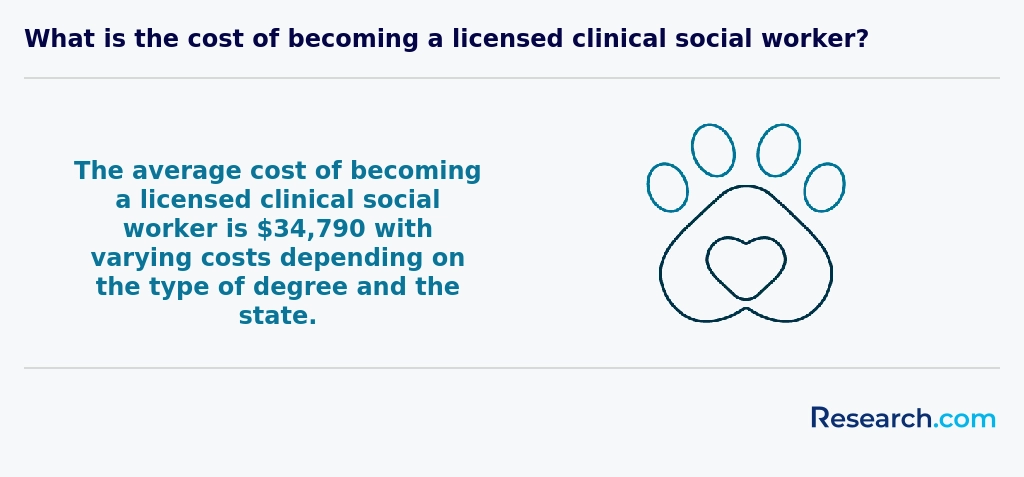
Graduates of online human services master’s programs often pursue state licensure or professional certification to enhance credibility and career prospects. Common pathways include:
- Licensed Clinical Social Worker (LCSW): Requires 2,000–4,000 supervised clinical hours and passing the ASWB exam.
- Certified Human Services Professional (CHSP): Offered by the National Organization for Human Services, involving a competency-based exam.
- Certified Substance Abuse Counselor (CSAC): Varies by state, often 1,000–3,000 practicum hours plus a board exam.
- Certified Case Manager (CCM): Requires a bachelor’s degree, 12 months of case management experience, and a national certification exam.
State licensure boards set specific requirements, so early planning and alignment of field placements with program practicum policies are essential. For those interested in behavior analysis, consider our bcba online masters programs.
Graduate students pursuing an online human services degree in the Northeast can tap into a variety of financial aid options designed to lighten the financial load. Federal aid is a key resource, with Direct Unsubsidized Loans often utilized since they don't require proof of financial need. Many students at schools like Simmons University or Rutgers find these loans helpful for covering tuition without added stress.
State-specific programs, such as New York's Tuition Assistance Program (TAP), offer vital support to residents attending institutions like Hunter College's online human services program. Massachusetts and Pennsylvania residents can access similar grants targeting social service-related degrees, easing the journey through graduate studies.
Merit-based scholarships are another game changer. Graduates have shared how awards tied to academic or professional achievements provided thousands in savings, making programs at schools like the University of New England more affordable. Additionally, employer tuition reimbursement is a practical avenue many students working in nonprofit or healthcare sectors explore to fund their education.
Professional organizations, such as the National Organization for Human Services, also offer scholarships exclusive to human services students, adding one more layer of financial relief.
Most accredited online human services master's programs in the Northeast require a supervised practicum, blending classroom theory with hands-on practice:
- Local placement coordination through partnerships with nonprofits, healthcare facilities or government agencies
- Supervision by licensed professionals, offering regular feedback and mentoring
- Typical requirement of 400–600 field hours, often completed part-time alongside coursework
- Structured reflection seminars or virtual check-ins to discuss challenges and best practices
- Capstone presentations or final reports showcasing applied skills
Begin early by discussing placement timelines with your program advisor to align field experiences with your career goals. Explore related bcba online masters programs for specialized behavior-analysis internship opportunities.
To enroll in an online human services degree program in the Northeast, you typically need a bachelor's degree from an accredited institution, though it doesn't always have to be specifically in human services. Graduates from schools like Boston University or Syracuse University often recall how their diverse academic backgrounds, including psychology or social work, helped them get admitted. A GPA around 2.5 to 3.0 is usually expected, and while GRE scores are becoming less common, some programs might still request them or offer waivers based on your professional experience.
Many students find that having hands-on experience, such as volunteering at community centers or interning with social services agencies, greatly strengthens their applications. For example, graduates from Northeastern University highlight how internships provided real-world insights that made academic concepts meaningful and boosted their confidence.
Applicants should also prepare to submit a personal statement, letters of recommendation, and a resume. Additional requirements may include background checks, especially if the program involves supervised placements with vulnerable groups. Being proactive in gathering these documents streamlines your admission process and sets a positive tone with admissions committees.

Graduates must often obtain credentials to practice in human services, with requirements varying by state in the Northeast. Planning early ensures you meet educational, exam, and supervised experience criteria before entering roles in counseling, advocacy, or program administration.
- Certified Human Services Professional (CHSP): awarded by the National Organization for Human Services; requires degree verification and a professional ethics exam.
- Licensed Clinical Social Worker (LCSW): state-level licensure involving a master's in human services or social work, supervised clinical hours, and a standardized exam.
- Licensed Professional Counselor (LPC): typically requires a relevant graduate degree, 2,000–4,000 hours of supervised practice, and a licensing exam.
- Board Certified Behavior Analyst (BCBA): credentials for those focusing on behavioral interventions; requires approved graduate coursework and exam. Learn more about bcba online masters programs.
Check your state board website for specific timelines, supervision requirements, and renewal procedures to ensure compliance and career readiness.
Online human services degree programs in the Northeast typically include courses that build practical skills and deepen understanding of social challenges unique to the region. Graduates from well-known colleges often mention that courses like Human Behavior and Social Environment and Counseling Methods and Techniques helped them feel confident addressing complex client needs.
Other essential classes focus on program development and ethics, such as Program Planning and Evaluation and Ethics in Human Services, which prepare students to navigate real-world dilemmas thoughtfully. For example, graduates recall applying their knowledge in practicum experiences at community centers serving veterans and immigrants, common populations in Northeastern cities.
Courses covering Substance Abuse and Mental Health and Community Resources and Social Policies are especially valuable for understanding local support systems and legal frameworks like state-specific healthcare policies. Many find the inclusion of Research Methods in Human Services empowering, as it equips them to evaluate program effectiveness and advocate for clients based on evidence.
Online human services degree programs in the Northeast typically offer diverse specializations to fit different career paths. Graduates from well-known colleges in the region often highlight concentrations such as Addiction Counseling, which equips them with practical skills to support individuals battling substance abuse. Others find Gerontology appealing for its focus on aging populations, a growing field in Northeast communities. Specializations in Mental Health Services and Child and Family Services are popular for those seeking roles in social work or counseling, with hands-on training reported as highly beneficial by alumni.
Community Advocacy and Social Justice tracks empower students to engage with systemic issues and enhance marginalized voices, aligning with workforce trends in the region. Disability Services also stands out, preparing students to create tailored support plans. Those exploring human services career options in Northeast online programs appreciate programs that integrate practicum experiences, crucial for building confidence and real-world readiness.
For detailed insight into job prospects, students can explore the social services job outlook to align their specialization choice with market demand.
Choosing the best online human services degree in the Northeast starts with verifying accreditation, such as from CACREP or CSWE, to ensure your education meets high standards recognized by employers and certification boards. Graduates from well-regarded programs in colleges across New York and Massachusetts often emphasize how accreditation gave them confidence in their career paths.
Next, weigh tuition costs carefully, keeping in mind that Northeast prices typically range between $20,000 and $35,000 annually. Many affordable human services programs Northeast offer financial aid or discounted rates for regional residents, helping students manage expenses without sacrificing quality.
Flexibility is crucial for balancing work and study. Students in popular Northeast programs frequently highlight the benefit of asynchronous classes, which allow them to learn on their own schedules while still accessing supportive faculty. This adaptability makes pursuing a degree much more manageable.
Regional relevance matters too; programs connected to local agencies provide hands-on internships that immerse students in the unique social service needs of the Northeast. Such practical experiences increase job readiness.
Finally, explore faculty expertise and career services to enhance networking and professional growth. For a clear view of career possibilities, check out this list of jobs in human services field and salaries.

Graduates of an online human services degree in the Northeast can pursue a variety of fulfilling career paths tailored to local community needs. Many find rewarding work as human services specialists or case managers, roles that involve direct client interaction to assess needs and coordinate personalized care plans. For example, graduates from popular colleges like Boston University often step into these roles, helping vulnerable populations with practical support. This growing career track aligns well with online human services careers Northeast, offering steady employment prospects.
Another well-regarded path is social and community service management. Graduates frequently take on leadership roles overseeing programs that tackle issues like homelessness and mental health in urban centers like New York City. Their program management skills, honed through rigorous study, open doors to positions that combine advocacy with administrative responsibility.
Other graduates pursue roles as substance abuse counselors or youth and family caseworkers, often supplemented by certifications. Community outreach coordinators are also in demand, designing impactful social welfare initiatives. Exploring masters in health and human services jobs can reveal additional opportunities for career advancement and specialization in the region.
Students balancing work and study appreciate the flexible formats offered by many Northeast institutions, enabling them to build careers while earning their degree. Real-world experience, combined with an online human services degree, positions graduates to make meaningful contributions and achieve personal satisfaction in this vital field.
The job market for online human services degree jobs in the Northeast remains robust, fueled by growing community needs and expanding social service programs in metropolitan areas like Boston and Philadelphia. Graduates from well-known regional institutions often find rewarding roles in nonprofit agencies and government departments, where their skills directly impact mental health support and family services. For instance, many Northeast graduates share positive experiences working with diverse populations in urban centers, reinforcing their commitment to meaningful, community-focused careers.
Career opportunities for human services graduates Northeast are especially promising due to strong regional funding and organizational support. Salaries tend to be higher here, with states like Massachusetts offering annual median wages closer to $45,000. Taking advantage of flexible, affordable online programs from local universities can give students a strategic edge. Many choose programs recognized for their balance of cost and quality, with some exploring shortest human services online degrees to accelerate their entry into the workforce and advance faster.
2027 Best Online Master's in Human Services Degree Programs Ranking in the Northeast
Investing in your education is a significant decision that can shape your future, and the Research.com team understands the importance of making informed choices. To assist prospective students in the Northeast, we have meticulously crafted the "2027 Best Online Master's in Human Services Degree Programs Ranking in the Northeast." Our commitment to quality, credibility, and accuracy is reflected in the extensive research and analysis conducted to compile this ranking.
We utilized the following reputable data sources to ensure a comprehensive evaluation of human services programs:
By exploring this ranking, readers will gain valuable insights into the best online human services degree programs in the Northeast, enabling them to make well-informed decisions about their educational paths. For more details on our methodology, please visit our Research.com methodology page.


# 5 position
Penn State University Park
Master of Public Administration


# 14 position
John Jay College of Criminal Justice of the City University of New York
Master of Public Policy and Administration

# 15 position
St. Joseph's University, Brooklyn Campus
Master of Human Services/Human Services Leadership


Frequently Asked Questions About human services
Online human services degree students in the Northeast can maximize their learning by actively engaging with virtual resources and local networks. Many programs accredited by the Council for Accreditation of Counseling & Related Educational Programs (CACREP) offer robust online platforms that facilitate interactive case studies and live discussions. According to the National Association of Social Workers (NASW), students benefit from joining regional and state chapters to access internships and mentorship opportunities, critical for practical experience.
Additionally, leveraging local community organizations for fieldwork enhances applied skills and complies with state licensing requirements. Regular communication with faculty and peers via forums and video calls also supports deeper understanding of course material and emerging regional social issues.
Emerging niches within the human services field reflect growing societal needs, especially in the Northeast. One expanding area is gerontology, addressing the challenges of an aging population; the U.S. Census Bureau reports that over 16% of the Northeast's population is aged 65 or older. Another niche gaining attention is mental health advocacy, as demand rises for professionals trained in behavioral health support. Additionally, substance abuse counseling remains critical, with the CDC highlighting opioid-related overdoses as a persistent concern in Northeastern states. Online human services degrees increasingly focus on these specialties, preparing students for roles that meet evolving community demands.
After completing an online human services degree in the Northeast, preparing for the job market involves multiple strategic steps. Begin by gaining relevant experience through internships or volunteer work, which many regional employers value highly. Networking plays a vital role; connect with local agencies and professional associations such as the National Organization for Human Services, which has a strong presence in the Northeast.
Research from the U.S. Bureau of Labor Statistics shows that human services positions in this region are expected to grow by 12% through 2030, signaling robust opportunities. Graduates should also consider obtaining certifications like the Certified Human Services Professional (CHSP) to enhance job prospects.
Additionally, developing soft skills such as communication and cultural competency is crucial for success in diverse urban and rural communities throughout the Northeast.
Employers in the Northeast highly value a combination of interpersonal and practical skills in human services degree graduates. Strong communication abilities are essential, as professionals must engage effectively with diverse populations. Critical thinking and problem-solving skills are often highlighted, enabling graduates to navigate complex social issues. According to the National Organization for Human Services, cultural competence is increasingly important in this region, given its diverse communities.
Data from the U.S. Bureau of Labor Statistics indicate that teamwork and organizational skills correlate with higher job performance in human services roles across the Northeast. Additionally, employers seek graduates proficient in case management software and data collection methods to support evidence-based practices.
Finding internships in the Northeast for human services students begins with exploring local agencies such as community centers, healthcare providers, and nonprofit organizations. The region's urban hubs, including New York City, Boston, and Philadelphia, offer abundant opportunities due to a high concentration of social service programs. According to the National Association of Social Workers, internships in these cities often focus on mental health, elder care, and poverty alleviation.
Students should utilize university career services, even for online programs, as many Northeast schools maintain partnerships with local agencies. Additionally, websites like Handshake and Internships.com list regional openings. Networking through professional groups such as the New England Human Services Association can also be valuable.
An online human services degree can significantly impact career mobility and advancement in the Northeast. The region's growing demand for social and community service managers is expected to increase by 12% through 2030, according to the U.S. Bureau of Labor Statistics. Earning an accredited online degree provides flexibility for working professionals while meeting regional licensure and certification requirements that enhance job prospects. Many Northeast employers value advanced education in human services for leadership roles, particularly in healthcare, nonprofit, and social work agencies. Graduates with online degrees often report higher earning potential and expanded opportunities for promotion within local labor markets.
Studying for a human services degree in the Northeast equips students with skills to work across multiple disciplines, including social work, psychology, and public health. Many programs emphasize collaboration, critical thinking, and cultural competence, preparing graduates for diverse roles in healthcare, education, and community organizations.
According to the Bureau of Labor Statistics, the Northeast has a high demand for interdisciplinary human services professionals, with states like New York and Massachusetts investing heavily in social programs. Programs often include coursework in counseling, policy analysis, and case management, ensuring students gain broad, applicable knowledge.
This regional focus enables learners to address complex social issues through integrated approaches, enhancing their employment prospects in various sectors.
Choosing between a thesis and a non-thesis online human services degree program in the Northeast depends largely on your career goals and learning preferences.
Thesis programs emphasize research skills and often suit students aiming for doctoral studies or research-intensive roles. The Northeast hosts many accredited schools offering such options, with programs typically requiring 6 to 12 credit hours of research work.
Non-thesis programs focus more on practical applications, ideal for professionals seeking immediate workforce entry or advancement. These programs often require additional coursework or internships instead of a thesis.
According to the National Center for Education Statistics, about 40% of master's students in social services nationwide pursue thesis tracks, with Northeast figures reflecting a similar trend.
Informed students should consider faculty expertise, program flexibility, and how well each track aligns with licensure or certification requirements specific to human services in Northeast states.
Students in the Northeast interested in studying human services abroad face limited direct options through online degree programs that incorporate international study. Most accredited online programs in the region focus on domestic curriculum delivery. However, some universities offer study-abroad components or international internships as part of hybrid formats, allowing students to gain global experience while enrolled in Northeast-based schools.
Additionally, the Council for Standards in Human Service Education (CSHSE) lists several accredited online programs primarily from Northeast institutions, although these do not emphasize international coursework. Students seeking abroad exposure often supplement their education with volunteer or internship opportunities in global settings independently.
According to the National Center for Education Statistics, fewer than 10% of Northeast human service programs include formal study abroad, reflecting the field's local service focus. Nevertheless, select universities provide partnerships with overseas agencies suitable for students pursuing internationally relevant human services careers.
Part-time job opportunities in the Northeast that complement a human services degree include roles such as case aides, social work assistants, and community outreach workers. These positions provide practical experience while supporting vulnerable populations in urban and rural settings. According to the U.S. Bureau of Labor Statistics, the Northeast has a higher-than-average demand for social services, especially in states like New York and Massachusetts.
Jobs in nonprofit organizations, healthcare facilities, and government agencies often offer flexible hours suitable for students. Engaging in these roles helps build critical skills in client communication, advocacy, and resource coordination, all of which enhance academic learning and career prospects in human services.
Online human services students in the Northeast benefit from various networking opportunities tailored to their professional growth. Many universities offer virtual meetups, alumni groups, and access to local human services associations. For example, the New England Human Services Network hosts online events connecting students with regional practitioners.
Additionally, students can attend virtual job fairs sponsored by state workforce agencies such as Massachusetts' Executive Office of Labor and Workforce Development, which often highlights roles in human services. According to the Bureau of Labor Statistics, the Northeast region employs over 150,000 human services workers, creating ample local connections.
Engaging in LinkedIn groups focused on Northeast human services is another useful strategy to build networks and discover job leads.
Alumni networks offer crucial support to online human services degree students in the Northeast by providing access to professional connections and career opportunities. These networks often facilitate mentorship programs, where experienced graduates guide current students through career challenges specific to human services fields. According to the Council for Advancement and Support of Education, strong alumni engagement can increase job placement rates by up to 25%.
In the human services sector, especially across states like New York and Massachusetts, connections formed through alumni networks can be valuable for internships and employment due to regional industry ties. Many schools also host virtual events that help students expand their professional networks beyond their immediate geographic area.
Many online human services degree programs in the Northeast offer flexible curricula allowing students to tailor their studies to specific career goals. Through elective courses, you can specialize in areas such as substance abuse counseling, mental health, or organizational leadership. Some programs provide opportunities to complete internships or practicum experiences remotely or at local sites, enhancing practical skills.
According to the National Association of Social Workers, specialization improves job placement in the Northeast's competitive human services field. Additionally, accredited programs often allow transfer credits, helping you build upon previous education or work experience. Customization ensures your degree aligns with your desired career path and regional workforce needs.
Online human services students in the Northeast often face challenges related to balancing coursework with work and family responsibilities. According to the National Center for Education Statistics, many online learners in this region juggle full-time jobs while studying, which can impact time management and course completion rates.
Connectivity issues and access to reliable internet remain concerns, especially in rural areas of states like Maine and Vermont. This affects students' ability to participate in synchronous sessions or access online resources smoothly.
Additionally, some students report difficulties forming meaningful connections with peers and instructors, which can limit networking opportunities important in human services careers.
With an online human services degree, graduates in the Northeast can pursue several recognized professional certifications. One common credential is the Certified Human Services Professional (CHSP) offered by the National Organization for Human Services. This certification validates skills in case management, counseling, and community support.
Additionally, credentials such as the Certified Clinical Mental Health Counselor (CCMHC) may be accessible with further graduate education. In states like New York and Massachusetts, certifications linked to social work, like LCSW (Licensed Clinical Social Worker), are also valuable but usually require additional licensure steps.
According to the Bureau of Labor Statistics, demand for certified human services professionals in the Northeast is expected to grow by 10% through 2030, highlighting the benefit of certification in advancing careers.
Writing a winning application for an online human services program in the Northeast begins with thorough research on regional schools and their specific admission criteria. Focus on articulating clear career goals that align with the program's focus on social work, counseling, or community advocacy. Highlight any relevant experience, including volunteer work or employment in social services, as this strengthens your case.
Admissions committees often look for candidates who demonstrate cultural competence and an understanding of diverse populations typical in Northeastern communities. According to the National Association of Social Workers, nearly 20% of human services professionals in this region work with immigrant and underserved populations. This contextual knowledge should be reflected in your personal statement.
Additionally, submit strong letters of recommendation from supervisors or educators familiar with your commitment to human services. Finally, ensure all transcripts and application materials are complete and proofread to avoid delays or rejection.
The human services field is increasingly viewed through a global lens, reflecting rising demand for professionals who understand diverse social needs. Internationally, human services careers focus on improving community wellbeing, a mission shared with U.S. programs.
In the Northeast, online human services degrees prepare students to address both local and global challenges. According to the U.S. Bureau of Labor Statistics, the employment of human service workers is projected to grow 13% from 2022 to 2032, faster than average. This growth is fueled by rising social service needs and global migration trends.
Programs often emphasize cultural competence and global awareness, equipping graduates to work effectively with diverse populations. This global perspective is critical in a region as demographically varied as the Northeast, where understanding international social issues enhances career opportunities.
Gaining practical experience while pursuing an online human services degree in the Northeast is crucial for career development. Many programs incorporate virtual internships, allowing students to work remotely with local nonprofits, healthcare providers, or social service agencies. These placements often focus on real-world challenges like community outreach or case management.
Additionally, some schools in the Northeast maintain partnerships with regional organizations in states like New York, Massachusetts, and Pennsylvania, providing students access to hands-on opportunities. According to the National Association of Social Workers, nearly 70% of Northeast human services students engage in supervised fieldwork, enhancing their skills in diverse settings.
Networking through virtual workshops and state-specific professional groups also supports practical learning during studies.
Choosing the right concentration within an online human services degree in the Northeast involves evaluating your career goals and the regional demand for specialties. For example, gerontology and mental health counseling are growing fields in this area due to its aging population and increased focus on behavioral health, according to the Bureau of Labor Statistics (BLS) and local state labor data.
Consider reviewing program curricula carefully to match your interests with concentrations such as substance abuse, family services, or community outreach. Accreditation and faculty expertise in these specialties are also important factors to ensure high-quality education.
Networking opportunities and partnerships with Northeast agencies can enhance practical experience while studying online.
- What is Human Services https://www.nationalhumanservices.org/what-is-human-services/
- Study Social Work Abroad | Go Overseas https://www.gooverseas.com/study-abroad/social-work
- Professional Networking in Social Work: 2025 Complete Guide https://www.socialworkdegrees.org/professional-networking-in-social-work
- How To Solve the Key Challenges Faced by Community Social Workers https://www.casebook.net/blog/how-to-solve-the-key-challenges-faced-by-community-social-workers/
- Human Services Careers | PublicHealthOnline.org https://www.publichealthonline.org/human-services/
- How to Maximize the Impact of Alumni Networks https://www.careeros.com/resources/how-to-maximize-the-impact-of-alumni-networks
- 10 Effective Ways to Build Networking Skills in Community Services https://tsa.edu.au/ways-to-build-networking-skills-in-community-services/
- Human Service Week - List of ideas for topics for student groups https://www.human-service-week.org/past-human-service-weeks/human-service-week-2024/list-of-ideas-for-topics-for-student-groups
- What Are My Career Options After a Course in Human Services? https://columbia.ca/career-options-after-a-course-in-human-services/
- Human and Family Services - Northeast Iowa Community College https://www.nicc.edu/academics/programs/human-and-family-services/