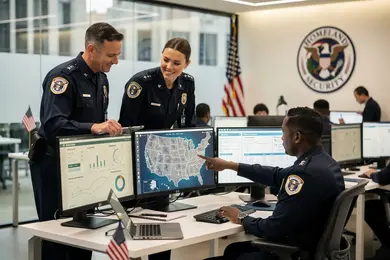
2027 Most Affordable Online Homeland Security Degree Programs Ranking in Massachusetts

Co-Founder and Chief Data Scientist
If you're considering a career in homeland security, finding an affordable online degree program can make your goals more achievable. This article introduces the 2027 Most Affordable Online Homeland Security Degree Programs Ranking in Massachusetts, created by the Research.com team of data scientists to help you identify the best value programs available.
Reading this ranking will give you clear insights to make an informed decision about your education. Earning a homeland security degree opens doors to meaningful, impactful careers and personal growth. Explore your options with confidence and take a step toward a secure future.
Key benefits of getting online homeland security degree in Massachusetts
- Professionals in homeland security-related roles in Massachusetts can expect competitive salaries, with median wages around $46,000 to $75,000 per year, depending on the specialization and agency.
- Graduates from institutions like the University of Massachusetts often pursue careers in emergency management, cybersecurity, and federal agencies, offering diverse and impactful opportunities.
- Completing a homeland security degree online from schools such as Northeastern University allows for flexible scheduling, enabling students to balance work, life, and study comfortably while gaining the same respected credentials as traditional programs.
- Key benefits of getting online homeland security degree in Massachusetts
- What can I expect from online homeland security degree in Massachusetts?
- Where can I work with online homeland security degree in Massachusetts?
- How much can I make with online homeland security degree in Massachusetts?
- 2027 Most Affordable Online Homeland Security Degree Programs Ranking in Massachusetts
- Key Findings
- How long does it take to complete online homeland security degree in Massachusetts?
- What's the difference between online and on-campus homeland security degree?
- What is the average cost of online homeland security degree in Massachusetts?
- What financial aid is available to online homeland security degree students in Massachusetts?
- What are the prerequisites for enrolling in online homeland security degree program in Massachusetts?
- What courses are typically in online homeland security degree programs in Massachusetts?
- What types of specializations are available in online homeland security degree programs in Massachusetts?
- How do you choose the best online homeland security degree in Massachusetts?
- What career paths are available for online homeland security degree students in Massachusetts?
- What is the job market for online homeland security degree in Massachusetts?
- Related Homeland Security Rankings for Nearby States
- Top Trending Homeland Security Rankings
What can I expect from online homeland security degree in Massachusetts?
The average cost of an online homeland security degree in Massachusetts typically ranges from $15,000 to $40,000, depending on the institution and program length. Graduates from well-known colleges like Northeastern University or the University of Massachusetts Online often share that while tuition may seem steep upfront, financial aid and flexible payment plans help manage expenses effectively.
Many students balance work and study because these programs cater to professionals seeking career advancement. One graduate described taking courses after a full day at a public safety agency, appreciating the program's practical focus on topics like cyber defense and disaster response. This flexibility makes costs feel more justifiable when paired with real-time application of skills.
Programs in Massachusetts also include partnerships with agencies such as MEMA, giving students unpaid but invaluable experience. This hands-on learning boosts confidence and job readiness, helping alumni secure roles faster, thus offsetting tuition costs with quicker returns. Budgeting for an online degree here means factoring in both tuition and the time investment, but many find it a rewarding trade-off.
Where can I work with online homeland security degree in Massachusetts?
Graduates with an online homeland security degree from institutions like Boston University or Northeastern University often find rewarding career paths within Massachusetts' robust public safety network. Many secure positions at the Massachusetts Executive Office of Public Safety and Security (EOPSS), working as emergency management specialists or intelligence analysts. These roles offer hands-on experience coordinating state-wide crisis response, a natural next step after focused academic training.
Other alumni step into federal roles nearby, including at the Department of Homeland Security (DHS) offices in Boston or the Federal Emergency Management Agency (FEMA). Here, graduates apply skills in threat assessment and risk analysis, translating classroom knowledge into critical real-world security operations.
Private sector employment is thriving too. Graduates often join finance or healthcare companies in Boston, protecting sensitive data as cybersecurity coordinators or compliance officers. These roles feel especially rewarding for those who want to safeguard communities and infrastructure beyond government walls.
Local law enforcement also values homeland security degrees for counterterrorism and risk mitigation positions. Many graduates find being able to study online was essential to balancing work with career advancement.
How much can I make with online homeland security degree in Massachusetts?
Graduates with an online homeland security degree in Massachusetts typically find entry-level positions paying between $45,000 and $65,000 annually. For example, graduates from well-known state universities often start as security coordinators or emergency management support staff, roles that offer this salary range and steady growth. Mid-level roles such as homeland security analysts or specialists, which many alumni obtain after gaining experience, usually earn between $70,000 and $90,000 a year.
Higher-level positions, like senior intelligence analysts or homeland security managers working for government agencies or large private firms in Boston, can command salaries exceeding $100,000. Many graduates appreciate the vibrant job market in Massachusetts, where proximity to federal agencies like DHS and FEMA offers competitive benefits alongside salaries.
It's important to note that certifications in cybersecurity or emergency management significantly boost earning potential. Graduates who invest in such credentials report greater career satisfaction as their experience and skills lead to salary increases over time.
2027 Most Affordable Online Homeland Security Degree Programs Ranking in Massachusetts
How do we rank schools?
Investing in your education is a significant decision that can shape your future, and the Research.com team understands the importance of making informed choices. To assist prospective students seeking affordable options in Massachusetts, we have meticulously crafted the "2027 Most Affordable Online Homeland Security Degree Programs Ranking in Massachusetts." Our commitment to quality, credibility, and accuracy is reflected in the extensive research and analysis conducted to compile this ranking.
We utilized the following reputable data sources to ensure a comprehensive evaluation of online homeland security degree programs:
By exploring this ranking, readers will gain valuable insights into affordable and credible online homeland security degree programs in Massachusetts, empowering them to make confident educational decisions. For more information on how this ranking was developed, please visit our Research.com methodology page.


Key Findings
- Tuition for online homeland security degrees in Massachusetts ranges from $10,000 to $30,000, with public universities offering more affordable options.
- Entry-level salaries typically start between $50,000 and $60,000 annually, while experienced professionals can earn $75,000 to $100,000 or more.
- Massachusetts has a strong job market for homeland security roles due to government agencies and security contractors in the state.
- Programs cover key subjects like counterterrorism, cybersecurity, risk management, and emergency response to prepare students for diverse careers.
- Many online degrees offer flexible, asynchronous study and accelerated paths to help working students advance their education.
How long does it take to complete online homeland security degree in Massachusetts?
Completing an online homeland security degree in Massachusetts usually takes around two to four years, depending on the level and intensity of study. For example, graduates from popular Massachusetts institutions like the University of Massachusetts or Northeastern University often finish their bachelor's degrees in about four years studying full-time. Those pursuing an associate degree typically spend 18 months to two years, which fits well for students eager to enter the workforce quickly or transfer credits later.
Graduate students aiming for a master's degree often complete their programs within 18 to 24 months. Many find that flexible, asynchronous courses offered by these schools allow them to balance work and study effectively.
Students who take heavier course loads or enroll in accelerated options, which some Massachusetts colleges provide, report finishing faster. One graduate shared how year-round enrollment helped them cut down their study time, demonstrating that pacing your credits strategically can make a real difference in completion time.
What's the difference between online and on-campus homeland security degree?
When deciding between online and on-campus homeland security degrees in Massachusetts, the primary difference is how you engage with your studies. Online programs, like those some graduates pursued at University of Massachusetts Lowell, offer the flexibility to attend lectures and complete assignments anytime, perfect for working adults balancing jobs or family. This asynchronous setup lets you learn at your own pace without sacrificing important life commitments.
Conversely, on-campus programs, such as those at Northeastern University, provide a hands-on experience with face-to-face classes, labs, and group projects. Graduates often highlight how these in-person opportunities helped them build practical skills through simulations and site visits, which are vital in homeland security careers.
Cost is another factor: online degrees in Massachusetts generally cost 10-20% less than on-campus ones due to reduced facility fees. However, financial aid options may overlap, so checking with specific schools is wise. Choosing depends on whether you thrive in flexible, independent study or hands-on, immersive environments common in traditional campuses.
What is the average cost of online homeland security degree in Massachusetts?
The average cost of an online homeland security degree in Massachusetts hovers around $19,893 for the entire program. Graduates from well-known public institutions such as the University of Massachusetts system often share how this price point made earning their degree manageable while balancing work and family responsibilities. Public universities in the state usually offer more affordable tuition compared to private colleges, which can exceed $40,000. Students appreciate how in-state tuition rates and state funding keep expenses reasonable, especially when combined with scholarships or financial aid.
When planning for an affordable homeland security degree program in Massachusetts, it's important to factor in additional costs like technology fees, textbooks, and professional certification prep, which can add up but typically remain modest. Many online learners highlight that careful budgeting for these extras prevents surprises and keeps their education journey smooth and enjoyable.
Those exploring online programs can use resources like online homeland security degrees to compare tuition and program features. Knowing your options helps identify schools that strike the right balance between quality education and cost. Students often recommend contacting admissions offices directly to discover payment plans or aid packages, making the path to a degree more financially feasible.
What financial aid is available to online homeland security degree students in Massachusetts?
Students pursuing an online homeland security degree in Massachusetts can tap into several practical financial aid options to manage costs effectively. Graduates from local colleges often highlight federal aid through FAFSA as a game-changer. For example, Pell Grants can provide up to $7,395 annually without repayment, which has helped many balance their tuition at well-known institutions such as Fitchburg State University. Federal student loans offer manageable repayment plans, creating a safety net for those who need more funding.
Massachusetts residents benefit from state-specific programs like MEFA scholarships and loan options, which support both merit and financial need. Graduates recall how these helped reduce their out-of-pocket expenses significantly. Veterans and active-duty military members often use the GI Bill and Yellow Ribbon Program, which can cover tuition fully or partially, easing financial stress for those transitioning from service.
Employer tuition assistance is common among professionals in emergency management roles, with several Massachusetts employers partnering with universities to provide reimbursement. Additionally, grants from organizations such as the International Association of Emergency Managers offer targeted support, making education more affordable and rewarding.
What are the prerequisites for enrolling in online homeland security degree program in Massachusetts?
To enroll in an online homeland security degree program in Massachusetts, you'll first need a high school diploma or equivalent like a GED. This is the basic requirement whether you're aiming for an associate or bachelor's degree. Many graduates from well-regarded Massachusetts colleges found this straightforward but emphasize submitting official transcripts with a solid GPA-typically around 2.5 to 3.0-as crucial to standing out in competitive programs.
For bachelor's degrees, some colleges also look favorably on a few college credits or relevant work experience. Those pursuing graduate degrees generally need a completed bachelor's from an accredited school. Graduates often recall that programs appreciate demonstrated English proficiency through tests like TOEFL if English isn't your first language.
Many students mention how providing a clear personal statement about their interest in homeland security helped clarify their goals and enthusiasm during the application process. Additionally, some programs may require background checks due to the sensitive nature of the field, especially if you plan internships with government agencies.
- Acceptance of standardized test scores is often optional, reflecting the flexible, adult-friendly approach adopted by Massachusetts institutions
- Relevant military or work experience can significantly strengthen your application, opening doors to advanced studies

What courses are typically in online homeland security degree programs in Massachusetts?
Online homeland security degree programs in Massachusetts typically include courses that build practical skills relevant to the state's unique challenges. Graduates from well-regarded colleges in the area often highlight courses like Introduction to Homeland Security, which provides a solid understanding of federal and state agencies including those focused on Boston's port security. This foundational knowledge is essential for tackling local risks.
Courses in Emergency Management and Disaster Response prepare students to coordinate responses to emergencies such as coastal flooding, a frequent issue in Massachusetts. By simulating real disaster scenarios, students gain confidence in planning and responding efficiently.
A focus on Cybersecurity Fundamentals equips students to defend vital financial institutions common in Boston's urban landscape against increasing digital threats. Graduates note how this course directly applied to internships and entry-level jobs in cybersecurity.
Additionally, classes like Threat and Risk Assessment and Counterterrorism Strategies teach hands-on techniques to identify and mitigate risks tailored to regional specifics, making learning immediately useful for public safety careers in Massachusetts.
What types of specializations are available in online homeland security degree programs in Massachusetts?
Online homeland security specializations in Massachusetts typically include Emergency Management, Cybersecurity, Intelligence Analysis, and Infrastructure Protection. Graduates from popular colleges find Emergency Management especially useful, as it prepares them to handle real crises like winter storms or hurricanes common in the state by developing disaster response plans in coordination with federal agencies. Cybersecurity training stands out due to the growing need to defend critical networks; students learn network defense and threat analysis, aligning with the state's goal to grow its cybersecurity workforce significantly.
Some students choose Concentration options focused on Counterterrorism and Intelligence Analysis, gaining skills to identify and mitigate threats in metropolitan areas such as Boston involving evolving terrorist tactics. Others focus on Infrastructure Protection, safeguarding public utilities and transportation against physical and cyber threats, directly tying into federal priorities.
Graduates attest that selecting a specialization tailored to Massachusetts' security priorities makes their education deeply practical and increases their employability. For guidance on career paths, visit what jobs can you get with a homeland security degree.
How do you choose the best online homeland security degree in Massachusetts?
Start by verifying accreditation from credible agencies like NECHE to ensure your credits hold value. Graduates from well-known Massachusetts colleges often stress how this was crucial when transferring credits or applying for jobs. Next, focus on affordable homeland security programs Massachusetts offers, as tuition can vary significantly; learners have shared that balancing cost with financial aid opportunities made their programs manageable. Then, prioritize colleges that include practical courses spanning emergency management and cybersecurity, mirroring real-world scenarios common in Boston's urban centers. Those who have completed these programs frequently praise the preparedness they felt entering state agencies.
Flexibility also matters: students juggling work recommend choosing programs with asynchronous classes that fit around their schedules without sacrificing coursework quality. Look for degrees near the 120-credit mark for undergraduates while considering length for master's studies. Many graduates highlight the advantage of universities providing strong career counseling and internship connections within Massachusetts' homeland security sector. For guidance on navigating options, consider reviewing an online masters degree in homeland security to see what fits your goals best.
What career paths are available for online homeland security degree students in Massachusetts?
Graduates with an online homeland security degree in Massachusetts find diverse career paths that align with their training. Many secure roles as emergency management directors, coordinating disaster responses across state agencies or municipalities. For instance, alumni from well-known Massachusetts colleges often describe leading efforts during storms or public safety crises, gaining hands-on experience vital for steady career growth.
Another popular option involves working in federal agencies like DHS or FEMA, benefiting from Massachusetts's proximity to regional offices. Graduates frequently join state and local law enforcement units specializing in counterterrorism and public safety, where their specialized education translates directly into meaningful community impact. This aligns well with homeland security careers in Massachusetts, offering real fulfillment by protecting local populations.
Cybersecurity positions are also a growing avenue, especially in Massachusetts's tech and defense sectors. Graduates enjoy roles as security analysts or digital protection specialists, defending against cyber threats. Many find that their studies prepare them for the fast-paced challenges these jobs present. To explore these options further, students often consult resources such as the top online emergency management degree listings, which help connect education with job opportunities.
What is the job market for online homeland security degree in Massachusetts?
The job market for graduates with online homeland security degrees in Massachusetts is robust, supported by state emphasis on public safety and proximity to federal agencies. Graduates from popular colleges in Massachusetts often find roles within state and local emergency management agencies or at federal organizations like Department of Homeland Security offices. Many alumni describe their careers beginning with positions in cybersecurity or emergency response units, leveraging the practical skills gained through their online programs.
For those pursuing online homeland security careers in Massachusetts, flexibility in education is crucial. Working professionals appreciate that programs from institutions such as those in Boston or Worcester provide rigorous content alongside the convenience of remote learning. This combination ensures readiness for demanding roles requiring certifications or specific qualifications, including what are the qualifications to become an ice agent.
The Massachusetts job outlook for homeland security degree holders is promising, with the median salary for emergency management directors around $81,000 annually. Graduates highlight their ability to transition smoothly into positions in both the public and private sectors, especially within cybersecurity firms and healthcare facilities. This reflects a thriving market where online degree credentials meet employer demands effectively.
Frequently Asked Questions About homeland security
Students pursuing online homeland security degrees in Massachusetts can enhance their learning by actively engaging with both theoretical and practical aspects of the field. Massachusetts is home to critical infrastructure and federal agencies, offering unique opportunities for virtual internships and networking. Leveraging these connections can provide real-world insights beyond coursework.
Utilizing resources from the Department of Homeland Security's Office of Academic Engagement can help students stay updated on national security trends and policies. Additionally, Massachusetts students should collaborate in online study groups to discuss regional security challenges, as the state frequently ranks high in cybersecurity initiatives according to the Massachusetts Technology Collaborative.
Balancing coursework with current events and state-specific case studies will deepen understanding and better prepare graduates for the workforce.
The homeland security field is evolving rapidly, with several emerging niches gaining importance in Massachusetts and nationwide. One key area is cybersecurity, which addresses threats from cyberattacks and digital espionage. According to the Massachusetts Executive Office of Technology Services and Security, cybersecurity jobs are projected to grow faster than average through 2030.
Another niche is emergency management focused on climate change impacts, which is critical for Massachusetts given its vulnerability to coastal flooding and severe weather events. Preparedness for biological threats and public health crises has also expanded as a priority since the COVID-19 pandemic.
These niches require professionals with skills in technology, data analysis, and crisis coordination, making online homeland security degrees that emphasize these areas increasingly valuable for Massachusetts students.
After completing an online homeland security degree in Massachusetts, preparing for the job market involves several key steps. First, gaining relevant experience through internships or volunteer work with local agencies such as the Massachusetts Emergency Management Agency (MEMA) can improve employment prospects. Networking is also important; joining professional organizations like the International Association of Emergency Managers (IAEM) helps connect graduates with industry professionals.
Additionally, obtaining relevant certifications such as Certified Homeland Protection Professional (CHPP) can enhance credibility. According to the U.S. Bureau of Labor Statistics, homeland security jobs in Massachusetts are expected to grow moderately through 2030. Staying informed about federal and state security policies will offer a competitive advantage in interviews and real-world applications.
Employers in Massachusetts seek homeland security graduates with strong analytical skills to assess threats and manage risks effectively. Communication skills are equally important, as professionals must coordinate with multiple agencies and clearly convey information during emergencies.
Technical proficiency, including knowledge of cybersecurity and surveillance technologies, is increasingly demanded. Familiarity with federal and state regulations, such as those from the Department of Homeland Security and Massachusetts Emergency Management Agency, is also crucial.
Additionally, problem-solving abilities and adaptability stand out. Data from the Massachusetts Executive Office of Public Safety emphasizes the need for skilled professionals who can respond swiftly to evolving security challenges.
Finding internships in Massachusetts relevant to a homeland security degree involves leveraging both educational resources and local opportunities. Many online programs partner with agencies such as the Massachusetts Emergency Management Agency (MEMA) to provide students with practical experiences. The state also hosts numerous federal and local security offices, offering internships in areas like cyber defense and emergency response.
Networking through university career centers and joining professional organizations such as the International Association for Homeland Security help students discover internships. According to the U.S. Bureau of Labor Statistics, Massachusetts has a growing demand for homeland security professionals, increasing internship availability.
Obtaining an online homeland security degree in Massachusetts can significantly enhance career mobility and advancement. The state's strategic location and high concentration of federal agencies increase demand for professionals with specialized skills. Many employers in Massachusetts seek candidates with formal education in homeland security to fill roles in emergency management, cybersecurity, and public safety.
According to the Massachusetts Executive Office of Public Safety and Security, job opportunities in homeland security fields are expected to grow faster than average through 2030. Holding an accredited online degree can open doors to leadership positions and specialized roles in both government and private sectors.
The flexibility of online programs allows working professionals to gain credentials without interrupting their careers, which supports continuous advancement and skill development. Additionally, Massachusetts' emphasis on public safety ensures that graduates are prepared to meet state-specific regulatory and operational standards.
Studying for an online homeland security degree in Massachusetts equips students with a broad, interdisciplinary skill set. Programs often integrate aspects of law enforcement, emergency management, cybersecurity, and public policy. This diverse curriculum reflects the complex nature of homeland security challenges in the state.
Massachusetts is home to critical infrastructure and key federal facilities, emphasizing the importance of multi-agency collaboration. According to the Massachusetts Executive Office of Public Safety and Security, this requires professionals familiar with both technical and administrative roles.
Students learn to analyze threats, manage resources, and communicate across sectors-skills vital for careers spanning government, private industry, and healthcare.
Programs also emphasize applied learning, encouraging teamwork and problem-solving in varied security contexts.
Choosing between a thesis and a non-thesis online homeland security degree program in Massachusetts depends on your career goals and academic interests. Thesis programs require original research and a written document, ideal for students planning advanced study or research roles. Non-thesis programs emphasize practical skills through coursework and internships, suitable for those seeking immediate workforce entry or career advancement.
Massachusetts hosts multiple online programs recognized for integrating local and national security issues. The state's emphasis on cybersecurity and emergency management offers students opportunities aligned with practical training, often favored in non-thesis tracks.
According to the Bureau of Labor Statistics, homeland security employment in Massachusetts is expected to grow by 5% through 2031, emphasizing adaptability and applied knowledge.
Consider also time commitments and faculty support when selecting a program to fit your personal and professional life.
Students based in Massachusetts seeking to study homeland security abroad typically encounter limited options specific to their state. While many American universities offer fully online homeland security degrees accessible nationwide, few foreign institutions provide programs recognized by U.S. accrediting bodies that align directly with Massachusetts requirements.
Most Massachusetts residents interested in international perspectives choose domestic online degrees with global coursework components. Schools in Massachusetts often embed international case studies and security issues into their curricula to prepare students for cross-border challenges.
Data from the Massachusetts Department of Higher Education indicates that approximately 15% of homeland security students enroll in online programs, reflecting a growing trend toward flexible learning rather than physical study abroad.
Consequently, students are encouraged to seek accredited online programs based in the U.S. that incorporate global elements rather than pursuing traditional study abroad for homeland security degrees.
Part-time job opportunities in Massachusetts that complement an online homeland security degree often focus on security, emergency response, and public safety fields. Roles such as security officer, emergency management assistant, and loss prevention specialist provide practical experience aligned with homeland security studies.
Security jobs at major transportation hubs like Boston Logan International Airport offer exposure to critical infrastructure protection. The Massachusetts Executive Office of Public Safety and Security often provides internships or part-time roles related to emergency preparedness. According to the Bureau of Labor Statistics (2023), Massachusetts employs over 15,000 security guards, reflecting steady demand in this sector.
Additionally, volunteering or part-time work with local fire departments or the Massachusetts Emergency Management Agency (MEMA) can develop relevant skills in crisis management and intelligence analysis. These positions help students apply academic knowledge while boosting their resumes in a competitive job market.
Online homeland security students in Massachusetts benefit from various networking opportunities despite studying remotely. Many universities offer virtual career fairs and alumni networks connecting students with regional homeland security professionals. For example, institutions often partner with local agencies like the Massachusetts Emergency Management Agency (MEMA) to provide webinars and virtual workshops.
Students can join professional organizations such as the Massachusetts Chapter of the International Association of Emergency Managers (MA-IAEM). These groups host online meetings and events, fostering connections essential for future careers.
Additionally, Massachusetts ranks high in homeland security job availability, with reports from the U.S. Bureau of Labor Statistics noting over 3,000 related jobs statewide, creating a strong local professional community for graduates.
Alumni networks play a crucial role for online homeland security degree students in Massachusetts by providing valuable professional connections. These networks often include graduates working in key state agencies such as the Massachusetts Emergency Management Agency (MEMA) and local law enforcement. Through events and online platforms, students gain access to mentorship opportunities and career advice from experienced alumni. Furthermore, states like Massachusetts, with a strong focus on homeland security due to its urban and coastal infrastructure, benefit from alumni sharing real-world insights. According to the Massachusetts Department of Higher Education, alumni engagement improves job placement rates by up to 20%.
Active alumni networks also facilitate internships and job referrals within the state's homeland security sector. This local emphasis is important as Massachusetts has been ranked among the top states for homeland security jobs by the U.S. Bureau of Labor Statistics. For online students who may lack onsite campus interaction, alumni networks provide a vital bridge to the professional community. They help build both technical expertise and soft skills that employers in this field highly value. Overall, these connections support smoother transitions from education to employment.
Customizing an online homeland security degree in Massachusetts allows students to align their education with specific career goals. Many institutions offer elective courses focusing on areas such as cybersecurity, emergency management, or counterterrorism. Selecting these electives enables a tailored skill set relevant to current homeland security challenges.
Students can also pursue certificate programs alongside their degree to deepen expertise in niche fields. Massachusetts benefits from strong ties to federal agencies and local emergency services, offering networking opportunities and practical experiences through internships.
According to the Massachusetts Executive Office of Public Safety, specialized knowledge in cyber defense and crisis management is increasingly valued, supporting diverse career paths within the state.
Online homeland security students in Massachusetts often face challenges balancing rigorous coursework with personal and professional responsibilities. Many learners juggle full-time jobs in public safety or related fields, making time management essential. Additionally, technical issues such as unreliable internet connections can disrupt access to live lectures and coursework, especially in rural areas of the state.
Another common challenge is the need for practical experience. Homeland security programs emphasize real-world skills, but some online students struggle to find local internship or fieldwork opportunities relevant to Massachusetts's unique security landscape.
Finally, students may encounter limited networking opportunities compared to on-campus peers, which can affect career development and job placement after graduation.
With an online homeland security degree, students in Massachusetts can pursue several professional certifications to enhance their careers. One widely recognized certification is the Certified Homeland Protection Professional (CHPP), offered by the National Sheriffs' Association. This credential demonstrates expertise in risk assessment and emergency management.
Another valuable certification is the Certified Emergency Manager (CEM) from the International Association of Emergency Managers, which is respected across Massachusetts and nationwide.
Additionally, certifications like the FEMA Professional Development Series provide foundational knowledge endorsed by the Federal Emergency Management Agency, useful for state and local agencies.
These certifications often require a combination of educational background, professional experience, and examination, helping graduates stand out in Massachusetts' competitive homeland security job market.
To write a winning application for an online homeland security program in Massachusetts, start by highlighting relevant experience. Many programs value applicants with backgrounds in law enforcement, emergency management, or cybersecurity. Emphasize any professional roles or volunteer work connected to public safety.
Include a clear statement of purpose that outlines your career goals and explains why you chose homeland security. Customize this section to reflect Massachusetts-specific challenges, such as urban security in Boston or coastal threat management, showing your local awareness.
Strong letters of recommendation from supervisors or educators familiar with your skills increase your chances. Also, submit official transcripts showing a solid academic record, especially in related fields like criminal justice or public administration.
Lastly, be mindful of application deadlines and submit all materials early. Massachusetts online programs often review applications on a rolling basis, so early submissions can improve your chance.
The global perspective on a homeland security career reflects the growing importance of national safety in an interconnected world. Professionals trained in homeland security in Massachusetts gain skills applicable to international contexts, including counterterrorism, emergency management, and cybersecurity.
According to the U.S. Bureau of Labor Statistics, employment in homeland security-related fields is expected to grow 7% from 2022 to 2032, aligning with global trends emphasizing resilience against threats. Massachusetts, with its significant federal and state security agencies, offers students practical insights into both domestic and international security challenges.
International cooperation is a key feature of homeland security careers. Graduates may work with agencies that coordinate with organizations like INTERPOL or the United Nations to address cross-border threats. Understanding security policies worldwide enhances career opportunities beyond U.S. borders.
Gaining practical experience while studying for an online homeland security degree in Massachusetts is essential for career readiness. Many programs encourage students to engage in internships with local government agencies, such as the Massachusetts Emergency Management Agency (MEMA) or public safety departments.
These internships provide hands-on exposure to emergency response, disaster planning, and risk assessment. Additionally, students can volunteer in community preparedness initiatives and participate in virtual simulations or tabletop exercises widely used in homeland security training.
Massachusetts also hosts conferences and workshops focused on security topics, offering networking opportunities with professionals. According to the U.S. Bureau of Labor Statistics, the demand for homeland security specialists in Massachusetts is expected to grow 5% through 2030, emphasizing the importance of experience alongside academic credentials.
Choosing the right concentration within an online homeland security degree in Massachusetts begins with understanding your career goals and the job market in the state. For example, concentrations in cybersecurity or emergency management are highly relevant due to Massachusetts' focus on technology and disaster preparedness, supported by data from the Massachusetts Executive Office of Public Safety and Security.
Next, evaluate program curriculums carefully. Look for courses aligned with federal and state homeland security priorities, such as counterterrorism, infrastructure protection, or public health emergency response.
Consider your background and interests too. If you have experience in IT, cybersecurity may be a natural fit.
Finally, consult the Bureau of Labor Statistics, which projects a favorable job outlook for homeland security roles in Massachusetts over the next decade.
Related Homeland Security Rankings for Nearby States
- 2027 Most Affordable Online Homeland Security Degree Programs Ranking in New Jersey
- 2027 Most Affordable Online Homeland Security Degree Programs Ranking in Pennsylvania
- 2027 Most Affordable Online Homeland Security Degree Programs Ranking in Virginia
- 2027 Most Affordable Online Homeland Security Degree Programs Ranking in Florida
- 2027 Most Affordable Online Homeland Security Degree Programs Ranking in Alabama
- 2027 Most Affordable Online Homeland Security Degree Programs Ranking in Texas
- 2027 Most Affordable Online Homeland Security Degree Programs Ranking in Arizona
Top Trending Homeland Security Rankings
References
- 2025 Most Affordable Homeland Security Degrees Online https://www.onlineu.com/most-affordable-colleges/homeland-security-degrees
- Homeland Security and Emergency Preparedness, AA Online https://www.nec.edu/programs/associate-degree-in-homeland-security-and-emergency-preparedness
- Homeland Security Professional Opportunities for Student Workforce to Experience Research https://orise.orau.gov/dhseducation/hs-power/default.html
- Search icon https://waldorf.edu/degree-programs/bachelor-certificates/homeland-security-terrorism-certificate/
- Types of Homeland Security Degrees | Compare Schools https://www.criminaljusticeprograms.com/specialty/homeland-security-degrees/
- MA Homeland Security Programs - Rosemont College https://rosemont.edu/college/academics/professional-studies/graduate/homeland-security-emergency-management-ma/
- Online Homeland Security Degrees: Explore Top Programs https://www.degreesforgood.org/online-degrees/homeland-security-programs/
- For some D.C.-area high-schoolers, government IT offers hands-on experience https://fedscoop.com/high-schoolers-government-community-offers-hands-experience/
- Homeland Security Career And Salary Information https://www.criminaljusticedegreeschools.com/careers/homeland-security/
- Most Popular Online Schools for Other Homeland Security in Massachusetts - Course Advisor https://courseadvisor.com/majors/law-enforcement-and-firefighting/other-homeland-security/rankings/most-popular-online/graduate-certificate/new-england/massachusetts/