
2027 Most Valuable Fine Arts Degree Programs Ranking in Muncie

Co-Founder and Chief Data Scientist
If you're considering pursuing a fine arts degree in Muncie, this article is here to guide you. We present the 2027 Most Valuable Fine Arts Degree Programs Ranking in Muncie, developed by the Research.com team of data scientists.
This ranking helps you make informed decisions by highlighting the strongest programs based on comprehensive data. Choosing the right program can open doors to creative growth, meaningful careers, and personal fulfillment.
Explore your options with confidence and take a positive step toward a rewarding future in the arts.
Key benefits of getting fine arts degree in Muncie
- Salary for fine arts degree graduates: Graduates in Muncie can expect rewarding careers with average annual wages ranging from $64,700 for Graphic Artists to $109,630 for Animators, reflecting strong earning potential in creative fields.
- Career paths: A fine arts graduate from Ball State University in Muncie might pursue roles such as Illustrator or Art Therapist, enjoying diverse opportunities that blend creativity and impact.
- Online degree benefits: Earning a fine arts degree online offers flexible scheduling and accessibility, allowing busy students to balance work and study while still gaining valuable skills recognized by local employers.
- 2027 Most Valuable Fine Arts Degree Programs Ranking in Muncie
- What can I expect from fine arts degree in Muncie?
- Where can I work with fine arts degree in Muncie?
What can I expect from fine arts degree in Muncie?
The average cost of pursuing a fine arts degree in Muncie, mainly through Ball State University, often feels like an investment wrapped in inspiration rather than just tuition bills. Graduates describe balancing the expense-around $10,000 to $12,000 per year for in-state students-with the priceless access to hands-on studio work, digital labs, and exhibitions that breathe life into their creativity. Imagine spending an afternoon in the David Owsley Museum of Art, not just as a visitor but as a student drawing upon a collection of over 11,000 pieces to spark your next masterpiece. This blend of affordability and rich resources lights a creative fire without burning a hole in your pocket.
Students often speak warmly of their ability to connect with faculty who double as mentors navigating the vibrant art scenes locally and nationally. The cost feels manageable when you're elbow-deep in paint during critique sessions or networking at a downtown gallery, weaving dreams into the fabric of Muncie's art community.
Where can I work with fine arts degree in Muncie?
Graduates from Ball State University's fine arts program often find themselves immersed in Muncie's vibrant educational landscape, stepping into classrooms as passionate art teachers who inspire the next generation. Picture a former student transforming a blank canvas in a public school into a world of creativity, nurturing young imaginations while earning a stable, respectable salary near $55,000.
Others dive into the city's cultural heartbeat-working behind the scenes at the David Owsley Museum of Art or coordinating compelling exhibitions for local galleries like the East Central Indiana Artists' Guild. Here, artistic vision meshes with management skills, creating roles rich with variety and opportunity.
Some graduates channel their creative energy into Muncie's evolving digital media sector, blending fine arts with graphic design and multimedia production. Imagine crafting visuals that shape the city's digital identity, connecting tradition with cutting-edge technology.
Entrepreneurs thrive, too-opening small studios or joining freelance collectives that sparkle with collaboration and community. Thanks to initiatives like the Muncie Arts and Culture Council, these fine artists turn passion into livelihoods, selling work and hosting workshops that breathe life into local culture.
Imagine graduating from a fine arts program at Ball State University and stepping into Muncie's creative scene. Starting out, many graduates land jobs as graphic designers or illustrators, roles where the national mean salaries hover around $64,700 and $71,420 respectively. Though Muncie's local market nudges these numbers a bit lower-typically between $35,000 and $45,000-your art can still pay the bills while you build a name.
Consider the art teacher path: despite no local hourly data, the BLS reports a mean annual wage of $70,740 nationwide. Graduates frequently find fulfilling roles in Muncie Community Schools, earning around $40,000 annually, blending passion and steady income.
One animator graduate from a Muncie art program shared how perseverance and networking pushed their salary well beyond the national average of $109,630, unlocking opportunities in dynamic digital studios.
Fine arts here blends creativity with practical hustle-each brushstroke or pixel crafted feeds not just your soul but also your wallet, even amid Muncie's evolving economic tapestry.
- Annual tuition for fine arts programs in Muncie ranges from $9,000 to $12,000 for in-state students, with higher costs for out-of-state students.
- Entry-level salaries for fine arts graduates in Muncie average between $30,000 and $35,000 per year.
- Experienced fine arts professionals can earn approximately $45,000 to $55,000 annually, depending on their specialization and workplace.
- Fine arts programs in Muncie are relatively small, providing personalized instruction but fewer specialized courses.
- Local employers include schools, design firms, and cultural institutions, with steady demand in graphic design, art education, and museum roles.
- Arts funding and scholarships may be available from community organizations to help reduce education expenses.
In Muncie, diving into a fine arts degree feels like embarking on a vivid four-year journey where creativity blooms alongside discipline. Most students at Ball State University find themselves fully immersed for about four years, juggling studio sessions, art history, and theory, much like a painter layering colors to craft a masterpiece. This timeframe echoes the rhythm of arts education nationwide, where around 120 to 130 credit hours shape your creative persona.
Graduates often share how their experience stretches beyond textbooks-some weave internships or study abroad into their path, adding semesters but painting richer futures. Others balance part-time study, savoring the art world's nuances at their own pace. Picture a student spending evenings sketching in campus studios, then days exploring galleries or collaborating on community murals, all within that four to five-year horizon.
For those daring to reach higher peaks, a Master of Fine Arts waits beyond, carving out two or three more years of growth. But here in Muncie, that initial four years is where passion meets practice, crafting not just an artist, but a vivid career canvas.
In addition to rigorous academic programs, the vibrant campus culture in Muncie, IN, plays a pivotal role in shaping the overall educational experience for Fine Arts students. Beyond studio work and lectures, students enjoy a rich tapestry of extracurricular activities-ranging from art clubs and collaborative exhibitions to creative workshops and community art festivals-that foster personal growth and professional networking. These experiences build a supportive environment where creativity flourishes, and students are encouraged to explore diverse artistic expressions. Moreover, dedicated campus resources, such as mentorship programs, career counseling, and state-of-the-art facilities, ensure that students are well-prepared to transition into the professional world. Engaging with the local arts community amplifies these benefits, and many students find inspiration in events that highlight both established and emerging talents. To discover how other programs harness these advantages, check out our insights on valuable fine arts schools in indiana, where a similar focus on campus life is at the forefront of academic excellence.
Imagine stepping into a vibrant studio buzzing with creativity at Ball State University in Muncie, where the smell of fresh paint and the hum of lively critiques fill the air. That hands-on immersion, with professors guiding your brush strokes and peers exchanging instant feedback, defines the on-campus fine arts experience. Graduates recall late nights preparing for gallery exhibitions, fueled by in-person collaboration that sharpens skills and builds lasting connections.
Contrast this with the online path, where flexibility becomes your greatest ally. From a cozy home corner or a favorite local coffee shop, you craft digital art or design projects between work shifts and family moments. While the tactile charm of shared studios may be distant, online learners embrace virtual critiques and occasional on-site workshops in Muncie, forging a unique rhythm tailored to their lives. Some graduates relish this blend of independence and structure, especially when commuting or housing costs weigh heavy.
Both routes pulse with creativity, yet their beats differ: one thrives in physical space and shared energy, the other dances on convenience and adaptability.
Imagine stepping onto the vibrant campus of Ball State University, the heart of fine arts education in Muncie, where the average cost of a fine arts degree feels both tangible and worth every penny. Here, the median in-state total tuition and fees hover around $11,082, a figure that students often balance with the exhilarating challenge of material expenses-paints, canvases, sculpting clays-that can balloon their budgets by hundreds or even thousands annually. Graduates recall hours immersed in studios, where the hum of creativity mingles with the practical reality of budgeting for supplies.
The total tuition and fees for fine arts programs in Muncie reflect a blend of opportunity and investment, with many out-of-state hopefuls encountering a steeper cost that mirrors their ambition. Yet, financial aid options at local institutions illuminate pathways for many, offering scholarships that transform the daunting price tag into a manageable, even uplifting journey. For those weaving dreams in the arts, aid isn't just a number-it's a lifeline turning visions into reality.
Students who live and breathe creativity understand that tuition is just one brushstroke in a larger masterpiece of expenses. The real-life pulse of fine arts education here includes frequent trips to purchase specialty materials, late nights perfecting projects, and the warm camaraderie found in sharing these experiences with peers. Exploring careers beyond the studio, some turn to resources like nevada teaching endorsementrequirements to expand their horizons, stretching the value of their degree further.
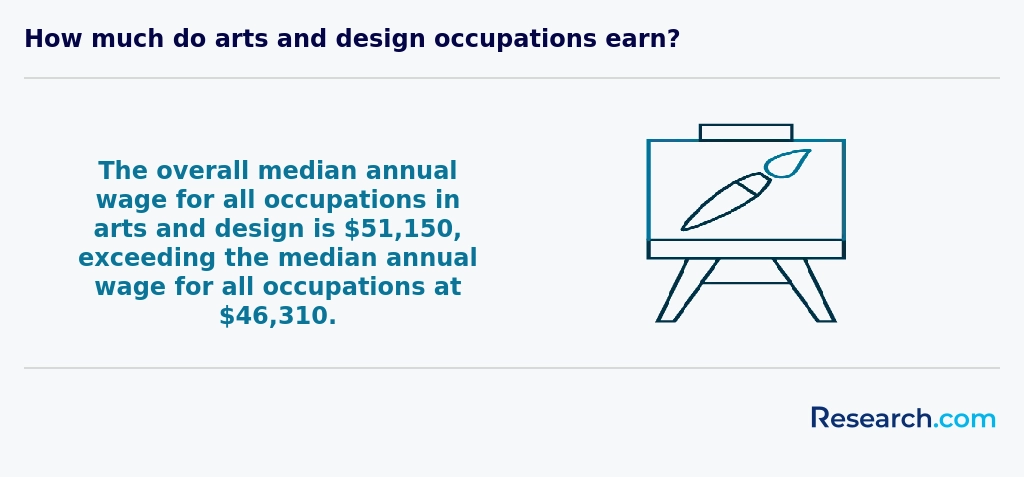
In today’s rapidly evolving artistic landscape, Fine Arts education is embracing innovative trends that not only enhance classroom experiences but also redefine career opportunities for graduates. One notable transformation is the integration of digital technology into traditional artistic disciplines. Many institutions are now investing in advanced studios equipped with cutting-edge digital tools, allowing students to experiment with virtual reality, interactive installations, and multimedia art forms. This trend not only enriches the learning environment but also prepares graduates for roles in tech-driven creative industries. Another significant development is the rise of cross-disciplinary collaborations. Programs increasingly encourage students to blend fine arts with fields such as computer science, marketing, and entrepreneurship. This approach fosters versatile skill sets, empowering artists to navigate roles in creative agencies, digital startups, and cultural institutions. For instance, many schools offer incubator programs designed to help emerging artists launch their own projects and startups, further bridging the gap between artistic practice and commercial success. Additionally, graduates are finding that their skills are highly valued in a broader range of sectors. From sustainable design projects to community-based art initiatives, the market for creative professionals is expanding. Those interested in learning more about the institutions leading these innovations can explore valuable fine arts schools in indiana for comprehensive rankings and insights. This forward-thinking approach in Fine Arts education ensures that students are not only well-prepared for traditional roles but are also equipped to thrive in emerging fields where creativity meets technology and entrepreneurship, securing a dynamic future in the arts.
Imagine walking the vibrant halls of Ball State University in Muncie, your sketchbook tucked under your arm, knowing that a Pell Grant is quietly easing your tuition worries. Many fine arts students here tap into these federal grants, snagging up to $7,395 yearly without owing a cent later. One graduate recalls how this help transformed their creative journey, turning uncertainty into endless late-night studio sessions fueled by passion, not financial stress.
State aid also lights the path, especially through Indiana's 21st Century Scholars program, which can cover full tuition for qualifying students. Picture an aspiring sculptor receiving this scholarship and feeling their dream solidify, their family's pride glowing as brightly as the clay under their hands.
Adding color to this financial palette are private arts scholarships from local commissions, often competitive but profoundly empowering. A painter once shared how landing one of these awards from the Indiana Arts Commission bridged the gap between artistry and academia.
Plus, work-study gigs embedded in the arts community provide more than a paycheck-they offer real hands-on experience shaping your craft while funding your future.
Understanding the return on investment (ROI) for a Fine Arts degree in Muncie, IN, is essential for making a well-informed choice. By comparing the total cost of attendance against post‐graduation earnings, prospective students can estimate their payback period and long‐term financial benefits. • Total Cost vs. Earnings: – Average four-year in‐state tuition: $90,436 (4 × $22,609) – Median salary after graduation: $68,000 (Art Teacher) to $111,130 (Animator) Students pursuing higher‐earning specializations like animation may recoup tuition in under three years, while those entering education can expect a five‐ to six‐year payback. • Payback Period Calculation: – Art Teacher: $90,436 / $68,000 ≈ 1.33 years’ gross salary – Animator: $90,436 / $111,130 ≈ 0.81 years’ gross salary Factoring in taxes and living costs extends these estimates, but financial aid-benefiting 86% of undergraduates-can shorten your payback period significantly. • Non‐Monetary ROI: – Networking: Access to local galleries and internships often leads to paid commissions and teaching positions. – Portfolio Value: A well‐curated portfolio can command higher freelance rates, accelerating earnings beyond entry‐level salaries. For students seeking exceptional value outside Muncie, our Affordable Fine Arts Degree Programs Ranking in Atlanta, GA highlights programs where lower tuition combines with strong career outcomes to maximize ROI. By weighing both quantitative and qualitative returns-salary projections, career growth opportunities, and artistic community engagement-you can confidently assess which Fine Arts program offers the greatest value for your investment.
Landing a spot in a fine arts program in Muncie, especially at hubs like Ball State University, feels like embarking on a creative rite of passage. Graduates often recall the moment they gathered their portfolios-collections bursting with sketches, paintings, and digital experiments-as a proud declaration of their artistic journey. This portfolio isn't just paper; it's the heartbeat of your application, whispering stories of late-night studio sessions and bold experimentation.
Beyond this, you'll need the usual academic armor: a high school diploma or GED, accompanied by transcripts. These records quietly reassure admissions staff that your mind is as disciplined as your brush strokes. Though SAT or ACT scores might float around in the background, Muncie's programs lean into test-optional openness, understanding creativity defies standardized metrics.
Some admitters like to peek behind the curtain through interviews, where you get to articulate your studio dreams and inspirations, turning nervous energy into excitement. Knowing that financial hurdles exist, many students find solace in local scholarships that help transform raw passion into professional potential without sleepless money worries.

Understanding the return on investment (ROI) for a Fine Arts degree in Muncie, IN, is essential for prospective students weighing tuition costs against long-term earnings. On average, Fine Arts graduates incur between $10,000 and $30,000 in debt, depending on in-state or out-of-state tuition. With mean annual wages ranging from $64,500 for graphic artists to $111,130 for animators, many students can expect to recoup their educational expenses within two to four years of entering the workforce. Factoring in additional costs-such as art supplies and studio fees-offers a more nuanced view of payback periods. Labor market projections further inform ROI calculations. According to U.S. Bureau of Labor Statistics data, employment of fine artists and illustrators is projected to grow 2% over the next ten years, reflecting steady demand for creative professionals in galleries, publishing, and digital media. Art therapy roles are expected to expand by 6%, driven by growing recognition of therapeutic arts in healthcare settings. While some specialized roles like graphic design may see modest declines, the overall outlook for multidisciplinary Fine Arts graduates remains stable, especially for those who diversify their skillset. Beyond quantitative measures, intangible benefits-such as networking opportunities, community engagement, and portfolio development-can amplify ROI by facilitating freelance work, gallery exhibitions, and teaching positions. Graduates who leverage local internships, exhibitions at the David Owsley Museum of Art, or collaborations with downtown Muncie galleries often report accelerated career trajectories. Combining hands-on studio practice with digital media proficiency enhances employability and can justify higher tuition investments at institutions offering robust technology resources. For students considering adjacent creative fields or seeking to compare potential earnings and skill requirements, exploring colleges with video game design programs can provide valuable perspective on emerging career paths. By evaluating both traditional Fine Arts and interdisciplinary programs, prospective artists can make informed choices that balance passion, market demand, and financial sustainability.
Imagine stepping into a sunlit studio at Ball State University in Muncie, where foundational courses like drawing, painting, and sculpture unfold as daily rituals. Graduates often recall how life drawing sessions sharpened their perception, turning mere observation into a language of form and emotion. Alongside, art history classes serve as a vibrant backdrop, transporting students through eras and styles, enriching their own creative vocabulary with context and narrative.
Fine arts students in Muncie don't just paint and sculpt-they navigate a dynamic digital landscape. Courses in graphic design, photography, and digital media mirror workshops at Indiana Wesleyan University, where blending pixels and paintbrushes becomes second nature. Alumni frequently celebrate this fusion, noting how it empowered them to embrace multimedia careers, from advertising to web design.
Other courses, like printmaking and ceramics, invite tactile exploration-graduates describe clay spinning beneath their hands or ink pressing onto paper as meditative, almost transformative experiences. Critiques and exhibitions are not mere assignments but lively conversations, honing professional poise and deepening artistic insight in ways uniquely supported by Muncie's vibrant campus communities.

Diving into fine arts degree specializations in Muncie reveals a vibrant palette of creative paths. At popular colleges here, graduates often recount how classical disciplines like painting, drawing, and sculpture became the bedrock of their artistic journeys-each brushstroke or chisel strike reflecting hours spent in nimble studio settings. Yet, beyond these, Muncie's arts scene pulses with digital innovation. Students animate pixels into stories through digital illustration, animation, and graphic design, blending tradition with the electric hum of new media.
Photography and printmaking offer another layer of texture. Imagine mastering the dance of light in a photography studio or experimenting with etching techniques that ink stories onto paper. Many who explored Muncie fine arts program concentrations describe the thrill of interdisciplinary tracks, mixing mediums to invent unique expressions aligned with evolving creative industries.
For those weighing their options, considering flexible career routes, or seeking inspiration beyond campus walls, resources like south carolina teaching career pathways reveal alternative routes where art and education intertwine seamlessly.
Choosing the best fine arts degree in Muncie means stepping into a world where creativity meets opportunity, especially at Ball State University. Imagine walking through studios buzzing with the passion of graduates who found their calling in studio art or digital arts, their portfolios alive with experiments shaped by expert faculty and vibrant campus galleries. These experiences aren't just about art; they're about carving a path where your dreams intersect with practical skills, all while embracing affordable fine arts colleges in Muncie that respect your budget.
Picture a graduate who weighed tuition and living expenses, discovering that Muncie's lower cost of living lets them focus fully on their crafts. Others thrived because Ball State's accreditation and connection to Indiana's art scene opened doors to internships or exhibitions, transforming ideas into career momentum. Exploring different program focuses and knowing different degrees in education can also spark new directions, making your choice a vibrant, personal journey rather than a mere checklist.
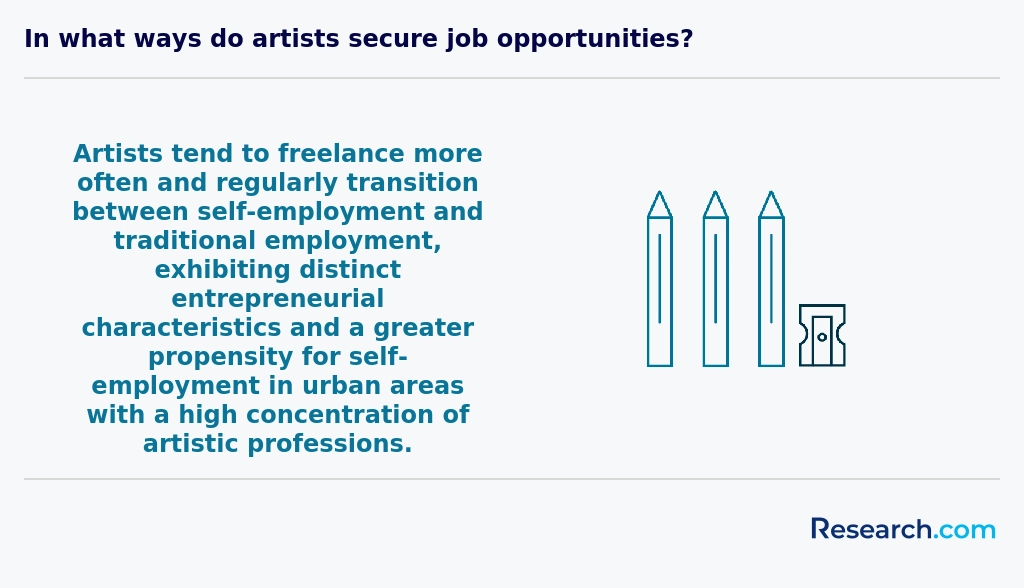
Graduates wielding a fine arts degree in Muncie often find themselves immersed in creative realms that ripple far beyond conventional studios. Imagine crafting mesmerizing galleries filled with original art, just like those alumni from Ball State University who channel local culture into vibrant visual narratives. The fine arts career opportunities in Muncie extend into classrooms, where educators shape young minds with innovative arts programs inspired by Indiana's commitment to creative curricula.
Design paths flip the script too-graphic and interior design graduates merge artistry with technology, fueling dynamic marketing campaigns and multimedia projects that energize Muncie's creative industries. Some adventurous grads venture into art conservation, preserving Indiana's rich heritage within museums, or explore freelance work incorporating photography and digital content, blending passion with flexible lifestyles.
Diving into the region's landscape reveals practical considerations-tuition at local public universities remains accessible, affording students affordable opportunities to pursue arts degrees. To discover the truly valuable fine arts schools in Indiana, Muncie shines as a beacon for those ready to transform creativity into a thriving career.

The fine arts degree employment opportunities in Muncie weave a patchwork of possibilities that feel both grounded and inspiring. Graduates from Ball State University often find themselves immersed in community theaters, local galleries, or the David Owsley Museum of Art, where their creative sparks transform into tangible projects and teaching roles. The city's artistic heartbeat pulses through collaborative exhibitions and freelance commissions supported by local grants, fostering an environment where passion and practical ventures collide.
For many, this fine arts landscape is about more than traditional paths; it's about crafting a sustainable career amid a smaller but vibrant market. Some graduates embrace graphic design or digital media for small businesses, while others leverage teaching credentials in K-12 programs. The job outlook for fine arts graduates Muncie is shaped by these diverse, locally anchored roles that balance stability and creativity.
A handful of students also explore colleges with video game design programs nearby to expand their digital artistry skills, blending fine arts with emerging technologies, and broadening their creative horizons in this evolving job market.
2027 Most Valuable Fine Arts Degree Programs Ranking in Muncie
Investing in your education is a significant decision that can shape your future, and the Research.com team understands the importance of making informed choices. To assist prospective students in Muncie, we have meticulously crafted the "2027 Most Valuable Fine Arts Degree Programs Ranking in Muncie." Our commitment to quality, credibility, and accuracy is reflected in the extensive research and analysis conducted to compile this ranking.
We utilized the following reputable data sources to ensure a comprehensive evaluation of fine arts programs:
By exploring this ranking, readers will gain valuable insights into the most valuable fine arts degree programs in Muncie, enabling them to make well-informed decisions about their educational investments. For more details on our methodology, please visit our Research.com methodology page.

Frequently Asked Questions About fine arts
Fine arts degree students in Muncie can maximize their learning experience by engaging deeply with local art communities and university resources. Ball State University, the primary institution offering fine arts degrees in Muncie, provides access to well-equipped studios and galleries that encourage hands-on practice. Students are advised to participate in exhibits and workshops, as these opportunities enhance practical skills and professional networking.
The Indiana Arts Commission reports that involvement in community projects in Muncie boosts student portfolios and understanding of public art impact. Additionally, internships facilitated through university partnerships help students gain valuable workplace experience within the arts sector.
Emerging niches within the fine arts field reflect growing intersections between technology and traditional disciplines. In Muncie, interest in digital arts and animation has expanded, following national trends where digital media jobs are expected to grow by 13% through 2031 according to the U.S. Bureau of Labor Statistics. Augmented reality (AR) and virtual reality (VR) art also gain prominence as artists explore immersive experiences.
Moreover, community-engaged art projects and public installations are rising in importance, supported by local organizations such as the Minnetrista cultural center. Conservation and art restoration remain specialized fields with steady demand, especially given Indiana's historic arts collections.
These niches offer promising opportunities for fine arts graduates in Muncie seeking innovative or applied career paths.
After earning a fine arts degree in Muncie, preparing for the job market involves developing a strong professional portfolio that showcases your skills and creativity. Local galleries and art organizations often host exhibitions, providing valuable opportunities for emerging artists to gain exposure. Networking is crucial; consider joining groups like the Muncie Alliance for the Arts to connect with industry professionals. Internships and freelance projects also enhance practical experience. According to the National Endowment for the Arts, artists with active portfolios and community engagement increase their chances of employment by over 20%. Staying informed on regional trends in Indiana's art market is equally important.
Employers in Muncie seek fine arts graduates with strong creative abilities combined with practical skills. Critical thinking and problem-solving are highly valued, as these skills help artists develop unique concepts and adapt to various project requirements.
Communication skills also rank high because fine arts professionals often collaborate with clients and teams. According to data from the National Endowment for the Arts, nearly 70% of arts organizations in the Midwest prioritize candidates who can clearly present their ideas both visually and verbally.
Additionally, technical proficiency in digital tools like Adobe Creative Suite is increasingly important in Muncie's evolving arts scene. Employers expect graduates to be versatile, blending traditional craftsmanship with modern technology to meet diverse creative demands.
Finding internships in Muncie relevant to a fine arts degree involves exploring opportunities at local galleries, museums, and creative businesses. Ball State University, a key institution in Muncie, offers resources through its Career Center, which lists internships related to fine arts and design. Students should also consider connecting with community art organizations such as the David Owsley Museum of Art, which occasionally hosts internships for students interested in museum studies and curation.
Additionally, networking through local art events and workshops can lead to internship opportunities. Utilizing online platforms targeted at creative roles, like Handshake or LinkedIn, filtered for Muncie area, can provide updated listings tailored to fine arts students.
A fine arts degree in Muncie opens diverse pathways for career mobility and advancement within creative industries. Graduates often find roles in galleries, education, design, and community arts organizations, benefiting from Muncie's supportive local art scene. According to the U.S. Bureau of Labor Statistics (BLS), fine arts careers can see employment growth at about 5% nationally through 2031, reflecting steady demand.
Muncie hosts several art-related events and institutions, such as the David Owsley Museum of Art, providing networking opportunities that can enhance professional growth. Skills gained through a fine arts degree, including critical thinking and technical expertise, are highly valued and transferable to roles beyond traditional studio work.
Furthermore, earning a bachelor's or advanced degree in fine arts increases eligibility for specialized positions and higher salaries, setting the stage for leadership roles in arts education, curation, and creative management.
Studying for a fine arts degree in Muncie equips students with skills that extend beyond traditional artistic techniques. Programs in the area emphasize collaboration with disciplines such as digital media, design, and cultural studies. This approach reflects the evolving nature of creative industries, where interdisciplinary knowledge is highly valued. For example, Ball State University, a leading institution in Muncie, offers integrated coursework and projects that combine fine arts with technology and communication. According to the university's 2023 academic report, over 40% of fine arts graduates engage in careers that require cross-disciplinary expertise. This prepares students to work in diverse roles in education, entertainment, and business sectors.
When choosing between a thesis and a non-thesis fine arts degree in Muncie, consider your career goals. A thesis program requires producing a significant research project or artistic portfolio, which is ideal for students planning to pursue graduate studies or a career in academia.
Non-thesis programs typically emphasize practical skills and coursework, appealing to those seeking to enter the workforce directly after graduation. According to the National Center for Education Statistics, about 40% of fine arts graduates opt for non-thesis tracks aiming for professional practice.
In Muncie, local institutions often offer both options, reflecting demand for flexibility. Check each school's curriculum and faculty expertise to align with your interests.
Students based in Muncie interested in studying fine arts abroad have several options through exchange programs and affiliated partnerships offered by their local universities. Ball State University, a key institution in Muncie, frequently facilitates study-abroad opportunities tailored to arts students, allowing them to gain international experience while earning credits toward their fine arts degree.
Typical destinations include European art hubs such as Italy, France, and Germany, where students can immerse themselves in rich artistic traditions. These programs often last from a semester to a full academic year and are supported by scholarships and financial aid dedicated to fine arts disciplines.
According to the Institute of International Education, fine arts majors represent a growing segment of study-abroad participants from U.S. colleges, reflecting expanding interest among students based in regions like Muncie.
Part-time job opportunities in Muncie that complement a fine arts degree often involve roles within the local arts and cultural community. Students may find positions as gallery assistants at the David Owsley Museum of Art, where hands-on experience with art curation and exhibition enhances academic learning. Additionally, local theaters like the Muncie Civic Theatre offer part-time work in set design or costume assistance, providing practical skills applicable to fine arts careers.
Other options include teaching art classes to children or adults through community centers, which helps develop communication and instructional abilities. According to the Bureau of Labor Statistics, such roles offer flexible hours suitable for students pursuing higher education.
Fine arts students in Muncie benefit from a variety of networking opportunities designed to connect them with local artists, galleries, and cultural institutions. Ball State University, the main institution offering fine arts degrees in Muncie, hosts regular exhibitions and events that encourage interaction between students and art professionals. According to Ball State's College of Fine Arts, participation in these events increases students' exposure to potential mentors and employers.
The Muncie Arts and Culture Council also organizes community art projects and gallery openings, providing informal settings where students can expand their professional networks. Additionally, local galleries like the David Owsley Museum of Art offer internships and volunteer programs that promote real-world experience and connections within the art community.
Alumni networks provide significant benefits for fine arts degree students in Muncie by offering valuable professional connections. Graduates often access exclusive events, exhibitions, and workshops organized by these networks, enhancing their career prospects. According to Ball State University's alumni relations office, over 60% of fine arts students in Muncie gain internships or job opportunities through alumni referrals. These networks also foster mentorship, where experienced artists guide current students on portfolio development and navigating the competitive arts industry. Such support helps students build credibility locally and beyond, increasing their chances of success in the creative job market.
Customizing a fine arts degree program in Muncie allows students to align their studies with specific career goals. Many local institutions offer flexible electives and specialized tracks, such as painting, digital media, or sculpture, enabling focused skill development. Students can often engage in internships or community art projects in Muncie's growing creative sector, providing practical experience and networking opportunities.
Advisors typically help tailor course selection to fit ambitions, whether aiming for gallery work, design, or art education. According to the National Center for Education Statistics (NCES), personalized curricula improve graduate employment rates in arts fields by up to 15%. This flexibility helps students build portfolios tailored to their niche interests and career pathways.
Fine arts students in Muncie often face financial challenges, as tuition and materials can be costly. According to the National Center for Education Statistics, studio supplies and equipment add a significant expense beyond tuition fees. Limited local internships and exhibition opportunities may also affect practical experience and networking. Additionally, balancing creative work with academic requirements can be demanding, with many students reporting pressure to maintain artistic originality while meeting course criteria. Access to dedicated studio space in Muncie is sometimes restricted due to high enrollment in arts programs at Ball State University, a primary institution in the area. These factors contribute to the complex environment fine arts students navigate.
With a fine arts degree in Muncie, graduates can pursue several professional certifications to enhance their careers. One common certification is the K-12 Art Teaching License, required for those interested in teaching art in public schools. This credential is regulated by the Indiana Department of Education and involves passing content-area exams.
For those aiming at museum or gallery work, the Certified Museum Professional (CMP) credential, offered by the American Alliance of Museums, may be beneficial, though it typically requires additional experience.
Graphic artists and designers often seek Adobe Certified Expert (ACE) certification to demonstrate technical skills using Adobe software. While not specific to Muncie, it is widely respected nationally.
These certifications help fine arts graduates in Muncie strengthen their professional profiles and improve job prospects in education, arts administration, and design.
Writing a winning application for a fine arts program in Muncie requires careful preparation and attention to detail. Programs at institutions like Ball State University emphasize a strong portfolio showcasing your skills and versatility, which can significantly impact admissions decisions. According to the National Association of Schools of Art and Design, a well-rounded portfolio includes drawings, paintings, and digital media samples. Including an artist's statement that clearly explains your inspiration and goals is also essential.
Additionally, maintaining a solid academic record with recommended GRE scores, if required, strengthens your application. Applicants should request recommendation letters from educators familiar with their artistic and academic abilities. Finally, meeting all application deadlines and tailoring your materials to reflect the unique values of Muncie's fine arts community enhances your chances of acceptance.
The global perspectives on a fine arts career emphasize the increasing importance of cultural exchange and digital innovation. Within the US, fine arts professionals often balance traditional skills with technology-driven practices, reflecting worldwide trends seen in art markets and exhibitions. For students in Muncie, this means opportunities to collaborate internationally through virtual galleries and artist residencies.
According to the National Endowment for the Arts (NEA), employment in fine arts fields grew by 4% nationally from 2019 to 2022, signaling steady global demand. Muncie's regional arts initiatives also promote global awareness by hosting international artist showcases, enriching local student experiences.
These developments underline how a fine arts degree in Muncie can prepare graduates for dynamic, global careers influenced by broader cultural and economic shifts.
Students pursuing a fine arts degree in Muncie can gain practical experience through several key opportunities offered locally. Ball State University, the city's main higher education institution, provides access to on-campus galleries and studios where students can showcase their work and participate in critiques. Internships with local arts organizations, such as the David Owsley Museum of Art, allow hands-on involvement in curation and art education. Additionally, Muncie hosts community art events and workshops, providing networking and real-world exposure. Engaging in these experiences helps students build portfolios and professional connections essential for post-graduation success in the arts sector.
Choosing the right concentration within a fine arts degree program in Muncie involves matching your personal interests and career goals with the offerings of local institutions. Ball State University, a primary provider of fine arts education in Muncie, offers concentrations such as studio art, art education, and graphic design, reflecting diverse career paths from traditional artistry to digital media.
Research shows that students focusing on graphic design or digital media often find more job opportunities in Indiana's growing creative industries. Meanwhile, those drawn to studio arts or sculpture might benefit from Muncie's vibrant local art scene and regional galleries, offering practical exposure.
Consider also internship availability and faculty expertise at each program. Consulting resources like the National Center for Education Statistics confirms Ball State's strong fine arts enrollment, indicating program quality and community support.
- 2027 Most Valuable Fine Arts Degree Programs Ranking in Indianapolis
- 2027 Most Valuable Fine Arts Degree Programs Ranking in Cincinnati
- 2027 Most Valuable Fine Arts Degree Programs Ranking in Columbus
- 2027 Most Valuable Fine Arts Degree Programs Ranking in Chicago
- 2027 Most Valuable Fine Arts Degree Programs Ranking in Detroit
- 2027 Most Valuable Fine Arts Degree Programs Ranking in Cleveland
- 2027 Most Valuable Fine Arts Degree Programs Ranking in Milwaukee
- 2027 Most Valuable Fine Arts Degree Programs Ranking in Saint Louis
- 2027 Most Valuable Fine Arts Degree Programs Ranking in Pittsburgh
- 2027 Most Valuable Fine Arts Degree Programs Ranking in Nashville
- 404 – Seite nicht gefunden https://www.gostudent.org/en-gb/blog/what-jobs-can-you-get-with-a-fine-arts-degree
- Tuition, Scholarships & Financial Aid https://www.vcfa.edu/admissions/tuition-scholarships-financial-aid
- Jobs | Academy of Fine Art https://academy-of-fine-art.com/en/jobs-en/
- Careers in Fine Art https://www.artcenter.edu/academics/undergraduate-degrees/fine-art/careers-in-fine-art.html
- Alumni Network at Moore https://moore.edu/alumni/
- Art and design teaching and lecturing jobs in International https://www.tes.com/jobs/browse/art-and-design-teaching-and-lecturing-international
- Networking - Weaving Your Web as an Art Graduate - Visual Artists Association https://visual-artists.org/resources/networking-weaving-your-web-as-an-art-graduate/
- Networking for Artists: Unlocking Opportunities in the Art World - Ceri Hand https://cerihand.com/networking-for-artists/
- Challenges in Undergraduate Art Education - Arts Education Partnership https://www.aep-arts.org/challenges-in-undergraduate-art-education/
- Fine Arts Major https://catalog-2024-2025.aup.edu/undergraduate-requirements/major-requirements/fine-arts-major


