
2027 Most Popular Fine Arts Degree Programs Ranking in Houston

Co-Founder and Chief Data Scientist
Choosing the right fine arts degree program can be exciting yet challenging, especially with so many options available in Houston. This article introduces the 2027 Most Popular Fine Arts Degree Programs Ranking in Houston, developed by the Research.com team of data scientists.
Our ranking helps you easily identify programs that stand out, making your decision clearer and more informed. Pursuing a fine arts degree opens doors to creativity, passion, and rewarding career opportunities.
Explore this guide to find a program that fits your goals and inspires your artistic journey.
Key benefits of getting fine arts degree in Houston
- Salary for fine arts degree graduates: Graduates can earn competitive wages, such as $71,420 annually for Illustrators and up to $109,630 for Animators, making fine arts a rewarding career path in Houston.
- Career paths: A fine arts graduate from the University of Houston can pursue diverse roles like graphic artistry, animation, or illustration, opening doors to creative industries locally and beyond.
- Online degree benefits: Earning a fine arts degree online from Houston Community College offers flexible scheduling and access to expert instructors, allowing students to balance life while advancing their artistic skills effectively.
- 2027 Most Popular Fine Arts Degree Programs Ranking in Houston
- What can I expect from fine arts degree in Houston?
- Where can I work with fine arts degree in Houston?
What can I expect from fine arts degree in Houston?
The average cost of pursuing a fine arts degree in Houston depends significantly on the institution chosen. At public universities such as the University of Houston, in-state students typically pay around $10,000 annually in tuition. Graduates from this program often reflect positively on the balance between affordability and quality education, which enabled them to focus on their creative development without excessive financial strain.
Private colleges, including Houston Baptist University and the Art Institute of Houston, generally charge higher tuition fees, ranging between $20,000 and $30,000 per year. Despite the increased cost, many students value the smaller class sizes and specialized resources offered by these institutions, which foster a close-knit learning environment and personalized mentorship.
Financial aid and scholarships designed for art students are commonly accessible across Houston's fine arts programs, helping to alleviate tuition burdens. Graduates frequently mention how these opportunities allowed them to immerse themselves in studio work, galleries, and community projects, fully engaging with Houston's vibrant arts scene while managing expenses effectively.
Where can I work with fine arts degree in Houston?
Graduates with a fine arts degree from Houston institutions such as the University of Houston or the Glassell School of Art often find rewarding career opportunities within the city's vibrant cultural landscape. Many secure positions in museums like the Museum of Fine Arts Houston or the Contemporary Arts Museum Houston, engaging in exhibition development, education, or public programming. This hands-on work allows graduates to immerse themselves in creative environments while contributing meaningfully to Houston's artistic community.
Others transition into commercial art sectors including advertising agencies and digital media firms, leveraging their skills in graphic design, animation, and branding. These roles are especially prevalent among graduates who studied at colleges emphasizing multimedia integration, offering pathways to fulfill creative ambitions in fast-paced, innovative industries.
Teaching opportunities also abound across Houston's public and private schools, with numerous graduates joining the Houston Independent School District to inspire the next generation of artists. Additionally, many embrace freelance careers or establish studios, supported by local grants and residencies that nurture independent artistic endeavors.
Graduates with a fine arts degree in Houston can expect a diverse range of earnings depending on their chosen career path. For example, graphic artists in Houston typically earn a mean annual wage of approximately $64,700, reflecting strong demand in the city's vibrant design and commercial art sectors. Illustrators enjoy slightly higher average earnings, around $71,420 annually, benefiting from Houston's growing media and advertising industries.
Animators, who often blend fine arts with technology, achieve notably higher salaries, with a mean annual wage reaching $109,630, especially those connected to multimedia firms or educational institutions such as the University of Houston. This suggests excellent potential for graduates pursuing animation careers in the city's creative economy.
Art teachers at the college level report annual earnings near $70,740, offering stable income opportunities in Houston's respected universities and colleges. Graduates find that combining teaching roles with freelancing or workshops enhances earnings while fostering community engagement.
Fine arts graduates in Houston often thrive by leveraging local networks and institutional affiliations, finding fulfilling roles that offer both creative satisfaction and competitive compensation.
- Fine arts degrees in Houston include BFA and BA options with specializations like painting, sculpture, graphic design, and digital media.
- Tuition costs vary: $8,000-$12,000 per year for in-state public universities, over $25,000 for private schools, and under $5,000 at community colleges.
- Financial aid and scholarships are widely available, and many programs offer internships to gain practical experience.
- Entry-level fine arts jobs in Houston typically pay $30,000-$40,000 annually, while experienced professionals can earn $50,000-$75,000 or more.
- Houston's growing arts scene, including galleries and theaters, provides diverse job and freelance opportunities for graduates.
Completing a fine arts degree in Houston typically spans from two to four years, depending on the program and study intensity. For example, a Bachelor of Fine Arts (BFA) at the University of Houston usually requires four years of full-time enrollment, paralleling the national undergraduate timeframe. Graduates often recall balancing rigorous studio work with vibrant campus activities, finding the experience both challenging and rewarding.
Community colleges such as Houston Community College offer Associate of Fine Arts (AFA) programs that take about two years, providing foundational skills that many students value as a practical entry point into the arts. These shorter timelines allow for quicker immersion in creative environments, which past students describe as invigorating and formative.
For those pursuing advanced study, a Master of Fine Arts (MFA) may extend over two to three years. Houston's art programs accommodate diverse paths, including part-time study and accelerated options, appealing to students juggling work and creative aspirations.
Houston's vibrant cultural scene is not only reflected in its top-notch Fine Arts programs but also in the enriching campus life that helps shape a well-rounded artistic journey. Beyond classroom learning, students thrive in an environment that encourages collaboration, creativity, and real-world engagement. Campus life here means attending gallery openings, art festivals, and hands-on workshops that complement your academic pursuits. Many institutions offer studio exhibitions, community art projects, and networking events where students can connect with industry professionals and fellow creatives. These experiences not only build your portfolio but also open the door to internships and job opportunities in the region. Furthermore, the diverse student body and supportive faculty create a dynamic atmosphere where mentorship and peer-to-peer learning are highly valued. For those seeking comprehensive insights into program popularity and student outcomes, exploring the in demand fine arts programs can provide additional guidance on making an informed decision about your educational journey. This holistic approach to education ensures that every fine arts student in Houston not only develops technical skills but also grows personally and professionally through an immersive campus experience.
On-campus fine arts programs in Houston, such as the University of Houston's Bachelor of Fine Arts, provide an immersive environment where students engage directly with studio materials and receive real-time critiques from faculty. Graduates often recall the value of hands-on workshops and collaborative studio time that deepened their creative skills and nurtured artistic confidence. This face-to-face interaction fosters a strong sense of community and immediate feedback critical for disciplines like painting and sculpture.
Conversely, online fine arts degrees appeal to students balancing work or family commitments, offering flexible schedules through digital lectures and virtual portfolio reviews. While this format limits direct access to physical studios, some programs include short residencies or supply home kits to bridge this gap. Alumni appreciate the convenience but note the challenges in developing tactile skills without in-person guidance.
Tuition costs in Houston reflect these differences, with on-campus programs typically ranging from $8,000 to $12,000 per year, while online options may start near $6,000 annually. Both formats maintain accreditation standards, important for career and academic advancement, ensuring that students receive reputable training regardless of delivery mode.
Investing in a Fine Arts degree is about more than passion-it’s also a financial decision that involves weighing tuition against post‐graduation earnings. In Houston, the average annual tuition for a bachelor’s in Fine Arts hovers around $22,000 for in‐state students, with total program costs reaching approximately $88,000 over four years. When you factor in living expenses and art supplies-often $500 per semester-your investment can exceed $100,000. On the earnings side, graphic artists report mean salaries of $64,500, while animators command up to $111,130 annually, suggesting a payback period of 1–2 years for top‐earning roles. To further optimize your return, consider degree pathways that deliver professional credibility at a lower price point. Graduate students comparing costs may explore options like a low cost mfa in creative writing online to understand how program affordability can accelerate debt repayment and enhance lifetime earnings. Factoring in financial aid-scholarships, grants, and work‐study-can reduce your net cost by 30–50%, further shortening your ROI timeline. Ultimately, your personal ROI will depend on factors like specialization, employment sector, and financial aid packages. By targeting high‐demand fields such as animation or digital media, leveraging institutional scholarships, and planning for supplemental income through internships or freelance work, Houston’s Fine Arts graduates can achieve a strong balance of creative fulfillment and financial stability.
The average cost of a fine arts degree in Houston varies widely depending on the institution and residency status. For in-state students attending public universities, the median total cost is approximately $22,175, reflecting tuition, fees, and typical expenses over the course of their studies. Graduates from local universities often share how manageable this cost can be, especially when combined with financial aid and scholarships aimed at art students.
Out-of-state students face significantly higher expenses, with a median total cost reaching around $44,211 due to increased tuition and fees. Those attending private colleges or specialized art schools in Houston also encounter prices within this range, which often reflect the enhanced resources and prestige offered by such institutions. Despite the higher cost, many fine arts students emphasize the rewarding experience and access to exceptional facilities as factors that justify their investment.
Additional expenses such as supplies, studio fees, and materials specific to fine arts education should also be anticipated, adding between $1,000 and $2,000 annually. This is crucial for students who engage in hands-on creative work requiring specialized tools and equipment. Prospective students researching the average cost of fine arts degree in Houston will find that understanding these components helps in preparing financially for their education.
Students often explore opportunities for assistance through financial aid programs, scholarships, and grants to reduce these financial burdens. For those interested in exploring in demand fine arts programs in Texas, many of these awards are linked directly to institutions known for their art departments, making the pursuit of a fine arts degree both feasible and fulfilling.

A thriving Fine Arts program goes beyond mastering artistic techniques-it builds a community that celebrates diversity and fosters an inclusive environment for all students. Houston institutions are increasingly prioritizing multicultural perspectives in their curriculum and campus culture, ensuring that students from all backgrounds feel represented and empowered. Programs integrate courses and workshops that explore global art traditions, social justice issues, and community engagement, providing a richer, more varied education that prepares students for a dynamic creative industry. This commitment creates spaces where emerging artists can learn from one another’s unique experiences while developing original artistic voices that resonate on a global scale. For prospective students looking to join an environment that values diversity and community, it’s worth checking out the ranking of in demand fine arts programs in Houston that highlight these inclusive practices and cultural initiatives.
Financial aid for fine arts students in Houston encompasses a variety of federal, state, and private resources that effectively alleviate the financial burden often associated with fine arts degrees. Many graduates from the University of Houston and Texas Southern University recall leveraging the Free Application for Federal Student Aid (FAFSA) to access Pell Grants, which can cover up to $7,395 annually without requiring repayment, providing essential support for living and tuition costs.
State programs like Texas Grants further reduce expenses for eligible in-state students, enabling fine arts aspirants to focus on their creative development rather than financial stress. Scholarship opportunities, such as those from the Houston Arts Alliance, inspire optimism among students seeking funding through competitive awards tied directly to artistic achievement in painting, sculpture, or digital arts.
Work-study roles on campuses allow students to gain practical experience while earning income, often within university galleries or studios-positions cherished by many for combining financial assistance with valuable industry exposure. Additionally, prestigious private fellowships from organizations like the National YoungArts Foundation provide promising avenues for continued artistic growth and funding.
Houston’s fine arts campuses offer more than just rigorous academics-they provide a vibrant community where creativity thrives both inside and outside the classroom. Students enjoy numerous opportunities to engage in on- and off-campus events, from gallery exhibitions and live performances to workshops led by acclaimed local artists. Campus spaces are designed to be inspiring environments that not only facilitate artistic growth but also foster collaboration and networking among peers. Many programs offer extracurricular clubs and mentorship programs that help students navigate their academic and professional paths, ensuring they build lasting connections and real-world experience. Moreover, students can tap into a wealth of resources and advice on navigating competitive careers, similar to tips found in the rankings for in demand fine arts programs, further enhancing their educational journey. This blend of comprehensive academic training with a supportive, dynamic campus culture makes pursuing a Fine Arts degree in Houston a truly enriching experience.
To enroll in a fine arts degree program in Houston, students must first hold a high school diploma or an equivalent credential such as a GED. This foundational requirement applies to institutions like the University of Houston and Texas Southern University, where many aspiring artists take their initial steps.
A critical component of the application is the submission of a portfolio that showcases the applicant's artistic skill and creativity. Graduates often reflect on how preparing their portfolio allowed them to explore diverse media, from painting to photography, providing a valuable opportunity to express their unique vision.
Letters of recommendation and personal statements are commonly requested to highlight both academic dedication and artistic passion. Some students recall how crafting these essays strengthened their commitment and revealed their motivations for pursuing fine arts in Houston's vibrant artistic community.
While SAT or ACT scores may be optional at several Houston schools, a strong academic record, especially in arts-related courses, consistently enhances applications. Additionally, some programs include interviews, giving applicants a chance to personally convey their artistic goals and enthusiasm.
Houston’s thriving art ecosystem extends well beyond the classroom, offering Fine Arts students countless ways to connect, collaborate, and showcase their work. From monthly “First Saturday Arts Market” gatherings in the Heights to the internationally acclaimed Bayou City Art Festival, students can immerse themselves in events that draw collectors, curators, and creative peers. Joining organizations like the Houston Arts Alliance or volunteering at the Contemporary Arts Museum Houston not only builds your résumé but also fosters relationships with established artists and industry insiders. Many programs partner with local galleries-such as Winter Street Studios and Aurora Picture Show-to host student exhibitions, portfolio reviews, and artist talks. These collaborations often lead to internships at design studios, museums, and cultural nonprofits where you can gain hands-on experience in curation, installation, and event coordination. Participation in the annual Art Car Parade or the Houston Center for Contemporary Craft’s workshops offers unique portfolio pieces and the chance to work alongside nationally recognized artists. For those interested in comparing program affordability across regions, explore our Affordable Fine Arts Degree Programs Ranking in New Mexico to see how Houston’s cost of living and tuition stack up. By leveraging Houston’s dynamic calendar of art fairs, gallery openings, and professional meet-ups, Fine Arts students can build a robust network that accelerates career opportunities immediately upon graduation.
Fine arts degree programs in Houston typically comprise a well-rounded curriculum that balances both technical skills and creative theory. Graduates from prominent institutions such as the University of Houston or Houston Community College often highlight the diversity of core courses that shaped their artistic growth. These include drawing and painting classes, where students experiment with both classical techniques and modern styles, helping them build a strong foundation in visual expression.
Sculpture courses provide hands-on experience with varied materials, enabling students to translate their ideas into three-dimensional art. Printmaking classes expose learners to etching and lithography, enriching their understanding of traditional and digital print processes. Digital media has become increasingly vital, offering courses in graphic design, animation, and new media art that address contemporary artistic demands.
Art history classes supply critical context from ancient to modern periods, while studio practice sessions foster personal artistic development through regular critiques and portfolio building. Many students appreciate the opportunities to engage with Houston's dynamic art scene, connecting coursework to real-world applications in a supportive environment.
Fine arts degree specializations Houston encompass diverse fields that cater to creative aspirations and professional goals. Students in renowned institutions such as the University of Houston and Houston Community College often engage deeply with concentrations like Painting and Drawing, Sculpture, Graphic Design, Photography, and Printmaking. Graduates recall hands-on experiences sculpting with clay and metal, or mastering digital tools to create compelling graphic designs, reinforcing their passion through practical exposure.
Many fine arts program concentration options include Art History and Criticism, offering rich context and analytical skills valued in museum or academic careers. Film and Media Arts also attract students, benefiting from Houston's dynamic media industry, where emerging artists develop storytelling through animation or film production.
Students pursuing these paths appreciate the vibrant Houston arts scene, which complements academic learning with real-world opportunities. For those seeking affordability, several graduates endorse exploring low cost mfa in creative writing online options to supplement their artistic education without financial strain.
To select the best fine arts degree programs in Houston, prioritize curriculum diversity and faculty expertise. Graduates from the University of Houston often praise how access to experienced professors with active art practices helped them develop their unique artistic voices. Programs offering hands-on disciplines such as sculpture, digital media, and performance arts foster both skill and creativity, key for emerging artists.
Cost considerations are equally important. Many students seek affordable fine arts colleges Houston TX, balancing tuition with necessary expenses for materials and studio usage. Houston institutions generally range from public universities with moderate fees to private schools with higher costs, so researching financial aid and scholarships tailored for fine arts students is essential.
Beyond academics and price, location is a valuable factor. Proximity to Houston's vibrant galleries and institutions like the Museum of Fine Arts encourages internships and networking, enriching a student's practical experience. For those interested in comparative affordability, reviewing the Affordable Fine Arts Degree Programs Ranking in New Mexico can provide additional perspective.
Graduates pursuing fine arts career opportunities in Houston find themselves equipped for diverse roles across the city's dynamic cultural sector. Many alumni from well-regarded local institutions, such as the University of Houston and Houston Community College, engage in professional artistry, creating original works displayed in neighborhood galleries or commissioned by local businesses. Others excel as art educators in schools and community centers, sharing their passion and technical expertise with younger generations.
Jobs with fine arts degree Houston graduates often include positions as curators or museum technicians, where they contribute to organizations like the Houston Museum of Fine Arts by managing exhibitions and preserving important works. The city's expanding creative industry also offers opportunities in graphic design, multimedia art, and art therapy, allowing graduates to employ artistic talents in health and digital media fields. Theater and film set design roles further showcase Houston's support for interdisciplinary fine arts careers, blending creative expression with production needs.
Many graduates benefit from practical training and networking through Houston's arts organizations, which enhance their career readiness. Prospective students should also explore the highest paying certificate programs to complement their fine arts degree and boost employability in Houston's competitive job market.
The job market for fine arts degree holders in Houston presents a mix of promising opportunities alongside the competitive nature typical of creative industries. Graduates from institutions like the University of Houston often find roles in museums, galleries, and entertainment companies, where skills in curation, illustration, and art education are highly valued. The Houston fine arts career outlook benefits from strong local cultural hubs such as the Museum of Fine Arts, Houston, and the Houston Theater District, offering numerous employment avenues.
Many graduates pursue careers in digital media and multimedia design, areas expanding rapidly within Houston's marketing sector. Despite the average annual wage for artists hovering around $50,000 and entry-level positions paying about $35,000, personal experiences emphasize the importance of building a diverse portfolio and gaining experience through internships or freelance projects to advance professionally.
Prospective students considering fine arts degrees in Houston should also explore affordable public university programs and enhance their employability by combining artistic training with skills in technology or business. Engaging in local networking opportunities and enrolling in open enrollment college courses online can further support career growth in this vibrant urban arts scene.
2027 Most Popular Fine Arts Degree Programs Ranking in Houston
Investing in your education is a significant decision that can shape your future, and the Research.com team understands the importance of making informed choices. To assist prospective students in Houston, we have meticulously crafted the "2027 Most Popular Fine Arts Degree Programs Ranking in Houston." Our commitment to quality, credibility, and accuracy is reflected in the extensive research and analysis conducted to compile this ranking.
We utilized the following reputable data sources to ensure a comprehensive evaluation of fine arts programs:
By exploring this ranking, readers will gain valuable insights into the most popular fine arts degree programs available in Houston, helping them make informed decisions about their educational paths. For more details on our methodology, please visit our Research.com methodology page.


Frequently Asked Questions About fine arts
Fine arts degree students in Houston can maximize their learning experience by engaging deeply with the city's vibrant art community. Houston ranks among the top U.S. cities for arts and culture, supported by institutions like the Museum of Fine Arts and the Houston Center for Contemporary Craft. Students should seek internships, exhibitions, and volunteer opportunities at these venues to gain hands-on experience. Participating in Houston's numerous art festivals and networking events can also broaden practical skills and professional connections.
Additionally, enrolling in diverse coursework and collaborating across disciplines within Houston's universities helps foster creativity. Active involvement in critiques and studio work sharpens technical skills. According to the National Center for Education Statistics, Houston-area colleges saw steady growth in arts program enrollment, emphasizing the city's expanding educational support for fine arts students.
Emerging niches within the fine arts field in Houston reflect broader national trends influenced by technology and cultural shifts. Areas such as digital media art and interactive design are rapidly growing, driven by demand for skills in animation, virtual reality, and augmented reality.
Additionally, Houston's diverse cultural scene fosters opportunities in community arts and public art installations, which blend social impact with creative expression. Fine arts programs increasingly emphasize interdisciplinary approaches, combining traditional skills with digital tools.
According to the National Endowment for the Arts, digital art employment grew by over 15% in Texas between 2018 and 2023, highlighting expanding career possibilities in these niches. Local universities and art centers in Houston are adapting curricula to address these evolving fields.
After completing a fine arts degree in Houston, preparing for the job market involves building a professional portfolio that showcases your best work. Houston's vibrant arts scene provides opportunities for internships and exhibitions, which are essential for gaining real-world experience. Networking through local galleries, art shows, and organizations like the Houston Arts Alliance can open doors to job prospects.
Understanding Houston's market, including key employers such as museums and creative agencies, helps tailor your skills. According to the U.S. Bureau of Labor Statistics, fine artists in Texas earn a median annual wage around $50,000, highlighting the importance of strategic career planning.
Employers in Houston who hire fine arts degree graduates prioritize a mix of creative and professional skills. Strong artistic ability remains essential, including proficiency in multiple media such as digital design, painting, and sculpture. According to the Houston Arts Alliance, 68% of local arts organizations value adaptability and innovation highly.
Communication skills are also crucial. Graduates must effectively present ideas, collaborate with teams, and engage community audiences. Additionally, familiarity with digital tools like Adobe Creative Suite and 3D modeling software enhances employability.
Project management and time management skills stand out, as Houston's competitive arts scene demands the ability to meet deadlines while balancing multiple projects.
Finding internships in Houston related to fine arts involves leveraging local institutions and resources. Houston hosts prominent art organizations such as the Museum of Fine Arts Houston and the Contemporary Arts Museum, which frequently offer internship opportunities tailored to fine arts students.
University career centers, like those at the University of Houston and Texas Southern University, often maintain updated listings of internships with Houston-based galleries, studios, and cultural nonprofits. Additionally, platforms like Handshake and Indeed may list relevant opportunities.
Networking through local arts events, such as the Houston Art Car Parade and Silver Street Studios exhibitions, can also connect students with potential internships. According to the National Endowment for the Arts, internships enhance practical skills and job prospects for fine arts graduates in metropolitan areas like Houston.
A fine arts degree in Houston can significantly impact career mobility and advancement within the city's robust creative economy. Houston's growing arts sector, supported by institutions like the Museum of Fine Arts and numerous galleries, creates diverse opportunities for graduates. According to the Greater Houston Partnership, creative occupations in the region have grown by over 15% in recent years, reflecting increased demand for skilled artists and designers.
Graduates with fine arts degrees often advance by leveraging specialized skills in digital media, illustration, and art education, fields that show consistent job availability locally. Career paths can include roles in advertising, entertainment, and public arts programs, sectors where a combination of technical and artistic expertise is valued.
Moreover, local mentorship programs and art collectives enhance networking possibilities, fostering career growth. The University of Houston's arts alumni network also supports job placement and advancement within Houston's competitive market.
Studying for a fine arts degree in Houston offers a unique interdisciplinary approach, blending traditional art skills with technology, business, and communication. Houston's diverse cultural scene and access to institutions like the Museum of Fine Arts provide students hands-on experiences in collaborative projects. According to the National Center for Education Statistics, Houston-area universities incorporate courses that emphasize digital media, design thinking, and project management within fine arts programs.
This prepares graduates to work in fields such as advertising, entertainment, and public arts administration, where cross-disciplinary knowledge is crucial. Fine arts students gain strong problem-solving and creative skills applicable beyond art alone.
Choosing between a thesis and a non-thesis fine arts degree in Houston depends on your career goals and learning preferences. A thesis program requires conducting original research or creating a substantial project, often fitting for those planning to pursue advanced studies or academic careers. Non-thesis options focus more on practical skills and coursework, ideal for students seeking to enter professional art fields directly. According to the National Center for Education Statistics, Houston institutions offering fine arts degrees vary in emphasis, so reviewing each program's curriculum is essential. Prospective students should consider their own interest in research and time commitment when deciding.
Students in Houston pursuing fine arts degrees have growing opportunities to study abroad through partnerships established by local universities. The University of Houston, for instance, offers exchange programs with institutions in Europe and Asia, allowing students to immerse themselves in diverse artistic traditions.
According to the Institute of International Education, about 20% of fine arts students at Houston-area universities participate in study abroad programs, with popular destinations including Italy, France, and Japan. These programs often provide credit transfers that count toward degree completion.
Financial aid and scholarships are also accessible to Houston fine arts students seeking study abroad experiences, helping offset costs and encouraging international artistic exposure.
Students pursuing fine arts degrees in Houston can benefit from various part-time jobs that complement their education. Positions such as gallery assistants or museum guides offer hands-on experience with art curation and public engagement. Houston's vibrant art scene, including institutions like the Houston Museum of Fine Arts, often hires part-time help, providing practical insight into the professional art world.
Other opportunities include working as art instructors or teaching assistants in community centers or local art schools. These roles help develop communication and pedagogical skills. Freelance graphic design or illustration work is also common, supporting both creative growth and financial needs.
Houston offers fine arts students numerous networking opportunities through its vibrant arts community and educational institutions. Universities like the University of Houston and Houston Community College host regular exhibitions, workshops, and guest lectures that connect students with local artists and industry professionals.
Additionally, Houston's many art centers and galleries, such as the Contemporary Arts Museum Houston, provide spaces for students to engage with established artists and curators. Organizations like the Houston Arts Alliance frequently offer events and grant programs that encourage collaboration and professional growth for emerging fine artists.
According to the Texas Fine Arts Association, the city's strong support for the arts has helped Houston rank among the top U.S. cities for creative job growth, which benefits students seeking internships and job placements.
Alumni networks play a crucial role in supporting fine arts degree students in Houston by providing mentorship opportunities and professional connections. Graduates from Houston-area institutions like the University of Houston and Houston Community College often engage with current students, offering guidance on portfolios and career paths.
These networks help students access exhibitions, internships, and job openings in the local arts scene, which is valued at over $1.1 billion annually according to Greater Houston Partnership reports. Through alumni events and online platforms, students can expand their exposure and build relationships with practicing artists, curators, and gallery owners.
Research from the National Endowment for the Arts highlights that strong alumni connections increase job placement rates for fine arts majors nationwide, making Houston's active networks a significant advantage for students pursuing creative careers.
Fine arts degree programs in Houston offer various options to customize your studies according to your career goals. Many institutions allow students to choose electives in areas like digital media, sculpture, painting, or art history to tailor their skills.
Some programs provide internships and partnerships with local galleries and arts organizations, which help build professional experience in Houston's vibrant arts scene. According to the Texas Workforce Commission, employment for artists and related workers in the Houston metro area is growing steadily, making networking crucial.
Additionally, independent study projects or capstone courses enable deeper focus on specific artistic techniques or industries. This flexibility supports diverse career paths, from fine artist to curator or educator.
Fine arts students in Houston often face financial challenges, as reported by the Texas Higher Education Coordinating Board, with many relying on scholarships or part-time jobs to support their education. The cost of supplies and materials for studio courses can also be significant.
Additionally, students frequently encounter limited access to professional networks. Despite Houston's growing arts scene, opportunities to connect with established artists and galleries remain competitive and sometimes scarce.
Balancing creative work with academic requirements is another hurdle. Many students must allocate time for intensive practice, exhibitions, and critiques while maintaining good academic standing.
Finally, navigating career prospects can be difficult due to the subjective nature of artistic success and the evolving local job market in arts-related fields.
With a fine arts degree in Houston, you can pursue several professional certifications that enhance career opportunities. While the degree provides strong creative skills, certifications like the Certified Art Therapist (ATR) credential are valuable for those interested in therapy careers, offered through the Art Therapy Credentials Board. Additionally, teaching certifications in Texas allow fine arts graduates to become licensed art educators in public schools, which requires passing the Texas Examinations of Educator Standards (TExES).
Some professionals also seek certifications in digital arts or graphic design, such as Adobe Certified Expert (ACE), to specialize technically. Houston's growing arts scene supports such certifications through local organizations like the Houston Arts Alliance, which highlights career development resources for artists.
Writing a winning application for a fine arts program in Houston requires careful preparation and attention to detail. Start by researching programs thoroughly, focusing on those accredited by the National Association of Schools of Art and Design (NASAD), which ensures quality education.
Strong portfolios are essential; include a diverse range of work that showcases your skills and creativity. Houston's arts scene values originality, so highlight unique projects or community involvement. Many programs request artist statements-write clearly about your inspiration and goals.
Academic records should demonstrate commitment, with emphasis on art-related courses. Letters of recommendation from art educators or professionals add credibility. According to the National Center for Education Statistics, Texas hosts over 50 institutions offering fine arts degrees, with Houston being a hub for artistic development.
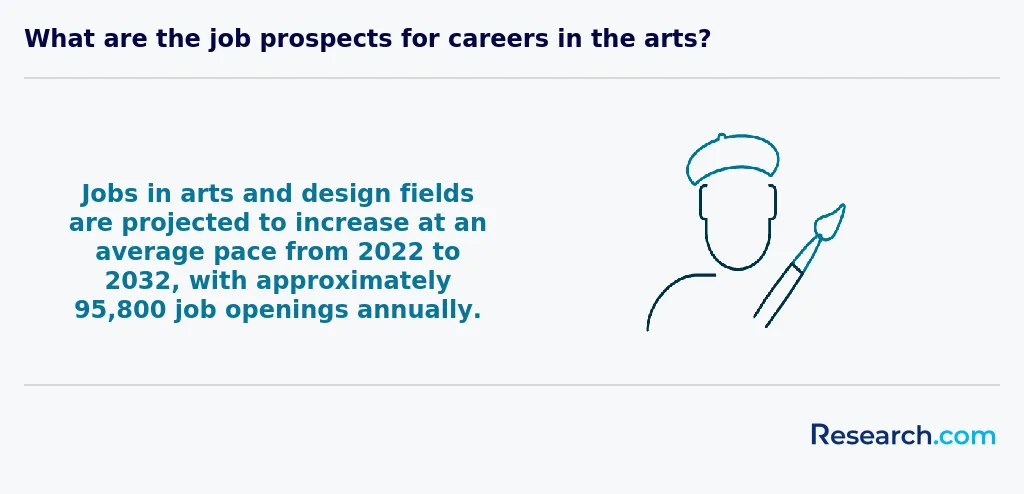
The global perspective on fine arts careers reflects both opportunities and challenges, particularly for students in Houston considering degrees in this field. Internationally, fine arts professionals often face unpredictable job markets but benefit from rising interest in cultural exchange and creative industries. In the U.S., the Bureau of Labor Statistics estimates a 3% employment growth for artists and related workers from 2022 to 2032, which is slower than average but steady.
Houston's growing arts scene, supported by institutions like the Museum of Fine Arts Houston, enhances local career prospects. According to Houston Arts Alliance, the city's creative economy contributed over $1.3 billion annually, fueling demand for artistic talent with global influences.
Studying fine arts in Houston offers exposure to diverse cultural aesthetics, preparing graduates to engage with global art markets and cross-cultural collaborations. However, financial returns vary widely depending on specialization and location.
Gaining practical experience while studying for a fine arts degree in Houston is crucial for developing your skills and building a professional portfolio. Many Houston universities and colleges offer internships and cooperative education programs that partner with local galleries, museums, and art studios. These opportunities allow students to work on real projects alongside experienced artists.
Additionally, Houston's vibrant art scene provides numerous chances to participate in community art projects and exhibitions. For example, the Museum of Fine Arts Houston and Houston Center for Contemporary Craft often collaborate with students for workshops and events. According to the Houston Arts Alliance, over 70% of fine arts students in Houston gain hands-on experience through such local partnerships, enhancing career readiness.
Networking at art festivals and joining student art organizations also contribute to practical learning. Many fine arts programs encourage participation in portfolio reviews and competitions, providing critical feedback directly relevant to career growth. This combination of academic study with active engagement in Houston's cultural institutions strengthens a student's practical expertise.
Choosing the right concentration within a fine arts degree program in Houston requires understanding your personal interests, career goals, and the program offerings available. Houston hosts several respected institutions such as the University of Houston and Houston Community College, where concentrations may include painting, sculpture, digital media, and graphic design.
It is important to research each concentration's curriculum and resources. For example, digital media programs in Houston often emphasize technology skills, aligning with local job market demands.
The Texas Higher Education Coordinating Board reports that fine arts-related employment in Houston has grown 4.5% annually, making practical skills increasingly valuable.
Visiting campuses and speaking to current students or faculty can also provide insights into which concentration fits best with your aspirations.
- 2027 Most Popular Fine Arts Degree Programs Ranking in San Antonio
- 2027 Most Popular Fine Arts Degree Programs Ranking in Dallas
- 2027 Most Popular Fine Arts Degree Programs Ranking in Denton
- 2027 Most Popular Fine Arts Degree Programs Ranking in New Orleans
- 2027 Most Popular Fine Arts Degree Programs Ranking in Mobile
- 2027 Most Popular Fine Arts Degree Programs Ranking in Memphis
- 2027 Most Popular Fine Arts Degree Programs Ranking in Kansas City
- 2027 Most Popular Fine Arts Degree Programs Ranking in Columbia
- 2027 Most Popular Fine Arts Degree Programs Ranking in Nashville
- 2027 Most Popular Fine Arts Degree Programs Ranking in Saint Louis
- Challenges in Undergraduate Art Education - Arts Education Partnership https://www.aep-arts.org/challenges-in-undergraduate-art-education/
- Studio Art (BFA) | Houston Christian University https://hc.edu/school-of-fine-arts/degrees/studio-art-bfa/
- About Faculty of Design - Academy of Fine Arts https://en.asp.waw.pl/strona-glowna/faculties/faculty-of-design/about-faculty-of-design/
- Studio Arts https://catalog.stthom.edu/fine-art-drama-dance/bachelor-of-arts/studio-arts
- 14 art niche ideas and how to determine yours https://www.gelato.com/blog/art-niche-ideas
- How to Use Art Challenges to Push Your Creative Boundaries - OCAD https://artcoursework.com/how-to-use-art-challenges-to-push-your-creative-boundaries/
- Networking for Artists https://artquest.org.uk/how-to-articles/networking-for-artists/
- Create a Niche Market for Your Art in a Sea of Artists https://lorimcnee.com/create-a-niche-market-for-your-art-in-a-sea-of-artists/
- The Fine Art of School Engagement https://www.educationnext.org/fine-art-of-school-engagement-how-expanding-arts-education-affects-learning-behavior-social-emotional-growth/
- Careers in the Arts: Who Stays and Who Leaves? https://snaaparts.org/findings/reports/careers-in-the-arts-who-stays-and-who-leaves


