2027 Most Affordable Fine Arts Degree Programs Ranking in Tampa

Co-Founder and Chief Data Scientist
Choosing the right fine arts degree program in Tampa can feel overwhelming. To help, the Research.com team of data scientists created the 2027 Most Affordable Fine Arts Degree Programs Ranking in Tampa. This ranking highlights affordable options, making it easier for you to find programs that fit your goals and budget.
Pursuing a fine arts degree opens doors to creativity, personal growth, and exciting career paths. Reading this article will guide you toward smart choices and a bright future in the arts.
Key benefits of getting fine arts degree in Tampa
- Salary for fine arts degree graduates: Graduates in Tampa can expect rewarding wages, such as Animators earning around $109,630 annually and Illustrators making about $71,420 per year, reflecting strong financial potential in creative careers.
- Career paths: A typical fine arts graduate from the University of Tampa finds versatile opportunities in fields like graphic design, animation, or art therapy, enabling them to pursue passionate and fulfilling work.
- Online degree benefits: Earning a fine arts degree online through institutions like the University of South Florida offers flexibility and accessibility, helping busy students balance studies with life while opening doors to a vibrant creative industry in Tampa.
- 2027 Most Affordable Fine Arts Degree Programs Ranking in Tampa
- What can I expect from fine arts degree in Tampa?
- Where can I work with fine arts degree in Tampa?
What can I expect from fine arts degree in Tampa?
If you're dreaming about a fine arts degree in Tampa, you're probably wondering about the cost. On average, community colleges like Hillsborough Community College offer Associate of Arts degrees focused on fine arts for around $2,500 per semester. That's a pretty budget-friendly way to get your foundation in art before possibly transferring to a university.
For a full bachelor's degree, places like the University of South Florida (USF) are popular picks. USF's programs might cost more than community college, but students often find the experience worth it thanks to the hands-on learning in galleries and studios right on campus. Graduates often tell stories about showcasing their work locally, collaborating with cultural spots, and feeling really plugged into Tampa's arts scene. This real-world vibe helps make the tuition feel like an investment, not just a bill.
So, whether you're starting small or diving into a BFA, Tampa offers options that balance cost with amazing creative opportunities.
Where can I work with fine arts degree in Tampa?
With a fine arts degree in Tampa, you've got a bunch of cool options right here in the city. Graduates from places like the University of Tampa or Hillsborough Community College often find themselves working at spots like the Tampa Museum of Art, whether as curators, educators, or even behind-the-scenes with exhibits. It's pretty common for grads to jump into freelance gigs too, helping organize exhibitions and special art events.
Many also land roles in smaller galleries around Hyde Park or Seminole Heights, diving into gallery management or community arts outreach. If you're into digital arts, you're in luck - Tampa's creative scene is booming with graphic design and animation jobs. The local job market is growing fast, so grads with skills in multimedia arts are seeing great opportunities.
Some fine arts grads love the idea of teaching, so working as an instructor or program coordinator at local colleges is a popular path. Plus, nonprofits like the Tampa Bay Arts Council are always on the lookout for creative minds for grant writing and arts advocacy. It's a friendly city with plenty of spots where you can make your art passion into a career.
If you're aiming for a fine arts degree in Tampa, you're probably wondering, "How much can I actually make?" Well, graduates from local schools often find themselves earning solid money, especially when they combine creativity with some tech skills. For instance, graphic artists in the area pull in about $64,700 a year on average, which is pretty decent.
Illustrators do even better, with typical salaries around $71,420 annually. Imagine a recent graduate from a Tampa college landing a freelance gig or a spot in a local studio, turning their sketchbooks into a nice paycheck. And if animation is your thing, hold onto your drawing tablet! Animators make a standout $109,630 a year on average, showing just how rewarding combining art with digital media can be here.
Art therapists also find Tampa a welcoming market, earning around $75,660 annually, blending art skills with helping others. It's encouraging for students who love both art and supporting their community.
Many graduates appreciate Tampa's vibe too-it's an artsy city with a cost of living that makes your paycheck stretch. Plus, local galleries and nonprofits provide plenty of chances to grow in your craft and career.
- Tuition for fine arts bachelor's degrees in Tampa public universities ranges from $6,000 to $10,000 per year for in-state students.
- Private institutions charge between $20,000 and $30,000 annually for similar programs.
- Fine arts graduates in Tampa earn starting salaries of $30,000 to $40,000 per year, with potential to increase to around $55,000 or more over time.
- Job opportunities are strongest in graphic design, animation, art education, and arts administration.
- Tampa's cost of living is lower than larger cities, which can ease expenses for students.
- Local internships and arts organizations provide support for job placement after graduation.
In Tampa, most students aiming for a fine arts degree find themselves spending about four years if they're going full-time, especially at well-known spots like the University of Tampa or Hillsborough Community College. Graduates often talk about how those years flew by, packed with both hands-on studio work and fascinating art history classes. It's pretty much the standard timeline since you're juggling around 120 to 130 credit hours.
If you're going for an Associate degree, things speed up-you're looking at roughly two years. Many graduates shared that those programs gave them skills they could either build on or dive straight into Tampa's arts scene afterward.
Part-time students, balancing work or life, usually take longer, sometimes five to six years, but Tampa's summer classes and accelerated options can really help you finish faster. For those after a Master of Fine Arts, the vibe is more intense but rewarding, with two to three years focused on polishing your portfolio and creative research.
Ensuring that your Fine Arts degree holds recognized accreditation is vital for academic credibility, financial aid eligibility, and seamless credit transfers. In Tampa, FL, top programs often carry both institutional accreditation from the Southern Association of Colleges and Schools Commission on Colleges (SACSCOC) and specialized accreditation from the National Association of Schools of Art and Design (NASAD). These endorsements guarantee that curricula meet rigorous national standards and that faculty possess the expertise to guide your artistic development. Key considerations when evaluating accreditation:
- Institutional Accreditation: Confirms overall college or university quality, unlocking federal financial aid and loan options.
- Programmatic Accreditation: NASAD accreditation signals adherence to industry benchmarks for fine arts instruction, facilities, and resources.
- Transferability: Accredited programs facilitate smoother course transfers if you decide to switch schools or pursue dual degrees.
- Continuous Improvement: Accredited institutions undergo regular reviews, ensuring programs evolve with emerging artistic trends and technologies. Before applying, verify accreditation status on each institution’s website or via the U.S. Department of Education database. Accreditation not only reflects program quality but also impacts your post-graduate opportunities-employers and graduate schools often prioritize candidates from fully accredited programs. For those exploring a broader range of accessible degree options, consider our guide to easy liberal studies degree programs, which highlights similarly vetted pathways in the liberal arts.
If you're thinking about a fine arts degree in Tampa, the biggest difference between online and on-campus programs really boils down to the experience. On-campus students at places like the University of South Florida get to dive into hands-on work with real studios and gear. Imagine sculpting clay right there in a bustling art lab or joining face-to-face critiques that fuel your creativity. Graduates often talk about how those personal connections and gallery visits around Tampa made their projects come alive.
Online students, on the other hand, love the flexibility. You can work on assignments anytime from home, which is perfect if you're juggling a job or family. That said, some grads mention missing out on the tactile feel of materials or the buzz of being surrounded by other artists in person. Still, Tampa's online programs try to keep things interactive with virtual workshops and critiques.
Both paths cost around the same with some extra fees for supplies, but on-campus students find perks in local internships and exhibiting their work that can boost their arts career right here in Tampa.
Beyond rigorous academics, the vibrant campus life in Tampa offers Fine Arts students a unique environment where creativity is nurtured both inside and outside the classroom. Many schools host art fairs, gallery exhibitions, and interactive workshops that allow students to network with local artists and industry professionals while building meaningful connections with peers. Social clubs, live performance groups, and collaborative studio spaces further enrich the educational experience, encouraging students to explore new art forms and develop a well-rounded creative portfolio. These immersive experiences not only foster personal growth but also enhance professional readiness by offering real-world projects and community engagement opportunities. For example, attending on-campus events can provide invaluable insights into current art trends and industry standards while building a robust network that supports future career endeavors. If you’re considering an institution that balances academic excellence with a thriving community, make sure to explore our detailed guide on an affordable fine arts school in florida to discover programs that offer both affordability and a dynamic campus culture.
If you're thinking about the average cost of fine arts degree in Tampa, you'll find it's pretty varied depending on where you study and whether you're an in-state or out-of-state student. For instance, graduates from public universities like the University of South Florida often mention how manageable their in-state tuition was, usually around $6,400 per year. That felt like a fair price considering the strong program and access to galleries and art studios on campus.
On the other hand, those who went to private schools such as Ringling College of Art and Design often rave about the amazing resources and close-knit community, even though tuition can be steep-close to $49,600 a year. It's definitely a bigger upfront investment, but many graduates feel it's worth it for the networking and specialized training they received.
For students looking for affordable fine arts degree programs Tampa 2027 options, community colleges are a great starting point. Taking classes at places like Hillsborough Community College can get your foot in the door with tuition around $118 per credit hour. Many people begin here and then transfer credits to a four-year university to save money.
Remember, the tuition isn't the whole picture. Art supplies, studio fees, and the tech you need can add $1,200 to $2,000 yearly, which graduates say is totally part of the creative journey. If you want to explore and compare your options more, check out https://research.com/rankings/fine-arts/best-fine-arts-tampa-fl for detailed rankings and insights.
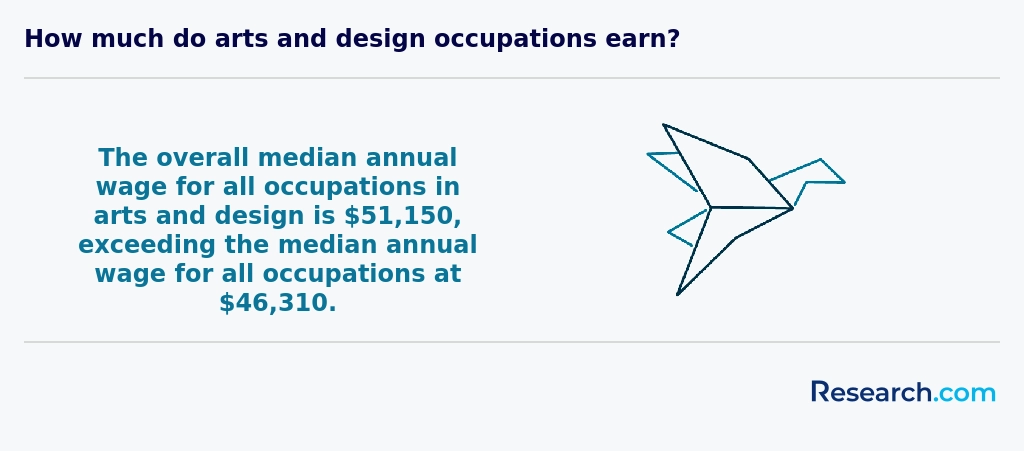
When evaluating fine arts programs in Tampa, FL, confirming both regional and programmatic accreditation is essential for ensuring educational quality and long-term value. Regional accreditation-most commonly through the Southern Association of Colleges and Schools Commission on Colleges (SACSCOC)-validates that an institution meets rigorous academic standards. In addition, specialized accreditation from the National Association of Schools of Art and Design (NASAD) or similar bodies demonstrates that a fine arts curriculum has been reviewed by experts in art education and adheres to industry benchmarks. Accredited programs offer clear advantages: they guarantee that credits are widely transferable between institutions, qualify students for federal financial aid, and often carry greater weight with employers and graduate schools. For example, a NASAD-accredited studio art concentration ensures access to up-to-date facilities, experienced faculty, and emerging best practices in digital media, printmaking, and sculpture. Prospective students should verify accreditation status on institutional websites or the U.S. Department of Education’s Database of Accredited Postsecondary Institutions and Programs. Moreover, attending an accredited fine arts program supports professional licensure and certification-critical for art educators and therapists-while strengthening portfolios used to apply for competitive internships, exhibitions, and residencies. Before submitting applications or portfolios, applicants should confirm that their chosen Tampa program maintains active standing with both SACSCOC and any relevant programmatic accrediting agencies. For insights into similarly accredited and budget-friendly programs beyond Florida, explore our Most Affordable Fine Arts Degree Programs Ranking in Cincinnati, OH.
When you're diving into a fine arts degree in Tampa, there's a good mix of financial aid options ready to ease the load. Many students at the University of South Florida Tampa campus, for example, tap into the Florida Bright Futures Scholarship, which rewards strong academic performance and can cover a big chunk of tuition. It feels like a real win when that paycheck doesn't stretch quite as far.
Federal aid is a lifesaver too - Pell Grants don't need to be paid back and cover a lot for folks who qualify. Around 31% of students in Florida get these, so you're definitely not alone there. If you need a bit more, federal student loans offer flexible repayment options, helping cover both school costs and living expenses without the wild interest rates.
On top of that, local scholarships from arts councils and the Hillsborough Community Foundation often focus on artistic talent, which many fine arts students find really encouraging. And don't forget work-study programs at places like the University of Tampa, where working on campus not only pays the bills but also adds relevant experience to your resume.
Graduates often say snagging these varied aids made their fine arts journey feel achievable and exciting, not just overwhelming. It's all about mixing and matching what's out there to fit your unique path.
If you're aiming to enroll in a fine arts degree program in Tampa, the first thing you'll need is a high school diploma or something equivalent like a GED. It's the basic ticket to college life here. Beyond that, Tampa schools-especially places like the University of South Florida-really want to see your artistic chops. That means putting together a portfolio filled with your best drawings, paintings, or digital art pieces. Graduates often say this part was both exciting and nerve-wracking since it's how the schools get a real feel for your creativity and potential.
You'll probably also need to gather a couple of letters of recommendation from art teachers or mentors who know your work well. These add a personal touch and show you're serious about art. Some programs in Tampa might ask you to write a little essay about why you want to study fine arts, helping them understand your passion.
Standardized tests like the SAT or ACT aren't always a must nowadays, but having a decent high school GPA-usually around 2.5-is pretty important. Overall, it's about showing you're ready both artistically and academically to dive into the fine arts scene right here in Tampa.

Tampa offers a vibrant atmosphere that extends far beyond the classroom, enriched by a dynamic local arts scene and an array of community events specifically tailored for creative minds. Students in Fine Arts programs can immerse themselves in campus life through extracurricular activities such as art clubs, collaborative projects, and student-run exhibitions that take advantage of local galleries and cultural centers. This sense of community provides an excellent opportunity to network with local artists, participate in public art projects, and even volunteer at community festivals, all of which can boost both creative growth and professional prospects. Many students also appreciate that Tampa’s cultural landscape seamlessly connects academic experiences with real-world opportunities. Attending events like local art fairs, museum tours, and live performance art shows helps foster an appreciation for diverse forms of creative expression while also offering practical insights into the local job market. Furthermore, regular workshops and guest lectures by prominent local artists allow students to stay informed about emerging trends in the industry and acquire firsthand advice on launching their careers. Another significant benefit of studying in Tampa is the potential to connect with resources available at an affordable fine arts school in florida that understands both the academic and creative needs of its students. This connection not only enriches the educational journey but also assists with professional mentorship and ongoing support long after graduation. Students frequently share that campus-driven initiatives and community engagement projects have been instrumental in building their portfolios, which in turn opens doors to internships and collaborations with leading art institutions in the region. In summary, the thriving campus life and extensive community engagement in Tampa play a crucial role in forming well-rounded fine arts professionals. Prospective students should consider these unique opportunities when choosing a program, as they offer invaluable experiences that enhance creativity, build professional networks, and ultimately pave the way for a successful career in the arts.
If you're diving into a fine arts degree in Tampa, expect to get your hands dirty with a bunch of cool courses that mix creativity and technique. Graduates from local schools often rave about studio art classes where they paint, draw, sculpt, or explore digital media-these are the real heart of the program and where you'll have tons of fun experimenting with different materials.
Alongside that, you'll dive into art history, learning about everything from ancient masterpieces to modern street art. It's pretty eye-opening and helps you get why artists create what they do. Tampa's programs don't just stick to painting; you might find yourself in design classes covering color theory and visual composition, which are perfect for sharpening your eye and style.
- Studio Art (painting, drawing, sculpture, digital arts)
- Art History and Criticism
- Design Fundamentals and Color Theory
- Contemporary Art Practices
- Portfolio Development
- Arts Technology and Digital Media
Many students love that Tampa schools also offer extras like ceramics or animation as electives, so you can personalize your path. Plus, professional development courses like portfolio prep really get you ready to wow future employers.

If you're thinking about a fine arts degree in Tampa, you'll find plenty of specializations that really let you dig into what you love. Tampa universities offer everything from classic Studio Art-think painting, sculpting, and drawing-to more tech-savvy fields like Animation and Digital Arts. Graduates from local schools often mention how exciting it is to blend creativity with hands-on skills, whether they're mastering 3D modeling or crafting their own ceramics.
For students interested in the digital world, the Graphic Design track is a popular pick, preparing folks for gigs in web design or advertising. Photography lovers can dive deep into both film and digital techniques, capturing moments just the way they imagine. Art History options also attract those curious about how art shapes culture, combining theory with vibrant local museums and galleries.
It's no surprise that Tampa's wide range of artistic disciplines offered at Tampa universities makes it easy to find your niche. Plus, if you're balancing art studies with career goals or other interests, some students explore an online elementary education curriculum alongside their fine arts degree, crafting a unique skill set.
Picking the best fine arts degree in Tampa means digging into what each program really offers. Graduates from local schools like the University of South Florida often talk about how the mix of hands-on studio time and art history classes helped them sharpen their skills while keeping things interesting. When you're checking out programs, think about how much variety they offer-painting, digital arts, sculpture-the more, the better, especially if you want to explore different styles.
Cost is a big deal too. Tampa's public universities usually have more affordable fine arts degree programs Tampa students love, making it easier to focus on your creativity without stressing finances. Many grads mention how scholarships or financial aid made a huge difference. And don't forget to scope out the facilities-great studios and local art partnerships mean you get real-world experience, like photo shows or internships, which you'll definitely want on your resume.
Also, some students find that schools with strong career support actually help when it's time to land a job in Tampa's creative scene. If you're juggling studies with other commitments, consider programs with flexible schedules or even e-learning programs for educational leaders as an example of how schools might cater to busy lifestyles.
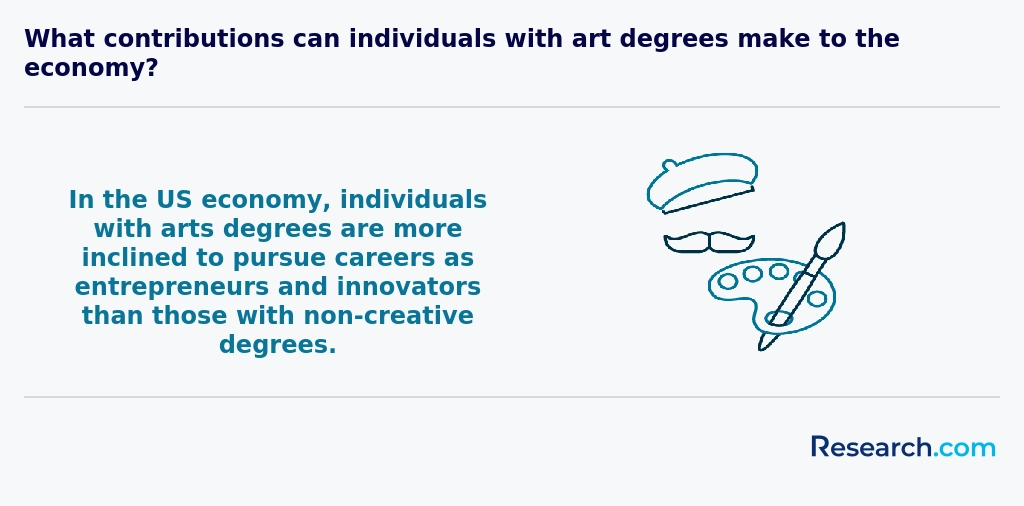
If you're eyeing a fine arts degree in Tampa, you've got a lot of exciting career paths to explore. Graduates from places like Tampa State College and the University of South Florida often dive into roles as visual artists, getting their work featured in vibrant local spots like the Tampa Museum of Art. Others lean into graphic design, thanks to Tampa's growing business scene that's always on the lookout for fresh creative talent. Jobs with fine arts degree Tampa don't stop there-many grads find fulfilling work as art educators in community programs and schools, sometimes inspired by local initiatives boosting creative education.
Some even go the route of becoming curators or museum pros, managing exhibitions within Tampa's cultural institutions. Digital media grads have fun animating or designing video games for Florida's entertainment companies, while a few combine art and healthcare by becoming art therapists.
If teaching appeals to you, Tampa is a great place to start, and you can check out specific requirements via Louisiana teacher salary requirements for an idea of the path. Overall, the fine arts career opportunities in Tampa feel dynamic and full of potential as the city's creative sector keeps booming.

The job market for fine arts degree holders in Tampa is a mix of creativity and hustle, with plenty of chances to dive into galleries, museums, and community art spaces. Graduates from popular schools like the University of South Florida often find opportunities working as gallery curators, art educators, or freelance artists, taking part in the city's vibrant art festivals and cultural events. Tampa's growing creative scene means there's room for people with a fine arts degree to build a meaningful career despite it being competitive.
Many grads mention juggling various gigs, from graphic design projects to commissions, which reflects the reality of Tampa fine arts degree job prospects. The city's strong arts community and coworking spaces encourage networking and collaboration, which really helps when you're just starting out and building your portfolio.
Since traditional jobs can be limited, exploring a mix of roles or entrepreneurial avenues is common. For those wondering about related fields, check out library science opportunities for additional career ideas that complement creative skills.
2027 Most Affordable Fine Arts Degree Programs Ranking in Tampa
Investing in your education is a significant decision that can shape your future, and the Research.com team understands the importance of making informed choices. To assist prospective students interested in fine arts, we have meticulously developed the "2027 Most Affordable Fine Arts Degree Programs Ranking in Tampa." Our dedication to quality, credibility, and accuracy is demonstrated by the thorough research and rigorous analysis undertaken to compile this ranking.
We utilized the following reputable data sources to ensure a comprehensive evaluation of fine arts degree programs:
By exploring this ranking, readers will gain valuable insights into the most affordable and high-quality fine arts programs available in Tampa, enabling them to make well-informed decisions about their education. For more details on our methodology, please visit our Research.com methodology page.


Frequently Asked Questions About fine arts
Fine arts degree students in Tampa can maximize their learning experience by engaging actively with local art communities and institutions. Tampa hosts several galleries, such as the Tampa Museum of Art and local artist collectives, which provide opportunities for exhibitions and networking. Participating in internships or community projects connected to these organizations enhances practical skills and professional growth.
Students should also take advantage of Tampa's diverse cultural events and festivals, like the Gasparilla Festival of the Arts, to gain exposure and inspiration. Utilizing campus resources, including studio spaces and expert faculty, further supports skill development.
According to the National Endowment for the Arts, students involved in public art programs tend to show higher engagement and academic success. Therefore, a combination of hands-on experience and community involvement is key for Tampa-based fine arts students.
The fine arts field is evolving with new niches emerging that reflect technological advancements and cultural shifts. In Tampa, students pursuing fine arts degrees increasingly explore digital media arts, combining traditional skills with digital tools for animation, graphic design, and interactive art. According to the National Endowment for the Arts, demand for digital content creation has grown by over 20% in Florida between 2018 and 2023.
Another growing area is community-engaged art, where artists work directly with local populations to create public installations and social practice projects. This aligns with Tampa's vibrant arts scene and public funding programs supporting community arts initiatives.
Additionally, fine arts studies in Tampa are embracing sustainable art practices, focusing on eco-friendly materials and themes related to environmental activism, following nationwide trends reported by the College Art Association.
Graduates with fine arts degrees in Tampa should focus on building a strong professional portfolio that showcases a variety of skills and projects. Tampa's creative job market values practical experience, so internships or freelance work during studies can provide a competitive edge. Networking is crucial; joining local art organizations or attending events like the Tampa Bay Arts Festival helps establish valuable connections. According to the U.S. Bureau of Labor Statistics, artists' median annual wages in Florida were around $47,000 in 2023, highlighting the importance of demonstrating diverse talents to employers. Developing digital skills and marketing abilities can also improve job prospects.
Employers in Tampa seeking fine arts degree graduates prioritize a mix of creative and practical skills. Strong proficiency in visual communication and digital tools, such as Adobe Creative Suite, remains essential. According to the National Endowment for the Arts, 68% of arts employers value candidates' adaptability to evolving technologies.
Effective collaboration and communication are equally important, especially within Tampa's growing arts organizations and galleries. A 2023 report from the Tampa Bay Arts Council highlights that nearly 75% of local arts employers expect graduates to demonstrate teamwork skills.
Additionally, employers seek graduates with strong critical thinking and problem-solving abilities, enabling innovative artistic solutions tailored to community needs. Project management skills also increase employability in Tampa's competitive arts market.
Finding internships in Tampa relevant to a fine arts degree involves leveraging local resources and networks. Many Tampa-based organizations, such as the Tampa Museum of Art and the Florida Museum of Photographic Arts, offer internship opportunities that provide practical experience in fine arts settings.
Students should also connect with Tampa's universities that offer fine arts programs, including the University of South Florida, which frequently posts internships on their career services portals. Networking events and art festivals in Tampa, known for a vibrant arts community, can provide direct contacts to galleries and studios.
Utilizing online platforms like Handshake or local job boards can increase internship leads, while Tampa's creative economy has grown steadily, employing over 5,000 arts-related jobs as reported by the Tampa Bay Partnership, enhancing internship availability.
A fine arts degree in Tampa can significantly enhance career mobility by equipping graduates with versatile creative skills valued across multiple industries. According to the Bureau of Labor Statistics, occupations related to fine arts in Florida are projected to grow by 7% from 2022 to 2032, reflecting steady demand. In Tampa's growing cultural scene, graduates often find opportunities in galleries, design firms, education, and media. Local employers tend to value formal education for advanced positions, so holding a degree can improve chances for promotions or specialized roles. Additionally, Tampa's professional arts organizations provide networking resources that support career advancement for degree holders.
Studying for a fine arts degree in Tampa equips students with skills that transcend traditional artistic boundaries. Many local programs emphasize interdisciplinary collaboration, blending visual arts with digital media, design, and communication. This approach aligns with industry trends where employers seek versatile professionals able to integrate creativity with technology.
Institutions such as the University of South Florida and the Ringling College of Art and Design offer curricula that encourage exploration across disciplines, fostering problem-solving and innovation. According to the National Endowment for the Arts, cross-disciplinary competence improves job prospects, particularly in creative industries centered in Florida's growing cultural sector.
Choosing between a thesis and a non-thesis fine arts degree program in Tampa depends largely on your career goals and learning preferences. A thesis program typically requires a research project or creative work that demonstrates your skills and original thinking. This path suits students aiming for academic or research-oriented careers, especially if considering further graduate study. Non-thesis programs usually focus more on coursework and practical experience, ideal for those who want to enter the workforce quickly.
The University of Tampa and the University of South Florida offer both options in their fine arts curricula, reflecting broader U.S. trends in fine arts education. According to the National Center for Education Statistics, about 40% of fine arts students nationwide choose thesis tracks, valuing the in-depth project experience.
Students based in Tampa who wish to study fine arts abroad have several pathways supported by their home institutions and US education programs. Many Tampa-area colleges with fine arts degrees, including the University of South Florida, offer participation in exchange programs and partnerships with European institutions. According to NAFSA, approximately 11% of US study abroad students engage in arts and culture-related fields. These programs typically range from one semester to a full academic year and emphasize cultural immersion alongside artistic development. Additionally, federal and state financial aid, such as Pell Grants, can often be used to help fund study abroad experiences in approved programs.
Part-time jobs in Tampa that complement a fine arts degree often include roles in local galleries, museums, and art studios. For example, the Tampa Museum of Art regularly offers part-time docent positions, providing valuable hands-on experience with art curation and public engagement. According to the Tampa Bay Economic Development Council, the city's creative sector employs over 11,000 artists and related professionals, indicating a supportive job market.
Additionally, many fine arts students find opportunities as freelance graphic designers or art instructors at community centers, which helps build portfolios and professional networks. Art supply stores like Blick often hire students for retail positions that enhance product knowledge relevant to studio work.
Fine arts students in Tampa benefit from a variety of local networking opportunities that connect them with professionals, alumni, and peers. The city hosts several art galleries, such as the Tampa Museum of Art and the Florida Museum of Photographic Arts, where students can attend exhibitions and opening receptions.
Universities like the University of South Florida organize regular events, workshops, and guest lectures featuring established artists and industry experts. These gatherings help students build professional contacts and gain insights into the art world.
Additionally, Tampa's vibrant arts community includes numerous nonprofits and artist collectives offering internships and volunteer roles, facilitating hands-on experience and relationship building within the field.
According to the Tampa Bay Economic Development Council, the local creative sector is growing, with over 2,500 arts-related businesses operating in the region, increasing opportunities for networking and career development.
Alumni networks play a crucial role in supporting fine arts degree students in Tampa by providing access to professional connections within the local art community. Graduates often share job leads, exhibition opportunities, and internships, which can be vital in the competitive fine arts field. According to a 2023 report from the National Association of Colleges and Employers, 85% of fine arts students found employment through networking connections.
In Tampa, alumni groups collaborate with institutions to organize workshops and gallery events, offering practical experience and exposure. These networks help students navigate the local market, enhancing their career prospects and artistic growth.
In Tampa, customizing a fine arts degree program to align with your career goals involves selecting electives, minors, and concentration areas offered by local universities. Many Tampa institutions allow students to focus on specialties such as studio art, digital media, or art education. Incorporating internships at Tampa's vibrant arts organizations or galleries can further tailor your experience and build professional connections.
Students often choose electives in arts management or graphic design to diversify skills. According to the National Center for Education Statistics, over 60% of fine arts students engage in practical projects or internships, which are widely supported in Tampa's arts community.
Fine arts students in Tampa often face financial challenges due to limited funding and high material costs. Supplies such as canvases, specialized tools, and software can strain budgets beyond tuition expenses. According to the National Endowment for the Arts, many art students nationwide report difficulties securing affordable resources, a trend reflected in Tampa's local art schools. Additionally, balancing studio time with academic coursework presents time management challenges, especially as hands-on projects require extensive practice. Many students also encounter obstacles finding local internships or galleries to exhibit their work, which impacts career development. These factors create a demanding environment for fine arts students in Tampa.
With a fine arts degree in Tampa, graduates can pursue several professional certifications to enhance their career prospects. One common option is the Florida Professional Educator Certification if you aim to teach art at K-12 public schools. This requires passing the Florida Teacher Certification Exam (FTCE) and completing a state-approved educator preparation program.
For those interested in art therapy, the Art Therapist Registered (ATR) credential from the Art Therapy Credentials Board is a valuable certification. While it requires additional graduate study, many Tampa graduates use their fine arts background as a foundation.
Other certifications include Graphic Design certifications like Adobe Certified Expert (ACE), which are relevant for commercial art careers. Local organizations such as the Tampa Bay Arts Council provide resources for pursuing these paths.
Writing a winning application for a fine arts program in Tampa requires clear demonstration of both creativity and academic commitment. Start by researching the specific Tampa institutions offering fine arts degrees, such as the University of Tampa or Hillsborough Community College, to tailor your portfolio and personal statement accordingly.
Include a diverse portfolio that showcases your skills across multiple mediums, emphasizing originality and technical proficiency. According to the National Association of Schools of Art and Design, admissions committees value portfolios reflecting strong conceptual thinking alongside craftsmanship.
Additionally, maintain a solid academic record with coursework in art history and studio classes to strengthen your candidacy. Tampa's local art scene can provide inspirational context, helpful in personal essays discussing your motivation and community connection.
Finally, prepare for possible interviews or artist statements by practicing clear articulation of your goals and artistic vision, which many Tampa programs consider essential during selection.
Globally, a fine arts career reflects diverse opportunities and challenges influenced by cultural values and economic conditions. In the United States, fine arts graduates often explore careers in education, gallery management, and digital media. According to the National Endowment for the Arts, about 2.3 million U.S. adults worked in arts-related fields in 2022, including many based in Florida's Tampa Bay area.
Internationally, the demand for creative professionals is growing as digital platforms expand audiences. However, financial stability varies greatly among countries, making practical skills and networking crucial for success.
In Tampa, institutions offering fine arts degrees focus on combining traditional techniques with digital arts, preparing students for global markets, while local art festivals and galleries provide exposure and professional growth.
Students pursuing a fine arts degree in Tampa can gain practical experience through various avenues integrated within local college programs. Many institutions encourage participation in on-campus art galleries and exhibitions, providing hands-on opportunities to showcase work and receive professional feedback. Internships with Tampa's vibrant arts organizations, such as the Tampa Museum of Art and the Florida Museum of Photographic Arts, are commonly available and offer real-world experience. Additionally, community art projects and collaborations with local artists can enhance skills and professional networks. According to the National Endowment for the Arts, Tampa's active arts scene supports over 3,000 related jobs, benefiting student engagement.
Choosing the right concentration within a fine arts degree program in Tampa depends on your personal interests, career goals, and the strengths of local institutions. Tampa offers diverse options, including visual arts, studio art, digital media, and performance arts. According to the National Center for Education Statistics, concentrations in studio art and digital arts are popular among Tampa students due to the city's growing creative industries.
Research courses offered by Tampa schools like the University of South Florida or Hillsborough Community College. Consider concentrations that align with Tampa's art scene, such as animation or graphic design, which have strong local demand. Talking to advisors and reviewing alumni outcomes can also help clarify your choice.
- 2027 Most Affordable Fine Arts Degree Programs Ranking in Jacksonville
- 2027 Most Affordable Fine Arts Degree Programs Ranking in Miami
- 2027 Most Affordable Fine Arts Degree Programs Ranking in Mobile
- 2027 Most Affordable Fine Arts Degree Programs Ranking in Atlanta
- 2027 Most Affordable Fine Arts Degree Programs Ranking in New Orleans
- 2027 Most Affordable Fine Arts Degree Programs Ranking in Greensboro
- 2027 Most Affordable Fine Arts Degree Programs Ranking in Raleigh
- 2027 Most Affordable Fine Arts Degree Programs Ranking in Nashville
- 2027 Most Affordable Fine Arts Degree Programs Ranking in Memphis
- 2027 Most Affordable Fine Arts Degree Programs Ranking in Lynchburg
- Fine Arts https://en.uap.edu.pl/admission/programmes/fine-arts/
- Jobs | Academy of Fine Art https://academy-of-fine-art.com/en/jobs-en/
- Benefits of Fine Arts Education: Creativity & Confidence Boost https://palcs.org/advantage-fine-arts-education-creativity-confidence/
- Complete guide to studying Fine Arts - TAI Arts https://taiarts.com/en/blog/guide-to-studying-fine-arts/
- What Alumni Say https://www.cityandguildsartschool.ac.uk/ma-fine-art/student-and-alumni-case-studies/
- Careers https://tampamuseum.org/about/careers/
- MFA Statement of Purpose: The Artist Statement + Academic Goals Hybrid https://gradpilot.com/news/mfa-statement-of-purpose-artist-statement-guide
- High-Impact Educational Practices in the Arts and Post-College⦠https://snaaparts.org/findings/databriefs/high-impact-educational-practices-in-the-arts-and-post-college-community-engagement
- 404 – Seite nicht gefunden https://www.gostudent.org/en-gb/blog/what-jobs-can-you-get-with-a-fine-arts-degree
- Financial Aid | Florence School of Fine Arts https://www.theflorenceschool.org/faid.html