
2027 Easiest Online Fine Arts Degree Programs Ranking in the West

Co-Founder and Chief Data Scientist
Choosing the right fine arts degree can feel overwhelming, especially when studying online from the West. To help you navigate this journey, this article introduces the 2027 Easiest Online Fine Arts Degree Programs Ranking in the West. Developed by the Research.com team of data scientists, this ranking offers clear insights into accessible programs tailored for your success.
Exploring these options can open doors to creativity and fulfilling career paths. Whether you're beginning or advancing your education, understanding which programs are easier to manage helps you make a confident choice. Dive in to find the perfect fit for your artistic goals and future.
Key benefits of getting online fine arts degree in the West
- Graduates with fine arts degrees often find rewarding careers with strong earning potential, like Animators earning a mean annual wage of $109,630 or Illustrators making around $71,420 a year.
- Many fine arts graduates from universities in the West explore diverse career paths, such as graphic design, animation, and art therapy, allowing them to apply creativity in fields they are passionate about.
- Completing a fine arts degree online, like from a well-known Western university, offers flexibility and convenience, helping students balance studies with personal commitments while gaining skills recognized by employers.
- 2027 Easiest Online Fine Arts Degree Programs Ranking in the West
- What can I expect from online fine arts degree in the West?
- Where can I work with online fine arts degree in the West?
What can I expect from online fine arts degree in the West?
The average cost of an online fine arts degree in the Western United States typically ranges between $20,000 and $50,000 for a full Bachelor of Fine Arts program. Graduates from well-regarded institutions such as those in California or Washington often describe their investment as worthwhile, balancing affordability with comprehensive digital learning experiences. They frequently mention how flexible schedules enabled them to work part-time while developing strong portfolios that fueled both confidence and creativity.
As online programs innovate, emerging trends include more personalized mentorship and virtual studio tours, making technical requirements like graphic tablets and advanced cameras feel like essential tools rather than burdensome costs. Students at Oregon-based universities have reported positive surprises at scholarship opportunities tailored to online learners, helping soften financial concerns and promote joyful engagement with their artistic passions.
Looking ahead, the evolution of financial aid models combined with expanding program offerings suggests that costs may stabilize or even decrease, making fine arts degrees in the West increasingly accessible for future cohorts eager to merge artistic expression with digital proficiency.
Where can I work with online fine arts degree in the West?
Graduates from online fine arts programs at renowned Western institutions like the California College of the Arts and the University of Washington find themselves thriving in diverse creative roles. Many build careers in vibrant urban hubs such as Los Angeles and Seattle, where traditional galleries intersect with cutting-edge digital media studios. Imagine working on immersive visual effects for a Netflix series or designing user experiences for an app startup in Silicon Valley-these are real possibilities for those embracing digital arts skills.
Others leverage their talents in education, teaching art at community colleges or leading workshops in local cultural centers, enabling flexible, impactful careers. Freelancing also offers promising pathways, with artists collaborating on public murals or developing branding for emerging eco-focused companies across Portland and San Francisco.
This dynamic blend of traditional craftsmanship and technology-driven creativity fuels a strong sense of fulfillment among graduates, empowered by programs that stay current with industry trends. Their success stories highlight how an online fine arts degree in the West equips students to innovate and shape evolving artistic landscapes for years to come.
Graduates with an online fine arts degree in the West often see starting salaries around $40,000 to $50,000, which aligns with entry-level roles such as junior graphic designers or gallery assistants. For example, recent grads from well-known Western schools find opportunities in dynamic markets like Los Angeles or Seattle, where creative industries thrive.
As they build portfolios and network online, many move into mid-career positions earning $60,000 to $90,000 annually. Specific roles backed by data include graphic artists averaging about $64,700 and illustrators earning approximately $71,420 per year. These figures highlight that digital and multimedia arts careers are becoming increasingly lucrative.
Some graduates specialize as animators or art therapists, with animators earning a mean salary of $109,630, reflecting growing demand in entertainment hubs like Hollywood. Art therapists typically earn around $75,660, showcasing diverse paths available beyond traditional fine arts careers.
With the West's expanding creative sectors, these salary figures suggest exciting upward mobility for online fine arts degree holders who embrace emerging technologies and cultivate strong client relationships.
- Online fine arts degrees in the Western US often include BFA and MFA programs focusing on painting, sculpture, graphic design, and digital media.
- Tuition costs for online fine arts degrees range from $8,000 to $15,000 per year at public universities and $20,000 to $40,000 at private institutions.
- Additional expenses may include fees for materials and software needed for fine arts courses.
- The median starting salary for recent fine arts graduates is about $35,000 per year, with experienced professionals earning between $60,000 and $75,000 annually.
- Completion time for bachelor's degrees is typically 2 to 4 years, with master's programs taking an additional 2 to 3 years.
- Strong job markets for graduates exist in cities like Los Angeles, San Francisco, and Seattle, offering roles in graphic design, animation, and digital content creation.
Online fine arts degrees in the Western U.S. typically take about four years to complete, mirroring traditional programs but with far greater flexibility. Graduates from institutions like the University of California, Los Angeles, or Arizona State University often share stories of balancing creative passions with demanding schedules, appreciating how online formats let them extend or accelerate their studies as needed.
Part-time learners might stretch their journey to five or six years, fitting coursework around jobs or family, while others tap into transfer credits or accelerated options, finishing in as little as three years. Imagine a working artist in Seattle who speeds through foundational classes thanks to prior experience, pursuing advanced projects at their own pace.
Graduate programs, such as those at the California College of the Arts, require two to three years and are becoming more adaptable, offering hybrid or fully online models that blend intensive studio work with flexible scheduling. For many Western students, this means shaping their education around life's ebbs and flows, not the other way around.
Online Fine Arts programs offer unparalleled flexibility, yet succeeding in a virtual environment requires strategic planning and proactive engagement. Begin by establishing a dedicated workspace and consistent schedule to mirror traditional classroom routines. Engage actively in virtual critiques, discussion boards, and collaborative projects to build a strong network with peers and mentors. Research and leverage campus support resources such as digital libraries, tutoring sessions, and career counseling to enhance your academic journey. Additionally, explore specialized resources like the best online fine arts school in colorado for insights into top-rated programs and innovative learning technologies that can give you an edge. By adopting these practical strategies, you’ll not only master course content but also build the creativity and discipline needed to thrive in your future career in the arts.
Graduates from Western institutions like the California College of the Arts often share that on-campus programs immerse them in a vibrant, tactile environment-access to studios and galleries fosters spontaneous collaboration and hands-on experimentation. Imagine walking through a campus workshop where a painting evolves with real-time faculty feedback or joining an impromptu critique session after class. This level of interaction feels deeply inspiring and energizing for many.
Conversely, graduates of online programs at schools such as the University of Arizona highlight the flexibility to balance art creation with other life commitments. They describe crafting portfolios in their own home studios, using video critiques and digital demos to refine their techniques. The broader accessibility allows more students in diverse locations across the West to pursue fine arts without relocating, creating personalized, self-directed learning experiences.
Looking ahead, emerging hybrid formats may blend the best of both worlds-virtual coursework augmented by occasional residencies or local art shows-potentially reshaping how Western students engage with fine arts education. This flexibility and evolving access could empower future artists to build unique, sustainable creative careers.
Accreditation is the benchmark that ensures an online Fine Arts program meets rigorous educational standards, guarantees transferability of credits, and qualifies students for federal financial aid. In the West, top institutions typically hold regional accreditation from bodies such as the WASC Senior College and University Commission (WSCUC) or the Northwest Commission on Colleges and Universities (NWCCU). Additionally, specialized accreditation by the National Association of Schools of Art and Design (NASAD) attests to the program’s curriculum, faculty credentials, and studio resources. Before enrolling, verify that your chosen program is listed in the U.S. Department of Education’s Database of Accredited Postsecondary Institutions and Programs (DAPIP). Regional accreditation affects:
- Financial Aid Eligibility: Only accredited institutions can distribute federal grants, loans, and work-study funds.
- Credit Transfer: Courses from regionally accredited schools are more readily accepted by other colleges or graduate programs.
- Employer Recognition: Many employers require degrees from accredited institutions for teaching, museum curation, or arts administration positions. NASAD accreditation provides added assurance that studio facilities, digital media labs, and critique processes align with industry best practices. Review each university’s accreditation status on its website and consult your state’s higher education commission for additional oversight. If you’re comparing your options beyond fine arts, you may also wish to explore related fields and their accreditation standards-consider programs like colleges with the easiest liberal studies program to understand how accreditation drives program quality across disciplines.
The average cost of an online fine arts degree in the West currently centers around $38,730 for the full undergraduate program, reflecting a balance between public and private institutions. Graduates from well-known colleges in the region often highlight both the value and flexibility of these programs, especially as they navigate expenses like technology fees and specialized art supplies. Many students find creative ways to manage budgets, combining scholarships with affordable tools to fuel their artistic passions.
When exploring the average cost of online fine arts degree in the West, it's important to consider the diversity of institutions. Public universities, such as those in California's state system, generally offer more accessible tuition rates, particularly for residents, while private colleges tend to have higher fees but may provide smaller classes and personalized mentorship. This dynamic pushes prospective students to weigh cost against the quality of experience and connection to instructors. For instance, some graduates describe the benefit of engaging directly with faculty through online forums that mimic in-person critiques, justifying the investment.
Community colleges also present an appealing option, offering programs under $7,000 annually that can be transferred to four-year universities. This pathway often allows students in the West to keep costs manageable while still pursuing a serious fine arts education. As digital art tools evolve, some emerging online programs are beginning to incorporate cutting-edge virtual studios, potentially influencing future online fine arts degree tuition and fees Western US rates.
Prospective students looking for detailed comparisons and current rankings in the region may find valuable insights at https://research.com/rankings/fine-arts/best-online-fine-arts-west, helping to navigate the balance between cost, quality, and program reputation.
Students pursuing online fine arts degrees in the West can often tap into a range of financial aid options that ease the burden of tuition costs, which, at public universities like the University of Washington or California State University, typically range from $10,000 to $15,000 annually for in-state learners. Many graduates share how Pell Grants, with awards up to $7,395, have been game-changers by covering a significant portion of their expenses, enabling them to focus more on creative growth than finances.
Looking ahead, there's potential for increased state-specific grants tailored to West Coast residents, similar to California's Cal Grant, making programs at institutions like Oregon State University even more accessible. Federal Direct Loans continue to offer low-interest borrowing, but graduates increasingly value employer tuition assistance, especially as creative industries recognize online fine arts education's role in career advancement.
Merit-based scholarships from universities and art organizations, along with expanding digital scholarship databases, promise a future where talented artists in the region can thrive without overwhelming debt. Early FAFSA filing remains a crucial step to unlock these opportunities, allowing students to craft affordable pathways to vibrant artistic careers.
When selecting an online Fine Arts degree program in the West, verifying accreditation is paramount to ensuring both academic rigor and industry recognition. Regional accreditation-granted by bodies such as the Western Association of Schools and Colleges (WASC)-confirms that an institution meets strict educational standards, while specialized accreditation from the National Association of Schools of Art and Design (NASAD) attests to the quality of fine arts curricula specifically. Accredited programs not only qualify for federal financial aid but also facilitate credit transfer and bolster your resume in competitive creative industries. To confirm accreditation, visit the U.S. Department of Education’s Database of Accredited Postsecondary Institutions and Programs (DAPIP) and cross-check your chosen school’s status. Additionally, look for evidence of continuous improvement, such as published assessment results or curriculum reviews, which indicate a commitment to maintaining high-quality instruction. Prospective students should also compare student outcomes-graduation rates, portfolio showcases, and post-graduation employment statistics-across accredited schools to gauge program effectiveness. For those weighing cost alongside quality, explore our Most Affordable Fine Arts Degree Programs Ranking in the Northeast to see how accredited programs in other regions balance affordability with accreditation standards. By prioritizing accredited online fine arts programs in the West, you safeguard your investment, enhance employability, and lay a strong foundation for a successful creative career.
Enrolling in an online fine arts degree program in the Western US often starts with academic basics like a high school diploma and a solid GPA, typically around 2.5 to 3.0. Graduates from schools such as the University of Arizona recall how maintaining steady grades helped them secure admission and financial aid. But beyond grades, the true gateway is a compelling portfolio-a vibrant collection of your best drawings, paintings, or digital creations that tell your unique artistic story. Oregon State University alumni describe preparing portfolios as an exciting challenge that pushed their creativity further, setting them apart from other applicants.
Increasingly, test scores like the SAT or ACT are less critical, reflecting a shift toward valuing demonstrated artistic talent over standardized results. For non-native English speakers, proving language proficiency with TOEFL or IELTS remains essential to thrive in coursework and community discussions.
Looking ahead, financial readiness-whether through tuition support or aid-continues to be crucial, with in-state costs averaging $8,000 to $15,000. Prospective students find motivation in envisioning how these requirements are stepping stones toward a future where their art can resonate broadly while studying flexibly online.

Embarking on an online Fine Arts degree means entering a dynamic, creative, and supportive digital learning environment that mirrors the interactive energy of traditional campus settings. You will not only learn theory and technique from experienced faculty but also gain practical, hands-on experience through virtual workshops, portfolio reviews, and collaborative projects. This immersive journey is designed to empower you to express your artistic vision while developing essential professional skills. Students can expect: • A well-organized online curriculum that combines live webinars, pre-recorded lectures, and interactive critique sessions. • Access to a wide range of digital resources and virtual studios that simulate the traditional art classroom experience. • Continuous feedback from educators and peers, which furthers your progress and refines your creative abilities. • Opportunities to network and collaborate with fellow artists, potentially extending your reach to galleries, design firms, and online art communities. Moreover, many programs partner with renowned institutions; for instance, those looking to study at the best online fine arts school in colorado will find a robust blend of academic rigor and practical exposure. With personalized mentorship and career guidance integrated into the curriculum, you’ll be equipped with the skills needed to transition smoothly from learning to professional practice. Embrace this journey with confidence, knowing that every module, project, and interaction is a step toward transforming your passion into a fulfilling career in the fine arts.
Online fine arts degrees in the Western US typically include core courses focused on foundational skills like drawing, painting, and sculpture. Graduates from prominent Western institutions often share how these courses balance traditional techniques with digital innovations, allowing them to experiment with everything from oil paints to advanced digital tools within virtual studios. This blend helps students build strong technical abilities and broad creative expertise.
Art history and criticism also play a major role, enabling students to deeply understand movements from classical to contemporary art. Learners at West Coast colleges describe how analyzing these histories enriches their own creative voices and sparks fresh ideas in their projects, making their work more meaningful and culturally aware.
Specialized electives, such as digital illustration, animation, and 3D modeling, reflect the forward-looking approach embraced by many Western programs. Professional development courses in portfolio building and art marketing prepare students for real-world success, inspiring confidence and excitement about future careers in the evolving art landscape.
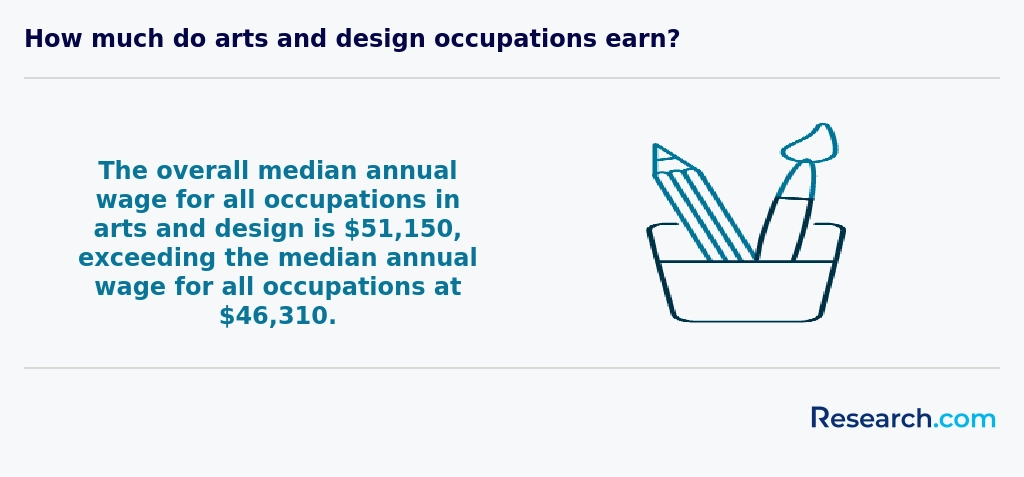
Online fine arts degrees in the West typically offer a dynamic range of specializations that blend traditional techniques with cutting-edge digital media. Graduates from popular universities often highlight how programs in studio art and graphic design allowed them to develop both their classical skills and contemporary visual communication abilities. They find inspiration in integrating new tools like digital imaging and animation software while grounding their work in strong portfolios.
Students exploring West region fine arts degree concentrations frequently choose emerging fields such as animation and motion graphics, benefiting from the tech-forward environment in states like California. Others gravitate toward photography programs that incorporate advanced digital editing, creating unique artistic expressions that resonate with today's visual culture. Many graduates appreciate how art history and criticism specializations deepen their understanding, fostering insightful creative dialogues fueled by regional influences.
Prospective learners interested in this evolving landscape can discover competitive program options and tuition data through research.com, helping them align financial planning with long-term artistic goals.
Choosing the best online fine arts degree in the West increasingly means looking beyond traditional curricula to programs that blend innovation with artistic foundations. Graduates from popular institutions like those in California and Washington often highlight how live virtual critiques and portfolio development fueled their creative confidence, even when balancing family commitments or full-time jobs. Programs offering flexible schedules and personalized virtual studios attract students eager to engage deeply without sacrificing career opportunities.
Evaluating the best affordable online fine arts degrees West involves examining accreditation and support services that ensure smooth access to technology and career networking in the evolving arts landscape. Many students find inspiration in state universities that combine competitive tuition with strong faculty expertise, leading to successful entry into creative industries.
Emerging trends suggest exploring financial aid options similar to those for the best value online master's in speech pathology, adapting to arts education needs. Such strategies help fuel artistic ambitions while managing costs, reflecting what many fine arts students in the West appreciate when mapping their educational futures.

Graduates with an online fine arts degree in the West often find exciting career opportunities ranging from graphic design and animation to art direction and illustration. Many students from renowned institutions like the California College of the Arts and the University of Washington tap into thriving creative industries in cities such as Los Angeles and Seattle, where innovation and artistic expression intersect. These graduates often describe the satisfaction of turning their creative passions into careers, particularly in multimedia arts, where job prospects with online fine arts degree Western US show steady growth.
Beyond traditional roles, many alumni pursue arts education or entrepreneurial ventures, using their digital skills to establish client commissions or online art marketplaces. The flexible format of online programs allows students to explore additional certifications or advanced study; some even transition to the best online doctoral programs in leadership to expand their impact in arts administration or education. Such pathways underscore a bright future for those ready to innovate within the evolving cultural landscapes of the Western United States.

The job market for an online fine arts degree in the West is evolving with promising opportunities, especially as graduates from programs at institutions like the California College of the Arts and the University of Washington leverage their skills in dynamic industries. Many find careers not just in galleries but in tech-driven sectors like digital media, animation, and UI/UX design, where creative expertise is highly valued. The online fine arts degree job outlook West reflects increasing demand for artists who combine traditional techniques with digital fluency, often showcased through online portfolios shared on platforms such as Behance.
Graduates often share uplifting experiences about securing freelance projects or roles in startups around San Francisco and Seattle, balancing creativity with entrepreneurial savvy. Despite variable salaries, the capacity to adapt and tap into gig economies makes the career landscape vibrant. Prospective students weighing costs and benefits may also explore affordable online SLP master's programs as part of a broader strategy to enhance career versatility.
For those researching career opportunities for fine arts graduates West, the expanding entertainment and media hubs present fertile ground. Networking and continuous skill upgrades remain vital, fostering resilience in a competitive market.
2027 Easiest Online Fine Arts Degree Programs Ranking in the West
Investing in your education is a significant decision that can shape your future, and the Research.com team understands the importance of making informed choices. To assist prospective students in the West, we have meticulously crafted the "2027 Easiest Online Fine Arts Degree Programs Ranking." Our commitment to quality, credibility, and accuracy is reflected in the extensive research and analysis conducted to compile this ranking.
We utilized the following reputable data sources to ensure a comprehensive evaluation of fine arts programs:
By exploring this ranking, readers will gain valuable insights into accessible and high-quality online fine arts degree programs in the West, helping them make confident and well-informed educational decisions. For more details on our methodology, please visit our Research.com methodology page.

# 2 position
Western Governors University
Bachelor of User Experience Design


# 5 position
Academy of Art University
Master of Visual Development

Frequently Asked Questions About fine arts
Students pursuing online fine arts degrees in the Western US can enhance their learning by actively engaging with interactive course materials and multimedia resources provided by accredited universities. According to the National Center for Education Statistics, over 40% of art degree students utilize virtual studios and critiques, which simulate in-person feedback effectively. Networking through online student groups and professional platforms can also foster collaboration and portfolio development.
Additionally, scheduling regular virtual meetings with instructors supports personalized guidance. Taking advantage of regional art museums and galleries for inspiration or practical projects enriches study beyond the screen. Balancing hands-on practice with theoretical study helps students develop diverse skills essential for career success in fine arts.
The fine arts field in the Western US is expanding into several emerging niches that reflect technological advances and changing cultural interests. Digital arts and animation have grown notably, with the U.S. Bureau of Labor Statistics projecting a 4% job growth for multimedia artists and animators through 2032. This trend aligns with increased demand in entertainment and advertising sectors.
Another rising niche is interactive media design, which blends traditional artistic skills with user experience (UX) and virtual reality (VR) technologies. Fine arts programs are now incorporating courses on 3D modeling, VR, and augmented reality (AR) to prepare students for these fields.
Environmental and sustainable art practices are also gaining attention in the West, driven by local community projects and eco-conscious organizations. Institutions like the National Endowment for the Arts have increased funding for artists focused on social and environmental themes, further supporting this direction.
After completing an online fine arts degree in the West, preparing for the job market involves building a strong professional portfolio. According to the National Endowment for the Arts, employers in creative industries value practical experience and visible projects. Graduates should leverage internships, freelance work, or exhibitions to showcase their skills.
Networking is equally important. Engaging with local arts organizations or attending virtual art fairs helps build connections. The U.S. Bureau of Labor Statistics notes that fine arts jobs often require perseverance and relationships.
Additionally, graduates can enhance employability by learning digital tools widely used in art production and marketing.
Employers in the Western US highly value fine arts graduates who demonstrate strong creativity and technical skills. According to the National Endowment for the Arts, proficiency in digital tools like Adobe Creative Suite and 3D modeling software is increasingly important. Communication skills also rank high, as artists must collaborate with clients and teams effectively.
A survey by the College Art Association highlights adaptability and problem-solving as essential traits, given the dynamic nature of the creative industries in the West. Additionally, project management capabilities help graduates meet deadlines and budget constraints, which employers in fields such as advertising and media prioritize.
Critical thinking and an understanding of art history enrich graduates' versatility, making them valuable in museum and gallery settings. Online fine arts programs often integrate these skills with hands-on learning tailored to current market demands.
Finding internships in the Western United States relevant to fine arts degrees requires active engagement with local art communities and educational institutions. Many universities offer career services that connect students with internship opportunities in galleries, museums, and design firms.
The National Endowment for the Arts reports that California, Washington, and Oregon have some of the highest concentrations of arts organizations, providing plentiful internship options. Online students should also explore remote internships offered by museums and cultural nonprofits based in these states.
Professional networks and platforms like Handshake and LinkedIn are useful for locating internships specifically tailored to fine arts majors. Additionally, joining regional arts councils and attending virtual industry events can improve chances of securing relevant placements. These strategies help students gain valuable experience while pursuing an online fine arts degree.
Online fine arts degrees in the Western United States increasingly support career mobility and advancement by offering flexible access to accredited programs. Institutions such as California College of the Arts and University of Arizona provide online options that meet regional accreditation standards, ensuring recognition by employers and art organizations.
According to the National Endowment for the Arts, Western states saw a 6% growth in fine arts employment from 2018 to 2022. Graduates with formal degrees, including those earned online, tend to have higher earnings and leadership opportunities in creative industries.
Additionally, online programs often feature networking with professionals and portfolio development, crucial for career progression in fine arts fields.
Studying for a fine arts degree in the Western United States increasingly emphasizes interdisciplinary skills. Many online programs integrate courses in digital media, art history, and business, preparing students to work in overlapping creative fields. According to the National Endowment for the Arts, fine arts graduates often find roles in design, marketing, and technology sectors. The Western US, known for its tech and entertainment industries, offers unique opportunities for collaboration across disciplines.
Online fine arts degrees in this region focus on critical thinking, creativity, and technical proficiency. This combination equips students to adapt to diverse professional environments beyond traditional art careers.
Choosing between a thesis and a non-thesis fine arts degree program in the West depends on your career goals and learning preferences. Thesis programs typically require original research or a substantial creative project, which can enhance critical thinking and prepare students for doctoral studies or academic careers. According to the National Center for Education Statistics (NCES, 2023), about 40% of fine arts master's students in Western US universities opt for thesis tracks.
Non-thesis options usually emphasize practical skills and coursework, appealing to students aiming for professional art practice or immediate entry into creative industries. These programs often require internships or practicum experiences. Understanding these distinctions can help you align your degree with your future ambitions.
Students in the Western United States seeking online fine arts degrees abroad have limited direct options due to accreditation and licensing concerns. Most U.S. students choose programs offered by Western institutions with strong international ties or fully online degrees approved by the National Association of Schools of Art and Design (NASAD). Some universities partner with European schools, providing virtual exchange opportunities or dual degrees. According to the National Center for Education Statistics, about 12% of art and design students in the West enroll in online programs, reflecting growing flexibility. Students should verify program accreditation and state licensure to ensure credits transfer and qualifications are recognized.
Students pursuing online fine arts degrees in the Western US can benefit from various part-time jobs that complement their studies. One common role is working as a gallery assistant, which provides hands-on experience with art curation and exhibition setup. According to the Bureau of Labor Statistics, gallery jobs in California and Washington show steady growth due to vibrant local art scenes.
Other opportunities include freelance graphic design and art instruction, such as teaching private or community classes. These roles help develop technical skills and build professional networks.
Additionally, working in museums as docents or administrative aides offers insight into art history and institutional operations, valuable for fine arts students aiming to deepen their understanding of the field.
Online fine arts students in the Western US benefit from various networking opportunities tailored to remote learning. Many universities partner with local art galleries, studios, and cultural institutions, allowing students to engage in virtual internships or exhibitions. According to the Western Association of Schools and Colleges, about 70% of accredited online fine arts programs facilitate industry connections through digital platforms and live workshops.
Students can also join regional art organizations such as the California Arts Council or Oregon Arts Commission, which often host virtual meetups and events. These groups provide access to West Coast artists, critics, and curators, vital for building professional networks.
Moreover, social media and dedicated online forums play a key role, with platforms like LinkedIn and specialized art networks helping students showcase portfolios and connect with professionals nationwide, including in major cultural hubs like Los Angeles and San Francisco.
Alumni networks play a crucial role for online fine arts degree students in the Western United States by offering valuable opportunities beyond the virtual classroom. These networks connect graduates with established professionals in art, design, and related fields, enhancing career prospects.
Many universities in the West maintain active alumni groups, hosting virtual exhibitions, workshops, and mentorship programs. According to the National Endowment for the Arts, 60% of visual artists in the US report that networking significantly helps them find job opportunities.
Online students gain access to these networks, supporting collaboration and portfolio development. This connection often leads to internships and gallery showings, vital for launching creative careers.
Customizing an online fine arts degree program in the Western US allows students to align their studies with specific career goals. Most Western universities offer flexible curricula with elective courses in areas like digital media, painting, sculpture, and art history. This enables students to specialize in their preferred artistic discipline.
Additionally, many programs provide options for portfolio development or internships, which are essential for practical experience and building professional networks. According to the National Center for Education Statistics, about 65% of art students in the West choose programs offering such applied learning opportunities online.
Advising services also help tailor course selections to fit career objectives such as gallery management, art therapy, or graphic design.
Online fine arts students in the Western US frequently face challenges related to limited access to hands-on studio resources. Unlike in-person programs, many online courses struggle to provide practical experiences essential in fine arts education, such as working with specialized materials and equipment. According to the National Endowment for the Arts, over 60% of Western art students report difficulty replicating studio environments remotely.
Another common challenge is maintaining creative collaboration and critique, which are vital for artistic growth. Virtual platforms may hinder nuanced feedback and peer interaction, crucial in traditional fine arts settings.
Additionally, some students face technological barriers, including inconsistent internet connectivity and insufficient digital tools, which can impede the learning process.
Balancing time for art creation alongside other commitments also poses a significant challenge, as many online learners juggle work or family obligations.
With an online fine arts degree, students in the Western US can pursue several professional certifications to enhance their careers. One notable certification is the Certified Graphic Designer credential offered by the Graphic Artists Guild. This certification validates skills in digital and print media design, important for graduates focusing on graphic arts.
For those interested in art education, obtaining state teacher certification is common, allowing graduates to teach art at various school levels. Requirements vary by state but often include passing a pedagogy exam and completing specific coursework.
The American Institute of Graphic Arts (AIGA) also offers membership and certification opportunities that can boost professional credibility. Additionally, some artists pursue certifications in digital tools like Adobe Certified Expert (ACE), which supports specialized technical competency.
Crafting a winning application for an online fine arts program in the Western US requires clear demonstration of your artistic vision and academic potential. Start by researching the specific requirements of each institution, as many emphasize a strong portfolio showcasing your creative skills. A well-organized, diverse portfolio that includes your best work is essential to capture the admissions committee's attention.
Additionally, articulate your goals and artistic influences thoughtfully in your personal statement. According to the National Center for Education Statistics, about 85% of fine arts programs value personal statements highly in their review process. Ensure your letters of recommendation reflect your dedication and artistic growth. Meeting deadlines and adhering to guidelines also reflect professionalism, a key trait for success in remote learning environments.
Global perspectives on a fine arts career emphasize both creative expression and economic adaptability. In the US, fine arts graduates often pursue diverse roles beyond traditional studio work, such as graphic design, animation, and art education. According to the National Endowment for the Arts, about 68% of artists in the US hold a bachelor's degree or higher, reflecting the importance of formal education.
Internationally, fine arts careers are increasingly viewed through a multidisciplinary lens, integrating technology and digital media. Western institutions have adapted, offering online degrees to meet this demand. The U.S. Bureau of Labor Statistics projects a 4% growth in art-related occupations by 2031, suggesting steady opportunities for graduates.
The global art market, estimated at over $50 billion annually, also underlines the economic value of fine arts expertise. For Western students, online fine arts degrees provide access to this dynamic field with the flexibility to build a global portfolio and network.
Gaining practical experience while studying for an online fine arts degree in the West involves leveraging a combination of virtual and local opportunities. Many online programs encourage students to participate in internships at art studios, galleries, or community centers near their residence. According to the National Endowment for the Arts, hands-on experience improves skill development and employability for fine arts graduates.
Students can also engage in virtual workshops, portfolio reviews, and collaborative projects facilitated by their institutions. Additionally, joining local art clubs or attending regional exhibitions provides valuable exposure and networking prospects. Active participation in these activities complements academic coursework and enhances practical learning.
Choosing the right concentration within an online fine arts degree in the West begins with understanding your career goals and interests. The most common concentrations include digital media, painting, sculpture, and graphic design. According to the National Center for Education Statistics (NCES), Western states like California and Washington offer a broad variety of specialized programs reflecting strong regional arts markets.
Consider the industry demand in your area; for example, digital media artists are expected to grow by 6% nationally through 2030, with higher growth in tech-driven Western cities. Review program curricula carefully to ensure they emphasize skills you want to develop.
Additionally, accreditation and faculty expertise matter. Look for programs accredited by the National Association of Schools of Art and Design (NASAD) for quality assurance. Finally, explore schools that offer access to virtual studios or internships with local art organizations to enhance practical experience.
- Is a thesis always mandatory in a master's degree program? - EFMU: The Euler-Franeker Memorial University and Institute https://euler.euclid.int/is-a-thesis-always-mandatory-in-masters-degree-program/
- INTERDISCIPLINARY EMPHASIS https://www.muw.edu/art/bfa/interdisciplinary/
- 10 Real-World Ways Art Class Can Impact Your Life https://theartofeducation.edu/2019/03/10-real-world-ways-art-class-can-impact-your-life/
- Application writing tips for individual artists https://www.affta.ab.ca/funding/help-and-resources/resources-individual-artists/application-writing-tips-individual-artists
- Choosing to Go to Art School https://www.gallerieswest.ca/magazine/art-studies/choosing-to-go-to-art-school/
- Degrees & Diplomas | College of Arts, Conservation and Design https://www.westdean.ac.uk/degrees-and-diplomas/courses
- Download Our App Now https://www.nifafinearts.com/online-classes
- Certificate of Fine Arts | CFA Programs - New York Academy of Art https://nyaa.edu/continuing-studies/certificate-of-fine-arts/
- 404 – Seite nicht gefunden https://www.gostudent.org/en-gb/blog/what-jobs-can-you-get-with-a-fine-arts-degree
- Networking for Artists https://artquest.org.uk/how-to-articles/networking-for-artists/


