2027 Most Valuable Online Master's in Finance Degree Programs Ranking in the South

Co-Founder and Chief Data Scientist
Choosing the right online master's in finance program can feel overwhelming, especially with so many options available in the South. This article presents the 2027 Most Valuable Online Master's in Finance Degree Programs Ranking in the South, created by Research.com's expert team of data scientists. It's designed to help you navigate the tough decisions with confidence and clarity.
By exploring this ranking, you'll discover programs that offer excellent value, quality education, and strong career prospects. Earning a finance degree can open doors to exciting opportunities, and this guide supports you every step of the way.
Key benefits of getting online finance degree in the South
- Salary for finance degree graduates: Graduates can expect competitive earnings, such as a Finance Manager or Financial Controller earning around $174,820 annually, while roles like Portfolio Manager or Private Equity Analyst average about $112,950 per year.
- Career paths: A finance graduate from a Southern university might explore diverse roles including hedge fund management, private equity analysis, or financial controlling, offering exciting opportunities for growth and specialization.
- Benefits of an online degree: Earning a finance degree online from a respected Southern college offers flexibility and convenience, allowing students to balance work and study while gaining the same valuable credentials as traditional programs.
- 2027 Most Valuable Online Master's in Finance Degree Programs Ranking in the South
- What can I expect from online finance degree in the South?
- Where can I work with online finance degree in the South?
What can I expect from online finance degree in the South?
Curious about the cost of pursuing an online finance degree in the South? Many students discover that tuition here often comes in below the national average, making it an inviting choice for those juggling work and life commitments. Imagine a graduate from a well-known Southern university describing how affordable tuition coupled with in-state discounts made their dream education not just possible but financially smart.
Students studying at universities in Texas or Georgia often find their tuition rates competitively priced, reflecting the South's broader commitment to accessible education. The savings open doors for exploring specialized topics like energy finance or real estate investment without stressing over overwhelming debt. One graduate shared how this balance allowed them to focus on practical projects and virtual internships, enriching their learning experience while managing expenses.
In essence, the South offers a cost-effective pathway for learners eager to dive into finance, blending quality education with budget-conscious pricing that respects the realities of today's students.
Where can I work with online finance degree in the South?
Graduates armed with an online finance degree from respected Southern institutions like the University of North Carolina or Florida State University often find themselves stepping confidently into dynamic career landscapes. Picture diving into corporate finance at major companies rooted in the South-handling budgeting and forecasting tasks that directly influence powerful regional brands, from Atlanta's bustling industries to Florida's vibrant tourism sector.
Many grads describe the thrill of joining Charlotte's energetic banking scene, the second-largest in the U.S., where roles in loan management and risk analysis put them at the heart of financial innovation. The ever-growing fintech hubs in Nashville and Raleigh excite those eager to explore portfolio management and analyze financial data with fresh digital tools.
Meanwhile, government agencies beckon those passionate about public finance, offering opportunities to impact state budgets and economic planning. For students, these career paths aren't just jobs-they're real adventures in a thriving Southern economy.
Imagine graduating from an online finance program at a well-known Southern university and stepping into a financial analyst role in vibrant cities like Dallas or Miami. Depending on your experience, you could earn between $65,000 and $95,000 annually, with Texas and Florida often offering the higher end of that range. For graduates diving into financial management, median salaries in the South soar from around $105,000 in Georgia to over $130,000 in Texas. This aligns closely with national data showing finance managers making an average of $174,820 per year.
Graduates who become portfolio managers or private equity analysts see mean wages near $112,950, blending exciting challenges with rewarding pay. Some adventurous grads take on financial controller or hedge fund manager roles, tapping into salaries around $174,820 yearly-figures that showcase how an online degree can unlock impressive financial futures.
Whether beginning in smaller Southern towns with modest starting salaries or climbing the ranks in bustling hubs like Atlanta, these earnings fuel opportunities to thrive and explore careers filled with growth and achievement.
- Public universities in the South typically charge between $10,000 and $20,000 per year for online finance degrees, while private schools often exceed $30,000 annually.
- Entry-level finance jobs in the South pay around $50,000 to $60,000 per year, with experienced professionals earning $85,000 or more within five to ten years.
- The finance and insurance sector in the South is projected to grow about 6% over the next decade, surpassing the national average growth of 5%.
- Southern cities like Charlotte, Atlanta, and Dallas have strong job markets due to established and growing financial hubs.
- Many Southern online finance programs are accredited by regional bodies recognized by the U.S. Department of Education and often include specialized certifications to improve career prospects.
For those diving into a master's degree, the timeline becomes a flexible challenge. Many full-time students finish within 18 to 24 months, while part-time learners stretch the experience to three or more years, savoring knowledge alongside life's responsibilities. Others in the South have found excitement in accelerated or competency-based programs-winding through their degrees in as little as 12 months at schools like Southern Methodist University, though this path demands dedication and energy.
Transfer credits often act as a secret shortcut shared among Southern finance students, shaving months off their degree completion. The quarter versus semester systems also flavor each student's timeline uniquely, creating an experience as dynamic as the finance field itself.
Now, picture a busy professional juggling work and family in Charlotte, enrolling in an online finance program from a respected Southern university like the University of North Carolina. Here, flexibility reigns supreme. You can study recorded lectures at dawn, engage in live discussions in the evening, and avoid commuting hassles altogether. Many online learners celebrate the cost savings on housing and transport, which can slash expenses by up to 30% compared to on-campus tuition.
Both paths adhere to rigorous curriculum standards, so whether at Florida State University's campus or through its virtual offerings, students graduate prepared and valued by Southern financial employers. The difference lies in the learning style: on-campus immerses you socially and academically, while online demands self-motivation and tech savvy-qualities many say unveil new personal strengths.
In today’s competitive finance landscape, complementing your online Master’s in Finance with industry-recognized certifications can accelerate career growth and signal expertise to employers. The Chartered Financial Analyst (CFA) designation remains a gold standard for investment professionals, covering topics from equity analysis to portfolio management. Similarly, the Financial Risk Manager (FRM) credential is tailored for those focused on risk assessment and mitigation across banking and investment firms. For professionals interested in treasury operations, the Certified Treasury Professional (CTP) certification offers specialized training in liquidity management and corporate finance. Beyond these core credentials, emerging fields like financial technology and data analytics present new opportunities. Certifications in blockchain finance, Python for data analysis, or machine learning in finance can enhance your skill set and position you at the forefront of digital transformation. Many online programs also partner with professional bodies to offer preparatory courses, ensuring you receive targeted feedback and peer support throughout your certification journey. Continuing education doesn’t have to be limited to short courses or certificates. Some finance graduates choose to deepen their theoretical foundation by pursuing related graduate degrees. For those drawn to economic theory and policy analysis, a master’s in economics complements finance expertise and can unlock diverse roles in research institutions, government agencies, or international organizations. To explore how this pathway can shape your career, check out the best career to pursue with an economics masters degree guide. By strategically combining your online Finance degree with professional certifications and continued academic study, you build a robust profile that meets evolving industry demands, maximizes employability, and fosters long-term career resilience.
Embarking on an online finance degree in the South often means encountering a median total cost of about $32,970, a figure that feels manageable considering the enriching academic and professional journey ahead. Graduates from popular Southern universities frequently share that beyond price, the experience offers a vibrant network and flexible scheduling, fitting perfectly with their busy lives. This regional pricing strikes a balance between affordability and quality, encouraging many students to explore their passion for finance without the crushing burden of excessive debt.
Many find themselves drawn to Southern public institutions where tuition costs typically range from $9,000 to $11,000 annually for in-state students, creating an inviting pathway to gain financial expertise. Out-of-state students might face higher expenses, yet the overall value remains compelling within the Southern states thanks to affordable in-state options and the convenience of online learning. The total expenses for Southern online master's in finance programs often include modest fees for technology and materials, but these are offset by savings on commuting and housing.
Students often talk about the flexibility and savings that make their journeys feel genuinely rewarding. Some even highlight the wild adventure of navigating financial aid and scholarships offered by these institutions, which further lightens the load. For those wondering about the financial realities of such programs, diving into resources and reviews from graduates of Southern colleges can illuminate the path. If you're curious about balancing investment and payoff, exploring the online mba roi might offer additional insight into long-term benefits alongside your degree costs.

Diving into an online finance degree in the South, you'll find a landscape rich with financial aid opportunities ready to ease your journey. Imagine a graduate from a well-known Southern university tapping into federal aid through FAFSA, unlocking access to Direct Unsubsidized Loans or even a Grad PLUS Loan, which offer manageable repayment plans tailored for busy adult learners. State grants like the Texas Grant Program or Georgia's HOPE Scholarship often come as lifelines for in-state students, quietly transforming tuition worries into hopeful anticipation.
Many Southern finance students recount leveraging scholarships from organizations such as the Financial Management Association or the CFA Institute, bringing smiles when those awards reduce their financial load. Some even benefit from employer tuition assistance in vibrant business hubs like Atlanta or Charlotte, turning work-study synergy into real-world career acceleration. And beyond that, universities themselves often extend special aid packages to online learners-discounted tuition or flexible payment plans-making the dream of a finance degree feel not just possible, but excitingly within reach.
Diving into an online finance degree in the South means gearing up with essential prerequisites that open doors to success and growth. Imagine a graduate from a well-known Southern university sharing how their strong foundation-a bachelor's degree from an accredited school-helped them navigate challenging sessions about investment strategies with confidence. Most programs prefer students who showcase a GPA near 3.0, reflecting the dedication needed to master finance's complexities.
Beyond academics, many programs embrace applicants with real-world experience, maybe one to three years in banking or corporate finance, enriching virtual discussions with practical insights. Some graduates recall that proving their quantitative skills-through prior coursework or prerequisite classes-was their ticket to feeling fully prepared for courses involving calculus and financial modeling.
Southern schools often ask international students for TOEFL or IELTS scores, ensuring everyone thrives in dynamic online classrooms. GRE or GMAT scores might be required too, though a rich professional background can sometimes waive this hurdle, letting passionate learners jump right in.

Understanding the true value of an online finance degree requires weighing upfront costs against long-term earnings and career growth. On average, graduates from Southern institutions report starting salaries between $55,000 and $70,000, with mid-career earnings surpassing $100,000. When compared to a median program cost of $23,724, the payback period for many students is as short as three to five years. To further reduce initial expenses, prospective students may explore our Inexpensive Finance Degree Programs Ranking in Saint Paul, MN, which highlights low-cost options without sacrificing quality. Beyond tuition, learners should factor in technology fees, textbooks and potential lost income during full-time study. Leveraging employer tuition assistance or federal aid can shorten the break-even timeline. For example, securing a 25% employer reimbursement and a 30% merit scholarship can cut total out-of-pocket costs to under $10,000, transforming what might be a five-year ROI into a two- to three-year turnaround. Ultimately, the strongest ROI stems from programs that blend robust alumni networks, high job placement rates and accredited curricula-ensuring graduates not only recoup their investment quickly but also sustain upward mobility in the competitive finance sector.
Embarking on an online finance degree in the South invites you into a vibrant world of courses designed to sharpen both mind and market savvy. Imagine diving into Financial Accounting and Reporting, where graduates from well-known Southern universities unravel the stories behind balance sheets, transforming raw numbers into clear financial narratives. Corporate Finance classes bring the thrill of strategic decision-making, as if you're architecting the capital future of sprawling Southern enterprises.
Courses like Investment Analysis feel like an exploration of dynamic portfolios, echoing the experiences of students who have grown confident navigating markets from bustling Atlanta colleges to coastal Florida campuses. Financial Markets and Institutions open windows into regulatory frameworks that shape our everyday economy, turning abstract laws into practical wisdom.
Quantitative Methods challenge you with real data puzzles, while Risk Management teaches you to anticipate and tame financial storms. Electives often reflect Southern strengths-energy finance capturing Texas's oil industry spirit, or real estate finance mirroring Georgia's booming housing markets-making your learning genuinely local yet globally relevant.
Exploring online finance degree specializations in the South reveals an exciting palette of options that blend academic rigor with the region's economic heartbeat. Graduates from renowned programs at Southern universities often speak of immersing themselves in Corporate Finance, mastering financial analysis that prepares them for leadership roles such as CFO. Others find their passion in Investment Management, inspired by the dynamic financial hubs like Charlotte, NC, where portfolio strategies come alive.
Many students also dive into Financial Planning, eager to build meaningful careers helping families navigate retirement and estate decisions. Real Estate Finance captivates those drawn to booming markets in Atlanta and Dallas, bringing practical skills in property management to life. Risk Management and Insurance appeal to graduates targeting the energy and manufacturing sectors, while Energy Finance offers a unique view into sustainable project financing.
Such diverse pathways reflect the best finance concentrations for Southern online degrees, connecting learners deeply to local industries and opportunities. On a different note, Southern students balancing multiple commitments might also explore online paralegal degree scholarships to complement their finance pursuits.
When you set out to find the best online finance degree in the South, start with accreditation-regional accreditation ensures your credits count and your degree holds weight. Imagine a graduate from a popular Southern university, like those in Texas or Georgia, who found that this recognition opened doors to top firms in Atlanta and Charlotte. Tuition matters too; many affordable online master's in finance Southern universities offer in-state rates and financial aid, making it easier to balance cost and quality. One graduate recalls how asynchronous courses gave them freedom to study around a busy job while diving deep into investment analysis and FinTech topics.
Curriculum is more than theory-it's about practical edge. Programs that blend corporate finance with data analytics prepare you to excel in Dallas's dynamic markets. Strong career support, like internships and alumni networks, fuels confidence and connections after graduation. For those exploring options, researching alongside student stories brings clarity. You can also explore affordable business schools in Utah for broader inspiration in your educational journey.
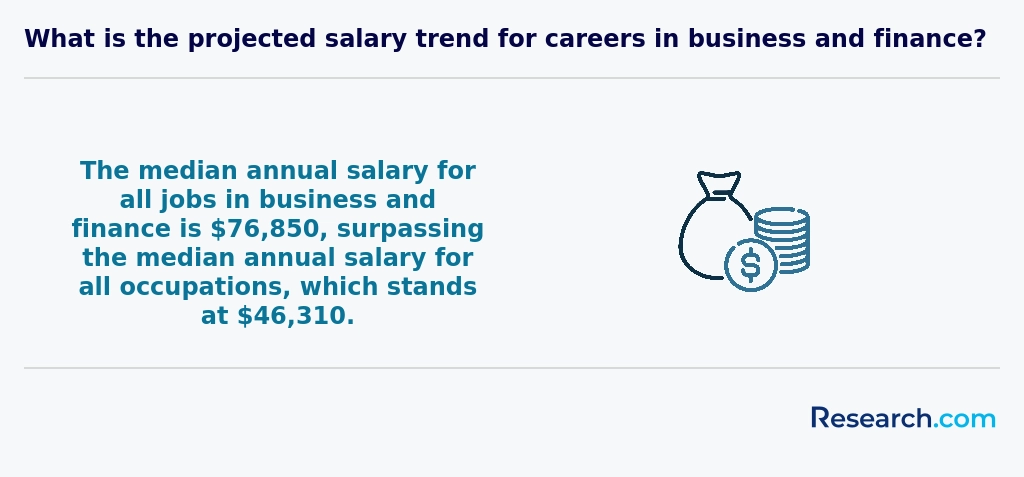
Graduates from universities in the South with an online finance degree often find themselves exploring an exciting spectrum of career opportunities for online finance graduates in the South. Imagine stepping into the bustling financial hubs of Atlanta or Dallas, where your knowledge sets you up for roles like financial analyst, helping companies or individuals navigate investments with confidence. Many graduates share stories of how their programs, tailored to Southern markets, prepared them for real-world financial management and regulatory challenges.
Others dive into financial management, overseeing company finances or mastering risk and treasury management in fast-growing Southern corporations. The appeal of financial planning and wealth management careers shines especially brightly here, thanks to the region's expanding retiree population. Southern colleges are keen to equip students with certifications like the CFA or CFP, making their finance degree job prospects in Southern states even stronger.
For those interested in leadership, pairing an online finance degree with online business leadership degrees from top Southern schools further unlocks paths to influential roles in banking and corporate finance, fueling careers full of both challenge and reward.
The job market for online finance degrees in the South is an exciting landscape full of growth and opportunity. Graduates from popular Southern universities often describe landing roles as financial analysts or managers in thriving urban hubs like Atlanta and Charlotte, where companies value fresh perspectives and adaptability. These locations not only offer competitive salaries but also fuel an adventurous career path amid the rise of fintech and expanding corporate finance sectors.
Many graduates find the accessible online programs perfect for balancing studies with life demands, which employers increasingly appreciate. The finance career opportunities in Southern states are boosted by the region's role as a dynamic financial services hub, inviting passionate students to dive into real-world challenges. The median annual salary range of $70,000 to $90,000 across metropolitan areas encourages confidence in this journey.
Exploring workforce trends can feel like a thrilling quest, and support from career centers helps graduates navigate the evolving market with ease. For those seeking guidance on career transitions, resources like logistics career advice also provide valuable insights for hybrid career paths beyond pure finance.
2027 Most Valuable Online Master's in Finance Degree Programs Ranking in the South
Investing in your education is a significant decision that can shape your future, and the Research.com team understands the importance of making informed choices. To assist prospective students in the South, we have meticulously crafted the "2027 Most Valuable Online Master's in Finance Degree Programs Ranking in the South." Our commitment to quality, credibility, and accuracy is reflected in the extensive research and data analysis conducted to compile this ranking.
We utilized the following reputable data sources to ensure a comprehensive evaluation of finance programs:
By exploring this ranking, readers will gain valuable insights into the most valuable online master's in finance programs in the South, empowering them to make well-informed educational decisions. For more details on how this ranking was created, please visit our Research.com methodology page.


Frequently Asked Questions About finance
Online finance degree students in the South can maximize their learning by leveraging regional resources and technology effectively. Engaging actively in virtual discussions and group projects helps build practical skills and networking opportunities within the Southern financial market. Utilizing tools like Bloomberg terminals, often available through university partnerships, enhances real-world financial analysis experience.
Students should also stay informed about the economic trends impacting Southern states, such as the banking growth in Charlotte, NC, and Houston's energy sector, to contextualize their studies. According to the Federal Reserve Bank of Atlanta, financial services jobs in the South are expected to grow steadily through 2027, highlighting strong career prospects.
Seeking internships or virtual mentorships with Southern firms can provide critical industry insights. Finally, choosing programs accredited by bodies like AACSB ensures quality education tailored to the US market and employer expectations.
The finance field is evolving rapidly, especially in the Southern U.S., where online degree programs reflect growing trends. Emerging niches include fintech, which blends finance and technology to create innovative financial services. According to the Federal Reserve Bank of Atlanta, the Southeast sees a rising number of fintech startups supporting this growth.
Another area gaining traction is sustainable finance, focusing on investments that promote environmental and social responsibility. The South's expanding green energy sector fuels demand for experts in this field.
Additionally, risk management and cybersecurity financial roles are increasingly important, given rising digital threats. These niches offer promising career paths for students pursuing online finance degrees in the South.
Graduates with online finance degrees in the South should begin preparing for the job market by gaining relevant experience through internships or part-time roles. According to the Bureau of Labor Statistics, finance-related employment in Southern metropolitan areas like Atlanta and Dallas is projected to grow by over 8% through 2030, highlighting strong regional demand.
Building a professional network is critical. Joining regional finance associations such as the Financial Management Association (FMA) Southern Chapter can provide valuable connections and job leads.
Certifications like CFA or CPA enhance employability, as Southern employers often seek candidates with recognized professional credentials.
Strong technical skills in financial software and data analysis tools further improve job prospects in a competitive market.
Employers in the Southern US prioritize strong analytical and quantitative skills from finance degree graduates. These skills help professionals interpret financial data and make strategic decisions. According to the National Association of Colleges and Employers (NACE), 78% of employers seek candidates proficient in Excel and financial modeling.
Communication skills are also critical, especially in diverse Southern markets like Atlanta and Dallas, where collaboration with clients and teams is essential. Leadership and ethical judgment rank highly, given the region's growing corporate finance sector.
Additionally, familiarity with regulatory environments such as the SEC and FinTech innovation is increasingly valued, reflecting the South's expanding financial services industry.
Finding internships in the South relevant to a finance degree requires a proactive approach. Start by leveraging university career centers, which often maintain regional employer contacts and internship listings specifically for finance students. Schools in the South collaborate with banks, investment firms, and corporations headquartered in cities like Atlanta, Charlotte, and Dallas, hotspots for finance jobs. According to the Bureau of Labor Statistics, these areas show steady growth in financial activities, enhancing internship opportunities.
Networking is essential; participate in local finance meetups and join professional groups such as the Southern Finance Association. Additionally, many Southern states host career fairs targeting finance roles. Online platforms like Handshake and LinkedIn offer location-filtered internship listings, allowing students to apply directly to Southern companies.
An online finance degree significantly enhances career mobility and advancement for professionals in the South. According to the U.S. Bureau of Labor Statistics, finance-related occupations in Southern states are projected to grow by 5% to 8% through 2030, indicating expanding opportunities. Earning a graduate degree online allows working adults to upgrade their skills without relocating or interrupting their careers. Employers in Southern financial hubs like Atlanta, Charlotte, and Dallas increasingly value advanced credentials, especially from accredited programs.
Online finance degrees also provide access to updated curricula featuring data analytics, risk management, and financial modeling, skills critical for leadership roles. Studies from the National Center for Education Statistics show that professionals with master's degrees in finance earn 20% to 30% more than those with only bachelor's degrees in this region.
Studying for an online finance degree in the South offers students a strong foundation for interdisciplinary roles by integrating finance with related fields such as economics, business analytics, and information technology. Many Southern universities tailor their curriculums to address regional economic trends, including banking, energy, and healthcare industries, enhancing practical application.
Programs often emphasize data analysis, risk management, and strategic decision-making skills, which are valuable across multiple disciplines. According to the Southern Association of Colleges and Schools (SACS), accredited institutions ensure rigorous training that supports versatility in career paths beyond traditional finance roles.
This interdisciplinary focus prepares graduates to work effectively in cross-functional teams and adapt to evolving job markets in the South's growing economy.
When choosing between a thesis and a non-thesis online finance degree program in the South, students should consider their career goals and learning preferences. Thesis programs typically involve conducting original research, which benefits those interested in academic careers or advanced study. Non-thesis options focus more on coursework and practical skills, appealing to professionals seeking faster entry into finance roles.
In Southern states, where finance industries like banking and investment are growing-especially in cities such as Charlotte, NC, and Atlanta, GA-non-thesis programs often emphasize applied knowledge relevant to these job markets. Data from the Southern Regional Education Board shows a 12% increase in finance-related jobs since 2020, which highlights the demand for practical expertise.
Additionally, thesis programs usually require more time and academic writing skills, which may extend program duration. Non-thesis programs generally allow for greater flexibility, a critical factor for working professionals balancing job and study.
Students based in the South seeking to study finance abroad through online programs have several valuable options. Many Southern universities partner with international institutions to offer dual-degree or exchange programs that blend global finance perspectives with local expertise. For example, the University of North Carolina and Texas A&M provide opportunities to take courses with international faculty virtually.
According to the National Center for Education Statistics, nearly 30% of Southern finance students consider study-abroad programs when choosing their degree pathway. Many online degrees also incorporate global case studies and financial regulations to prepare graduates for international markets.
Additionally, institutions often provide internships with multinational banks and firms, connecting Southern students to overseas financial sectors without leaving home.
Students pursuing online finance degrees in the South have several part-time job opportunities that align well with their studies. Roles such as bank teller, financial clerk, or bookkeeping assistant are common and valuable, providing hands-on experience with financial transactions and record-keeping.
Internships with local banks or financial advisory firms are increasingly available and often flexible for part-time schedules. According to the U.S. Bureau of Labor Statistics, the Southeast has seen a steady growth in finance-related jobs, with North Carolina and Georgia ranking high for finance sector employment.
Additionally, many universities in the South partner with regional financial institutions to offer student positions in financial analysis or data management, granting practical skills useful for future careers.
Online finance students in the South have multiple networking opportunities despite their virtual learning environment. Many universities offer virtual events, including guest lectures and finance-focused webinars, connecting students to industry professionals. Regional finance organizations, such as the Financial Executives International chapter in Atlanta, provide online networking events and mentorship programs tailored to Southern finance professionals.
According to the Southern Growth Policies Board, the finance sector is growing steadily in Southern metropolitan areas like Charlotte and Dallas, increasing local internship and job placement possibilities. Additionally, students can join national finance student associations, which often have Southern chapters hosting virtual meetups and career fairs.
Alumni networks provide significant advantages for online finance degree students in the South. These networks connect students with graduates actively working in regional financial hubs such as Atlanta, Charlotte, and Dallas, fostering valuable mentorship and internship opportunities. According to the Southern Association of Colleges and Schools Commission on Colleges, strong alumni connections can increase job placement rates by up to 20% after graduation. Alumni often share industry insights that reflect the South's growing sectors like banking, investment, and fintech, helping students tailor their skills to local market demands. Such networks also often host regional events, creating essential professional contacts.
Customizing an online finance degree program in the South allows students to align their education with specific career ambitions. Many Southern universities offer specializations such as corporate finance, investment analysis, or financial technology, which let students focus on areas relevant to their goals. For instance, the Bureau of Labor Statistics notes a strong regional demand for financial analysts and advisors in states like Texas and Georgia. Additionally, some programs provide elective courses or certificate options in risk management or real estate finance, enabling further personalization.
Engaging with faculty advisors or career counselors can help tailor course selections and internships that match industry needs in the South. This focused approach enhances both practical skills and employability in the region's growing finance sectors.
Online finance students in the South often face challenges related to technological access and reliable internet connectivity, especially in rural areas. According to the Federal Communications Commission, approximately 22% of people in Southern states lack access to high-speed internet, impacting their ability to participate fully in online courses.
Another common issue is balancing coursework with work or family obligations. Many students pursue online degrees part-time while maintaining employment, which can lead to increased stress and longer completion times.
Additionally, South-based students may experience limited networking opportunities compared to in-person programs, affecting internship or job prospects after graduation. Regional economic fluctuations can also influence the availability of local finance sector jobs, shaping career outcomes for graduates.
With an online finance degree from a Southern U.S. institution, you can pursue several respected professional certifications that enhance your career prospects. The most popular include the Certified Financial Planner (CFP), Chartered Financial Analyst (CFA), and Certified Public Accountant (CPA) credentials. Each requires passing rigorous exams and relevant work experience.
The CFA designation is highly valued in investment management, and Southern finance professionals hold a growing number of CFAs according to the CFA Institute's regional report. The CFP is ideal for those focusing on personal financial planning. Meanwhile, the CPA, essential for accounting roles, also benefits finance graduates aiming at corporate finance. Obtaining these certifications can lead to higher salaries and expanded job opportunities in the rapidly evolving Southern finance sector.
To write a winning application for an online finance program in the South, start by emphasizing your quantitative skills and relevant work experience. Southern universities often look for applicants with strong foundations in economics, statistics, or accounting. According to the National Center for Education Statistics, graduates from regions like Texas and Georgia benefit from a growing finance sector, so highlighting any regional industry connections can strengthen your profile.
Include a clear, focused personal statement that explains your career goals and why a Southern online program fits your ambitions. Also, provide strong letters of recommendation from professionals familiar with your quantitative and analytical abilities. Lastly, ensure your academic records reflect consistent performance, as competitive programs prioritize GPA and test scores.
The global perspective on a finance career emphasizes adaptability and cultural awareness, as professionals often engage with international markets and diverse economic systems. According to the U.S. Bureau of Labor Statistics, finance jobs are expected to grow 7% nationally from 2022 to 2032. In the Southern states, financial hubs like Atlanta and Charlotte foster connections with global finance centers, increasing opportunities for graduates with international knowledge.
Many online finance degree programs in the South incorporate global finance topics, preparing students for roles involving cross-border investments and multinational corporations. Understanding currency markets, global regulations, and international trade is essential for success in today's interconnected economy.
The emphasis on global perspectives in Southern schools aligns with industry demands, helping graduates compete effectively in a worldwide marketplace.
Gaining practical experience while studying for an online finance degree in the South involves several effective strategies. Many universities partner with regional banks and financial firms, enabling students to access internships tailored to this field. According to the Southern Regional Education Board, around 68% of Southern colleges offering online finance programs facilitate virtual internships or cooperative education opportunities.
Students can also participate in case competitions and finance clubs, often organized through online platforms. These activities simulate real-world financial problem-solving and networking.
Additionally, Southern finance students benefit from virtual mentorship programs connecting them with professionals in major Southern financial hubs like Charlotte, Atlanta, and Dallas, known for strong banking sectors.
Choosing the right concentration within an online finance degree in the South begins with understanding your career goals. Popular specializations include corporate finance, investment analysis, risk management, and financial planning. According to the U.S. Bureau of Labor Statistics, fields like financial analysis and risk management are expected to grow faster than average through 2032, especially in Southern financial hubs like Atlanta and Charlotte.
Research regional industry demand to align your concentration with local markets. For instance, real estate finance is significant in Texas and Florida due to rapid development. Additionally, investigate faculty expertise, course offerings, and internship opportunities available online through Southern universities accredited by the Southern Association of Colleges and Schools.
Lastly, consider certification pathways linked to concentrations, such as CFA for investment and CFP for financial planning, which enhance employability in Southern states. Careful alignment of your concentration with both your interests and regional trends will maximize long-term value.
See What Experts Have To Say About Studying Finance
Read our interview with Finance experts

H. Kent Baker
Finance Expert
Professor at Department of Finance and Real Estate
American University

Andrew Karolyi
Finance Expert
Dean of the Cornell SC Johnson College of Business
Cornell University

Jason James Sandvik
Finance Expert
Assistant Professor of Finance
University of Arizona

- What careers are possible with a finance degree? https://www.rmit.edu.vn/study-at-rmit/study-areas/business/what-jobs-can-you-do-with-a-finance-degree-top-common-jobs
- Top 10 Accounting and Finance Skills Employers Want | Tamarack Recruiting | Tamarack Recruiting https://tamarackrecruiting.com/top-10-accounting-and-finance-skills-employers-want-tamarack-recruiting/
- Study Finance Abroad | Go Overseas https://www.gooverseas.com/study-abroad/finance
- Master of Science (M.S.) Major in Quantitative Finance and Economics (Non-thesis Option) https://mycatalog.txstate.edu/graduate/mccoy-business-administration/finance-economics/quantitative-finance-economics-nonthesis/
- 2026 Finance Career Outlook: Top 7 Global Roles, Salaries & Skill Requirements | Saraf Academy https://saraf.academy/top-7-global-finance-careers-in-2025-skills-salaries-and-the-best-courses-to-get-you-there/
- Your Guide to Getting a Job in Finance https://www.mountunion.edu/academics/undergraduate-degrees/finance/your-guide-to-getting-a-job-in-finance
- Are Cover Letters Important? | Morgan Stanley https://www.morganstanley.com/articles/are-cover-letters-important
- Online Bachelor's in Finance https://www.monroeu.edu/academics/undergraduate-programs/school-business-and-accounting/online-bachelors-finance
- Online bachelor's in finance degrees | edX https://www.edx.org/bachelors/online-bachelors-degree-finance
- Must-Have Skills for Accounting & Finance Graduates Entering Singapore’s Competitive Job Market https://www.lsbf.edu.sg/blog/accountancy-and-finance/must-have-skills-for-accounting-finance-graduates-entering-singapores-competitive-job-market