2027 BS in Business Administration for Advertising Agencies: Which Business Courses Should You Prioritize?
Audited and Verified:
Our Editorial and Data Verification Process
Research.com uses government datasets, official education statistics and primary institutional information to support its career and degree guides. Our review process checks factual accuracy, occupational definitions, source dates and the requirements associated with the credentials discussed.
How This Article Was Fact-Checked
Our editorial team verifies salary estimates, employment projections, education requirements and program information against original data providers and official organizations. Salary figures are checked against the relevant occupational definitions and reporting periods. Information about licensure, accreditation and required in-person training is reviewed separately.
Fact-checked and verified on:

Co-Founder and Chief Data Scientist
An advertising agency needs more than people who can make ads. It also needs staff who understand clients, budgets, research, schedules, and campaign results. If you are pursuing a BS in Business Administration, the courses you prioritize can shape which of those responsibilities you are ready to take on. This guide is for students planning an agency career, especially those choosing electives or a concentration. It connects coursework to agency roles and shows how to test whether a program offers the practical experience you need.
Key Things You Should Know
- Prioritize marketing research and analytics for campaign decisions, then add accounting or finance for budgets and project management for delivery.
- Choose electives around a target role: account service, media planning, research, and agency operations require different evidence of skill.
- The U.S. Bureau of Labor Statistics reports a $78,760 median annual wage for market research analysts in May 2025, but that occupation-wide figure is not an entry-level agency salary.
What is a business administration degree for advertising agencies?
A BS in Business Administration is a broad undergraduate business degree, not a degree in advertising. Its core commonly introduces marketing, accounting, finance, management, operations, and quantitative reasoning. For agency work, its value is learning how campaigns serve a client's business goals - and how to manage the resources and decisions behind them.
The degree is particularly useful for account service, research, media planning, and operations. It may be less direct than an advertising, design, or communications degree for someone whose primary goal is to produce creative work. A BS, BBA, or specialized marketing degree may cover similar subjects at different depths; compare actual course requirements and assignments rather than relying on the degree title. When reviewing ranked school options for studying business online, check whether the curriculum leaves room for agency-relevant electives and applied projects.
Which business courses best prepare you for advertising agency careers?
Start with marketing research and business analytics if you want to help decide whom a campaign should reach and how its results will be assessed. Then choose courses that address the work your target agency role performs. The comparisons below distinguish broad exposure from assignments that could demonstrate readiness.
| Course or course cluster | Agency use | Useful assignment to look for |
| Marketing research and statistics | Interpret audiences, surveys, and campaign measures | Explain sampling limits and recommend a decision from imperfect data |
| Digital marketing and analytics | Assess channels, conversion measures, and reporting | Build a campaign measurement plan, not just a list of metrics |
| Accounting and managerial finance | Understand budgets, costs, margins, and client billing | Compare campaign options under a stated budget |
| Project management and operations | Coordinate deliverables, approvals, vendors, and deadlines | Create a schedule with dependencies and a change-control process |
| Business communication and negotiation | Write briefs and present trade-offs to clients and teams | Present a recommendation and respond to stakeholder feedback |
If elective space is limited, favor courses with substantial projects over several introductory courses covering similar ground. Check prerequisites and when electives are offered; an analytics course may require statistics first. An official marketing concentration can provide a coherent sequence, but an informal elective cluster is not a concentration. If you would rather specialize in project delivery, check colleges accepting coursework toward project management bachelor's study before changing degrees; only the receiving school can determine how your credits apply.
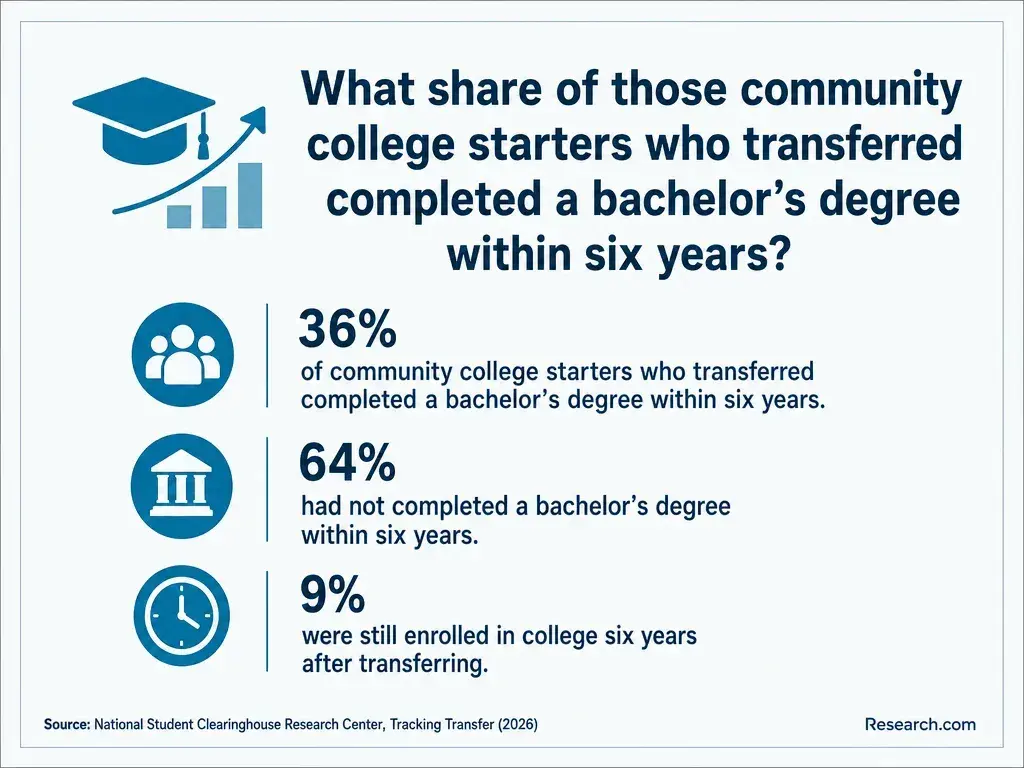
What careers can a business administration graduate pursue at an advertising agency?
Entry routes include account coordinator, media coordinator, research assistant, campaign operations assistant, and project coordinator. An account coordinator may track client requests and prepare meeting materials; a media coordinator may monitor placements and reporting; a project coordinator may maintain schedules and follow up on approvals. Employers' titles and degree preferences vary, so compare job descriptions by duties rather than title alone.
Agency HR and recruiting are another path, but they call for employment-practices knowledge rather than campaign-planning electives; compare human resources education and career options if that is your goal. Account director, media director, and agency manager generally require a record of delivering work and leading people or budgets. A business bachelor's can support that progression but does not make a new graduate a manager.
Verify the institution's accreditation through the accreditor and the institution, then check whether any advertised AACSB, ACBSP, or IACBE accreditation covers the business school or specific program you would enter. Institutional accreditation and business-specific accreditation have different scopes; neither proves that agency internships, suitable electives, or strong career outcomes are available.
Ask for the current course catalog, the schedule of relevant electives, and evidence about career services and applied learning. Accreditation also matters when considering credit transfer and aid, although eligibility depends on additional rules. Use information about accredited business administration programs and federal student aid as a starting point, then confirm the school's current status and your own aid eligibility directly.
Choose based on access to relevant projects and people, not delivery mode alone. Online study may suit someone already working at an agency or balancing a job with school. Campus study may make in-person recruiting, student-run agency work, and local internships easier to access. Neither format guarantees those opportunities.
For an online program, ask whether classes have live meetings, group presentations, fixed deadlines, proctored exams, or required visits. Ask both formats how students obtain internships and whether remote or current-workplace projects can meet academic rules. If you intend to keep working, compare online business administration pathways alongside an existing career against your actual weekly availability.
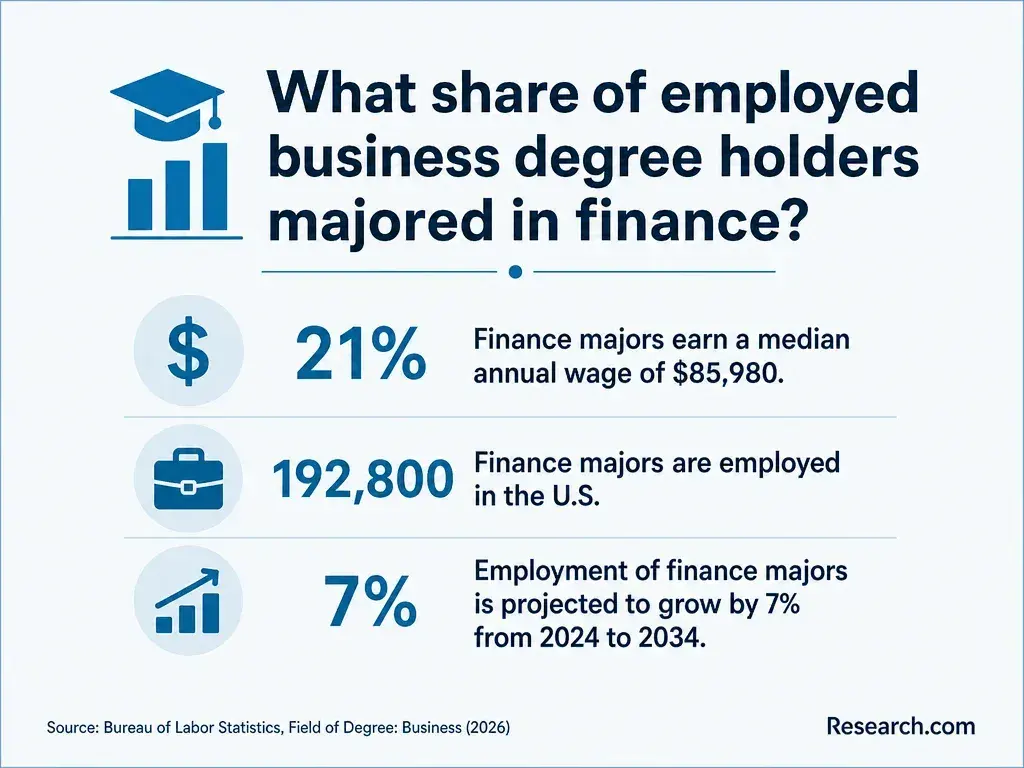
Requirements differ for first-year and transfer applicants and, at some schools, for admission to the business major after admission to the institution. Schools may request prior transcripts and evidence of math preparation; particular business courses can have their own prerequisites. Do not assume that admission, transfer-credit acceptance, and satisfaction of a required accounting or statistics course are the same decision.
Before applying, request a program-specific review of prior coursework and a degree plan showing remaining prerequisites, major courses, and elective space. If a faster schedule is important, explore accelerated online degree programs only after checking whether your credits apply and whether required agency-relevant courses run often enough to support that schedule.
A full-time bachelor's pathway is commonly planned around four academic years, but a transfer student's remaining time depends on the official degree audit, course sequence, and enrollment pace. An accelerated calendar does not necessarily reduce the number of required courses. Internship availability or an infrequently offered elective can also affect a plan built around agency preparation.
Compare the cost of finishing the courses you need, not tuition alone: include mandatory fees, materials and software, travel or internship costs, and any earnings you would give up. Review aid eligibility and borrowing separately from the published price. To establish a baseline, compare tuition for online business colleges, then request a school-specific estimate using your evaluated credits and intended pace.
Agencies need people who can turn a client objective into an organized brief, interpret performance without overstating it, communicate changes, and meet deadlines across teams. Coursework helps most when it produces evidence: a research summary that acknowledges limitations, a budget with clear assumptions, or a project schedule that tracks approvals. An internship, supervised client project, or relevant job can add context that classroom work alone cannot.
Request permission before using workplace information in a class assignment or portfolio. Public or simulated data may be safer than confidential client results, and a proposed campaign should not be described as an implemented one. If your interest is ultimately supervising agency teams rather than producing campaigns, compare three-year-or-less leadership degree pathways with business curricula - but expect to build agency experience before seeking supervisory responsibility.
Which certifications strengthen an advertising agency career?
Choose a credential only after identifying the tools and tasks in your target job postings. Platform training in advertising or analytics can help demonstrate familiarity with campaign setup and measurement; a project-management credential may be more relevant to delivery roles. Check the issuer's current assessment, renewal, and experience rules. A certificate of course completion is not the same as a professional certification, and neither substitutes for explaining decisions in a work sample.
For a student with limited funds, a targeted course plus a well-documented project may be more useful than another broad credential. If your goal has shifted toward a full project-management bachelor's, investigate funding sources for a bachelor's in project management rather than assuming that paying for several short credentials will be the better investment.
Other Things You Should Know About Business Administration
Yes. An agency serves external clients, often across multiple accounts; an in-house team works for one organization. Both use research, budgeting, and campaign skills, but agency work places particular emphasis on client communication and coordinating approvals.
Yes, if you can clearly describe your responsibilities, deliverables, and client permissions. Label independent work accurately and avoid presenting an unverified outcome as a measured result.
No. Learn transferable research, measurement, and communication skills first. Explore a channel in depth when it matches the roles you plan to seek.
Follow the employer's and your school's rules. Be candid about what you produced, verify factual and analytical claims, and do not enter confidential client information into an unapproved tool.
- Soft Skills: The Competitive Edge | dol.gov https://www.dol.gov/agencies/odep/publications/fact-sheets/soft-skills-the-competitive-edge
- What Is the Difference Between Managerial and Financial Accounting? | The University of Scranton https://gradadmissions.scranton.edu/blog/articles/accounting/difference-between-managerial-financial-accounting1.shtml
- Essential courses and tools to study marketing | University of Phoenix https://www.phoenix.edu/articles/marketing/essential-courses-to-study-marketing.html
- Business Administration Major | Towson University https://www.towson.edu/cbe/departments/management/undergrad/business-administration-major/
- 5 key reasons why data analytics is important to business | upenn.edu https://lpsonline.sas.upenn.edu/features/5-key-reasons-why-data-analytics-important-business
- Marketing Data Analytics: Smarter Decisions with Data | Park University https://www.park.edu/blog/how-to-leverage-data-analytics-for-smarter-marketing-decisions/
- Business Administration Major | Arcadia University https://www.arcadia.edu/majors-and-programs/business-administration-major/
- Project Management + SCM: Future-Proof Your Career | regent.ac.za https://regent.ac.za/blog/project-management-and-supply-chain-management
- What's the Difference Between Marketing and Business? | Carson-Newman University https://www.cn.edu/cps-blog/marketing-vs-business-administration/
- What Can You Do With a Business Degree? | American Military University https://www.amu.apus.edu/area-of-study/business-administration-and-management/resources/what-can-you-do-with-a-business-degree/