2027 Most Affordable Online Finance Degree Programs Ranking in South Dakota

Co-Founder and Chief Data Scientist
Choosing the right finance degree program can be challenging, especially when balancing cost and quality. This article presents the 2027 Most Affordable Online Finance Degree Programs Ranking in South Dakota, created by the Research.com team of data scientists to guide you through your options.
By exploring this ranking, you'll discover affordable programs that fit your goals and budget. Earning a finance degree opens doors to exciting career paths and financial growth.
Whether you're starting fresh or advancing your education, this guide makes your decision easier and more confident.
Key benefits of getting online finance degree in South Dakota
- Salary for finance degree graduates: Graduates in South Dakota can expect competitive salaries, such as Financial Advisors earning around $150,670 annually and Financial Analysts making approximately $112,950 per year, reflecting strong financial opportunities.
- Career paths: A finance graduate from the University of South Dakota often pursues diverse roles including Credit Analyst or Insurance Underwriter, offering rewarding jobs in banking, insurance, and advisory sectors.
- Benefits of online degrees: Earning a finance degree online from institutions like South Dakota State University offers flexibility and accessibility, allowing graduates to balance work, life, and studies while still gaining valuable skills for the finance job market.
- 2027 Most Affordable Online Finance Degree Programs Ranking in South Dakota
- What can I expect from online finance degree in South Dakota?
- Where can I work with online finance degree in South Dakota?
What can I expect from online finance degree in South Dakota?
When considering the cost of an online finance degree in South Dakota, most students find tuition ranges between $6,000 and $12,000 annually for residents. Graduates from well-regarded institutions like South Dakota State University often recall how this affordability made pursuing their degree feasible without incurring overwhelming debt. Many appreciate that, unlike traditional on-campus programs, online formats offer the flexibility to work while studying, helping manage expenses effectively.
One graduate shared how scholarships and in-state tuition benefits further eased their financial burden, allowing focus on mastering practical skills like Excel and Bloomberg terminals. For many, this financial balance is a relief-paying less but gaining comparable rigor and market-ready expertise to their counterparts attending on-site.
Ultimately, the relatively low cost combined with South Dakota's support for online learners creates an accessible path. It opens doors to careers in finance without forcing students to sacrifice income or relocate, a reassurance for those juggling family and job commitments.
Where can I work with online finance degree in South Dakota?
Graduates with an online finance degree from schools like the University of South Dakota or South Dakota State University often find themselves stepping confidently into diverse roles tailored to the state's unique economy. Many alumni recall beginning their careers in Sioux Falls, a city buzzing with opportunities at major banks such as Citibank and Wells Fargo, where positions like loan officers or financial analysts offer practical experience and growth. The steady presence of these institutions makes the transition from study to work feel achievable and rewarding.
Others have charted paths within South Dakota's robust insurance sector, taking on roles in underwriting or risk analysis. These careers are deeply satisfying for those who enjoy combining analytical skills with real-world impact, especially given the state's supportive regulatory environment. Government positions-such as budget analysts or financial examiners-also attract graduates eager to contribute to public accountability and fiscal responsibility.
Many share stories of helping local businesses thrive through financial planning and management, a testament to South Dakota's growing entrepreneurial spirit. This blend of opportunities ensures finance graduates feel both valued and empowered to build meaningful careers close to home.
Graduates with an online finance degree in South Dakota find that salary expectations align closely with national trends, though slightly moderated by the state's cost of living. For example, financial analysts from institutions like the University of South Dakota often start near $74,000 annually, reflecting local economic conditions. Over time, many see their earnings rise as they gain certification or experience, with mean annual wages reaching about $112,950 according to U.S. Bureau of Labor Statistics data.
Several graduates working as financial advisors, especially those connected to firms in Sioux Falls, report strong earning potential, with mean salaries around $150,670. This level of income often comes after a few years of dedicated work combined with credentials such as the CFP. Credit analysts and investment banking analysts, also common career outcomes for online degree holders, earn mean wages near $94,750 and $112,950 respectively, highlighting solid rewards for their expertise.
Graduates appreciate that South Dakota's diverse economy, including banking and insurance sectors, supports upward mobility. Practical experiences shared by recent alumni show satisfaction not only from earnings but from the quality of life and professional growth in local financial hubs.
- The average total cost for an online bachelor's finance degree in South Dakota ranges from $20,000 to $35,000.
- Entry-level finance professionals in South Dakota typically earn between $50,000 and $55,000 per year shortly after graduation.
- Median salaries for experienced finance graduates rise to approximately $70,000 or more.
- The finance and insurance job market in South Dakota is expected to grow by about 5% over the next decade.
- Key cities such as Sioux Falls and Rapid City host many finance-related companies offering job opportunities.
- No state income tax and a low cost of living in South Dakota enhance financial benefits for graduates.
Completing an online finance degree in South Dakota generally spans from two to four years, depending on the program level and a student's pace. Many graduates from institutions like South Dakota State University recall finishing their Associate's degrees in about two years, appreciating the foundational courses in accounting and economics that set the stage for their careers.
Bachelor's degree seekers at universities such as the University of South Dakota often plan for four years, yet flexibility in online formats allows motivated students to graduate earlier by taking extra courses or summer sessions. One graduate shared how accelerating her studies helped her start a finance role sooner, balancing ambition with a manageable workload.
For those pursuing graduate degrees, including MBAs or specialized Master of Finance programs, the timeline typically extends one to two years. Many working professionals appreciate programs at schools like Black Hills State University that offer part-time and evening classes, enabling them to maintain jobs while advancing academically.
Ultimately, the journey is tailored by personal circumstances-transfer credits, part-time study, and financial planning all shape completion time, invoking a rewarding and flexible learning experience within South Dakota's supportive academic environment.
Choosing between an online and an on-campus finance degree in South Dakota often comes down to lifestyle and learning style. Graduates from Dakota State University praise online learning for its flexibility, allowing them to balance work and family while accessing coursework anytime-vital for those juggling busy schedules. This asynchronous format lets students dive deep into financial principles without sacrificing daily responsibilities.
On the other hand, graduates from the University of South Dakota who pursued on-campus programs highlight the value of face-to-face interaction with professors and peers. This setting fosters immediate feedback, lively discussions, and networking opportunities within Sioux Falls' growing financial sector. Access to internships close to campus also gives these students a hands-on edge that's sometimes challenging for remote learners.
Both paths maintain strong accreditation and rigorous standards, but they demand different habits. Online students often develop sharper self-discipline, while on-campus learners thrive on structured routines and real-time mentorship. Weighing these differences helps prospective students align their education with their personal goals and South Dakota's unique opportunities.
The average cost of an online finance degree in South Dakota typically centers around $42,000 for in-state students, which reflects the median in-state total cost. Graduates from institutions like South Dakota State University and the University of South Dakota often share how this affordability made pursuing their degrees less stressful financially, allowing them to focus more on mastering the material than on managing overwhelming debt. In-state tuition rates combined with manageable additional fees contribute to this accessible price point. For out-of-state students, the cost rises toward a median total of nearly $56,000, yet many still find value in the quality and flexibility offered by local institutions.
Many students seeking affordable finance degree programs South Dakota online highlight the balance between cost and comprehensive learning experiences these programs provide. Textbooks, technology fees, and other essentials bring extra expenses but tend to stay within reasonable limits, typically around $1,000 to $2,000 annually. Graduates often reflect that the investment felt justified given the practical knowledge and career readiness gained.
Considering various financing options is crucial. Scholarships, employer tuition assistance, and financial aid help soften these costs, enabling more South Dakotans to access quality education at an affordable price point. Exploring innovative alternatives or shorter degree routes like a 2 year phd can sometimes provide unexpected pathways for accelerating academic goals and reducing overall expenditure.

Students pursuing online finance degrees in South Dakota often find relief through a combination of federal, state, and institutional financial aid. For instance, learners attending the University of South Dakota or South Dakota State University frequently benefit from Pell Grants, which ease the financial burden without repayment obligations. Completing the FAFSA is a crucial first step, unlocking access to Direct Subsidized and Unsubsidized Loans with lower interest rates-options many graduates recall as indispensable during their studies.
State programs like the South Dakota Opportunity Scholarship stand out by rewarding academic achievement and encouraging graduates to enter high-demand professions within the state. Meanwhile, need-based scholarships offer targeted support, making tuition more manageable for many online students balancing work and study.
Institutional aid is another lifeline. Several colleges tailor scholarships specifically for nontraditional learners, reflecting a deep understanding of online students' unique challenges. Many graduates also appreciate partnerships with local employers who help cover tuition costs, turning career advancement into an achievable dream.
Enrolling in an online finance degree program in South Dakota starts with meeting practical requirements like having a high school diploma or a GED. Graduates from South Dakota State University often reflect on how this foundational step made their path clearer, ensuring they were prepared to tackle finance's analytical demands. Many programs ask for SAT or ACT scores, but an encouraging trend is the test-optional policies some schools now offer, easing anxiety for applicants balancing work and family commitments.
Submitting official transcripts is also a key prerequisite, giving institutions a snapshot of your academic strengths. For example, strong math skills-such as those gained from high school algebra or statistics-prove invaluable in online finance studies at popular colleges. Transfer students recall how maintaining a GPA around 2.5 to 3.0 helped them smoothly transition into these competitive programs.
Online learners appreciate that beyond academic credentials, reliable internet access and basic tech skills are essential, with many universities offering orientation sessions. This blend of preparation ensures students remain confident and supported throughout their studies in South Dakota's accessible and affordable finance programs.

Online finance degree programs in South Dakota typically include courses that build a solid foundation in essential financial principles and practices. Graduates from schools like South Dakota State University often reflect on how core subjects such as Financial Accounting and Corporate Finance helped them confidently analyze real-world business scenarios, from managing budgets at healthcare firms to guiding investment strategies in agriculture-based companies.
The curriculum usually covers Investment Analysis, which sharpens skills to evaluate market trends and securities, a vital asset for those entering South Dakota's growing manufacturing sector. Courses in Financial Markets and Institutions provide insight into how banks and regulations impact local economies, making the theory feel relevant and approachable.
Students appreciate the inclusion of Business Statistics and Economics, which clarify complex data and economic cycles by linking theory to everyday financial decisions. Many also find Risk Management particularly valuable for understanding how to safeguard corporate and personal finances against uncertainty in fluctuating markets.
Students pursuing an online finance degree in South Dakota typically explore various specializations that closely align with the state's dynamic financial landscape. Graduates from universities such as the University of South Dakota and South Dakota State University often highlight specializations like Financial Planning and Analysis, which equips them to confidently advise clients on managing personal and organizational budgets and forecasts. This practical expertise resonates well within South Dakota's robust banking and financial services sectors.
Corporate Finance is another favored path, especially given Sioux Falls' reputation as a regional banking hub. Here, students learn to navigate risk management and capital funding, preparing them for meaningful roles in local corporations. Investment Management also draws keen interest, offering skills in portfolio oversight and securities analysis that graduates find satisfying and rewarding in the evolving asset management firms across the state.
For students drawn to innovation, Financial Technology (FinTech) integrates blockchain and data analytics, reflecting a growing trend in South Dakota's finance scene. Exploring affordable programs can make these specializations accessible, and those seeking options might consider checking the cheapest online college choices to balance cost and quality. Overall, these diverse tracks accommodate different passions while opening paths to fulfilling careers in South Dakota's finance industry.
Choosing the best online finance degree in South Dakota means focusing on accreditation first, as this guarantees the program meets strong academic and industry standards. Graduates from institutions like South Dakota State University often share how accreditation influenced their confidence in the quality of education they received. Affordability also plays a key role; many find that checking tuition and fees carefully helps avoid surprises and keeps their investment smart-particularly when comparing affordable finance programs South Dakota offers.
Flexibility in curriculum and course delivery stands out as essential, especially for students balancing work and life. Programs that provide a mix of asynchronous and synchronous options allow learners to tailor their education rhythm. For instance, graduates from the University of South Dakota appreciate how electives in corporate finance and personal finance planning helped them feel prepared for specific careers.
Finally, it's wise to consider reputation and local employment outcomes. Universities with supportive online services and strong alumni networks foster a sense of belonging and opportunity in the South Dakota job market. For those wanting to explore options further, exploring best accredited non profit colleges can be a helpful step toward making an informed choice.
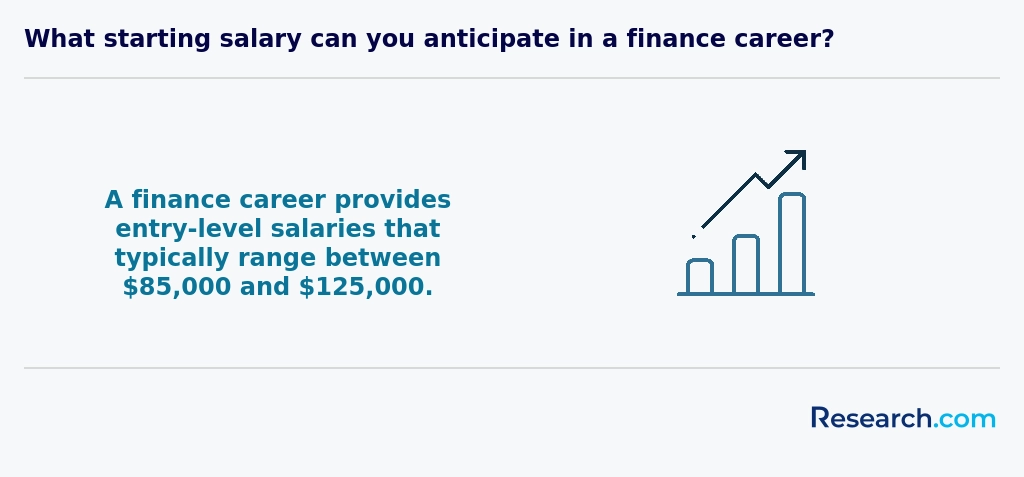
Graduates with an online finance degree in South Dakota often find rewarding roles in financial analysis, accounting, and advisory services. Many who studied at well-known state institutions report successfully becoming financial analysts, where they assess investment opportunities and drive strategic decisions for businesses. The practical skills gained through such programs align closely with the needs of South Dakota's banking and investment sectors, creating steady job opportunities. Alongside this, there is a strong demand for accountants and auditors, especially among graduates who pursue CPA certification. These roles often involve essential work in tax preparation and compliance, providing both stability and professional growth.
For those drawn to building client relationships, financial planning is a common path. Graduates from South Dakota's popular colleges describe helping individuals and families plan for retirement and estate futures as especially fulfilling. The local economy, with its ties to agriculture and manufacturing, also supports finance roles in risk management and budget analysis. Students looking into finance programs increasingly explore affordable options at public universities and reputable accredited online colleges with no application fee to launch these careers.
The job market for an online finance degree in South Dakota offers notable opportunities, especially given the state's steady economic growth and industry diversity. Graduates from universities such as the University of South Dakota and South Dakota State University share stories of securing roles as financial analysts or loan officers within the vibrant financial sector in Sioux Falls and Rapid City. These areas host large regional banks and insurance firms eager to hire individuals with strong skills in financial analysis and risk management. This positive employment outlook is a strong motivator for students pursuing a South Dakota finance degree employment outlook that blends local relevance with flexibility.
Many finance graduates appreciate the affordability of studying in South Dakota, where public universities typically charge under $10,000 annually for in-state tuition in finance-related programs. For those looking for the best online colleges that accept fafsa, South Dakota provides a manageable path to professional advancement. The tangible benefit of competitive salaries alongside manageable education costs creates a reassuring scenario for future career growth in finance.
2027 Most Affordable Online Finance Degree Programs Ranking in South Dakota
Investing in your education is a significant decision that can shape your future, and the Research.com team understands the importance of making informed choices. To assist prospective students in South Dakota, we have meticulously crafted the "2027 Most Affordable Online Finance Degree Programs Ranking in South Dakota." Our commitment to quality, credibility, and accuracy is reflected in the extensive research and analysis conducted to compile this ranking.
We utilized the following reputable data sources to ensure a comprehensive evaluation of finance degree programs:
By exploring this ranking, readers will gain valuable insights into the most affordable and high-quality online finance degree options available in South Dakota, empowering them to make well-informed decisions about their education. For more details on how this ranking was created, please visit our Research.com methodology page.


Frequently Asked Questions About finance
Online finance degree students in South Dakota can maximize their learning by actively engaging with their courses and utilizing available resources. Participating in virtual study groups helps build networks and deepen understanding. Students should also take advantage of digital libraries and finance databases offered by their institutions.
Incorporating current South Dakota financial data into assignments can enhance practical knowledge, as the state's finance sector is shaped by agriculture and banking industries, contributing over $75 billion annually to the economy (South Dakota Department of Labor and Regulation, 2023).
Additionally, pursuing internships with local finance firms virtually or in person strengthens real-world skills. Staying updated on industry certifications and webinars relevant to South Dakota's market further enriches the educational experience.
Emerging niches within the finance field reflect the growing complexity of the economy and technology's role in financial services. One rapidly expanding area is financial technology (fintech), which integrates finance with digital innovation, including blockchain, mobile payments, and robo-advisors. This niche offers opportunities for students interested in both finance and technology careers.
Another developing niche is sustainable and green finance, focusing on investments that promote environmental responsibility and social governance. As businesses and investors increasingly emphasize sustainability, demand for professionals with expertise in this area is rising.
In South Dakota, home to a large banking and credit card industry, expertise in risk management and compliance remains critical due to complex regulatory environments. The South Dakota Department of Labor notes steady growth in demand for finance professionals specialized in these sectors.
After completing an online finance degree in South Dakota, preparing for the job market involves several key steps. First, gaining practical experience through internships or part-time roles can enhance your resume and build valuable industry connections. According to the South Dakota Department of Labor, finance-related roles are growing steadily, particularly in Sioux Falls and Rapid City.
Networking is crucial; join professional organizations such as the South Dakota Society of CPAs or local Chamber of Commerce events. Additionally, obtaining relevant certifications like the CFA or CFP can improve your credibility. Stay updated on state-specific financial regulations and trends to better position yourself in this competitive market.
Employers in South Dakota highly value finance degree graduates who demonstrate strong analytical skills. According to the South Dakota Department of Labor and Regulation, professionals skilled in financial analysis and data interpretation are in growing demand due to the increasing complexity of local financial markets.
Proficiency in financial software, such as Excel and QuickBooks, is another important skill. Many South Dakota businesses prefer graduates familiar with these tools for budgeting, forecasting, and reporting.
Communication skills are essential, as finance professionals often explain complex concepts to clients or non-financial colleagues. The ability to work collaboratively within teams is also frequently cited by employers statewide.
Lastly, knowledge of South Dakota's tax laws and regulatory environment gives graduates a competitive edge in the local job market, enhancing their employability.
Finding internships in South Dakota relevant to a finance degree involves leveraging local resources and statewide industry connections. Start by exploring universities offering online finance programs, such as the University of South Dakota, which often maintain internship boards with local opportunities.
The state's economy hosts several finance firms, banks, and insurance companies, particularly in Sioux Falls, the largest financial hub. According to the South Dakota Department of Labor, Sioux Falls employs over 20,000 in finance and insurance sectors, increasing internship possibilities.
Students should also connect with South Dakota's Workforce Development offices, which provide job placement services and internship listings. Additionally, networking through finance-related professional associations like the South Dakota CPA Society can open doors to internships.
Obtaining an online finance degree in South Dakota can significantly improve career mobility and advancement opportunities. The state's growing financial sector, including banks and investment firms concentrated in Sioux Falls, demands skilled professionals with updated knowledge. According to the South Dakota Department of Labor, finance-related jobs are projected to grow moderately through 2030, highlighting potential for upward career movement. Graduates often qualify for roles such as financial analysts, risk managers, and accountants, which offer clear paths to senior positions. Additionally, online programs provide flexibility, allowing working adults to upgrade skills without interrupting their employment, enhancing promotion prospects.
The degree also helps meet credential requirements for certifications like CFA or CPA, highly valued in South Dakota's finance industry. Employers increasingly prefer candidates with formal education, which translates into competitive salaries and leadership roles. As remote work grows, having a recognized online finance degree broadens access to regional and national job markets.
Studying for a finance degree online in South Dakota equips students with skills that extend beyond traditional finance. Programs often integrate courses in economics, data analysis, and business management. This interdisciplinary approach prepares graduates to tackle complex problems across industries.
South Dakota's finance curriculum emphasizes real-world applications, such as investment strategies and risk management, which are essential in fields like healthcare, technology, and government. According to the South Dakota Department of Labor and Regulation, finance-related jobs are expected to grow by 7% over the next decade, highlighting the demand for versatile professionals.
Students also gain proficiency in financial software and communication, enabling collaboration with diverse teams. This holistic training fosters adaptability in evolving job markets.
When choosing between a thesis and a non-thesis online finance degree program in South Dakota, consider your career goals and learning preferences. Thesis programs usually focus on research and require a substantial written project, benefiting students interested in graduate study or analytical roles.
Non-thesis programs emphasize practical skills and coursework, often preferred by professionals aiming for direct entry or advancement in finance careers. South Dakota's finance job market is expected to grow 5.5% through 2030, according to the U.S. Bureau of Labor Statistics, favoring practical knowledge.
Also, thesis options may take longer to complete, while non-thesis paths are usually more flexible and faster, which suits working adults well.
Students in South Dakota interested in studying finance abroad have several options through online degree programs offered by accredited U.S. universities. While South Dakota's in-state options for online finance degrees are growing, many students look to institutions in other states that provide fully online programs with flexible schedules.
These programs often include international business and finance courses that prepare students to work globally. According to the National Center for Education Statistics, over 30% of U.S. undergraduates enrolled in online courses in recent years, highlighting the popularity of such options.
In South Dakota, partnerships between local colleges and out-of-state schools sometimes offer pathways for students seeking global perspectives in finance without leaving home. Such programs often meet South Dakota's regional accreditation standards, ensuring quality education recognized for employment and further study nationwide.
Students pursuing an online finance degree in South Dakota can enhance their education by seeking part-time jobs related to finance and business. Positions such as bank teller, financial clerk, accounting assistant, or bookkeeping roles offer practical experience that complements academic learning. South Dakota's finance sector employs many in community banks and credit unions, making these jobs accessible for students.
According to the U.S. Bureau of Labor Statistics (2023), South Dakota has a growing financial services industry, with competitive hourly wages for entry-level financial positions. Gaining work experience while studying improves understanding of financial regulations, customer service, and data analysis skills relevant to finance careers.
Online finance students in South Dakota have access to various networking opportunities despite studying remotely. Many universities encourage participation in virtual career fairs and finance-related webinars, connecting students with local employers and finance professionals.
The South Dakota Bankers Association and the South Dakota Investment Council often host events and workshops that online students can attend to meet industry leaders. Additionally, state universities frequently offer student chapters of national organizations like the Financial Management Association, enabling remote participation.
According to the South Dakota Department of Labor, the finance sector employs around 12,000 people statewide, highlighting a growing professional network for new graduates. Building relationships through these channels can help students enter the state's finance job market effectively.
Alumni networks offer significant benefits to online finance degree students in South Dakota. These networks connect students with graduates working in local industries such as banking, investment, and insurance, which are key finance sectors in the state. According to the South Dakota Department of Labor, finance-related occupations are projected to grow by 7% through 2030, making networking crucial for job placement.
Through alumni connections, students gain access to mentorship and career advice tailored to South Dakota's economic environment. Many alumni participate in job fairs and professional events hosted by their universities, increasing employment opportunities for current students.
Additionally, strong alumni networks facilitate internships and entry-level positions by leveraging established relationships with regional employers, enhancing practical experience essential for online learners. These networks also provide lifelong support, helping graduates advance within South Dakota's finance sector.
Customizing an online finance degree program in South Dakota involves selecting electives and concentrations that align with your career goals. Many universities offer options such as corporate finance, investment analysis, or financial planning. This flexibility allows students to focus on areas with strong local demand. For example, South Dakota's growing finance sector-with rapid expansion in banking and insurance-supports careers in risk management and financial advising (South Dakota Department of Labor, 2023).
Students may also integrate internships or capstone projects remotely, building practical skills. Additionally, some schools allow combining finance with business analytics or accounting to improve versatility. Choosing accredited programs ensures quality and better job prospects across the region and beyond.
Online finance students in South Dakota often face challenges related to limited local networking opportunities. Given the state's rural makeup, access to internships or finance-related jobs can be more restricted compared to urban areas. This may impact practical experience crucial for career growth.
Another challenge is balancing coursework with personal responsibilities, especially since many online students are working adults. South Dakota's average internet speeds rank lower nationally, which occasionally affects the quality of live sessions or timely access to course materials, according to the FCC's 2023 broadband report.
Finally, students sometimes struggle with staying motivated and engaged without in-person interaction, a common issue in online learning environments across the US.
With an online finance degree, you can pursue several respected professional certifications that enhance career prospects in South Dakota's growing financial sector. Key certifications include the Certified Financial Planner (CFP), Chartered Financial Analyst (CFA), and Certified Public Accountant (CPA). Each requires passing exams and meeting experience criteria.
The CFP is valuable for those interested in personal financial advising, while the CFA focuses on investment analysis and portfolio management. South Dakota's financial services industry, valued at over $1.3 billion annually (South Dakota Department of Labor, 2023), increasingly requires such credentials.
Additionally, the CPA certification suits finance graduates interested in accounting or auditing roles. Many employers in Sioux Falls and Rapid City favor candidates with these certifications, reinforcing the value of an online finance degree paired with professional credentials.
Writing a strong application for an online finance program in South Dakota begins with highlighting your academic background and relevant experience. Admissions committees value candidates with a clear interest in finance, demonstrated through previous coursework or professional roles.
Focus on your motivation by explaining why you chose an online format and how it fits your career goals. South Dakota's finance sector, including roles in Sioux Falls' growing financial services industry, offers practical advantages to graduates.
Be sure to submit all required documents, such as transcripts and test scores, following the specific school's instructions carefully. Tailoring your personal statement to reflect knowledge of South Dakota's economy and finance trends can strengthen your application.
Check for scholarships and financial aid opportunities available in the state to improve affordability while applying.
Global perspectives on a finance career emphasize the increasing importance of cross-border financial knowledge and digital skills. Finance professionals in the U.S. must understand international markets, regulations, and currencies to compete effectively. According to the U.S. Bureau of Labor Statistics, financial analysts in South Dakota earn a median annual wage near $70,000, reflecting solid regional demand. South Dakota's robust banking sector, including large trust and credit card companies, offers unique opportunities to work with global clients. Studying finance online in South Dakota allows students to acquire skills relevant worldwide, including risk management, investment strategies, and financial technology adaptation.
Gaining practical experience while pursuing an online finance degree in South Dakota is achievable through several key opportunities. Many universities encourage internships with local financial institutions, such as banks and credit unions, which are abundant in cities like Sioux Falls and Rapid City. According to the South Dakota Department of Labor, the finance sector in the state is expected to grow by 7% through 2030, increasing chances for student internships.
Students can also participate in virtual finance simulations and case studies offered by their programs. Additionally, joining finance-related student organizations and networking with industry professionals helps build real-world skills and connections. These avenues promote hands-on learning alongside theoretical studies.
Choosing the right concentration within an online finance degree in South Dakota starts with evaluating your career goals. Common concentrations include financial analysis, investment management, and corporate finance. South Dakota's growing industries, such as banking and agriculture finance, may guide your decision.
Consider local job market demands. According to the South Dakota Department of Labor, financial services jobs have risen by 3% over the past five years, especially in Sioux Falls and Rapid City. Focus on concentrations that align with these expanding sectors.
Accreditation and curriculum quality are essential. Look for programs recognized by bodies like ACBSP or AACSB, ensuring comprehensive coverage of relevant finance topics.
Lastly, weigh flexibility and faculty expertise. Online programs with faculty experienced in South Dakota's financial landscape can provide valuable insights and networking opportunities.
- 2027 Most Affordable Online Finance Degree Programs Ranking in Iowa
- 2027 Most Affordable Online Finance Degree Programs Ranking in Colorado
- 2027 Most Affordable Online Finance Degree Programs Ranking in Kansas
- 2027 Most Affordable Online Finance Degree Programs Ranking in Missouri
- 2027 Most Affordable Online Finance Degree Programs Ranking in Michigan
- 2027 Most Affordable Online Finance Degree Programs Ranking in Texas
- 2027 Most Affordable Online Finance Degree Programs Ranking in Georgia
- 2027 Most Affordable Online Finance Degree Programs Ranking in Florida
- 2027 Most Affordable Online Finance Degree Programs Ranking in Pennsylvania
- 2027 Most Affordable Online Finance Degree Programs Ranking in Utah
See What Experts Have To Say About Studying Finance
Read our interview with Finance experts

H. Kent Baker
Finance Expert
Professor at Department of Finance and Real Estate
American University

Ekaterina Potemkina
Finance Expert
Assistant Professor of Finance
Indiana University

Andrew Karolyi
Finance Expert
Dean of the Cornell SC Johnson College of Business
Cornell University

- What Major is Best for Finance? Top 10 Picks https://zoetalentsolutions.com/what-major-is-best-for-finance/
- Our Culture https://www.iif.com/Careers
- Finance Internships: Find 245 Finance Intern Jobs https://internshala.com/internships/finance-internship/
- 10 Challenges of Financial Management & How to Overcome Them https://itservices.saglobal.com/blogs/10-challenges-finance-teams-face/
- University of South Dakota Online MBA Programs https://www.bschools.org/profiles/university-of-south-dakota
- 2024 Best Business Schools | How Alumni Rate Their Undergraduate Business Degrees https://poetsandquantsforundergrads.com/news/best-business-schools-alumni-rate-undergraduate-business-degrees/5/
- Guide to Finance Internships | Higherin https://higherin.com/career-guides/finance/finance-internships
- 2025 Best Online Accounting Degrees in South Dakota https://www.onlineu.com/degrees/accounting/south-dakota
- Study Finance Abroad | Go Overseas https://www.gooverseas.com/study-abroad/finance
- International Finance (English) Master Programme (Thesis and Non-Thesis) - GRADUATE SCHOOL OF TRADE AND FINANCE https://ticaret.edu.tr/ticaret-ve-finans-enstitusu/en/ma-in-international-finance/