
2027 Fastest Online Master's in Finance Degree Programs Ranking in Boston, MA

Co-Founder and Chief Data Scientist
Choosing the right finance degree program can shape your future, especially in a vibrant city like Boston. This article presents the 2027 Fastest Online Master's in Finance Degree Programs Ranking in Boston, MA, developed by the Research.com team of data scientists to guide you toward smart educational choices.
By exploring these top programs, you'll discover options that fit your lifestyle and career goals. Earning a finance degree can open doors to exciting opportunities and growth.
Whether you're starting fresh or advancing your expertise, this ranking simplifies your decision journey with trusted data and insights.
Key benefits of getting online finance degree in Boston
- Finance degree graduates in Boston can earn competitive salaries, with roles such as Financial Controller, Finance Manager, and Hedge Fund Manager averaging about $174,820 annually, offering strong financial rewards.
- Graduates from Boston's leading universities often pursue diverse careers like Portfolio Manager or Private Equity Analyst, reflecting the flexible opportunities a finance degree provides in growing financial sectors.
- Completing a finance degree online from a well-regarded Boston university allows for convenient scheduling and lower costs, helping students balance education with work or personal life more easily.
- Key benefits of getting online finance degree in Boston
- What can I expect from online finance degree in Boston?
- Where can I work with online finance degree in Boston?
- How much can I make with online finance degree in Boston?
- 2027 Fastest Online Master's in Finance Degree Programs Ranking in Boston, MA
- Key Findings
- How long does it take to complete online finance degree in Boston?
- What's the difference between online and on-campus finance degree?
- What is the average cost of online finance degree in Boston?
- What financial aid is available to online finance degree students in Boston?
- What are the prerequisites for enrolling in online finance degree program in Boston?
- What courses are typically in online finance degree programs in Boston?
- What types of specializations are available in online finance degree programs in Boston?
- How do you choose the best online finance degree in Boston?
- What career paths are available for online finance degree students in Boston?
- What is the job market for online finance degree in Boston?
- Top Trending Finance Rankings
- See What Experts Have To Say About Studying Finance
What can I expect from online finance degree in Boston?
The average cost of an online finance degree in Boston typically ranges from $20,000 to $45,000 for a master's program, depending on the institution and residency status. Graduates from well-regarded Boston universities often highlight how this investment is balanced by substantial financial aid options and employer tuition reimbursement programs, making the cost more manageable.
Students pursuing these degrees benefit from flexible formats that accommodate professional schedules, allowing them to continue earning while studying. For instance, many Boston-area schools offer asynchronous courses, letting learners engage deeply with complex topics such as financial modeling and risk management on their own time.
Graduates often express satisfaction with the value of their degrees, especially considering the robust support services and experiential learning opportunities tied directly to Boston's finance sector. The proximity to over 80 asset management and fintech firms enriches internships and projects, which students recount as pivotal to their educational journey and career readiness.
Where can I work with online finance degree in Boston?
Graduates with an online finance degree in Boston enjoy diverse employment opportunities across the city's dynamic financial landscape. Many find rewarding careers in investment management and corporate finance at prominent institutions such as Fidelity Investments and State Street Corporation. These employers value skills in financial modeling and regulatory compliance-areas emphasized in online finance curricula from well-known schools like Boston University and Northeastern University.
Online finance graduates also thrive in Boston's fintech sector, joining innovative companies like DraftKings and Wayfair. Here, roles in financial technology development, quantitative analysis, and compliance attract professionals eager to apply their expertise in fast-paced environments.
Moreover, individuals often secure finance positions in Boston's healthcare and education sectors. Hospitals such as Massachusetts General provide complex financial operations roles, while universities including Harvard and MIT offer administrative finance careers. Graduates appreciate the flexibility of an online degree, enabling them to balance career ambitions with ongoing personal or professional commitments.
Networking through local chapters of organizations like the CFA Institute further enhances job prospects, creating meaningful connections with Boston's robust community of finance professionals.
How much can I make with online finance degree in Boston?
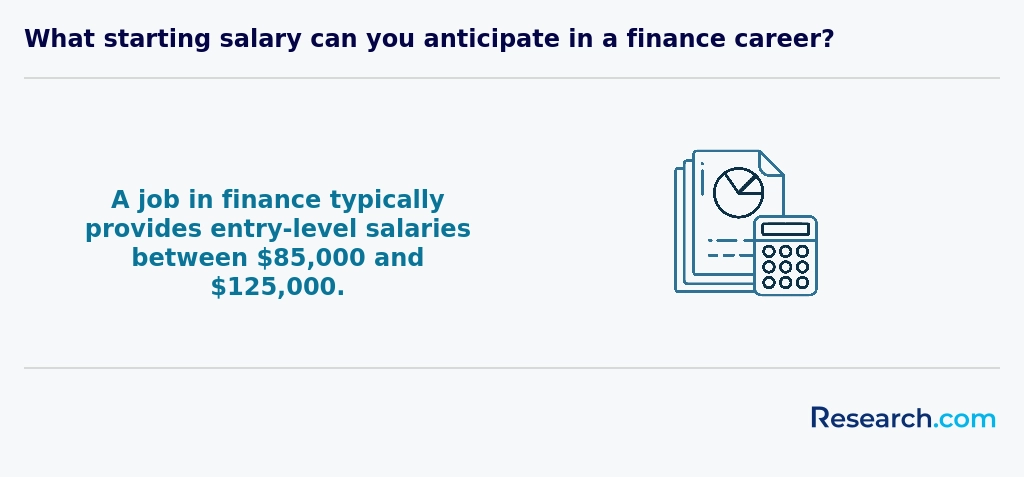
Graduates with an online finance degree in Boston can anticipate strong earning potential due to the city's robust financial sector and prestigious educational institutions like Boston University and Northeastern University. Entry-level roles commonly held by finance graduates, such as portfolio managers and private equity analysts, offer mean annual wages around $112,950 according to recent Bureau of Labor Statistics data. This reflects a rewarding start compared to many other regions.
Mid-level professionals progressing into finance manager, hedge fund manager, or financial controller positions in Boston report mean annual salaries of approximately $174,820. Graduates from Boston's top finance programs often share experiences about securing these roles by leveraging both their academic foundation and Boston's extensive network of financial firms.
This earning trajectory underscores the advantages of studying finance online in Boston, where the convergence of high-caliber education and industry demand creates a dynamic environment for financial career growth.
2027 Fastest Online Master's in Finance Degree Programs Ranking in Boston, MA
How do we rank schools?
Investing in your education is a significant decision that can profoundly impact your career, and the Research.com team recognizes the importance of making well-informed choices. To support prospective students interested in finance, we have carefully developed the "2027 Fastest Online Master's in Finance Degree Programs Ranking in Boston, MA." Our dedication to quality, credibility, and accuracy is demonstrated through rigorous data analysis and verification.
We utilized the following reputable data sources to ensure a thorough evaluation of finance programs:
By reviewing this ranking, readers will obtain valuable insights to identify the most accelerated and credible online finance master's programs in Boston, MA, facilitating a confident educational choice. For more information on our approach, please visit our Research.com methodology page.

# 2 position
Cambridge College Global
Master of Finance


Key Findings
- Online finance degrees in Boston generally cost between $20,000 and $40,000 for a master's program, with public schools typically charging less than private ones.
- Entry-level salaries for finance graduates start around $60,000 annually, rising to over $110,000 within five to ten years.
- Boston's finance job market is growing at an estimated rate of 5% over the next decade, especially in asset management and financial planning.
- Programs focus on subjects like investment banking, risk management, corporate finance, and financial analysis, often offering strong industry connections for networking.
- Accreditation by bodies such as AACSB or ACBSP is important for ensuring quality and improving job prospects in Boston's competitive finance sector.
How long does it take to complete online finance degree in Boston?
Completing an online finance degree in Boston typically ranges from one to four years, depending on the degree level and pace chosen. For example, undergraduate students at well-known Boston institutions often spend around four years completing a Bachelor of Science in Finance when studying full-time. Many graduates appreciate the flexibility offered by online formats, allowing them to balance coursework with professional commitments. This adaptability is particularly beneficial for those attending schools like Boston University or Northeastern, where part-time and self-paced options accommodate diverse schedules.
Graduate students pursuing a Master's in Finance usually complete their studies within one to two years. Accelerated programs in Boston enable some learners to finish in as little as 12 to 18 months, appealing especially to working professionals eager to advance quickly. These students often report feeling motivated and accomplished, benefiting from condensed semesters and multiple academic terms offered by local universities.
Factors such as transfer credits, course load, and program intensity directly influence completion time, with many Boston graduates noting that increased course loads accelerate their progress while fostering a sense of achievement.
What's the difference between online and on-campus finance degree?
Online finance degree programs in Boston offer considerable flexibility, ideal for students balancing work or family commitments. Graduates of these programs often appreciate the ability to study at their own pace, avoiding the lengthy commutes common in the Boston area. This convenience is especially relevant given Boston's average commuting times exceeding 30 minutes each way and high housing costs with rents averaging over $2,500 monthly. For example, students enrolled in online courses from institutions like Northeastern University often utilize video lectures and virtual discussions to engage deeply with the material while saving on transportation and housing expenses.
In contrast, on-campus programs at universities such as Boston University provide immersive face-to-face experiences. Graduates frequently highlight the value of in-person networking with professors and peers, which can lead to internships and connections within Boston's thriving financial sector. The dynamic classroom environment at these campuses enables real-time collaboration and immediate feedback, enhancing comprehension of complex finance topics.
Cost differences further distinguish these formats. On-campus tuition ranges from $30,000 to $60,000 annually, while online tuition can be 10-20% lower due to reduced facility fees. Both paths maintain rigorous accreditation and curriculum standards, ensuring quality education aligned with career ambitions.
What is the average cost of online finance degree in Boston?
The average cost of an online finance degree in Boston typically centers around $38,200 in total tuition, reflecting a balance between the city's prominent public and private institutions. Graduates often find that these expenses align with mid-to-upper-tier tuition rates seen in Massachusetts, where public universities commonly charge between $20,000 and $35,000, while private colleges may require investments up to $50,000. This variation accommodates different program durations, credit loads, and resource levels available to distance learners.
Many students pursuing an online master's in finance tuition Boston MA confirm that the flexibility of course schedules and the option to accelerate studies add value to their overall experience. They benefit from tailored programs at notable Boston colleges, enhancing their career prospects while managing costs effectively. Moreover, the availability of financial aid and scholarships frequently eases the financial commitment, making advanced finance education more attainable.
Additional fees, such as technology access and learning materials, contribute a smaller portion to total expenses but remain important considerations. In comparison to traditional on-campus programs, online finance degrees in Boston provide a cost-effective pathway for local and out-of-state professionals, supported by robust university offerings and innovative delivery methods.
Prospective students researching the average cost of online finance degree in Boston should also explore flexible payment options and employer sponsorships, as these can significantly offset tuition fees. For those seeking further education beyond finance, reviewing affordable phd programs online can provide additional context and opportunities for investment in advanced learning.
What financial aid is available to online finance degree students in Boston?
Students pursuing online finance degrees in Boston benefit from a range of financial aid options that significantly reduce educational expenses. Federal aid via FAFSA remains a cornerstone, with Direct Unsubsidized Loans and PLUS loans offering accessible funding at competitive rates. Graduates from institutions like Northeastern or Boston University often cite these loans as crucial in managing tuition costs effectively.
Massachusetts residents gain additional advantages through state programs such as the MassGrant and John and Abigail Adams Scholarship, which, while traditionally aimed at undergraduates, sometimes extend support to graduate students based on school policies. Many Boston-area universities enhance affordability by providing institutional scholarships, often merit- or need-based, targeted at finance students including those enrolled online.
Moreover, Boston's thriving financial sector enables students to tap employer tuition assistance, offering real-world support that complements academic efforts. Graduates frequently share stories of how employer reimbursement programs helped them balance work and study. Supplementary scholarships from organizations like the CFA Institute further empower students to finance their education confidently.
What are the prerequisites for enrolling in online finance degree program in Boston?
Enrolling in an online finance degree program in Boston demands a completed bachelor's degree, typically in business, economics, or a related field. Graduates from institutions such as Boston University or Northeastern University often reflect on how their quantitative skills, honed during undergrad studies, were crucial in meeting these prerequisites.
Applicants must submit official transcripts demonstrating solid academic performance, commonly requiring a minimum GPA of around 3.0. Even candidates with slightly lower GPAs have successfully gained admission by showcasing strong professional experience, particularly in finance or accounting roles within Boston's competitive job market.
While some programs still request GRE or GMAT scores, many Boston colleges have adopted test-optional policies, making the process more accessible for working professionals balancing careers and studies. Many students find submitting a detailed resume and compelling letters of recommendation vital, as these documents highlight practical experience and motivation to advance in finance.
Prospective students often appreciate how Boston's rich business environment aligns well with the program's focus on real-world applications and career growth.
What courses are typically in online finance degree programs in Boston?
Online finance degree programs in Boston commonly include courses that build a strong foundation in key financial principles while addressing the city's dynamic economic environment. Graduates from popular Boston colleges often highlight core courses such as Financial Accounting, which demystifies the preparation and analysis of financial statements essential for roles in local investment firms. Corporate Finance courses immerse students in real-world scenarios involving capital structure decisions and risk assessment, critical for Boston's thriving corporate finance sector.
Students appreciate Investment Analysis classes focused on portfolio management and asset allocation, directly connecting theory to Boston's well-established investment community. Financial Markets and Institutions coursework further grounds learners in understanding regulatory influences and banking operations, vital for navigating Boston's financial hubs.
Quantitative Methods for Finance equips students with statistical tools applicable to data-driven decision-making, while Risk Management courses cultivate the ability to handle market volatility-skills noted by graduates working in Boston's consultancies. Electives often tap into Boston's fintech and real estate scenes, enhancing relevance and engagement throughout the program.
What types of specializations are available in online finance degree programs in Boston?
Online finance degrees in Boston typically offer a range of specializations tailored to meet the demands of the city's competitive financial sector. Graduates from prestigious Boston universities often praise tracks such as Corporate Finance, which prepares students to excel in managing capital structure and budgeting within local corporations. Investment Management is another popular specialization, enabling learners to master portfolio strategies vital in Boston's thriving investment firms.
Other sought-after specializations include Financial Planning and Analysis (FP&A), focusing on forecasting and budgeting skills, and Risk Management, which is crucial due to stringent regulatory environments affecting Boston's banks and insurance companies. Fintech and Financial Innovation stand out as well, reflecting Boston's expanding tech landscape with applications in blockchain and data analytics. Students appreciate how these specializations align well with regional job growth, especially given Massachusetts Technology Collaborative's report on the fastest online finance degree specializations Boston offers.
Prospective students should also consider costs, as Boston's programs tend to be on the higher end nationally. For more information on affordable options, see cheapest online masters.
How do you choose the best online finance degree in Boston?
When choosing the best online finance degree programs Boston offers, prioritize accredited institutions recognized by the New England Commission of Higher Education (NECHE), ensuring your degree maintains credibility within the local finance sector. Graduates from popular Boston colleges often emphasize the value of programs that include practical courses in corporate finance, investment management, and risk analysis alongside specializations like FinTech, which align well with Boston's evolving financial industry.
Affordability remains a significant factor; many working professionals seek an affordable online master's in finance Boston MA to balance costs with quality. Graduates frequently highlight flexible payment plans and scholarships as crucial to managing expenses while advancing their careers. Additionally, access to asynchronous classes and robust support services, such as academic advising and career placement, enhances the learning experience by accommodating busy schedules.
Finally, investigate programs that report strong employment outcomes in Boston's finance markets. Graduates benefit from alumni networks in banking and asset management, helping launch careers locally. For those pursuing advanced research paths, consider options like a phd without dissertation to continue studies while maintaining professional momentum.
What career paths are available for online finance degree students in Boston?
Graduates holding an online finance degree in Boston have access to diverse career paths driven by the city's strong financial sector and innovative environment. Popular roles among alumni from institutions renowned for finance include financial analysts, investment portfolio managers, and financial advisors, reflecting the region's robust banking and corporate finance opportunities. Many graduates appreciate how Boston's educational programs equip them with practical skills applicable to local and national markets, making these positions attainable and rewarding.
In addition, Boston's growing fintech industry attracts professionals trained in financial technology consulting, risk management, and quantitative analysis. Students focusing on data analytics or financial modeling often find exciting roles in fintech startups or established firms. Exploring career paths with finance master's Boston graduates also reveals public sector options, where budget analysis and financial management positions in government agencies and nonprofits are sought-after for their stability and impact.
Environmental, social, and governance (ESG) investing is another expanding field, combining financial expertise with social responsibility, which graduates find fulfilling. The city's vibrant investment community supports these innovative finance careers. For those evaluating the financial commitment of an online degree, it is encouraging to note nationally projected job growth and the potential salary increases, which underscore the value inherent in these programs. Students may also explore online degrees that pay well to align their education with promising career prospects.
What is the job market for online finance degree in Boston?
The online finance degree job market Boston offers remains dynamic and promising, especially for graduates from renowned institutions such as Boston University and Northeastern University. These graduates often find engaging roles as financial analysts, risk managers, or portfolio managers within Boston's thriving financial sector, which includes global firms like Fidelity Investments. Many share positive experiences of leveraging local connections and practical internships to secure competitive positions.
Finance career opportunities Boston MA continue to expand alongside fintech growth and evolving regulatory environments, driving demand for professionals skilled in financial modeling and analytics. Graduates with accredited online degrees and relevant certifications often report satisfaction with both salary and career progression. Flexible online programs also accommodate busy professionals, allowing them to enhance skills while engaging with the local job market.
For candidates considering further education, exploring 1 year phd programs online can be a strategic option to deepen expertise rapidly and stand out in Boston's competitive finance market.
Frequently Asked Questions About finance
Online finance degree students in Boston can maximize their learning by actively engaging with local financial markets and resources. Boston is a major financial hub, home to institutions like Fidelity Investments and State Street, providing valuable context for coursework. Students should leverage virtual networking opportunities with professionals in Boston's finance sector through LinkedIn or local finance groups.
Participating in online simulations and case studies based on Boston's financial environment enhances practical skills. Many Boston universities offer access to Bloomberg terminals and financial databases for remote students, which can deepen market analysis abilities.
Finally, staying consistent with a structured study schedule and seeking mentorship from alumni or Boston-based finance experts can significantly improve understanding and career readiness.
The finance field is rapidly evolving, with emerging niches offering new opportunities for students pursuing online finance degrees in Boston. One growing area is financial technology (FinTech), which blends finance and digital innovation. Boston's strong tech ecosystem supports FinTech startups, creating demand for professionals skilled in blockchain, AI, and cybersecurity within finance.
Another key niche is sustainable finance, focusing on investments that promote environmental and social governance (ESG). This area is expanding as Boston financial firms integrate ESG criteria into portfolio management, driven by increasing client demand.
Additionally, quantitative finance remains vital, emphasizing data analysis and algorithmic trading. Boston's proximity to leading research universities enhances access to cutting-edge quantitative methods, benefiting students and professionals alike.
Graduates with online finance degrees in Boston should focus on building a strong professional network to improve job prospects. Boston hosts a vibrant financial sector, including firms in investment banking, asset management, and fintech, offering diverse opportunities. According to the Massachusetts Executive Office of Labor and Workforce Development, financial activities employ over 200,000 people statewide.
Internships and part-time roles can provide essential real-world experience. Joining local finance groups or attending events, such as those hosted by the Boston Security Analysts Society, helps connect with industry professionals.
Developing technical skills like Excel, Python, and financial modeling is also critical. Many employers in Boston seek candidates with practical knowledge and certification such as CFA or CPA.
Employers in Boston highly value finance degree graduates who demonstrate strong analytical skills and proficiency in financial modeling. According to the U.S. Bureau of Labor Statistics, finance roles often require candidates to analyze complex data to help businesses make informed decisions. Additionally, graduates should be familiar with software tools like Excel, SQL, and Bloomberg Terminal, which are commonly used in Boston's financial sector.
Communication skills are also critical, as many finance professionals work in teams or advise clients. The Boston Financial Services Roundtable reports that employers prefer graduates who can clearly present financial reports and strategies.
Finally, a solid understanding of regulatory frameworks and ethical standards is essential, especially given Boston's rigorous compliance environment in banking and investment fields.
Finding internships in Boston relevant to a finance degree involves leveraging the city's strong financial sector. Boston is home to major financial institutions and investment firms, providing numerous internship opportunities. Students should explore resources from local universities, many of which have partnerships with firms in areas like asset management and financial analysis.
Online finance students can also use platforms like Handshake and LinkedIn to find internships. Boston's finance industry employs over 60,000 workers, according to the Massachusetts Executive Office of Labor and Workforce Development, highlighting strong demand for finance interns.
Networking through professional groups such as the Boston Security Analysts Society or local CFA chapters can increase internship prospects. Additionally, checking company websites directly, especially firms headquartered in Boston such as Fidelity Investments, is recommended.
Obtaining an online finance degree can significantly enhance career mobility and advancement in Boston's competitive financial sector. Boston is home to numerous financial institutions and investment firms, including Fidelity Investments and State Street Corporation, which often seek candidates with advanced finance education.
An online degree offers flexibility, allowing professionals to gain credentials without interrupting their careers. According to the Boston Planning & Development Agency, jobs in finance and insurance grew by 8% between 2015 and 2020, signaling strong demand for skilled workers.
Graduates with online finance degrees frequently access higher-paying roles. The U.S. Bureau of Labor Statistics reports that financial managers in Boston earn a median annual wage above the national average, reflecting local industry standards.
Additionally, accredited online programs taught by Boston-based faculty or with local networking opportunities can expand professional connections and job prospects within the city's financial hub.
Studying for a finance degree in Boston offers strong preparation for interdisciplinary roles by blending finance fundamentals with skills from related fields. Many Boston-area programs incorporate coursework in data analytics, economics, and information technology, reflecting the city's diverse financial sector. This approach equips students to work effectively across industries such as fintech, healthcare, and consulting.
Boston's economy, known for its concentration of financial services and technology firms, provides students with opportunities to engage in real-world projects and internships. According to the Greater Boston Chamber of Commerce, the finance and insurance sector employs over 130,000 people locally, highlighting demand for versatile professionals.
Additionally, Boston's universities often promote collaboration among departments, encouraging students to develop problem-solving and communication skills essential for interdisciplinary teamwork.
Choosing between a thesis and a non-thesis online finance degree program in Boston depends on your career goals and time commitment. A thesis program requires independent research and writing, which can deepen your understanding of financial theories or local market challenges. This suits those aiming for research roles or doctoral studies. Non-thesis programs focus more on coursework and practical skills, ideal for professionals seeking to advance quickly in Boston's dynamic finance sector.
Boston hosts a strong financial industry with over 100,000 jobs in finance, according to the U.S. Bureau of Labor Statistics. This environment favors practical knowledge gained in non-thesis tracks for hands-on roles. However, thesis paths can provide advantages for roles demanding analytical rigor, such as financial analysis or consulting.
Students based in Boston seeking to study finance abroad through online programs have several options supported by US higher education institutions. Many universities offer online finance degrees with international study components or global case studies to enrich learning. Boston itself is home to top-ranked schools like Boston University and Northeastern University, which provide flexible online finance master's degrees recognized nationally and often include opportunities for virtual global networking.
Additionally, Boston students can enroll in exchange agreements or dual degree programs that partner with foreign universities, allowing them to complete part of their studies abroad. According to the Institute of International Education, 5% of US finance graduate students participate in such international experiences, which broaden perspectives in global finance.
Financial aid and grants are increasingly available to support these pursuits, making international finance education more accessible. Institutions also leverage Boston's strong finance sector to create relevant curricula reflecting global market trends.
Boston offers various part-time job opportunities well-suited for students pursuing online finance degrees. Common roles include financial analyst interns, bookkeeping assistants, and bank teller positions. These jobs provide practical exposure to financial reporting, data analysis, and customer service in finance, complementing academic knowledge.
According to the Massachusetts Executive Office of Labor and Workforce Development, Boston's finance sector is expected to grow steadily, with banking and investment firms frequently seeking part-time workers. Additionally, many local startups and accounting firms hire finance students for part-time roles.
These positions help build critical skills such as Excel proficiency, understanding financial regulations, and client communication. Such experience can enhance graduate employability in Boston's competitive finance job market.
Online finance students in Boston have access to numerous networking opportunities despite studying remotely. Many Boston-based universities offering online finance degrees host virtual events, guest lectures, and professional workshops that connect students with industry leaders. The city itself is a major financial hub, with over 350 finance and insurance companies, including firms like Fidelity and State Street, providing a dynamic network environment according to the Boston Planning & Development Agency.
Students can join local finance associations such as the Boston Financial Management Association or participate in virtual meetups and internships facilitated by their schools. These platforms enable meaningful interaction with peers and professionals, crucial for career growth.
Alumni networks provide significant advantages to students pursuing online finance degrees in Boston. These networks connect current students with graduates who work in the city's robust finance sector, including firms in Boston's Financial District. According to the Boston Planning & Development Agency, the city hosts over 40,000 finance-related jobs, showcasing a vibrant market for job placements and internships.
Through alumni events and online forums, students gain mentorship opportunities and insights into the latest industry trends from professionals with first-hand experience. Additionally, alumni often assist with job referrals, helping students navigate Boston's competitive finance job market.
Research from the National Association of Colleges and Employers highlights that 85% of jobs are filled through networking, making alumni connections crucial for career advancement. This is especially valuable for online students who may lack on-campus interaction but still need strong professional ties.
Customizing an online finance degree program in Boston allows you to align your education with specific career goals in a city known for its strong financial sector. Many Boston-area universities offering online finance degrees provide elective courses in areas like investment analysis, corporate finance, and financial technology.
Students can also choose concentrations or specializations such as risk management or financial planning, tailoring their skills to local industry demands. According to the Boston Planning & Development Agency, the finance and insurance sector employs over 100,000 professionals regionally, highlighting broad career opportunities.
Additionally, some programs offer flexible scheduling and practical projects, enabling working professionals to gain relevant experience alongside academic knowledge.
Online finance students in Boston often face challenges balancing rigorous coursework with their professional and personal lives. Many are working professionals, making time management a critical issue. According to a 2023 study by the National Center for Education Statistics, over 60% of online graduate students in finance reported difficulties juggling work and study commitments.
Additionally, networking can be limited in virtual environments. Boston's finance industry is highly competitive, and students may struggle to build professional connections without in-person events or internships. Access to local finance resources and real-world experience is crucial but harder to obtain online.
Technical issues and the need for strong digital literacy also pose challenges. Reliable internet and familiarity with learning platforms are essential to keep up with course demands.
With an online finance degree, graduates in Boston can pursue several key professional certifications to enhance their careers. Popular options include the Chartered Financial Analyst (CFA) designation, a globally recognized credential requiring passage of three exams and relevant work experience. The Certified Financial Planner (CFP) certification is another option, particularly valuable for those interested in personal financial advice and planning.
The Financial Risk Manager (FRM) credential focuses on risk control and management in financial firms. Boston's strong financial sector, including asset management firms, increases demand for these qualifications. According to the CFA Institute, Massachusetts ranks among the top states for CFA charterholders, reflecting robust local industry support.
Additionally, the Certified Public Accountant (CPA) license can complement a finance degree, especially in roles involving accounting or auditing within financial services. Candidates should be aware of Massachusetts-specific state requirements, such as education credits and exam criteria set by the Board of Public Accountancy.
When applying to an online finance program in Boston, start by clearly demonstrating your career goals and how the program aligns with them. Boston is a major financial hub, with firms like Fidelity and State Street headquartered there, so showcasing knowledge of the local finance industry strengthens your application. Highlight any quantitative skills and relevant work experience, as admissions committees value practical understanding along with academic credentials. According to the Boston Planning & Development Agency, the finance sector employs over 100,000 professionals locally, emphasizing the program's career relevance. Finally, tailor your personal statement to reflect your motivation and readiness for rigorous online study.
Finance careers today require a global mindset, as financial markets are increasingly interconnected. For Boston-based students pursuing online finance degrees, understanding international regulations, currency fluctuations, and global economic trends is essential.
US universities emphasize this global perspective by integrating case studies involving multinational corporations and international finance principles. According to the CFA Institute, professionals proficient in global finance earn up to 15% more than those focusing solely on domestic markets.
Boston's strong financial sector, including firms engaged in global banking and investment management, offers practical opportunities to apply this knowledge. The city's proximity to global hubs enhances access to these experiences for students, making an online finance degree with global focus valuable.
Gaining practical experience while studying for an online finance degree in Boston is essential for building relevant skills and enhancing employability. Many programs encourage students to pursue internships with Boston's financial institutions, such as Fidelity Investments and State Street Corporation, which often offer remote or hybrid opportunities.
Students can also engage in virtual financial simulations and case studies provided by their universities, offering hands-on exposure to market analysis and portfolio management. Additionally, online finance degrees frequently incorporate project-based learning, where students collaborate on real-world scenarios.
Professional networking events and workshops hosted by Boston's financial sector support skill development and career connections during the study period.
Choosing the right concentration within an online finance degree in Boston involves aligning your career goals with local industry demands. Boston is a major financial hub, home to numerous asset management firms and banks, making concentrations like investment management and financial analysis particularly valuable. According to the Boston Planning & Development Agency, the finance sector employs over 60,000 professionals locally.
Consider concentrations that emphasize skills sought by Boston employers, such as risk management or financial technology (fintech). Research program curricula to ensure they offer practical learning opportunities, like case studies or internships relevant to Boston's market. Also review accreditation and faculty expertise to guarantee quality education that fits your career path.
Top Trending Finance Rankings
See What Experts Have To Say About Studying Finance
Read our interview with Finance experts

Jason James Sandvik
Finance Expert
Assistant Professor of Finance
University of Arizona

H. Kent Baker
Finance Expert
Professor at Department of Finance and Real Estate
American University

Andrew Karolyi
Finance Expert
Dean of the Cornell SC Johnson College of Business
Cornell University

References
- 2026 Most Affordable Online Finance Degrees https://www.onlineu.com/most-affordable-colleges/finance-degrees
- Online CFP® Courses & Programs - Compare Tuition | BIF https://www.bostonifi.com/cfp
- Bachelor of Commerce, Finance Major | Online BComm https://www.athabascau.ca/programs/summary/bachelor-of-commerce-in-finance.html
- Best Finance Degrees Online https://www.accounting.com/degrees/finance/bachelors/best-online-programs/
- Boston College Finance Major: A Comprehensive Overview https://ccg.castlerockgc.co.uk/castlerockgc-news/boston-college-finance-major-a-comprehensive-overview-1767647920
- Best Accredited Online Finance Degrees in Massachusetts https://www.careerherd.com/popular-accredited-online-finance-degrees-massachusetts/
- Online Bachelor's Degree: Finance https://www.umgc.edu/online-degrees/bachelors/finance
- Alumni Rate Their Business School https://poetsandquantsforundergrads.com/news/best-business-schools-alumni-rate-undergraduate-business-degrees/5/
- Explore Finance Courses At Boston University - Explained https://w3.framtida.no/framtida-news/explore-finance-courses-at-boston-university-1767646914
- Why Alumni Networks Matter in Business School: 7 Reasons https://europe.ceibs.edu/article/why-alumni-networks-matter-business-school


