2027 Exercise Science Degree Specialization Pay Report: Which Academic Tracks Lead to the Highest Earnings

Co-Founder and Chief Data Scientist
Choosing an exercise science specialization is really a career and ROI decision. The same major can point toward clinical rehabilitation, sports performance, corporate wellness, ergonomics, research, or graduate health programs, and those paths pay very differently. Recent BLS wage data shows related roles range from roughly mid-$40,000 medians in fitness training to about $100,000 for licensed physical therapists. This guide helps students, career changers, and families compare academic tracks, required credentials, industry demand, and cost so they can choose a specialization that fits both earning goals and day-to-day work.
Key Things You Should Know
- The highest-paying exercise science track is usually pre-physical therapy or rehabilitation science, but the stronger earnings signal comes from completing a DPT, passing licensure, and entering clinical practice rather than from the bachelor's concentration alone.
- Clinical exercise physiology, athletic training, biomechanics, ergonomics, and strength and conditioning can all lead to solid outcomes, but BLS May 2024 wage data shows related occupational medians vary widely, from about $47,000 for fitness trainers to about $101,000 for physical therapists.
- Degree level, industry, state licensure, certifications, employer type, geography, and experience often matter more than the specialization name, so students should compare outcomes by career pathway, not just by program marketing language.
- Which Exercise Science Degree Specializations Lead to the Highest Earnings?
- How Does Exercise Science Specialization Pay Vary by Degree Level?
Which Exercise Science Degree Specializations Lead to the Highest Earnings?
The exercise science specialization with the strongest earning potential is typically the one that connects to a licensed, clinical, technical, or managerial pathway. A specialization is an academic focus inside an exercise science, kinesiology, human performance, or health sciences degree; it does not guarantee a specific salary, but it can position students for different roles, graduate programs, and employers.
The table below compares common academic tracks by their strongest earning signal. Use it as a career-path comparison, not as a promise of individual earnings.
| Exercise science academic track | Common career direction | Current earnings signal | Best fit for students who want |
| Pre-physical therapy or rehabilitation science | Physical therapy, rehab clinics, sports medicine, hospital outpatient care | Highest overall pathway when followed by DPT licensure; BLS May 2024 data places physical therapists near a $101,000 median annual wage | A clinical career with strong demand and willingness to complete graduate study |
| Biomechanics, ergonomics, or human movement science | Workplace ergonomics, medical device support, gait analysis, injury prevention, research labs | Can be strong in healthcare technology, occupational health, and industry roles, especially with data or engineering-adjacent skills | A technical path combining movement science, analytics, and equipment or workplace design |
| Athletic training or sports medicine | Athletic trainer, sports medicine clinics, schools, college athletics, industrial athletics | Moderate-to-strong when paired with CAATE-accredited graduate training, certification, and licensure; BLS May 2024 data places athletic trainers around the high-$50,000 median range | Hands-on injury prevention and acute care work with athletes or physically active workers |
| Clinical exercise physiology | Cardiac rehab, pulmonary rehab, chronic disease exercise programs, hospital wellness | Moderate; BLS May 2024 data places exercise physiologists around the upper-$50,000 median range | Healthcare-facing work without immediately pursuing PT, PA, or medical school |
| Strength and conditioning or sports performance | Performance coaching, tactical strength, college athletics, private training, sport academies | Variable; entry-level fitness roles are often lower, but specialized coaching, team roles, and business ownership can improve upside | Coaching, performance testing, athlete development, and entrepreneurial options |
| Health promotion, wellness, or fitness management | Corporate wellness, community health, fitness operations, health coaching | Moderate and employer-dependent; earnings improve with management responsibility, sales leadership, or employer-sponsored wellness roles | Program design, behavior change, population wellness, and leadership |
For most students, the highest-earning answer is not simply "pick pre-PT." It is: choose the track that leads to a credentialed role you are willing to complete. A student who does not want graduate school may get better practical value from biomechanics, corporate wellness, safety, or strength and conditioning than from a pre-professional track they never finish.
How Does Exercise Science Specialization Pay Vary by Degree Level?
Degree level changes the jobs you can realistically pursue. In exercise science, many bachelor's-level roles are support, coaching, wellness, or entry clinical positions, while the highest-paying clinical roles often require graduate education, supervised experience, board exams, and state licensure.
This table summarizes how degree level affects access to higher-paying exercise science pathways. It is especially useful if you are deciding whether a bachelor's degree is enough or whether graduate school should be part of your plan from the beginning.
| Degree level | Typical exercise science pathway | Pay impact | Main trade-off |
| Associate degree or certificate | Fitness assistant, personal training support, wellness aide, rehab aide | Usually the lowest earning ceiling unless paired with sales, business ownership, or additional credentials | Lower cost and faster entry, but fewer clinical or advanced roles |
| Bachelor's degree | Exercise physiology assistant, strength coach, wellness coordinator, fitness manager, graduate school preparation | Can qualify for many entry roles, but earnings vary sharply by employer and specialization | Flexible foundation, but may need certification or graduate study for stronger pay |
| Master's degree | Athletic training, advanced clinical exercise physiology, sport performance leadership, research support | Often improves competitiveness for clinical, collegiate, and supervisory roles | More debt and time, so outcomes should be verified before enrolling |
| Doctoral or professional degree | Physical therapy, occupational therapy, physician assistant, medicine, research doctorate | Strongest earning signal in licensed clinical pathways; physical therapy is the clearest exercise science-adjacent example | Highest time and tuition commitment, plus licensure requirements |
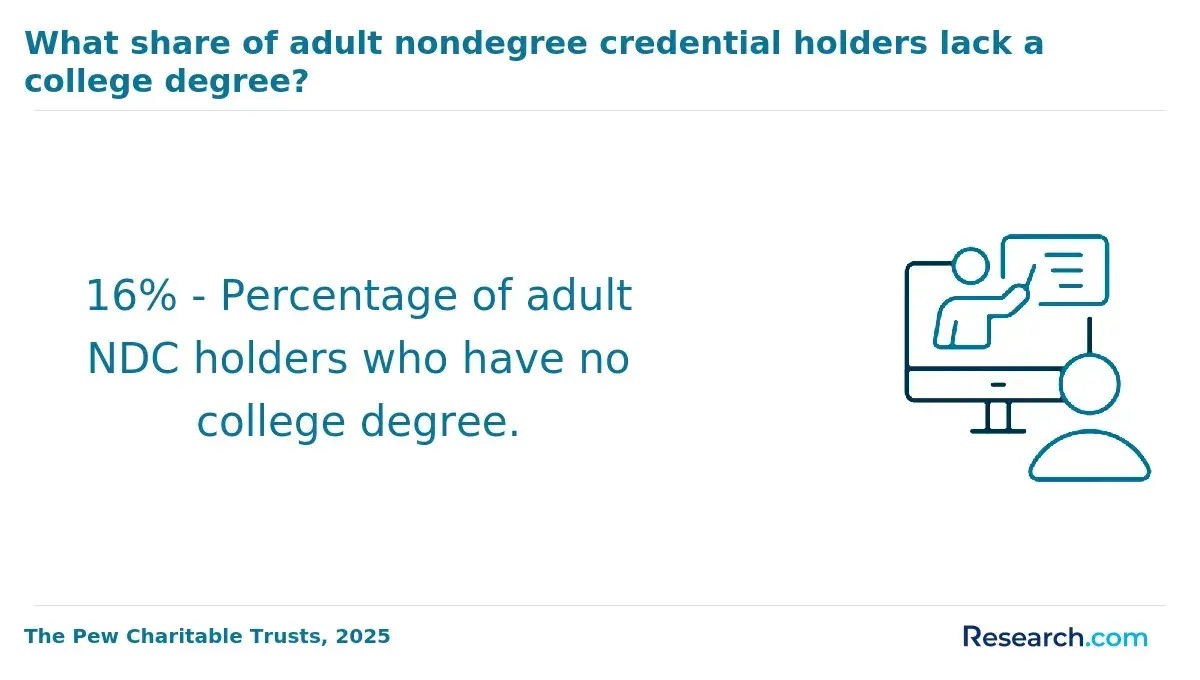
A useful rule is to separate "degree earnings" from "credential earnings." A pre-PT bachelor's concentration may not pay more by itself, but it can be valuable if it helps you complete prerequisites, gain observation hours, and enter a DPT program. By contrast, a bachelor's track in ergonomics or wellness management may produce faster workforce entry if the curriculum includes analytics, program evaluation, internship experience, and employer-facing projects.
Industry choice can change earnings as much as specialization choice. Hospitals, outpatient clinics, universities, professional sports, corporate wellness vendors, occupational health firms, and medical technology companies all use exercise science knowledge differently.
The table below shows where each academic track tends to have stronger pay potential and where earnings may be more limited. This helps you evaluate whether a program's internships and employer relationships match the industry you actually want to enter.
| Specialization | Industries with stronger earning potential | Industries with more limited early pay | Why the difference matters |
| Pre-PT or rehabilitation science | Outpatient rehabilitation, hospitals, orthopedic clinics, home health after licensure | Rehab aide roles before graduate school | The strong pay comes after professional licensure, not from entry-level rehab support work |
| Biomechanics or ergonomics | Occupational health, medical devices, workplace safety, human factors, research labs | General fitness settings without technical equipment or data duties | Employers pay more for measurement, analysis, injury prevention, and product or workplace applications |
| Athletic training | Collegiate athletics, physician practices, industrial athletics, sports medicine clinics | Small school systems or part-time event coverage | Credential requirements raise barriers to entry, while employer budgets still vary widely |
| Clinical exercise physiology | Cardiac rehab, pulmonary rehab, hospital wellness, chronic disease programs | General wellness roles without clinical supervision or reimbursement connection | Clinical settings value risk stratification, testing, documentation, and patient monitoring |
| Strength and conditioning | College athletics, tactical performance, elite private facilities, professional sport organizations | Commercial gyms and general personal training | Pay rises when the role includes programming responsibility, athlete testing, team oversight, or revenue generation |
| Health promotion and wellness | Corporate wellness, benefits vendors, insurers, large healthcare systems | Small fitness centers or community programs with limited budgets | Higher-paying roles often involve program management, outcomes tracking, and employer health strategy |
Technology is also changing the market. Wearables, motion capture, telehealth coaching, return-to-work analytics, and health data platforms are making data literacy more valuable. Students who like the analytics side of movement science may also explore adjacent health data careers; for example, understanding what to do with a bioinformatics degree can help compare exercise science's human-performance focus with more data-intensive health science options.
Long-term advancement depends on whether a specialization can lead to licensure, management, technical expertise, ownership, or a graduate clinical pathway. The strongest tracks are not always the highest-paying at entry level; some require several additional years before the earnings advantage appears.
Students comparing long-term value should look for tracks that can expand into one or more advancement lanes. The list below explains the main routes that can improve earning potential over time.
- Licensed clinical practice: Pre-PT, rehabilitation science, athletic training, and related tracks can lead to licensed roles, but only if you complete the required accredited graduate program, exams, and state requirements.
- Clinical specialization: Exercise physiology students can build value through cardiac rehab, pulmonary rehab, oncology exercise, metabolic disease programming, and advanced patient monitoring skills.
- Technical specialization: Biomechanics and ergonomics students can advance by adding motion analysis, statistics, wearable data interpretation, occupational safety, and human factors experience.
- Leadership and operations: Wellness, fitness management, and performance tracks can move into director, clinic manager, program manager, or facility owner roles.
- Graduate or professional school: Exercise science is a common foundation for PT, OT, PA, medicine, public health, and research programs, but prerequisites and admissions standards vary by school.
Management can be a powerful long-term route. BLS May 2024 data places medical and health services managers around a $118,000 median annual wage, but those roles usually require healthcare experience, leadership ability, and sometimes graduate education. For exercise science students, that means pairing the major with administration, finance, outcomes measurement, or clinic operations experience can matter as much as the specialization name.

Location affects exercise science pay because many roles are tied to local healthcare systems, school budgets, sports organizations, fitness markets, and cost of living. A cardiac rehab role in a large metropolitan hospital system may have a different pay structure than a wellness position in a small town, even if both require similar coursework.
Remote work is possible in some exercise science-adjacent careers, but it is uneven. Clinical testing, rehab, athletic training, and lab-based biomechanics usually require in-person work. Corporate wellness, telehealth coaching, benefits programs, health education, wearable data analysis, and some sales or customer success roles may offer hybrid or remote options.
Use these location questions before choosing a specialization or school. They can reveal whether the program's strongest outcomes match the market where you plan to live.
- Does the program place students in hospitals, outpatient clinics, sports organizations, corporate wellness employers, or occupational health companies in your target region?
- Are local employers hiring bachelor's-level exercise science graduates, or do they mostly want licensed PTs, athletic trainers, nurses, or other credentialed clinicians?
- Does the specialization include skills that travel across regions, such as data analysis, program evaluation, EHR documentation, exercise testing, or ergonomics assessment?
- Will the expected pay still make sense after housing, transportation, commuting, licensure fees, and graduate school costs are considered?
A common mistake is comparing national median wages without checking local job postings. National data is useful for direction, but the best decision comes from combining it with employer demand in the state or metro area where you want to work.
The most marketable exercise science specializations combine movement science with measurable, employer-ready skills. Programs that include only broad survey courses may be less competitive than programs that require labs, fieldwork, patient or client documentation, and applied projects.
When comparing curricula, look for courses and experiences that make the specialization useful in a real workplace. The strongest options usually develop both scientific judgment and practical service delivery.
- Exercise testing and prescription: VO2 testing, lactate threshold, strength testing, mobility assessment, risk stratification, and individualized program design.
- Anatomy, physiology, and pathophysiology: Essential for clinical exercise physiology, rehab preparation, athletic training, and graduate health pathways.
- Biomechanics and motor control: Valuable for sports performance, ergonomics, gait analysis, injury prevention, and human movement research.
- Statistics and data tools: Increasingly important for wearable technology, outcomes reporting, wellness program evaluation, and performance analytics.
- Behavior change and coaching: Useful in wellness, chronic disease prevention, personal training, and patient adherence roles.
- Documentation and ethics: Important for healthcare settings where records, scope of practice, privacy, and referral decisions affect employability.
- Internship or practicum experience: Often the difference between knowing exercise science and being ready to work in it.
Students who want flexible career options should also consider stackable credentials. For example, a kinesiology certification online can help some learners explore movement science coursework or continuing education before committing to a longer degree path, though it should not be treated as a substitute for licensure when a role legally requires one.
Pay only matters if it makes sense relative to cost, time, debt, and opportunity cost. College Board's 2024 pricing report lists average published tuition and fees at $11,610 for in-state public four-year students and $43,350 for private nonprofit four-year students, before grants and scholarships. That gap can change the ROI of the same specialization dramatically.
The table below summarizes cost factors that affect return on education investment. Use it to compare programs offering the same exercise science track, because two schools can have similar curriculum labels but very different financial outcomes.
| Cost factor | Why it matters for specialization ROI | What to verify |
| Tuition and fees | Higher tuition requires stronger placement outcomes or a clear graduate-school rationale | Net price after scholarships, not just sticker price |
| Graduate school prerequisites | Pre-PT, pre-OT, PA, and medical pathways may require specific science courses | Whether prerequisites are included or require extra semesters |
| Certification and exam costs | Strength coaching, clinical exercise physiology, athletic training, and personal training may involve exam fees and renewals | Which credentials employers in your area actually request |
| Internship requirements | Internships improve employability but may reduce paid work time | Whether placements are paid, local, supervised, and connected to target employers |
| Time to completion | Extra semesters increase tuition and delay earnings | Transfer policies, course sequencing, and availability of required labs |
| Graduate debt risk | High-earning clinical paths may require expensive professional degrees | Total projected debt across both undergraduate and graduate study |
To compare specialization pay against cost, follow a structured process rather than relying on headline salary claims.
- Choose a target role first, such as physical therapist, exercise physiologist, ergonomics specialist, strength coach, or wellness program manager.
- Identify the minimum credential for that role in your state and preferred industry.
- Calculate the full education path, including undergraduate tuition, graduate prerequisites, professional school, exams, certification, and unpaid fieldwork.
- Compare local job postings with national wage data to see whether employers near you hire at the level you expect.
- Ask each program for placement examples by specialization, not just overall exercise science outcomes.
- Choose the lowest-cost program that still provides the prerequisites, labs, internships, accreditation, and employer access your pathway requires.
The biggest red flag is a program that advertises high-paying clinical careers without explaining the additional degree, licensure, or admissions steps required. A financially smart exercise science plan should show how each course moves you closer to a specific career outcome.
Yes. Certifications, licensure, and graduate study can significantly change the career options connected to an exercise science specialization. The key is knowing which credentials are optional résumé boosters and which are mandatory for legal practice.
Licensure-defined careers are the clearest example. Physical therapists need a DPT from an accredited program and state licensure. Athletic trainers generally need graduation from a CAATE-accredited athletic training program, board certification, and state authorization where required. These rules vary, so students should check state boards and program accreditation before enrolling.
The table below separates common credentials by how they affect exercise science career pathways. This is important because a low-cost certification can help in some fitness or coaching roles, but it cannot replace a required license in regulated healthcare work.
| Credential type | Examples | Best aligned specializations | How it may affect earnings |
| Professional licensure | Physical therapist license, athletic training state authorization | Pre-PT, rehabilitation science, athletic training | Can open access to regulated clinical roles with stronger earning potential |
| Clinical certification | Clinical exercise physiology credentials, cardiac rehab-related credentials | Clinical exercise physiology, health sciences | May improve competitiveness for hospital or chronic disease roles |
| Strength and conditioning certification | CSCS-style performance credentials, sport coaching credentials | Strength and conditioning, sports performance | Can help qualify for team, collegiate, tactical, or private performance roles |
| Personal training or health coaching certification | Personal trainer, health coach, group fitness credentials | Fitness management, wellness, coaching | Useful for entry and client-facing roles, but income often depends on employer, sales, and client volume |
| Graduate degree | Master's in athletic training, exercise physiology, public health, biomechanics, or a professional doctorate | Clinical, research, rehabilitation, management, and technical tracks | Can improve access to advanced roles, but only if the added cost matches career requirements |
Students comparing healthcare pathways should notice how different the credential model can be across fields. For example, PharmD programs are built around a professional doctorate and licensure from the start, while exercise science often begins broadly and becomes specialized later through graduate study, certification, or employer experience.
Shorter healthcare credentials can also provide a useful comparison point for time-to-work decisions. A 9 month LPN program, for instance, represents a more direct nursing licensure route than a typical exercise science bachelor's degree, which may be better for students who want immediate patient-care licensure rather than a broader movement science foundation.
The best exercise science specialization is the one that connects your interests, strengths, budget, and credential plan to a realistic labor market. A high-paying track is not automatically the best choice if you dislike the work, cannot complete the required graduate pathway, or live in a region with limited demand.
Use this decision sequence to choose a specialization with both earning potential and career fit.
- Start with the job, not the major name. Decide whether you want clinical care, coaching, wellness programming, research, ergonomics, technology, or management.
- Map the required credential. Identify whether your target role requires a bachelor's degree, certification, accredited graduate degree, licensure, or supervised hours.
- Compare entry-level and long-term outcomes separately. A track like pre-PT may have modest bachelor's-level pay but stronger long-term potential after licensure.
- Check curriculum depth. Look for labs, testing equipment, statistics, documentation practice, internships, and prerequisites aligned with your goal.
- Review employer connections. Ask where students intern, which employers recruit, and whether outcomes are available by specialization.
- Calculate net cost and time. Include scholarships, transfer credits, extra prerequisites, graduate school, exam fees, and lost earnings during full-time study.
- Pressure-test the plan. Search current job postings in your target region and compare them with the specialization's advertised outcomes.
Avoid choosing based only on the highest salary listed online. Salary data usually reflects occupations, not undergraduate concentrations, and many higher-paying roles require credentials beyond the degree. Also avoid picking the broadest general track by default if you already know you want a clinical, technical, or performance-focused career.
A strong final shortlist might include one higher-upside option, one lower-cost practical option, and one flexible backup. For example, a student interested in rehab could compare pre-PT, clinical exercise physiology, and biomechanics. A student interested in sports could compare strength and conditioning, athletic training, and sports analytics. The right choice is the one you can complete successfully and use in the market you plan to enter.
Entry-level earnings in exercise science are often strongest when the job is connected to healthcare, occupational health, technical testing, or employer-sponsored wellness. They are usually weaker when the role depends mainly on general fitness instruction, part-time coaching, or commission-based personal training.
The table below compares entry-level practicality by specialization. Because employers rarely publish pay by college concentration, the best approach is to compare the first job titles each track can realistically support.
| Specialization | Common first roles | Entry-level earnings outlook | Important limitation |
| Biomechanics or ergonomics | Ergonomics assistant, movement analysis technician, occupational health support, research assistant | Often one of the better bachelor's-level options when technical tools and data analysis are part of the job | May require internships, lab experience, statistics, or employer-specific software skills |
| Clinical exercise physiology | Exercise physiologist, cardiac rehab assistant, stress testing technician, clinical wellness coordinator | Solid for students seeking healthcare experience; BLS May 2024 data places exercise physiologists near the upper-$50,000 median range | Some hospitals prefer or require certifications, graduate coursework, or prior patient-care exposure |
| Health promotion or corporate wellness | Wellness coordinator, health coach, benefits wellness assistant, community health program assistant | Can be stable when tied to large employers, insurers, or healthcare systems | Pay depends heavily on program budget and whether the role includes outcomes reporting |
| Strength and conditioning | Assistant strength coach, performance coach, personal trainer, youth sports performance coach | Highly variable; strong practical fit for coaching-minded students, but early pay can be low | Many roles require nontraditional hours, client building, or unpaid/low-paid internship experience |
| Pre-PT or rehabilitation science | Rehab aide, PT technician, therapy clinic assistant | Usually not the highest bachelor's-level pay, but useful for graduate school preparation | The main financial payoff typically requires completing a licensed graduate pathway |
If your goal is to work immediately after a bachelor's degree, prioritize programs with embedded internships, employer partnerships, lab methods, exercise testing, and data projects. A lower-ranked specialization with strong local placements may be more valuable than a higher-sounding track with weak career support.
Other Things You Should Know About Exercise Science
Pre-physical therapy or rehabilitation science usually has the strongest earning potential when it leads to a licensed physical therapist career. However, the higher pay is tied to completing a DPT program and licensure, not just choosing the undergraduate specialization.
It can be, but you should choose carefully. Bachelor's-level students often get better workforce value from tracks with applied skills, such as biomechanics, ergonomics, corporate wellness, exercise testing, fitness management, or strength and conditioning, especially when internships are built in.
Certifications can improve employability and credibility, especially in strength and conditioning, personal training, health coaching, and clinical exercise physiology. They are most valuable when employers in your target market specifically request them.
No. A high-paying track may require graduate school, licensure, clinical work, or technical skills that do not fit you. Compare pay with program cost, time, prerequisites, job duties, local demand, and your likelihood of completing the full pathway.
- Exercise Science Careers: Paths with Degrees https://www.fitnessmentors.com/exercise-science-careers/
- Sports Science Degree Careers and Salary in Europe - StudyinEurope.eu https://www.studyineurope.eu/sports-science/sports-science-degree-careers-salary-europe/
- ESSA's career guide for Accredited Exercise Physiologists https://www.essa.org.au/Web/Web/Resources/Tools-and-templates/ESSA-AEP-Guide.aspx
- Exercise Science Degree Careers: The complete list https://traineracademy.org/blog/exercise-science-careers/
- Worksite Wellness: A Powerful Career Path for Exercise Science Professionals https://exercisescienceguides.com/worksite-wellness-a-powerful-career-path-for-exercise-science-professionals/
- Exercise Science Jobs | Career Information https://www.nutritioned.org/exercise-science-jobs/
- Top 20 Careers With a Master’s in Exercise Science | PLNU https://www.pointloma.edu/resources/health-sciences/top-20-careers-masters-exercise-science