2027 Most Valuable Online Criminal Justice Degree Programs Ranking in South Carolina

Co-Founder and Chief Data Scientist
Choosing the right online criminal justice degree program in South Carolina can feel overwhelming. That's why this article presents the 2027 Most Valuable Online Criminal Justice Degree Programs Ranking in South Carolina, developed by the Research.com team of data scientists. Their careful analysis helps students like you identify programs that offer real value and strong career potential.
Reading this article will give you clarity and confidence as you explore your options. Pursuing a criminal justice degree opens doors to meaningful work and personal growth, making it a rewarding path worth considering.
Key benefits of getting online criminal justice degree in South Carolina
- Salary: Graduates with a criminal justice degree in South Carolina can expect competitive salaries, such as a police officer earning about $76,550 annually or a crime scene investigator making around $95,930 per year.
- Career Paths: Criminal justice graduates have diverse opportunities, from law enforcement to forensic science, with example alumni working in police departments or correctional facilities across South Carolina.
- Online Degree Benefits: Earning a criminal justice degree online offers flexibility to balance work and study, allowing students to gain experience while advancing their careers without commuting to campus.
- 2027 Most Valuable Online Criminal Justice Degree Programs Ranking in South Carolina
- What can I expect from online criminal justice degree in South Carolina?
- Where can I work with online criminal justice degree in South Carolina?
What can I expect from online criminal justice degree in South Carolina?
Online criminal justice degrees in South Carolina typically carry a price tag that feels manageable, especially when compared to traditional campus programs. Graduates from popular schools like the University of South Carolina or Limestone University often recall the relief of tuition costs that generally range from around $5,000 to $12,000 per year for in-state students. This affordability sparks a sense of hope and opportunity, allowing students juggling work or family commitments to invest in their futures without overwhelming debt.
Imagine a single parent enrolling in a program with tuition roughly half the cost of a brick-and-mortar classroom, feeling the excitement of affordable education from their living room. Others speak warmly of scholarships or financial aid tailored specifically to criminal justice majors in these South Carolina institutions, further easing the financial weight. This blend of accessibility and quality fuels motivation, turning online study into a gateway for practical, career-oriented advancement in a state actively modernizing its public safety landscape.
Where can I work with online criminal justice degree in South Carolina?
With an online criminal justice degree in South Carolina, your career map unfolds across a vivid spectrum of possibilities. Imagine stepping into a bustling city police department where a graduate from the University of South Carolina uses keen investigative skills to crack complex cases. Or picture a graduate from Coastal Carolina University working behind the scenes at the South Carolina Law Enforcement Division (SLED), blending forensic science with digital evidence to bring justice.
Correctional facilities, like those managed by the Department of Corrections, offer roles ranging from security to rehabilitation, where graduates find purpose transforming lives and ensuring safety. Courts across the state open doors for probation officers and victim advocates who bring empathy and expertise to their communities.
Beyond government walls, private security agencies and nonprofits beckon. Graduates step into roles preventing crime or supporting victims, driven by passion sparked during their studies at institutions like Clemson University. Some even embrace further training, excited to become certified officers in rippling communities all over South Carolina.
Picture this: you've just earned your online criminal justice degree from a well-regarded South Carolina college, juggling a part-time job while acing your cyberlaw class. Enter the world where numbers paint your future paycheck. Police officers in South Carolina with that degree can expect a mean annual wage of about $76,550-a solid reward for nights spent undercover or patrolling Charleston's historic streets.
Think of the forensic science technician, the real-life Sherlock, earning close to $71,540 a year, peeling back mysteries in sterile labs that once seemed out of reach. Or consider the crime scene investigator, stepping into shoes that command nearly $95,930 annually, working high-stakes cases in bustling Columbia or coastal towns.
Graduates who dive into correctional officer roles see average earnings around $58,810, blending discipline with a keen sense of justice. Court clerks, often the unsung heroes managing the legal dance, pocket about $48,760 annually, setting the stage for courtroom drama. Your degree in South Carolina's flexible online programs transforms ambitions into tangible salaries, echoing with stories of classmates climbing fast from internships to full-time roles.
- Online criminal justice degrees in South Carolina include associate's, bachelor's, and some master's programs focused on law enforcement and legal support careers.
- The total cost for a bachelor's degree ranges from $15,000 to $30,000, with lower rates for in-state students at public universities.
- Starting salaries for graduates are between $36,000 and $42,000 annually, with mid-career earnings averaging around $55,000.
- Employment in criminal justice is expected to grow by about 5% over the next ten years in South Carolina.
- Many online programs use virtual simulations and are accredited by organizations like SACSCOC to ensure quality education.
- Certain careers require additional licensing and academy training beyond the online degree for professional advancement.
Imagine juggling a full-time job while unraveling the complexities of criminal justice at the University of South Carolina's online program-most students find themselves crossing the finish line in about four years, mirroring on-campus peers. For those aiming lower on the academic ladder, like an associate degree from Coastal Carolina University's online offerings, two to three years is the typical ticket out, with enough credits to propel them toward bigger goals or entry-level roles.
Some grad students at Clemson University power through master's programs in just one to two years, fueled by coffee and ambition, balancing professional lives alongside their studies. Part-time learners from institutions like the College of Charleston often stretch their journeys-five to six years-turning their degrees into a seamless blend of life and learning.
And for the audacious, accelerated tracks let motivated souls complete a bachelor's within three years, shattering traditional timelines with heavy course loads and summer intensives. South Carolina's online criminal justice pathways flex to fit your pace, whether you're a steady marathoner or a sprinting scholar.
Graduates of online Criminal Justice programs in South Carolina can boost their career prospects and demonstrate specialized expertise by earning industry-recognized certifications. Professional credentials signal to employers that you possess both theoretical knowledge and practical skills beyond a degree. Consider the following pathways:
- Certified Fraud Examiner (CFE): Ideal for those interested in financial investigations, this certification validates your proficiency in detecting and preventing fraud. For a clear roadmap, explore the fastest way to become a fraud investigator.
- Certified Forensic Interviewer (CFI): This credential sharpens your ability to conduct ethical, legally sound interviews and interrogations, a critical skill in criminal investigations.
- Cybercrime and Information Security Certifications: Programs like CompTIA Security+ or Certified Ethical Hacker (CEH) prepare you to tackle digital threats, a growing concern in law enforcement and corporate security.
- Peace Officer Standards and Training (POST): South Carolina’s POST certification equips aspiring police officers with the standardized training required for state licensing. In addition to formal certifications, continuing education opportunities-such as specialized workshops, seminars, and graduate certificates-allow you to stay current with evolving laws, technologies, and best practices. Many universities offer stackable credentials that can be integrated into your online degree plan, ensuring a seamless transition from coursework to career advancement.
Imagine sitting in a cozy Charleston café, laptop open, juggling your kid's virtual schooling while diving into criminal justice theories from the College of Charleston's online program. That's the freedom online degrees offer, blending life's chaos with coursework on your terms. Contrast this with a Spartanburg State on-campus student navigating early morning lectures and lively debates in crowded hallways, soaking in the buzz and hands-on internships that enrich learning beyond textbooks.
In South Carolina, on-campus programs anchor you in tradition and community, with face-to-face access to resources and professors, while online paths depend on your self-discipline and digital savvy, making education a flexible lifeline for working adults. Graduates often recall how online classes helped them balance family, work, and study without sacrificing ambition.
Tuition-wise, public institutions like USC offer in-state on-campus rates around $6,000 to $9,000, while some online options trim costs by cutting campus fees. Whether tapping into the real-time energy of Columbia or mastering crime scene analysis remotely from Myrtle Beach, the choice reshapes your educational experience distinctly.
The average cost of an online criminal justice degree in South Carolina tells a story of opportunity blended with manageable investment. For many in-state students, the total median cost hovers near $50,820, a figure that reflects a balance between quality education and affordability. Graduates from public universities like Clemson or the University of South Carolina often recall how this cost translated into access to practical, hands-on curriculum while maintaining financial sanity.
Out-of-state students, on the other hand, face a higher median total cost around $101,820, a number that mirrors the premium of earning a degree from these reputable institutions remotely, often with the benefit of flexible scheduling that lets them juggle work, family, and study. Private colleges can push these numbers even higher, but many students find the specialized programs and individualized attention worth the price.
Considering the average online criminal justice degree cost South Carolina offers, it's common to factor in additional expenses like technology fees or textbooks. Yet, many graduates appreciate how online formats cut down on campus-related costs like commuting and housing, letting them reimagine education without the old burdens. Those serious about stretching their budgets often turn to financial aid or scholarships tailored for criminal justice majors in the state.
For explorers eager to discover options and maximize their investment, it's wise to browse through affordable criminal justice schools in South Carolina. This focused research can unlock hidden gems and financial support opportunities that turn the ideal degree into a reachable reality for many eager learners.
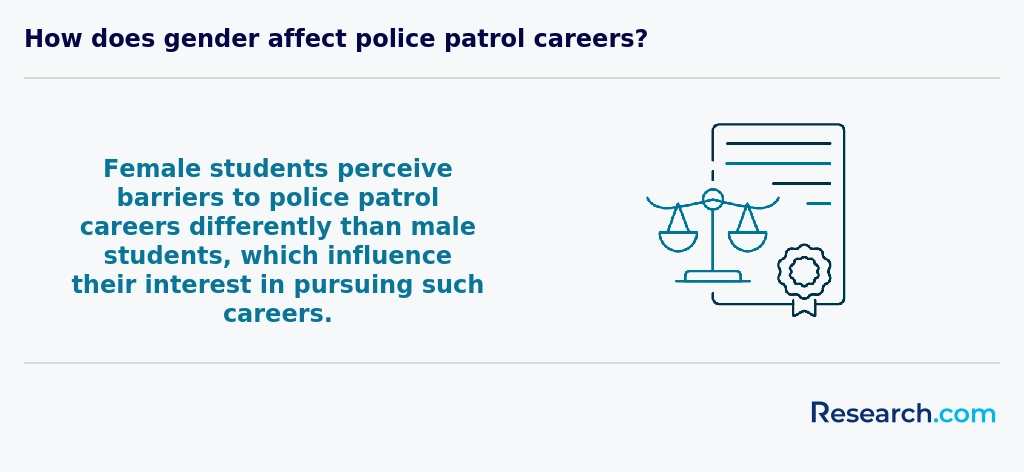
Students seeking affordable options for online criminal justice degrees in South Carolina can explore various institutions that offer quality education at a lower cost. When looking for the most affordable options, it's essential to consider factors such as tuition fees, financial aid, and scholarships. Many online programs in South Carolina are designed to be budget-friendly, allowing students to pursue their degree without accumulating significant debt. For instance, students can research affordable criminal justice schools in South Carolina to find programs that fit their budget and academic goals. By choosing an affordable online criminal justice program, students can gain the knowledge and skills needed to succeed in their careers without breaking the bank.
Picture a student at the University of South Carolina diving into their online criminal justice degree, relieved to find Pell Grants waiting like a safety net-sometimes up to $7,500 annually-easing the financial tightrope. Meanwhile, a student at Coastal Carolina University leans on the state's Palmetto Fellows Scholarship, a beacon powered by academic grit, cutting tuition bills and fueling dreams.
Financial aid here isn't just federal forms; it's a patchwork quilt of state grants, institutional scholarships, and employer tuition programs. One graduate from Clemson University shared how their police department's tuition assistance literally turned night patrols into investment in their future. These reimbursements help juggle shift work with studying, reducing stress and boosting confidence.
And let's not forget those hidden gems-professional organizations like the South Carolina Law Enforcement Officers' Association-that quietly hand out scholarships, whispering opportunity to those ready to serve justice. It's not just money; it's the feeling of a community rooting for you.
Investing in an online criminal justice degree in South Carolina isn’t just about tuition-it’s about how quickly you can recoup that investment through higher earnings and career advancement. On average, in-state students spend about $50,820 on a bachelor’s program, while out-of-state learners invest nearly $101,820. With entry-level police officers earning around $71,380 and forensic investigators topping $91,610 annually, many graduates achieve a payback period of three to five years. When evaluating ROI, consider total program cost, expected salary growth, and debt levels upon graduation. For example, if you borrow $20,000 at 4% interest and secure a job at $71,380 per year, your loan payments represent roughly 8–10% of your annual income-well below the recommended 15% threshold. Moreover, promotions to detective or supervisory roles can push salaries beyond $80,000, accelerating return. To maximize ROI, compare tuition rates, credit transfer policies, and scholarship opportunities. Additionally, exploring cost-efficient alternatives can further reduce your financial burden-see our Cheapest Criminal Justice Degree Programs Ranking in San Antonio, TX for a model on balancing affordability with program quality. By strategically selecting accredited, flexible programs and leveraging financial aid, South Carolina students can turn their online criminal justice education into a high-value career launchpad.
To embark on an online criminal justice journey in South Carolina, you'll first need a high school diploma or GED-your ticket past the entry gate. Imagine a graduate from a well-known South Carolina university recalling how submitting official transcripts showing solid grades opened doors, turning abstract ambitions into concrete applications. Many schools lean on a minimum GPA around 2.5, a benchmark that whispers, "You're ready to engage with challenging material."
While some institutions welcome you without SAT or ACT scores-thanks to rising test-optional policies-you may still find value in showcasing your academic story. Consider how other successful students bolstered their application with personal statements reflecting their passion for justice, narrating their commitment like a vivid tale shared with admissions committees.
Residency plays its part too. For South Carolinians, proving in-state status often translates into friendlier tuition rates, making the dream more affordable. Bottom line: from prerequisite English and math courses to gathering recommendation letters for graduate paths, the process confirms your readiness as much as it invites you to envision a future in criminal justice shaped by local academic traditions.

Pursuing professional certifications and ongoing training can significantly enhance the value of your Online Criminal Justice degree in South Carolina by demonstrating specialized expertise and boosting employability. Many graduates choose to earn credentials such as the Certified Forensic Interviewer (CFI), Certified Crime Scene Analyst (CCSA), or the Professional Certified Investigator (PCI) to distinguish themselves in fields like law enforcement, corrections, and forensic science. These industry-recognized certifications often require a combination of relevant education, work experience, and passing rigorous exams, underscoring your commitment to excellence and continuous learning. To maintain a competitive edge, consider enrolling in advanced workshops, webinars, and certificate programs offered by accredited organizations like the International Association for Identification (IAI) or the National Criminal Justice Association (NCJA). These resources not only cover emerging topics-such as digital forensics, behavioral analysis, and crisis management-but also provide networking opportunities with seasoned professionals. For those exploring specialized careers, find out the fastest way to become a fraud investigator and gain insights into certification paths such as the Certified Fraud Examiner (CFE). In addition to certification, enrolling in graduate-level courses or micro-credentials can further solidify your expertise. Many institutions now offer stackable credentials in areas like cybersecurity, homeland security, and juvenile justice. By integrating these credentials into your academic portfolio, you demonstrate adaptability to evolving criminal justice trends and position yourself for leadership roles or federal agency positions. Regularly updating your skills through continuing education not only aligns with best practices recommended by employers but also ensures compliance with state and federal licensing requirements.
Diving into an online criminal justice degree in South Carolina feels like stepping into a dynamic courtroom drama where theory meets real-life action. Graduates from the University of South Carolina often recall how Introduction to Criminal Justice laid the foundation for understanding the delicate balance between police, courts, and corrections-a triad that shapes community safety. At Coastal Carolina University, students found Criminology deeply eye-opening, unraveling the tangled causes behind crime and its ripple effects on neighborhoods they personally care about.
Courses like Criminal Law and Procedure vividly paint the legal landscape; one graduate described it as learning to navigate the "rules of the game" in a complex system that governs citizens' rights. Meanwhile, Law Enforcement Administration introduces future leaders to the inner workings of police agencies, a favorite among those dreaming of reforming law enforcement from within.
South Carolina programs also shine with specialized topics like forensic science and ethics, bringing intense moments where students imagine themselves analyzing real evidence or wrestling with moral dilemmas. Electives touch on trending issues-cybercrime or juvenile justice-sparking personal motivation to affect change where it matters most in local communities.
Imagine diving into an online criminal justice degree in South Carolina and unlocking a spectrum of specializations crafted to match your passions and the state's unique law enforcement landscape. Graduates from renowned institutions like the University of South Carolina and Coastal Carolina often highlight how the Law Enforcement track transformed their understanding of urban and rural policing challenges-preparing them for realities on patrol or detective work. Others found the Corrections specialization deeply rewarding, learning to navigate the balance between punishment and rehabilitation within South Carolina's correctional systems.
For those drawn to the buzz of technology and cyber threats, the rise of Cybercrime and Digital Forensics offers a thrilling frontier, reflecting the growing demand in both city and rural sectors. Some graduates mention engaging online courses even delving into forensic theory, despite limited lab work, to build skills in crime scene analysis. This blend of practical and theoretical knowledge helps students see real-world connections, whether they're shaping policies in Criminal Justice Administration or exploring paths like the fastest way to become a fraud investigator.
South Carolina online criminal justice career paths truly embrace a hands-on feel, even through digital platforms, inviting students to envision themselves stepping into roles where every decision influences community safety and justice.
Picture yourself navigating the sprawling online programs from Clemson or the University of South Carolina, where graduates often share how accreditation felt like a shield of legitimacy, defending their degree's value in bustling Charleston courthouses or quiet Greenville precincts. Choosing the best online criminal justice degree South Carolina has to offer means zeroing in on programs with that Southern Association of Colleges of Schools Commission on Colleges (SACSCOC) badge, ensuring your education carries weight beyond the virtual classroom.
One graduate recalled diving into specialized tracks-cybersecurity or forensic science-that transformed abstract theories into gritty, hands-on skills used daily across Columbia's law enforcement agencies. Affordable criminal justice programs South Carolina offers can surprise you too, particularly when you discover that some universities mirror the in-state tuition model even for online learners, making dreams affordable.
Flexibility is king here; asynchronous classes empower working parents in Spartanburg to juggle shifts and study without missing a beat. Don't forget to explore career resources that turn digital connections into real-world internships. If cost worries sneak in, consider checking out the Cheapest Criminal Justice Degree Programs Ranking in San Antonio, TX for inspiration on affordability tactics.
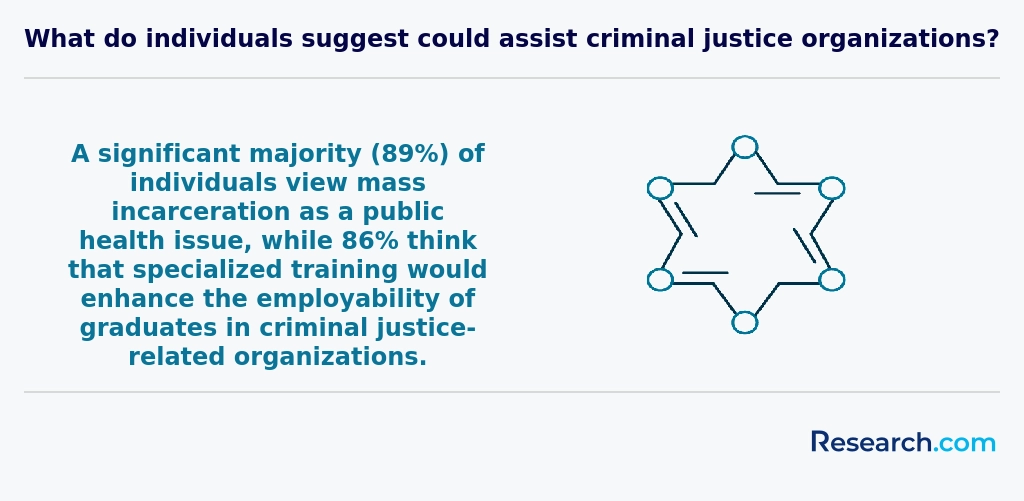
Graduates with an online criminal justice degree in South Carolina unlock a spectrum of vibrant career paths, from the steady rhythm of patrols in Charleston's bustling streets to strategic roles behind the scenes in Columbia's courthouse halls. Those who emerge from institutions like Coastal Carolina University or the University of South Carolina often find themselves stepping into roles as police officers or detectives, embracing both the adrenaline rush of frontline law enforcement and the nuanced dance of investigation. Many are drawn to the corrections system, managing rehabilitation and community supervision with a hands-on approach that transforms lives.
Beyond badges and uniforms, criminal justice grads dive into legal corridors as court clerks or assistants within district attorney's offices, mastering evidence and case flow. Social service roles pulse with purpose, connecting vulnerable populations to resources through restorative justice efforts developed by South Carolina colleges. With the growing availability of affordable online programs-some costing between $5,000 and $10,000 annually-enthusiasts of associates degree online fast often leverage this to launch into these dynamic career landscapes energizing South Carolina's public safety and social service sectors.
Whether it's joining federal agencies near regional offices or taking on local challenges, the possibilities within online criminal justice careers in South Carolina blend passion with practical impact, weaving through the state's diverse communities and institutions.
The landscape for online criminal justice jobs in South Carolina buzzes with quiet opportunity, especially for those enrolling in programs at institutions like the University of South Carolina or Coastal Carolina University. Graduates often describe their transition into roles such as city police officers or probation officers as stepping into a dynamic blend of community service and career stability. With a growth rate hovering around 5-7%, the state's protective service sector mirrors national trends, offering a reliable path for motivated individuals.
Picture a recent graduate balancing night shifts while finishing courses online, then moving smoothly into a federal investigator role with the South Carolina Law Enforcement Division (SLED). This blend of flexibility and practical experience speaks to the tangible benefits of pursuing a criminal justice degree remotely. While the median salary for local officers hovers near $47,000, the earning potential grows with experience, making South Carolina a promising ground for long-term advancement.
For those weighing investment choices, online programs frequently spotlight affordability and financial aid options. Many students find these pathways affordable compared to on-campus degrees and appreciate knowing that resources align with their goals. Exploring the best online college degrees for seniors can offer insight tailored to diverse learner backgrounds navigating South Carolina's criminal justice career outlook.
2027 Most Valuable Online Criminal Justice Degree Programs Ranking in South Carolina
Investing in your education is a significant decision that can shape your future, and the Research.com team understands the importance of making informed choices. To assist prospective students in South Carolina, we have meticulously developed the "2027 Most Valuable Online Criminal Justice Degree Programs Ranking." Our commitment to quality, credibility, and accuracy is reflected in the rigorous research and analysis performed to compile this ranking.
We utilized the following reputable data sources to ensure a comprehensive evaluation of criminal justice programs:
By exploring this ranking, readers will gain valuable insights into the best online criminal justice degree programs in South Carolina, empowering them to make well-informed decisions about their educational futures. For more details on our methodology, please visit our Research.com methodology page.


Frequently Asked Questions About criminal justice
Online criminal justice degree students in South Carolina can maximize their learning experience by actively engaging with their coursework and utilizing available resources. Regularly participating in virtual discussions and group projects helps deepen understanding and simulates real-world collaboration.
Taking advantage of the South Carolina Law Enforcement Training Council's online resources and updates can offer practical insights into local criminal justice practices. Additionally, students should seek internships with agencies such as the South Carolina Department of Corrections or local police departments to gain hands-on experience.
Time management is crucial; setting a study schedule aligned with personal goals improves retention and performance. Lastly, connecting with faculty and advisors ensures guidance tailored to career aspirations within South Carolina's criminal justice system.
The criminal justice field is rapidly evolving, creating new opportunities for professionals with specialized skills. One notable niche is cybercrime investigation, where experts handle digital evidence related to hacking, fraud, and online threats. Demand for these skills in South Carolina is growing as reported by the state's Department of Public Safety.
Another emerging area is forensic psychology, which blends psychology with law enforcement to support investigations and rehabilitation. This field attracts those interested in understanding criminal behavior and improving correctional methods.
Restorative justice is also gaining traction, focusing on repairing harm through mediation instead of punitive measures. South Carolina universities increasingly offer courses covering this approach.
Lastly, homeland security and emergency management remain critical, with growing investment in training professionals to address terrorism, natural disasters, and public safety threats specific to this region.
After completing an online criminal justice degree in South Carolina, preparing for the job market involves several key steps. First, gaining practical experience through internships or volunteer work with local law enforcement agencies can be crucial. South Carolina offers various internship opportunities within city police departments and the Department of Corrections, which can strengthen your resume.
Networking is also essential. Joining professional organizations like the South Carolina Criminal Justice Academy or local chapters of national associations helps connect with potential employers.
Understanding state-specific licensing and certification requirements is important for careers in law enforcement or corrections. South Carolina mandates training through the Criminal Justice Academy for officers before employment.
Finally, staying informed about employment trends is beneficial. The U.S. Bureau of Labor Statistics projects a 6% growth in protective service jobs in South Carolina through 2030, highlighting steady opportunities in this sector.
Employers in South Carolina seek several key skills in criminal justice degree graduates. Strong communication is essential, as officers and analysts must interact clearly with the public and colleagues. Critical thinking and problem-solving skills help graduates handle complex legal and ethical issues. Knowledge of South Carolina's legal system and state-specific regulations is highly valued, enhancing graduates' readiness for local roles. Additionally, proficiency in data analysis and technology use is increasingly important due to advances in crime analysis and digital evidence management. According to the South Carolina Commission on Higher Education, these abilities boost employability across law enforcement, corrections, and legal sectors.
Finding internships in South Carolina related to criminal justice involves leveraging local resources and partnerships between online degree programs and law enforcement agencies. Many universities collaborate with state and local organizations such as the South Carolina Department of Probation, Parole and Pardon Services, and municipal police departments. These internships often provide practical experience in law enforcement, corrections, or legal assistance.
Students should also explore opportunities through the South Carolina Law Enforcement Division (SLED), which offers internships and volunteer positions.
Utilizing online job portals focused on government and criminal justice roles, such as USAJobs or South Carolina's government website, can be effective. Contacting academic advisors or career services offices at degree institutions is recommended since they typically maintain current internship listings and networks specific to the field.
According to the South Carolina Department of Employment and Workforce, criminal justice occupations in the state are expected to grow by about 6% by 2030, increasing internship availability as agencies expand their workforce.
An online criminal justice degree in South Carolina can significantly enhance career mobility by providing flexible access to essential education and training. Many law enforcement agencies and related fields in the state prefer candidates with formal degrees to advance beyond entry-level roles.
According to the South Carolina Department of Employment and Workforce, individuals with a bachelor's degree in criminal justice typically see a 15% higher median income than those without a degree in related jobs.
Online programs also allow working professionals to gain relevant skills, such as criminal law and ethics, without interrupting their careers. This flexibility supports timely promotion and specialization in areas like forensic science, corrections, or probation.
Furthermore, accredited online degrees are increasingly recognized by South Carolina's police departments and federal agencies, opening doors to supervisory or federal positions that demand higher education credentials.
Studying for a criminal justice degree in South Carolina offers strong interdisciplinary preparation by integrating courses in law, psychology, sociology, and public administration. This approach equips students with a broad skill set to address complex issues in fields such as law enforcement, corrections, and social services. South Carolina's online programs often emphasize collaboration skills and ethical decision-making, essential for roles involving multiple stakeholders.
For example, South Carolina's Department of Public Safety highlights the need for professionals who understand both legal frameworks and community dynamics. Students learn to analyze crime trends using data from sources like the FBI's Uniform Crime Reporting (UCR) program, fostering analytical skills applicable beyond criminal justice.
Such degrees prepare graduates for diverse careers that intersect with healthcare, social work, and policy development, making them valuable in various public and private sectors throughout South Carolina.
Choosing between a thesis and a non-thesis criminal justice degree program in South Carolina depends on your career goals and learning preferences. Thesis programs emphasize research, requiring students to complete a substantial paper, which can be ideal if you aim for a career in academia, policy analysis, or advanced graduate studies.
Non-thesis programs focus more on coursework and practical skills, often appealing to professionals seeking promotion or specialized roles within law enforcement or corrections. In South Carolina, agencies like the Department of Probation, Parole & Pardon Services generally value applied knowledge, making non-thesis programs attractive.
Consider your time commitment and personal interests; thesis routes may take longer. Consulting program details from accredited South Carolina universities can clarify expectations. According to the U.S. Department of Education, research experience enhances job competitiveness in federal agencies, which is an important factor if targeting those employers.
Students based in South Carolina seeking to study criminal justice abroad have limited but viable options primarily through international partnerships facilitated by U.S. accredited institutions. Most online programs ensure students remain enrolled in American colleges while participating in short-term study abroad experiences or virtual international collaborations.
South Carolina does not currently offer direct foreign criminal justice degrees recognized by U.S. accreditation bodies. Instead, students often pursue study abroad components through exchange programs linked to schools like the University of South Carolina or Clemson University.
According to the South Carolina Commission on Higher Education, online criminal justice degrees with flexible study abroad elements help students gain global perspectives without compromising degree recognition.
Part-time job opportunities in South Carolina can significantly enhance the practical learning of students pursuing online criminal justice degrees. Common roles include security officers, correctional officer assistants, and community service workers. These positions allow students to apply theoretical knowledge while gaining on-ground experience.
The South Carolina Department of Corrections, for example, often offers part-time or temporary roles that provide insight into correctional facility operations. Additionally, local sheriff's offices may offer part-time civilian support positions that complement criminal justice education. According to the U.S. Bureau of Labor Statistics, South Carolina's growing law enforcement sector supports many such roles, beneficial for career development.
Online criminal justice students in South Carolina have access to several valuable networking opportunities despite studying remotely. Many universities offer virtual career fairs and networking events that connect students with local law enforcement agencies, legal professionals, and alumni. For example, the South Carolina Criminal Justice Academy partners with colleges to provide workshops and internships, helping students build practical connections.
Professional organizations like the South Carolina Association of Criminal Justice Professionals offer memberships and events tailored to students. These groups facilitate access to conferences and local meetups, expanding professional networks within the state's criminal justice community. According to the South Carolina Department of Public Safety, internship placements have grown by 15% in recent years, reflecting increased engagement between students and agencies.
Alumni networks provide essential support for online criminal justice degree students in South Carolina by offering valuable professional connections. These networks connect students with graduates working in local law enforcement, legal settings, and public safety organizations.
Such connections enhance job prospects in a state where the criminal justice sector employed approximately 50,000 people as of 2023, according to the South Carolina Department of Employment and Workforce. Alumni can share internship opportunities, mentorship, and advice tailored to regional dynamics.
Additionally, networking events, both virtual and in-person, help students stay updated on industry trends and certification requirements, which vary across South Carolina counties.
By leveraging alumni relationships, students gain insights that extend beyond textbooks, improving their career readiness and integration into the state's criminal justice workforce.
Customizing an online criminal justice degree in South Carolina allows students to tailor their education to match specific career goals. Many programs offer various concentrations such as law enforcement, corrections, forensic science, or cybersecurity. Selecting electives aligned with local industry needs can enhance job readiness. For example, South Carolina's Department of Probation, Parole, and Pardon Services often seeks graduates with expertise in community supervision. Internship options available through partnerships with local agencies provide practical experience and networking opportunities. According to the Bureau of Labor Statistics, South Carolina plans to grow criminal justice roles by 8% through 2031, emphasizing the value of focused education in this field.
Online criminal justice students in South Carolina commonly face challenges related to balancing coursework with personal and professional responsibilities. Many students work full-time or have family obligations, making time management critical. Additionally, limited access to in-person networking and internship opportunities can affect practical experience, which is key in criminal justice careers.
Technology issues also arise, including unreliable internet connections, which can disrupt lectures and assignments. Some students find adapting to online learning platforms difficult without traditional classroom support.
According to the South Carolina Commission on Higher Education, retention rates for online programs tend to be lower than on-campus, partly due to these challenges.
With an online criminal justice degree in South Carolina, you can pursue several professional certifications to enhance your career prospects. Popular certifications include the Certified Law Enforcement Officer (CLEO) credential, essential for many state and local law enforcement roles. Additionally, certifications such as the Certified Crime Scene Investigator (CCSI) or Certified Correctional Officer (CCO) are valuable for specialized positions in forensic analysis or corrections.
The South Carolina Criminal Justice Academy offers training and certification recognized statewide, aligning with these credentials. According to the South Carolina Department of Public Safety, over 35% of criminal justice professionals hold at least one certification, improving job competitiveness. These certifications often require practical experience combined with continuing education.
Applying for an online criminal justice program in South Carolina requires clear focus and careful preparation. Start by thoroughly researching schools accredited by the Southern Association of Colleges and Schools Commission on Colleges (SACSCOC), which ensures quality education recognized statewide. Highlight any relevant work or volunteer experience in law enforcement or legal fields, as practical background strengthens your application.
Craft a strong personal statement explaining your motivation and career goals. South Carolina's criminal justice job market is growing, with a 7% projected increase in law enforcement roles through 2030, according to the U.S. Bureau of Labor Statistics. Mentioning this in your essay shows awareness of the field's opportunities.
Maintain organized academic records; many programs require a minimum 2.5 GPA. Lastly, secure recommendation letters from supervisors or professors who can vouch for your commitment. Present a clear, concise, and professional application to improve your chances of admission.
A career in criminal justice offers diverse opportunities and is increasingly influenced by global trends. Professionals in South Carolina benefit from understanding international perspectives on law enforcement, corrections, and legal processes. Countries differ in their approach to criminal justice, emphasizing community policing, restorative justice, or strict enforcement.
Global collaboration has grown, with agencies sharing data and best practices to combat crime like cybercrime and terrorism. For South Carolina students, this means a growing need for versatile skills suitable both locally and internationally.
According to the Bureau of Labor Statistics, jobs in protective service fields in South Carolina are expected to grow 6% from 2020 to 2030, influenced by global security issues and evolving technology.
Gaining practical experience while earning an online criminal justice degree in South Carolina is possible through internships and volunteer opportunities. Many universities strongly encourage students to complete internships at local law enforcement agencies, courts, or social service organizations. These placements provide hands-on experience crucial for understanding South Carolina's criminal justice system.
Additionally, some programs offer virtual simulations and case studies that mimic real-world scenarios, enhancing applied skills remotely. Students can also seek collaborations with South Carolina agencies such as the Department of Public Safety or local Sheriff's Offices for fieldwork.
According to the South Carolina Commission on Higher Education, completing practical training improves job prospects significantly within the state's growing criminal justice sector.
Choosing the right concentration within an online criminal justice degree program in South Carolina depends on your career goals and interests. South Carolina's criminal justice system includes law enforcement, corrections, the courts, and homeland security, each requiring different skills and knowledge.
Research labor market trends for the state. For example, the South Carolina Department of Employment and Workforce projects steady growth in law enforcement jobs, with a 7% increase by 2030. Concentrations in criminal justice administration or law enforcement may align well with this demand.
Consider your desired work setting. Corrections-focused programs suit roles in prison management, while cybersecurity or forensic concentrations target specialized law enforcement units. Verify that the program you select has accreditation relevant to your field.
- 2027 Most Valuable Criminal Justice Degree Programs Ranking in Georgia
- 2027 Most Valuable Criminal Justice Degree Programs Ranking in Florida
- 2027 Most Valuable Criminal Justice Degree Programs Ranking in Alabama
- 2027 Most Valuable Criminal Justice Degree Programs Ranking in Kentucky
- 2027 Most Valuable Criminal Justice Degree Programs Ranking in Mississippi
- 2027 Most Valuable Criminal Justice Degree Programs Ranking in Louisiana
- 2027 Most Valuable Criminal Justice Degree Programs Ranking in Arkansas
- 2027 Most Valuable Criminal Justice Degree Programs Ranking in Maryland
- 2027 Most Valuable Criminal Justice Degree Programs Ranking in Missouri
- 2027 Most Valuable Criminal Justice Degree Programs Ranking in New Jersey
See What Experts Have To Say About Studying Criminal Justice
Read our interview with Criminal Justice experts

Frank Schmalleger
Criminal Justice Expert
Professor Emeritus
The University of North Carolina

James W. Marquart
Criminal Justice Expert
Associate Provost and Professor of Criminology
Texas Christian University

Mark Moore
Criminal Justice Expert
Research Professor of Public Management
Harvard University

- 2026 Most Affordable Online Criminal Justice Degrees https://www.onlineu.com/most-affordable-colleges/criminal-justice-degrees
- Online Associate in Criminal Justice Degree https://www.smcsc.edu/academics/degrees-programs/online-associate-in-criminal-justice-degree/
- Criminal Justice Degree - SCSU https://scsu.edu/academics/programs/criminal-justice.php
- Entry Requirements for a Criminal Justice Degree https://www.bridgeport.edu/news/entry-requirements-for-a-criminal-justice-program/
- Criminal Justice (B.S.) https://uscupstate.edu/programs/criminal-justice/
- Bachelor Degree in Criminal Justice Online https://online.aurora.edu/online-degrees/criminal-justice-bachelors/
- Criminal Justice Degree Programs in South Carolina https://www.criminaljusticedegreeschools.com/degree-by-state/south-carolina/
- Criminal Justice (Online) https://www.claflin.edu/DivisionofAcademicAffairs/the-center-for-professional-and-continuing-studies/degrees/criminal-justice-(online)
- Associate Degrees in Criminal Justice in South Carolina https://www.criminaljusticeprograms.com/programs/associate-in-criminal-justice/south-carolina/
- Criminal Justice Salary - How Much Can I Make With a ... https://gracechristian.edu/blog/criminal-justice-salary/