2027 Most Valuable Criminal Justice Degree Programs Ranking in Philadelphia

Co-Founder and Chief Data Scientist
Choosing the right criminal justice degree program in Philadelphia can feel overwhelming. To help, this article presents the 2027 Most Valuable Criminal Justice Degree Programs Ranking in Philadelphia, created by the Research.com team of data scientists.
It offers clear, data-driven insights so you can confidently compare schools and find the program that fits your goals. Pursuing a criminal justice degree opens doors to meaningful careers that make a real difference in communities.
Exploring this ranking will empower you to make an informed decision and take a positive step toward your future.
Key benefits of getting criminal justice degree in Philadelphia
- Graduates with a criminal justice degree in Philadelphia can expect competitive salaries, such as Police Officers earning a mean annual wage of $76,550 and Crime Scene Investigators earning about $95,930 per year, offering strong financial stability.
- Career paths are diverse, ranging from roles like Correctional Officers and Court Clerks to Forensic Science Technicians, providing ample opportunities to find a rewarding job that fits your passion and skills.
- Pursuing a criminal justice degree online offers flexibility and convenience, allowing students to balance work and study effectively, which many Philadelphia graduates find improves their learning experience and career readiness.
- Key benefits of getting criminal justice degree in Philadelphia
- What can I expect from criminal justice degree in Philadelphia?
- Where can I work with criminal justice degree in Philadelphia?
- How much can I make with criminal justice degree in Philadelphia?
- 2027 Most Valuable Criminal Justice Degree Programs Ranking in Philadelphia
- Key Findings
- How long does it take to complete criminal justice degree in Philadelphia?
- 2024 Top Criminal Justice Degree Programs in Philadelphia, PA
- What's the difference between online and on-campus criminal justice degree?
- Steps to Become a Criminal Investigator
- What is the average cost of criminal justice degree in Philadelphia?
- Emerging Trends and Future Outlook in Criminal Justice
- What financial aid is available to criminal justice degree students in Philadelphia?
- What are the prerequisites for enrolling in criminal justice degree program in Philadelphia?
- Finding the Right Fit: Exploring Valuable Criminal Justice Schools in Pennsylvania
- What courses are typically in criminal justice degree programs in Philadelphia?
- What types of specializations are available in criminal justice degree programs in Philadelphia?
- How do you choose the best criminal justice degree in Philadelphia?
- What career paths are available for criminal justice degree students in Philadelphia?
- What is the job market for criminal justice degree in Philadelphia?
- Top Trending Criminal Justice Rankings
- See What Experts Have To Say About Studying Criminal Justice
What can I expect from criminal justice degree in Philadelphia?
The average cost of earning a criminal justice degree in Philadelphia can vary quite a bit depending on where you go, but generally, you're looking at a range between $15,000 and $35,000 per year for tuition. For example, students at Temple University, a popular choice in Philly, often find that tuition is on the higher end, given it's a well-known research institution. Meanwhile, other local schools might offer more affordable options without skimping on quality.
Many graduates mention that investing in their degree was worth it because of the hands-on experiences they got through internships with the Philadelphia Police Department or local courts. Those real-life opportunities made what they learned feel super relevant and exciting, giving them confidence stepping into the workforce.
Plus, some students tap into scholarships or financial aid offered by the schools or community programs, which can make the cost feel way more manageable. So, while the price tag might seem intimidating at first, plenty of students find ways to make it work without breaking the bank.
Where can I work with criminal justice degree in Philadelphia?
If you're studying criminal justice in Philadelphia, you've got a bunch of real-world career options waiting for you right after graduation. Many grads from schools like Temple University or Community College of Philadelphia find jobs with the Philadelphia Police Department, which is huge and always looking for folks ready to jump into roles like police officers or detectives. It's pretty cool knowing you could be part of the team keeping neighborhoods safe.
Other grads have landed work in local correctional facilities, like the Curran-Fromhold Correctional Facility, handling roles that focus on inmate rehab or probation. It's a hands-on way to make a difference behind the scenes. Plus, a lot of Philly grads work with the district attorney or public defender's offices, helping lawyers prep cases and support people in the legal system-perfect for those wanting courtroom exposure.
Some criminal justice students even end up with federal agencies like the FBI or DEA, moving into investigative or intelligence roles. All around, the jobs tie back to what students learn during their programs-communication skills, legal know-how, and critical thinking. It's encouraging to see degrees from Philly colleges leading straight into these kinds of meaningful public safety and social service careers.
How much can I make with criminal justice degree in Philadelphia?
If you're studying criminal justice in Philadelphia, you're probably wondering how much you can actually make once you graduate. Well, plenty of grads from local schools like Temple University or Drexel end up in solid-paying roles right in the city. For example, becoming a police officer typically brings in about $76,550 a year on average, which makes for a pretty reliable paycheck, especially with overtime.
Some classmates choose to work as correctional officers and see salaries near $58,810, which still covers living comfortably in Philly. If you're into the science side, like working as a crime scene investigator, you could be making around $95,930 a year - pretty impressive! Forensic science techs also do well, earning about $71,540 annually.
Graduates often share how exciting it is to land jobs with solid wages that let them build a great life here. Knowing the local pay scale helps you plan your future and get pumped about the career options that come with a criminal justice degree right in the heart of Philadelphia.
2027 Most Valuable Criminal Justice Degree Programs Ranking in Philadelphia
How do we rank schools?
Investing in your education is a significant decision that can shape your future, and the Research.com team understands the importance of making informed choices. To assist prospective students in Philadelphia, we have meticulously crafted the "2027 Most Valuable Criminal Justice Degree Programs Ranking in Philadelphia." Our commitment to quality, credibility, and accuracy is reflected in the extensive research and analysis conducted to compile this ranking.
We utilized the following reputable data sources to ensure a comprehensive evaluation of criminal justice programs:
By exploring this ranking, readers will gain valuable insights into the most valuable criminal justice degree programs in Philadelphia, enabling them to make well-informed decisions about their educational investments. For more information about how this ranking was created, please visit our Research.com methodology page.


# 5 position
Philadelphia College of Osteopathic Medicine
Master of Science in Criminal Justice

Key Findings
- The cost of a criminal justice degree in Philadelphia ranges from $12,000 to $30,000 per year for in-state students, with community colleges offering more affordable associate degrees.
- Starting salaries for entry-level positions like probation officers average around $45,000 per year.
- Experienced professionals or those in advanced roles can earn between $65,000 and $80,000 annually.
- The job market is stable with moderate growth expected through 2029, especially in law enforcement and public safety sectors.
- Many programs include internships and cooperative education to help students gain practical experience.
- Financial aid, scholarships, veteran benefits, and certifications can reduce costs and improve job opportunities.
How long does it take to complete criminal justice degree in Philadelphia?
If you're thinking about getting a criminal justice degree in Philadelphia, the timeline usually depends on whether you're going full-time or part-time. For example, many students at Temple University and Drexel University aim to finish their bachelor's in about four years when they study full-time. That's pretty standard, matching the national pace. But if you're juggling work or other stuff, part-time schedules can stretch it to five or six years. Lots of grads say the flexible class times at these schools really helped them balance life and school without feeling overwhelmed.
For those going the associate degree route, like at Community College of Philadelphia, it's usually around two years if you're studying full-time. This path works great for people who want to save money and possibly transfer later to a bigger university. And if you're eyeing a master's degree, expect about two years of full-time study at places like Temple. Part-timers might take longer, but many appreciate the chance to work while earning their advanced degree.
Overall, Philly's criminal justice programs give you options to fit your lifestyle, whether you want to jump in fast or take your time without stress.
2024 Top Criminal Justice Degree Programs in Philadelphia, PA
Our 2024 ranking of the most valuable Criminal Justice degree programs in Philadelphia, PA, combines ROI, tuition costs, graduation rates, and career outcomes to help you choose the program that best aligns with your goals. 1. Temple University – BS in Criminal Justice • ROI Score: 87/100 • Average Annual Tuition: $16,896 • Median Starting Salary: $52,000 • Highlights: Extensive partnerships with Philadelphia Police Department for field internships and a capstone project on community policing. 2. University of Pennsylvania – BA in Criminology • ROI Score: 84/100 • Average Annual Tuition: $60,000 • Median Starting Salary: $65,000 • Highlights: Research-focused curriculum with opportunities to work alongside Penn’s Crime and Justice Research Clinic. 3. Drexel University – Online BS in Criminal Justice • ROI Score: 82/100 • Average Annual Tuition: $45,234 • Median Starting Salary: $54,500 • Highlights: Flexible scheduling, co-op placements with federal agencies, and specialized courses in cybercrime and forensics. 4. La Salle University – BS in Criminal Justice • ROI Score: 79/100 • Average Annual Tuition: $38,060 • Median Starting Salary: $50,500 • Highlights: Small class sizes, emphasis on ethical leadership, and service-learning projects with local nonprofits. 5. Villanova University – BS in Criminal Justice Studies • ROI Score: 76/100 • Average Annual Tuition: $54,980 • Median Starting Salary: $58,000 • Highlights: Integrates psychology and law courses, offers study abroad in international justice systems. Each of these programs prepares graduates for diverse career trajectories-whether you aim to lead local law enforcement initiatives or specialize in forensic analysis. Many alumni advance to roles such as crime scene investigators; learn more about how to become criminal investigator and chart your path to a dynamic career in criminal justice.
What's the difference between online and on-campus criminal justice degree?
If you're thinking about getting your criminal justice degree in Philadelphia, the biggest difference between online and on-campus programs is how you experience learning. On-campus students at places like Temple University love the buzz of campus life-showing up for classes, chatting with professors face-to-face, and jumping into group projects. They often get hands-on experience through internships right in Philly, like with the Philadelphia Police Department, which helps make connections and gets them job-ready.
Online programs, on the other hand, offer way more flexibility. Plenty of working students or those juggling family appreciate being able to log in when it suits them. They can study from anywhere but might miss out on that in-person vibe and the easy networking with local pros. Some grads have said it feels a bit lonelier but still appreciated how accessible the courses are, especially if commuting isn't an option.
Both routes have their perks, but if you want that direct Philly-based experience and hands-on training, the on-campus path shines. If you need flexibility without stepping foot in a classroom, online could be your best bet.
Steps to Become a Criminal Investigator
Pursuing a career as a criminal investigator in Philadelphia, PA, typically involves a combination of formal education, hands-on experience, and specialized training. First, aspiring investigators should earn a criminal justice degree-whether an associate’s for entry-level roles or a bachelor’s to qualify for advanced positions-in core subjects like criminal law, ethics, and investigative techniques. Next, completing internships or ride-along programs with local law enforcement agencies not only builds practical skills but also expands professional networks. Many students secure these opportunities through campus career centers or partnerships between universities and the Philadelphia Police Department. After graduation, candidates must pass written examinations and physical fitness tests required by municipal, state, or federal agencies. At this stage, obtaining additional certifications-such as those offered by the International Association for Identification-can strengthen an application and demonstrate expertise in crime scene processing and evidence collection. Continuous professional development courses in forensic science, digital forensics, or interview techniques further enhance investigative competence. On the job, junior investigators often begin as patrol officers or crime scene technicians, gradually taking on more complex assignments under the mentorship of senior detectives. Demonstrating strong analytical reasoning, attention to detail, and communication skills is essential for case management and courtroom testimony. For a comprehensive guide to career progression steps, including exam preparation tips and recruitment timelines, explore how to become criminal investigator. Over time, investigators may advance to specialized units-such as narcotics or homicide-or transition into federal roles with agencies like the FBI, leveraging both academic credentials and field experience to crack high-profile cases.
What is the average cost of criminal justice degree in Philadelphia?
The average cost of a criminal justice degree in Philadelphia typically lands around $36,565 for in-state students, which is pretty reasonable compared to many other cities. Out-of-state students might see costs jump up to about $55,150, reflecting the pricing differences at popular schools like Temple University or Drexel University. Graduates often share that while tuition is a big part of the expense, there are ways to ease the financial burden with scholarships and aid available locally.
Many students opting for programs at community colleges like the Community College of Philadelphia find associate degrees more budget-friendly, often between $4,000 and $8,000 per year. Meanwhile, bachelor's degrees at well-known universities tend to range from $10,000 to $25,000 annually for in-state students. Those moving on to master's programs need to prepare for costs ranging roughly from $15,000 to $30,000 a year, depending on whether they choose in-person or online classes.
Understanding criminal justice degree tuition and fees Philadelphia can feel overwhelming, but many students say it's worth it, especially when you consider how the city's schools offer solid financial aid options. Plus, living in Philadelphia means students experience a lively urban environment that adds some extra expenses but also plenty of opportunities.
It's smart to check out the valuable criminal justice schools in Pennsylvania to see which programs might offer the best combination of cost and quality before making your choice.
Emerging Trends and Future Outlook in Criminal Justice
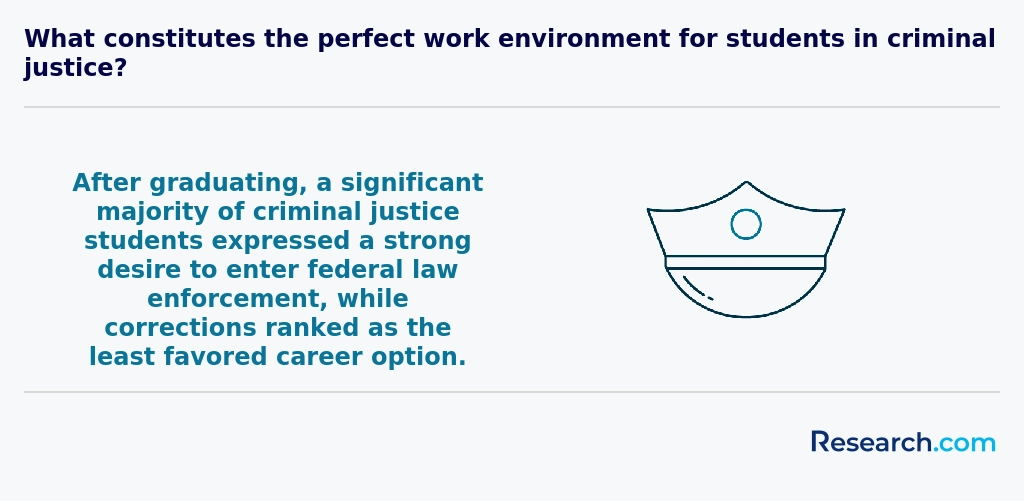
The criminal justice field is rapidly evolving, driven by advances in technology, shifts in public policy, and changing community expectations. One major trend is the integration of data analytics and predictive policing. Law enforcement agencies in Philadelphia and beyond are leveraging big data to identify crime hotspots and allocate resources more effectively, making analytical skills a must-have for graduates. Additionally, digital forensics and cybersecurity continue to grow in importance as cybercrime escalates; students proficient in network security and evidence recovery will be highly sought after by both public and private employers. Another significant development is the emphasis on community-oriented and restorative justice models. Programs now incorporate coursework on conflict resolution, cultural competency, and mental health crisis intervention, reflecting a broader move toward de-escalation strategies and collaborative problem-solving. This focus on soft skills complements technical training, preparing graduates to build trust with diverse populations and work alongside social service agencies to address underlying causes of criminal behavior. Emerging specializations such as drone surveillance, artificial intelligence in crime prevention, and forensic psychology represent growing niches within criminal justice. As these roles expand, prospective students should consider how well each Philadelphia program integrates interdisciplinary modules and real-world simulations. For cost-conscious learners, benchmarking tuition against other markets can be insightful; the Most Affordable Criminal Justice Degree Programs Ranking in New York, NY offers a valuable reference point for understanding regional affordability trends. Looking ahead, the criminal justice profession will demand adaptability, digital fluency, and a commitment to ethical leadership. Graduates who stay abreast of policy reforms-such as body-worn camera legislation and privacy regulations-and cultivate partnerships with community groups will be poised to shape the future of public safety in Philadelphia and beyond.
What financial aid is available to criminal justice degree students in Philadelphia?
If you're thinking about a criminal justice degree in Philadelphia, there are plenty of financial aid options to help ease the cost. Many grads from schools like Temple University and Drexel have found federal aid super helpful-things like Pell Grants can cover up to $7,395 a year if you qualify. Plus, federal loans offer reasonable interest rates, so you're not drowning in debt right after graduation.
State aid is another lifesaver. Thanks to the Pennsylvania Higher Education Assistance Agency (PHEAA), students can tap into programs like the Pennsylvania State Grant, which gave around $4,500 to undergrads last year. That kinda support really makes a difference for those juggling tuition and living expenses in Philly.
On-campus scholarships are a big deal too. Criminal justice majors at Drexel or Temple often snag merit scholarships ranging from $1,000 to $5,000 just by showing strong academic skills or community work. Plus, work-study gigs on campus or even opportunities linked to Philly's law enforcement can help you earn while you learn-lots of grads say these jobs gave them great experience and helped pay the bills.
What are the prerequisites for enrolling in criminal justice degree program in Philadelphia?
If you're thinking about diving into a criminal justice degree in Philadelphia, the main thing you'll need is a high school diploma or GED to get started. Most local schools, like those popular community colleges or universities in Philly, will ask for your official transcripts and, sometimes, test scores like the SAT or ACT - though plenty of places have dropped that requirement to make things easier. Graduates often say that having some real-world experience, like volunteering with a local legal aid group or shadowing law enforcement, really gives you a leg up when applying.
For the graduate programs, you'll want a bachelor's degree first, ideally related to criminal justice, but schools here are pretty flexible if you bring relevant work experience. You'll submit transcripts, maybe some GRE scores, and definitely letters of recommendation. Sharing your personal story and why you want to make a difference in Philly's communities through your statement helps you stand out too.
Many students love how practical and hands-on these programs are, especially in Philly, where you get to connect classroom learning with real city challenges. It's the mix of strong academics and community impact that makes meeting these prerequisites totally worth it.
Finding the Right Fit: Exploring Valuable Criminal Justice Schools in Pennsylvania
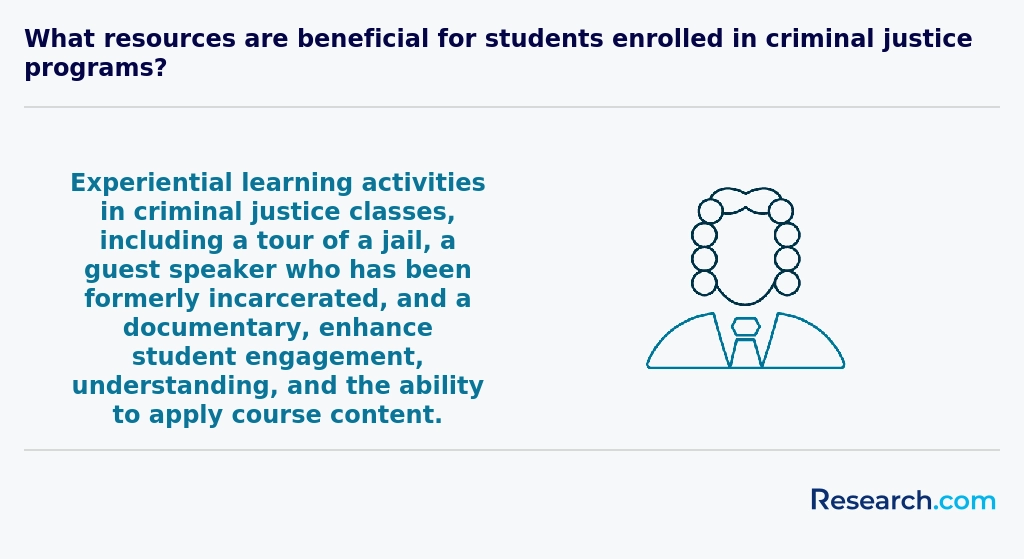
To make an informed decision about which criminal justice program to attend, it's essential to research and compare different institutions. One valuable resource is the valuable criminal justice schools in Pennsylvania, which provides a comprehensive ranking of programs based on factors such as academic quality, career outcomes, and affordability. By considering these factors and exploring different programs, prospective students can find the best fit for their academic and professional goals. Additionally, many institutions in Pennsylvania offer specialized tracks and concentrations within their criminal justice programs, allowing students to tailor their education to their specific interests and career aspirations.
What courses are typically in criminal justice degree programs in Philadelphia?
If you're diving into a criminal justice degree in Philadelphia, expect to get a solid mix of courses that really prepare you for the real world. Graduates from local schools often talk about how classes like Introduction to Criminal Justice give you a clear snapshot of how police, courts, and corrections work together in the city. You also get into Criminology, where you explore why crime happens and how society responds-stuff that feels super relevant when you're walking around Philly neighborhoods and seeing it firsthand.
Then there's Criminal Law and Procedure, which breaks down Pennsylvania's legal system so you're not lost when you start internships with places like the Philadelphia Police Department. Law Enforcement Practices dive into what officers actually do day-to-day, making the lectures come alive with stories of local policing strategies. Plus, corrections classes focus on rehab and alternatives to prison, which is an eye-opener for many.
Students also rave about hands-on experiences-they gain real confidence through internships and fieldwork right here in Philly, turning classroom learning into a career launchpad.
What types of specializations are available in criminal justice degree programs in Philadelphia?
If you're diving into criminal justice degree specializations Philadelphia offers, you'll find some pretty interesting paths. Lots of students at popular schools here choose Law Enforcement, learning the ropes of policing and community work right in a big city setting. They often share how they got to experience real urban crime challenges firsthand, which really pumps them up for the job.
Others go for Forensic Science and Crime Scene Investigation, where they get hands-on with evidence and lab work. Graduates from these programs often talk about how Philly's local labs and crime scenes made their studies come alive. Meanwhile, some students prefer Corrections and Rehabilitation, focusing on managing prisons and helping folks turn their lives around-feeling like they're making a real social impact.
There are also programs in Criminology and Criminal Behavior, perfect if you're curious about the why behind crime, like students researching patterns or working on policy. And don't forget Cybercrime and Digital Forensics, which is growing fast as students get excited about fighting online threats. A few grads even recommend checking out how to become criminal investigator pages to see how these specialties line up with real career steps.
So if you want a degree that clicks with the city vibe and your interests, you'll find types of criminal justice majors in Philadelphia that make studying both real and rewarding.
How do you choose the best criminal justice degree in Philadelphia?
When choosing the best criminal justice degree programs Philadelphia has to offer, start by looking at accreditation-graduates from schools with strong regional accreditation and ACJS recognition often feel more confident about their education and job prospects. Many students find that schools like the Community College of Philadelphia balance cost and quality well, especially if you're searching for affordable criminal justice schools in Philadelphia. One grad mentioned how interning with city police departments, thanks to partnerships through local universities, made their learning super real and hands-on.
Curriculum matters, too. Since criminal justice covers everything from forensic science to corrections, pick a program that fits what excites you most. Flexible schedules can be a lifesaver if you're juggling work and classes-plenty of Philly colleges get that. And don't forget to check graduation rates and how well grads place in jobs-which can make a huge difference down the road.
If you want a rundown of affordable options nearby, check out the Most Affordable Criminal Justice Degree Programs Ranking in New York, NY for comparison inspiration too.

What career paths are available for criminal justice degree students in Philadelphia?
If you're looking into criminal justice career opportunities in Philadelphia, there's a bunch of paths waiting for you after graduation. Lots of grads from popular local colleges jump right into the Philadelphia Police Department or nearby law enforcement agencies. They often share how rewarding it feels to serve their communities, plus the steady growth in jobs here means you're likely to find solid opportunities. Beyond policing, some alumni find themselves working as probation officers or correctional treatment specialists, helping people turn their lives around-which can be incredibly fulfilling.
Others go federal, joining agencies like the FBI or DEA with offices close by, offering competitive pay and benefits. Plus, if you're more into research or legal support, Philly provides a great urban setting to thrive as a crime analyst or paralegal. Many grads highlight how the diverse city environment makes their work real and dynamic. If you want to explore even more routes, check out the different types of college majors that can complement your criminal justice degree and boost your job prospects with criminal justice degree Philadelphia.
What is the job market for criminal justice degree in Philadelphia?
Graduates with a criminal justice degree in Philadelphia often find a solid job market thanks to the city's broad range of opportunities in law enforcement, corrections, and social services. Many students from local universities land internships with the Philadelphia Police Department or federal agencies like the FBI, which opens doors to rewarding careers. Employment opportunities for criminal justice graduates Philadelphia are strong in sectors such as victim advocacy and rehabilitation programs, giving graduates more paths beyond traditional police work.
For example, students from popular colleges here share how hands-on experiences with city police or nonprofits boosted their confidence and connections. The median wages reflect this too-police officers and detectives in Philly earn around $72,500, which motivates many to pursue criminal justice studies locally.
Tuition costs can vary but investing in a degree here makes sense when you consider the steady demand. If you're an older student, check out some of the top degree programs for older adults online that can fit your lifestyle while connecting you to Philadelphia's criminal justice scene.
Frequently Asked Questions About criminal justice
Criminal justice degree students in Philadelphia can enhance their learning by engaging with local resources and practical experiences. Philadelphia, home to one of the nation's largest police departments and multiple federal courts, offers unique opportunities for internships and fieldwork. According to the Philadelphia Police Department Annual Report 2023, internship placements within law enforcement agencies have increased by 15% over the past two years, providing hands-on exposure.
Students should also participate in community programs focused on crime prevention and rehabilitation, which enrich understanding of real-world challenges. Attending seminars hosted by institutions like the University of Pennsylvania's Criminal Justice Forum further broadens perspectives.
Finally, staying informed through local crime statistics published by the Philadelphia Crime Observatory helps students analyze current trends critically, linking theory with practice.
The criminal justice field is rapidly evolving, with several emerging niches gaining prominence. One key area is cybercrime investigation, driven by the rise in digital offenses. Philadelphia's growing tech sector increases local demand for professionals skilled in cybersecurity and digital forensics.
Another expanding field is restorative justice, focusing on mediation and rehabilitation over punishment. Philadelphia has seen community programs supporting this approach, reflecting national trends emphasizing alternative conflict resolution.
Criminal justice analytics is also gaining ground, as agencies use data to predict and prevent crime. According to the Philadelphia Police Department, data-driven strategies have contributed to some crime reduction efforts.
Lastly, victims' advocacy is becoming integral, with specialized roles assisting survivors through the legal process and trauma recovery.
Graduates with a criminal justice degree in Philadelphia should focus on gaining practical experience to improve job prospects. Internships with local law enforcement agencies or legal organizations provide valuable skills and networking opportunities, as Philadelphia hosts numerous police precincts and courts.
Many employers in the region prioritize candidates with relevant certifications such as CPR, victim advocacy, or forensic analysis, which can be earned through community colleges or online programs.
According to data from the Pennsylvania Department of Labor, criminal justice jobs are projected to grow by 5% from 2022 to 2032 in the Philadelphia metro area, emphasizing the need for specialized skills and continuous education.
Finally, attending local job fairs and joining professional organizations like the Philadelphia Fraternal Order of Police can connect graduates with hiring managers and mentors.
Employers in Philadelphia value criminal justice graduates who demonstrate strong communication skills. Clear and effective communication is essential for report writing, interviewing, and community interaction. Analytical skills are also crucial, as graduates need to assess data and crime patterns to support decision-making.
Critical thinking helps professionals address complex legal and ethical issues, a frequent aspect in criminal justice careers. Additionally, knowledge of local laws and procedures in Pennsylvania can provide an advantage, given the state's diverse legal environment. According to the Bureau of Labor Statistics, employment in protective service occupations in the Philadelphia area is expected to grow 5% from 2022 to 2032, emphasizing ongoing demand for these skills.
Technical proficiency, including familiarity with crime databases and forensic technology, is increasingly valued by employers. Adaptability and teamwork are also important as many roles involve collaboration within law enforcement or social service agencies.
Finding internships in Philadelphia relevant to a criminal justice degree involves targeted research and proactive networking. Many local law enforcement agencies, such as the Philadelphia Police Department, offer internship programs for students. According to the department's website, these internships provide hands-on experience in investigations and community policing.
Universities in Philadelphia often have dedicated career services that connect students with criminal justice internship opportunities. Schools like Temple University and Drexel University collaborate with courts, correctional facilities, and nonprofit organizations to place students in meaningful roles.
Additionally, platforms like the City of Philadelphia's official job portal list unpaid and paid internships in government departments related to criminal justice.
Professional organizations, such as the Pennsylvania Chiefs of Police Association, also provide internship resources and events to help students network and find placements.
A criminal justice degree in Philadelphia significantly enhances career mobility and advancement opportunities. The city, with its diverse law enforcement agencies and legal institutions, values formal education when hiring and promoting personnel. According to the Philadelphia Police Department, candidates with a bachelor's degree in criminal justice are more likely to enter supervisory roles and specialized units.
Graduates often find opportunities in federal, state, and local agencies, where advanced education can lead to higher starting salaries. The Bureau of Labor Statistics notes that criminal justice professionals with degrees earn approximately 15-20% more than those without formal education nationwide, a trend reflected in Philadelphia's job market.
Furthermore, the degree provides foundational knowledge essential for leadership positions and continued professional development, fostering career growth within corrections, law enforcement, and related fields in Philadelphia's justice system.
Studying for a criminal justice degree in Philadelphia equips students with a diverse skill set suited for interdisciplinary roles across law enforcement, social work, and public policy. Philadelphia's educational institutions often integrate courses in psychology, sociology, and law, reflecting the city's complex criminal environment and diverse population. This approach encourages understanding of social factors influencing crime, enabling graduates to collaborate effectively with professionals in healthcare, education, and government agencies.
The city's high crime rates, documented by the Philadelphia Police Department's annual reports, emphasize the need for multifaceted strategies. As a result, programs frequently include practical training and internships that expose students to real-world challenges in various fields.
By blending theory and practice, Philadelphia's criminal justice degrees offer graduates the analytical and communication skills necessary for roles beyond traditional policing, including community advocacy and policy development.
Choosing between a thesis and a non-thesis criminal justice degree in Philadelphia depends largely on your career goals and academic interests. A thesis program requires conducting original research and writing a detailed paper, which is ideal for those considering further academics or research roles. Non-thesis programs focus more on practical skills through coursework, appealing to professionals aiming to enter or advance in law enforcement, cybersecurity, or corrections.
Philadelphia offers diverse opportunities for internships and fieldwork, like with the Philadelphia Police Department or local courts. According to the National Center for Education Statistics, about 40% of criminal justice graduates from Pennsylvania pursue advanced degrees, favoring thesis tracks. Understanding your learning style and career path is key when making this decision.
Students in Philadelphia pursuing criminal justice degrees have several pathways to study abroad through their home institutions. Many colleges, such as Temple University and Drexel University, offer study abroad programs or exchange agreements with universities in Europe and Canada. These programs often allow students to earn credits toward their criminal justice degree while gaining international perspectives on law enforcement, criminology, and justice systems.
Philadelphia's higher education institutions typically provide faculty-led short-term trips or semester-long opportunities focused on comparative justice studies. These options help students experience diverse legal frameworks beyond the U.S.
Additionally, participation in national programs like the Council on International Educational Exchange can facilitate placements relevant to criminal justice. Students should consult their academic advisors for up-to-date partnerships and eligibility requirements.
Part-time job opportunities in Philadelphia that complement criminal justice degree studies include positions such as security officer, correctional officer trainee, and legal assistant. Working as a security officer provides practical experience with law enforcement protocols and public safety, which aligns with criminal justice coursework. Correctional officer traineeships, often available through the Philadelphia Department of Prisons, offer firsthand exposure to correctional system operations. Legal assistants support attorneys by organizing case files and conducting research, which helps develop relevant skills in criminal law.
According to the Pennsylvania Department of Labor, these roles often allow flexible hours suitable for students. Additionally, internships within local police departments or nonprofits focused on criminal justice reform can provide valuable networking opportunities.
Criminal justice students in Philadelphia benefit from numerous networking opportunities, helping them connect with local professionals and agencies. The city hosts several annual events, such as the Philadelphia Crime Commission conferences and workshops, where students can meet law enforcement and legal experts. Universities often partner with organizations like the Philadelphia Police Department and district attorney's office to offer internships and mentorship programs.
Additionally, Philadelphia's proximity to federal agencies and nonprofits allows students to attend job fairs and panel discussions geared toward criminal justice careers. The Pennsylvania Bar Association and the American Correctional Association also provide networking resources tailored to students and young professionals in the region.
Alumni networks play a crucial role for criminal justice degree students in Philadelphia by providing valuable professional connections. Graduates from local universities often remain active in the city's law enforcement, legal, and social services sectors. According to the Philadelphia Police Department, nearly 40% of their officers hold degrees from nearby institutions, many of whom engage with alumni groups to mentor new students.
These networks offer job leads, internship opportunities, and guidance navigating the competitive criminal justice field in Philadelphia. They also facilitate attendance at industry events and workshops, helping students build skills and confidence.
Engaging with alumni can significantly improve employment outcomes after graduation by expanding access to information about local agencies and agencies' hiring trends.
Students in Philadelphia can customize their criminal justice degree programs by choosing concentrations in areas such as forensic science, cybersecurity, or juvenile justice. Many local institutions offer elective courses and internships with agencies like the Philadelphia Police Department or the Pennsylvania Department of Corrections, providing practical experience.
The city's diverse legal environment allows students to tailor their studies toward urban crime prevention or community policing. Online and evening classes also let working professionals adjust schedules to balance education and employment.
According to the Bureau of Labor Statistics, specialized skills in crime analysis and digital forensics are increasingly valuable in Pennsylvania's expanding criminal justice sector.
Criminal justice students in Philadelphia often face several challenges that can impact their academic success. One common issue is balancing coursework with practical field experience, as many programs require internships or ride-alongs with local law enforcement agencies. These opportunities can be limited due to high demand and safety concerns within the city. Additionally, students sometimes struggle with the complex social context of Philadelphia, which has a higher-than-average crime rate compared to national levels, affecting perspectives in studies and fieldwork (FBI Crime Data, 2023).
Financial constraints also pose a challenge. Tuition fees combined with the cost of living in Philadelphia can be burdensome, especially for first-generation college students or those from low-income backgrounds (Pew Charitable Trusts, 2022). Moreover, understanding evolving legal frameworks and policies is demanding, requiring continuous dedication and adaptability. Overall, these challenges highlight the need for strong academic support and practical guidance within criminal justice programs.
A criminal justice degree in Philadelphia opens doors to several professional certifications that enhance career prospects. Graduates often pursue certifications such as Certified Protection Professional (CPP) to advance in security management roles. The Pennsylvania Chiefs of Police Association offers specialized certifications for law enforcement professionals, including the Law Enforcement Executive Development certificate.
Additionally, certifications like the Crime Scene Investigator (CSI) credential improve opportunities in forensic analysis. The Pennsylvania Forensic Science Academy provides relevant programs tailored to the local job market. According to the Bureau of Labor Statistics, positions requiring such certifications in Philadelphia see a 7% growth rate through 2030, highlighting strong demand.
Applying to criminal justice programs in Philadelphia requires careful preparation to create a compelling application. Start by researching local universities such as Temple University and Drexel University, which offer reputable criminal justice degrees. Emphasize your understanding of Philadelphia's unique criminal justice challenges, like community-police relations and urban crime trends, as reported by the Philadelphia Police Department and Pew Charitable Trusts.
Highlight relevant experiences, including internships or volunteer work with law enforcement or social services. Strong letters of recommendation from professionals in the field can strengthen your application significantly.
Ensure your personal statement clearly outlines your career goals and passion for justice reform, supported by facts or local statistics where possible. Meeting all deadlines and submitting complete, error-free documents is essential to increase your chances of acceptance.
The criminal justice field has increasingly adopted global perspectives that influence education and career paths in the US, including Philadelphia. Understanding comparative legal systems, international human rights, and cross-border crime is becoming essential for graduates.
Philadelphia offers several programs that integrate these global elements, reflecting the city's diverse population and its role in international law enforcement efforts. According to the Bureau of Labor Statistics, jobs in law enforcement and correctional services are expected to grow by 3% nationally from 2021 to 2031, with international collaboration playing a larger role.
Students can benefit from courses covering topics like transnational crime, cybercrime, and terrorism. Learning these global dynamics enhances career options beyond local or state law enforcement, preparing graduates for federal agencies or international organizations.
Gaining practical experience while studying for a criminal justice degree in Philadelphia is essential for career readiness. Many local colleges and universities offer internship programs that connect students with agencies such as the Philadelphia Police Department and the Defender Association of Philadelphia. These internships provide hands-on experience in law enforcement, legal aid, and corrections.
Students can also participate in ride-alongs, volunteer with community organizations, or engage in research projects addressing local crime trends. According to the Philadelphia Police Department, internships have helped over 200 students annually gain real-world insights. Additionally, attending workshops and networking events hosted by criminal justice groups in Philadelphia enhances practical learning.
Choosing the right concentration within a criminal justice degree in Philadelphia depends on your career goals and interests. Common concentrations include law enforcement, corrections, forensic science, and criminal psychology. Philadelphia's diverse urban environment offers unique opportunities for hands-on experience in these fields.
Research from the Philadelphia Police Department shows a rising demand for cybercrime and forensic specialists. Programs that offer internships or partnerships with local agencies can provide valuable practical training.
Consider the curriculum focus and how it aligns with job trends reported by the Bureau of Labor Statistics for the Philadelphia metro area, which highlights growth in legal and protective services roles.
Related Criminal Justice Rankings for Nearby Cities
- 2027 Most Valuable Criminal Justice Degree Programs Ranking in Jersey City
- 2027 Most Valuable Criminal Justice Degree Programs Ranking in New York
- 2027 Most Valuable Criminal Justice Degree Programs Ranking in Baltimore
- 2027 Most Valuable Criminal Justice Degree Programs Ranking in Washington
- 2027 Most Valuable Criminal Justice Degree Programs Ranking in Springfield
- 2027 Most Valuable Criminal Justice Degree Programs Ranking in Albany
- 2027 Most Valuable Criminal Justice Degree Programs Ranking in Virginia Beach
- 2027 Most Valuable Criminal Justice Degree Programs Ranking in Rochester
- 2027 Most Valuable Criminal Justice Degree Programs Ranking in Pittsburgh
- 2027 Most Valuable Criminal Justice Degree Programs Ranking in Boston
Top Trending Criminal Justice Rankings
See What Experts Have To Say About Studying Criminal Justice
Read our interview with Criminal Justice experts

David Carter
Criminal Justice Expert
Professor, School of Criminal Justice
Michigan State University

Mark Moore
Criminal Justice Expert
Research Professor of Public Management
Harvard University

James W. Marquart
Criminal Justice Expert
Associate Provost and Professor of Criminology
Texas Christian University

References
- Study Criminal Justice Abroad | Go Overseas https://www.gooverseas.com/study-abroad/criminal-justice
- Best Criminal Justice Schools In Pennsylvania https://www.criminaljusticedegreeschools.com/degree-by-state/pennsylvania/
- Criminal Justice Salary Guide | All Criminal Justice Schools https://www.allcriminaljusticeschools.com/criminal-justice/criminal-justice-salaries/
- Criminal Justice | Community College of Philadelphia https://www.ccp.edu/college-catalog/degree-programs/associate-applied-science-aas/criminal-justice
- Criminal Justice and Criminology Programs https://www.isepstudyabroad.org/programs/by-field-of-study/criminal-justice-criminology-programs
- Criminal Justice Instructor Cover Letter Example https://www.kickresume.com/en/help-center/criminal-justice-instructor-cover-letter-sample/
- Criminal Justice Studies Graduate Certificate https://www.etamu.edu/programs/criminal-justice-studies-graduate-certificate/
- Criminal Justice Organizations for Students | University of Phoenix https://www.phoenix.edu/articles/criminal-justice/criminal-justice-organizations-for-students.html
- Online Bachelor’s Degree in Criminal Justice | Warner Pacific https://www.warnerpacific.edu/programs/criminal-justice/
- Preparing for a Criminal Justice Career | University of Bridgeport https://www.bridgeport.edu/news/criminal-justice-career-preparation/