2027 Best Online Master's in Criminal Justice Degree Programs Ranking in Kansas

Co-Founder and Chief Data Scientist
Are you ready to advance your career in criminal justice from the comfort of your home in Kansas? This article introduces the 2027 Best Online Master's in Criminal Justice Degree Programs Ranking in Kansas, thoughtfully created by the Research.com team of data scientists. Their careful analysis helps you identify the programs that truly stand out.
By exploring this ranking, you can confidently choose a degree program that fits your goals and lifestyle. Earning a master's in criminal justice opens doors to meaningful work and personal growth in a vital field.
Key benefits of getting online criminal justice degree in Kansas
- Graduates with a criminal justice degree in Kansas can earn competitive salaries, with roles like Detective or Criminal Investigator averaging $95,930 annually and Security Managers earning around $129,330 per year.
- Potential career paths include law enforcement, security management, and policy analysis, giving graduates from Kansas universities versatile options to make a positive impact in their communities.
- Online degrees offer flexible schedules and the ability to balance work and study, as shown by graduates from Kansas schools who appreciate advancing their careers without interrupting daily life.
- Key benefits of getting online criminal justice degree in Kansas
- What can I expect from online criminal justice degree in Kansas?
- Where can I work with online criminal justice degree in Kansas?
- How much can I make with online criminal justice degree in Kansas?
- 2027 Best Online Master's in Criminal Justice Degree Programs Ranking in Kansas
- Key Findings
- How long does it take to complete online criminal justice degree in Kansas?
- Making an Informed Decision: Factors to Consider When Choosing an Online Criminal Justice Program in Kansas
- What's the difference between online and on-campus criminal justice degree?
- How Does Kansas Compare to Other States in Online Criminal Justice Education?
- What is the average cost of online criminal justice degree in Kansas?
- What financial aid is available to online criminal justice degree students in Kansas?
- How Does an Online Criminal Justice Degree Compare to On-Campus Programs?
- What are the prerequisites for enrolling in online criminal justice degree program in Kansas?
- Certifications and Professional Development Opportunities
- What courses are typically in online criminal justice degree programs in Kansas?
- What types of specializations are available in online criminal justice degree programs in Kansas?
- How do you choose the best online criminal justice degree in Kansas?
- What career paths are available for online criminal justice degree students in Kansas?
- What is the job market for online criminal justice degree in Kansas?
- Related Criminal Justice Rankings for Nearby States
- Top Trending Criminal Justice Rankings
- See What Experts Have To Say About Studying Criminal Justice
What can I expect from online criminal justice degree in Kansas?
The average cost of an online criminal justice degree in Kansas typically ranges from $15,000 to $30,000 for a master's program, depending on the institution and program structure. Graduates from popular universities in Kansas often reflect on their investment as worthwhile, especially when balancing work and study through the program's flexible online format. One might imagine a working professional completing coursework late at night after a demanding day, appreciating how affordability and accessibility combined to make progress possible without overwhelming debt.
Many Kansas institutions provide regional accreditation, which assures students that their degree holds value both locally and nationally. Alumni often share how programs at schools known for criminal justice blend rigorous theory with practical application, preparing them for the workforce. For example, graduates frequently mention how asynchronous classes and occasional in-person residencies created a supportive learning environment that respected their busy lives.
Understanding cost alongside career outcomes is crucial. Students pursuing these degrees know that investing in programs with comprehensive support services-internships, mentorships-can turn a financial commitment into an opportunity, opening doors within Kansas's steadily growing law enforcement and corrections sectors.
Where can I work with online criminal justice degree in Kansas?
Graduates with an online criminal justice degree in Kansas often find themselves at the crossroads of impactful career choices, defying the stereotype that such degrees funnel only into basic policing roles. Many alumni from well-known Kansas institutions like Wichita State University and the University of Kansas speak about how their education unlocked doors across diverse sectors-from busy municipal police departments in towns like Overland Park to leadership positions in the Kansas Department of Corrections.
Imagine working alongside seasoned officers in one of the state's 400+ law enforcement agencies, where your degree isn't just a credential but a passport to specialized units and investigative teams. Others recount stepping into probation officer roles or community supervision programs, directly affecting rehabilitation pathways supported by their academic foundation.
Federal agencies-whether the FBI or Homeland Security-also value such degrees, especially when combined with real-world experience. Graduates often share how these opportunities made them feel they were contributing to broader security and justice initiatives beyond Kansas's borders.
Moreover, criminal justice careers in Kansas extend to private security, legal firms, and nonprofits, where graduates leverage their skills to advocate for victims or analyze crime trends. The emotional satisfaction derived from this variety reflects a degree that transcends expectations, offering meaningful work that resonates deeply with personal values and social impact.
How much can I make with online criminal justice degree in Kansas?
Graduates earning an online criminal justice degree in Kansas often find themselves stepping into roles with compelling salary prospects. For example, those pursuing careers as detectives or criminal investigators can anticipate mean annual wages near $95,930. This figure reflects real opportunities for graduates from schools like Wichita State University or the University of Kansas, where flexible online programs blend theory with practical insight.
Other graduates moving into security management may see even more substantial earnings, with mean salaries around $129,330. It's not uncommon for these roles-often filled by professionals from local institutions leveraging their online degrees-to bring a rewarding mix of leadership responsibility and financial stability. Security analysts also fare well, earning mean wages of about $124,740, illustrating how technology-driven skills can elevate pay scales in Kansas's evolving job market.
Meanwhile, criminal justice professors-a path some graduates pursue after gaining experience-earn around $83,470 annually. These careers show how an online degree can serve as a stepping stone not only to enforcement but also to education, inspiring the next generation in Kansas college classrooms.
Given these figures, it becomes clear that investing in an online criminal justice degree in Kansas offers more than academic knowledge - it lays the foundation for a financially promising and fulfilling career within the state's diverse criminal justice landscape.
2027 Best Online Master's in Criminal Justice Degree Programs Ranking in Kansas
How do we rank schools?
Investing in your education is a significant decision that can shape your future, and the Research.com team understands the importance of making informed choices. To assist prospective students in Kansas, we have meticulously developed the "2027 Best Online Master's in Criminal Justice Degree Programs Ranking." Our dedication to quality, credibility, and accuracy is demonstrated through rigorous research and comprehensive analysis.
We utilized the following reputable data sources to ensure a thorough evaluation of online criminal justice programs:
By reviewing this ranking, readers will obtain valuable insights into top-quality programs tailored to meet their educational and career goals. For more information on how this ranking was created, please visit our Research.com methodology page.


# 3 position
Southwestern College
Master of Security and Emergency Studies

Key Findings
- Tuition for online criminal justice bachelor's degrees in Kansas generally ranges from $10,000 to $25,000, with public universities offering lower rates for in-state students.
- Kansas employs about 15,000 criminal justice professionals, and the job market is expected to grow by around 5% through 2030.
- Entry-level salaries for bachelor's degree holders average around $45,000 annually, while experienced professionals can earn between $65,000 and $75,000 per year.
- Programs cover topics like law enforcement practices, corrections, criminology, and the judicial system, often with flexible schedules for working students.
- Accreditation from bodies like the Academy of Criminal Justice Sciences is important for educational quality and eligibility for federal financial aid.
How long does it take to complete online criminal justice degree in Kansas?
Completing an online criminal justice degree in Kansas often challenges the notion of a fixed timeline. While many expect a straightforward four-year path for a bachelor's, the reality for busy adults can be different. Graduates from Wichita State University recall balancing full-time jobs and family, extending their studies beyond four years but gaining invaluable practical insight along the way.
Master's degree students at Pittsburg State University share how the flexibility to take accelerated courses or spread out semesters from 18 months up to three years helped them adapt education to life's demands, making the process feel personalized rather than rushed.
Transfer credits and recognition of prior experience play a crucial role too-some graduates credit these factors for significantly reducing their time to degree, turning a traditional timeline into a tailored journey. These options reflect how Kansas programs empower students to define their own pace without sacrificing quality or depth.
Facing financial pressures, many choose part-time enrollment, transforming the duration but enriching their motivation and satisfaction. It becomes clear that completion time isn't just about credits-it's about how students weave study into real Kansas lives.
Making an Informed Decision: Factors to Consider When Choosing an Online Criminal Justice Program in Kansas
When selecting an online criminal justice degree program in Kansas, it's essential to consider several factors to ensure you make an informed decision that aligns with your career aspirations and personal circumstances. One crucial aspect to look into is the affordability of the program, as this can significantly impact your financial situation during and after your studies. If you're looking for an affordable criminal justice school in Kansas, you should research and compare the tuition fees, scholarships, and financial aid options available. Additionally, consider the program's accreditation, curriculum, specializations, flexibility, and support services to ensure they meet your needs and prepare you for a successful career in the field. By carefully evaluating these factors, you can find a program that not only fits your budget but also provides a high-quality education and sets you up for success in your future career.
What's the difference between online and on-campus criminal justice degree?
Online and on-campus criminal justice degrees in Kansas often come down to how you experience education rather than what you learn. Graduates from programs at institutions like the University of Kansas or Wichita State University frequently describe online learning as a flexible lifeline-perfect for those juggling work, family, or other commitments. Imagine logging into a lecture late at night after a day at a law enforcement job or catching up on assignments during your lunch break; this adaptability is a game-changer.
Conversely, those attending on-campus cite the energizing buzz of face-to-face interactions. Students at Kansas State University, for instance, mention how real-time discussions and networking during in-person classes help deepen their understanding and build relationships crucial for internships and local law enforcement connections.
Cost also colors the decision, with online students appreciating the savings from eliminated commuting and housing expenses, while on-campus students weigh the value of hands-on experiences and campus resources. Both paths meet state academic standards, yet your day-to-day reality-and emotional connection to the program-can differ profoundly.
How Does Kansas Compare to Other States in Online Criminal Justice Education?
Students evaluating online master’s in criminal justice programs in Kansas often wonder how these offerings stack up against similar programs nationwide. In terms of affordability, Kansas programs maintain a competitive edge: the average annual tuition of $14,285 falls below the national average of $16,500. This cost efficiency parallels trends in states like Hawaii, where students can explore even lower tuition rates through our Low Cost Criminal Justice Degree Programs Ranking in Hawaii. When comparing curriculum depth, Kansas universities often mirror the comprehensive course structures found in leading programs, covering core topics such as criminology, forensic science, and community policing with equivalent rigor. Beyond cost and curriculum, program flexibility and student support services in Kansas align closely with those in states recognized for online education excellence. For example, while California and New York boast larger alumni networks, Kansas institutions compensate with high student-to-faculty ratios in virtual classrooms, enhancing personalized feedback. Employment outcomes for Kansas graduates are similarly robust: a 7% projected growth in law enforcement roles echoes national projections, and graduates report average starting salaries within $2,000 of the national mean for roles like criminal investigators and probation officers. Finally, accreditation metrics reveal that Kansas hosts multiple regionally accredited institutions, matching national standards upheld in states such as Texas and Florida. Prospective students should weigh these comparative factors-cost, curriculum, flexibility, career outcomes, and accreditation-when deciding whether Kansas or another state’s online criminal justice programs align best with their professional goals.
What is the average cost of online criminal justice degree in Kansas?
The average cost of an online criminal justice degree in Kansas typically centers around $14,256, reflecting a balance between accessibility and the quality of education. Graduates from well-regarded programs at institutions like Kansas State University recall the value of affordable tuition rates combined with a solid curriculum, helping them advance their careers without overwhelming debt. Public universities in Kansas often offer in-state residents tuition rates that align closely with this median, making it easier to invest in one's future without sacrificing financial stability.
Many students pursuing these degrees find that the total expenses for Kansas online criminal justice programs extend beyond just tuition. Fees for textbooks, course materials, and occasional technology expenses add to the overall cost yet often remain manageable. Alumni from the University of Kansas emphasize the emotional relief and motivation that comes with knowing the total investment is not just a number, but a gateway to real-world career opportunities.
Considering that private and out-of-state options tend to push costs higher, sometimes exceeding $15,000, students must weigh their choices carefully. However, opportunities like scholarships, financial aid, and employer tuition reimbursements frequently provide light at the end of the tunnel. Prospective students seeking options that blend quality and affordability will benefit from exploring choices like the affordable criminal justice school in Kansas, where dedication meets attainability.

What financial aid is available to online criminal justice degree students in Kansas?
Many students pursuing an online criminal justice degree in Kansas find unexpected relief through a mosaic of financial aid options. Graduates from institutions like Fort Hays State University often recount how federal aid, especially Pell Grants accessed via FAFSA, transformed their ability to enroll without overwhelming debt. These grants, offering up to $7,500 yearly, remove barriers for those balancing work and study.
State-specific programs add another layer of support. For example, the Kansas Leveraging Educational Assistance Partnership (LEAP) works alongside federal aid to ease tuition burdens for students focused on criminal justice. Others attending private colleges benefit from the Kansas Tuition Grant, directly putting money back into their pockets.
Beyond grants, many Kansas law enforcement professionals share stories of workforce development grants and institutional scholarships that have propelled their careers forward. These aids embody more than funding; they represent an investment in public safety futures, often coupled with tuition reimbursement through local agencies.
The interplay of federal loans, scholarships, and state programs creates a financial ecosystem where ambition meets accessibility, especially for those studying remotely in the Sunflower State.
How Does an Online Criminal Justice Degree Compare to On-Campus Programs?
Choosing between an online criminal justice degree in Kansas and a traditional on-campus program often comes down to flexibility, cost, and hands-on learning opportunities. Online programs typically offer asynchronous coursework that allows students to study evenings or weekends, making it easier to balance work and family commitments. In contrast, on-campus degrees provide face-to-face interaction with professors and peers, fostering immediate feedback and richer classroom debates on topics like criminology and ethics. Cost is another key differentiator. Online master’s in criminal justice programs in Kansas often feature lower tuition rates per credit hour and reduced campus fees. However, students should consider potential technology or proctoring fees when budgeting. On the other hand, campus-based programs may offer more extensive financial aid packages, including assistantships that combine tuition waivers with stipends for research or teaching. Networking and practical experience also vary. On-campus students benefit from on-site seminars, guest lectures by local law enforcement, and direct access to lab facilities for specializations such as forensic science. Online students can bridge this gap by choosing hybrid programs that incorporate weekend intensives or local internships. For those intrigued by specialized investigative roles, online cohorts can tap into remote resources to explore pathways like how to become a forensic ballistics expert, ensuring theoretical knowledge aligns with industry standards. Finally, accreditation and career outcomes remain paramount. Whether online or on-campus, ensure programs hold regional or national accreditation recognized by Kansas law enforcement and federal agencies. Both formats yield comparable employment rates; success often depends on individual motivation, networking, and the ability to leverage online communities or campus career services. By weighing these factors carefully, prospective students can select the route that best aligns with their professional goals and personal circumstances.
What are the prerequisites for enrolling in online criminal justice degree program in Kansas?
Enrolling in an online criminal justice degree in Kansas often begins with holding a bachelor's degree, but not necessarily in criminal justice. Many graduates from the University of Kansas or Wichita State University recall how their diverse academic backgrounds became strengths once paired with relevant core courses or professional experience.
Many programs expect a minimum GPA between 2.5 and 3.0, shaping a hopeful applicant's academic journey with clear targets. Graduates frequently share how maintaining this GPA became a motivational benchmark rather than an obstacle.
Supplemental materials like recommendation letters, personal statements, or resumes are more than paperwork; they are chances to connect one's story and passion for justice to admissions committees. Some former students reflect on these as moments that revealed their true dedication beyond transcripts.
While GRE scores may feel like relics to some, they still hold weight at select Kansas institutions, especially when academic records alone don't capture potential. Coupled with one to three years of practical experience in fields like law enforcement or social work, these prerequisites transform a hopeful applicant into a promising candidate ready to engage with complex justice issues.

Certifications and Professional Development Opportunities
Many online Criminal Justice degree programs in Kansas integrate specialized certification preparation and professional development pathways to give graduates a competitive edge. Students often have the chance to pursue industry-recognized credentials such as the Certified Protection Professional (CPP), Certified Fraud Examiner (CFE), and Crime Scene Investigator (CSI) certifications. These programs may also offer dedicated workshops on emerging topics like digital forensics, crisis management, and forensic ballistics-guiding students through the requirements of how to become a forensic ballistics expert directly within the curriculum. In addition to certification prep, many universities host virtual career fairs, alumni panels, and networking events with law enforcement agencies, legal firms, and federal organizations. These initiatives not only reinforce classroom learning but also enhance professional skills such as report writing, ethical decision-making, and courtroom testimony. Graduates report that hands-on webinars and simulated case studies helped them build portfolios that impressed hiring managers during interviews. Programs often include access to mentorship from seasoned practitioners and faculty-led research projects. Students may collaborate on studies published in criminal justice journals or present findings at regional conferences-bolstering their resumes and establishing thought leadership. This blend of academic rigor and career-focused training ensures that graduates are well-prepared to pass certification exams, secure promotions, and adapt to evolving industry standards. By strategically integrating certification pathways and professional development, online Criminal Justice degrees in Kansas empower students to transition seamlessly from academics to impactful roles in law enforcement, corrections, forensic science, and beyond.
What courses are typically in online criminal justice degree programs in Kansas?
Graduates from Kansas State University and Washburn University often reflect on how the core courses shaped their understanding of the criminal justice system in vivid and practical ways. Rather than dry theory, courses like Introduction to Criminal Justice grounded them in real-life encounters with law enforcement and courtroom dynamics they could visualize, making complex systems relatable.
Criminology classes challenged students to rethink why crime happens, engaging with theories that go beyond headlines to human behavior patterns they recognized in their own communities. Meanwhile, Criminal Law and Procedure courses emphasized courtroom realities-watching recorded trials or analyzing cases common in Kansas gave these students confidence in legal processes.
Ethics in Criminal Justice frequently sparked intense debates among peers about the balance between enforcing laws and protecting rights, a vital skill in roles across Kansas agencies. Research Methods and Statistics, though initially daunting, empowered students at Pittsburg State University to interpret data that influences policy in their hometowns.
Specialized courses like Juvenile Justice and Corrections allowed learners to connect academic lessons to stories from Kansas correctional institutions, deepening their commitment to reform and rehabilitation efforts statewide.
What types of specializations are available in online criminal justice degree programs in Kansas?
Exploring the online criminal justice specializations in Kansas reveals a diverse range of paths that challenge traditional views of law enforcement careers. Graduates from well-regarded institutions like Washburn University or the University of Kansas often speak to how specializations such as Law Enforcement Administration transform their outlook by equipping them to lead departments with innovative community-focused strategies rather than just enforcing rules.
Many students gravitate toward Cybersecurity and Digital Investigation amid growing concerns about tech-related crimes. This specialization, especially relevant to Kansas residents, exposes them to cutting-edge tactics to combat data breaches and hacking, providing a thrilling intersection between technology and justice rarely imagined in conventional criminal justice training.
Others highlight how pursuing Corrections and Rehabilitation fosters a passionate commitment to change the lives of offenders and support successful reentry, which deeply resonates with those who want more than punitive roles. Graduates have also found missions in Crime Victim Services and Restorative Justice, which redefine justice by prioritizing healing and community restoration over mere punishment.
Students focused on forensic methods may dive into fields like forensic science or crime scene investigation, sometimes using resources that teach them how to become a forensic ballistics expert. These practical, specialized skills imbue them with confidence and purpose, painting vivid scenes of solving real cases through scientific expertise.
The dynamic range of Kansas online criminal justice degree focus areas encourages students to consider their personal values and societal impact, going beyond the stereotype of a criminal justice career and embracing the multifaceted opportunities available.
How do you choose the best online criminal justice degree in Kansas?
Choosing the best online criminal justice degree programs Kansas requires more than just comparing tuition costs or convenience. Graduates from notable colleges in Kansas often reflect on how accreditation by the Higher Learning Commission ensured their degree held weight with local law enforcement agencies, opening doors that would otherwise remain closed. Imagine balancing a full-time job and family while taking asynchronous classes tailored to working adults in programs like those offered by Washburn University or the University of Kansas; such flexibility directly impacts completion success and personal fulfillment.
Affordability is crucial, but graduates warn against choosing the cheapest option without examining the curriculum's alignment with Kansas state legal practices and emerging fields like cybersecurity or corrections management. Many find that selecting a program offering relevant specialization enhances job satisfaction and career advancement. Also, ensure that financial aid and scholarships are accessible, similar to what some achieve through resources listed in the Low Cost Criminal Justice Degree Programs Ranking in Hawaii.
Ultimately, your choice should resonate personally-consider your passions, career goals, and the support infrastructure that will surround you throughout your degree journey.
What career paths are available for online criminal justice degree students in Kansas?
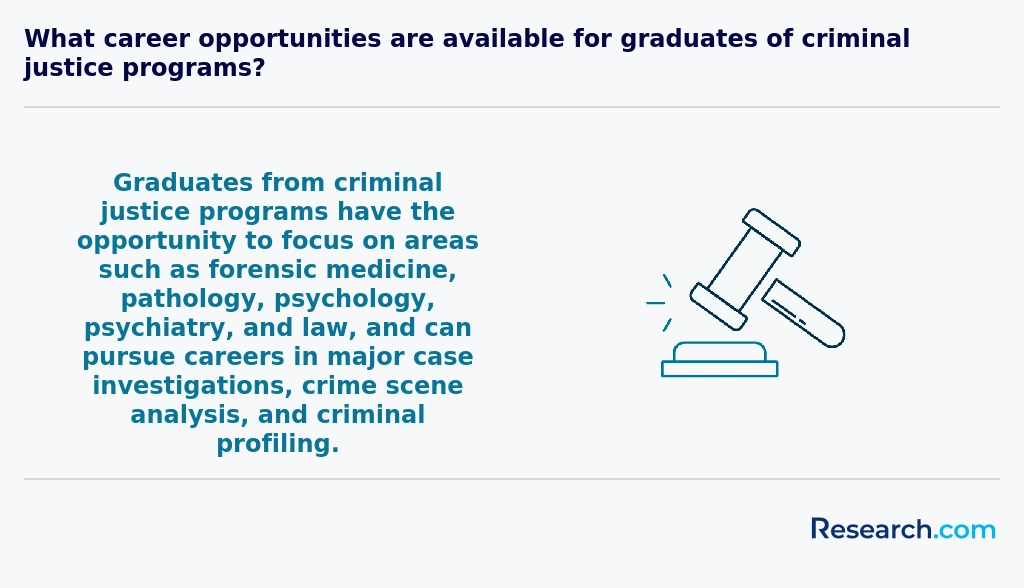
Graduates with an online criminal justice degree in Kansas find diverse opportunities that challenge the typical expectations of public safety roles. Beyond traditional law enforcement positions like police officers or sheriff's deputies, many alumni from well-known Kansas universities pursue careers in specialized fields such as forensic analysis and cybercrime investigation, reflecting the state's evolving justice landscape. These paths offer exciting, intellectually engaging work that feels meaningful in the fight against sophisticated digital threats.
Others embrace correctional careers, stepping into roles as probation or parole officers, where they actively contribute to community rehabilitation efforts. Stories from graduates highlight the rewarding nature of these positions, blending legal knowledge with social advocacy, perfect for those seeking more than just enforcement. Exploring juvenile justice or victim advocacy provides additional outlets for making a tangible difference in lives, showing how criminal justice careers in Kansas extend well beyond arrest and patrol.
Those weighing options will appreciate that online programs often connect students to local agencies, enriching their education with practical insights. This is especially true in discussions about accelerated bachelor programs online, which many find ideal for balancing life commitments while advancing in such dynamic fields.
What is the job market for online criminal justice degree in Kansas?
The online criminal justice job market Kansas offers is surprisingly stable, defying the notion that rural states have limited opportunities. Graduates from popular institutions like the University of Kansas or Washburn University routinely secure roles in local and state law enforcement, corrections, and probation services. Many share a sense of accomplishment balancing work, family, and study-thanks to flexible online programs that align with real-world responsibilities.
Kansas's unique blend of urban centers and tight-knit rural communities creates diverse pathways in criminal justice careers. Graduates often find employment with the Kansas Highway Patrol or municipal police, where wages around $55,000 compete well nationally. Those leaning toward federal roles understand additional certifications may be needed, but the expanding private sector in security and cybersecurity opens fresh avenues. Students considering an online degree also appreciate cost-effective options and financial aid typical of Kansas schools, enhancing the value proposition in this competitive job market.
For those questioning if an online criminal justice degree fits their ambitions, exploring online college open enrollment programs offers a practical starting point that many Kansas graduates endorse.
Frequently Asked Questions About criminal justice
Students pursuing online criminal justice degrees in Kansas can enhance their learning by actively engaging with course materials and faculty. Kansas universities often provide virtual office hours and discussion forums, which help students deepen their understanding. Applying theories through virtual internships or local law enforcement partnerships is valuable, as Kansas criminal justice agencies frequently collaborate with educational institutions.
Using resources like the Kansas Bureau of Investigation's public reports offers practical insight into state crime trends. Staying current with state and federal criminal justice policies also helps, since Kansas law enforcement follows evolving regulations closely.
Finally, time management and consistent study routines are key for online learners balancing work and education.
The criminal justice field in Kansas is evolving, with several emerging niches attracting attention. One significant area is cybercrime investigation. With increasing digital threats, experts in cybersecurity and digital forensics are in demand. Kansas saw a 15% rise in reported cybercrimes over the past five years, according to the Kansas Bureau of Investigation.
Another niche is forensic psychology, which combines psychological principles with law enforcement to assess offenders and support legal processes. This specialization is growing as courts increasingly value behavioral analysis.
Additionally, criminal justice professionals focusing on restorative justice and community-based approaches are gaining importance, reflecting nationwide trends towards rehabilitation rather than solely punishment.
After completing an online criminal justice degree in Kansas, preparing for the job market involves several strategic steps. First, gaining relevant experience through internships or volunteer work with local agencies enhances practical skills and employability. The Kansas Bureau of Investigation and local law enforcement often offer such opportunities.
Next, obtaining certifications, such as those from the Kansas Peace Officers Association, can improve job prospects. Networking is crucial-joining professional organizations like the Kansas Criminal Justice Coordinating Council connects graduates with industry professionals.
Finally, tailoring resumes to align with regional crime trends and workforce needs, as reported by the Kansas Department of Labor, can enhance chances in roles expected to grow by 3% through 2030.
Employers in Kansas seek several key skills in graduates of online criminal justice degree programs. Critical thinking and strong analytical abilities top the list, enabling graduates to effectively assess situations and make informed decisions. Communication skills, including both written and verbal, are essential for interacting with diverse populations and preparing reports.
Knowledge of local and federal laws is crucial, as Kansas law enforcement agencies emphasize understanding jurisdiction-specific regulations. Additionally, problem-solving and ethical judgment play important roles, reflecting the state's commitment to fair and just enforcement. According to the Kansas Bureau of Investigation, 72% of agencies value interpersonal skills highly when hiring.
Technology proficiency, such as familiarity with criminal databases and forensic tools, is increasingly important in the digital age.
Finding internships in Kansas for criminal justice students involves leveraging local resources and statewide agencies. Start by exploring opportunities with the Kansas Department of Corrections and local law enforcement agencies, as they often offer internship programs tailored to students. Universities with online criminal justice degrees typically maintain partnerships with these organizations to assist students.
Additionally, the Kansas Board of Regents provides guidance and listings for internship programs and career resources, which can be valuable for online students. Networking through professional organizations such as the Kansas Peace Officers Association can also open doors.
Utilize online job portals and university career centers specific to Kansas for updated listings. According to the Bureau of Labor Statistics, Kansas employs over 7,000 individuals in protective service roles, indicating a stable internship market within criminal justice.
Obtaining an online criminal justice degree in Kansas can significantly enhance career mobility within the state's law enforcement and legal sectors. Many local agencies and departments recognize accredited online degrees, allowing graduates to meet educational requirements for promotions and specialized roles.
Kansas Bureau of Labor Statistics data shows that professionals with advanced degrees in criminal justice have higher chances of advancing to supervisory or federal positions, where salaries typically increase by 10-20% compared to entry-level roles.
Additionally, online degree programs offer flexible scheduling, enabling current employees to pursue education without interrupting their careers, which promotes continuous professional development.
Overall, an online criminal justice degree helps Kansans stay competitive in a growing job market focused on public safety and justice administration.
Studying for a criminal justice degree in Kansas equips students with a broad skill set essential for interdisciplinary roles. Kansas programs often combine law enforcement, psychology, sociology, and public policy courses, reflecting the complex nature of criminal justice work.
Students learn to analyze crime from multiple perspectives, preparing them for careers that intersect with social services, mental health, and legal systems. For example, the Kansas Bureau of Investigation emphasizes collaboration across agencies, highlighting the need for professionals who understand these varied fields.
Such interdisciplinary training increases job opportunities in areas like probation, victim advocacy, and homeland security, aligning with workforce trends reported by the Kansas Department of Labor.
When choosing between a thesis and a non-thesis online criminal justice degree program in Kansas, consider your career goals and learning preferences. A thesis option requires original research and writing, which is ideal for students interested in academic or research careers. According to the Kansas Board of Regents, thesis programs may take longer to complete, but offer deeper expertise.
Non-thesis programs focus on coursework and practical application, often appealing to working professionals aiming for leadership roles. These programs usually allow faster graduation.
Evaluate your time availability, interest in research, and whether you plan to pursue a PhD later. Some Kansas schools publish graduation data that show higher job placement rates for non-thesis graduates in law enforcement and public administration.
Students based in Kansas seeking to study criminal justice abroad have limited options within fully online international programs. Most U.S. colleges offering online criminal justice degrees in Kansas focus on domestic curricula aligned with U.S. legal systems and law enforcement practices.
However, some universities incorporate global perspectives or offer study abroad partnerships. These may include short-term exchanges or research opportunities in countries with comparable justice systems.
The Bureau of Labor Statistics reports Kansas employs over 13,000 criminal justice professionals, emphasizing local knowledge in these degrees. Therefore, students often prioritize programs accredited by regional bodies like the Higher Learning Commission to ensure recognized credentials.
Exploring third-party online platforms may supplement international criminal justice studies but rarely replace accredited degree programs.
Part-time job opportunities in Kansas that complement a criminal justice degree are diverse and practical for students pursuing online programs. Positions such as security officers, correctional facility aides, and police interns offer hands-on experience while balancing coursework.
Kansas employs over 15,000 law enforcement officers, with many agencies providing internship or part-time roles to students (Bureau of Justice Statistics, 2023). Campus security roles at colleges and universities statewide also provide valuable insight into safety protocols and emergency response.
Additionally, working as a victim advocate or probation assistant enhances understanding of the criminal justice system from multiple perspectives. Such roles improve interpersonal skills crucial for careers in social work or law enforcement.
These part-time jobs not only build relevant experience but also strengthen a student's resume in the competitive Kansas job market.
Online criminal justice students in Kansas have several networking opportunities through state and regional organizations. The Kansas Peace Officers Association and the Kansas Criminal Justice Training Center offer virtual events and resources accessible to online learners. These connections are valuable for job seekers and professionals looking to expand their contacts within law enforcement and corrections across Kansas.
Many universities also facilitate online forums, virtual career fairs, and internship placements in collaboration with local agencies. According to the Bureau of Labor Statistics, Kansas employs over 36,000 criminal justice professionals, making networking crucial for career advancement.
Students can join LinkedIn groups focused on Kansas criminal justice to engage with alumni and peers statewide.
Alumni networks play a crucial role for students pursuing online criminal justice degrees in Kansas. They provide valuable professional connections that help graduates access job opportunities in local and state agencies.
In Kansas, where the demand for criminal justice professionals is steady, alumni networks can facilitate mentorship and career guidance tailored to state-specific law enforcement practices and policies. According to the Kansas Bureau of Investigation, networking often leads to increased employment chances within Kansas law enforcement and correctional institutions.
Additionally, alumni groups offer forums for sharing insights about evolving criminal justice trends, certifications, and continuing education options relevant to the Kansas legal environment. This community support strengthens students' career readiness and professional growth.
Students pursuing an online criminal justice degree in Kansas can often tailor their programs to match specific career goals through elective courses and specialized tracks. Many institutions offer concentrations such as cybersecurity, forensic psychology, or law enforcement leadership to help students focus their studies.
Customizing your degree may also include internship opportunities with Kansas law enforcement agencies or justice organizations, allowing practical experience relevant to your chosen field. According to the Kansas Bureau of Investigation, incorporating local criminal justice data and policies can deepen your understanding.
Some programs enable students to select capstone projects tailored to their interests, such as corrections reform or juvenile justice.
This flexibility supports professional growth in various sectors within Kansas, including state and federal agencies.
Online criminal justice students in Kansas often face challenges related to access and engagement. Many students must balance coursework with full-time jobs or family responsibilities, which can complicate deadline management and study schedules.
Limited in-person interactions sometimes reduce networking opportunities with peers and professionals, an important aspect in criminal justice careers. Technical issues, including unreliable internet connections in rural areas of Kansas, can disrupt learning and testing processes.
Additionally, students may struggle with finding local internships or practical experiences essential for career development. According to the Kansas Bureau of Labor Statistics, networking is vital, yet online formats can make it harder to build these connections effectively.
With an online criminal justice degree in Kansas, you can pursue several professional certifications that enhance career prospects. Common options include Certified Protection Professional (CPP), which focuses on security management, and Certified Criminal Justice Specialist (CCJS), offered by various organizations.
Those interested in law enforcement might consider the Kansas Peace Officer Standards and Training (POST) certification, required for most police positions within the state. Additionally, certifications like Crime Scene Analyst or Victim Advocate Specialist can complement your degree and improve job opportunities.
Many certification programs require specific coursework, exams, or field experience. Aligning your online education with these requirements can provide a competitive advantage in Kansas's criminal justice job market. For official certification details, checking resources like the Kansas Law Enforcement Training Center is recommended.
To write a winning application for an online criminal justice program in Kansas, start by clearly presenting your academic background and relevant experience. Highlight any work in law enforcement, social services, or related fields to demonstrate commitment. Kansas values applicants with practical understanding, as reflected in reports from the Bureau of Labor Statistics showing continued growth in criminal justice roles statewide.
Emphasize your motivation by explaining why the criminal justice field matters to you and how the online program fits your career goals. Be sure to tailor your personal statement specifically to the Kansas context, mentioning local challenges or initiatives if appropriate.
Strong letters of recommendation from professionals familiar with your skills and ethics can significantly boost your application. Additionally, verify that your transcripts meet the program's GPA requirements, typically around 3.0, for competitive admission.
Finally, proofread thoroughly and follow each program's application instructions carefully to avoid disqualification on technical grounds.
A criminal justice career in Kansas offers insights that align with broader global perspectives. Internationally, criminal justice professionals focus on themes such as justice reform, human rights, and public safety. In the U.S., including Kansas, these themes translate into an emphasis on community policing, rehabilitation, and data-driven law enforcement.
Globally, collaboration between nations on crime prevention reflects a growing need for professionals who understand cross-border issues. This is increasingly relevant as cybercrime and human trafficking affect all regions.
Kansas criminal justice programs prepare students to meet such challenges by integrating policy studies with practical skills. According to the Kansas Bureau of Investigation, local agencies benefit from graduates trained in emerging technologies and multicultural awareness.
Understanding these global trends can enhance career opportunities for Kansas residents seeking online degrees, making them competitive in both state and international contexts.
Students pursuing an online criminal justice degree in Kansas can gain practical experience through internships and partnerships with local agencies. Many programs encourage or require internships with law enforcement departments, courts, or correctional facilities within the state. For instance, collaboration with the Kansas Department of Corrections or local police departments offers students hands-on exposure. According to the Kansas Board of Regents, internships are a valuable way to apply theoretical knowledge and develop professional skills.
Additionally, virtual simulation tools approved by Kansas institutions can enhance real-world understanding. Networking through local criminal justice associations also provides opportunities for mentorship and job shadowing.
When choosing a concentration within an online criminal justice degree program in Kansas, start by assessing your career goals. Concentrations often include areas like forensic psychology, homeland security, or corrections. Each path aligns with different job opportunities within the state's criminal justice system.
Kansas employment data from the Bureau of Labor Statistics shows steady growth in law enforcement and cybersecurity roles, suggesting strong prospects for students focusing on those specialties. Consider also how your interests match program offerings and faculty expertise.
Accreditation and the inclusion of practical components such as virtual internships can enhance your learning experience. Review program details carefully to ensure they meet Kansas licensing or certification requirements related to your chosen concentration.
Related Criminal Justice Rankings for Nearby States
- 2027 Best Online Master's in Criminal Justice Degree Programs Ranking in Missouri
- 2027 Best Online Master's in Criminal Justice Degree Programs Ranking in Colorado
- 2027 Best Online Master's in Criminal Justice Degree Programs Ranking in Texas
- 2027 Best Online Master's in Criminal Justice Degree Programs Ranking in Alabama
- 2027 Best Online Master's in Criminal Justice Degree Programs Ranking in Kentucky
- 2027 Best Online Master's in Criminal Justice Degree Programs Ranking in Georgia
- 2027 Best Online Master's in Criminal Justice Degree Programs Ranking in Florida
- 2027 Best Online Master's in Criminal Justice Degree Programs Ranking in Ohio
- 2027 Best Online Master's in Criminal Justice Degree Programs Ranking in Virginia
- 2027 Best Online Master's in Criminal Justice Degree Programs Ranking in Pennsylvania
Top Trending Criminal Justice Rankings
See What Experts Have To Say About Studying Criminal Justice
Read our interview with Criminal Justice experts

James W. Marquart
Criminal Justice Expert
Associate Provost and Professor of Criminology
Texas Christian University

Mark Moore
Criminal Justice Expert
Research Professor of Public Management
Harvard University

Frank Schmalleger
Criminal Justice Expert
Professor Emeritus
The University of North Carolina

References
- CRIMINAL JUSTICE https://www.stmartin.edu/documents/criminal-justice-resume-and-cover-letter-packet
- Criminal Justice and Criminology https://online.umkc.edu/programs/ba-criminal-justice-criminology/index.php
- Criminal Justice Studies Graduate Certificate https://www.etamu.edu/programs/criminal-justice-studies-graduate-certificate/
- Getting a Criminal Justice Degree Online | University of Bridgeport https://www.bridgeport.edu/news/can-you-get-a-criminal-justice-degree-online/
- Criminal Justice Organizations for Students | University of Phoenix https://www.phoenix.edu/articles/criminal-justice/criminal-justice-organizations-for-students.html
- KU launches criminal justice degrees https://kualumni.org/stories/criminal-justice-degree-ku/
- Jobs with a degree in Criminal Justice | Monroe University https://www.monroeu.edu/academics/undergraduate-programs/school-criminal-justice/what-can-you-do-criminal
- 10 skills you need to work in Criminal Justice | Service Care Solutions https://www.servicecare.org.uk/career-advice/10-skills-you-need-to-work-in-criminal-justice/
- Tips to Help Criminal Justice Students and Grads Network Successfully https://www.allcriminaljusticeschools.com/blog/networking-strategies-for-criminal-justice-students-and-grads/
- Study Criminal Justice Abroad | Go Overseas https://www.gooverseas.com/study-abroad/criminal-justice