
2027 Most Valuable Business Degree Programs Ranking in the USA

Co-Founder and Chief Data Scientist
Choosing the right business degree can shape your future career and open doors to exciting opportunities. The 2027 Most Valuable Business Degree Programs Ranking in the USA, created by the Research.com team of data scientists, is designed to guide you in making an informed decision. This ranking highlights programs that offer strong value and potential for success.
Reading this article will help you discover which programs are truly worth considering. A business degree can empower you with skills to thrive in today's competitive market and achieve your professional goals.
Key benefits of getting business degree in America
- Business degree graduates can earn competitive salaries, with roles like Business Development Executive averaging $83,190 annually and Business Analyst positions reaching $112,950 per year, offering strong financial rewards.
- Graduates from well-known universities often pursue varied career paths such as marketing, finance, or management, showcasing the flexible opportunities a business degree provides to fit different passions and goals.
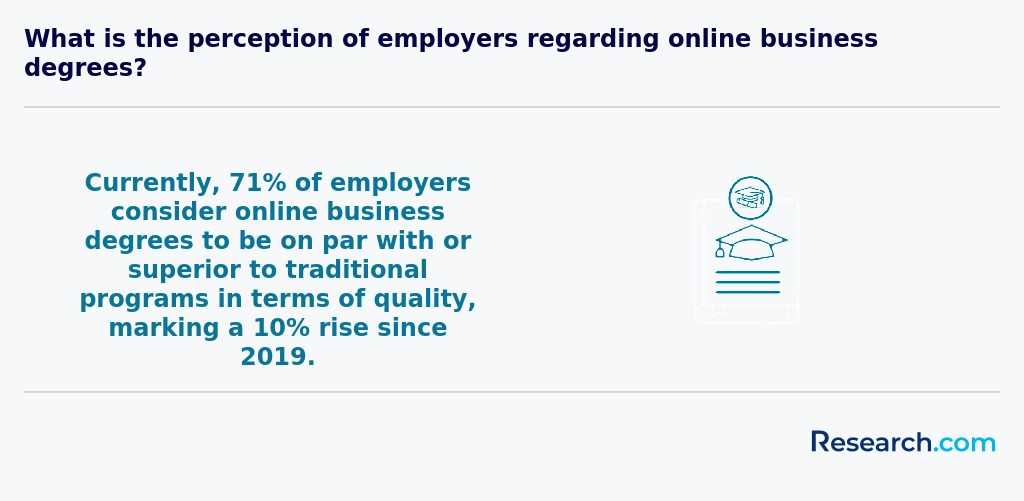
- Online business degrees offer convenience and accessibility, allowing students from popular schools to balance work and study while gaining skills that employers value, making education more approachable and practical.
- 2027 Most Valuable Business Degree Programs Ranking in the USA
- What can I expect from business degree in America?
- Where can I work with business degree in America?
What can I expect from business degree in America?
The average cost of obtaining a business degree in America varies widely depending on the institution. Public universities often have lower tuition, with in-state students paying approximately $10,000 to $15,000 per year, while out-of-state students face higher rates. Private universities, including some of the nation's top business schools, can exceed $50,000 per year in tuition alone. Graduates from highly ranked programs at universities like the University of Michigan or New York University frequently describe the financial investment as substantial but worthwhile due to strong career outcomes and networking opportunities.
Many students also incur additional expenses such as fees, textbooks, and living costs, which can raise the total yearly expense by several thousand dollars. Scholarships and financial aid offered by business schools at institutions like the University of California, Berkeley, help offset these costs but are often competitive. Despite the financial commitment, graduates recall rewarding internship experiences and mentorship programs that significantly boosted their confidence and post-graduation job prospects.
Where can I work with business degree in America?
Graduates with a business degree from top American schools like the University of Pennsylvania's Wharton School or the University of Michigan's Ross School of Business often find themselves stepping into dynamic roles in finance, marketing, management, and consulting. For example, many secure positions as financial analysts, accountants, or loan officers within banking or investment firms, capitalizing on the 7% job growth predicted for business and financial occupations through 2031 by the U.S. Bureau of Labor Statistics.
Others join marketing teams in industries ranging from tech startups in Silicon Valley to retail giants in the Midwest, where they develop client strategies and drive sales. Management roles, such as project or operations managers, are common career paths, enhancing organizational efficiency in sectors including healthcare and manufacturing.
Consulting also attracts graduates, with management analysts projected to see 14% job growth by 2031, allowing them to influence digital transformation and sustainability efforts. Many graduates from institutions like New York University describe the excitement of contributing to entrepreneurial ventures in booming innovation hubs like California and Texas, reflecting the diverse, rewarding opportunities a business degree unlocks nationwide.
Graduates with a business degree from well-regarded institutions like the University of Michigan or the University of California, Berkeley often find themselves entering the workforce with competitive salaries. For example, business analysts-a common role for graduates-earn a mean annual wage of $112,950 according to the latest U.S. Bureau of Labor Statistics data. This role, which many alumni from top American business schools transition into, offers a compelling salary that reflects both analytical skills and business acumen.
Another common job title among business graduates is Business Development Executive, who makes an average of $83,190 per year. This salary level is attractive to recent graduates, especially those who completed internships or cooperative education programs at universities such as Indiana University Kelley School of Business or New York University Stern School of Business.
These figures illustrate how business degree holders in America can secure strong entry-level positions with promising earning power. Graduates often report feeling motivated and confident, knowing their education from a respected American business school sets them up for professional success and steady income growth.
- Business degrees typically take about four years to complete for a Bachelor's and an additional two years for a Master's degree.
- Average annual tuition for public in-state four-year institutions is around $10,000, while private colleges charge about $38,000 per year.
- MBA and specialized business programs can cost over $60,000 annually.
- Starting salaries for recent business graduates range from $50,000 to $60,000 per year.
- Median earnings for experienced business managers and executives can exceed $100,000 annually.
- Management jobs are projected to grow 8% from 2022 to 2032, adding approximately 758,000 new positions.
Completing a business degree in America typically ranges from two to six years, depending on the program level and study pace. Graduates from well-known institutions like the University of Michigan or the University of Texas at Austin often complete a Bachelor of Business Administration in about four years, balancing general education and core business courses. Many students appreciate the structured timeline, enabling them to plan internships and job opportunities confidently.
Associate degrees, often earned at community colleges such as Miami Dade College, take roughly two years, offering a quicker entry into the workforce or a solid foundation for transferring to a four-year program. For those pursuing an MBA, the duration varies; full-time programs at schools like Northwestern's Kellogg School of Management typically last two years, while accelerated options can be as short as 12 to 18 months, appealing to professionals eager to advance quickly.
Doctoral degrees in business may extend from four to six years or longer due to intensive research demands. Many students who choose this path relish the deep dive into complex topics, preparing them for academic or high-level research roles.
As the landscape of business continuously evolves, prospective students must be aware of emerging trends that are shaping both the academic experience and future career prospects. One significant shift is the integration of cutting-edge technology into curricula, including data analytics, artificial intelligence, and digital transformation strategies. These innovations are not only revolutionizing traditional business concepts but are also creating new niches and opportunities for graduates. Forward-thinking programs are adapting by incorporating courses that emphasize adaptability, critical thinking, and technological literacy-ensuring that graduates are well-prepared for a dynamic job market. For instance, many schools now offer specialized tracks in digital marketing, fintech, and e-commerce, which provide hands-on experience with emerging tools and methodologies. This approach aligns with industry demands and empowers students to leverage trends in real time. Additionally, the growing emphasis on sustainability and ethical business practices is reshaping curricula, prompting institutions to cultivate leaders who are as focused on social impact as on financial success. Engaging with local communities and participating in internships that stress corporate responsibility can further enrich a student's learning journey. For more insights on how these trends relate to quality education, consider exploring our comprehensive Business Degree resources. By staying informed about these developments, students can make strategic decisions about their educational path, ensuring that they are not only market-ready but also equipped to drive transformative change within their industries.
Online and on-campus business degrees in America differ primarily in format, cost, and student experience. At traditional institutions like the University of Michigan or the University of Texas, on-campus students attend in-person classes, benefiting from face-to-face interactions with professors and peers. This setting fosters networking through group projects and access to campus resources such as business clubs and internships. Graduates often recall the energizing atmosphere of collaborating directly with classmates and the immediate feedback received in discussions.
Conversely, online programs, increasingly offered by schools like Arizona State University or Penn State World Campus, deliver coursework digitally, providing flexibility for working professionals or parents. According to recent data, these programs' tuition generally ranges from $8,000 to $20,000 annually, often with flat rates regardless of residency, making them cost-effective alternatives to on-campus options that average $10,000 to $27,000 depending on in-state or out-of-state status.
Online learners must exhibit strong time-management skills due to asynchronous schedules, but they appreciate balancing studies with personal responsibilities. Both paths maintain regional accreditation, ensuring recognized credentials within the US business community.
Accreditation is a critical indicator of a program’s academic rigor, industry relevance, and global recognition. Prospective students should verify that their chosen institution is accredited by a recognized body, as this directly impacts credit transferability, employer acceptance, and eligibility for federal financial aid. Key accreditation agencies for business programs in the U.S. include:
- AACSB (Association to Advance Collegiate Schools of Business): Often regarded as the gold standard, AACSB accreditation signals exceptional faculty qualifications, research output, and continuous curriculum improvement.
- ACBSP (Accreditation Council for Business Schools and Programs): Focuses on teaching excellence and student outcomes, making it ideal for those prioritizing a practice-oriented education.
- IACBE (International Accreditation Council for Business Education): Emphasizes mission-driven programs with strong ties to community engagement and ethical leadership. When evaluating both traditional and accelerated options, such as a fast track business degree, confirm that the program’s delivery format-online, hybrid, or on-campus-meets the accreditation criteria required by these bodies. Accredited programs typically offer: • Validated learning outcomes aligned with industry standards • Access to reputable internship placements and corporate partnerships • Alumni networks that bolster career placement and mentorship opportunities Before enrolling, visit the U.S. Department of Education’s Database of Accredited Postsecondary Institutions and Programs (DAPIP) or the Council for Higher Education Accreditation (CHEA) website to cross-reference the institution’s status. By choosing an accredited business degree program, you safeguard your investment, ensure a competitive edge in the job market, and position yourself for seamless progression to graduate studies.
The average cost of a business degree in America varies depending on residency and institution type but the median total cost stands at approximately $41,922. Students attending public universities as in-state residents typically face median costs closer to $17,575, while out-of-state students encounter expenses aligning with the overall median. These costs reflect tuition, fees, and additional expenses accrued over the full duration of the degree program.
Graduates from well-known business schools across the country often recount the financial investment as a significant but worthwhile commitment. For instance, a student attending a public university known for its robust undergraduate business program shared how scholarships helped mitigate initial tuition costs, making the overall experience more accessible and rewarding. These personal experiences highlight the variety in expenses and financial aid opportunities available, which can greatly impact the net cost of the degree.
When calculating the total expenses for business degree programs 2027 and beyond, it is crucial to account not only for tuition but also for costs such as textbooks, supplies, room and board, and other fees. These can add thousands of dollars each year, emphasizing the importance of planning ahead. Prospective students exploring options will find detailed insights by consulting rankings, including the cheapest business schools, which showcase programs balancing cost and quality effectively.

Accreditation is the hallmark of quality assurance for any business degree, signaling that a program meets rigorous academic and professional benchmarks. Prospective students should look for regional accreditation alongside specialized business accreditations such as AACSB (Association to Advance Collegiate Schools of Business), ACBSP (Accreditation Council for Business Schools and Programs), or IACBE (International Accreditation Council for Business Education). These endorsements not only ensure that curricula remain current with industry trends but also strengthen employer confidence in graduates’ skills and knowledge. Key benefits of choosing an accredited program:
- Curriculum Rigor: Accredited schools undergo regular peer reviews to verify that course content aligns with evolving business practices and regulatory standards.
- Credit Transferability: Accreditation facilitates the seamless transfer of coursework between institutions, an essential feature for students who may start at one college and finish at another.
- Employer Recognition: Many leading firms and government agencies require degrees from accredited programs, enhancing job placement and graduate salary prospects. Students seeking accredited online options can also compare program costs and outcomes in specific regions. For insights into highly accredited online programs in the region, explore our Affordable Online Business Degree Programs Ranking in Pennsylvania. This resource highlights quality-driven, cost-effective pathways for business learners who prioritize both excellence and affordability. By verifying accreditation status early in your research, you’ll ensure your investment translates into a respected qualification that opens doors to advanced certifications, professional networks, and leadership roles across the global business landscape.
Financial aid is a crucial resource for business students across American universities, especially given tuition costs that can exceed $38,000 annually at private institutions or average $10,940 at public four-year colleges. Federal aid, accessed through the FAFSA, includes Pell Grants providing up to $7,395 yearly for eligible undergraduates, enabling many graduates from schools like the University of Michigan's Ross School of Business to pursue their degrees without excessive debt.
Federal Direct Loans, both subsidized and unsubsidized, offer manageable interest rates and are a common choice among business students at institutions like the University of California, Berkeley. Work-study programs further assist students by providing on-campus jobs related to their studies, helping cover living costs while gaining experience.
- State scholarships, such as Texas' TEXAS Grant Program, support in-state students attending public universities, alleviating financial strain for many business majors.
- Merit-based and need-based scholarships from universities, especially within business schools offering concentrations like marketing or finance, reward academic achievement and leadership.
- Private scholarships and business association awards provide additional funding, often celebrated by graduates who credit these aids for their academic success.
When considering pursuing a business degree, one crucial aspect to evaluate is the affordability and potential return on investment. As you navigate the diverse landscape of business education in America, understanding the cost and the long-term financial benefits can guide your decision-making process. For many, the primary concern is not just the initial cost of tuition but also the potential for financial return after graduation. To make informed choices, it's essential to weigh the costs against the potential salaries and the overall value that a business degree from a reputable institution can offer. If you're interested in exploring options that balance affordability with quality, visiting cheapest business schools can provide insights into programs that offer a valuable education without the hefty price tag. By considering these factors, you can make a decision that aligns with your financial situation and career aspirations, ultimately leading to a successful and fulfilling professional journey.
Enrolling in a business degree program in America typically begins with meeting clear academic milestones. For undergraduate candidates, this means holding a high school diploma or equivalent, alongside solid SAT or ACT scores. Many graduates from renowned institutions like the University of Michigan or the University of North Carolina share how a strong foundation in quantitative subjects, such as mathematics and economics, helped them excel in rigorous first-year business courses.
Prospective MBA students face elevated requirements, including possession of a bachelor's degree and often two to five years of relevant work experience. Graduates from top business schools like Wharton or Haas emphasize how submitting GMAT or GRE scores, unless waived due to professional experience, was a critical step in demonstrating readiness for advanced study.
Beyond tests and academic records, applicants must provide letters of recommendation and personal essays to highlight communication skills and career goals. Many students recall writing compelling personal statements that reflected their passion for business and practical achievements, helping admissions committees see their potential clearly.
Prerequisite courses in areas like economics, statistics, and accounting are common, providing essential groundwork before tackling specialized business classes. This structured preparation mirrors what students experience at competitive programs nationwide, supporting their confidence and success throughout their studies.
- High school diploma or equivalent for undergraduate programs
- SAT or ACT scores for many undergraduate admissions
- Bachelor's degree for graduate programs
- GMAT or GRE scores for many MBA programs
- Relevant work experience preferred for graduate degrees
- Letters of recommendation and personal essays
- Prerequisite courses in mathematics, economics, or statistics
Business degree programs in America typically include core courses such as accounting, economics, finance, marketing, management, and business law. For example, graduates from the University of Michigan's Ross School of Business often describe how accounting classes provided them with essential skills to analyze real-world financial statements and tax scenarios effectively.
Economics courses cover both micro and macro aspects, helping students understand market dynamics and economic policies, as seen in programs at the University of California, Berkeley. Finance classes at institutions like the University of Pennsylvania's Wharton School focus on investments and capital management, equipping students to make strategic decisions in complex financial environments.
Marketing and management courses delve into consumer behavior and leadership skills. Graduates from Indiana University's Kelley School of Business often reflect on marketing projects that simulate launching a real product, enhancing their practical understanding and confidence.
Additionally, many American business programs offer electives in entrepreneurship, supply chain management, or information systems, enabling students to tailor their education to current job market demands. Support courses in statistics and business analytics train students to interpret data, a vital skill praised by alumni at the University of Texas at Austin's McCombs School of Business.
Business degree specializations in USA span a diverse range of focused fields designed to equip graduates with industry-relevant skills. Popular programs at renowned institutions like the University of Michigan and the University of Pennsylvania offer concentrations in finance, marketing, management, and accounting. Graduates from these programs often share how finance specializations prepare them for roles as financial analysts, supported by the projected 17% job growth for financial analysts through 2030, according to the BLS. Marketing tracks emphasize consumer behavior and digital campaigns, reflecting real-world demands in advertising agencies and corporate marketing departments.
Other specialized areas include entrepreneurship, where students engage in startup creation and business innovation, and supply chain management, which addresses logistics amid globalization. International business prepares graduates for careers requiring cross-cultural communication and trade expertise, a common theme in programs at global business hubs. Many students at popular colleges choose to explore these diverse tracks within a Business Degree, allowing tailored career paths and enhancing employability in the competitive American job market.
- business degree specializations in USA
- top business majors in America
Choosing the best business degree in America depends on aligning your career goals with specialized programs such as finance, marketing, or entrepreneurship. Graduates from well-known business schools, including those in major hubs like New York City or Chicago, often highlight how access to strong internship placements and alumni networks boosted their early career success. Accreditation by bodies like AACSB signals a quality curriculum, which employers recognize nationwide.
Cost is another critical factor. Public universities offer more affordable business degrees in America, with average tuition near $10,000 annually for in-state students, compared to private institutions exceeding $38,000 per year. Graduates recall managing expenses through scholarships and work-study programs, making higher education more accessible. Evaluating return on investment is essential; early career salaries for business majors typically range from $50,000 to $65,000 depending on the school and specialization. Some students benefit from program flexibility by pursuing a fast track business degree, allowing them to balance studies with jobs or family.
When deciding, consider faculty expertise and the availability of career support services, as these create a meaningful learning environment. Programs at universities recognized for combining theory with real-world applications often produce graduates who feel confident stepping into competitive business roles. Exploring the best business degree programs in the USA can reveal options that match your ambitions and budget.

Business degree career opportunities in the USA span multiple high-demand fields, as evidenced by graduates from leading universities like the University of Pennsylvania and the University of Michigan. These graduates confidently step into roles such as Financial Analyst, earning median salaries around $87,000, or Marketing Manager, with wages exceeding $135,000 annually. Others find rewarding careers as Management Consultants or Human Resources Managers, benefiting from solid median salaries between $85,000 and $120,000, demonstrating tangible returns on their educational investment.
Top business degree jobs in America also include positions as Sales Managers and entrepreneurs, where income varies but growth potential remains substantial. Many students from institutions like Indiana University have shared positive experiences in navigating these paths, highlighting the versatility of a business degree. For those seeking flexible or cost-effective options, exploring Affordable Online Business Degree Programs Ranking in Pennsylvania offers practical avenues.
The job market for business degree holders in America is notably strong, with employment in business and financial operations expected to grow by 8% from 2022 to 2032. Graduates from well-known universities like the University of Michigan's Ross School of Business or NYU Stern share stories of securing roles as management analysts or financial managers shortly after graduation, driven by high employer demand. This positive trend reflects the broad career opportunities for business graduates in America, where skills in management, data analysis, and finance are highly valued.
Business graduates from institutions such as the University of Pennsylvania's Wharton School often emphasize the importance of internships and networking, which boost job prospects in competitive metropolitan markets. With an average starting salary around $61,100 nationally and significantly higher wages in tech hubs like San Jose, this career path offers attractive financial rewards. Aspiring students may also consider accelerated programs, such as a masters degree in one year, to enter the workforce quicker and capitalize on these opportunities.
2027 Most Valuable Business Degree Programs Ranking in the USA
Investing in your education is a significant decision that can influence your professional and personal growth, and the Research.com team fully recognizes the importance of making well-informed choices. To support prospective students and professionals, we have carefully developed the "2027 Most Valuable Business Degree Programs Ranking in the USA." Our dedication to quality, credibility, and accuracy is demonstrated through exhaustive research and analysis underpinning this ranking.
We utilized the following reputable data sources to ensure a comprehensive evaluation of business degree programs:
By exploring this ranking, readers will gain valuable insights into the most valuable business degree programs across the United States, empowering them to make well-rounded educational decisions. For more information about our approach, please visit our Research.com methodology page.

# 2 position
Western Governors University
Master of Business Administration

# 3 position
University of Phoenix-Arizona
Bachelor of Business Administration

# 4 position
Western Governors University
Bachelor of Business Administration


# 10 position
University of Phoenix-Arizona
Master of Business Administration


# 13 position
Ashford University
Bachelor of Business Administration


# 17 position
University of Maryland Global Campus
Bachelor of Business Administration


Frequently Asked Questions About business
Business degree students in America can maximize their learning experience by combining academic study with practical opportunities. Engaging in internships is crucial, as over 70% of employers in the US prefer candidates with internship experience (National Association of Colleges and Employers, 2023). Students should seek programs accredited by the Association to Advance Collegiate Schools of Business (AACSB) for higher educational quality and networking advantages.
Active participation in case competitions and student organizations enhances teamwork and problem-solving skills. Utilizing campus career services and attending business seminars also expands professional knowledge. Finally, leveraging online resources and certifications like Bloomberg Market Concepts supplements traditional coursework effectively.
Emerging niches within the business field in the United States reflect rapid technological and societal changes. Areas such as data analytics, fintech, and sustainable business practices are gaining significant traction. According to the U.S. Bureau of Labor Statistics, employment for market research analysts and data scientists is projected to grow 22% from 2020 to 2030, much faster than average.
Fintech combines finance and technology, revolutionizing traditional banking and payment systems. Sustainable business focuses on environmentally friendly practices, responding to increasing consumer demand and regulatory pressures.
Additionally, healthcare management is expanding due to the growing healthcare sector. These niches offer promising career opportunities for business graduates.
Preparing for the job market after earning a business degree in America involves strategic planning and skill development. According to the National Association of Colleges and Employers (NACE), employers prioritize candidates with strong communication, teamwork, and problem-solving skills. Students should seek internships, which 70% of employers view as essential for hiring decisions.
Networking is another critical factor. Joining student organizations and attending career fairs can open doors to opportunities. Additionally, gaining proficiency in data analytics and digital marketing can boost employability, as the U.S. Bureau of Labor Statistics projects steady growth in these areas.
Developing a polished resume and practicing interview techniques are vital steps. Many universities offer career services to help with these tasks, improving graduate outcomes in the competitive American business job market.
Employers in the United States seek a combination of technical knowledge and soft skills in business degree graduates. According to the National Association of Colleges and Employers (NACE), critical thinking and problem-solving are among the top abilities employers prioritize. Communication skills, both written and verbal, follow closely, as businesses increasingly value collaboration across diverse teams.
Data from the U.S. Bureau of Labor Statistics highlights the importance of technological proficiency, especially in data analysis and familiarity with software like Excel and CRM systems. Leadership and adaptability are also key, with 67% of surveyed employers indicating these traits as essential for new hires.
Overall, versatility in analytics, communication, and leadership skills significantly enhances employment prospects for business graduates in America.
Finding internships in America relevant to a business degree involves a combination of university resources, online platforms, and networking. Most U.S. colleges offer dedicated career services that post internship openings and facilitate connections with employers. According to the National Association of Colleges and Employers (NACE), about 62% of business students secure internships through their campus career centers.
Job search sites like Handshake and LinkedIn serve as vital tools, listing thousands of opportunities tailored to business majors. Networking also plays a critical role; attending business events or joining professional organizations can increase chances of landing competitive internships.
Many companies, including Fortune 500 firms, actively recruit interns from top business schools, reflecting internships' importance in gaining real-world experience and improving post-graduation employment outcomes.
A business degree in America significantly enhances career mobility and advancement opportunities. According to the National Association of Colleges and Employers (NACE), graduates with business degrees have a higher employment rate, with about 70% securing jobs within six months of graduation. Employers often prioritize candidates holding business qualifications for management and leadership roles.
Furthermore, a business degree provides essential skills in communication, finance, and strategy, which are valued across industries. The U.S. Bureau of Labor Statistics reports that managerial and professional occupations-often filled by business graduates-are projected to grow by 8% through 2031, faster than average.
Advanced degrees such as an MBA can further accelerate promotions and salary increases. For instance, the Graduate Management Admission Council notes that MBA holders see a median salary increase of 50% compared to pre-degree earnings.
Studying for a business degree in America equips students with versatile skills vital for interdisciplinary roles. Business programs emphasize core areas such as management, finance, marketing, and data analysis, fostering a broad understanding applicable across multiple fields.
American universities increasingly integrate coursework from technology, communication, and social sciences to reflect real-world business complexities. According to the National Center for Education Statistics (NCES, 2023), over 60% of business degrees incorporate interdisciplinary electives, promoting adaptability.
Additionally, internships and group projects simulate cross-department collaboration, preparing graduates to work alongside specialists from diverse backgrounds. This approach meets employers' demands, with a recent National Association of Colleges and Employers (NACE) report highlighting skills like teamwork and problem-solving as essential in 85% of job postings requiring business degrees.
Choosing between a thesis and a non-thesis business degree program in America depends on your career goals and learning preferences. Thesis programs typically require original research and writing, suited for students interested in academic, research, or consulting roles. They develop strong analytical and critical thinking skills.
Non-thesis options usually focus on practical coursework and may include internships or projects. These programs appeal to professionals seeking direct entry into business roles, such as management or finance, without the requirement of extensive research.
According to the National Center for Education Statistics, about 40% of business master's students in the US choose thesis tracks, reflecting a balance between academic and professional aims. Institutions like the AACSB-accredited schools highlight these options to meet diverse student needs.
American students seeking to study business abroad have several well-established options. Many universities in the US offer exchange programs with partner institutions worldwide, allowing students to earn credits that count toward their degree at home. According to the Institute of International Education, over 40% of US study abroad participants select business-related fields, reflecting strong demand.
Popular destinations include the United Kingdom, Europe, and Asia, where students can gain exposure to international business practices. Programs often emphasize global finance, marketing, and management skills. Some US business schools also offer dual degree programs, enabling students to graduate with credentials from both American and foreign institutions.
Financial aid and scholarships specifically for study abroad business students are commonly available through universities and external organizations, easing the cost burden. Students are advised to consult their home school's study abroad office and business faculty to find tailored opportunities. This approach helps align international experience with career goals in the competitive US business market.
Part-time jobs that align with business degrees in America offer practical experience and valuable networking opportunities. Popular roles include sales associate, marketing assistant, and administrative support. These positions help students develop communication, customer service, and organizational skills critical to business careers.
Internships in finance or accounting firms, often part-time, allow students to apply classroom knowledge to real-world financial analysis or bookkeeping tasks. According to the National Association of Colleges and Employers (NACE), 60% of business students secure internships, which enhances job prospects post-graduation.
Additionally, roles in small businesses or startups provide exposure to entrepreneurial environments, fostering adaptability and problem-solving. Universities often connect students with such opportunities through career services.
Business students in America benefit from numerous networking opportunities that can significantly enhance their career prospects. Many universities host business clubs and professional organizations, such as chapters of the American Marketing Association and Beta Gamma Sigma, which connect students with industry professionals and alumni. According to the National Association of Colleges and Employers (NACE), nearly 80% of internships and jobs secured by business graduates are through networking.
Career fairs and campus networking events held by business schools allow direct interaction with recruiters from top firms. Additionally, many programs offer mentorship initiatives, pairing students with experienced business leaders for guidance and connections.
Online platforms like LinkedIn also play a growing role, with universities encouraging students to build professional profiles to connect globally.
Alumni networks play a crucial role for business degree students in America by providing access to mentorship, job opportunities, and professional growth. According to the Graduate Management Admission Council, 85% of MBA graduates found jobs through networking, highlighting how vital alumni connections are in the competitive business field.
These networks often host events, workshops, and webinars that help students build skills beyond the classroom. They also offer a platform for exchanging industry trends and insights, which is valuable for adapting to today's dynamic market.
Furthermore, many U.S. business schools have extensive global alumni communities, enabling students to connect internationally. This is important as 70% of businesses reported increasing their global activities in recent years, according to the U.S. Chamber of Commerce.
Customizing a business degree program in America allows students to align their education with career goals. Most U.S. universities offer flexible curricula where students can choose concentrations such as finance, marketing, entrepreneurship, or supply chain management. According to the National Center for Education Statistics, selecting a specialization can improve job placement rates by up to 20%.
Electives and internships are vital for tailored learning. Many schools provide partnerships with companies, enabling practical experience in desired fields. Additionally, students can engage in study abroad programs or dual degrees, expanding skills relevant to global markets.
Certifications like CPA or CFA can be integrated alongside degrees, enhancing credentials. Advisors at American institutions also help plan academic paths that reflect emerging business trends and personal career aspirations.
Business students in America often face several challenges during their academic journey. One major issue is the rising cost of tuition, which averaged around $38,000 per year for private institutions in 2023, according to the National Center for Education Statistics (NCES). This financial pressure can lead to significant student debt.
Another challenge is balancing practical experience with theoretical knowledge. Employers increasingly seek candidates with real-world skills, yet many programs struggle to integrate internships or project-based learning effectively.
Additionally, the fast-changing business landscape requires students to keep up with digital tools and emerging trends, which can be overwhelming without proper support. Time management and workload are also common difficulties due to the intensive nature of business curricula.
With a business degree in America, graduates can pursue various professional certifications that enhance career prospects and expertise. Popular certifications include the Certified Public Accountant (CPA), ideal for those interested in accounting and finance. The Project Management Professional (PMP) certification is widely recognized and valuable for managing projects across industries.
The Certified Management Accountant (CMA) credential focuses on financial management skills and is respected in corporate finance roles. Additionally, the Chartered Financial Analyst (CFA) designation is prestigious for investment professionals.
According to the U.S. Bureau of Labor Statistics, professionals with certifications often earn higher salaries and have better job stability, making these credentials a worthwhile investment after earning a business degree.
To write a winning application for a business program in America, start by clearly demonstrating your career goals and how the program aligns with them. Admissions committees seek candidates with a strong academic record, often expecting a minimum GPA of 3.0 or higher. Highlight relevant experience, such as internships or leadership roles, to showcase practical skills.
Strong letters of recommendation are crucial, preferably from professionals or professors familiar with your business potential. Craft a compelling personal statement that reflects your motivation, achievements, and unique qualities. According to the National Center for Education Statistics, business remains one of the most popular majors in the U.S., so making your application stand out is essential.
Additionally, prepare for standardized tests like the GMAT or GRE if required, focusing on scoring at or above the 50th percentile to remain competitive. Finally, proofread your entire application carefully to avoid errors and present professionalism throughout.
Business careers in America are viewed through a global lens where international experience and cross-cultural skills are increasingly valued. According to the U.S. Bureau of Labor Statistics, the business sector is expected to grow 8% from 2022 to 2032, reflecting strong demand. Employers seek graduates who understand global markets, supply chains, and digital economies as U.S. companies operate worldwide.
Many American business programs emphasize global perspectives by including study abroad options, foreign language skills, and international case studies. Universities like the University of Pennsylvania and the University of Michigan rank highly for their global business curricula, which are recognized by institutions worldwide.
Gaining practical experience during a business degree in America is essential for career readiness. Many universities offer internships, which provide hands-on learning in real companies. According to the National Association of Colleges and Employers (NACE), 60% of business students completed at least one internship before graduation in 2022.
Additionally, cooperative education (co-op) programs combine classroom study with paid work experience. About 20% of business students participate in co-op opportunities, helping them develop industry connections. Case competitions and consulting projects are other common options where students solve real business problems.
Finally, joining campus business clubs or startup incubators can enhance skills and networking, vital for entering the competitive US market.
Choosing the right concentration within a business degree program in America starts with understanding your career goals. Popular concentrations include finance, marketing, management, and entrepreneurship, each offering distinct skills and job prospects. For instance, the U.S. Bureau of Labor Statistics projects a 7% growth in financial analyst jobs from 2022 to 2032, indicating strong demand in finance fields.
It's important to assess your strengths and interests. If you enjoy data and numbers, finance or accounting might suit you better. Those with creative talents often thrive in marketing.
Review program curriculums carefully, as concentrations vary between universities. Accreditation by bodies like AACSB ensures high educational standards.
Consider internships and networking opportunities in your chosen field to gain practical experience while studying. According to the National Association of Colleges and Employers (NACE), internships improve job placement rates for business graduates significantly.
See What Experts Have To Say About Studying Business
Read our interview with Business experts

Ingrid S. Greene
Business Expert
Clinical Assistant Professor of Management
Loyola Marymount University


David W. Stewart
Business Expert
Emeritus President's Professor of Marketing
Loyola Marymount University

- Bringing global perspectives to leadership in business https://www.eaie.org/resource/global-perspectives-leadership-business.html
- Skills Employers Look for in Business Graduates – EU Business School https://www.euruni.edu/blog/skills-employers-look-for-in-business-graduates/
- A 2016 Global Perspective on Business and Career Planning https://careerproinc.com/blogging/a-2016-global-perspective-on-business-and-career
- Business Study Abroad Programs | Go Overseas https://www.gooverseas.com/study-abroad/business
- Networking Tips for Business Students and MBA Candidates - Cyprus West University https://www.cwu.edu.tr/networking-tips-for-business-students-and-mba-candidates/
- FAFSA Guide for Business Schools | Accounting.com https://www.accounting.com/resources/fafsa-guide/
- How Long Does It Take to Get a Business Administration Degree? - Team Academy https://teamacademy.nl/how-long-does-it-take-to-get-a-business-administration-degree/
- Business Administration Degrees (Types, Courses & FAQ) https://www.allbusinessschools.com/business-administration/degrees/
- Business degree: What to study and how to find a job https://brive.com/blog/studies/business-degree-guide-to-study-and-find-a-job/
- A guide to finding an internship https://www.ipag.edu/en/blog/guide-finding-internship


