2027 Most Popular Business Degree Programs Ranking in Ann Arbor

Co-Founder and Chief Data Scientist
Choosing the right business degree program in Ann Arbor can feel overwhelming. To make this easier, the team of data scientists at Research.com has created the 2027 Most Popular Business Degree Programs Ranking in Ann Arbor. This carefully researched ranking helps you discover which programs are highly regarded and worth considering.
Reading this article will give you clear insights, helping you make confident decisions about your education path. Earning a business degree can open doors to exciting career opportunities and personal growth, making it a meaningful investment in your future.
Key benefits of getting business degree in Ann Arbor
- Salary Potential: Business degree graduates in Ann Arbor can expect rewarding salaries, with Business Analysts earning a mean annual wage of $112,950 and Business Development Executives making around $83,190 per year, highlighting strong financial prospects.
- Career Paths: Graduates from the University of Michigan in Ann Arbor often explore diverse roles such as Business Analyst, Marketing Specialist, or Financial Consultant, offering exciting opportunities to grow and specialize.
- Online Degree Benefits: Earning a business degree online from an Ann Arbor university allows flexible scheduling and reduces commuting time, enabling students to balance work and study more effectively while gaining valuable skills.
- 2027 Most Popular Business Degree Programs Ranking in Ann Arbor
- What can I expect from business degree in Ann Arbor?
- Where can I work with business degree in Ann Arbor?
What can I expect from business degree in Ann Arbor?
Diving into a business degree in Ann Arbor often begins with a financial reality check: the cost. Graduates from the University of Michigan's Ross School of Business reflect on tuition that feels like an investment in a thrilling adventure, with in-state fees hovering around $17,000 annually and out-of-state students gearing up for upwards of $56,000. It's a steep climb, yet many recall how scholarships and assistantships sprinkled along the way eased the burden, turning daunting numbers into manageable milestones.
Picture a typical day where class theory dances with real-world internships-this blend justifies every dollar spent. For these students, the cost translates into invaluable connections with industry giants like Toyota and GM, setting stages for career leaps. The financial commitment becomes a ticket to tap into Ann Arbor's entrepreneurial heartbeat, where incubators buzz and innovation blooms.
Ultimately, the price tag of a business degree here is more than numbers; it's the gateway to a transformative journey shaped by academic rigor, practical exposure, and a city that breathes business opportunity. This perspective turns tuition into a stepping stone toward success rather than just an expense.
Where can I work with business degree in Ann Arbor?
Picture finishing your business degree at one of Ann Arbor's bustling campuses, like the University of Michigan, and stepping into a world brimming with possibilities. Graduates often find themselves navigating the dynamic halls of the University's own administration, managing complex projects that power one of the largest educational institutions in the nation. Imagine orchestrating operational strategies that directly impact thousands of students each day.
Or envision diving into the fast-paced realm of healthcare at Michigan Medicine, where business graduates transform patient care through savvy financial planning and smooth supply chain logistics. It's a place where your strategic mind drives innovations that save lives and dollars alike.
Tech startups and established firms pepper Ann Arbor's landscape-over 300 companies buzzing with energy. Graduates thrive here as product managers or business developers, turning data insights into digital gold. Many recall the thrill of their first sale or leading a cross-functional team in a rapidly evolving environment.
Manufacturing hubs like Toyota Technical Center beckon with roles that demand precision and innovation, from quality control to operations leadership. Meanwhile, entrepreneurial spirits incubate new ventures supported by local allies such as Ann Arbor SPARK, turning audacious ideas into viable businesses.
Imagine landing a role as a Business Analyst in Ann Arbor, where degrees from the University of Michigan's Ross School of Business open doors to a mean annual wage of around $112,950-numbers that spark excitement among recent grads. This isn't just a paycheck; it's a launchpad fueled by Ann Arbor's vibrant economy and its mix of tech and healthcare industries.
Business Development Executives in the area pull in about $83,190 annually on average, a figure that reflects the city's buzz of innovation and entrepreneurial spirit. Graduates often share stories of securing these dynamic roles shortly after tossing their caps in the air, translating classroom strategies into thriving business ventures.
Being in Ann Arbor means proximity to big players, internships that become job offers, and networking events that feel more like friendly get-togethers. Starting out here feels less like stepping into the unknown and more like walking into a community that values your fresh ideas and ambition.
- The University of Michigan's Ross School of Business is the main provider of business degrees in Ann Arbor, known for high academic standards.
- In-state undergraduate tuition costs about $17,000 per year, while out-of-state students pay around $56,000 annually.
- MBA programs typically cost between $60,000 and $70,000 for the entire course.
- Living expenses in Ann Arbor average $15,000 per year, including housing, food, and transportation.
- Starting salaries for business graduates range from $55,000 to $65,000 annually, with mid-career averages reaching about $110,000.
- The job market includes finance, consulting, marketing, and technology sectors, with a lower-than-average unemployment rate in the city.
Picture this: four vibrant years at the University of Michigan's Ross School of Business, where passionate undergraduates dive into everything from marketing to management, weaving a tapestry of knowledge that transforms dreams into careers. For these students, the business degree unfolds in a rhythmic dance of semesters, projects, and internships-each step building toward that proud moment of graduation. This typical four-year journey feels like a fast-paced adventure filled with discovery and growth.
Now imagine a working professional enrolling in a part-time MBA program in Ann Arbor, juggling work emails by day and case studies by night. Their degree might stretch over three to four years, a marathon of dedication that rewards persistence with fresh skills and new opportunities. Some choose the sprint of an accelerated MBA, wrapping up intensive courses in just 12 to 18 months-a challenging but thrilling race fueled by prior experience.
For those chasing the pinnacle-doctoral business degrees-Ann Arbor's academic realm becomes a multi-year quest of deep research, complex theories, and intellectual breakthroughs, often lasting over four years. Each pathway here is uniquely shaped by aspirations, lives, and the vibrant spirit of Ann Arbor's academic community.
Imagine pacing the vibrant halls of the University of Michigan's Ross School of Business, where graduates recall lively debates sparked during face-to-face classes, late-night study sessions in Ann Arbor's cozy libraries, and spontaneous coffee chats that blossomed into lasting professional connections. On-campus business programs are living ecosystems, rich with immediate access to career fairs, internship pipelines anchored in the city's bustling economy, and professors whose office doors are always open for a quick brainstorm.
Now picture an online student juggling family dinners and work calls in real-time, attending virtual discussions that feel like a pulse check from anywhere they choose. Graduates from Ann Arbor's online business programs praise the freedom to craft education around life's unpredictability, tapping into recorded lectures and digital forums that fit their rhythm. While the physical buzz of campus might be absent, these students forge networks through virtual meetups, proving that connectivity isn't solely bound by geography.
Both paths paint distinct portraits of Ann Arbor's business education-one grounded in tangible, walking-the-campus energy; the other woven through flexible, digital landscapes.
Investing in a Business degree in Ann Arbor, MI, typically involves direct costs-tuition, fees, and living expenses-totaling an average of $60,000–$80,000 for a four-year program. With mean annual wages of $80,220 for Project Managers and $108,790 for Business Analysts, graduates can expect to recoup their educational investment in roughly one to two years. Calculating the payback period (total cost ÷ annual salary increase) helps prospective students assess whether the long-term income gains justify the upfront expense. To minimize loan burdens and accelerate ROI, consider cost-saving strategies such as merit-based scholarships, employer tuition assistance, and hybrid or online program formats. For students seeking cost-effective online alternatives beyond Michigan, exploring the Inexpensive Online Business Degree Programs Ranking in Nebraska can reveal high-quality programs at lower tuition rates. Additionally, federal and state grants, work-study options, and accelerated course plans can further reduce time to degree completion and overall debt. By comparing program costs, projected salaries, and available financial aid, you can make a data-driven decision that maximizes your return on investment. Careful ROI analysis not only clarifies the true value of a Business degree in Ann Arbor but also highlights affordable pathways to achieving your career goals.
The average cost of a business degree in Ann Arbor often surprises students when they first crunch the numbers. In this vibrant college town, a median total cost hovers around $77,432, a figure that blends tuition, fees, and expenses for the typical academic journey. For in-state students lucky enough to call Michigan home, this cost can be considerably lighter, with a median hovering near $17,736. Imagine recently graduated students from the University of Michigan's Stephen M. Ross School of Business reminiscing about the investment they made-not just in dollars, but in thriving networks and unmissable experiences that shape careers.
When you lace up your shoes walking the campus paths or chatting with peers at local cafés, it's clear that the total tuition and fees for business degree Ann Arbor reflects more than just numbers. Graduates often recall the way community colleges or private institutions provided accessible alternatives, easing financial pressure while still delivering valuable education. These diverse pathways paint a fuller picture of the cost spectrum for business studies in the city.
Exploring affordability means peeking beyond the classroom into scholarships and financial aids supported by powerful local businesses and alumni networks. Many students find relief through these opportunities, which fuel dreams and make the hefty investment feel more like an exhilarating challenge. For those curious about the most popular business degree programs in the region, uncovering all cost factors is an essential first step to success.

Ensuring your business degree in Ann Arbor, MI comes from an accredited institution is vital for both academic rigor and future employability. Regional and specialized accreditations-such as AACSB (Association to Advance Collegiate Schools of Business), ACBSP (Accreditation Council for Business Schools and Programs), and IACBE (International Accreditation Council for Business Education)-verify that a program meets high standards in faculty qualifications, curriculum relevance, and student outcomes. Employers and graduate schools often prioritize candidates from AACSB-accredited schools, recognizing that these programs deliver cutting-edge research opportunities and networking advantages. In Ann Arbor, the University of Michigan’s Ross School of Business holds AACSB accreditation and consistently ranks among the nation’s top business schools, offering students access to renowned faculty and robust career services. Eastern Michigan University and Concordia University also maintain respected program accreditations, ensuring that coursework in finance, marketing, and management aligns with industry expectations. When evaluating programs, look for accreditation seals on university websites or verify through official accreditor directories. Industry recognition extends beyond accreditation. Many Ann Arbor programs boast partnerships with local businesses and professional associations-such as the Detroit Economic Club and Michigan Small Business Development Center-that provide internship pipelines, case competitions, and guest lectures from corporate leaders. These collaborations not only enrich classroom learning but also strengthen resumes with real-world projects and mentorship. For students planning advanced studies, accredited business degrees pave the way to competitive graduate programs and professional certifications (e.g., CFA, CPA, PMP). If you’re seeking a streamlined path to leadership roles, consider exploring our mba online 1 year program, which leverages rigorous accreditation standards to deliver a fast-track MBA experience with the flexibility modern professionals require.
Landing a business degree in Ann Arbor often means tapping into a treasure chest of financial aid that transforms tuition worries into achievable dreams. Imagine sitting in a bustling lecture hall at the University of Michigan's Ross School of Business, knowing a Pell Grant quietly cushions your costs-no repayment stress, just pure support based on need. Many grads recall how federal aid programs like Pell Grants and FSEOG became anchors during tough semesters, making education feel like an investment, not a burden.
Prefer staying local? Michigan's own Competitive Scholarship and Tuition Grant act like trusted allies, springing into action to ease the financial load for in-state students chasing business ambitions. Picture receiving a tip from a senior that the Tuition Incentive Program rewards those committed to Michigan's economy after graduation-a win-win that fuels both career and community.
University scholarships here aren't just numbers on paper; they're lifelines. Business students frequently share how Ross's merit awards and diversity scholarships breathe life into their goals, opening doors once thought closed. And for those juggling work, employer tuition assistance often emerges as an unexpected hero, turning office hours into stepping stones toward a business degree.
When considering a business degree, it's essential to understand the significance of selecting the right program. This decision can profoundly impact one's career trajectory and future opportunities. In Ann Arbor, MI, students have access to a variety of business degree programs, each with its unique strengths and specializations. To make an informed decision, prospective students should research and evaluate factors such as accreditation, curriculum, career services, and cost. Furthermore, understanding the most popular business degree programs in the area can provide valuable insights into the local job market and the skills that are in highest demand. By choosing the right business degree program, students can set themselves up for success and pave the way for a rewarding and challenging career in the business world.
Landing a spot in a business degree program in Ann Arbor means first showing you've cracked the code of foundational education-a high school diploma or GED is your ticket in. Imagine a graduate from a well-known Ann Arbor university who recalls how hitting a GPA around 2.5 to 3.0 unlocked the door to their dream program, proving steady effort fuels success here.
Test scores like the SAT or ACT? They're more like optional keys these days, thanks to many Ann Arbor schools embracing test-optional policies. But picture another student who boosted their application by showing off a strong score, gaining an edge for competitive business tracks.
Math and English courses aren't just hoops; they're the secret ingredients shaping skills like data crunching and storytelling, essential for any aspiring business mind in Ann Arbor's vibrant academic scene.
For those chasing an MBA locally, the mantra is clear: bachelor's degree in hand, plus a couple of years of real-world hustle. Many grads share how this mix of classroom wisdom and work grit created a powerful launchpad in their careers.
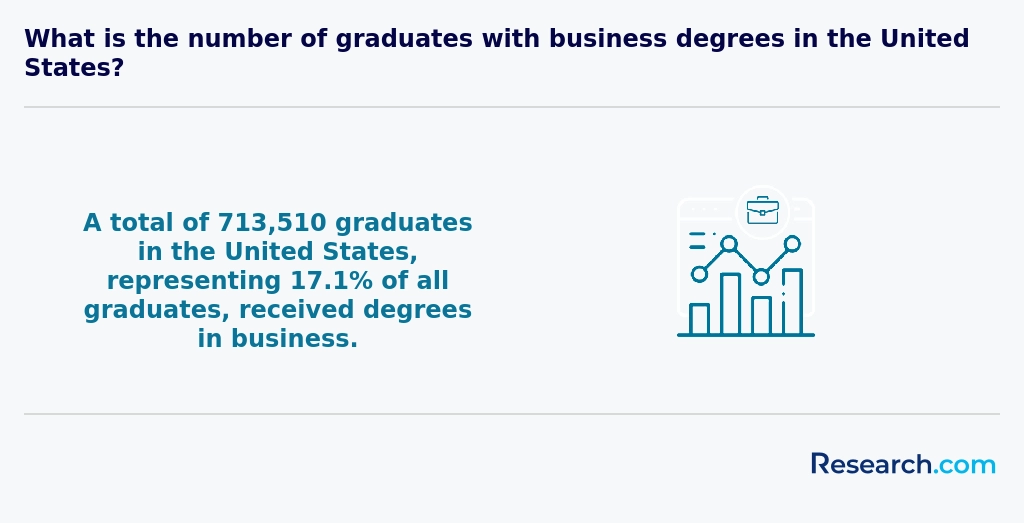
Ann Arbor is not only known for its top-notch academic programs but also for its vibrant campus life that deeply enriches the overall student experience. Beyond rigorous coursework, students thrive in an environment that offers diverse extracurricular activities-from business clubs and case competitions to networking events and cultural festivals-that foster community building and leadership skills. Many institutions in Ann Arbor emphasize a balance between academic excellence and personal growth, ensuring that students develop practical insights alongside their theoretical knowledge. For instance, engaging in local internships and collaborative projects allows students to apply classroom learning in real-world settings, which is invaluable when considering [what can you do with business degree](https://research.com/degrees/business-degree). This dynamic blend of academic and social experiences not only strengthens professional competencies but also creates lasting relationships and mentorship opportunities that extend well beyond graduation.
Imagine sitting in a bustling lecture hall at the University of Michigan, where foundational courses like Principles of Management and Financial Accounting come alive through real case studies and group challenges. These classes don't just teach you theory-they immerse you in decision-making scenarios that future Ann Arbor entrepreneurs and executives have faced firsthand.
Graduates often recall their first deep dive into business stats and marketing fundamentals as moments that shifted their thinking-turning abstract numbers into the pulse of local markets, such as Detroit's automotive resurgence or the booming Ann Arbor tech scene. Electives exploring technology management and entrepreneurship spark curiosity, encouraging students to build ideas that connect the traditional business world with cutting-edge innovation.
Advanced courses like Strategic Management and Business Law become playgrounds for sharpening leadership skills, where lively debates and team projects simulate boardroom tension and ethical dilemmas encountered by alumni navigating real business landscapes in Michigan. It's a curriculum blending textbooks with tangible community spirit.
In Ann Arbor, business degree specializations unfold like a vibrant mosaic reflecting both tradition and innovation. Finance captivates many graduates from the University of Michigan, who describe late-night study sessions diving into investment strategies as a rite of passage-preparing them for roles where every decision impacts the flow of capital. Meanwhile, marketing concentrations pulse with the city's startup energy, where students craft digital campaigns that could launch the next local tech unicorn. This is more than theory; imagine shaping brand stories in real time amid Ann Arbor's bustling innovation hubs.
Management tracks offer a hands-on leadership playground, with graduates recalling internships at nonprofits honing skills in strategic decision-making and team dynamics. The entrepreneurial spirit thrives, too-business degree specializations Ann Arbor students find ideal for dreaming up startups, supported by nearby accelerators that turn ambition into action. For those craving precision, accounting and business analytics provide analytical lenses to decode numbers or extract secrets from data.
Exploring options doesn't stop on campus-those seeking flexible paths often consider an mba online 1 year program, blending Ann Arbor's expertise with global reach for career acceleration.
Choosing the best business degree in Ann Arbor feels like stepping into a bustling marketplace of opportunity where each program offers its own flavor of success. Imagine a graduate from the University of Michigan's Ross School, energized by hands-on projects and networking events that unfold right in Ann Arbor's vibrant streets. Their story isn't just about classes; it's about building bridges to Detroit's business hubs, turning lectures into alliances. For those balancing budgets and dreams, exploring affordable business colleges in Ann Arbor invites a practical dance between cost and quality, with tuition figures hovering around $17,000 for in-state students but climbing higher for others. Visualize yourself navigating this maze, armed with clear goals-from finance whiz to supply chain strategist-and you'll see how the right choice glows brighter.
Graduates often highlight that flexible formats and small class sizes at these institutions feel like custom-tailored suits-fitting perfectly to diverse lifestyles and ambitions. Before you leap, consider the magic of experiential learning and leadership programs that transform theories into real-world skills.
For those curious about balancing cost with opportunity, the Inexpensive Online Business Degree Programs Ranking in Nebraska offers a fascinating peek into options beyond Ann Arbor, inspiring fresh perspectives on affordability and convenience.
Graduates wielding a business degree in Ann Arbor step into a mosaic of career paths as vibrant as the city itself. Picture a marketing manager in the buzzing tech corridor, crafting campaigns that blend cutting-edge innovation with the Midwest's authentic charm. Or imagine a financial analyst navigating the halls of local investment firms, turning data into strong community wealth. These journeys aren't just jobs-they're chapters rooted deeply in Ann Arbor's dynamic economy and the University of Michigan's powerhouse network.
For those inclined toward creating something from scratch, entrepreneurship thrives amid Ann Arbor's startup energy, where graduates sculpt their ventures with a blend of creativity and strategic savvy. Human resources specialists turn workforce puzzles into thriving teams, fueled by a deep understanding of local culture and regulations. The ever-evolving landscape means career explorers might even pursue a 1 year online masters degree, unlocking further paths that only expand the promise of an Ann Arbor business degree career opportunities Ann Arbor graduates cherish for both stability and growth.
In Ann Arbor, the job market for graduates holding a business degree hums with opportunity, especially for those emerging from institutions like the University of Michigan. Graduates frequently step into roles as financial analysts, marketing managers, or human resource specialists, propelled by a local economy fueled by tech, healthcare, and education sectors. Having navigated internships and cooperative programs, many find their practical experience makes them prime candidates sought by innovative companies and startups. This vibrant scene truly illustrates the city's growing allure for job seekers drawn by Ann Arbor business degree employment opportunities.
Consider the enthusiasm of a recent graduate landing a spot at a startup accelerator backed by Ann Arbor SPARK-where entrepreneurial spirit and strategic thinking thrive. With a median salary around $60,000 for entry-level positions, the return on a roughly $15,000 annual tuition investment at Michigan's public universities feels tangible and promising. If you're curious about exploring what's the easiest bachelor degree to get, local students often find business degrees not only intellectually rewarding but also a gateway to a flourishing career path.
2027 Most Popular Business Degree Programs Ranking in Ann Arbor
Investing in your education is a significant decision that can shape your future, and the Research.com team understands the importance of making informed choices. To assist prospective students in Ann Arbor, we have meticulously crafted the "2027 Most Popular Business Degree Programs Ranking in Ann Arbor." Our commitment to quality, credibility, and accuracy is reflected in the extensive research and analysis conducted to compile this ranking.
We utilized the following reputable data sources to ensure a comprehensive evaluation of business degree programs:
By exploring this ranking, readers will gain valuable insights into the most popular business programs available in Ann Arbor, helping them make confident and well-informed decisions about their educational paths. For more details on how this ranking was created, please visit our Research.com methodology page.


Frequently Asked Questions About business
Business degree students in Ann Arbor can maximize their learning by engaging directly with the city's vibrant business community. Ann Arbor hosts over 1,000 startups and established companies, providing ample internship and networking opportunities. Students benefit from connections with local industries such as technology, healthcare, and finance, which are prominent in the region according to the Ann Arbor SPARK economic report.
Additionally, participating in experiential learning programs such as case competitions and consulting projects offered by the University of Michigan's Ross School of Business enhances practical skills. Utilizing campus resources like career services and attending guest lectures from industry leaders also support student growth. Actively seeking mentorship and joining student business organizations strengthen professional development and real-world understanding.
Emerging niches in the business field reflect evolving market demands and technological advances. In Ann Arbor, areas such as data analytics, sustainable business practices, and health care management are rapidly gaining traction. Local universities report a growing interest in business analytics, fueled by the city's expanding tech sector.
Sustainability-focused business programs align with global and regional efforts toward environmental responsibility, offering students skills in green supply chain management and corporate social responsibility. Additionally, health care management remains a critical niche due to Michigan's extensive medical facilities and aging population.
According to recent Ann Arbor economic reports, these sectors are expected to grow by approximately 8% annually, presenting strong career prospects for graduates in these specialized fields.
Preparing for the job market after earning a business degree in Ann Arbor involves combining practical experience with strategic networking. Many local employers value internships that provide exposure to industries such as automotive, technology, and finance, which are prominent in the area. According to the Ann Arbor SPARK report, nearly 70% of students who complete internships in the region secure employment within six months.
Students should engage with campus career services early, attending workshops on resume building and interview skills. Connecting with alum networks from institutions like the University of Michigan helps access valuable job leads. Additionally, understanding regional economic trends and focusing on skills like data analysis and digital marketing increases job readiness in Ann Arbor's competitive business environment.
Employers in Ann Arbor highly value business degree graduates who exhibit strong analytical and communication skills. According to recent surveys by the University of Michigan's Ross School of Business, 78% of local employers prioritize critical thinking and data analysis abilities. These skills help graduates navigate complex market conditions and support data-driven decision-making.
Additionally, teamwork and leadership qualities are essential. Ann Arbor's growing business community, including tech startups and established firms, demands collaborative workers who can lead projects effectively.
Proficiency in digital tools like Excel, Tableau, and CRM software is also increasingly sought after.
Overall, adaptability and practical experience through internships enhance employability in this competitive local market.
Finding internships in Ann Arbor for business degree students involves leveraging university career services, local business networks, and online platforms. The University of Michigan, located in Ann Arbor, offers robust resources such as the Ross School of Business Career & Leadership Development office, which connects students to internships at Fortune 500 companies and startups. Ann Arbor's growing economy includes sectors like technology, finance, and healthcare, providing diverse internship opportunities.
Students should also explore local chambers of commerce and networking events to build connections. Online job portals like Handshake, which targets university students, list numerous Ann Arbor business internships. According to the Michigan Economic Development Corporation, Ann Arbor's business sector has grown by 5% annually, indicating expanding internship availability.
In Ann Arbor, obtaining a business degree can significantly enhance career mobility and advancement opportunities. The city's strong economy includes sectors like healthcare, technology, and finance, which highly value business education. According to the U.S. Bureau of Labor Statistics, professionals with a bachelor's degree in business have a 10% higher employment growth rate compared to those without a degree.
Ann Arbor hosts major employers such as the University of Michigan and numerous startups, where management and analytical skills gained from business programs are in demand. A business degree also opens pathways to leadership roles, increasing earning potential over time.
Local networking opportunities through alumni groups and business associations further support career growth and transitions within Ann Arbor's competitive job market.
Studying for a business degree in Ann Arbor offers unique advantages for students aiming at interdisciplinary roles. Programs often integrate courses from fields such as technology, healthcare, and public policy, reflecting the city's diverse economy. For example, the University of Michigan's Ross School of Business provides access to cross-departmental projects and research, allowing students to collaborate with engineering and medical schools. This approach develops skills in data analysis, management, and innovation, essential for versatile business careers.
Ann Arbor's strong startup ecosystem and proximity to global corporations create practical opportunities for applied learning. Internships and partnerships with local firms expose students to real-world challenges, enhancing their adaptability across sectors.
Choosing between a thesis and a non-thesis business degree program in Ann Arbor depends on your career goals and learning preferences. Thesis programs focus on original research, ideal for students aiming for academic, policy, or analytical roles. They typically require 6-12 months of research work. Non-thesis programs emphasize practical skills, with internships or capstone projects, better suited for those targeting management or industry positions.
Ann Arbor's University of Michigan, a leading employer in the region, values both types but favors thesis graduates for PhD pathways. According to 2023 Bureau of Labor Statistics data, business roles in Ann Arbor grow at 5%, making practical experience increasingly vital.
Students based in Ann Arbor seeking to study business abroad benefit from multiple opportunities through local universities, especially the University of Michigan's Ross School of Business. Ross offers well-established exchange programs with over 30 partner institutions worldwide, including Europe, Asia, and Latin America. These programs typically allow students to spend one semester overseas while earning credits toward their degree.
Additionally, Ann Arbor students can access programs sponsored by organizations like IES Abroad and CIEE, which provide business-focused international study options. According to the Institute of International Education, nearly 15% of University of Michigan undergraduate business students participate in study abroad, reflecting strong institutional support.
These options enhance global business perspectives and language skills, preparing students for international careers.
Ann Arbor offers various part-time job opportunities that can effectively complement a business degree education. Positions such as internships at local startups, retail management roles, and administrative jobs in financial services provide practical experience. According to the Ann Arbor SPARK economic report, small and medium enterprises in the city employ around 25,000 people, many of whom benefit from student workers gaining hands-on business skills.
Students may find valuable opportunities in marketing support roles or data analysis assistantships, often available at the University of Michigan's numerous research centers. These jobs enhance skills in strategic planning, customer relations, and financial analysis.
Additionally, roles in sales environments within Ann Arbor's thriving tech sector give students exposure to real-world business challenges while allowing flexible schedules.
Business students in Ann Arbor benefit from numerous networking opportunities, largely due to the city's vibrant economic environment and strong university presence. The University of Michigan's Ross School of Business hosts regular events, connecting students with local entrepreneurs, alumni, and industry leaders. According to U-M's Center for Positive Organizations, these events often attract over 1,000 participants annually.
Additionally, Ann Arbor's active startup scene offers students chances to engage with emerging companies through internships and networking mixers. Organizations like the Ann Arbor SPARK support innovation and provide business students access to mentorship and collaboration opportunities.
Local chambers of commerce and professional groups also facilitate connections between students and regional business professionals, enriching their career prospects in Michigan's thriving markets.
Alumni networks play a crucial role for business degree students in Ann Arbor by offering valuable professional connections and mentoring opportunities. Graduates from local universities, such as the University of Michigan's Ross School of Business, often remain active in these networks, helping current students navigate career paths.
According to a 2023 report by the University of Michigan, over 85% of business students leveraged alumni contacts to secure internships or job offers post-graduation. These networks also provide access to exclusive events, workshops, and industry insights tailored to the Ann Arbor business community.
Moreover, alumni frequently contribute to curriculum development and guest lectures, enriching the learning experience with real-world perspectives from sectors like automotive, technology, and finance, which are prominent in the region.
Customizing a business degree program in Ann Arbor allows students to align their education with specific career goals. Many institutions offer flexible curricula where students can choose concentrations such as finance, marketing, entrepreneurship, or supply chain management. Selecting relevant electives and internships enhances practical skills and industry knowledge. For example, the Ross School of Business at the University of Michigan provides action-based learning and connections to local industries, which are crucial in Ann Arbor's growing business ecosystem.
Additionally, students may participate in study abroad programs or pursue certificates in data analytics or leadership to further tailor their expertise.
Business students in Ann Arbor often face a range of challenges typical within competitive U.S. higher education environments. One key difficulty is balancing rigorous academic workloads with internships and networking that are crucial for career development. According to the University of Michigan's Center for Career Planning, roughly 60% of business undergraduates seek internships during their studies, adding time management pressure.
Financial concerns also affect many students. Tuition and living costs in Ann Arbor rank above the national average, requiring some to work part-time jobs while studying.
Additionally, adapting to the rapidly changing business landscape, including technology integration and evolving market demands, demands constant upskilling. These factors collectively shape the experience of seeking a business degree in Ann Arbor.
Pursuing a business degree in Ann Arbor opens doors to valuable professional certifications that can enhance career prospects. Common certifications include the Certified Public Accountant (CPA), ideal for accounting graduates aiming for roles in finance and auditing. The Project Management Professional (PMP) certification is popular among those interested in managing business projects and teams. Additionally, the Chartered Financial Analyst (CFA) credential suits students focused on investment and financial analysis careers.
Local Ann Arbor businesses often value these certifications, reflecting national trends reported by the U.S. Bureau of Labor Statistics. According to the University of Michigan's Ross School of Business, around 40% of graduates pursue certifications within five years of graduation, signaling strong regional professional demand.
To write a winning application for a business program in Ann Arbor, start with a clear and concise personal statement. Highlight your motivation for studying business and how the program aligns with your career goals. Ann Arbor hosts prestigious institutions such as the University of Michigan, whose Ross School of Business receives over 7,000 applications annually, making strong essays crucial.
Showcase relevant experience, including internships or leadership roles, as business programs prioritize practical skills. Include quantifiable achievements to strengthen your profile. Pay attention to academic records; a competitive GPA is often above 3.5, especially for top programs.
Lastly, ensure recommendation letters reflect your professional qualities and potential contributions. Tailor each application specifically to the school to demonstrate genuine interest and understanding of its unique offerings.
Global perspectives on a business career emphasize adaptability, cultural awareness, and international experience. As businesses worldwide become more interconnected, graduates with a strong foundation in global markets are highly valued. In the US, including Ann Arbor's business programs, students often engage with case studies and internships that reflect international trade and cross-border management.
According to the Ann Arbor SPARK economic report, companies in the region increasingly seek professionals skilled in global supply chains and digital innovation. Business degrees here prepare students for roles in multinational corporations, finance, and entrepreneurship with an international focus. The job market data from the Bureau of Labor Statistics highlights a 7% growth in global business-related roles through 2030, underscoring ongoing demand.
Students pursuing a business degree in Ann Arbor can gain practical experience through multiple avenues. Internships are a popular option, with many companies in the region offering paid and unpaid positions that provide hands-on learning. According to the University of Michigan's Center for Entrepreneurship, over 60% of business students secure internships before graduation.
Additionally, Ann Arbor hosts several business competitions and incubators that encourage real-world problem solving. Participating in these opportunities can build skills and professional networks.
Local chambers of commerce and industry groups often collaborate with universities to offer mentoring and job shadowing programs. Volunteer roles and part-time jobs in local startups or established firms also allow students to apply classroom theories practically.
Choosing the right concentration within a business degree program in Ann Arbor requires understanding both your interests and the local job market. Popular concentrations include finance, marketing, management, and entrepreneurship. Ann Arbor's strong economy, influenced by the University of Michigan and thriving tech startups, offers diverse opportunities in these fields.
Researching labor market trends in Washtenaw County can help; for example, finance and technology sectors have seen steady growth, according to the Michigan Department of Labor and Economic Opportunity. Additionally, consider how the concentration aligns with your long-term career goals and skill strengths.
Visiting campus career centers and attending local networking events can also clarify which concentration suits you best, given Ann Arbor's vibrant business community.
- 2027 Most Popular Business Degree Programs Ranking in Adrian
- 2027 Most Popular Business Degree Programs Ranking in Detroit
- 2027 Most Popular Business Degree Programs Ranking in Rochester Hills
- 2027 Most Popular Business Degree Programs Ranking in Flint
- 2027 Most Popular Business Degree Programs Ranking in Owosso
- 2027 Most Popular Business Degree Programs Ranking in Tiffin
- 2027 Most Popular Business Degree Programs Ranking in Kalamazoo
- 2027 Most Popular Business Degree Programs Ranking in Lima
- 2027 Most Popular Business Degree Programs Ranking in Grand Rapids
- 2027 Most Popular Business Degree Programs Ranking in Fort Wayne
See What Experts Have To Say About Studying Business
Read our interview with Business experts

David Souder
Business Expert
Senior Associate Dean for Faculty and Research
Michigan State University

David W. Stewart
Business Expert
Emeritus President's Professor of Marketing
Loyola Marymount University

Ingrid S. Greene
Business Expert
Clinical Assistant Professor of Management
Loyola Marymount University

- Finding Networking Opportunities as a Student | National Society of High School Scholars https://www.nshss.org/resources/blog/blog-posts/how-to-find-networking-opportunities-as-a-student/
- How to Write a Statement of Purpose for Business School https://www.statementswritingservices.com/blog/how-to-write-a-statement-of-purpose-for-business-school.html
- Niche Business Ideas: A Guide to Profitable Niche Business Selection - Inar Learn https://inarlearn.com/niche-business-ideas-a-guide-to-profitable-niche-business-selection/
- Global Perspectives: International Opportunities for Business School Students - SBS Swiss Business School https://sbs-uae.org/global-perspectives-international-opportunities-for-business-school-students-3/
- Exploring Different Types of Business Majors https://www.ivywise.com/ivywise-knowledgebase/exploring-different-types-of-business-majors/
- Global careers, real impact: building your career with an international business degree | University of East London https://www.uel.ac.uk/blog/global-careers-real-impact-building-your-career-international-business-degree
- 2024 Best Business Schools | How Alumni Rate Their Undergraduate Business Degrees https://poetsandquantsforundergrads.com/news/best-business-schools-alumni-rate-undergraduate-business-degrees/5/
- Labor Market Overview - Ann Arbor SPARK https://annarborusa.org/spark-services/business-expansion/talent-acquisition/labor-market-overview/
- Networking Tips for Business Students: Building a Foundation for Success https://londonsba.org.uk/blog/networking-tips-for-business-students-building-a-foundation-for-success/
- Why Alumni Networks Matter in Business School: 7 Reasons https://europe.ceibs.edu/article/why-alumni-networks-matter-business-school