
2027 Most Valuable Business Degree Programs Ranking in Minnesota

Co-Founder and Chief Data Scientist
Choosing the right business degree program can shape your future success, especially in Minnesota's competitive landscape. This article introduces the 2027 Most Valuable Business Degree Programs Ranking in Minnesota, created by the Research.com team of data scientists. It's designed to help you make an informed choice based on data and real value.
Discover which programs offer the best opportunities and align with your goals. Pursuing a business degree can open doors to rewarding careers, and this ranking makes the decision clearer and more confident. Your future starts here.
Key benefits of getting business degree in Minnesota
- Salary for business degree graduates: Graduates in Minnesota can expect promising earnings with roles like Business Development Executive earning around $83,190 annually and Business Analysts making about $112,950, showing strong financial potential.
- Career paths: A business degree opens diverse opportunities such as marketing, finance, or management, demonstrated by graduates from the University of Minnesota advancing swiftly into rewarding positions.
- Online degree benefits: Completing a business degree online offers flexibility and convenience, enabling students from varied backgrounds to balance work and study successfully, as seen with graduates from Minnesota's online business programs.
- 2027 Most Valuable Business Degree Programs Ranking in Minnesota
- What can I expect from business degree in Minnesota?
- Where can I work with business degree in Minnesota?
What can I expect from business degree in Minnesota?
The average cost of earning a business degree in Minnesota really depends on where you study. If you're attending a public university, like the University of Minnesota, you can expect to pay around $13,000 a year if you're an in-state student. That's a big relief for many, especially since scholarships and financial aid often help lighten that load.
On the flip side, private schools tend to be pricier-upwards of $40,000 annually-but many business graduates mention that networking opportunities and hands-on projects make the investment worth it. For example, students at the Carlson School of Management often get to work on real-world cases with local companies, which opens doors for internships and full-time jobs.
Many grads share how affordable costs mixed with practical learning made their time in Minnesota's business programs feel like a smart move. Plus, starting salaries right around $55,000 make the return on investment feel encouraging and real.
Where can I work with business degree in Minnesota?
If you earn a business degree in Minnesota, you've got tons of solid options waiting for you. Graduates from schools like the University of Minnesota's Carlson School of Management often jump right into roles at big local companies like Target or Best Buy, working in marketing, supply chain, or finance. It's exciting to see classmates land jobs where they're helping manage operations or develop new strategies-makes you feel like you're actually shaping the market!
Others find rewarding paths in healthcare, joining places like Mayo Clinic or UnitedHealthcare in roles like healthcare administration or consulting. Imagine using your business smarts to improve hospital systems or patient experiences-that kind of impact feels pretty great.
Plus, if you're into startups or tech, Minnesota's buzzing with opportunities. Tech-savvy business grads from institutions like St. Thomas love getting involved in project management or marketing with growing fintech companies. The energy is contagious, and the support for new ventures here makes launching your own business totally doable.
Even retail and manufacturing hold strong spots, with graduates stepping into store management or logistics roles. The mix of industries means you can tailor your career to fit what excites you most.
If you're earning a business degree in Minnesota, you're likely wondering, "How much can I make?" Well, graduates from schools like the University of Minnesota's Carlson School of Management often find themselves stepping into roles that pay quite well compared to national averages. For example, a Business Development Executive typically brings in about $83,190 a year here, which is a solid starting point for fresh grads.
Business analysts from local programs around the Twin Cities can expect to earn even more, with average salaries around $112,950 annually. Imagine finishing your degree and landing a job where your analytical skills not only challenge you daily but also reward you handsomely!
Many Minnesota grads in business degrees share stories of starting in roles like business development or analysis and quickly moving up because employers appreciate the strong, practical training offered by Minnesota colleges. So, with the state's competitive job market and solid wages, getting your business degree here can really pay off in exciting ways.
- Business degree programs in Minnesota are offered by accredited public and private institutions, covering fields like finance, marketing, management, and entrepreneurship.
- Annual tuition for in-state students at public universities ranges from $12,000 to $18,000, while private colleges often charge over $30,000.
- Starting salaries for recent graduates typically fall between $50,000 and $60,000 per year, with mid-career pay reaching around $90,000 or more.
- Internships and cooperative education are common in Minnesota's programs, providing practical experience and connections with local employers.
- The Minneapolis-St. Paul area hosts many Fortune 500 companies, supporting diverse job opportunities in finance, healthcare, retail, and manufacturing.
- Minnesota has a lower unemployment rate than the national average, benefiting business graduates with stronger job prospects.
If you're thinking about getting a business degree in Minnesota, expect about four years for a typical bachelor's program like a BSBA or BBA at places like the University of Minnesota or St. Cloud State. Graduates often say those four years fly by, especially when you mix general classes with business-specific courses-it feels like you're always learning something new. Some students also speed things up by taking summer classes or using credit for work experience, finishing in just three years.
For those going for an MBA, it usually takes around two years full-time, but plenty of people in the Twin Cities juggle work and school with part-time or online options. That stretches the time anywhere from two up to five years, but it's all about balance. Many grads appreciate that flexibility because it lets them keep their job while earning their degree without feeling rushed or overwhelmed.
Investing in a business degree in Minnesota often yields substantial financial returns, with graduates seeing average starting salaries of $55,000 to $65,000 and mid-career earnings surpassing $100,000. When comparing total tuition costs-around $12,600 to $13,100 for a bachelor’s program-to median salaries, most students recoup their investment within three to five years of graduation. Factoring in financial aid and scholarships can shorten this timeline further, making a business degree a compelling long-term investment. A detailed ROI calculation considers both direct and indirect costs. Direct costs include tuition, fees, and study materials, while indirect costs cover opportunity costs such as foregone wages during full-time study. For example, a graduate paying $13,000 in tuition who lands a $60,000 entry-level role effectively recovers tuition in under three semesters. Meanwhile, part-time students balancing work and study may even generate income while completing their degree, reducing overall debt and accelerating ROI. Students seeking to accelerate their educational journey and maximize early earnings might explore a fast business degree, which condenses coursework into shorter terms without sacrificing curriculum quality. By leveraging online formats and intensive modules, these accelerated pathways can reduce living expenses and opportunity costs, propelling graduates into the workforce sooner. To enhance ROI, prospective students should: • Apply for need-based grants and merit scholarships to lower direct expenses. • Seek paid internships and co-op programs to offset living costs and build professional networks. • Utilize campus career services and alumni mentoring programs to secure high-return job placements. By strategically managing costs and harnessing experiential learning opportunities, Minnesota business graduates position themselves for swift financial gains and sustained career growth.
If you're thinking about getting a business degree in Minnesota, the biggest difference between online and on-campus programs is really how you experience college life. Picture this: on-campus students at places like the University of Minnesota enjoy walking around campus, hitting up the library, chatting face-to-face with professors, and joining clubs where they instantly build valuable local connections. Many grads say these moments made their internships and job hunting easier because they could network in person.
On the flip side, online programs are a lifesaver if you've got a busy schedule. Graduates from Minnesota State University often mention how the flexibility lets them balance work, family, and school without the stress of commuting or strict class times. They do all their learning through videos and virtual meetings, which means you just need a good internet connection and a laptop.
Tuition is kinda similar for both, but online students save money on things like housing and travel. So if you want the traditional college vibe, on-campus is your jam. But if you need freedom and convenience, online programs are a solid choice that's growing fast here in Minnesota.
To make an informed decision about which business school to attend in Minnesota, it's crucial to consider several factors, including accreditation, curriculum, internship opportunities, and cost. Prospective students should also research the school's reputation and rankings, as well as the availability of financial aid and support services. For those looking for an affordable option, checking out the cheapest business school in minnesota can be a helpful starting point. By carefully evaluating these factors, students can find a business program that aligns with their career goals and provides the best possible return on investment. Additionally, understanding the job market and career paths available to business graduates in Minnesota can help students make a more informed decision about their educational pursuits.
If you're thinking about the average cost of business degree programs in Minnesota, it's good to know that the median total cost lands around $42,901. For someone living in Minnesota, in-state tuition and fees typically come to about $25,600, which is a pretty reasonable deal compared to out-of-state rates that can be nearly twice as much. Many students attending popular schools for business in Minnesota find this investment worthwhile when they weigh it against the career opportunities that open up post-graduation.
Imagine a graduate from a well-known Minnesota university sharing how budgeting for tuition, fees, and living expenses shaped their academic journey. They found that alongside tuition, they needed to cover campus fees and books, which together added a few thousand dollars each year. Many students in similar shoes manage this with smart financial planning and by exploring scholarships or financial aid.
Community colleges in Minnesota also offer a more budget-friendly path with tuition ranging much lower, giving students a chance to earn certificates or associate degrees in business without breaking the bank. If you want to dig deeper into options, the cheapest business school in minnesota list is a great resource to check out for practical budgeting ideas.
Getting a business degree here isn't just about the costs, but understanding total tuition and fees for Minnesota business degrees helps you plan wisely and find a pathway that fits your lifestyle and goals.
If you're aiming for a business degree in Minnesota, there's quite a bit of financial aid out there to help lighten the burden. Many students start by applying for federal aid through the FAFSA, which opens doors to Pell Grants-these are awesome because they don't need to be paid back. For example, some business graduates from the University of Minnesota have saved thousands thanks to Pell Grants topping out at $7,395 for the year.
Loans are another route, with subsidized loans being popular since they don't gather interest while you're in school. Plus, parents or grad students can tap into PLUS Loans, which adds some flexibility. On top of that, Minnesota's State Grant is a real help, offering need-based awards that students at schools like Saint Thomas or Metropolitan State often rely on to make college more affordable.
Then there are scholarships-both merit-based and private-targeting business students. Many grads recall winning scholarships at their schools for leadership, academics, or even specific business interests, easing their tuition worries and fueling their motivation to succeed.
As the business world rapidly evolves, Minnesota’s top programs are integrating cutting-edge trends and in-demand skills into their curricula to prepare students for tomorrow’s challenges. Institutions are placing increased emphasis on digital transformation, data analytics, sustainability practices, and entrepreneurial innovation, ensuring graduates are not only adept in traditional business functions but also equipped to drive strategic change in diverse industries. For instance, many schools now offer specialized tracks in fintech, cybersecurity, and green business, allowing students to tailor their education to emerging market needs. Such adaptive learning methods enhance the overall educational experience and pave the way for robust career trajectories. Moreover, prospective students can explore comprehensive programs, which combine theoretical foundations with practical exposure, by checking out our Business Degree options that focus on these future-oriented competencies. This forward-thinking integration of trends into business education not only boosts employability but also ensures that graduates are well-prepared to lead in a dynamic, technology-driven economy.
If you're thinking about diving into a business degree in Minnesota, the basics mostly start with a strong high school record. Most programs at schools like the University of Minnesota or St. Cloud State want you to have a solid background in English, math, and social studies. A lot of current students mention that having taken courses in algebra or stats really helped them hit the ground running in their business classes.
Many grads recall they also needed to submit a personal essay sharing why business sparked their interest, plus letters of recommendation that gave a real boost. Some places still ask for SAT or ACT scores, but plenty of Minnesota schools have gone test-optional, which is a relief for many applicants.
Now, if you're aiming for an MBA or any graduate business program around here, things get a bit more specific. You'll need a bachelor's degree and often a couple of years of work experience to bring some real-world insights into the classroom-something grads say really enriched their discussions. GMAT or GRE scores might be requested, though some programs skip those if you've got strong work creds or past academic success.

Graduates of Minnesota business programs typically recoup their educational investment within three to five years, thanks to strong starting salaries and accelerated career trajectories. Data from recent alumni surveys indicate median starting salaries of $60,000 for bachelor’s graduates and over $100,000 within five years, driven by roles in management consulting, finance, and healthcare administration. By comparing total tuition costs-averaging $13,000 for a bachelor’s program-to cumulative earnings, students can anticipate an ROI of 300–500% over a decade, far surpassing national averages. Key factors that enhance ROI include high post-graduation employment rates (often above 90% within six months) and robust alumni networks that open doors to leadership roles. For many, the ability to leverage real-world projects and internship placements-facilitated by partnerships with corporations like Target, 3M, and UnitedHealth Group-accelerates career progress and increases lifetime earning potential. Moreover, programs that integrate mentorship from seasoned faculty further reinforce skill development and professional confidence, reducing time to promotion. Students seeking to boost their credentials often explore graduate options; for example, the Affordable Online Master’s in Business Degree Programs Ranking in the South highlights programs that deliver high ROI with flexibility and lower total cost. By evaluating both undergraduate outcomes and advanced-degree pathways, prospective students can make informed decisions that maximize their long-term financial and career rewards.
If you're thinking about a business degree here in Minnesota, expect to tackle a solid mix of courses that really get you ready for the real world. Whether you're studying at the University of Minnesota or St. Thomas, you'll dive into essentials like accounting, where you learn how to read financial statements, or marketing fundamentals that explore what makes customers tick. Many graduates say that classes like financial management helped them understand budgeting and investments, which came in handy during internships at local companies.
It's not all numbers and charts though. You'll also explore business law and organizational behavior, which shed light on how businesses run day-to-day and how teams work together. Some students found it eye-opening to study supply chain management, especially with Minnesota's big players like 3M and Target nearby. Plus, data analytics courses are becoming a staple, helping students get comfortable with tools that employers actually use. The mix keeps things interesting and practical, making those long study sessions totally worth it.
If you're considering a business degree in Minnesota, you'll find plenty of exciting specializations to choose from that match the local job market. Graduates from popular schools like the University of Minnesota's Carlson School of Management often rave about how their focus areas-like finance, marketing, or management-felt super relevant when landing their first jobs in the Twin Cities. For example, students diving into finance get hands-on with investment and banking strategies, tapping into Minnesota's strong financial sector. Others who chose marketing enjoy exploring consumer behavior and digital advertising, great for the retail giants around here.
Business degree specializations in Minnesota also include accounting, supply chain management, and entrepreneurship. Those interested in startups love the entrepreneurial path, especially with Minnesota's buzzing tech scene. Folks who graduated from Minnesota State University say that the practical skills they gained really boosted their confidence in real-world business settings. So, whether you want to lead teams or launch new ventures, local programs offer something to fit every interest and career goal.
To see all your options, checking out the Business Degree programs in Minnesota is a smart first step.
Choosing the best business degree in Minnesota means thinking about what part of business really excites you. For example, graduates from the University of Minnesota's Carlson School of Management often highlight how focusing on marketing or entrepreneurship helped them land their dream jobs. It's not just about the major, but also about picking a school with solid connections-Minnesota's Twin Cities are packed with big companies like Target and 3M, making internships super valuable.
Cost is another big deal. Many students find affordable business schools in Minnesota that balance quality and price well, especially public universities where tuition is around $10,000 to $12,000 per year for in-state students. Plus, some schools offer flexible schedules or online options, which is a lifesaver if you're working while studying.
If you're looking for a fast business degree path, check out fast business degree programs that let you jump into the workforce quicker. It's all about matching your goals with the right program that fits your lifestyle!
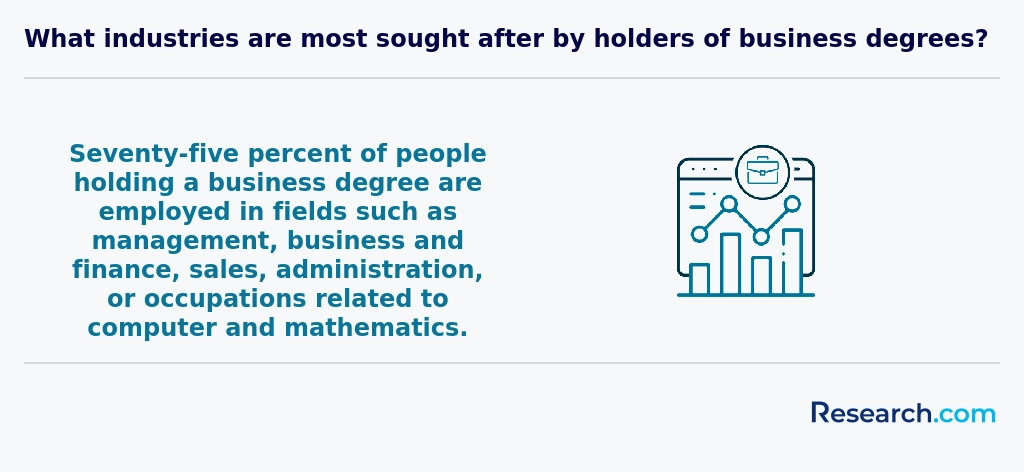
If you're earning a business degree in Minnesota, you're stepping into a world full of exciting career paths. Graduates from popular schools like the University of Minnesota often find themselves diving into roles like financial analysis, where they help companies manage budgets and plan investments-real money moves that make a difference. Others lean into marketing or sales, crafting brand stories or mastering digital campaigns, which can be especially thrilling in Minnesota's growing retail and tech sectors. Plus, human resources gigs offer a chance to shape company culture by recruiting and supporting talent.
Many grads also jump into business operations or consulting, helping organizations run smoother and smarter, especially around Twin Cities where corporate headquarters thrive. For those who love creating something new, entrepreneurship is a huge draw, with Minnesota's startup scene buzzing with opportunity. If you want to explore more about affordable options for advanced business degrees in the region, check out the Affordable Online Master's in Business Degree Programs Ranking in the South. These diverse paths really showcase the strong business degree career opportunities in Minnesota.
Another encouraging point is that Minnesota business degree job prospects get a boost from professional certs like CPA or PMP, valued highly by employers here. It's great to know many graduates feel confident heading into their careers equipped with both knowledge and practical credentials.
If you're thinking about a business degree job outlook Minnesota is looking pretty bright. Graduates from schools like the University of Minnesota's Carlson School of Management often land solid roles right after finishing their degrees. They find themselves working with big names in the Twin Cities metro area, where companies like Target and 3M are always on the lookout for fresh talent. The business degree job market here doesn't just stick to the usual finance or marketing gigs either; tech and healthcare sectors are hungry for business-savvy professionals, making the opportunities really diverse.
Many grads share stories about how internships and cooperative education programs helped them develop valuable skills like data analysis and project management, which employers in Minnesota truly appreciate. It's not just about landing any job - it's about building a career with competitive starting salaries around $58,000 and solid growth prospects. If you want some guidance on picking your path, check out the most successful college majors to pursue.
Overall, Minnesota's economic stability means your business degree will open doors that can withstand ups and downs, so you'll feel confident stepping out into the workforce. The state's low unemployment and healthy job growth make it a smart choice for anyone looking to build a future with a business degree.
2027 Most Valuable Business Degree Programs Ranking in Minnesota
Investing in your education is a significant decision that can greatly impact your career, and the Research.com team is committed to helping you make well-informed choices. To provide prospective students in Minnesota with valuable guidance, we have carefully developed the "2027 Most Valuable Business Degree Programs Ranking in Minnesota." Our dedication to quality, credibility, and accuracy is demonstrated through thorough research and analysis.
We utilized the following reputable data sources to ensure a comprehensive evaluation of business degree programs:
Readers will benefit from detailed insights into Minnesota's most valuable business programs, enabling them to choose the best fit for their goals. For more information about how this ranking was created, please visit our Research.com methodology page.
# 1 position
Capella University
Master of Business Administration


# 3 position
Capella University
Bachelor of Business Administration


# 7 position
Walden University
Master of Business Administration


# 10 position
Walden University
Doctor of Business Administration

# 13 position
Walden University
Bachelor of Science in Business Administration


# 17 position
Capella University
Doctor of Business Administration
# 18 position
Saint Johns University
Bachelor of Science in Management


# 20 position
Rasmussen University-Minnesota
Master of Business Administration

Frequently Asked Questions About business
Business degree students in Minnesota can maximize their learning experience by engaging with the state's diverse economy, which ranks in the top 10 nationally for business growth according to the U.S. Chamber of Commerce. Participating in internships with major Minnesota companies like Target, 3M, or Medtronic provides valuable real-world experience and networking opportunities. Minnesota's robust small business environment, supported by the Minnesota Department of Employment and Economic Development, offers students hands-on experience in entrepreneurship. Additionally, students should take advantage of local business organizations and university-sponsored events to build professional connections and gain insights specific to Minnesota's markets.
Emerging niches within the business field in Minnesota reflect national trends emphasizing technology, sustainability, and data analytics. Areas like supply chain management and e-commerce have grown due to Minnesota's robust logistics and retail sectors, including companies like Target. According to the Minnesota Department of Employment and Economic Development, jobs in data analytics are expected to grow by over 15% through 2030, highlighting demand for skills in interpreting complex business data.
Another significant niche is sustainable business practices. Minnesota businesses increasingly focus on environmental impact, creating opportunities in green finance and corporate social responsibility. Health care management also remains a strong niche, driven by the state's expanding medical industry.
After earning a business degree in Minnesota, preparing for the job market involves a mix of practical experience and networking. Internships are highly recommended, as they provide real-world skills and connections in industries like finance, healthcare, and manufacturing, which dominate Minnesota's economy. According to the Minnesota Department of Employment and Economic Development, candidates with internship experience are 40% more likely to secure a job within six months of graduation.
Additionally, joining professional organizations such as the Minnesota Business Partnership or local chambers of commerce helps graduates expand their contacts. Leveraging campus career services for resume building and interview preparation is equally important. Many Minnesota universities report that students who actively use these resources increase their employment rates significantly.
Employers in Minnesota highly value business degree graduates who demonstrate strong analytical and communication skills. According to the Minnesota Department of Employment and Economic Development, critical thinking and problem-solving are among the top competencies sought by regional employers. Proficiency in data analysis and financial literacy is particularly important, as Minnesota's diverse economy includes significant finance and manufacturing sectors.
Additionally, teamwork and leadership abilities stand out as essential skills, reflecting the collaborative workplace culture typical in Twin Cities corporations. Knowledge of digital tools, such as Excel and CRM software, is also frequently requested. Adaptability and a continuous learning mindset help graduates thrive in Minnesota's evolving job market, where innovation drives growth.
Finding internships in Minnesota related to a business degree begins with exploring local resources that connect students to employers. The Minnesota Department of Employment and Economic Development (DEED) offers listings of internships across industries, including business sectors like finance, marketing, and management.
University career centers are valuable hubs; many institutions in Minnesota collaborate with local companies to provide internship opportunities. Businesses in the Twin Cities metropolitan area, home to companies like Target and 3M, frequently offer internships suited for business students.
Networking through professional events and platforms such as the Minnesota Business Partnership can increase chances of securing internships. According to the National Association of Colleges and Employers, 56% of internships convert to full-time jobs, emphasizing the importance of these experiences for career paths.
A business degree in Minnesota significantly enhances career mobility and advancement by equipping graduates with essential skills sought by employers statewide. According to the Minnesota Department of Employment and Economic Development, business-related occupations are projected to grow by 7% through 2030, faster than the average for all jobs in the state.
Holding a business degree often leads to higher starting salaries and better promotion prospects, particularly in industries like finance, healthcare administration, and technology, which thrive in Minnesota's economy. Graduates gain strategic thinking, leadership, and analytical abilities that support transitions into management roles.
Networking opportunities through Minnesota's universities also play a key role, connecting students to local companies including Fortune 500 firms headquartered in the state.
Studying for a business degree in Minnesota equips students with skills that transcend traditional business concepts, preparing them for interdisciplinary roles. Minnesota's universities often integrate coursework from economics, information technology, and communication, enabling students to handle complex challenges across sectors. According to the Minnesota Department of Employment and Economic Development, business roles increasingly demand familiarity with data analytics and technology applications. Programs emphasize teamwork and problem-solving, linking business principles with fields like healthcare or manufacturing, major contributors to the state economy. This broad academic approach fosters adaptability and collaboration, key traits for careers bridging multiple disciplines in Minnesota's diverse job market.
Choosing between a thesis and a non-thesis business degree program in Minnesota depends on your career goals and learning preferences. Thesis programs typically demand original research and writing, ideal for students aiming at doctoral studies or research-intensive roles. Non-thesis options often emphasize practical skills and coursework, attracting those focused on immediate employment or professional advancement.
Minnesota's business schools, such as the University of Minnesota Carlson School of Management, offer both formats with concentrations tailored to regional industries like finance and healthcare. According to the U.S. Bureau of Labor Statistics, Minnesota's business sector is growing around 5% annually, favoring practical skills gained in non-thesis paths.
Research published by the National Center for Education Statistics shows thesis students often spend 6 to 12 months on their project, which might extend the program duration. Meanwhile, non-thesis students can graduate faster and enter Minnesota's competitive job market sooner.
Students based in Minnesota who want to study business abroad have several options through U.S. institutions offering international exchange programs. Universities like the University of Minnesota support study abroad opportunities in top business schools worldwide, including partnerships in Europe, Asia, and Latin America. According to NAFSA: Association of International Educators, nearly 60% of business students nationally participate in some form of study abroad, and Minnesota reflects similar trends.
These programs usually last a semester to a full academic year and often allow credits to transfer towards a business degree. Business-focused exchanges emphasize global economics, international marketing, and cross-cultural management, preparing students for evolving global markets.
Additionally, scholarships and financial aid specific to study abroad can reduce costs, expanding access for Minnesota students.
In Minnesota, part-time jobs that complement a business degree often involve roles in finance, marketing, and administration. Positions such as bank teller, retail sales associate, or customer service representative provide practical experience in client interaction and financial transaction management. These roles help students develop key skills sought by employers in Minnesota's diverse economy.
The Minneapolis-St. Paul metropolitan area, home to major corporations, offers internships and part-time roles in business analytics and supply chain management. According to the Minnesota Department of Employment and Economic Development, jobs in business services are expected to grow by 5% through 2028, enhancing opportunities for students.
Working in small businesses or startups also gives insight into entrepreneurship and operations management, valuable for business majors. Access to real-world experience alongside academic learning builds stronger resumes and networking prospects in Minnesota's competitive job market.
Business students in Minnesota benefit from diverse networking opportunities through universities, professional organizations, and local events. Institutions like the University of Minnesota Carlson School of Management host career fairs and alumni mixers, connecting students with top regional employers such as Target and Cargill.
The Minneapolis-Saint Paul area, a major business hub, offers networking through groups like the Minnesota Business Partnership and local chapters of national organizations such as the American Marketing Association. These platforms provide regular events, workshops, and mentorship programs.
According to the Minnesota Department of Employment and Economic Development, over 45,000 business professionals participate annually in networking events statewide, creating rich environments for student connections and internships.
Alumni networks offer valuable advantages to business degree students in Minnesota by fostering connections within the local industry. Many universities in the state, such as the University of Minnesota's Carlson School of Management, boast extensive alumni communities that actively support students through mentorship and career guidance.
Studies show that 85% of jobs are filled through networking, making these alumni groups vital for internships and job opportunities. Minnesota's strong business sectors, including finance and healthcare, benefit from such networks that link students directly to experienced professionals.
Moreover, alumni often host events and workshops, providing insights into current market trends and regional business practices.
Customizing a business degree program in Minnesota begins with selecting a specialization that aligns with your career goals. Many universities in Minnesota offer concentrations such as finance, marketing, supply chain management, and entrepreneurship, reflecting the state's strong sectors like healthcare, retail, and manufacturing.
Students can also choose elective courses tailored to local industries. For example, the University of Minnesota highlights connections with companies like Target and 3M, providing opportunities for internships and networking within Minnesota's business hubs.
Additionally, some programs allow students to engage in co-op experiences or practical projects, enhancing real-world skills. According to the Minnesota Private College Council, about 75% of business students complete internships before graduating in Minnesota, boosting employability in the local market.
Business students in Minnesota often face several common challenges throughout their studies. One major difficulty is balancing practical experience with academic requirements. Many programs emphasize internships or cooperative education, which can be competitive and time-consuming. According to the Minnesota Private College Council, securing relevant internships remains a significant hurdle for students.
Additionally, the cost of education is a notable concern. Tuition and fees for business programs in Minnesota range widely, and students frequently take on debt to finance their education.
Another challenge involves adapting to a rapidly changing business environment. Minnesota's economy, with sectors like healthcare, manufacturing, and finance, demands students stay current on evolving skills, including data analytics and digital marketing.
Moreover, some students struggle with networking, which is essential for job placement in Minnesota's competitive markets. Schools and organizations are working to improve access to alumni and industry contacts to mitigate this issue.
With a business degree in Minnesota, graduates can pursue several respected professional certifications to enhance their careers. Popular options include the Certified Public Accountant (CPA) credential, particularly valued in Minnesota's robust accounting sector. The Certified Management Accountant (CMA) designation is another widely recognized certification, focusing on financial management and strategy.
Additionally, the Project Management Professional (PMP) certification is in demand among Minnesota employers, especially in industries such as healthcare and manufacturing. For those interested in human resources, the Society for Human Resource Management (SHRM) certifications offer strong professional advantages.
These credentials often require passing exams and meeting experience standards, boosting employability and earning potential within Minnesota's competitive business market.
To write a winning application for a business program in Minnesota, start by researching the specific program's requirements thoroughly. Many top Minnesota schools, such as the University of Minnesota's Carlson School of Management, emphasize strong academic performance, especially in quantitative subjects like math and economics.
Include a clear, concise personal statement explaining your career goals and why a Minnesota business degree fits your plans. Highlight any relevant work or internship experience, as Minnesota's business sector values practical skills.
Additionally, secure strong letters of recommendation from professionals who can attest to your leadership and teamwork abilities. Pay close attention to deadlines and submit all required materials on time.
According to the Minnesota Private College Council, business degrees here attract students aiming for roles in finance, healthcare management, and technology industries thriving in the state.
Business careers today are increasingly influenced by global markets and international trade. Graduates from Minnesota's business programs enter a workforce where understanding diverse cultures and economic systems is essential. The U.S. Chamber of Commerce highlights that 95% of Minnesota's exporters are small- and medium-sized businesses, underscoring the global reach local companies now have. Skills in international finance, marketing, and supply chain management are in high demand.
According to the Minnesota Department of Employment and Economic Development, roles related to global business are projected to grow by over 7% through 2030. This growth reflects the ongoing integration of global economies and the need for professionals who can navigate complex, worldwide business environments.
Students pursuing a business degree in Minnesota have several opportunities to gain practical experience alongside their studies. Many universities, such as the University of Minnesota and Minnesota State institutions, offer internship programs that connect students with local businesses in industries like finance, manufacturing, and retail. According to the Minnesota Department of Employment and Economic Development, internships significantly improve job placement rates after graduation.
Additionally, participation in on-campus business clubs and case competitions allows students to apply classroom knowledge in real-world scenarios. Cooperative education (co-op) programs offer paid work terms, blending academic learning with professional practice. These experiences build valuable skills that prepare students for Minnesota's diverse economic sectors.
Choosing the right concentration within a business degree program in Minnesota involves understanding both your interests and the local job market. Popular concentrations include finance, marketing, management, and supply chain, reflecting Minnesota's diverse economy, which features strong finance, healthcare, and manufacturing sectors.
Research from the Minnesota Department of Employment and Economic Development highlights steady growth in financial services and technology jobs, suggesting concentrations in these areas may offer more opportunities. Additionally, consider internship availability in the Twin Cities, where many corporate headquarters provide practical experience.
Assess your career goals, consult academic advisors, and review job placement rates for each concentration to make an informed choice.
- 2027 Most Valuable Online Business Degree Programs Ranking in Wisconsin
- 2027 Most Valuable Online Business Degree Programs Ranking in Iowa
- 2027 Most Valuable Online Business Degree Programs Ranking in North Dakota
- 2027 Most Valuable Online Business Degree Programs Ranking in South Dakota
- 2027 Most Valuable Online Business Degree Programs Ranking in Nebraska
- 2027 Most Valuable Online Business Degree Programs Ranking in Missouri
- 2027 Most Valuable Online Business Degree Programs Ranking in Michigan
- 2027 Most Valuable Online Business Degree Programs Ranking in Kansas
- 2027 Most Valuable Online Business Degree Programs Ranking in Ohio
- 2027 Most Valuable Online Business Degree Programs Ranking in Oklahoma
See What Experts Have To Say About Studying Business
Read our interview with Business experts

David W. Stewart
Business Expert
Emeritus President's Professor of Marketing
Loyola Marymount University

Ingrid S. Greene
Business Expert
Clinical Assistant Professor of Management
Loyola Marymount University


- Online and Traditional Business Degrees Comparison | Free Essay Example https://studycorgi.com/online-and-traditional-business-degrees-comparison/
- Skills Employers Look for in Business Graduates – EU Business School https://www.euruni.edu/blog/skills-employers-look-for-in-business-graduates/
- 5+1: Five challenges facing business schools and one solution https://charteredabs.org/insights/opinion/51-five-challenges-facing-business-schools-and-one-solution
- Niche Business Ideas: A Guide to Profitable Niche Business Selection - Inar Learn https://inarlearn.com/niche-business-ideas-a-guide-to-profitable-niche-business-selection/
- Online Degree vs. Traditional: Choosing the Right Path https://beal.edu/online-degree-vs-traditional/
- How to Identify Profitable Business Niches: A Guide for ... https://www.invoiceonline.com/the-entrepreneur-s-handbook/entrepreneurship/business-strategy/how-to-identify-profitable-business-niches-97365
- Guide to Business Internships | Higherin https://higherin.com/career-guides/business/business-internships
- Write a business plan https://www.gov.uk/write-business-plan
- A guide to finding an internship https://www.ipag.edu/en/blog/guide-finding-internship
- Interdisciplinary Business https://www.okwu.edu/academics/undergraduate/bachelor-interdisciplinary-business/


