2027 Most Valuable Business Degree Programs Ranking in Maryland

Co-Founder and Chief Data Scientist
Choosing the right business degree program in Maryland can feel overwhelming, but this article is here to help. The 2027 Most Valuable Business Degree Programs Ranking in Maryland was carefully created by the Research.com team of data scientists to guide you toward programs that truly deliver value.
By exploring this ranking, you'll gain insights to make an informed decision that fits your goals and aspirations. Pursuing a business degree can open doors to exciting career opportunities and personal growth.
Take this step confidently and discover the programs that could shape your future success.
Key benefits of getting business degree in Maryland
- Salary for business degree graduates: Graduates in Maryland can expect promising salaries, with roles like Business Development Executive earning a mean annual wage of $83,190 and Business Analyst positions averaging $112,950 per year, reflecting strong earning potential.
- Career paths: A business degree opens doors to diverse careers such as marketing, finance, or consulting, as shown by graduates from popular Maryland universities who successfully enter various industries with a flexible skill set.
- Benefits of online degrees: Earning a business degree online offers flexibility and convenience, allowing students from Maryland to balance work and study effectively, just like graduates from well-known local online programs who achieve career advancement while learning.
- 2027 Most Valuable Business Degree Programs Ranking in Maryland
- What can I expect from business degree in Maryland?
- Where can I work with business degree in Maryland?
What can I expect from business degree in Maryland?
The average cost of a business degree in Maryland varies depending on the type of institution attended. Public universities in Maryland, such as those within the University of Maryland system, typically charge in-state tuition and fees averaging around $10,000 annually. Graduates from these schools often highlight the value they received, noting that this cost was manageable while gaining access to practical internships with local companies and government agencies.
Private colleges in Maryland, offering more specialized business programs, usually have higher tuition rates. These institutions can cost significantly more, but students appreciate the smaller class sizes and stronger alumni networks, which help open doors in competitive job markets.
Many business students take advantage of financial aid programs administered by the Maryland Higher Education Commission, reducing out-of-pocket expenses. With internships, cooperative education, and access to the nation's capital's business environment, students feel their investment in a Maryland business degree is worthwhile and prepares them well for careers in sectors like finance and technology.
Where can I work with business degree in Maryland?
Graduates with business degrees from Maryland institutions like the University of Maryland and Towson University find abundant opportunities across diverse sectors. Many enter finance roles at prominent firms such as T. Rowe Price and M&T Bank, leveraging the state's status as a regional financial hub. Working as financial analysts or loan officers, these graduates enjoy some of the highest-paying industry positions in Maryland, supported by robust demand in finance and insurance.
Others pursue careers in healthcare management or pharmaceutical marketing, especially around Baltimore-Washington's biotech corridor, home to Johns Hopkins University and MedStar Health. Their ability to navigate healthcare regulations makes them valuable in a growing job market projected to expand through 2030.
In government contracting centers like Bethesda, business graduates take on project management and acquisition roles, capitalizing on Maryland's $7.3 billion defense contracting sector. Entrepreneurial graduates thrive in the state's vibrant tech startup environment, often supported by innovation hubs such as TEDCO.
Whether managing retail chains in Baltimore or developing business strategies for expanding companies, Maryland business alumni frequently share satisfaction at applying practical skills gained locally to rewarding careers.
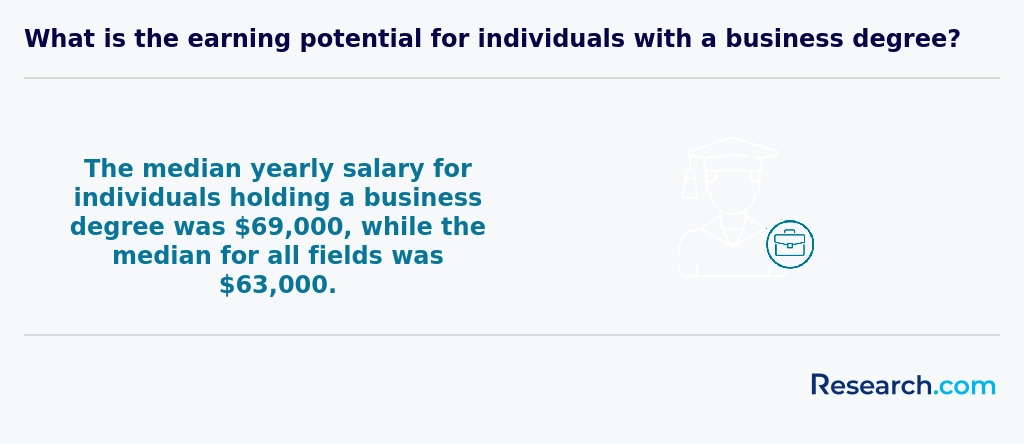
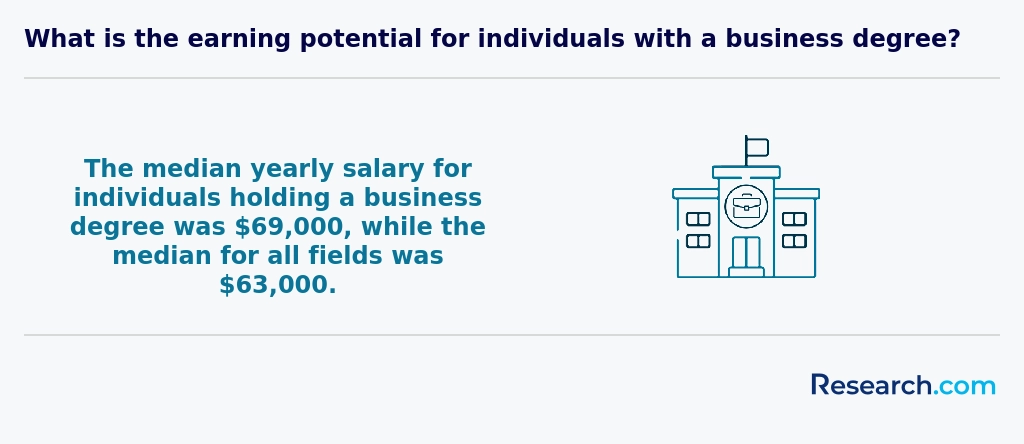
Graduates holding a business degree from Maryland institutions like the University of Maryland's Smith School of Business often see promising earnings early in their careers. For example, business analysts, a common entry point, have a mean annual wage of $112,950 in Maryland, reflecting strong demand and competitive pay in the region.
Business development executives also enjoy solid salaries, with mean annual wages around $83,190. This range supports graduates aiming to build careers in sales growth and strategic partnerships, particularly within Maryland's thriving government contracting and tech sectors.
Graduates from local colleges frequently report satisfaction with their ability to leverage Maryland's robust job market, including Baltimore and the suburban areas near Washington, D.C., where employers offer pay that often exceeds national averages. The combination of high salaries and diverse opportunities makes pursuing a business degree in Maryland a strategic choice for those seeking both financial stability and career growth.
- Average annual tuition for in-state students at Maryland's public four-year institutions is around $10,700.
- Private colleges in Maryland typically charge over $30,000 per year for business degrees.
- Community colleges offer the most affordable tuition, usually under $5,000 annually for in-district students.
- Starting salaries for business graduates range from $50,000 to $60,000 per year, depending on the field and employer.
- Median salaries for business professionals in Maryland can reach $75,000 to $85,000 within 5 to 10 years after graduation.
- Several Maryland business programs are accredited by the AACSB, a key marker of educational quality.
Completing a business degree in Maryland typically requires about four years of full-time study for a bachelor's degree, aligning with national standards of 120 to 130 credit hours. Graduates from popular schools like the University of Maryland's Smith School of Business often highlight how the structured curriculum supports steady progress toward graduation, balancing core courses with electives that fit their career interests.
Part-time study and accelerated programs offer alternative timelines. For instance, part-time students at community colleges or state universities might spend six years or more finishing their degree, managing work and family alongside classes. Some ambitious students choose accelerated pathways, finishing in as few as three years by taking extra courses or continuous enrollment.
Graduate-level business degrees, such as MBAs, usually take about two years full-time but extend to three or more years for working professionals at Maryland institutions offering flexible schedules. Community college associate degree programs span roughly two years, providing a fast track into business roles or transfer to four-year programs.
Maryland students appreciate flexible options that accommodate diverse lifestyles and ambitions while progressing efficiently toward their educational goals.
Calculating the return on investment (ROI) for a business degree in Maryland is essential when weighing tuition costs against post-graduation earnings. On average, public four-year institutions in-state charge around $11,260 per year, while private nonprofit colleges average $41,540. Considering median starting salaries-approximately $60,000 for business graduates statewide-the payback period for in-state students can be as short as three years, whereas those at private schools may require five to six years to recoup tuition expenses. Beyond raw numbers, ROI is influenced by program length and delivery format. For students aiming to accelerate their education and minimize debt service, exploring options like an accelerated business administration degree online can reduce both time to completion and overall cost. These programs often bundle core business courses into intensive terms, allowing graduates to enter the workforce sooner and begin earning a competitive salary more quickly. Moreover, ROI improves when factoring in internship stipends, employer tuition assistance, and scholarship awards. Institutions that partner with local industry leaders frequently offer co-op experiences or paid project work, further offsetting educational expenses. Prospective students should request institution-specific ROI reports, inquire about average debt at graduation, and compare those figures to alumni salary surveys to make an informed decision. In summary, by analyzing total program costs, anticipated earnings, and available accelerated pathways, Maryland business students can select a degree program that maximizes long-term financial returns while minimizing upfront investment.
Online business degrees in Maryland provide substantial flexibility, ideal for working professionals or those with family responsibilities. Students can access coursework anytime without geographic limits, which many find empowering. Graduates from online programs often praise this adaptability, allowing them to balance studies with their careers. The University of Maryland's online business offerings, for example, cater to learners statewide, reflecting a growing trend tracked by the National Center for Education Statistics showing steady online enrollment growth.
In contrast, on-campus business degrees require regular attendance at Maryland institutions like the University of Maryland's Robert H. Smith School of Business. Graduates highlight the value of face-to-face interaction with professors and peers, helping to build networks crucial for job placement in the Baltimore and Washington D.C. areas. These programs also provide access to campus resources such as internships, business clubs, and career services, intensifying the educational experience.
Cost-wise, public universities in Maryland charge about $9,000 to $12,000 annually for in-state students, with private schools exceeding $30,000. Though online tuition can be comparable, students save on housing and commuting, rendering online degrees cost-effective without sacrificing academic rigor.
While academic rigor and career preparation are paramount in Maryland's business degree programs, a vibrant student experience is equally essential for long-term success. Beyond lectures and textbooks, engaging in extracurricular activities-including business clubs, mentorship programs, and networking events-can significantly enrich your learning journey. Participation in real-world projects and campus competitions not only builds practical skills but also fosters leadership, collaboration, and resilience. This well-rounded approach helps you translate classroom theories into practice, ensuring lasting professional growth and a competitive edge in the job market. Moreover, many institutions integrate internship programs and industry partnerships to allow students to experience firsthand the dynamic world of business-a factor that underscores the benefits of business management degree and positions graduates for immediate success post-graduation. By actively participating in these diverse opportunities, you can enhance both your academic experience and your career prospects, transforming your time at university into a comprehensive stepping stone toward a rewarding professional future.
The average cost of a business degree in Maryland reflects a range influenced by the choice of institution and residency status. According to recent data, the median in-state total cost for completing a business degree is approximately $13,920, while out-of-state students face a median total cost closer to $50,388. Business students attending public universities in Maryland typically benefit from more affordable tuition compared to those enrolled in private schools.
Graduates from public universities such as the University of Maryland often share that the relatively modest tuition fees make obtaining a business degree more accessible and reduce financial stress. In contrast, students at private institutions like Johns Hopkins University experience substantially higher tuition expenses, commonly surpassing $50,000 annually. This can lead to a total cost well over $200,000 for a four-year business degree program, requiring careful financial planning.
Many Maryland students reduce their overall expenses by starting their education at community colleges, where tuition averages about $4,500 per year for in-county residents. This pathway allows them to complete foundational courses affordably before transferring to a four-year business degree program. Exploring options for affordable business programs in Maryland can make a significant difference in managing the median total cost.
Incorporating the Maryland business degree program tuition fees along with living expenses, students often find that scholarships, financial aid, and state grants positively impact their ability to graduate without excessive debt. This combination of resources, paired with strategic planning, creates opportunities for a rewarding academic and professional experience in business within Maryland.
Business students in Maryland benefit from multiple financial aid options that significantly reduce educational expenses. Federal aid, including Pell Grants offering up to $7,395 and subsidized loans with manageable rates, is accessible by completing the FAFSA, a crucial step for prospective enrollees.
State-funded programs like the Guaranteed Access Grant provide up to $7,500 annually to eligible low-income students at institutions such as the University of Maryland, helping alleviate tuition fees. Meanwhile, the Educational Excellence Awards offer merit-based scholarships ranging from $500 to over $3,000, supporting high-achieving business majors within Maryland's public colleges.
Institutional scholarships at business schools, exemplified by the Robert H. Smith School of Business, reward leadership and academic performance, reflecting real student experiences where recipients report reduced financial stress and greater focus on learning. Additionally, work-study positions tied to business programs offer practical experience while easing financial pressures.
Private scholarships from Maryland's local business community further complement public funding, reinforcing a supportive environment for business students preparing for careers in sectors like cybersecurity and finance.
Evaluating the financial value of a business degree goes beyond tuition costs and salary projections-it measures how quickly graduates recoup their educational investment and build wealth over time. In Maryland, factors such as average student debt, starting salaries, and payback periods paint a clear picture: • Average Debt vs. Starting Salary - Maryland graduates carry an average student loan balance of $29,500 for a bachelor’s in business. - With entry-level salaries averaging $58,000, many alumni report a break-even point within 5–7 years. • Payback Period Analysis - Public, in-state programs often offer the shortest payback: 4–6 years for those completing at the University of Maryland or Towson University. - Private institutions may extend this period to 7–9 years, but higher average starting salaries can offset longer repayment horizons. • Long-Term Earnings Growth - Mid-career business professionals in Maryland can expect 40–55% wage growth over ten years, outpacing national averages. - MBA holders typically see an even faster trajectory, reaching six-figure incomes within 8–10 years post-graduation. • Cost-Effective Alternatives For those prioritizing affordability without compromising outcomes, exploring out-of-state or online options can be strategic. For example, the Inexpensive Online Master's in Business Degree Programs Ranking in Nebraska highlights programs with low tuition and solid ROI that appeal to Maryland residents seeking flexibility and savings. • Maximizing ROI Through Scholarships and Internships - Leveraging institutional and external scholarships can reduce average debt by up to 30%. - Paid internships during undergraduate study often lead to full-time offers, accelerating the payback timeline by 1–2 years. By comparing debt levels, salary trajectories, and alternative pathways, prospective students can make data-driven decisions that align with both their financial goals and career ambitions.
To enroll in a business degree program in Maryland, undergraduate applicants must hold a high school diploma or GED and typically submit SAT or ACT scores, though many universities like the University of Maryland have adopted test-optional policies recently. A competitive high school GPA, particularly in math and English, is crucial for acceptance. Graduates from popular Maryland colleges often share that submitting strong transcripts, recommendation letters, and personal statements significantly strengthened their applications. Preparing by completing courses in algebra, statistics, or economics is encouraged, as these reinforce key business skills.
For graduate programs such as MBA tracks offered by institutions like Towson University, a bachelor's degree from an accredited school is mandatory. Many MBA candidates emphasize how their 2 to 5 years of professional experience enhanced class discussions and practical learning, an advantage valued by admissions committees. GMAT or GRE scores are often required but may be waived based on work history or strong undergraduate performance. Understanding these prerequisites can make Maryland's competitive business programs feel more accessible and within reach.
When considering a business degree in Maryland, one of the crucial factors for many students is the affordability of the program. With tuition costs varying widely across institutions, understanding the options for affordable business programs is essential for making an informed decision. For those seeking to invest in their future without breaking the bank, exploring affordable business programs in Maryland can provide a pathway to a lucrative career in business without the hefty price tag. Many institutions in Maryland offer competitive pricing for their business programs, balancing quality education with financial accessibility. By researching these options, prospective students can find a program that aligns with their academic and professional goals while also being mindful of their budget. This approach enables students to pursue their passion for business without shouldering an unmanageable financial burden, setting them up for success in their future careers.
Business degree programs in Maryland typically include foundational courses such as Principles of Accounting, Business Finance, Marketing Fundamentals, Organizational Behavior, and Business Law and Ethics. These subjects provide students with critical knowledge of financial reporting, investment analysis, consumer behavior, team dynamics, and the legal aspects of business operations. For example, graduates from well-regarded Maryland institutions often recall how mastering Business Finance helped them confidently analyze capital management during internships with local enterprises.
Maryland's curriculum emphasizes real-world relevance through practical case studies and internships, particularly given the state's proximity to government agencies and tech companies around Washington, D.C. Electives and concentrations in entrepreneurship, international business, supply chain management, and information systems allow students to tailor their education to their career aspirations.
Graduates frequently highlight how hands-on projects at colleges in Maryland not only reinforced classroom concepts but also fostered positive engagement and confidence, essential for navigating today's competitive job market.
Business degree specializations in Maryland cover essential fields such as finance, marketing, and management, reflecting the state's dynamic economy. Graduates from prominent institutions like the University of Maryland have shared how the finance specialization equips them with skills in investment analysis and corporate finance, which align well with Maryland's strong financial services sector.
Marketing concentrations focus on digital strategies and consumer behavior, preparing students for Maryland's expanding media and advertising industries. Similarly, management tracks teach leadership and strategic planning, empowering students to thrive in diverse sectors including healthcare and technology.
Other common specializations include accounting, entrepreneurship, supply chain management, and information systems management. Many students appreciate how these options let them tailor their studies to career goals, enhancing job market competitiveness. For those interested in the benefits of business management degree programs, Maryland's offerings provide practical expertise grounded in real-world challenges.
Exploring Maryland business degree concentration options ensures students gain relevant skills compatible with regional job growth, making their educational investments worthwhile.
Choosing the best business degree programs Maryland hinges on accreditation and relevance to the state's dominant industries. Graduates from AACSB-accredited programs at popular universities in Baltimore often highlight how recognized standards and robust curricula opened doors to competitive internships. Those focusing on specializations like cybersecurity or government contracting note better job placement in Maryland's tech and defense hubs. Cost remains crucial; public universities average about $10,900 per year for in-state tuition, making them an attractive choice compared to private institutions averaging $39,000. Alumni frequently mention balancing tuition with living expenses as a decisive factor.
Employment outcomes and internship opportunities near Annapolis or Washington D.C. are key. Business students from these areas report strong industry connections in finance and professional services, essential sectors in Maryland's economy. Considering class size, faculty expertise, and campus resources also improves learning experiences. For students seeking faster options, exploring an accelerated business administration degree online can align with career goals while optimizing time and cost.
Business degree career opportunities in Maryland range from financial services to entrepreneurship, reflecting the state's dynamic economy. Graduates from business programs at institutions like the University of Maryland and Towson University often enter financial sectors, working with banks and federal agencies around Washington D.C., where financial analyst roles are projected to grow 7% through 2032. This steady demand aligns with graduates seeking stable, well-compensated careers.
Marketing and sales positions are abundant due to Maryland's technology and healthcare industries, with marketing graduates thriving in roles requiring expertise in digital marketing and brand management. These roles typically offer median salaries near $70,000, appealing to those attracted by both creativity and analytics. High paying jobs for Maryland business graduates also extend into management, where leadership roles in project and operations management have median wages exceeding $90,000, providing a strong incentive for those wanting to lead teams.
Entrepreneurship is vibrant, especially in hubs like Baltimore and Bethesda. Business graduates often leverage local incubators and networks, enhancing their chances of successful startup launches. Those weighing costs will find that the investment in a Maryland business degree, with in-state tuition averaging $10,000-$15,000, offers excellent regional economic opportunities and professional growth. Prospective students might explore the Inexpensive Online Master's in Business Degree Programs Ranking in Nebraska to compare pathways and affordability in related contexts.
The job market for a business degree in Maryland is robust, driven by its diverse economy and proximity to federal agencies. Graduates from well-known institutions like the University of Maryland and Towson University often find opportunities in industries such as government contracting, healthcare, finance, and technology, reflecting Maryland business degree employment opportunities. Many report smooth transitions into roles involving compliance, procurement, and strategic management, benefiting from the state's emphasis on business analytics and project leadership.
Maryland's business degree job outlook in Maryland is further strengthened by projected 7% growth in management occupations through 2030, offering promising career scalability. Median annual wages near $75,000 help reinforce the appeal for prospective students. For those weighing educational paths, the cost of in-state tuition remains competitive, and some consider the quickest associates degree as an affordable stepping stone before committing to full bachelor's programs.
2027 Most Valuable Business Degree Programs Ranking in Maryland
Investing in your education is a significant decision that can shape your future, and the Research.com team understands the importance of making informed choices. To assist prospective students in Maryland, we have meticulously crafted the "2027 Most Valuable Business Degree Programs Ranking in Maryland." Our commitment to quality, credibility, and accuracy is reflected in the extensive research and analysis conducted to compile this ranking.
We utilized the following reputable data sources to ensure a comprehensive evaluation of business degree programs:
By exploring this ranking, readers will gain valuable insights into the most valuable business degree programs in Maryland, helping them make informed decisions about their educational investments. For more details on our methodology, please visit our Research.com methodology page.
# 1 position
University of Maryland Global Campus
Bachelor of Business Administration

# 2 position
University of Maryland Global Campus
Master of Business Administration


# 11 position
Strayer University-Maryland
Bachelor of Business Administration


Frequently Asked Questions About business
Business degree students in Maryland can maximize their learning experience by actively engaging with both academic and practical opportunities. Maryland hosts a variety of institutions accredited by the Association to Advance Collegiate Schools of Business (AACSB), which ensures rigorous education recognized nationwide.
Internships are vital. Maryland's proximity to Washington, D.C., and its diverse economy-including sectors like finance, biotech, and government contracting-provides students access to valuable internships. According to the Maryland Higher Education Commission, over 60% of business students participate in internships, enhancing their resumes and professional networks.
Students should also leverage campus resources such as career centers, mentorship programs, and business clubs, which foster collaboration and real-world skills. Additionally, combining coursework with certifications in data analytics or project management can provide a competitive edge in Maryland's evolving job market.
The business landscape in Maryland is evolving, creating new niches for students pursuing business degrees. One emerging area is healthcare management, driven by Maryland's strong healthcare sector, including institutions like Johns Hopkins. According to the Maryland Department of Labor, healthcare jobs are projected to grow 13% by 2030, increasing demand for skilled managers.
Another growing niche is cybersecurity business management. Maryland hosts many federal agencies and contractors focused on cybersecurity, encouraging programs that blend business acumen with tech skills.
Sustainable business practices and social entrepreneurship are also gaining momentum, reflecting national trends and local government support for green initiatives.
Preparing for the job market after earning a business degree in Maryland involves a strategic approach combining education and practical experience. Maryland's strong economy, with key industries in finance, healthcare, and technology, offers diverse opportunities for graduates.
Students should consider internships, which provide hands-on experience and networking within local companies, including those in Baltimore's growing business sector. According to the Maryland Department of Labor, internships increase job placement rates by 20-30% for recent graduates.
Additionally, developing soft skills such as communication and teamwork, complemented by proficiency in business software like Excel and CRM tools, is essential. Joining professional organizations such as the Maryland Business Roundtable can also aid in career advancement.
Staying informed about Maryland's job market trends through resources like the U.S. Bureau of Labor Statistics helps graduates tailor their skills to employer demands.
Employers in Maryland increasingly seek specific skills in business degree graduates to meet the demands of a competitive market. According to the Maryland Department of Commerce, critical thinking and analytical abilities are highly valued for solving complex business problems.
Communication skills, both written and verbal, remain essential for collaboration and client interactions. Maryland employers also prioritize technological proficiency, including familiarity with data analysis software and digital tools used in business management.
Leadership and teamwork capabilities are frequently highlighted, reflecting the importance of managing diverse teams in Maryland's growing industries. Adaptability and a strong understanding of ethical business practices also stand out as key skills for graduates entering the workforce.
Finding internships in Maryland relevant to a business degree involves leveraging multiple resources. Start by exploring career centers at universities such as the University of Maryland, College Park, which offer tailored internship listings and employer connections. The Maryland Department of Commerce reports that sectors like finance, technology, and healthcare lead the state's economy, creating abundant opportunities.
Online platforms like Handshake and LinkedIn frequently post internships specifically for Maryland students. Networking at local business events organized by the Maryland Chamber of Commerce can also open doors.
Additionally, some companies participate in structured internship programs, often offering paid positions that enhance your resume and professional skills.
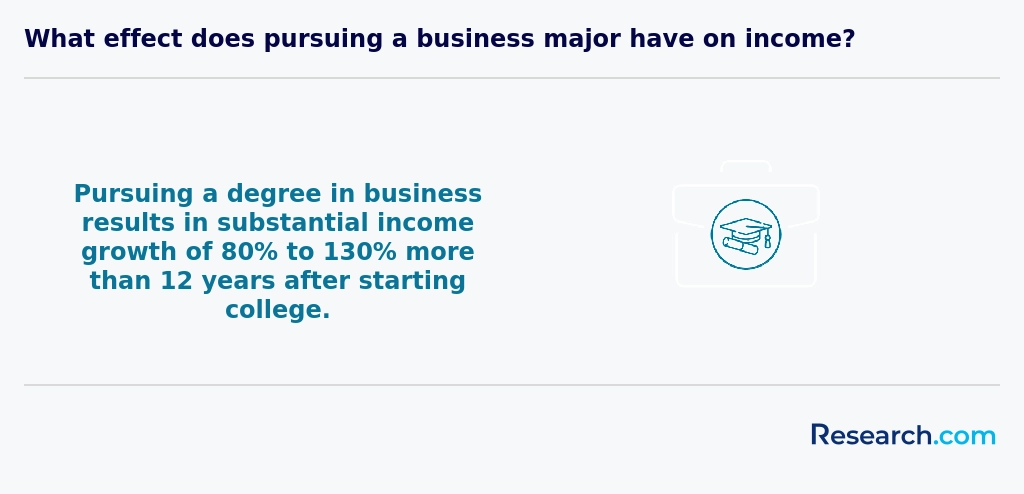
A business degree in Maryland significantly enhances career mobility and advancement by equipping graduates with versatile skills demanded across various industries. According to the Maryland Department of Labor, holders of business degrees have higher employment rates and median wages compared to those without such qualifications.
Maryland's strong economy, driven by sectors like technology, finance, and government contracting, values business graduates for leadership and analytical abilities. This demand expands job opportunities not only within the state but also in the broader Mid-Atlantic region.
Moreover, networking and internship opportunities available through Maryland's universities provide practical experience, which is critical for career advancement. Employers in Baltimore and the Washington metropolitan area increasingly seek candidates with formal business education to fill managerial roles.
Studying for a business degree in Maryland equips students with skills that extend beyond traditional business knowledge, preparing them for interdisciplinary roles in diverse industries. Maryland's universities often integrate coursework in technology, healthcare, and public policy, reflecting the state's strong sectors like biotechnology and government services. According to the Maryland Higher Education Commission, many programs emphasize collaboration, critical thinking, and problem-solving to address complex challenges across fields.
Students gain hands-on experience through internships with local companies such as Johns Hopkins and Under Armour, fostering practical skills in marketing, finance, and data analytics. This broad education supports career paths that blend business with STEM, healthcare, or governmental expertise.
Choosing between a thesis and a non-thesis business degree program in Maryland depends largely on your career goals and learning preferences. Thesis programs require conducting original research and writing a detailed study, which suits students aiming for academic or research-based roles.
Non-thesis programs focus more on practical coursework and professional skills, ideal for those seeking immediate employment in Maryland's diverse business sectors, including finance and technology. According to the Maryland Higher Education Commission, business graduates with practical experience tend to secure jobs faster in the state's competitive market.
Consider the extra time commitment as thesis options often extend program length. Also, some Maryland employers prioritize real-world business skills over research experience, so weigh your options carefully against your career ambitions.
Students in Maryland who pursue business degrees often have valuable opportunities to study abroad through their home institutions. Many Maryland universities with accredited business schools, such as the University of Maryland and Johns Hopkins University, offer exchange programs and partnerships with international universities in Europe, Asia, and Latin America. These programs typically last a semester or a year, allowing students to earn credits toward their degrees.
Additionally, Maryland students benefit from the state's active support of global education initiatives. According to the Maryland Higher Education Commission, around 15% of Maryland undergraduates participate in study abroad experiences, with business students among the top participants. These opportunities expose students to global markets, essential for careers in international business.
Students can also access programs through national consortia like the Business Learning Abroad initiative, connecting business students from multiple US institutions to overseas internships and courses. Financial aid and scholarships are frequently available to help offset costs, making study abroad a feasible option for many Maryland-based business students.
Maryland offers various part-time jobs that align well with business degree education. Positions such as administrative assistants, sales associates, and marketing interns provide practical experience relevant to business studies. According to the Maryland Department of Labor, sales roles in sectors like retail and wholesale trade have experienced steady growth, reflecting strong demand for these skills.
Internships or part-time roles in local financial services firms or government agencies also allow students to apply classroom knowledge in real-world settings. The proximity to Washington, D.C., further increases opportunities in consulting, nonprofit management, and public administration. Maryland's growing business environment supports gaining skills in communication, project management, and data analysis through these jobs.
Business students in Maryland benefit from numerous networking opportunities that connect them with professionals and industry leaders. Universities such as the University of Maryland and Johns Hopkins offer strong alumni networks, career fairs, and mentorship programs tailored to business fields. Local business organizations, including the Maryland Chamber of Commerce, regularly host events and workshops promoting professional connections.
Maryland's proximity to Washington, D.C., enhances access to federal agencies and private sector companies, providing students with internship and job prospects. According to the Maryland Department of Commerce, sectors like finance, technology, and healthcare contribute significantly to the state's economy, presenting students with expanded networking arenas. Many schools also support student-run business clubs and competitions, fostering practical relationships.
Alumni networks offer significant advantages for business degree students in Maryland by providing valuable connections and career support. These networks often include graduates working in key industries within the state, such as finance, technology, and healthcare, enabling current students to access mentors and job opportunities. According to the Maryland Higher Education Commission, schools with active alumni associations report higher rates of internship placements and post-graduate employment.
Such networks also facilitate professional development through events, workshops, and networking sessions tailored to Maryland's business environment. They help students build relationships that can lead to collaborations, referrals, and longtime career support. For students, this access to experienced professionals enhances the practical value of their academic experience.
Customizing a business degree program in Maryland allows students to align their education with specific career goals by selecting concentrations, electives, and experiential learning opportunities. Many Maryland institutions offer specializations such as finance, marketing, entrepreneurship, or supply chain management, which reflect key industries in the state's economy. For example, areas like cybersecurity and healthcare management are growing fields in Maryland and some programs incorporate relevant courses.
Students can often tailor their schedules through internships, cooperative education, or capstone projects, gaining practical experience with local companies. According to the Maryland Higher Education Commission, nearly 70% of business students engage in internships, enhancing their employability in regional markets.
Additionally, some universities provide flexible formats including online or part-time study, accommodating working professionals aiming to advance specific skills. Access to Maryland's strong business networks and alumni can further support personalized career development within your degree program.
Business students in Maryland often face the challenge of balancing rigorous coursework with part-time work or internships. Many degree programs require hands-on experience, which means students must manage demanding schedules to meet both academic and practical requirements. Additionally, the rising costs of education in Maryland have increased financial pressure. According to the Maryland Higher Education Commission, average undergraduate tuition reached over $10,000 per year at public universities in 2023, excluding living expenses.
Students also encounter intense competition for job placements due to Maryland's proximity to major business hubs like Washington, D.C., and Baltimore. Networking and internship opportunities are essential but can be difficult to secure without adequate professional connections. Finally, adapting to evolving business technologies and trends is a critical ongoing challenge, as business curricula must keep pace with rapid industry changes.
With a business degree in Maryland, graduates can pursue various professional certifications that enhance career prospects. Popular options include the Certified Public Accountant (CPA) license, especially valuable in finance and accounting sectors. Maryland hosts many accounting firms requiring CPA certification, reinforcing its regional relevance.
Another widely recognized certification is the Project Management Professional (PMP) credential. Maryland's growing technology and defense industries offer ample opportunities for certified project managers.
Additionally, the Certified Management Accountant (CMA) designation suits those interested in management accounting roles, with Maryland's diverse economy supporting such expertise. According to the Maryland Department of Labor, demand for certified financial professionals is stable and expected to grow moderately through 2030.
To write a winning application for a business program in Maryland, start by thoroughly researching your target schools, such as the University of Maryland or Towson University, which are well-regarded for their business degrees. Tailor your personal statement to highlight relevant experiences and clearly explain your career goals in Maryland's diverse business environment.
Demonstrate knowledge of local industries-such as technology, healthcare, and finance-where Maryland leads nationally, according to the Maryland Department of Commerce. Strong letters of recommendation from professionals familiar with your work ethic and leadership potential are essential. Finally, maintain a competitive GPA-typically above 3.0-as Maryland business programs emphasize academic performance.
A business career today is increasingly shaped by global perspectives and international markets. Graduates from Maryland's business programs enter a workforce where understanding cross-cultural communication, global trade, and international finance is essential. According to the Maryland Department of Commerce, over 20% of Maryland's exports go to Asian markets, highlighting the need for business professionals with global knowledge.
US business schools, including those in Maryland, integrate global case studies and encourage study abroad programs to prepare students for diverse environments. Employers value skills like foreign language proficiency and international networking, reflecting the interconnected nature of modern business.
Gaining practical experience while studying for a business degree in Maryland is crucial for career readiness. Many Maryland universities offer internship programs that connect students with local companies, especially in Baltimore's thriving business sector, known for finance, healthcare, and technology industries. According to the Maryland Department of Commerce, internships increase employability by 20%. Students can also engage in cooperative education (co-op) programs, which alternate classroom study with work experience.
Participation in student-run enterprises and business clubs provides hands-on leadership and management skills. Additionally, Maryland's proximity to Washington D.C. offers unique opportunities for internships in government and nonprofit organizations, broadening practical experience.
Choosing the right concentration within a business degree program in Maryland involves aligning your interests with the state's economic strengths. Maryland's key industries include biotechnology, cybersecurity, and finance, offering robust opportunities in related business fields. According to the Maryland Department of Commerce, the financial sector employs over 200,000 workers statewide, highlighting the value of concentrations like finance or accounting.
Evaluate your long-term career goals and consider concentrations that match growing job markets. Internships and networking in Maryland's business hubs, such as Baltimore and the D.C. metropolitan area, can guide your choice practically.
Review program offerings carefully and seek advice from academic advisors to ensure your selected concentration fits both personal aspirations and regional demands.
- 2027 Most Valuable Online Business Degree Programs Ranking in Virginia
- 2027 Most Valuable Online Business Degree Programs Ranking in West Virginia
- 2027 Most Valuable Online Business Degree Programs Ranking in Pennsylvania
- 2027 Most Valuable Online Business Degree Programs Ranking in New Jersey
- 2027 Most Valuable Online Business Degree Programs Ranking in New York
- 2027 Most Valuable Online Business Degree Programs Ranking in Ohio
- 2027 Most Valuable Online Business Degree Programs Ranking in North Carolina
- 2027 Most Valuable Online Business Degree Programs Ranking in Tennessee
- 2027 Most Valuable Online Business Degree Programs Ranking in South Carolina
- 2027 Most Valuable Online Business Degree Programs Ranking in Massachusetts
See What Experts Have To Say About Studying Business
Read our interview with Business experts

Ingrid S. Greene
Business Expert
Clinical Assistant Professor of Management
Loyola Marymount University

David W. Stewart
Business Expert
Emeritus President's Professor of Marketing
Loyola Marymount University

David Souder
Business Expert
Senior Associate Dean for Faculty and Research
Michigan State University

- A guide to finding an internship https://www.ipag.edu/en/blog/guide-finding-internship
- 7 Practical Graduate Business Certificates to Round Out Your Resume https://www.umassglobal.edu/blog-news/7-practical-graduate-business-certificates-round-out-your-resume
- Enterprise project challenge https://barclayslifeskills.com/help-others/lessons/enterprise-project-challenge/
- Top 10 Emerging Business Niches of 2026 & How to Plan for Them https://prometai.app/blog/emerging-niches-business-planning
- Online Degree vs. Traditional: Choosing the Right Path https://beal.edu/online-degree-vs-traditional/
- Skills Employers Look for in Business Graduates – EU Business School https://www.euruni.edu/blog/skills-employers-look-for-in-business-graduates/
- Top 10 Skills Employers Seek in Business Graduates in 2026 https://www.ibat.ie/blogs/top-10-skills-employers-seek-in-business-graduates-in-2026
- 2024 Best Business Schools | How Alumni Rate Their Undergraduate Business Degrees https://poetsandquantsforundergrads.com/news/best-business-schools-alumni-rate-undergraduate-business-degrees/5/
- Business Study Abroad Programs | Go Overseas https://www.gooverseas.com/study-abroad/business
- Is a thesis always mandatory in a master's degree program? - EFMU: The Euler-Franeker Memorial University and Institute https://euler.euclid.int/is-a-thesis-always-mandatory-in-masters-degree-program/