2027 Most Valuable Business Degree Programs Ranking in Little Rock

Co-Founder and Chief Data Scientist
Choosing the right business degree program can feel overwhelming, especially with so many options available in Little Rock. This article introduces the 2027 Most Valuable Business Degree Programs Ranking in Little Rock, carefully developed by the Research.com team of data scientists to guide you toward the best choices.
Understanding which programs offer the greatest value can help you invest your time and resources wisely. A business degree opens doors to exciting career opportunities and personal growth.
Explore this ranking to make an informed decision about your future education with confidence and clarity.
Key benefits of getting business degree in Little Rock
- Business degree graduates in Little Rock can expect strong earning potential, with roles like Business Development Executive earning a mean annual wage of $83,190 and Business Analysts making approximately $112,950 per year.
- Graduates from local colleges often find diverse career paths in fields such as management, marketing, and analytics, allowing them to tailor their careers to their passions and strengths.
- Completing a business degree online offers flexibility and convenience, perfect for busy students balancing work or family, as shown by successful online graduates in Little Rock who launched rewarding careers without relocating.
- 2027 Most Valuable Business Degree Programs Ranking in Little Rock
- What can I expect from business degree in Little Rock?
- Where can I work with business degree in Little Rock?
What can I expect from business degree in Little Rock?
The average cost of pursuing a business degree in Little Rock is notably affordable compared to national figures. At the University of Arkansas at Little Rock (UALR), in-state undergraduate tuition was approximately $8,000 per year as of 2023. This tuition rate makes earning a business degree financially accessible for local students, especially when combined with available financial aid and scholarships that many graduates have utilized to lessen their educational expenses.
Graduates from UALR and similar institutions often report feeling confident about their investment in education due to the blend of reasonable costs and strong academic programs. The manageable tuition, paired with Little Rock's lower cost of living, creates a real-life scenario where a student can focus on studies and internships without excessive financial strain. This affordability allows students to allocate resources toward professional development opportunities, such as networking events and hands-on internships facilitated by the business school's industry connections.
Where can I work with business degree in Little Rock?
Graduates with a business degree from institutions like the University of Arkansas at Little Rock often find opportunities in the city's robust finance and insurance sectors. With employers such as Stephens Inc. and Simmons Bank recruiting for roles in financial analysis and banking management, graduates report feeling confident about entering a market where financial managers earn a median annual wage near $120,000, based on May 2023 BLS data.
Healthcare administration also attracts many business graduates, with local giants like Baptist Health and Arkansas Children's Hospital seeking professionals in operations and healthcare finance. Students from local colleges frequently note that these positions offer career growth aligned with a projected 15% job increase in healthcare management, according to state workforce projections.
Business students engaged with Little Rock's entrepreneurial scene appreciate hands-on experience in marketing and supply chain roles via startups supported by the Little Rock Regional Chamber. Graduates describe this environment as energizing and a direct path to leadership in developing ventures.
Furthermore, city and state government agencies provide pathways in budgeting and public administration, allowing graduates to contribute to public fiscal projects that impact the community directly.
Graduates with a business degree in Little Rock can expect competitive earnings that reflect the region's economic diversity. For instance, business development executives typically earn a mean annual wage of around $83,190. This salary offers a strong foundation for recent graduates exploring roles in dynamic local industries such as healthcare and finance.
Business analysts, a common early-career position for many graduates from institutions like the University of Arkansas at Little Rock, report an even higher mean annual wage of approximately $112,950. This figure highlights the value of analytical and strategic skills cultivated during their studies and internships within the city's corporate sector.
Many business graduates appreciate that their degree provides access to roles with substantial earning potential without needing to wait long into their careers. The practical experience gained through popular business programs in Little Rock often leads directly to rewarding positions with clear salary growth trajectories, making the investment in education feel worthwhile and motivating.
- Undergraduate business degrees at public universities in Little Rock typically cost between $20,000 and $35,000, while private schools may charge over $40,000.
- Starting salaries for business graduates average about $50,000 per year and can increase to around $75,000 mid-career.
- The local unemployment rate is low, generally between 3% and 4%, indicating strong job prospects in industries like healthcare, finance, retail, and logistics.
- Major employers in the area recruit graduates for roles in management, sales, accounting, and consulting, often supported by internships and networking opportunities.
- Many programs offer flexible course formats such as evening, online, and part-time classes to accommodate working adults.
- Accreditation by the AACSB is common and enhances program quality and employer recognition.
The typical completion time for a business degree in Little Rock varies depending on the program and student circumstances. For traditional Bachelor of Business Administration (BBA) students, the standard is four years of full-time study, generally involving about 15 credit hours per semester. Graduates from schools like the University of Arkansas at Little Rock often mention that balancing core business classes with general education requirements keeps the pace steady yet manageable.
Many students appreciate the flexible scheduling options offered locally, such as evening or weekend classes, which can extend the duration to five or six years for part-time enrollees. This flexibility suits working professionals or those managing family commitments, allowing them to advance their careers while pursuing their degree.
Accelerated bachelor's programs reduce completion time to around three years by increasing course loads or utilizing summer terms. Motivated students benefit from this approach, entering the workforce sooner and feeling a strong sense of accomplishment.
For graduate business education like the MBA, full-time students typically complete their degree in two years, while part-time options extend this to three years or more. Such programs tailor schedules for professionals, enhancing accessibility without compromising quality.
On-campus business degrees in Little Rock offer an immersive classroom experience where students engage directly with professors and peers, enhancing networking and collaboration. These programs, such as those at the University of Arkansas at Little Rock, typically cost between $8,000 and $12,000 annually for in-state students, with additional expenses like housing and transportation. Graduates often recall the value of hands-on group projects and in-person events that strengthened their practical business skills and professional connections.
In contrast, online business degrees provide flexibility, ideal for working adults or those with family commitments. Tuition ranges from approximately $6,000 to $10,000 annually, lowering costs through eliminated commuting and campus fees. Online students rely on video lectures and virtual discussions, which demand discipline but allow study from anywhere. Graduates appreciate how these programs accommodate busy schedules without sacrificing academic rigor.
- On-campus programs provide access to campus resources and face-to-face mentorship.
- Online degrees offer unmatched scheduling flexibility for working professionals.
- Cost differences include savings on incidental expenses in online programs.
- Both formats maintain strong accreditation and curriculum standards.
Looking to earn your degree faster without sacrificing quality? Little Rock’s colleges and universities increasingly offer accelerated pathways designed for motivated students and working professionals. Here’s how you can shave months or even years off your education timeline: • Competency-Based Learning: Programs that allow you to progress by demonstrating mastery of core business concepts-rather than following a fixed semester schedule-can significantly cut down on seat-time. • Transfer Credit Strategies: If you’ve completed general education or vocational coursework, be sure to maximize transferable credits. Many institutions in Little Rock accept regional accreditation from community colleges to expedite your bachelor’s degree. • Summer and Winter Sessions: Enrolling in intensive summer or winter intersession courses helps you accumulate credits year-round. These condensed classes cover the same material as fall and spring terms but in a fraction of the time. • Online Accelerated Degrees: For students juggling work and life commitments, fully online options provide ultimate flexibility and speed. For instance, a 2-year online business management degree offers an accelerated curriculum, letting you complete essential management, marketing, and finance courses in just 24 months. Before committing, confirm accreditation, review course equivalencies, and consult academic advisors to ensure a seamless credit transfer process. By choosing the right combination of transfer credits, competency exams, and accelerated scheduling, you’ll be well on your way to entering the workforce sooner-armed with the same rigorous curriculum as a traditional program.
The average cost of a business degree in Little Rock varies significantly depending on residency and institution type, but the median total tuition and fees amount to approximately $28,590. For in-state students attending public institutions like the University of Arkansas at Little Rock (UALR), the median total cost typically falls around $13,014, making this an affordable option for residents aiming to complete their undergraduate or graduate business degrees locally.
Graduates from UALR often recall managing their expenses with a clear understanding of these costs, which include not only tuition but also fees and related academic expenses. Those attending private colleges in Little Rock, such as Arkansas Baptist College, encounter higher fixed tuition that is generally consistent regardless of residency and can edge closer to the median total cost referenced. This makes the decision between public and private education a matter of weighing financial commitment against personal preferences and program offerings.
While the total tuition and fees for business degree in Little Rock are competitive compared to national averages, students and prospective enrollees consider additional expenses like books and living costs, which can add around $10,000 annually. Financial aid, scholarships, and employer tuition assistance help many reduce net costs, leading to satisfaction among students who value the long-term investment and outcomes from their studies.
Those interested in exploring the most valuable business programs in Arkansas will find options tailored to different budgets and career goals. For more details on program quality and outcomes, consult the valuable business programs in Arkansas.

One of the most important considerations when choosing a business degree program is understanding its return on investment. Prospective students should evaluate not only the upfront costs but also the long-term career benefits and earning potential that come with this academic pursuit. A comprehensive ROI analysis goes beyond tuition fees to consider factors such as internship opportunities, career services, networking resources, and alumni support-all of which contribute significantly to your professional growth. Many graduates have found that the hands-on projects and real-world experience provided by reputable programs create a solid foundation for success. For instance, a strong emphasis on career readiness can translate into competitive compensation; research indicates that individuals can achieve a salary with business management degree that far exceeds their initial expectations. By examining data on employment outcomes, average salary growth over time, and job market trends, students can make informed decisions that align well with both their financial goals and career aspirations. This kind of in-depth analysis not only adds credibility but also helps future students understand the full spectrum of benefits associated with earning a business degree.
Students pursuing business degrees in Little Rock benefit from multiple financial aid sources that significantly ease the burden of tuition, typically ranging from $8,000 to $12,000 annually for in-state enrollment. Federal aid is a cornerstone, with the FAFSA application unlocking access to Pell Grants up to $7,395 per year and low-interest Direct Subsidized and Unsubsidized Loans, which many business graduates recall as essential in reducing debt stress.
State-level aid enhances affordability, particularly through the Arkansas Academic Challenge Scholarship offering up to $4,500 annually for eligible residents attending institutions like the University of Arkansas at Little Rock. This scholarship often makes a tangible difference for students balancing part-time jobs or family commitments.
Merit-based scholarships, typically ranging from $1,000 to $5,000, are widely available at local colleges, rewarding academic and leadership achievements. Recipients from popular business programs describe these awards as encouraging milestones that boost confidence and support career readiness.
Complementing these are work-study opportunities connected to business disciplines, which provide practical experience while supplementing income. Private scholarships from local foundations and corporations further contribute, often targeting underrepresented business students and specialized concentrations.
When considering a business degree, location plays a crucial role in the availability of job opportunities, networking, and the overall learning experience. Little Rock, Arkansas, stands out as an ideal location for business education and career development, offering a unique blend of economic growth, cultural diversity, and educational excellence. For those interested in pursuing a business degree in this vibrant city, understanding the local business landscape is essential. To explore the top business programs in the region, visit our valuable business programs in Arkansas ranking, which provides comprehensive insights into the best institutions and their offerings. With its thriving business community, Little Rock provides students with ample opportunities for internships, job placements, and professional growth, making it an attractive destination for aspiring business leaders.
To enroll in a business degree program in Little Rock, students must first have a high school diploma or an equivalent credential like a GED. Most programs, including those at the University of Arkansas at Little Rock, expect applicants to have completed core academic courses in mathematics, English, and social studies. These foundational skills enable students to confidently tackle business subjects such as accounting and economics.
Standardized test scores like the SAT or ACT are usually required, though some local colleges have moved toward test-optional policies to reduce barriers for applicants. Graduates often highlight how good test preparation helped them access competitive spots in programs while others appreciated the flexibility of test waivers.
Supplemental materials-transcripts, recommendation letters, personal statements, and sometimes resumes showing relevant work experience-are crucial for showcasing motivation and fit. For graduate degrees like an MBA, a bachelor's degree and professional business experience are standard prerequisites, with some schools requiring the GMAT or GRE, though waivers are increasingly common in Little Rock.
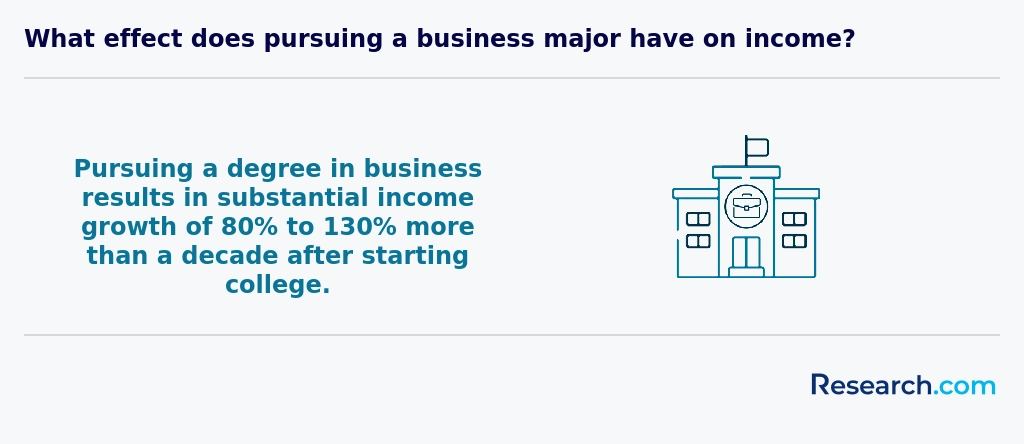
Investing in a business degree in Little Rock, AR, goes beyond tuition-it’s about how quickly your education translates into higher earnings and career growth. By assessing the average program cost against post‐graduation salaries, you can estimate your payback period and long‐term value. Average Costs and Earnings
- Total Tuition Investment: Approximately $28,000–$30,000 for a four‐year bachelor’s degree (based on $6,988 per semester for residents).
- Entry‐Level Salary: Graduates typically start around $55,000–$60,000 annually, with Project Managers earning $80,220 and Business Analysts $108,790 on average.
- Payback Period: With a $60,000 starting salary, most students recoup tuition costs within 1–2 years, outperforming the national average of 3–4 years for undergraduate degrees. Key ROI Metrics
- Net Present Value (NPV): Factoring in a 30% tax rate and 3% salary growth per year, the 10-year NPV of a Little Rock business degree often exceeds $200,000.
- Internal Rate of Return (IRR): Programs in Little Rock yield an IRR of 15–18%, reflecting strong alignment between cost and income potential.
- Debt‐to‐Earnings Ratio: With robust financial aid options covering up to 99% of students, many graduates graduate debt‐light, further boosting ROI. Maximizing Your Investment
- Specializations: Finance and Analytics tracks typically offer the highest ROI due to rapid market demand.
- Flexible Formats: Online programs can reduce living expenses; see our Affordable Online Master's in Business Degree Programs Ranking in West Virginia for cost-effective graduate options.
- Internships & Networking: Securing paid internships not only builds skills but can offset tuition costs and shorten payback timelines. By carefully evaluating these ROI factors, you’ll make an informed choice that aligns your educational investment with long‐term career rewards.
Business degree programs in Little Rock typically include core courses such as Principles of Management, Financial and Managerial Accounting, Business Law and Ethics, Marketing Fundamentals, Microeconomics and Macroeconomics, Quantitative Methods or Business Statistics, and Organizational Behavior. Graduates from popular local institutions often describe how these courses provided them with a solid foundation to understand business operations and develop essential analytical skills.
For instance, students studying at universities in Little Rock frequently relate how Financial Management courses helped them tackle real-world budgeting and investment scenarios, especially given the city's active financial services sector. Emphasizing data-driven decision-making, these programs align with national trends where over 75% of companies value analytics in management, preparing students for high-demand roles.
Many graduates appreciate the blend of theory and practice, noting that courses incorporate case studies and projects that mirror challenges faced by local employers. This hands-on approach, combined with internships encouraged by universities, helps students gain practical experience that makes them feel confident entering the job market in Little Rock's competitive business environment.
Business degree specializations in Little Rock offer focused pathways aligned with the city's economic landscape. Popular areas include finance, marketing, management, accounting, entrepreneurship, and supply chain management. Graduates from local colleges often cite finance as a key specialization due to Little Rock's status as a regional financial hub, where knowledge in investment strategies and risk management is highly valued.
Marketing programs emphasize digital marketing and brand management, reflecting the city's growing startup and small business scene. Students share how this preparation equips them to help local firms increase market reach. Management studies focus on leadership and organizational behavior, with opportunities to pursue middle or upper management given the presence of corporate headquarters.
Accounting students are encouraged by a projected 7% job growth in Arkansas through 2031, making this specialization a stable choice. Entrepreneurship is popular among those attracted to Little Rock's supportive small business ecosystem, which includes incubators and funding options.
Supply chain management is increasingly relevant, preparing students for logistics roles in evolving trade networks. Many at popular business schools appreciate how these specializations align with real-world demands and improve their salary with business management degree prospects.
Choosing the best business degree programs in Little Rock requires focusing on accredited institutions like the University of Arkansas at Little Rock, known for its AACSB-accredited business programs. Graduates from these schools often report increased employer confidence and stronger resumes. Considering the local economy's strengths in healthcare, finance, and transportation, selecting specializations that align with these industries can maximize job prospects and career satisfaction.
Affordability is key when evaluating affordable business schools Little Rock offers. With annual tuition around $9,000 for in-state students, these programs are competitively priced below the national average, but don't overlook additional costs such as fees and textbooks. Flexibility in scheduling, including evening, weekend, or online classes, supports working students balancing education and employment commitments. Many students find options like a 2-year online business management degree particularly helpful.
Finally, prioritize schools with strong career services and internship networks tied to local businesses. These connections provide practical experience essential for job placement. Graduates consistently highlight how such support improved their confidence and readiness to enter Little Rock's business community.

Graduates with a business degree in Little Rock access diverse career paths reflective of the city's economic landscape. Finance and banking remain prominent, with institutions like Bank of America and Arvest Bank offering roles in financial analysis and commercial banking. This aligns with national trends where financial analyst employment is projected to grow 8% from 2022 to 2032, supporting robust demand locally. Marketing and sales careers also flourish, driven by e-commerce growth and digital marketing needs; marketing managers in Arkansas earn a median annual salary near $110,000. Many business students from well-known Little Rock colleges find rewarding opportunities in business management and human resources, often working as consultants, HR specialists, or project managers within the region's professional services sector.
Entrepreneurship attracts graduates inspired by local startup networks and the Little Rock Regional Chamber's support. Students frequently highlight the affordability of earning a business degree in Arkansas, with tuition averaging $8,000 to $11,000 annually at public institutions compared to the national $20,000 average. Emerging fields such as supply chain management and healthcare administration provide additional avenues for growth. For those comparing options, resources like the Affordable Online Master's in Business Degree Programs Ranking in West Virginia help contextualize cost-effective paths while pursuing top business jobs for Little Rock graduates.
The job market for business degree graduates in Little Rock shows strong potential, driven by the city's diverse economy and steady growth in business occupations. Local employers such as Dillard's corporate headquarters and Arkansas Blue Cross Blue Shield actively recruit candidates with business skills, particularly in marketing, finance, and operations. Graduates from the University of Arkansas at Little Rock often report successful starts in positions like management analysts or sales managers, reflecting the favorable Little Rock business degree employment outlook.
Entry-level salaries for business graduates typically range from $45,000 to $55,000 annually, aligning with national averages but supported by Little Rock's lower cost of living, which contributes to a comfortable lifestyle. Networking through local business associations and internships has proven vital for graduates seeking to leverage connections for career advancement.
Considering education costs alongside job prospects is important, with local options offering competitive tuition. Students may also explore an accredited accelerated bachelor degree online to enhance their skill set and marketability in this evolving job market.
Business degree job opportunities Little Rock continue to expand in emerging sectors like logistics and data analysis, empowering graduates with transferable skills to thrive in the region's dynamic economy.
2027 Most Valuable Business Degree Programs Ranking in Little Rock
Investing in your education is a significant decision that can profoundly impact your future, and the Research.com team recognizes the importance of providing trustworthy guidance. To support prospective students in Little Rock, we have carefully developed the "2027 Most Valuable Business Degree Programs Ranking in Little Rock." Our dedication to quality, credibility, and accuracy is demonstrated through rigorous research and thorough analysis conducted throughout this process. We relied on the following reputable data sources to deliver a well-rounded assessment of business degree programs:
By consulting this ranking, readers will obtain valuable insights into the most advantageous business degree programs offered in Little Rock, empowering them to make confident and informed educational choices. For further information on how this ranking was created, please visit our Research.com methodology page.

# 3 position
Philander Smith University
Bachelor of Science in Management

# 4 position
Strayer University-Arkansas
Bachelor of Business Administration

# 5 position
Philander Smith University
Master of Business Administration

Frequently Asked Questions About business
Business degree students in Little Rock can maximize their learning by engaging deeply with both academic and local community resources. Leveraging internships with prominent Little Rock companies-such as Dillard's or Windstream-provides practical experience that complements classroom learning. According to the Little Rock Regional Chamber, the city's business sector is growing steadily, particularly in finance and healthcare, offering diverse opportunities for students.
Participating in on-campus business clubs and networking events helps students build valuable professional relationships. Additionally, utilizing university career services to access workshops, mentorship programs, and job fairs enhances readiness for the competitive job market.
Finally, staying informed about emerging business trends in Arkansas fosters an adaptive mindset essential for long-term success.
Emerging niches within the business field in Little Rock reflect broader national trends while also responding to local economic shifts. One significant area is supply chain management and logistics, driven by Arkansas's growing role as a transportation hub. The city's proximity to major highways and distribution centers makes expertise in this sector increasingly valuable.
Another rising niche is data analytics and business intelligence. Companies in Little Rock are leveraging data to improve customer insights and operational efficiency, creating demand for professionals skilled in analyzing complex datasets.
Additionally, entrepreneurship in technology-driven sectors is expanding. Small business support programs in Little Rock encourage innovation in fintech, healthcare, and sustainable business practices. According to the Little Rock Chamber of Commerce, jobs in these emerging fields are expected to grow faster than the overall market through 2030.
After completing a business degree in Little Rock, preparing for the job market involves strategic steps tailored to the local economy. Little Rock's diverse business environment includes sectors like finance, healthcare, and manufacturing, offering various opportunities for graduates. It is vital to build practical experience through internships or part-time roles during your studies-Arkansas' unemployment rate stood at 3.4% in early 2024, indicating a competitive but accessible job market (U.S. Bureau of Labor Statistics).
Networking plays a crucial role; engage with local business organizations such as the Little Rock Regional Chamber to connect with employers. Additionally, enhancing skills in digital tools and data analysis can improve employability, as many local companies increasingly seek tech-savvy candidates.
Employers in Little Rock value business degree graduates who possess strong analytical and communication skills. According to the Arkansas Department of Workforce Services, proficiency in data analysis and financial literacy are crucial for local businesses navigating a competitive market.
Additionally, teamwork and leadership abilities rank highly. Many companies in Little Rock emphasize collaboration, especially in sectors like finance, healthcare, and logistics, which are major regional industries.
Tech skills, including familiarity with business software and digital marketing, are increasingly sought after. The U.S. Bureau of Labor Statistics highlights that digital competency significantly boosts employability in today's market.
Finally, problem-solving and adaptability remain foundational skills that local employers expect from new graduates.
Finding internships in Little Rock relevant to a business degree involves tapping into local resources and networks. The city's growing economy features strong sectors such as finance, healthcare, and retail, offering opportunities for business students.
Start by exploring internship programs at the University of Arkansas at Little Rock, which partners with local companies for credit-earning internships. Additionally, the Little Rock Chamber of Commerce provides listings and networking events that connect students with businesses actively hiring interns.
Online platforms like Handshake and LinkedIn also list local internships, often sponsored by firms headquartered in Little Rock. According to the Arkansas Department of Workforce Services, businesses here increasingly prioritize candidates with practical experience, making internships essential for career growth.
In Little Rock, obtaining a business degree significantly enhances career mobility and advancement opportunities. The city's growing economy, particularly in finance, healthcare, and logistics sectors, demands professionals with solid business acumen. According to the U.S. Bureau of Labor Statistics, business-related fields in Arkansas are expected to grow by over 5% through 2030, offering graduates a positive job outlook.
Employers in Little Rock value degrees that combine theoretical knowledge with practical skills, facilitating promotions and lateral moves within companies. Business degrees often open doors to leadership roles, as local firms seek candidates proficient in management, finance, and marketing. Additionally, networking opportunities through local business schools can propel career progression.
Graduates with business degrees typically experience higher starting salaries and faster salary growth compared to those without degrees, according to data from the Arkansas Economic Development Commission. This makes pursuing a business degree a strategic step for professionals aiming to thrive in Little Rock's competitive job market.
Studying for a business degree in Little Rock equips students with skills essential for interdisciplinary roles. Programs in this city integrate concepts from finance, marketing, management, and information technology, fostering adaptability. Local universities, such as the University of Arkansas at Little Rock, emphasize project-based learning that involves collaboration across different fields.
The city's dynamic economy, driven by sectors like healthcare, manufacturing, and transportation, offers business students practical exposure to diverse industries. According to the Little Rock Regional Chamber, these industries require professionals who can work effectively across departments and disciplines. This real-world context enhances students' problem-solving and communication abilities.
Moreover, internships and networking opportunities in Little Rock further prepare students to navigate interdisciplinary teams in their future careers.
When choosing between a thesis and a non-thesis business degree program in Little Rock, consider your career goals and learning preferences. Thesis programs typically involve conducting original research and writing a detailed paper, which can be valuable for those interested in academic or research careers.
Non-thesis programs usually emphasize practical skills through coursework and projects, appealing to professionals aiming to enter or advance in the local business market without pursuing a PhD.
Arkansas's Department of Higher Education notes that most Little Rock institutions offer both options, with non-thesis tracks often completed faster.
Additionally, the city's growing economy-supported by financial services and logistics sectors-can influence your choice by prioritizing applied skills over research.
Students in Little Rock interested in studying business abroad have several pathways through partnerships with US universities and study abroad programs. The University of Arkansas at Little Rock (UALR) offers business students opportunities to participate in exchange programs and international internships in Europe, Asia, and Latin America. Typically, these programs last one semester and provide credit transfer options.
Moreover, many business schools across the US, including those attended by Little Rock residents, have affiliations with reputable institutions worldwide, allowing students to explore global markets firsthand. According to NAFSA, over 62% of U.S. business students engage in study abroad programs to enhance their cross-cultural skills.
Financial aid and scholarships specifically for studying business abroad are often available through federal programs or university funds, making international study more accessible for Little Rock students.
Students pursuing business degrees in Little Rock can benefit from various part-time job opportunities that reinforce their academic knowledge. Positions such as administrative assistants, retail sales associates, and customer service representatives provide practical experience in communication and organizational skills.
Internships in local financial institutions or marketing firms, common in Little Rock's growing business sector, offer valuable exposure to real-world business operations. According to the Arkansas Economic Development Commission, finance and professional services have been steadily expanding, creating entry-level roles suitable for students.
Additionally, on-campus roles in university business centers or student organizations allow students to apply teamwork and leadership skills directly related to their studies. These roles help develop competencies critical for careers in management, finance, or marketing.
Business students in Little Rock benefit from a variety of networking opportunities through local universities and professional organizations. The University of Arkansas at Little Rock offers career fairs and alumni events that connect students with over 150 regional businesses. Additionally, the Little Rock Regional Chamber of Commerce actively supports student engagement through internships and mentoring programs.
The city's growing economy, with a diverse business base including finance, health care, and logistics, provides a dynamic environment for networking. Events like the Arkansas Small Business and Technology Development Center workshops foster connections between students and local entrepreneurs. According to the Little Rock Economic Development agency, over 10,000 businesses operate in the metro area, enhancing internship and job prospects.
Alumni networks play a crucial role for business degree students in Little Rock by offering valuable professional connections. Graduates from local institutions often remain active in the city's diverse business environment, which includes sectors like finance, healthcare, and retail. According to the Little Rock Regional Chamber, alumni networks facilitate mentorship opportunities, internships, and job placements, helping students transition smoothly from academia to employment.
Networking through alumni groups can also lead to collaborations and partnerships within Little Rock's growing startup community. This direct access to experienced professionals increases students' likelihood of success in a competitive job market.
Furthermore, many universities in Little Rock host alumni events and maintain online platforms, enabling ongoing engagement and support for career advancement.
Customizing a business degree program in Little Rock involves selecting concentrations and electives aligned with your career goals. Many local universities and colleges offer specializations in areas like finance, marketing, entrepreneurship, and supply chain management. According to the U.S. Department of Education's College Navigator, programs in Arkansas typically allow students to choose 15-30% of their courses as electives, providing flexibility. Engaging in internships or cooperative education with Little Rock's growing sectors-such as healthcare, technology, or retail-can enhance practical skills. Additionally, some schools offer certificate programs or dual degrees to further tailor your education to specific industries.
Business students in Little Rock often face challenges balancing academic demands with work and family responsibilities. Many pursue degrees while working part-time or full-time, creating time management difficulties. According to the U.S. Census Bureau, the median age of college students in Arkansas is higher than the national average, reflecting these competing priorities.
Another challenge is access to internships and practical experience. Little Rock's business sector is growing but remains smaller than major metro areas, limiting hands-on opportunities for students. Local economic reports highlight modest growth in financial and professional services, which can impact networking and job placement.
Affordability also affects students, as Arkansas ranks 10th in the U.S. for average student debt for business majors, per recent education data. Understanding these challenges can help prospective students prepare accordingly.
Graduates with a business degree in Little Rock can enhance their careers by pursuing several professional certifications that are valued nationwide. One popular option is the Certified Public Accountant (CPA), especially for those interested in accounting and finance roles. The CPA is highly regarded in Arkansas and requires passing a rigorous exam along with meeting state education and experience criteria.
Another key certification is the Project Management Professional (PMP), which suits business graduates aiming for leadership positions in operations or project management. PMP holders earn an average salary increase of 20%, according to the Project Management Institute.
For those in marketing or sales, the Certified Marketing Professional (CMP) can improve job prospects. Additionally, the Certified Business Analyst Professional (CBAP) credential supports roles in analytics, a growing field in Little Rock's expanding business sector.
Applying to business programs in Little Rock requires a clear and focused approach. Start by thoroughly researching each school's requirements, as institutions like the University of Arkansas at Little Rock emphasize leadership experience and community involvement. Highlight your academic record, especially in math and economics, since these are key to business success.
Strong personal statements that connect your career goals with Little Rock's growing business environment, including its $100 billion regional economy, can make your application stand out. Include any relevant internships or work experience with local companies, as practical experience is highly valued.
Finally, obtain compelling letters of recommendation that speak to your professionalism and ambition. Use official test scores like the GMAT if requested, but some programs offer waivers based on work history. Following these steps can improve your chances of admission.
The global perspective on a business career increasingly values cross-cultural skills and international experience. Employers in the United States, including in Little Rock, look for graduates who understand global markets and can navigate diverse business environments.
According to the U.S. Bureau of Labor Statistics, business-related fields are expected to grow steadily through 2030, emphasizing roles that require analytical and communication skills essential for global commerce.
Little Rock's growing economy, highlighted by sectors like logistics and finance, benefits from business professionals skilled in global trade and digital technologies. Local institutions often integrate international case studies and internship opportunities with multinational companies to prepare students for this demand.
Understanding global business trends is crucial for graduates to compete locally and internationally.
Gaining practical experience while studying for a business degree in Little Rock is essential for career readiness. Many universities in the area, such as the University of Arkansas at Little Rock, offer internship programs that connect students with local businesses. These internships provide hands-on experience in areas like marketing, finance, and management.
Additionally, students can participate in cooperative education (co-op) programs, which alternate paid work terms with academic study. Engaging in local business competitions and consulting projects is another effective way to build skills. According to the Little Rock Regional Chamber, internships in the city's growing professional sectors have increased by 15% over recent years, reflecting robust opportunities.
Choosing the right concentration within a business degree program in Little Rock begins with understanding local economic trends. Little Rock's economy is strong in sectors like healthcare, finance, and logistics, which can influence viable business concentrations. For example, finance and supply chain management are growing fields here, supported by firms such as Dillard's and Windstream Communications.
Students should evaluate their career goals by researching job opportunities and growth projections in Arkansas. The Arkansas Division of Workforce Services reports steady demand for professionals in marketing, management, and accounting in Little Rock. Additionally, internships with local companies offer practical insights.
It is important to consider program accreditation and resources offered by Little Rock institutions to support specific concentrations. Aligning personal interests with market data ensures a strategic choice that supports long-term career success.
- 2027 Most Valuable Business Degree Programs Ranking in Memphis
- 2027 Most Valuable Business Degree Programs Ranking in Springfield
- 2027 Most Valuable Business Degree Programs Ranking in Jackson
- 2027 Most Valuable Business Degree Programs Ranking in Columbia
- 2027 Most Valuable Business Degree Programs Ranking in Saint Louis
- 2027 Most Valuable Business Degree Programs Ranking in Dallas
- 2027 Most Valuable Business Degree Programs Ranking in Denton
- 2027 Most Valuable Business Degree Programs Ranking in Baton Rouge
- 2027 Most Valuable Business Degree Programs Ranking in Birmingham
- 2027 Most Valuable Business Degree Programs Ranking in Nashville
See What Experts Have To Say About Studying Business
Read our interview with Business experts


Ingrid S. Greene
Business Expert
Clinical Assistant Professor of Management
Loyola Marymount University

David W. Stewart
Business Expert
Emeritus President's Professor of Marketing
Loyola Marymount University

- Professional Business Certifications to Boost Your Career in 2025 https://www.business.com/articles/best-business-certifications/
- Cost of Attendance https://www.bhclr.edu/admissions/financial-aid/important-financial-aid-resources/additional-information/
- A 2016 Global Perspective on Business and Career Planning https://careerproinc.com/blogging/a-2016-global-perspective-on-business-and-career
- 1. Online registration https://moderna.edu.pl/majors/management/bachelor-of-management/business-management/
- Is a thesis always mandatory in a master's degree program? - EFMU: The Euler-Franeker Memorial University and Institute https://euler.euclid.int/is-a-thesis-always-mandatory-in-masters-degree-program/
- A guide to finding an internship https://www.ipag.edu/en/blog/guide-finding-internship
- Guide to Business Internships | Higherin https://higherin.com/career-guides/business/business-internships
- BUSINESS MANAGEMENT ENGLISH (THESIS / NON-THESIS) - Lisansüstü Eğitim Enstitüsü https://lee.nisantasi.edu.tr/en/business-management-english-thesis-non-thesis/
- Bringing global perspectives to leadership in business https://www.eaie.org/resource/global-perspectives-leadership-business.html
- Skills Employers Look for in Business Graduates – EU Business School https://www.euruni.edu/blog/skills-employers-look-for-in-business-graduates/