
2027 Most Valuable Business Degree Programs Ranking in Fayetteville

Co-Founder and Chief Data Scientist
Choosing the right business degree program can shape your future success, especially in Fayetteville's dynamic job market. This article introduces the 2027 Most Valuable Business Degree Programs Ranking in Fayetteville, developed by the Research.com team of data scientists.
It offers clear, data-driven insights to help you discover programs that provide real value for your goals. Whether you're starting your education or planning a career pivot, understanding which programs stand out empowers you to make confident decisions.
Investing in a business degree can open doors to rewarding opportunities and personal growth. This guide is designed to support your journey toward a fulfilling career.
Key benefits of getting business degree in Fayetteville
- Business degree graduates in Fayetteville can expect competitive salaries, such as a Business Development Executive earning about $83,190 annually and a Business Analyst earning around $112,950 per year, reflecting strong financial rewards.
- Graduates from local schools like the University of Arkansas can pursue diverse careers in management, analysis, or development, offering exciting opportunities for growth and leadership in many industries.
- Online business degrees from Fayetteville institutions provide flexibility for busy students, allowing them to balance work and study while gaining skills that employers value just as much as traditional degrees.
- 2027 Most Valuable Business Degree Programs Ranking in Fayetteville
- What can I expect from business degree in Fayetteville?
- Where can I work with business degree in Fayetteville?
What can I expect from business degree in Fayetteville?
The average annual cost of pursuing a business degree in Fayetteville is approximately $9,500 for in-state students at public institutions such as the University of Arkansas. This figure aligns with the 2023-2024 academic year data from the College Board. Graduates from the Sam M. Walton College of Business often reflect positively on the affordability combined with high-quality education, noting that manageable tuition rates reduce financial stress and allow greater focus on academic and professional growth.
For example, many Walton College alumni emphasize how their relatively low tuition fees compared to private schools enabled them to invest more time in internships and networking events, which enhanced their career prospects. The availability of financial aid and scholarships further lowers the economic barrier. This affordability is critical in Fayetteville's evolving business landscape, where students gain access to leadership and entrepreneurial courses designed to meet demands from industries such as logistics and technology startups.
The combination of cost-effective tuition and practical learning opportunities encourages students to engage deeply with Fayetteville's local economy, enhancing both their educational experience and employment outcomes.
Where can I work with business degree in Fayetteville?
Graduates with business degrees from institutions like Fayetteville State University often find diverse career opportunities across Fayetteville's robust economy. The city's stable job market supports roles in retail management, finance, healthcare administration, and government contracting. For instance, many alumni secure positions at local retail chains through the Fayetteville Regional Chamber's networks, managing store operations or coordinating supply chains.
Healthcare employers such as Cape Fear Valley Health System seek graduates for administrative and financial roles, reflecting an 8% projected growth in healthcare administration jobs through 2032 in the region. Business graduates report satisfaction working in healthcare logistics, appreciating the meaningful impact on patient services.
The military presence, with Fort Bragg nearby, offers veterans and other graduates pathways in government contracting and project management, leveraging business skills for complex federal projects. Financial careers are also viable, with firms like PNC Bank and TD Bank hiring for roles in loan evaluation and customer management, matching national employment growth rates of around 6%.
Entrepreneurship is a popular path too, supported by Fayetteville's small business incubators and transit system (FAST), encouraging business graduates to launch startups or develop local enterprises with confidence and community backing.
Business graduates in Fayetteville can anticipate competitive salaries, especially when considering data from the U.S. Bureau of Labor Statistics and local employment trends. For example, a Business Development Executive earns an average annual salary of around $83,190, while a Business Analyst typically makes about $112,950 per year. This demonstrates strong earning potential for those pursuing specialized roles after attending institutions like the University of Arkansas or nearby community colleges.
Graduates often share positive experiences about securing these well-paying positions shortly after completing internships and networking events organized by Fayetteville's business schools. The city's affordable cost of living further enhances the practical value of these salaries, allowing new professionals to live comfortably while gaining valuable skills.
Such salaries support a variety of lifestyles and ambitions-from starting young families to investing in continued education. With Fayetteville's growing economy and vibrant business community, graduates with a business degree are well-positioned to thrive both professionally and personally.
- Undergraduate business tuition in Fayetteville ranges from $9,000 to $25,000 per year, with lower rates for in-state students.
- Students can choose from programs in finance, marketing, management, and entrepreneurship, with opportunities for internships in the local business community.
- Starting salaries for business graduates average around $50,000 annually, increasing to $75,000-$85,000 mid-career.
- Fayetteville's job market includes retail, manufacturing, logistics, and corporate services, supporting strong hiring for business graduates.
- The University of Arkansas's Sam M. Walton College of Business is nationally recognized and offers extensive alumni networks and career resources.
Completing a business degree in Fayetteville typically takes about four years for undergraduates enrolled full-time. For example, students at well-regarded institutions like the University of Arkansas often follow a structured path of about 15 credit hours per semester across eight semesters to finish their Bachelor of Business Administration. Many graduates share that sticking to this timeline provides a clear, manageable route to earning their degree on schedule.
Graduate business degrees, such as MBAs, generally require around two years of full-time study. However, those balancing work and study often opt for part-time formats available at Fayetteville's universities, extending their program to three or four years. Graduates appreciate the flexibility this offers, enabling them to gain real-world experience while advancing their education.
Accelerated courses and summer sessions are also options at some Fayetteville colleges, allowing motivated students to graduate earlier. For instance, business students who take summer classes or transfer prior credits report feeling empowered by the ability to tailor their academic journey to fit their personal and professional goals.
Investing in a business degree in Fayetteville, AR is not just about acquiring skills-it's about building long-term financial security and career satisfaction. This section delves into how graduates can evaluate the return on investment for their education. By comparing tuition costs, average salaries, and career progression, you can determine how quickly your education pays off. For instance, while initial tuition fees might seem significant, many graduates find that competitive salaries and faster career advancement substantially boost their overall ROI. Additionally, the quality of networking and mentorship opportunities often accelerates entry into high-demand roles. If you’re looking to explore potential career trajectories following your degree, consider browsing our resource on Business Administration Careers for insights into long-term earning potential and growth opportunities. Keeping a close eye on these financial and professional metrics helps ensure that your education not only meets your academic goals but also fuels a profitable and rewarding career path.
Online and on-campus business degrees in Fayetteville differ primarily in delivery and student experience. On-campus programs, such as those at the University of Arkansas, offer a traditional setting with direct face-to-face interaction, fostering spontaneous discussions and collaborative projects. Graduates often highlight the benefits of networking during events and internships with local businesses, which enhance their career readiness. Access to campus facilities like libraries and career services creates a comprehensive learning environment.
Conversely, online business degrees provide flexible schedules tailored to working professionals or those with family obligations. Students engage through virtual platforms, discussion boards, and self-paced coursework, which appeals to non-traditional learners seeking convenience without commuting. Despite lower overhead costs, online tuition may still align with on-campus fees, depending on the institution's prestige.
Tuition for on-campus Fayetteville business programs averages $9,000 to $12,000 annually for in-state students. Online options can reduce expenses related to housing and travel. Both paths cover core subjects like finance, marketing, and management but vary significantly in delivery style and campus involvement.
The average cost of a business degree in Fayetteville varies significantly based on residency status and the type of institution chosen. For in-state students attending public universities, the median total cost stands around $10,104, making it a financially viable option for many local residents. Out-of-state students face higher expenses, with the median total cost closer to $45,364, reflecting the premium charged for non-residents. These figures align with broader Fayetteville business degree total tuition fees trends, where public universities provide an affordable pathway compared to private institutions.
Community colleges in Fayetteville offer a notably lower tuition rate, which has helped some graduates manage expenses effectively before transferring to four-year programs. This option has been particularly popular among students seeking to minimize debt while earning valuable credits. Private colleges, by contrast, often demand significantly higher tuition, although they may offset these costs with scholarships and financial aid.
Many graduates recall balancing their budgets carefully, often acknowledging that understanding the average cost of business degrees in Fayetteville helped them strategize their finances. They also emphasize the importance of factoring in additional costs such as textbooks, housing, and technology fees. Exploring various options, including online programs, has allowed some students to find flexible solutions that fit their financial and academic goals.
Prospective students aiming for a business degree should also consider future career outcomes. Opportunities in the field can be rewarding, and learning about the potential of finance degree jobs gives many confidence in their investment despite upfront costs.
When considering a business degree in Fayetteville, AR, one of the most critical decisions you'll make is choosing the right business school. This decision can significantly impact your educational experience, career opportunities, and future success. To make an informed decision, it's essential to research and compares different business schools in the area. For instance, learning about the valuable business school in arkansas can provide valuable insights into the quality of education, faculty expertise, and alumni network. By understanding what each school offers, you can find the best fit for your academic and professional goals, setting yourself up for success in the competitive business world of Fayetteville, AR.
Business students in Fayetteville often secure federal financial aid by completing the FAFSA, unlocking options like Pell Grants that provide up to $7,395 per year without repayment. Many who attend popular institutions such as the University of Arkansas rely on Direct Subsidized and Unsubsidized Loans, which offer manageable interest rates and flexible repayment plans, easing financial pressure.
State scholarships, particularly the Arkansas Academic Challenge Scholarship, play a critical role for local students. By awarding up to $4,000 annually, it significantly lowers costs for Arkansas residents studying business at public and private Fayetteville schools. Graduates frequently recall how this aid made attending campus events and investing in professional development feasible alongside coursework.
Local scholarships from Fayetteville foundations and businesses also help cover expenses, with awards ranging from a few hundred to several thousand dollars. Work-study opportunities provide hands-on experience in business-related roles while supplementing income, a benefit often highlighted by recent business graduates who appreciated the real-world skill-building and financial relief.
Merit-based scholarships reward academic excellence and leadership, encouraging students to engage deeply with their business programs. Many Fayetteville business degree holders note that such awards boosted their confidence and motivation throughout their studies.
Enrolling in a business degree program in Fayetteville requires meeting clear academic and administrative prerequisites designed to prepare students effectively. Most local universities, including the University of Arkansas, expect applicants to have completed a high school diploma or equivalent, like a GED, with solid academic performance in math, English, and social sciences. Graduates often recall how their strong foundation in these subjects eased early coursework and boosted their confidence.
Standardized test requirements vary; while some Fayetteville schools still request SAT or ACT scores, many, such as the University of Arkansas, have adopted test-optional policies post-pandemic, enabling applicants to present holistic profiles instead. Applicants typically submit transcripts, recommendation letters, and personal statements expressing genuine passion for business, which often resonates well with admissions officers.
For MBA candidates, prerequisites tighten, requiring a bachelor's degree and usually GMAT or GRE scores-though some programs waive these for applicants with relevant work experience. Many Fayetteville graduates emphasize how their 1-2 years of professional experience added valuable real-world context to their studies and networking.
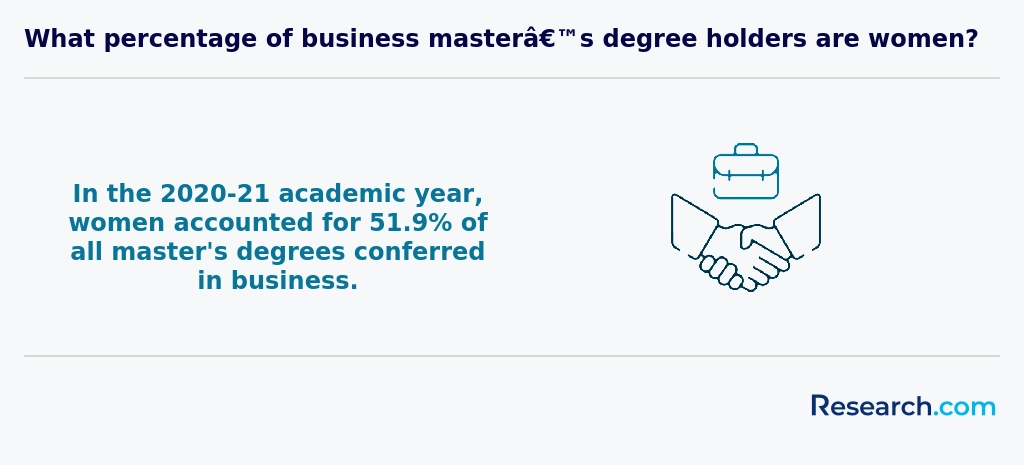
Business degree programs in Fayetteville typically include core courses in accounting, finance, marketing, management, and economics, providing a comprehensive foundation for students entering competitive markets. Graduates from the University of Arkansas' Sam M. Walton College of Business often highlight how these fundamentals helped them understand real-world financial decisions and strategic marketing.
Additional coursework usually covers Business Law and Ethics, Organizational Behavior, Quantitative Methods or Business Statistics, Information Systems, and Strategic Management. These classes equip students with practical skills like navigating legal frameworks, motivating teams, analyzing data, and leveraging technology in business contexts.
Many students appreciate how Fayetteville's strong local economy, influenced by major employers such as Walmart, enhances courses focused on supply chain management and entrepreneurship. The integration of hands-on projects and internships within these programs allows students to apply their knowledge directly, boosting both confidence and job readiness upon graduation.
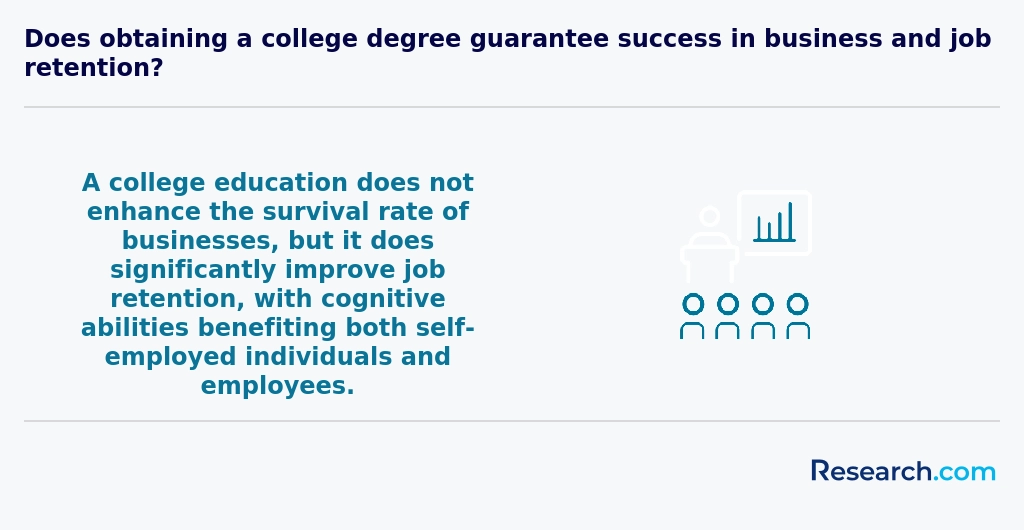
Business degree specializations in Fayetteville offer focused paths such as marketing, finance, management, human resources, entrepreneurship, and supply chain management. Graduates from well-known Fayetteville colleges often highlight how marketing specialization helped them develop skills to analyze consumer behavior and thrive in the city's growing retail sector. Finance, pivotal here, prepares students for careers with salaries ranging from $50,000 to $60,000 in the Arkansas area, proving attractive for those wanting corporate or financial services roles.
Fayetteville business management concentration options like management and human resources align with local business services, enabling students to lead teams and manage operations effectively. Entrepreneurs and supply chain specialists benefit from Fayetteville's vibrant small business and logistics economy, which builds practical expertise for real-world challenges.
For students seeking affordable and specialized education, Fayetteville's public universities range from $7,000 to $18,000 yearly tuition, creating opportunities to pursue tailored degrees with manageable debt. To explore more pathways like these, consider the best online colleges for sociology degrees as an example of quality accessible options.
Choosing the best business degree programs in Fayetteville involves analyzing several critical factors. Graduates from local institutions like the University of Arkansas commonly highlight the importance of program accreditation, especially AACSB certification, which ensures educational quality and enhances employment prospects. State residents benefit from a more affordable tuition rate, roughly $9,000 annually, compared to private colleges charging about $27,000, making cost a defining consideration for many students.
Professional success often ties closely to program outcomes, such as strong employment rates within Fayetteville's diverse industries including retail and technology. Many business students value internship opportunities that foster real-world experience and establish local business connections, which boost confidence and career readiness. Additionally, flexibility in course schedules-like part-time, evening, or online classes-caters well to working professionals seeking practical learning options.
Students balancing cost and convenience might also explore financial aid or specialized tracks offered locally. For those interested in expanding options, it's beneficial to compare with the most affordable online hospitality management programs as a parallel example of accessible, quality education.

Business degree careers in Fayetteville span management, finance, marketing, and entrepreneurship, reflecting the city's diverse economy. Graduates from popular institutions like the University of Arkansas frequently secure roles such as financial analysts, marketing coordinators, and business consultants, driven by a national 8% projected growth for business and financial occupations between 2022 and 2032. Fayetteville's proximity to Walmart's headquarters amplifies job opportunities in retail management and supply chain logistics, making corporate roles accessible locally.
Job opportunities for business graduates Fayetteville also include human resources, operations, and project management, particularly within small to midsize enterprises that make up more than 60% of local employment. Many graduates from the business programs there appreciate the practical experience gained while engaging with Fayetteville's entrepreneurial resources like the Innovation Hub Fayetteville, helping them launch startups or develop projects.
Students aiming to maximize value often choose a valuable business school in arkansas, benefiting from an affordable average in-state tuition of $8,000-$12,000. This combination of economic strength and educational quality positions graduates well for stable, fulfilling careers.

The business degree job outlook Fayetteville reveals a stable and diverse market driven by key industries such as retail, healthcare administration, manufacturing, and financial services. Graduates from popular institutions like the University of Arkansas in Fayetteville often find rewarding entry-level roles that grow into management and specialist positions over time. Wages typically start near $62,000 annually but can increase significantly with experience or professional certifications like CPA or PMP.
Fayetteville business degree employment opportunities benefit from a strong regional economy and proximity to corporate offices and medical centers, creating pathways into supply chain management, finance, and marketing roles. Local graduates report a supportive job environment enhanced by internships and networking through university career centers. The affordability of in-state tuition also means many students graduate with manageable education debt while accessing valuable on-the-ground experience.
Students interested in exploring career prospects can visit Business Administration Careers for tailored guidance in Fayetteville's competitive but promising market.
2027 Most Valuable Business Degree Programs Ranking in Fayetteville
Investing in your education is a significant decision that can shape your future, and the Research.com team understands the importance of making informed choices. To assist prospective students in Fayetteville, we have meticulously crafted the "2027 Most Valuable Business Degree Programs Ranking in Fayetteville." Our commitment to quality, credibility, and accuracy is reflected in the extensive research and analysis conducted to compile this ranking.
We utilized the following reputable data sources to ensure a comprehensive evaluation of business degree programs:
By exploring this ranking, readers will gain valuable insights into the most valuable business degree options available in Fayetteville, empowering them to make well-informed decisions about their educational and career paths. For more details on our methodology, please visit our Research.com methodology page.

Frequently Asked Questions About business
Business degree students in Fayetteville can maximize their learning experience by actively engaging with the local economy, which is driven by sectors like retail, manufacturing, and logistics. Fayetteville's proximity to major transport routes benefits students seeking internships and cooperative education opportunities with companies such as Walmart, headquartered nearby. According to the U.S. Bureau of Labor Statistics, internships can improve employment outcomes by 20% for business graduates.
Students should also take advantage of Fayetteville's colleges offering networking events and entrepreneurial programs. Building connections with local business leaders through these events enhances practical knowledge and career prospects. Additionally, combining classroom learning with participation in student organizations focusing on business skills can deepen understanding and leadership abilities.
The business field is rapidly evolving, with several emerging niches gaining attention among students in Fayetteville. One notable area is data analytics, where professionals use data to inform strategic decisions. According to the U.S. Bureau of Labor Statistics, demand for data analysts is projected to grow 25% through 2031, reflecting national trends mirrored locally. Another fast-growing niche is sustainable business management, which focuses on environmentally friendly practices and corporate social responsibility. Fayetteville's expanding local economy encourages expertise in this field.
Additionally, e-commerce management is gaining importance as online retail continues to surge. Fayetteville businesses increasingly seek talent skilled in digital marketing and supply chain coordination. Finally, healthcare administration is an emerging area due to the region's robust healthcare sector, offering opportunities in business roles within medical organizations.
After completing a business degree in Fayetteville, preparing for the job market involves several strategic steps. First, graduates should leverage local resources such as the University of Arkansas Career Development Center, which connects students to internships and job fairs tailored to Fayetteville's economic landscape.
Networking is crucial in this region, where the retail and logistics sectors are prominent employers. According to the Fayetteville Chamber of Commerce, nearly 30% of business jobs relate to supply chain management and regional distribution centers.
Additionally, obtaining relevant certifications, like project management or data analysis, can enhance employability. Building a strong LinkedIn profile and gaining practical experience through internships or part-time roles in Fayetteville's business community are equally important.
Employers in Fayetteville highly value business degree graduates who demonstrate strong analytical and communication skills. According to the U.S. Bureau of Labor Statistics, critical thinking and problem-solving abilities rank among the top attributes sought in candidates entering the business field nationwide, which applies strongly to Fayetteville's competitive market.
Local Fayetteville employers also emphasize proficiency in data analysis and financial literacy, reflecting the city's growing sectors in finance, retail, and logistics. The Fayetteville Chamber of Commerce highlights teamwork and adaptability as key skills, especially given the area's diverse business environments.
Additionally, technological competence, including familiarity with business software and digital marketing, is increasingly important to meet current industry demands.
Finding internships in Fayetteville relevant to a business degree involves leveraging local resources and university connections. The University of Arkansas in Fayetteville offers dedicated career services that list internships with regional companies. According to the Fayetteville Chamber of Commerce, the city hosts over 1,000 businesses, many in retail, finance, and logistics sectors, which regularly seek interns.
Students should utilize online platforms such as Handshake, frequently used by Fayetteville institutions to post internship opportunities. Networking events hosted by business clubs or the chamber provide direct contacts with local employers. Additionally, volunteering in nonprofit organizations or local startups can also enhance practical experience.
Research from the National Association of Colleges and Employers highlights that about 60% of business students secure internships through university referrals, emphasizing the importance of academic networks in Fayetteville.
Obtaining a business degree in Fayetteville significantly enhances career mobility and advancement opportunities. According to the U.S. Bureau of Labor Statistics, professionals with business-related degrees tend to experience lower unemployment rates and higher median wages compared to those without such credentials. Fayetteville's growing economy, supported by sectors such as retail, logistics, and healthcare, demands skilled business professionals for management and strategic roles.
Local employers, including major companies and government agencies, often prefer candidates with formal business education due to competencies in leadership, finance, and analytics. A business degree provides valuable credentials and networking opportunities through Fayetteville's universities and regional business organizations, facilitating upward mobility within the job market.
Studying for a business degree in Fayetteville offers students a strong foundation in core business principles while encouraging interdisciplinary learning. Local universities and colleges, such as the University of Arkansas, emphasize integrating courses from economics, technology, and communications, preparing students to navigate complex business environments.
Fayetteville's diverse economy, spanning retail, manufacturing, and technology sectors, provides practical opportunities for applying interdisciplinary skills. According to the Fayetteville Chamber of Commerce, businesses increasingly value graduates who can collaborate across departments like marketing, finance, and IT.
This approach equips students with critical thinking, problem-solving, and communication skills applicable beyond traditional business roles, enhancing employability in varied industries.
When choosing between a thesis and a non-thesis business degree program in Fayetteville, consider your career goals and learning preferences. Thesis programs typically focus on research skills and are ideal for students aiming for doctoral studies or roles in academia. Non-thesis options often emphasize practical knowledge and coursework, suited for immediate entry into the business workforce.
Fayetteville hosts several universities offering both formats, with notable programs emphasizing local economic sectors such as logistics and manufacturing, which account for over 30% of jobs in the area (Fayetteville Chamber of Commerce, 2023). Understanding these regional industry trends can help align your degree choice with market demands.
Additionally, thesis programs usually require more time and strong writing skills, while non-thesis programs may include internships or capstone projects valuable for building professional networks in Fayetteville's growing business community.
Students based in Fayetteville seeking to study business abroad have several pathways available through U.S. higher education institutions. Many universities with campuses near Fayetteville, including the University of Arkansas, offer study abroad programs focused on international business, finance, and management. These programs typically last a semester or summer and provide opportunities to study in countries such as the United Kingdom, Germany, and China.
Additionally, Fayetteville students can participate in exchange programs, which allow them to earn credit toward their degree while gaining global experience. According to the 2023 Open Doors Report by the Institute of International Education, business remains one of the top fields for U.S. students studying abroad, with over 20% of participants pursuing business-related majors.
Local academic advisors often collaborate with partner universities worldwide, helping students find tailored international business programs suitable for their academic goals and career interests.
Students pursuing business degrees in Fayetteville can benefit greatly from part-time jobs that offer practical industry experience. Retail positions in local businesses or management roles at Fayetteville's busy restaurants help develop customer service and leadership skills. According to the U.S. Bureau of Labor Statistics, Fayetteville's retail trade and food service sectors continue to grow, offering ample opportunities.
Internships or part-time roles within Fayetteville's shipping and logistics companies also complement studies, as the city is a regional transportation hub. These jobs provide insight into supply chain management, a key business discipline. Additionally, positions in Fayetteville's start-up scene can help students gain hands-on experience with business operations and entrepreneurship.
Business students in Fayetteville benefit from a range of networking opportunities designed to enhance career prospects. The University of Arkansas, a leading institution in the city, hosts regular career fairs attracting over 300 employers annually, providing direct access to local and national businesses. Fayetteville's growing economy, supported by industries such as retail, transportation, and technology, creates numerous internship and mentorship programs for students.
Local organizations, including the Fayetteville Chamber of Commerce, offer events and workshops that connect students with established business professionals. Additionally, student-run clubs and societies focused on entrepreneurship and finance help foster peer-to-peer networks and cultivate leadership skills.
Alumni networks provide significant benefits to business degree students in Fayetteville by connecting them to a broad community of experienced professionals. These networks often facilitate mentorship opportunities, internships, and job placements, which are vital in a competitive job market. According to the Fayetteville Chamber of Commerce, many local businesses actively recruit graduates through alumni channels, enhancing employment prospects.
Such networks also offer access to exclusive events and workshops tailored to Fayetteville's dynamic business environment. Students can leverage these connections to gain insights into regional industries like retail and logistics, which are prominent in the area. This practical engagement helps students build relevant skills and expand their professional circles early in their careers.
Customizing a business degree program in Fayetteville allows students to align their education with specific career goals. Most institutions offer elective courses or concentrations in areas like marketing, finance, entrepreneurship, or supply chain management, enabling students to build expertise where demand locally is strong. For example, Fayetteville's growing retail and logistics sectors benefit from such specialized studies, as reported by the University of Arkansas Economic Development Office.
Additionally, internship opportunities with local businesses or partnerships with Fayetteville's Chamber of Commerce provide practical experience tailored to individual career aspirations. Many programs also support dual degrees or certificates in complementary fields such as data analytics or international business, expanding graduates' career options.
Careful program selection, combined with utilizing local industry resources, helps customize education for relevant and competitive career outcomes.
Business students in Fayetteville often face challenges related to balancing academic demands with work and family commitments. Many students attend part-time or work while studying, which can affect their performance and increase stress levels. According to the National Center for Education Statistics, about 40% of undergraduate business students nationwide work part-time, a trend likely reflected locally.
Another challenge involves accessing internships and practical experience. Fayetteville's smaller market size compared to major metropolitan areas limits opportunities in certain industries, making networking crucial. Students may also encounter rising tuition costs, with the average annual tuition for in-state public universities in Arkansas at around $8,500 as of 2023.
Additionally, adapting to evolving technologies and business practices demands continuous learning, which requires strong time-management skills. This combination of financial pressure, practical experience access, and academic rigor shapes the typical challenges faced by Fayetteville's business students.
With a business degree, professionals in Fayetteville can pursue several respected certifications that enhance career prospects. Common options include the Certified Public Accountant (CPA) for those interested in accounting roles. The Project Management Professional (PMP) certification is highly valued in various industries, reflecting skills in managing projects effectively.
The Certified Management Accountant (CMA) is another option, focusing on financial management and strategy. Additionally, the Chartered Financial Analyst (CFA) designation suits individuals focused on finance and investment careers.
These certifications are recognized nationwide and open doors to higher salaries and leadership roles. According to the Fayetteville Chamber of Commerce, professionals holding certifications often see a 20% salary premium over those without.
Writing a winning application for a business program in Fayetteville begins with thorough research. Understand the program's focus and tailor your personal statement to reflect your goals and how they align with the school's strengths. Fayetteville's business schools often look for applicants who demonstrate leadership, community involvement, and practical experience.
Highlight any relevant work or internship experience, especially within Fayetteville's growing sectors, such as retail and logistics, which are vital in this region according to the Fayetteville Chamber of Commerce. Use clear, concise language and support your achievements with specific examples.
Aim to score competitively on the GMAT or GRE if required; recent admission trends show average GMAT scores around 600 for local top programs. Submit strong letters of recommendation from professionals who know you well and can highlight your business potential. Finally, ensure your résumé is polished and free of errors to create a professional impression.
The global perspective on a business career emphasizes adaptability and cultural awareness. In Fayetteville, business students benefit from curricula that include international business practices alongside local economic insights. According to the U.S. Bureau of Labor Statistics, the demand for business professionals with global skills continues to grow by 8% annually nationwide, reflecting broader trends in global commerce.
American universities, including those near Fayetteville, increasingly integrate global case studies and opportunities for study abroad. This approach prepares graduates to work effectively in multinational companies or with international clients.
Moreover, Fayetteville's business landscape is influenced by international trade, given its proximity to major transportation hubs. Knowledge of global markets can enhance career prospects in industries such as logistics, finance, and marketing.
Gaining practical experience while studying for a business degree in Fayetteville is essential to enhance your career prospects. Many local universities and colleges offer internships with Fayetteville-based companies, allowing students to apply classroom knowledge in real-world settings. For example, the Fayetteville region has a growing economy with strong sectors such as retail, manufacturing, and logistics, which often seek business interns.
Additionally, students can participate in cooperative education programs (co-ops) that combine academic study with paid work experience. Fayetteville's Chamber of Commerce and local business groups frequently host networking events and workshops, helping students connect with potential employers.
Case competitions and student-led business clubs provide further practical exposure, preparing students for leadership roles after graduation.
Choosing the right concentration within a business degree program in Fayetteville depends on your career goals and local industry trends. Fayetteville's economy is diverse, with strong sectors in manufacturing, retail, and logistics due to its location near major transportation routes. According to the Fayetteville Economic Development Council, sectors like supply chain management and marketing show steady growth.
Research the concentrations offered, such as finance, management, marketing, or supply chain management. Consider internships or networking opportunities available locally, which can be key for employment after graduation.
Additionally, review program accreditation and partnerships with Fayetteville businesses, which often enhance practical learning and job prospects.
- 2027 Most Valuable Business Degree Programs Ranking in Springfield
- 2027 Most Valuable Business Degree Programs Ranking in Wichita
- 2027 Most Valuable Business Degree Programs Ranking in Kansas City
- 2027 Most Valuable Business Degree Programs Ranking in Columbia
- 2027 Most Valuable Business Degree Programs Ranking in Memphis
- 2027 Most Valuable Business Degree Programs Ranking in Denton
- 2027 Most Valuable Business Degree Programs Ranking in Dallas
- 2027 Most Valuable Business Degree Programs Ranking in Saint Louis
- 2027 Most Valuable Business Degree Programs Ranking in Jackson
- 2027 Most Valuable Business Degree Programs Ranking in Lincoln
See What Experts Have To Say About Studying Business
Read our interview with Business experts

David Souder
Business Expert
Senior Associate Dean for Faculty and Research
Michigan State University

Ingrid S. Greene
Business Expert
Clinical Assistant Professor of Management
Loyola Marymount University


- Undergraduate Business Major Prerequisites | OnlineMBA.com https://www.onlinemba.com/resources/undergraduate-business-major-prerequisites/
- 5+1: Five challenges facing business schools and one solution https://charteredabs.org/insights/opinion/51-five-challenges-facing-business-schools-and-one-solution
- Financial Literacy - Women's Business Center of Fayetteville at CEED https://www.wbcfay.org/financial-literacy/
- Guide to Business Internships | Higherin https://higherin.com/career-guides/business/business-internships
- Why Alumni Networks Matter in Business School: 7 Reasons https://europe.ceibs.edu/article/why-alumni-networks-matter-business-school
- Online and Traditional Business Degrees Comparison | Free Essay Example https://studycorgi.com/online-and-traditional-business-degrees-comparison/
- What is the future of bachelor’s degrees in business? https://www.amba-bga.com/insights/what-is-the-future-of-bachelors-degrees-in-business
- The Biggest Challenges for Business School Students | EU Business School https://www.euruni.edu/blog/the-biggest-challenges-for-business-school-students/
- Business Administration Degree Salary | UE Amsterdam https://www.ue-amsterdam.com/blog/business-administration-degree-salary-how-much-can-you-earn
- Networking Tips for Business Students: Building a Foundation for Success https://londonsba.org.uk/blog/networking-tips-for-business-students-building-a-foundation-for-success/


