
2027 Most Popular Business Degree Programs Ranking in Pensacola

Co-Founder and Chief Data Scientist
Choosing the right business degree program in Pensacola can feel overwhelming with so many options available. This article introduces the 2027 Most Popular Business Degree Programs Ranking in Pensacola, created by the Research.com team of data scientists to provide clear, data-driven guidance.
By exploring this ranking, prospective students can confidently discover programs that match their goals and interests. Pursuing a business degree opens doors to exciting career opportunities, personal growth, and financial stability. Dive in to make an informed choice that sets you up for success.
Key benefits of getting business degree in Pensacola
- Business degree graduates in Pensacola can expect rewarding salaries, such as a Business Development Executive earning around $83,190 annually and a Business Analyst making approximately $112,950 per year.
- Career paths from Pensacola colleges include roles in consulting, marketing, and management, offering dynamic opportunities to grow and succeed in various industries.
- Online business degrees provide flexibility for working students in Pensacola, allowing them to balance life and study while gaining skills that employers highly value, just like traditional programs.
- 2027 Most Popular Business Degree Programs Ranking in Pensacola
- What can I expect from business degree in Pensacola?
- Where can I work with business degree in Pensacola?
What can I expect from business degree in Pensacola?
The average cost of earning a business degree in Pensacola typically falls between $20,000 and $40,000 for a bachelor's program, depending on the institution and residency status. Graduates from popular local schools like the University of West Florida often reflect on how this investment not only covered tuition but also provided access to valuable internships and networking events that directly connected them to Pensacola's diverse economy.
Many students appreciate how flexible scheduling options-such as evening or online classes-helped balance their studies with work, turning the financial commitment into a manageable, rewarding experience. Pensacola State College, for example, offers competitive tuition rates that make education accessible for residents, while still maintaining a strong curriculum accredited by respected bodies.
Those who completed their degrees recall applying classroom lessons to real business challenges-whether in tourism, healthcare, or growing local enterprises-making their education feel practical and well worth the cost. The affordability combined with quality education fosters confidence and a positive outlook for career prospects in the region.
Where can I work with business degree in Pensacola?
Graduates with a business degree from institutions like the University of West Florida often find themselves drawn to Pensacola's diverse job market, where established sectors offer meaningful career paths. For instance, working with the Naval Air Station Pensacola in logistics or financial roles provides not only stability but also a sense of contributing to the community's strength, which many alumni appreciate deeply.
Others have shared how landing positions in healthcare administration at local hospitals gave them fulfilling experiences, managing teams and resources while positively impacting patient care. These roles benefit from the region's growing healthcare industry, making it a reliable choice for recent business grads.
Some prefer dynamic environments like tourism management, engaging with Pensacola's vibrant festivals and beaches to boost regional growth. Graduates find excitement in collaboration, marketing, and hospitality projects that connect them with the city's pulse.
Retail and small business management also attract graduates keen on entrepreneurship or sales, where they apply skills honed at college to fast-paced, rewarding challenges. The variety encourages a personalized career journey that matches individual passions and strengths.
Through real local opportunities, Pensacola's business degree holders often discover rewarding, authentic roles aligned with their ambitions and lifestyle.
Graduates with a business degree in Pensacola often find encouraging income opportunities that reflect both local economic conditions and their educational background. For example, business analysts-a role commonly pursued by alumni from colleges like the University of West Florida-command a substantial annual salary, with mean earnings around $112,950 according to recent data. This figure highlights how academic preparation, combined with real-world internships gained locally, can quickly translate into rewarding financial outcomes.
Other typical roles such as business development executives also provide solid earnings, with mean annual wages near $83,190. Pensacola graduates moving into these positions frequently express satisfaction with their salary progression, especially when factoring in the city's lower cost of living compared to larger Florida markets. Their experiences show that, beyond base pay, the opportunity for career advancement and steady income growth makes a business degree valuable in this region.
Such salaries reflect a blend of academic rigor, practical skills, and a vibrant local job market, offering graduates a promising start to their professional lives while encouraging confidence in their long-term financial stability.
- Pensacola offers business programs at both public and private accredited institutions covering management, marketing, finance, and entrepreneurship.
- In-state tuition at public universities like the University of West Florida averages around $6,200 per year, while private schools can exceed $15,000 annually.
- Early career salaries for business graduates range from $40,000 to $50,000, with mid-career earnings increasing to $65,000 to $75,000.
- The local job market includes industries such as retail, healthcare, education, logistics, and tourism, creating demand for business professionals.
- Internships and practical experience are often part of programs and valued by local employers for improving graduate employability.
- The cost of living in Pensacola is lower than many other parts of Florida, beneficial for students starting their careers.
Completing a business degree in Pensacola often reflects a balance between ambition and real-life demands. Many graduates from local institutions like the University of West Florida found that earning a bachelor's degree typically takes about four years when attending full-time. This duration aligns well with the steady pace of exploring core business fields such as finance and marketing without feeling rushed. On the other hand, community college graduates in Pensacola frequently share how their two-year associate degrees provided a practical and accessible entry into the business world, especially with flexible evening classes that accommodate work schedules.
For those pursuing an MBA at regional schools, the experience varies more. Full-time students often complete their degrees within one to two years, embracing an intensive yet rewarding immersion into leadership and strategy. Part-time MBA students appreciate the extended two- to three-year timeline, which, though longer, allows them to balance career growth alongside studies. These pathways illustrate how business education in Pensacola adapts to diverse lifestyles and goals, empowering students to achieve their ambitions thoughtfully and confidently.
The choice between online and on-campus business degrees in Pensacola often hinges on how you want to engage with your education. Graduates from Pensacola State College frequently recall the energizing buzz of in-person classes, where face-to-face interactions with professors and peers sparked spontaneous discussions and networking opportunities that led to internships within the local business community.
On-campus students benefit from direct access to campus resources like career centers and student organizations, enriching their learning beyond the classroom. Those who chose the University of West Florida's online program often highlight the invaluable flexibility to balance studies with jobs or family. They appreciate being able to progress through coursework at their own pace, which fits well with busy lifestyles.
Both paths require dedication, but the online experience demands comfort with technology and self-motivation. Meanwhile, on-campus study involves navigating campus life and commuting, which can foster a strong sense of belonging but also add to daily expenses and time commitments.
In today’s interconnected world, understanding global market dynamics is essential for aspiring business professionals. By exploring international business trends, students can gain insights into transformative shifts in global trade, digital economies, and multicultural management practices that are reshaping the business landscape. This section delves into emerging global business opportunities and the skills needed to navigate them. For students interested in expanding their expertise beyond local markets, learning the intricacies of cross-border regulations, global supply chain management, and international financial planning is crucial. Moreover, preparing for an international business career involves understanding diverse cultural perspectives and adapting strategies to various economic environments. To prepare effectively, consider reviewing what requirements are needed to become an international business major, which outlines key prerequisites and competencies. By integrating global perspectives into their education, students not only enhance their career prospects but also contribute meaningfully to the increasingly globalized business community.
The average cost of obtaining a business degree in Pensacola reflects a blend of factors, from residency status to the type of institution chosen. Graduates from public universities like the University of West Florida often share that the financial investment feels manageable, especially for in-state students, where the median in-state total cost is around $6,360. This makes it more accessible for local residents who cherish the community connection and the value of an affordable, quality education.
However, out-of-state students face a more significant financial commitment, with the median total cost rising closer to $34,923. Private colleges, while not the only option, often present a similar financial scenario, where students report weighing the benefits of smaller class sizes and specialized programs against higher tuition and fees. Considering Pensacola business degree tuition and fees beyond just tuition-such as mandatory fees, textbooks, and living expenses-can influence how students budget their educational journey and daily life.
Many business students find encouragement in the availability of scholarships and grants that ease this burden, allowing them to focus on their studies and career ambitions without undue financial stress. For those seeking flexible alternatives, exploring fast online paralegal associate degrees can be inspiring, offering ideas on how different pathways balance education cost and career goals.
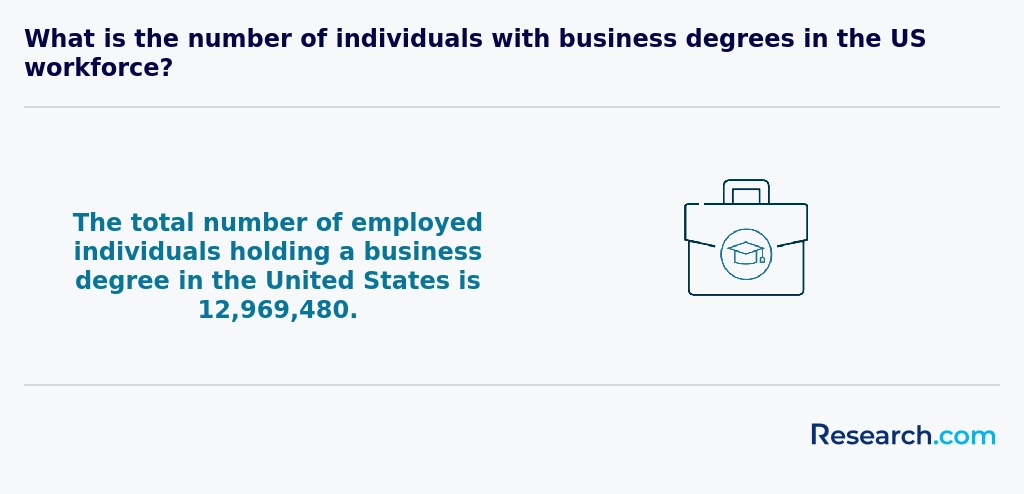
Students pursuing a business degree in Pensacola often find relief through a combination of federal, state, and local financial aid options that genuinely ease the burden of tuition. Graduates recall how applying for federal Pell Grants, which can award up to $7,395 annually, made it possible to cover a significant portion of their expenses. Many appreciate the straightforward access provided by the FAFSA process, offering not just grants but also Federal Direct Loans with manageable, fixed interest rates and flexible repayment plans tailored to individual needs.
State programs like Florida Bright Futures are a beacon for high-achieving students, rewarding strong academic performance with scholarships that may cover full tuition at public institutions such as the University of West Florida. Graduates often highlight how these awards boosted their confidence and allowed them to focus on learning rather than financial stress.
Local scholarships, offered by the University of West Florida and community organizations, provide personalized support specifically for Pensacola business students. Work-study programs also present valuable opportunities, enabling students to gain work experience while offsetting costs, making the journey to a business degree feel more attainable and rewarding.
Pursuing a business degree in Pensacola, FL, can be a strategic move for individuals looking to embark on a successful career in the business world. With a myriad of options available, from traditional on-campus programs to flexible online degrees, students can choose a path that aligns with their lifestyle and career aspirations. For those interested in exploring popular business programs, checking the popular business degree rankings can provide valuable insights into which programs are highly regarded by employers and alumni. The city's thriving business landscape, coupled with the strong network of alumni from local universities, creates a fertile ground for graduates to launch their careers. Whether one is interested in management, marketing, finance, or entrepreneurship, a business degree from a reputable institution in Pensacola can serve as a launching pad for a successful and fulfilling career.
To enroll in a business degree program in Pensacola, the foundational step is having a high school diploma or equivalent like a GED. Graduates from local colleges often recall how submitting official transcripts with strong coursework in math, English, and social studies gave them a confident start. These subjects lay the groundwork for understanding business concepts, making them essential in Pensacola's academic environment.
While some institutions once emphasized SAT or ACT scores, many popular business schools in Pensacola have adopted test-optional policies. This shift reflects a welcoming approach that values your overall potential and experiences rather than just test numbers. However, it's wise to check each college's current requirements, as policies may vary.
For those transferring or aiming for a bachelor's degree, foundational college courses in economics or accounting can boost readiness. International students often share how passing TOEFL or IELTS exams opened doors by demonstrating their English proficiency, crucial for smooth communication in classes and networking.
In practice, some programs also ask for letters of recommendation or personal statements, giving applicants a chance to showcase their passion and goals. This holistic approach resonates well with many successful graduates from Pensacola's top business schools, who found this process encouraged reflection and personal growth.
Graduates from business programs at popular Pensacola colleges often recall how foundational courses in management, economics, and accounting shaped their understanding of the business world. For example, learning financial and managerial accounting provided them with essential skills to analyze company performance, a critical step for anyone aiming to work in finance or run their own business locally.
Marketing classes stand out as particularly impactful, especially given Pensacola's booming tourism and small business scenes. Students describe diving into consumer behavior and digital marketing strategies that prepared them to help local businesses thrive in a competitive environment.
Finance courses at these institutions are lauded for blending theory with practical investment and risk management concepts, which many find directly relevant to careers in Florida's growing financial sector.
- Courses in business law and ethics bring awareness to the legal and moral challenges faced by regional businesses, encouraging responsible leadership.
- Operations management prepares students to optimize delivery and production, crucial for Pensacola's manufacturing industries.
- Organizational behavior classes emphasize teamwork and leadership skills, valued across the city's diverse workplaces.
- Data analytics equips students to interpret real-time business data, a skill increasingly sought after by Pensacola employers.
Business degree specializations in Pensacola reflect a rich blend of traditional and contemporary fields that prepare students for diverse career trajectories. Graduates from popular universities such as the University of West Florida often share how focusing on areas like finance, marketing, and management provided them with practical skills that seamlessly connected classroom theory to Pensacola's dynamic economic environment.
Students pursuing top business majors Pensacola colleges offer find themselves drawn to fields like accounting and entrepreneurship, where they develop expertise relevant to local industries. For instance, specializing in entrepreneurship equips students with the mindset to launch startups or innovate within family businesses, a common pathway among graduates excited by Pensacola's growing small business scene.
Reflecting on firsthand accounts, many laud how specializations such as supply chain management and hospitality management align perfectly with regional economic sectors like logistics and tourism. Those eager to explore further often discover the value of online resources, including carefully curated programs like the best online business degrees, to complement their campus experience.
Choosing the best business degree in Pensacola starts with understanding what local schools offer and how their programs align with your goals. Graduates from the University of West Florida often praise the AACSB accreditation, which gave them confidence in the quality of education and better job prospects in nearby industries like logistics and healthcare management. Meanwhile, students at Pensacola State College value the affordable business colleges in Pensacola, appreciating how the college's associate degrees and transfer options made their academic journey manageable and budget-friendly.
Flexibility is another important factor. Many working professionals find evening and online courses helpful to balance education and job responsibilities, especially if local programs provide strong career support. For those unsure about specialization, considering programs with relevant internships helps build meaningful connections and practical skills. Some have explored the best online master's in hospitality management to complement business knowledge with industry-specific expertise, expanding their career horizons.
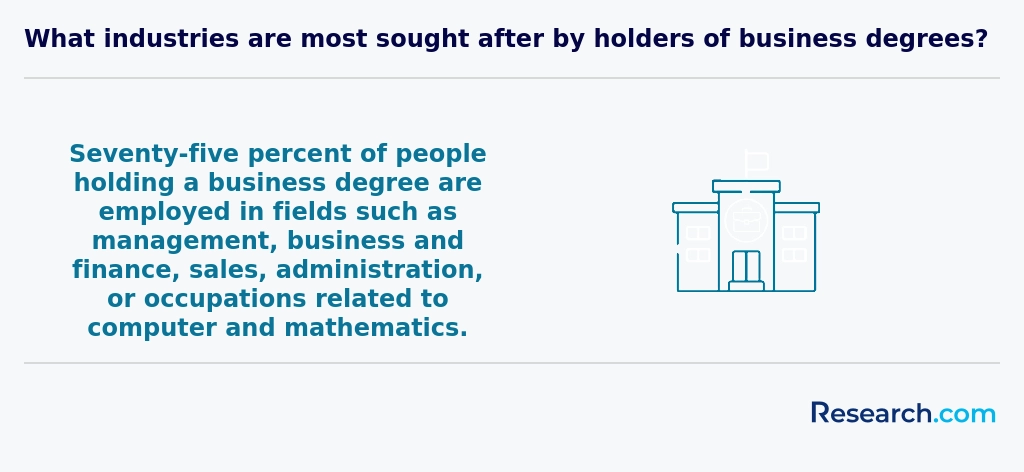
Business degree career opportunities in Pensacola are broad and promising, reflecting the city's diverse economy and unique regional strengths. Graduates from the University of West Florida often find rewarding roles as financial analysts within local banks or investment firms, where analytical skills are highly valued. Others discover fulfilling work as marketing coordinators or managers in Pensacola's vibrant tourism and retail sectors, helping to drive growth in these expanding industries.
Some graduates pursue roles as human resources specialists in healthcare organizations like Baptist Health Care, supporting personnel needs in a sector that continues to grow. The strategic location of Pensacola's port also opens pathways for supply chain and logistics management positions, offering dynamic challenges to those who enjoy operational problem-solving. Many inspired business students embrace entrepreneurship, leveraging resources from local chambers of commerce to launch their own ventures, sometimes while exploring related fields such as online hospitality degree programs.
These varied paths highlight the authentic potential of a business education in Pensacola, and the region's supportive environment helps graduates feel confident pursuing high paying business jobs Pensacola Florida offers.

The business degree job outlook in Pensacola offers a blend of opportunities shaped by the city's unique economic landscape. Graduates from institutions like the University of West Florida and Pensacola State College often find themselves thriving in roles across tourism, healthcare, and military-related logistics. Many report that their coursework combined with local internships gave them practical skills directly applicable to Pensacola's diverse job sectors.
Pensacola career opportunities for business graduates commonly include positions in sales and marketing within the tourism and retail industries, as well as administrative and financial roles in healthcare organizations. The steady presence of the Naval Air Station also opens doors in supply chain and logistics management, providing graduates with hands-on experience in a real-world setting.
Several recent graduates reflect positively on the affordability of education here, especially when compared nationally, which enhances the value of their degrees. Those looking for guidance on balancing cost and curriculum often explore the most affordable online hospitality management programs, which complement the local business education environment.
2027 Most Popular Business Degree Programs Ranking in Pensacola
Investing in your education is a significant decision that can shape your future, and the Research.com team understands the importance of making informed choices. To assist prospective students in Pensacola, we have meticulously crafted the "2027 Most Popular Business Degree Programs Ranking in Pensacola." Our commitment to quality, credibility, and accuracy is reflected in the extensive research and analysis conducted to compile this ranking.
We utilized the following reputable data sources to ensure a comprehensive evaluation of business degree programs:
By exploring this ranking, readers will gain valuable insights into the most popular business degree programs available in Pensacola, helping them make well-informed decisions about their educational paths. For more details on our methodology, please visit our Research.com methodology page.

# 3 position
Pensacola State College
Bachelor of Science in Business Administration

Frequently Asked Questions About business
Business degree students in Pensacola can enhance their learning by engaging with local industries, given the city's growing economic sectors like tourism, healthcare, and logistics. Pensacola's proximity to key Gulf Coast ports offers valuable internships and networking opportunities that complement academic studies.
Students should also take advantage of programs at institutions such as the University of West Florida, which often incorporates practical experiences and community projects into their business curriculum. Participating in student organizations and local business events fosters real-world skills and expands professional contacts.
Additionally, staying informed through resources like the Pensacola Chamber of Commerce can provide insights into regional business trends important for career development.
Emerging niches within business degrees in Pensacola reflect broader national trends emphasizing technology and sustainability. Areas like data analytics and digital marketing are rapidly growing, driven by increased reliance on online commerce and big data insights. Pensacola's expanding tech sector, supported by local initiatives, offers practical opportunities for students.
Sustainability and green business practices are gaining traction as companies seek environmental responsibility. These fields align with Pensacola's coastal economy and environmental concerns.
Additionally, supply chain management has become crucial, especially post-pandemic, with efforts to improve logistics in the Gulf Coast region.
Sources such as the U.S. Bureau of Labor Statistics and Florida Department of Economic Opportunity outline these trends nationally and regionally.
Preparing for the job market after earning a business degree in Pensacola involves strategic planning and active engagement with the local economy. Pensacola's growing sectors include tourism, healthcare, and logistics, which offer diverse opportunities for business graduates, according to the Pensacola Chamber of Commerce.
Students should consider internships or cooperative education programs during their studies to gain practical experience. Networking is crucial; attending local business events and joining professional organizations, like the Pensacola Bay Area Chamber of Commerce, can connect graduates with employers.
Additionally, developing skills in data analysis, digital marketing, and financial management aligns with national business trends that employers seek. Certifications such as Project Management Professional (PMP) or Certified Business Analysis Professional (CBAP) enhance job prospects.
Keeping updated with job market data via sources like the U.S. Bureau of Labor Statistics can help graduates identify growth industries in the region. Pensacola's unemployment rate, as reported in early 2024, is approximately 3.9%, suggesting a moderately competitive environment where well-prepared candidates have an advantage.
Employers in Pensacola highly value business degree graduates who demonstrate strong communication and analytical skills. According to the Pensacola State College Career Services, 78% of local businesses prioritize candidates with effective problem-solving abilities and teamwork experience.
In addition, proficiency in data analysis and familiarity with digital marketing tools are increasingly important. A 2023 report from the Florida Department of Economic Opportunity highlights that 65% of Pensacola employers seek graduates comfortable with technology-driven business environments.
Leadership and ethical decision-making also rank among the top skills, reflecting the needs of Pensacola's growing sectors like healthcare management and logistics.
Finding internships in Pensacola for business degree students involves leveraging local resources and university connections. The University of West Florida, a key institution in the area, offers career services that help connect students with local businesses.
Pensacola's economy includes strong sectors like healthcare, tourism, and manufacturing, which provide diverse internship opportunities. According to the Pensacola Chamber of Commerce, over 12,000 businesses operate locally, many of which seek interns with business skills.
Students should also explore job boards such as Handshake, utilized by many Florida colleges, and attend local networking events or career fairs. Reaching out directly to companies in sectors like finance, retail, and logistics can increase chances of securing internships.
In Pensacola, earning a business degree significantly enhances career mobility by equipping graduates with versatile skills in management, finance, marketing, and entrepreneurship. Local employers value these competencies, as the city's economy includes diverse sectors like healthcare, tourism, and logistics. According to the U.S. Bureau of Labor Statistics, individuals with business degrees tend to experience faster job promotion rates compared to those without college credentials.
Career advancement often correlates with formal education, where business graduates in Pensacola benefit from increased access to leadership roles. The University of West Florida reports that business degree holders in the region earn approximately 15% more annually than peers with non-business associate degrees. Overall, a business degree opens pathways to varied industry opportunities and upward professional movement within Pensacola's competitive job market.
Studying for a business degree in Pensacola equips students with skills that apply across multiple disciplines, essential for navigating today's interconnected job market. Local programs emphasize collaboration between business fundamentals and fields such as technology, marketing, and supply chain management. This approach aligns with the workforce demand in Pensacola, where the economy includes robust sectors like healthcare, military, and logistics.
According to the U.S. Bureau of Labor Statistics, nearly 20% of jobs in the Pensacola metropolitan area involve cross-sector roles that require business acumen combined with technical expertise. Many institutions incorporate internships and projects with local businesses, helping students develop real-world interdisciplinary problem-solving skills.
Courses often integrate communication, data analysis, and financial management, preparing students to contribute to diverse teams. This prepares graduates to succeed in roles that require understanding multiple perspectives, supporting Pensacola's growing economy effectively.
Choosing between a thesis and a non-thesis business degree program in Pensacola depends on your career goals and learning preferences. Thesis programs typically require original research, which is ideal if you aim for a career in academia or research-driven roles. Non-thesis options focus more on coursework and practical skills, catering to students seeking immediate employment in the business sector.
Local institutions like the University of West Florida offer both paths, reflecting national trends where about 30% of graduate business students choose thesis options to deepen expertise. Consider your time commitment, as thesis tracks usually extend program length by several months.
Engaging with faculty advisors can clarify which path fits your plans best.
Students based in Pensacola seeking to study business abroad have several pathways through U.S. higher education partnerships and exchange programs. Many business programs at Florida-based universities, such as the University of West Florida, offer study-abroad opportunities in Europe, Asia, and Latin America. These programs often combine academic credits with global business internships, a valuable asset in the competitive job market.
Additionally, students can explore accredited online business degrees from institutions with international internships or global case studies, which broaden the understanding of business practices worldwide. According to NAFSA, roughly 10% of U.S. students participate in study abroad during their degree, with business being among the top fields.
Part-time job opportunities in Pensacola that complement business degree education are abundant, particularly in retail management, customer service, and administrative roles. Pensacola's growing sectors include healthcare, tourism, and logistics, with companies often seeking part-time employees for operational support. According to the Pensacola Bay Economic Development Alliance, the local economy has seen a consistent uptick in small business startups, providing students with chances to gain hands-on experience in entrepreneurial environments.
Positions in sales or marketing assist students in developing valuable communication and analytical skills. Additionally, internships with local financial institutions and non-profits enable practical application of coursework, enhancing resumes and networking possibilities within the business community.
Business students in Pensacola have access to a variety of networking opportunities that can enhance their academic and professional growth. Local colleges often organize career fairs and guest speaker events that connect students with business leaders from the region. Pensacola's Chamber of Commerce hosts regular mixers and workshops, providing a platform for students to meet entrepreneurs and corporate professionals.
The city's growing business sectors, including tourism and manufacturing, offer internships and mentorship programs, fostering real-world connections. According to the Pensacola Bay Economic Development Alliance, such initiatives have increased student engagement with local businesses by 15% over the past three years.
Alumni networks in Pensacola offer significant advantages to business degree students. These networks connect students with former graduates who hold positions in local industries such as finance, logistics, and healthcare management. According to the University of West Florida, which serves many Pensacola business students, strong alumni relationships can enhance internship opportunities and job placements. Networking events and mentorship programs facilitated by alumni increase students' access to career advice and real-world insights. In a competitive job market, especially within the Gulf Coast business sector, students with active alumni support reportedly have higher employment rates within six months of graduation. These networks effectively bridge academic knowledge with practical career development.
Customizing a business degree program in Pensacola allows students to better align their education with specific career goals. Many local institutions offer concentrations such as finance, marketing, entrepreneurship, or supply chain management, enabling focused study.
Students can also participate in internships with Pensacola-based companies, which provides valuable hands-on experience and networking opportunities. According to the Pensacola Chamber of Commerce, industries like tourism, healthcare, and logistics are significant employers, making related specializations practical choices.
Additionally, some programs allow elective coursework or dual majors, letting students tailor their skill sets for fields like data analytics or international business.
Choosing a flexible curriculum and leveraging local business connections can enhance career readiness in Pensacola's job market.
Business students in Pensacola often face challenges related to balancing academics with work and family commitments. Many local students attend part-time while managing jobs, which can extend the time needed to complete their degrees.
Another common obstacle is limited access to extensive internship opportunities compared to larger metropolitan areas. Pensacola's smaller market size means fewer corporate internships in sectors like finance and marketing, crucial for practical experience.
Additionally, students sometimes struggle with the rising cost of higher education. According to the Florida Department of Education, average tuition for public universities in the area has increased by over 15% in the past five years, impacting affordability.
Finally, adapting to evolving business technologies and data analytics tools can be demanding without continuous support and resources provided by their institutions.
With a business degree in Pensacola, graduates can pursue several professional certifications that enhance career opportunities. Popular certifications include the Certified Public Accountant (CPA) for those focused on accounting, requiring passing an exam and meeting state education criteria.
Another valuable certification is the Project Management Professional (PMP), which is widely recognized in business operations and management fields, qualifying holders to lead complex projects.
For finance careers, the Chartered Financial Analyst (CFA) designation is respected nationwide and can improve prospects in investment and financial analysis roles.
Local economic reports from the Pensacola Bay Economic Development Alliance highlight growing demand in finance, management, and accounting positions, making these certifications highly relevant for graduates.
To write a winning application for a business program in Pensacola, start by thoroughly researching each school's requirements. Local institutions, such as the University of West Florida, emphasize a strong academic record, particularly in math and economics. Highlight your relevant experience, including internships or work in Pensacola's growing sectors like healthcare and logistics, which are major local industries per the Pensacola Chamber of Commerce.
Customize your personal statement to demonstrate your understanding of how a business degree can benefit the Pensacola market specifically. Be sure to include clear career goals supported by your skills and experiences.
Finally, secure strong letters of recommendation from professionals familiar with your business aptitude and leadership potential.
Global perspectives on a business career emphasize the increasing need for cross-cultural skills and adaptability. In the U.S., and specifically in regions like Pensacola, businesses operate in an interconnected economy. According to the U.S. Bureau of Labor Statistics, global trade has expanded opportunities for business graduates to work in international markets, with roles in supply chain management, marketing, and finance growing steadily.
In Pensacola, with its port and diverse industries, understanding global business practices is vital. Local employers often seek graduates who grasp international regulation and digital commerce trends. Institutions offering business degrees in Pensacola incorporate global case studies and internships to prepare students for this evolving landscape.
Furthermore, proficiency in technology and languages adds to employability. National reports highlight that business students familiar with global business standards tend to earn higher salaries and secure more leadership roles, reflecting the value of a global perspective in today's market.
Students pursuing a business degree in Pensacola can gain practical experience through internships offered by local companies across industries like finance, tourism, and logistics. Pensacola's growing business sector provides diverse opportunities, and schools often partner with organizations such as the Pensacola Chamber of Commerce to help students find placements.
Additionally, some universities incorporate cooperative education programs (co-ops) that combine classroom learning with paid work experience. Joining student-run business clubs and attending networking events can further develop real-world skills.
The U.S. Bureau of Labor Statistics notes that hands-on experience significantly improves job prospects for business graduates in Florida's job market, including Pensacola.
Choosing the right concentration in a business degree program in Pensacola depends on your career goals and local industry trends. Pensacola's economy strongly supports sectors like logistics, healthcare, and tourism, which can guide concentration choices such as supply chain management, healthcare administration, or marketing. According to the Pensacola Chamber of Commerce, logistics and port-related businesses contribute significantly to regional employment.
Evaluate the curriculum of local institutions to find concentrations aligning with these industries. Internships and networking opportunities in Pensacola are critical for practical experience. Finally, consider future job demand in the area; local labor market data can show which specializations offer the strongest employment prospects.
- 2027 Most Popular Business Degree Programs Ranking in Mobile
- 2027 Most Popular Business Degree Programs Ranking in Montgomery
- 2027 Most Popular Business Degree Programs Ranking in Birmingham
- 2027 Most Popular Business Degree Programs Ranking in Macon
- 2027 Most Popular Business Degree Programs Ranking in Atlanta
- 2027 Most Popular Business Degree Programs Ranking in Gainesville
- 2027 Most Popular Business Degree Programs Ranking in Jacksonville
- 2027 Most Popular Business Degree Programs Ranking in Tampa
- 2027 Most Popular Business Degree Programs Ranking in Lakeland
- 2027 Most Popular Business Degree Programs Ranking in Orlando
See What Experts Have To Say About Studying Business
Read our interview with Business experts

David Souder
Business Expert
Senior Associate Dean for Faculty and Research
Michigan State University


David W. Stewart
Business Expert
Emeritus President's Professor of Marketing
Loyola Marymount University

- Online Business Degree Programs | University of Phoenix https://www.phoenix.edu/online-business-degrees.html
- Graduate careers advice: you and your business and management studies degree https://gradireland.com/careers-advice/business-consulting-and-management/graduate-careers-advice-you-and-your-business-and-management-studies-degree
- Pensacola State College Business Programs - Business Degree Central https://businessdegreecentral.com/colleges/pensacola-state-college/
- Career Goals: 17 Inspirational Examples for you in 2026 https://www.imd.org/blog/learning-and-development/career-goals/
- Business | Pensacola State College https://pensacolastate.edu/academic-programs/bus-aa/
- 9 Different Types of Business Degrees and Career Paths https://www.umassglobal.edu/blog-news/9-different-types-business-degrees-and-career-paths
- How to Identify Profitable Business Niches: A Guide for ... https://www.invoiceonline.com/the-entrepreneur-s-handbook/entrepreneurship/business-strategy/how-to-identify-profitable-business-niches-97365
- What is the future of bachelor’s degrees in business? https://www.amba-bga.com/insights/what-is-the-future-of-bachelors-degrees-in-business
- Global Perspectives: International Opportunities for Business School Students - SBS Swiss Business School https://sbs-uae.org/global-perspectives-international-opportunities-for-business-school-students-3/
- Workforce and Talent | Pensacola Forward https://www.pensacolaforward.com/page/workforce-talent/


