2027 Most Affordable Business Degree Programs Ranking in Fayetteville

Co-Founder and Chief Data Scientist
Choosing the right business degree program in Fayetteville can shape your future in meaningful ways. To help you navigate this important decision, this article presents the 2027 Most Affordable Business Degree Programs Ranking in Fayetteville.
Developed by the Research.com team of data scientists, this ranking offers clear, data-driven insights designed to guide you toward programs that balance quality with affordability.
Exploring these options can open doors to exciting career opportunities while making your education investment worthwhile. Discover how a business degree can empower your goals and support your ambitions.
Key benefits of getting business degree in Fayetteville
- Business degree graduates in Fayetteville can earn competitive salaries, with roles like Business Development Executive making around $83,190 annually and Business Analysts earning about $112,950 per year, reflecting strong earning potential.
- A popular career path for Fayetteville business graduates includes positions in management, analysis, and development at companies in the region, offering diverse opportunities to grow and thrive in the local economy.
- Online business degrees provide flexibility and convenience, allowing Fayetteville students to balance work and study effectively while gaining valuable skills from reputable universities without commuting.
- 2027 Most Affordable Business Degree Programs Ranking in Fayetteville
- What can I expect from business degree in Fayetteville?
- Where can I work with business degree in Fayetteville?
What can I expect from business degree in Fayetteville?
The average cost of earning a business degree in Fayetteville is quite affordable, especially for in-state students. For example, Fayetteville State University, a key local institution, charges approximately $6,000 per year in tuition. Graduates often recall how this manageable expense allowed them to focus more on developing skills and gaining practical experience rather than worrying about overwhelming debt.
Many students take advantage of scholarships targeted specifically at business majors, which can significantly reduce costs. Attending a school in Fayetteville also means easy access to internship opportunities, thanks to the city's active business community, which helps many students offset costs through paid work experience.
Graduates frequently highlight the value of hands-on projects and group work embedded in their programs, which are instrumental in preparing them for career challenges without adding to their financial burden. This balance of affordability and real-world learning makes pursuing a business degree in Fayetteville both practical and rewarding.
Where can I work with business degree in Fayetteville?
Graduates with a business degree from the University of Arkansas or other Fayetteville colleges find a wide range of career paths. Many quickly join local institutions like the University itself, taking roles in administration, marketing, or finance where they apply skills learned in campus projects and internships.
Others are drawn to the retail sector influenced by Walmart's nearby corporate presence. Graduates often secure positions in supply chain management or corporate sales, leveraging networking connections made through Fayetteville's Chamber of Commerce and business events.
Healthcare providers such as Washington Regional Medical Center also hire business graduates for roles in healthcare administration and billing management. Those who interned in healthcare settings share how their hands-on experience translated directly to job offers.
Small businesses and startups in Fayetteville frequently look for business graduates to improve marketing strategies or financial planning. Graduates describe how practical coursework combined with local mentorships helped them confidently support entrepreneurial ventures.
Banking and financial services provide steady opportunities as well. Many graduates find roles as loan officers or analysts, benefiting from Fayetteville's growing economic environment and steady demand reported by the Arkansas Department of Workforce Services.
Graduates holding a business degree in Fayetteville can anticipate earning competitive salaries, especially when pursuing roles backed by strong national data. For example, business analysts in the area earn an average annual wage of about $112,950, reflecting the value of analytical skills in industries around the University of Arkansas and other local institutions. Likewise, business development executives typically make around $83,190 per year, demonstrating solid earning potential for graduates entering corporate strategy or sales leadership positions.
These figures align with personal accounts from Fayetteville business graduates who leverage internships and networking at local companies, such as those connected with Walmart's regional influence. Starting salaries often fall between $45,000 and $55,000, but with focused growth and additional credentials, professionals can expect to move toward six-figure incomes within a few years.
Graduates benefit greatly from combining their degree with real-world experience, such as cooperative education or market research projects offered by Fayetteville's business programs, smoothing the path to higher-paying managerial roles in competitive sectors.
- The average cost for an in-state bachelor's business degree in Fayetteville ranges from $25,000 to $35,000, while out-of-state students may pay over $60,000.
- Business programs focus on management, marketing, finance, and entrepreneurship, often including internships and cooperative education opportunities.
- Starting salaries for business graduates in Fayetteville average around $50,000 annually, increasing to over $85,000 with experience.
- Major employers include local corporations, regional banks, and startups, especially in food services and technology sectors.
- Flexible learning options like evening and online courses are available, aiding working professionals in advancing their education.
Completing a business degree in Fayetteville typically takes four years for a full-time bachelor's student, with about 120 to 130 credit hours required. Many graduates from the University of Arkansas share that managing a 15 to 16 credit hour semester load keeps them on track while still allowing time for internships or part-time work. For students attending Northwest Arkansas Community College, an associate degree can be finished in two years, offering a quicker path into the workforce or a solid foundation for transferring to a four-year program.
Those balancing work or family often extend their studies to five or six years, choosing part-time enrollment to stay financially stable. Fayetteville's local institutions also offer part-time or accelerated MBA programs, some completing in as little as 12 to 18 months, perfect for professionals eager to advance without pausing their careers.
Overall, students find success by planning their course load around personal commitments, using academic advising, and leveraging flexible scheduling options available in Fayetteville's business programs.
Online business degrees in Fayetteville offer the flexibility many working professionals appreciate. Graduates often share how studying remotely allowed them to balance family and job duties without sacrificing progress. Platforms used by the University of Arkansas let students access lectures and assignments anytime, reducing the stress of commuting and rigid schedules. This flexibility demands solid self-discipline but rewards you with control over your own pace.
In contrast, on-campus programs provide a vibrant, hands-on experience. Fayetteville students enrolled at local colleges benefit from face-to-face interactions during lively class discussions and gain direct access to campus resources like career centers and networking events. Graduates recall internships arranged through university connections that opened doors at local businesses-a key advantage for job seekers.
Cost-wise, on-campus tuition averages about $8,700 annually for in-state students, with added expenses like housing and transportation. Online programs may be slightly more affordable, easing overall financial burdens.
- Online learning suits those prioritizing convenience and self-management.
- On-campus study excels for those seeking community, mentorship, and in-person networking.
Prospective students can greatly benefit from strategic advice shared by industry experts and academic mentors to maximize their experience in affordable business programs. One crucial tip is to leverage every available resource on campus and online to build both strong academic foundations and robust professional networks. For example, engaging in workshops, career fairs, and internships can help you transition smoothly into Business Administration Careers, providing real-world exposure that supplements classroom learning. In addition, effective time management and a proactive approach to learning are essential; consider setting up study groups or seeking mentorship from alumni who have successfully navigated the local job market. Prioritize participation in student organizations and extracurricular activities as these experiences can enhance soft skills like leadership, communication, and teamwork-all highly valued by employers. Finally, staying informed about industry trends and potential career paths can empower you to tailor your coursework and extracurricular pursuits to the evolving demands of the business landscape in Fayetteville, NC. Adopting these expert strategies not only results in academic success but also paves the way for long-term growth and a fulfilling career.
The average cost of a business degree in Fayetteville varies notably between in-state and out-of-state students, with the median total cost for in-state students around $9,105. Graduates from popular institutions such as the University of Arkansas often share how this affordability made focusing on their studies much less stressful and allowed them to enjoy campus life without financial worries. In contrast, out-of-state students can expect the cost to be closer to $28,313, which emphasizes the value of establishing residency if possible.
Affordable Fayetteville business degree programs 2027 candidates should consider carefully when planning their education budget. For example, many students find that attending a public university in Fayetteville offers a balanced approach between quality education and manageable fees. Students often highlight that the cost savings helped them invest in internships and networking opportunities, which were crucial to launching their careers.
Beyond tuition, living expenses in Fayetteville are typically about 10-15% lower than the national average, further easing the overall cost burden for business students. Many students appreciate this aspect as it enables them to maintain a decent lifestyle while pursuing their degree. Part-time or online program options, available at several Fayetteville colleges, can also reduce costs significantly and offer valuable flexibility.
To explore alternatives outside Fayetteville, future students can compare business programs on a broader scale by reviewing California accounting school reviews, which give insights into cost differences and program structures elsewhere.
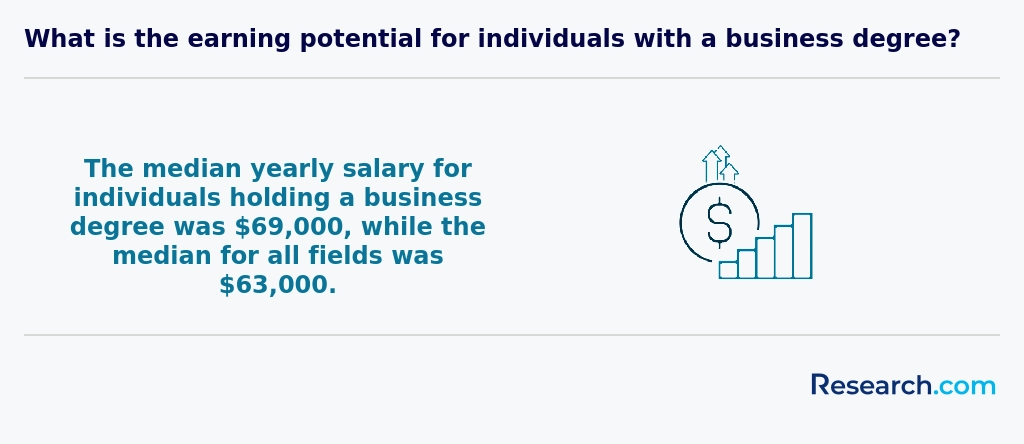
Students pursuing a business degree in Fayetteville often find strong support through federal financial aid like Pell Grants and federal loans, which many graduates recall as vital in managing tuition costs. Completing the FAFSA early is essential, as it unlocks access not only to grants but also to work-study positions and low-interest federal loans such as Direct Subsidized and Unsubsidized Loans, helping balance school and work.
Local scholarships are another common resource. For instance, many who have studied at the University of Arkansas relied on scholarships from the Sam M. Walton College of Business and the Fayetteville Business Scholarship Foundation, both of which reward academic success and financial need. These scholarships can ease the financial pressure significantly.
State programs like the Arkansas Academic Challenge Scholarship also play a major role by offering renewable funds for in-state students, making business education more affordable. Some Fayetteville students working while studying mention how employer tuition assistance programs provided crucial help, showing how local businesses invest in developing future professionals.
Additionally, private and industry-specific scholarships from organizations such as the National Black MBA Association add extra support. Exploring all these avenues can make earning a business degree in Fayetteville both achievable and financially manageable.
To enroll in a business degree program in Fayetteville, you must first have a high school diploma or GED. This basic requirement opens doors at institutions like the University of Arkansas, where many students recall how meeting this simple criterion felt like the first big step toward their career goals.
Most business programs also ask for SAT or ACT scores, but some local colleges, including Northwest Arkansas Community College, offer test-optional admissions. Graduates from these schools emphasize that strong scores improve chances, especially for competitive programs.
Applicants should complete prerequisite coursework in math and English-courses like algebra and writing build the skills needed for core classes such as accounting and business communication. Many Fayetteville students find this preparation boosts their confidence and academic performance.
Letters of recommendation and personal essays are key. Successful applicants share that these documents give admissions teams a glimpse of their passion and leadership potential, making their applications stand out.
Transfer students must submit official transcripts from accredited colleges to confirm prior credits. Some graduates highlight how this smooth transfer process helped them accelerate their business studies.
For those aiming for advanced degrees, relevant work experience or internships in Fayetteville's business community can be a valuable asset, enhancing both admissions prospects and career readiness.
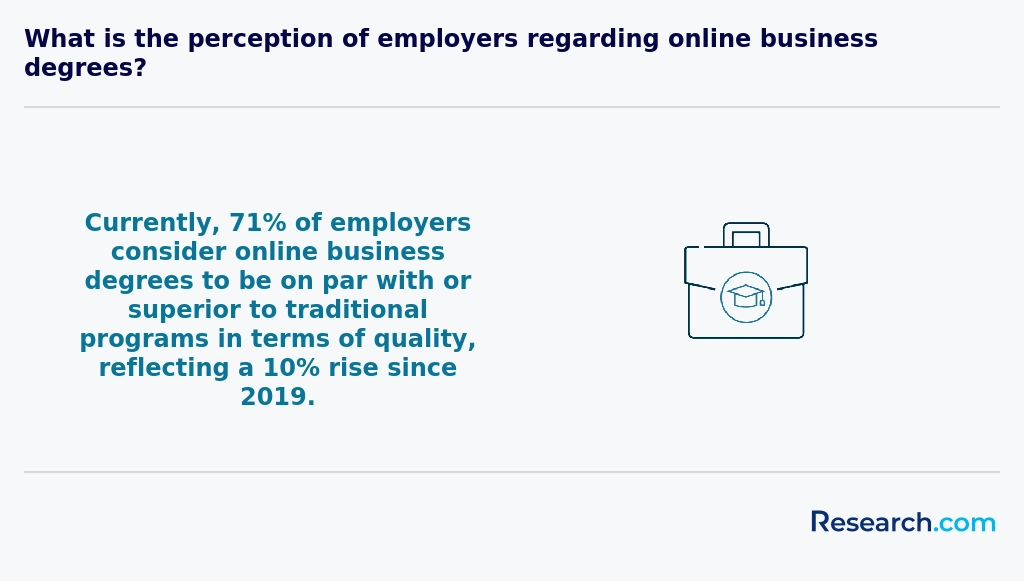
The decision to pursue a business degree in Fayetteville, NC, is a pivotal one, offering students a unique blend of academic rigor, practical experience, and access to a thriving job market. By enrolling in one of the cheapest business programs in north carolina, students can enjoy the benefits of affordability without compromising on the quality of education. This strategic choice can lead to enhanced career prospects, with graduates finding employment in diverse sectors such as finance, marketing, and management. The supportive environment at local colleges and universities fosters networking opportunities, allowing students to connect with professionals who can guide them in their career journeys. The combination of a solid educational foundation and real-world experience positions business degree graduates well for success in Fayetteville's job market, enabling them to navigate the challenges of the business world with confidence and competence.
Business degree programs in Fayetteville typically include core courses that form the foundation for strong business acumen. These often cover Financial Accounting, helping students confidently interpret business finances, and Principles of Management, which introduces real-life leadership and decision-making scenarios encountered in local companies. Marketing Fundamentals is another key course, teaching strategies directly applicable to understanding consumer behavior in Fayetteville's retail and distribution sectors.
Graduates from popular Fayetteville institutions share that Business Law and Corporate Finance courses were vital in navigating the city's business regulations and investment environments. Courses in Microeconomics and Macroeconomics provide insights into economic trends affecting local and national markets, while Business Statistics equips students with practical skills for analyzing data-essential for roles in Walmart's corporate headquarters and other local businesses.
Electives offered allow students to focus on specialties like entrepreneurship or supply chain management, aligning perfectly with Fayetteville's growing industries. This hands-on, flexible curriculum prepares students to confidently step into careers with a practical, ready-to-use skill set.

Business degree specializations in Fayetteville cover a range of practical fields tailored to local industry demands, making them ideal for students aiming to build relevant career skills. Popular options include marketing, which suits those excited about consumer behavior and digital advertising-graduates often find work with Fayetteville's growing retail and service businesses. Finance is another strong choice, thanks to the city's access to regional banking hubs, helping students develop financial analysis and investment expertise.
Students at the University of Arkansas and other local colleges benefit from management programs emphasizing leadership and strategic planning, preparing them to confidently lead teams in dynamic workplaces. Many also pursue entrepreneurship, supported by Fayetteville's vibrant startup community and resources like the Arkansas Small Business and Technology Development Center. This specialization inspires graduates who dream of launching their ventures locally.
Other business degree specializations in Fayetteville include supply chain management, ideal for those interested in logistics with major distribution centers nearby, as well as accounting and international business. For those balancing work and study, degrees such as the MBA in project management distance learning offer flexible options within the area's affordable Fayetteville business degree programs.
Choosing the best business degree in Fayetteville starts with examining program accreditation and reputation. Graduates from AACSB-accredited institutions in Fayetteville often share how it opens doors to internships and trusted local employers, boosting early career success. Consider the specialization that fits your ambitions-whether finance, marketing, or entrepreneurship-since Fayetteville's growing retail trade and healthcare sectors provide concrete opportunities to apply these skills.
Affordability matters; many students seek out affordable business colleges Fayetteville AR, where in-state tuition at public universities offers considerable savings. Reflecting on classmates' experiences, financial aid and scholarships made completing a four-year degree manageable and rewarding, helping them focus on studies without heavy stress.
Program format impacts your lifestyle-online or hybrid classes offer needed flexibility for those balancing work or family. Successful graduates highlight how networking events and internships facilitated by local Fayetteville schools enhanced real-world knowledge and job placement.
Also, researching the value of an economics degree alongside business options can reveal complementary career pathways worth exploring.

A business degree in Fayetteville opens doors to varied career paths such as management, financial analysis, and marketing, all thriving in the region's growing economy. Graduates from popular institutions like the University of Arkansas often find opportunities in supply chain and sales management, especially with nearby companies such as Walmart. This makes Fayetteville business degree career opportunities highly relevant for those aiming to lead in retail and logistics sectors.
Financial roles are also promising, with entry-level analysts and accountants earning competitive salaries starting around $52,000. Local banking and credit unions provide accessible options for finance-focused graduates. Those interested in entrepreneurship benefit from Fayetteville's supportive startup environment and tailored university courses, equipping them to start and grow small businesses successfully. This practical experience reflects the Fayetteville business degree employment options available, offering versatility across human resources, project management, and data analysis.
For students uncertain about their background, Fayetteville universities also support career shifts with programs like an MBA without a business degree, opening further leadership opportunities in the local market.

The business degree job opportunities in Fayetteville benefit from the city's strategic economic position near major corporations like Walmart, creating abundant roles in management, marketing, finance, and supply chain. Graduates from the University of Arkansas and other local colleges often secure positions in large firms or dynamic startups, taking advantage of the growing entrepreneurial scene. This practical environment helps develop skills in strategic planning and data analysis that regional employers actively seek.
Fayetteville business degree employment outlook reflects a robust growth rate above the national average, with business-related roles expected to increase by 7% over the next decade in Arkansas. Recent graduates find median salaries between $50,000 and $70,000, with top-paying roles in financial and marketing management. Students appreciate Fayetteville's affordable tuition-about $9,500 annually at public universities-making the investment in a business education especially attractive here.
Business students often enhance their marketability by pursuing additional certifications, such as the CPA certification benefits, which many local employers value. Leveraging internships and networking within Fayetteville's diverse business sectors also helps graduates confidently enter the workforce.
2027 Most Affordable Business Degree Programs Ranking in Fayetteville
Investing in your education is a significant decision that can shape your future, and the Research.com team understands the importance of making informed choices. To assist prospective students in Fayetteville, we have meticulously developed the "2027 Most Affordable Business Degree Programs Ranking in Fayetteville." Our dedication to quality, credibility, and accuracy is demonstrated through rigorous research and analysis conducted to compile this comprehensive ranking.
We utilized the following reputable data sources to ensure a robust evaluation of business degree programs:
By exploring this ranking, readers will gain valuable insights into the most affordable business degree options in Fayetteville, enabling them to make well-informed decisions that align with their educational and financial goals. For more details on our research process, please visit our Research.com methodology page.


Frequently Asked Questions About business
Business degree students in Fayetteville can maximize their learning experience by engaging in internships with local companies. Fayetteville's growing economy, driven by sectors like retail, healthcare, and defense, offers various practical opportunities. According to the Fayetteville Regional Chamber, the city's unemployment rate stood at 3.1% in early 2024, signaling a strong job market for students seeking real-world experience.
Utilizing campus resources such as career services and business clubs enhances both networking and leadership skills. Enrolling in courses with a focus on Fayetteville's local economic trends can also provide relevant context for studies. Additionally, attending workshops and seminars offered by Fayetteville State University helps students stay updated with the latest business practices.
The business field is experiencing growth in several emerging niches that are attracting interest from students in Fayetteville and across the US. One key area is sustainability management, where businesses focus on eco-friendly practices, driven by increasing local initiatives and federal regulations. Fayetteville's growing emphasis on green business aligns with this trend.
Another important niche is data analytics. Companies rely heavily on big data to make strategic decisions, and Fayetteville's expanding tech sector reflects this demand. According to the US Bureau of Labor Statistics, data-related roles are projected to grow by over 20% nationally through 2030.
Additionally, e-commerce management is rising, propelled by Fayetteville's small business community adapting to digital marketplaces. This niche requires skills in online marketing, supply chain logistics, and customer engagement.
Graduates with a business degree in Fayetteville can enhance their job market readiness by combining academic knowledge with practical experience. Local industries such as logistics, retail, and healthcare provide diverse opportunities for internships and entry-level roles. According to the U.S. Bureau of Labor Statistics, Arkansas expects a 5% increase in business-related jobs through 2028, supporting favorable job prospects.
Networking is vital; joining Fayetteville business associations or attending local career fairs connects graduates with employers. Developing soft skills like communication and teamwork remains essential, alongside proficiency in data analysis and digital marketing tools.
Continuing education through certifications in project management or accounting also strengthens candidates' profiles in this competitive market.
Employers in Fayetteville value business degree graduates who demonstrate strong analytical skills and proficiency in data interpretation, as local companies increasingly rely on data-driven decision making. According to the Fayetteville Chamber of Commerce, 75% of businesses seek candidates with practical knowledge in financial management and budgeting. Communication skills, both written and verbal, are highly prized due to Fayetteville's growing service and retail sectors, which require teamwork and customer interaction.
Problem-solving abilities and adaptability are also crucial, given the dynamic nature of the regional job market. Additionally, familiarity with business software like Microsoft Excel and QuickBooks is frequently requested, reflecting Fayetteville's emphasis on technological competence in everyday business operations.
Finding internships in Fayetteville relevant to a business degree involves leveraging local resources and connections. Fayetteville is home to the University of Arkansas, which offers career services that help students access internship listings and employer recruitment events. According to the university's career center, nearly 70% of business students secure internships before graduation, highlighting the importance of early engagement.
Additionally, Fayetteville has a growing business community including sectors like retail, logistics, and technology. Platforms such as Handshake and local chambers of commerce often post internship opportunities. Networking through professional groups-like the Northwest Arkansas Council-can also connect students to internships that provide practical experience in finance, marketing, or management.
Obtaining a business degree in Fayetteville can significantly enhance career mobility and advancement opportunities. The city's growing economy, supported by sectors like retail, healthcare, and manufacturing, increasingly values employees with formal business training. According to the U.S. Bureau of Labor Statistics, those holding bachelor's degrees in business tend to experience faster promotions and higher median wages compared to non-degree holders.
Fayetteville hosts educational institutions such as the University of Arkansas, which offers accredited business programs known for strong ties to local industries. Graduates gain practical skills in management, finance, and marketing, making them competitive candidates for leadership roles.
Networking events and partnerships between Fayetteville's business schools and employers also foster job placements and career growth. Overall, earning a business degree locally equips students with credentials and connections vital for professional advancement within Fayetteville's dynamic job market.
Studying for a business degree in Fayetteville equips students with skills that extend beyond traditional business functions. Many local programs emphasize combining business knowledge with other disciplines such as technology, marketing, and communications. This interdisciplinary approach prepares graduates to work effectively in dynamic environments where blending expertise is essential.
Fayetteville's business programs often encourage collaboration with nearby industries, including retail, manufacturing, and logistics. According to the U.S. Bureau of Labor Statistics, Fayetteville's employment in management and business occupations is projected to grow by 6% through 2030, highlighting demand for versatile professionals.
This educational model teaches critical thinking, problem-solving, and adaptability-qualities prized in interdisciplinary roles across sectors.
Choosing between a thesis and a non-thesis business degree program in Fayetteville depends on your career goals and learning style. Thesis programs focus on research, requiring students to write and defend a detailed paper. This path suits those interested in academic careers or roles involving data analysis and strategic planning.
Non-thesis programs emphasize practical skills and often include internships or capstone projects. They attract students aiming for immediate entry into business fields such as marketing, management, or finance.
According to the University of Arkansas, Fayetteville offers both options, and completing a thesis might take longer but can enhance graduate school applications.
Students based in Fayetteville seeking to study business abroad have several opportunities through their local institutions. Universities like the University of Arkansas offer exchange programs and partnerships with international schools, allowing students to earn credits overseas. These programs often include destinations in Europe, Asia, and Latin America.
Additionally, Fayetteville students can access study abroad scholarships specifically aimed at business majors, reducing financial barriers. According to the University of Arkansas Study Abroad Office, about 12% of business students participate in international programs annually. This exposure supports global business knowledge and intercultural skills.
Many programs integrate internships and language immersion, enhancing practical experience for future careers.
Fayetteville offers various part-time job opportunities that effectively complement business degree studies. Positions in retail management, customer service, and sales are common, providing students practical experience in client interaction and inventory oversight. The city's growing focus on small businesses and startups creates opportunities for internships or assistant roles in marketing, finance, and operations.
According to the U.S. Bureau of Labor Statistics, Fayetteville's employment in retail trade and professional services sectors has grown steadily, making these roles accessible. Students can also explore on-campus roles in business departments, gaining exposure to administrative tasks and academic coordination.
Part-time roles in local banks and financial institutions are valuable for finance-focused students seeking hands-on experience. These opportunities help develop skills in data analysis, customer relations, and financial planning-key components of business education relevant to Fayetteville's economic landscape.
Business students in Fayetteville have access to a variety of valuable networking opportunities that can enhance their career prospects. The University of Arkansas, the city's largest public university, hosts events like career fairs, guest speaker series, and alumni mixers specifically for business students. These events allow students to connect with local entrepreneurs and corporate professionals from areas such as retail, manufacturing, and logistics. According to the University of Arkansas Career Development Center, over 70% of students secure internships through these networking events.
Additionally, Fayetteville's strong presence of small and medium-sized businesses enables students to join local chambers of commerce and industry groups, further expanding their professional network.
Alumni networks play a crucial role in supporting business degree students in Fayetteville. These networks connect current students with graduates working across various industries, enabling mentorship opportunities that enhance career readiness. Many Fayetteville business programs have active alumni associations, which can facilitate internships and job placements through their professional contacts. According to the Fayetteville Chamber of Commerce, employers value graduates with strong community connections, making alumni networks vital for local hiring.
Additionally, alumni events and workshops provide students with insights into evolving business trends and networking strategies. This engagement often leads to increased job opportunities within Fayetteville's expanding economy, particularly in sectors like retail, logistics, and finance.
Customizing a business degree program in Fayetteville involves selecting electives and concentrations aligned with your career goals. Many local institutions, like the University of Arkansas, offer options such as finance, marketing, supply chain management, and entrepreneurship. These specializations allow students to develop expertise in areas that match Fayetteville's growing business sectors.
Additionally, Fayetteville's proximity to major companies like Walmart and Tyson Foods provides valuable internship and networking opportunities. Students can tailor their studies by combining coursework with real-world experience, enhancing job prospects.
Flexible course formats, including evening and online classes, are also common, helping working professionals customize learning schedules. Consulting academic advisors is essential to maximize program benefits and align academic plans with specific career ambitions.
Business students in Fayetteville often face challenges related to balancing rigorous coursework with practical experience. Many programs emphasize internships and real-world projects, yet local opportunities can be limited due to the city's smaller business environment compared to larger metro areas.
According to data from the Fayetteville Chamber of Commerce, about 30% of local businesses are small enterprises, which may restrict the variety of internship positions. This situation can make gaining diverse experience difficult for students.
Another common challenge is managing costs. While Fayetteville offers relatively affordable tuition compared to national averages, students still face expenses related to textbooks, technology, and living costs, especially if commuting or relocating is necessary.
Lastly, adapting to rapid changes in business technology and digital marketing requires continuous learning, which adds pressure on students to stay current alongside their studies.
Graduates with a business degree in Fayetteville can pursue various professional certifications to enhance their career prospects. Popular options include the Certified Public Accountant (CPA) for those interested in accounting, and the Project Management Professional (PMP) certification, which is valuable across many industries. Additionally, the Certified Management Accountant (CMA) and Certified Business Analyst Professional (CBAP) are recognized credentials that complement a business degree.
According to the U.S. Bureau of Labor Statistics, Fayetteville's job market increasingly values these certifications, especially in growing sectors like finance and logistics. Earning such credentials can significantly improve employment opportunities and earning potential.
Local institutions in Fayetteville, including University of Arkansas, offer preparatory courses supporting these certifications. This makes it convenient for students in the area to obtain both degree and certification training.
To write a winning application for a business program in Fayetteville, start by thoroughly researching each institution's specific requirements. Fayetteville is home to universities like the University of Arkansas, where business programs emphasize leadership and innovation. Highlight your academic achievements, relevant work experience, and clear career goals aligned with Fayetteville's growing business sectors.
Admissions committees value concise, well-organized personal statements that demonstrate your passion and understanding of business principles. Incorporating knowledge about Fayetteville's economy, such as its focus on retail and manufacturing industries, can show your commitment to local opportunities. Strong letters of recommendation and a solid resume further strengthen your application.
Business careers today require a global mindset, shaped by increasing international trade and technological advances. Graduates with business degrees from Fayetteville benefit from programs that emphasize global economics, cross-cultural management, and international marketing. According to the U.S. Bureau of Labor Statistics, employment in business and financial occupations is projected to grow 8% from 2022 to 2032, with demand driven by global connectivity.
Fayetteville's growing economy, influenced by multinational corporations and nearby military installations, offers students unique opportunities to engage with diverse global markets. Many local institutions integrate case studies on global supply chains and foreign markets, preparing students for leadership roles that require navigating complex international environments.
Students pursuing a business degree in Fayetteville can gain practical experience through internships offered by local companies. Fayetteville's growing business sector, including retail, healthcare, and logistics, provides many internship opportunities. According to the Fayetteville Chamber of Commerce, nearly 25% of local businesses actively offer internships to college students. These placements allow students to apply classroom knowledge in real-world settings, building essential skills.
Additionally, many Fayetteville universities encourage participation in cooperative education programs, combining academic study with professional work experience. Business students may also join campus clubs and organizations that collaborate with local businesses for projects, networking, and hands-on learning.
Choosing the right concentration within a business degree program in Fayetteville begins with assessing your career goals and interests. Popular options include finance, marketing, management, and entrepreneurship. Fayetteville's growing economy, driven by sectors like retail and manufacturing, provides opportunities especially in supply chain management and business analytics.
Research local industry demands using resources such as the Fayetteville Chamber of Commerce or Arkansas Department of Workforce Services. These organizations report steady growth in logistics and data analysis roles, which may influence your concentration choice.
Additionally, consider program accreditation and faculty expertise at Fayetteville schools to ensure quality education tailored to your desired focus.
- 2027 Most Affordable Business Degree Programs Ranking in Lynchburg
- 2027 Most Affordable Business Degree Programs Ranking in Virginia Beach
- 2027 Most Affordable Business Degree Programs Ranking in Savannah
- 2027 Most Affordable Business Degree Programs Ranking in Arlington
- 2027 Most Affordable Business Degree Programs Ranking in Macon
- 2027 Most Affordable Business Degree Programs Ranking in Atlanta
- 2027 Most Affordable Business Degree Programs Ranking in Jacksonville
- 2027 Most Affordable Business Degree Programs Ranking in Daytona Beach
- 2027 Most Affordable Business Degree Programs Ranking in Louisville
- 2027 Most Affordable Business Degree Programs Ranking in Birmingham
See What Experts Have To Say About Studying Business
Read our interview with Business experts

David W. Stewart
Business Expert
Emeritus President's Professor of Marketing
Loyola Marymount University


Ingrid S. Greene
Business Expert
Clinical Assistant Professor of Management
Loyola Marymount University

- Finding Networking Opportunities as a Student | National Society of High School Scholars https://www.nshss.org/resources/blog/blog-posts/how-to-find-networking-opportunities-as-a-student/
- How to Write a Statement of Purpose for Business School https://www.statementswritingservices.com/blog/how-to-write-a-statement-of-purpose-for-business-school.html
- Is a thesis always mandatory in a master's degree program? - EFMU: The Euler-Franeker Memorial University and Institute https://euler.euclid.int/is-a-thesis-always-mandatory-in-masters-degree-program/
- Niche Business Ideas: A Guide to Profitable Niche Business Selection - Inar Learn https://inarlearn.com/niche-business-ideas-a-guide-to-profitable-niche-business-selection/
- A 2016 Global Perspective on Business and Career Planning https://careerproinc.com/blogging/a-2016-global-perspective-on-business-and-career
- How to Identify Profitable Business Niches: A Guide for ... https://www.invoiceonline.com/the-entrepreneur-s-handbook/entrepreneurship/business-strategy/how-to-identify-profitable-business-niches-97365
- How Long Does It Take to Get Your Business Degree? https://www.umassglobal.edu/blog-news/long-does-take-get-your-business-degree
- Know more about thesis vs non- thesis: what is the difference? https://studyfans.com/en/blogs/816
- Global careers, real impact: building your career with an international business degree | University of East London https://www.uel.ac.uk/blog/global-careers-real-impact-building-your-career-international-business-degree
- 5+1: Five challenges facing business schools and one solution https://charteredabs.org/insights/opinion/51-five-challenges-facing-business-schools-and-one-solution