
2027 Most Affordable Business Degree Programs Ranking in Evanston

Co-Founder and Chief Data Scientist
Choosing the right business degree program in Evanston can feel overwhelming, but this article is here to help. Our 2027 Most Affordable Business Degree Programs Ranking in Evanston, developed by the Research.com team of data scientists, offers clear insights to guide your decision.
Discover programs that balance quality and cost, helping you invest wisely in your future. Whether you're starting fresh or advancing your career, a business degree opens doors to exciting opportunities and growth. Dive in to find the best options tailored for you.
Key benefits of getting business degree in Evanston
- Salary for business degree graduates: Graduates in Evanston can expect lucrative roles like Business Analysts earning a mean annual wage of $112,950 and Business Development Executives earning around $83,190, showcasing strong financial rewards.
- Career paths: A business degree holder from Northwestern University in Evanston can explore diverse fields such as business analysis, marketing, or management, opening doors to dynamic and rewarding careers.
- Online degree benefits: Completing a business degree online offers flexibility and convenience, allowing working professionals from Evanston to advance their education without sacrificing their current job or personal commitments.
- 2027 Most Affordable Business Degree Programs Ranking in Evanston
- What can I expect from business degree in Evanston?
- Where can I work with business degree in Evanston?
What can I expect from business degree in Evanston?
The average cost of pursuing a business degree in Evanston varies widely depending on the institution and program chosen. Graduates from Northwestern University's Kellogg School of Management typically face annual tuition fees ranging from $50,000 to $60,000. While Kellogg mainly offers graduate programs, undergraduate students at Northwestern's McCormick School of Engineering and Weinberg College enroll in business-related courses, often encountering similar tuition costs. These expenses can feel daunting, yet many students appreciate the value of immersive, high-caliber education and access to extensive networks.
In contrast, attending a nearby public college or community college offers a more budget-friendly path. Residents often highlight community colleges as a practical starting point, with tuition usually between $12,000 and $20,000 annually for in-state students. This route allows many to save money while building transferable credits toward a four-year degree. Hearing from Evanston students who balanced work and studies, the affordability helps ease financial pressures without sacrificing educational quality.
These cost differences emphasize the importance of evaluating personal goals, available financial aid, and the professional opportunities that Evanston's business ecosystems provide.
Where can I work with business degree in Evanston?
Graduates from business programs in Evanston, including those from Northwestern University, find themselves immersed in a job market that leverages the city's close ties to Chicago's financial and corporate sectors. Many enter roles in healthcare administration at large organizations like Northwestern Medicine, where managing hospital operations or finances provides hands-on experience with complex systems. Others secure positions in retail management or digital marketing within Evanston's vibrant local economy, engaging directly with community businesses and startups.
Some graduates highlight the unique advantage of access to entrepreneurial roles supported by Evanston's growing small-business community and university-affiliated startups. This allows them to apply project management and business development skills in tangible settings, where success depends on adaptability and networking. While the tech sector is expanding, providing opportunities in data analysis and consulting, competition remains strong, so combining technical skills with business acumen is often crucial.
Overall, business degree holders in Evanston navigate diverse paths-from program coordination at research centers to financial analyst roles-often balancing ambition with the practicalities of local market demand. Their experiences underscore how proximity to a major metropolitan area, combined with robust local networks, shapes a dynamic career landscape.
Graduates from business programs in Evanston, such as those at Northwestern University's Kellogg School of Management, can typically expect varied earnings depending on their chosen role. For example, a business development executive in the area has a mean annual wage near $83,190, reflecting solid entry to mid-level opportunities. Meanwhile, business analysts, who often leverage analytical skills gained through rigorous coursework, tend to earn considerably more, with a mean annual salary around $112,950.
These figures highlight that business degrees in Evanston open doors to diverse career paths with rewarding salaries. One graduate who majored in business recently shared that starting in a business development role offered a comfortable salary that quickly grew as they gained experience. Yet, it's crucial to recognize that factors like the specific industry and the prestige of the employer-and even economic conditions in Chicago's metropolitan area-can significantly impact income.
In this context, Evanston students benefit from proximity to a bustling urban business hub, helping them secure competitive salaries and career advancement aligned with their education and aspirations.
- Private universities in Evanston charge annual tuition between $50,000 and $60,000, while public colleges nearby typically cost $15,000 to $25,000 per year for in-state students.
- Starting salaries for business graduates range from $55,000 to $65,000 annually, depending on specialization and employer.
- After 5 to 10 years, experienced business professionals can earn over $100,000, often in managerial or specialized roles.
- Key employment sectors for business degree holders include finance, marketing, management consulting, and information technology.
- Many business programs offer undergraduate, graduate, and certificate options with strong internship and networking opportunities.
Completing a business degree in Evanston generally takes around four years for full-time students, aligning with national averages. Graduates from well-known local institutions report that this timeframe typically includes about 120 to 130 credit hours, combining core business courses and electives. However, many find that their personal journey differs: some accelerate their studies by enrolling in summer sessions or heavier course loads, enabling them to finish in as little as three years.
Others who balance work or family commitments often take five to six years, attending part-time. For instance, adult learners at Evanston's colleges appreciate the flexibility, which supports steady progress without overwhelming life's demands. Graduate programs, like the MBA popular among professionals in Evanston, usually span one to two years. Students pursuing an accelerated one-year MBA often describe the experience as intense but rewarding, especially when paired with internships or local industry projects.
Navigating the transition from academia to a thriving professional life is a pivotal phase for business students in Evanston, IL. This section provides actionable strategies and insights to help graduates confidently bridge the gap between classroom learning and real-world applications. Start by cultivating a professional network through industry events, mentorship programs, and campus career fairs. Engaging with alumni and attending local business conferences can open doors to internships, job referrals, and collaborative projects with industry leaders. Leveraging practical experiences is equally important. Students should actively seek hands-on opportunities, such as cooperative education programs and part-time roles, to develop job-specific skills while still in school. Such experiences not only build a strong resume but also enhance overall marketability in competitive fields. Additionally, many graduates emphasize the value of developing soft skills like communication, adaptability, and ethical decision-making-qualities that employers consistently seek in potential hires. To further boost career readiness, consider utilizing career guidance resources, including personalized counseling, resume workshops, and interview preparation sessions available through your institution. For more detailed insights on career paths, explore this comprehensive guide on a career in business administration to learn how to pave a clear and successful route into the field. Ultimately, merging academic knowledge with professional development initiatives sets the foundation for long-term success. By focusing on building relationships, acquiring practical expertise, and continuously seeking opportunities for growth, business graduates can confidently launch their careers and thrive in diverse, dynamic industries.
Online and on-campus business degrees in Evanston differ primarily in delivery and experience, each suiting distinct student needs. Graduates from Northwestern University's on-campus program often mention the energizing face-to-face discussions and spontaneous networking at campus events, which build strong connections with peers and local businesses. This setting offers a structured environment, requiring regular attendance and allowing immediate feedback from professors.
Conversely, online students appreciate the flexibility to balance work and family, accessing lectures whenever their schedules allow. This model, common in programs affiliated with colleges in Evanston, suits self-motivated learners who thrive without fixed class times. However, some express missing the camaraderie and real-time interaction, even though virtual networking and career services are available.
Cost also reveals differences. On-campus business degrees at private Evanston institutions can surpass $60,000 annually, while online options often reduce expenses by eliminating commuting and campus fees. Prospective students must weigh these practical contrasts alongside learning preferences and career goals to decide which path fits their lifestyle best.
For students looking to pursue a business degree in Evanston, IL, without breaking the bank, exploring affordable options is crucial. Many institutions in the area offer competitive pricing without compromising on the quality of education. Prospective students can also research cheapest business schools in illinois to find programs that fit their budget. By understanding the cost structures and available financial aid, students can make informed decisions about their educational investments. Additionally, considering online or part-time programs can provide flexibility and help reduce costs further. Ultimately, finding an affordable business degree program in Evanston, IL, requires careful consideration of various factors, including tuition fees, living expenses, and potential return on investment.
The average cost of obtaining a business degree in Evanston can be substantial, with median total expenses reaching around $91,242. This figure reflects the blend of private university tuition and associated fees, which often push costs higher than many prospective students initially anticipate. Graduates from popular business schools in Evanston frequently describe managing expenses through a combination of scholarships, part-time work, and financial aid, which can significantly ease the burden but require careful planning ahead.
For those seeking more affordable business degree programs Evanston offers some options by proximity to public institutions, where in-state tuition for business programs typically averages closer to $68,322. These more economically accessible pathways attract students who balance cost with quality education, often opting for extended program lengths or online components to lower annual fees and living costs.
Many business students enjoy the dynamic campus environments of Evanston's universities, where networking opportunities and internship placements add value beyond the tuition. Still, it's critical to consider that total costs also include housing, textbooks, and student fees, which can push annual expenses well beyond tuition alone. Prospective students should carefully review details for each institution and factor in these variables when calculating their educational budget.
Those exploring advanced options often find value in specialized programs or more flexible formats. For example, some turn to well-regarded MBA programs elsewhere and compare costs, such as the MBA schools in Colorado, to inform their decision-making process and consider post-graduate returns on investment.
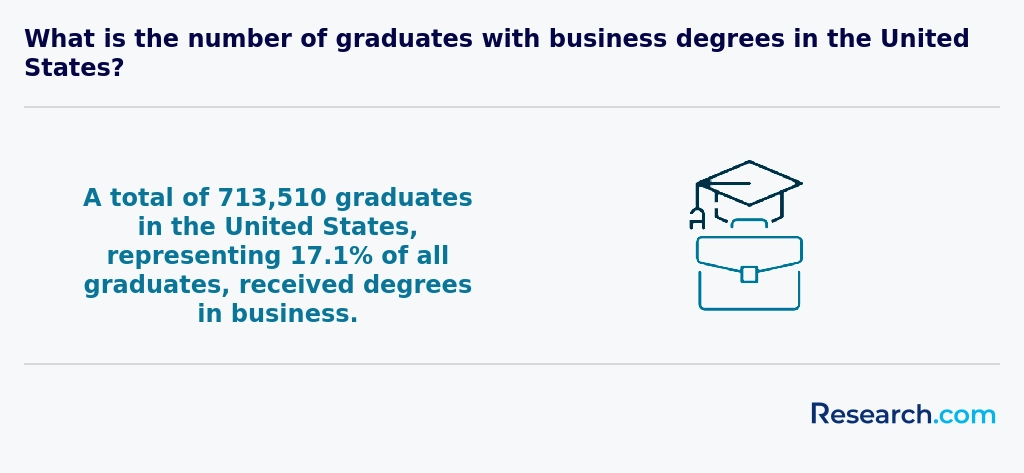
Students pursuing business degrees in Evanston often rely on multiple financial aid sources to manage costs effectively. For instance, graduates from Northwestern University frequently cite the importance of federal aid such as Pell Grants and subsidized loans, which provide crucial low-interest options while allowing them to focus on studies rather than immediate debt.
State aid through the Illinois Monetary Award Program (MAP) also plays a significant role, especially for residents attending local institutions. Business majors at these schools often note how MAP grants alleviated tuition pressures, allowing them to explore internships or leadership roles without excessive financial stress.
Beyond this, local scholarships from Evanston community groups and merit-based awards from universities build an additional support network. Many former students recall applying early for such scholarships and feeling a strong sense of achievement and encouragement when recognized for their academic and community contributions.
For working professionals, employer tuition assistance programs often provide a lifeline, making continuing education more accessible. Those balancing jobs and studies emphasize how this aid fosters a positive balance between career growth and academic progress without overwhelming financial burdens.
Enrolling in a business degree program in Evanston typically requires a high school diploma or equivalent, with emphasis on solid performance in core subjects like mathematics, English, and social studies. These foundational skills prepare students for the analytical and communication challenges they'll face, particularly at competitive institutions such as Northwestern University. Graduates often recall how mastering algebra and precalculus was crucial before even starting their college courses.
Standardized test scores, like the SAT or ACT, still play a role, although some schools have become test-optional. Students who chose to submit strong scores found it boosted their confidence during the admissions process and showed readiness for rigorous study.
Applicants must also demonstrate proficiency in English through grades or testing, and many share that writing personal statements or securing meaningful letters of recommendation helped convey their motivation and character beyond grades. Transfer students often need transcripts from previous colleges and a minimum GPA around 2.5 to 3.0, reflecting the competitive standards in Evanston's business community.
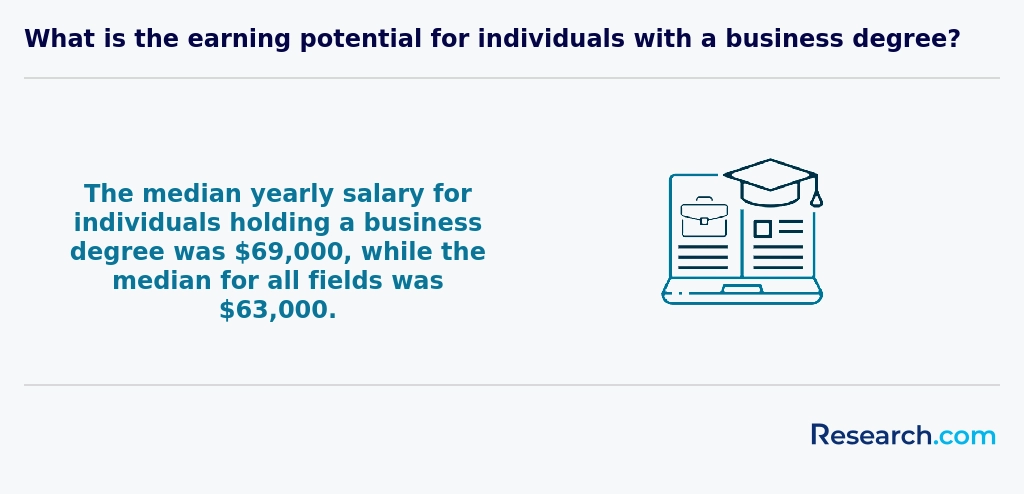
Business degrees in Evanston commonly include core courses like Principles of Management, Financial and Managerial Accounting, and Marketing Fundamentals, which provide essential frameworks for understanding organizational dynamics and market behavior. Graduates often recall how studying Corporate Finance gave them confidence in handling real-world investment decisions, an advantage particularly relevant given Evanston's closeness to Chicago's bustling financial sector.
Courses in Business Law and Ethics frequently prompt students to grapple with complex, real-life dilemmas, helping them appreciate the importance of ethical leadership in a competitive environment. Hands-on classes such as Operations Management and Economics bring theory into practice, with many programs encouraging case studies and internships that alumni praise for enhancing their problem-solving skills.
Students highlight that quantitative classes like Statistics and Quantitative Methods aren't merely abstract-they become tools for making data-driven decisions, foundational in today's market analysis. While the curriculum resembles many US programs, Evanston's unique economic context often inspires a focus on entrepreneurship and innovation, making the experience both rigorous and engaging.
Business degree specializations in Evanston reflect the city's dynamic economic landscape, offering students distinct paths such as finance, marketing, management, entrepreneurship, and international business. Graduates from popular Evanston colleges often emphasize how finance programs prepare them for careers in banking or asset management, citing real internships at Chicago firms that sharpened their practical skills. Marketing students in Evanston appreciate access to cutting-edge digital marketing courses coupled with hands-on experience, making these specializations relevant and exciting.
Management and entrepreneurship tracks, however, raise interesting debates among students. While management prepares learners for leadership roles, some graduates note that success in these fields often depends as much on networking and soft skills as on academic knowledge. Entrepreneurship courses in Evanston focus on innovation and startup culture, a perfect fit for students eager to launch their own ventures within Chicago's vibrant ecosystem.
Students also consider affordable Evanston business degree programs due to varying tuition costs, which influences specialization choices. Meanwhile, those interested in global commerce find international business compelling, preparing them for multinational careers.
For healthcare-focused students, several look toward pursuing an MBA in healthcare management online programs to complement their business learning.
Choosing the best business degree in Evanston calls for weighing diverse factors that reflect your personal ambitions and lifestyle. Graduates from local universities often highlight how specialized programs, such as those focusing on entrepreneurship or marketing, helped sharpen skills directly relevant to their career paths. Regardless, one should not assume specialization alone guarantees success; the program's accreditation-especially from bodies like AACSB-remains a reliable indicator of educational quality, influencing employer perceptions in competitive Chicago markets.
Cost considerations also shape decisions, with tuition ranging widely across institutions. Many affordable business colleges near Evanston offer financial aid options that significantly ease this burden. For some students juggling work and study, programs with flexible schedules or online components provide essential balance, enhancing their overall experience without compromising learning outcomes.
Connecting with local industry is another practical measure, as Evanston's proximity to Chicago creates rich internship and networking avenues. For those mindful of expenses, reviewing the cheapest business schools in illinois can help identify quality, cost-effective choices aligned with your goals.
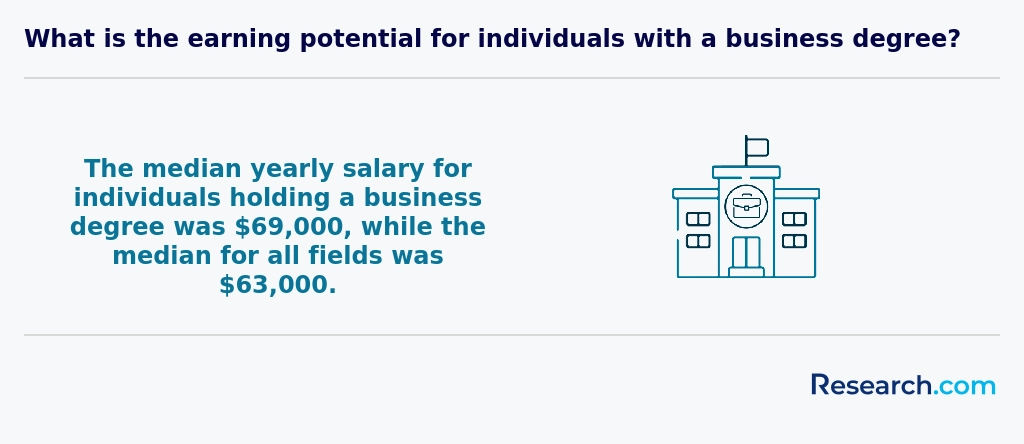
Graduates with a business degree in Evanston often pursue diverse career paths, reflecting the city's proximity to Chicago's robust economic scene. Popular routes include finance and accounting, where graduates leverage access to major banks and investment firms, often securing positions as financial analysts or auditors. However, some graduates find these roles competitive, prompting them to explore other avenues.
Marketing and sales represent another vibrant option, particularly appealing for those who enjoy creativity fused with data analytics. Students from well-known Evanston colleges often share how internships with local startups sharpened real-world skills that are crucial in managing brand strategies. For those interested in a career in business administration, Evanston offers strong opportunities given the region's dynamic business environment.
Management and human resource positions are attractive for graduates who prefer leadership and organizational roles. Yet, success in these fields often requires not just a degree but also practical experience and soft skills. Meanwhile, entrepreneurship thrives here due to local university incubators, allowing aspiring founders to gain mentorship and funding. While the breadth of business degree career options in Evanston encourages optimism, graduates often weigh these prospects carefully against the realities of competitive markets and rising education costs.

The job market for business degree holders in Evanston reflects a dynamic mix of opportunities shaped by its location within the Chicago metropolitan area. Graduates from local institutions often find themselves well-positioned due to strong employer demand and competitive salaries, with entry-level roles starting around $50,000 annually. Many business students benefit from the collaborative environment fostered by Northwestern University, where internships and networking events create valuable pathways into sectors like professional services and technology firms. This practical exposure helps graduates transition smoothly into roles such as business analysts and marketing specialists.
For those weighing the investment in education, tuition can vary widely across Illinois, affecting the overall return on investment, especially when considering the median salary in the Chicago region near $72,000. Some graduates have shared how entrepreneurial initiatives in Evanston sparked ambition, turning start-up ideas into viable ventures. The business degree job outlook in Evanston remains promising but calls for strategic planning and engagement with the local business community.
2027 Most Affordable Business Degree Programs Ranking in Evanston
Investing in your education is a significant decision that can profoundly impact your future, and the Research.com team recognizes the need for careful, well-informed choices. To guide prospective students in Evanston, we have diligently developed the "2027 Most Affordable Business Degree Programs Ranking in Evanston." Our dedication to quality, credibility, and accuracy is demonstrated through thorough research and detailed analysis used to create this ranking.
We utilized the following reputable data sources to ensure a comprehensive evaluation of business degree programs:
By exploring this ranking, readers will gain valuable insights into affordable business degree options in Evanston, empowering them to make informed decisions aligned with their academic and financial goals. For a deeper understanding of our process, please visit our Research.com methodology page.

Frequently Asked Questions About business
Business degree students in Evanston can maximize their learning by actively engaging with local resources. Northwestern University, located in Evanston, offers robust business programs with access to industry connections that can enhance practical experience. Students should seek internships within the nearby Chicago metropolitan area, a major financial and business hub with over 400,000 businesses, according to the U.S. Census Bureau.
Joining campus organizations like business clubs and networking groups provides valuable peer learning and mentorship opportunities. Utilizing career services early helps align internships and job opportunities with career goals.
Additionally, attending local business events and workshops exposes students to real-world challenges and trends. Combining academic study with these experiences equips students with practical skills highly valued in today's competitive job market.
The business field is rapidly evolving, and several emerging niches are gaining momentum in Evanston and across the US. One key area is sustainable business practices, where companies focus on environmental responsibility and social impact. According to the U.S. Bureau of Labor Statistics, demand for expertise in sustainability management is projected to grow significantly through 2029. Another growing niche is data analytics, which combines business knowledge with statistical tools to help companies make smarter decisions. Evanston's proximity to Chicago's tech sector has boosted interest in this specialization.
Additionally, digital marketing is expanding as businesses increasingly shift to online platforms. Skills in search engine optimization (SEO), social media, and content strategy are crucial. Financial technology, or fintech, is also emerging strongly, with startups in the Chicago metropolitan area creating opportunities for those with both finance and technology skills.
These niches reflect the changing demands of the business world, emphasizing innovation, technology, and ethical practices.
Graduates with a business degree in Evanston should begin preparing for the job market by gaining practical experience through internships. Local businesses, including many startups and established firms in Chicago's metropolitan area, offer valuable opportunities for hands-on learning. According to the U.S. Bureau of Labor Statistics, internships increase the likelihood of employment by over 60% for recent graduates.
Networking is also essential. Participating in local business events and joining professional groups such as the Evanston Chamber of Commerce can open doors to job leads and mentorship. Additionally, sharpening skills in data analysis and digital marketing is beneficial, as these areas are in high demand in the regional business sector.
Employers in Evanston consistently prioritize a combination of technical and interpersonal skills when hiring business degree graduates. According to recent local industry surveys, proficiency in data analysis and financial literacy ranks highly due to Evanston's growing startup and finance sectors. Additionally, strong communication skills-both written and verbal-are essential for effective teamwork and client relations.
Critical thinking and problem-solving abilities are also valued, reflecting the dynamic nature of businesses in this region. A 2023 report by the Evanston Chamber of Commerce highlights adaptability as a key trait, especially given rapid technological changes affecting local companies.
Overall, graduates demonstrating a balance of analytical, communicative, and leadership competencies are best positioned in Evanston's competitive job market.
Finding internships in Evanston relevant to a business degree involves leveraging local resources and networks. Northwestern University, located in Evanston, offers a strong career services center that lists hundreds of business internships annually, providing students with opportunities in finance, marketing, and consulting sectors. Many Evanston-based companies, including startups and established firms, actively recruit business interns to support operations and strategy projects.
The city's proximity to Chicago expands options, allowing access to more than 200,000 businesses in the metropolitan area. Using platforms like Handshake, LinkedIn, and local job fairs can improve prospects. Additionally, professional organizations such as the Evanston Chamber of Commerce often host networking events that can lead to internship placements.
A business degree significantly enhances career mobility and advancement opportunities in Evanston's competitive job market. According to the U.S. Bureau of Labor Statistics, professionals with business degrees generally experience a 10-15% higher employment growth rate compared to non-degree holders. Evanston's proximity to Chicago's financial and corporate hubs further increases demand for business graduates with skills in management, finance, and marketing.
Networking connections, often established through internships and alumni relations in Evanston's universities, also play a crucial role in career advancement. Employers often seek candidates with local business education due to their understanding of regional economic dynamics.
Graduates with degrees in business are more likely to access leadership roles with average salaries exceeding $75,000 annually in the Evanston area, as reported by the Illinois Department of Employment Security.
Studying for a business degree in Evanston offers distinctive advantages for students aiming at interdisciplinary roles. Evanston's proximity to Chicago's diverse economy allows programs to integrate real-world business challenges with other fields like technology, public policy, and healthcare.
Many local institutions emphasize collaboration across departments, encouraging students to combine business knowledge with skills in data analytics, communication, and social sciences. This approach prepares graduates to function effectively in multifaceted teams.
For example, Northwestern University provides opportunities for business students to engage with research centers and cross-departmental courses, promoting a broad skill set valued by employers.
According to the National Center for Education Statistics, interdisciplinary skills increase employability and leadership potential. Evanston's business programs thus equip students to adapt to complex environments and innovation-driven careers.
Choosing between a thesis and a non-thesis business degree program in Evanston depends largely on your career goals and learning preferences. Thesis programs require students to conduct original research, making them ideal if you plan to pursue a PhD or a research-focused role. In contrast, non-thesis programs often emphasize practical skills and coursework, which suits students aiming for immediate employment in industries like consulting or management.
Evanston is home to several universities that offer both options, with tuition varying accordingly. According to the National Center for Education Statistics, thesis programs may take longer to complete but provide a stronger foundation in research methods. Non-thesis tracks typically finish faster and focus more on applied learning.
Consider also that Evanston's strong local business community favors graduates with hands-on experience, which non-thesis programs often emphasize through internships or projects. Checking specific program requirements and speaking with advisors can provide clarity based on your aspirations.
Students based in Evanston who wish to study business abroad have several options through exchange programs and partnerships offered by local universities. Northwestern University, a leading institution in Evanston, has multiple global alliances allowing business students to study in Europe, Asia, and Latin America for a semester or a full academic year.
These programs provide exposure to international business practices while earning credits applicable to a degree. Options often include cities like London, Singapore, and Barcelona, known for their financial and commercial sectors.
Participation in study abroad programs can enhance global competencies, which 75% of Evanston business graduates reportedly value highly in job placements, according to Northwestern's Career Advancement Center.
Additionally, some students pursue dual-degree programs or international internships linked to these exchanges to gain hands-on experience and expand networks globally.
In Evanston, part-time jobs that complement a business degree provide valuable practical experience alongside academic studies. Positions in retail management, especially within local boutiques and chain stores, allow students to develop customer service and inventory skills.
Internships at Evanston-based startups and small businesses offer hands-on experience in marketing, finance, and operations. According to the Evanston Chamber of Commerce, small businesses represent over 70% of local employers, creating diverse opportunities for business students.
Campus roles such as research assistants or administrative positions in university business departments help students build analytical and organizational skills critical for future careers.
Additionally, local banks and credit unions often seek part-time tellers, giving insights into finance and customer relations.
Business students in Evanston benefit from numerous local networking opportunities that connect them with industry professionals and alumni. Northwestern University's Kellogg School of Management regularly hosts networking events, career fairs, and speaker series featuring leaders from Chicago's diverse economy. These gatherings enable students to build relationships, gain mentorship, and explore internships.
Evanston's proximity to Chicago also expands access to professional organizations such as the Chicago Business Network and local chambers of commerce, both active hubs for business students. According to the Evanston Chamber of Commerce, these groups hold over 50 annual events designed to foster partnerships and career growth.
Additional networking support often comes via student-run clubs and entrepreneurship centers that promote peer connections and real-world exposure.
Alumni networks offer significant benefits to business degree students in Evanston. These networks provide access to experienced professionals who can share industry insights and career advice. In Evanston, where the business community is closely linked to Chicago's economic hub, such connections are especially valuable for internships and job placements.
The University of Northwestern Illinois reports that 72% of business graduates found employment through alumni referrals within six months of graduation. Alumni events and mentorship programs also foster long-term relationships, enhancing students' professional development and confidence.
Overall, alumni networks serve as a vital resource for guidance, opportunities, and career growth in Evanston's competitive business environment.
Customizing a business degree program in Evanston allows students to align their education with specific career goals. Many local institutions offer flexible curricula where you can select concentrations such as finance, marketing, or entrepreneurship. Elective courses and internship opportunities within Evanston's active business community help bridge theory and practical experience.
Students can often participate in experiential learning projects with companies headquartered nearby, like Walgreens Boots Alliance, enhancing relevant skills. According to the U.S. Bureau of Labor Statistics, business roles requiring specialized knowledge continue growing, making tailored degrees an advantage. Engaging with career services and faculty advisors also supports building a personalized academic path.
Business students in Evanston often encounter challenges balancing rigorous academics with networking opportunities vital for career growth. Many programs emphasize experiential learning, which requires students to manage time between classes and internships. According to the National Center for Education Statistics, nearly 40% of business undergraduates nationwide work part-time, a trend reflected locally.
Additionally, the competitive job market in the Chicago metropolitan area puts pressure on students to develop unique skills beyond traditional coursework, such as data analytics and digital marketing. The high cost of living in Evanston also poses financial stress, which can impact student focus and wellbeing. These factors shape the typical experience for business students here.
With a business degree, students in Evanston can pursue several respected professional certifications that enhance career prospects. Popular options include the Certified Public Accountant (CPA) credential for those interested in accounting and finance. This certification is highly valued in Illinois and nationally. Another common certification is the Project Management Professional (PMP), which suits graduates focusing on operations and management.
Additionally, the Chartered Financial Analyst (CFA) designation appeals to those wanting to work in investment and financial analysis. For marketing professionals, the Certified Marketing Executive (CME) can be a valuable credential. According to the Illinois Board of Higher Education, these certifications often lead to higher salaries and greater job stability.
To write a winning application for a business program in Evanston, start by clearly articulating your career goals and how the program aligns with them. Evanston is home to prestigious institutions that value practical experience as much as academic achievements. Highlight any internships, leadership roles, or projects relevant to business.
Admissions committees typically look for strong GMAT or GRE scores; aim for averages above the 70th percentile when possible. Additionally, polished essays that reflect your understanding of current business trends in Chicago's metropolitan area can set you apart.
References from professional or academic sources familiar with your work ethic add credibility. According to the National Association of Colleges and Employers, 85% of admitted students emphasize clear communication and critical thinking in applications.
Business careers today demand a global mindset as companies increasingly operate across international markets. According to the U.S. Bureau of Labor Statistics, professionals with cross-cultural competencies and global business knowledge have a competitive edge. In Evanston, home to diverse industries and corporate headquarters, graduates are well-positioned to engage in global commerce.
Universities in the area emphasize international business studies and offer opportunities such as study abroad programs and global internships. This exposure helps students understand international regulations, economic environments, and cultural differences critical to success.
Recent data from the National Association of Colleges and Employers highlights that 65% of employers seek candidates with global awareness, underlining its importance for Evanston business graduates entering the workforce.
Students pursuing a business degree in Evanston can gain practical experience through various avenues integrated into academic programs. Many local institutions encourage internships with nearby companies in Chicago's metropolitan area, providing real-world exposure in finance, marketing, and management fields.
Co-op programs and internship fairs connect students with businesses seeking fresh talent. According to the Illinois Department of Employment Security, Evanston and its surroundings have a growing business services sector, increasing internship availability.
Additionally, some universities offer project-based courses where students solve actual business challenges, enhancing practical skills. Participation in student-run organizations and consulting clubs also helps build leadership and teamwork experience relevant to the business world.
Choosing the right concentration within a business degree program in Evanston depends on your career goals and interests. Popular concentrations include finance, marketing, management, and entrepreneurship. According to the U.S. Bureau of Labor Statistics, Evanston's proximity to Chicago's financial district makes finance a strong option for students seeking jobs in banking or investment firms.
It is important to evaluate local industry demands; Evanston has a growing tech and startup scene, favoring concentrations like entrepreneurship and management. Reviewing course offerings and internship opportunities at schools in Evanston can also help determine the best fit. Additionally, speaking with advisors and professionals can clarify career outlooks and expected salaries in your chosen field.
- 2027 Most Affordable Business Degree Programs Ranking in Chicago
- 2027 Most Affordable Business Degree Programs Ranking in River Forest
- 2027 Most Affordable Business Degree Programs Ranking in Kenosha
- 2027 Most Affordable Business Degree Programs Ranking in Milwaukee
- 2027 Most Affordable Business Degree Programs Ranking in Madison
- 2027 Most Affordable Business Degree Programs Ranking in West Lafayette
- 2027 Most Affordable Business Degree Programs Ranking in Fort Wayne
- 2027 Most Affordable Business Degree Programs Ranking in Dubuque
- 2027 Most Affordable Business Degree Programs Ranking in Indianapolis
- 2027 Most Affordable Business Degree Programs Ranking in Louisville
See What Experts Have To Say About Studying Business
Read our interview with Business experts

David W. Stewart
Business Expert
Emeritus President's Professor of Marketing
Loyola Marymount University

David Souder
Business Expert
Senior Associate Dean for Faculty and Research
Michigan State University


- Professional Business Certifications to Boost Your Career in 2025 https://www.business.com/articles/best-business-certifications/
- 55 Trending Business Ideas for 2025 and Beyond https://www.uschamber.com/co/start/business-ideas/top-trending-business-ideas
- How to Use Your MBA for Career Growth While You’re Still Studying - International Career Institute USA https://icieducation.com/blog/how-to-use-your-mba-for-career-growth-while-youre-still-studying/
- Top 10 Skills Employers Seek in Business Graduates in 2026 https://www.ibat.ie/blogs/top-10-skills-employers-seek-in-business-graduates-in-2026
- What is the future of bachelor’s degrees in business? https://www.amba-bga.com/insights/what-is-the-future-of-bachelors-degrees-in-business
- Exploring Different Types of Business Majors https://www.ivywise.com/ivywise-knowledgebase/exploring-different-types-of-business-majors/
- The Biggest Challenges for Business School Students | EU Business School https://www.euruni.edu/blog/the-biggest-challenges-for-business-school-students/
- LEND Evanston https://www.lendevanston.org/
- Niche Business Ideas: A Guide to Profitable Niche Business Selection - Inar Learn https://inarlearn.com/niche-business-ideas-a-guide-to-profitable-niche-business-selection/
- Business Registration https://www.cityofevanston.org/business/business_registration.php


