2027 Best Business Degree Programs Ranking in Springfield

Co-Founder and Chief Data Scientist
Choosing the right business degree can shape your future career and open many doors. Our 2027 Best Business Degree Programs Ranking in Springfield provides a clear, data-driven guide created by the Research.com team of data scientists. This ranking helps you understand which programs truly stand out in the Springfield area.
By reading this article, you'll gain valuable insights to confidently pick a program that matches your goals. Investing in a quality business education offers exciting opportunities for growth and success in today's competitive market.
Key benefits of getting business degree in Springfield
- Salary benefits: Graduates with a business degree in Springfield can expect rewarding salaries, such as a Business Analyst earning an average annual wage of $112,950 and a Business Development Executive earning around $83,190.
- Career paths: Business degree holders from Springfield's popular colleges often pursue diverse roles like business analysis or executive development, opening doors to dynamic industries and professional growth.
- Online degree advantages: Completing a business degree online in Springfield offers flexibility and convenience, allowing students to balance work or family while gaining skills that employers highly value today.
- 2027 Best Business Degree Programs Ranking in Springfield
- What can I expect from business degree in Springfield?
- Where can I work with business degree in Springfield?
What can I expect from business degree in Springfield?
The average cost of earning a business degree in Springfield typically ranges from $15,000 to $30,000 per year for in-state students at popular local universities. Graduates often recall balancing this investment with part-time work or internships to gain not only valuable experience but also financial relief. For many, this price felt like a meaningful stepping stone toward a career filled with opportunity.
Students studying at recognized Springfield colleges appreciate how their tuition covers rigorous coursework in accounting, marketing, and finance, alongside hands-on experiences. One graduate shared how evening classes allowed them to continue working full-time, making the financial commitment manageable while advancing their skills. Access to entrepreneurship centers also adds tremendous value beyond just classroom learning.
Keep in mind, scholarships and financial aid are often available to ease the burden. When you weigh costs against the starting median salary of $50,000 to $60,000 local graduates earn, the investment becomes not just reasonable but inspiring. Springfield's growing business community offers a rich environment to turn knowledge into a rewarding career.
Where can I work with business degree in Springfield?
Graduates from business programs at Springfield's colleges often find themselves welcomed across a variety of thriving industries. Many step confidently into roles at local healthcare giants like Mercy Hospital or St. John's Health System, applying skills gained from their coursework in management and operations to keep these essential services running smoothly.
Others discover rewarding careers in Springfield's bustling retail and logistics sectors, working on sales strategy or supply chain management for regional chains headquartered right in the city. The energetic pace of these companies gives graduates a chance to see the direct impact of their efforts every day.
Financial institutions in Springfield also eagerly hire business graduates as financial analysts or loan officers, where analytical thinking and strategic marketing know-how play crucial roles. Graduates from popular local universities often share how internships connected them with these opportunities, turning classroom theory into real-world success.
Finally, the city's supportive entrepreneurial scene invites graduates to launch startups or contribute to new ventures at places like the Springfield Innovation Hub, transforming their business plans into thriving realities with passion and purpose.
Graduates from Springfield's well-regarded business programs often find themselves stepping into rewarding careers with strong earning potential. For example, business development executives here can expect an average annual wage of around $83,190, reflecting local industry demand and vibrant economic opportunities.
Many graduates from popular Springfield colleges share stories of quickly moving into roles like business analysts, where the mean annual wage reaches an impressive $112,950. These roles bring not only financial rewards but also engaging challenges that help sharpen strategic and analytical skills.
Imagine a recent Springfield business graduate landing a business development role at a growing logistics company. With a starting salary close to $83k and opportunities for bonuses, they feel motivated and valued. Another graduate, stepping into a business analyst post at a healthcare firm, enjoys a sharp career trajectory boosted by a competitive $113k salary.
These figures highlight that choosing Springfield for your business degree offers not only quality education but also exciting pathways to financial success in influential regional industries.
- In-state tuition for a business bachelor's degree at public schools in Springfield ranges from $10,000 to $15,000 per year, while private schools charge between $25,000 and $35,000 annually.
- Entry-level salaries for business graduates in Springfield average about $50,000 per year, reflecting strong local economic conditions.
- After five to ten years, business professionals in Springfield often earn between $70,000 and $90,000, with higher growth in financial analysis, marketing, and supply chain roles.
- Business job opportunities in Springfield are expected to grow 7% to 10% through 2030, especially in management and financial operations.
- Springfield colleges offer various business degrees including BBA and Bachelor of Science with specializations like entrepreneurship and international business, often featuring internships connected to local businesses.
Completing a business degree in Springfield typically takes about four years for a full-time Bachelor of Business Administration (BBA) at local institutions like Missouri State University or Drury University. Many graduates recall balancing coursework with vibrant campus life, finding the pace steady yet rewarding. For those eager to accelerate their journey, Springfield offers programs that can be completed in as little as two and a half to three years by taking extra courses or summer sessions, allowing students to graduate with momentum.
At the graduate level, pursuing an MBA generally requires one to two years of full-time study. Graduates often share how part-time or online options gave them the flexibility to advance their careers while studying. Some even completed accelerated MBA tracks in 12 to 18 months, finding it intense but energizing, especially in a city that values both tradition and innovation in business education.
Ultimately, the length depends on your program choice, prior credits, and how you balance work and study-just like many Springfield students who tailor their paths to fit their personal goals and lifestyles.
When considering a business degree in Springfield, MO, one of the critical factors for many students is the affordability of the program. The cost of tuition, additional fees, and the potential for financial aid can significantly influence a student's decision. For those seeking to minimize their expenses, exploring the affordable business programs in Missouri can provide valuable insights. Many institutions in Springfield offer competitive pricing without compromising on the quality of education, ensuring that students receive a comprehensive business education that prepares them for the dynamic job market. By researching these affordable options, prospective students can make informed decisions that balance their financial situation with their academic and career aspirations, ultimately paving the way for a successful and fulfilling professional journey in business.
Choosing between an online and on-campus business degree in Springfield hinges on how you want to learn and live your college experience. Online programs, like those at Missouri State University, let you balance work, family, and study with impressive flexibility. Graduates often recall the freedom to set their own pace and study from home, which is a huge advantage if you're juggling a busy schedule.
On the other hand, attending a Springfield campus fills your days with face-to-face interactions-think lively group projects, instant advice from professors, and easy access to career centers. Many graduates treasure the energizing atmosphere of libraries and campus events that make networking natural and fun.
Money matters, too. Online degrees commonly cost 10-20% less, saving you on travel while keeping academic rigor high. But if you thrive on personal connections and structure, an on-campus path with in-state tuition near $15,000 might feel more inspiring and supportive.
Ultimately, both routes open doors; it's about choosing the experience that fits your life, passions, and goals in Springfield's vibrant business community.
Understanding the true value of a business degree goes beyond tuition and fees-it’s about how quickly you can recoup your investment and start generating returns in the form of higher earnings and career advancement. In Springfield, MO, the average debt load for business graduates is approximately $22,000, while the median starting salary hovers around $55,000. By comparing these figures, we estimate a payback period of just under two years for bachelor’s degree holders entering roles such as project managers or business analysts. Several factors influence ROI: • Net Price vs. Earnings: When factoring in scholarships, grants, and work-study programs, many students reduce their net price by 15–20%. Coupled with an average salary increase of 10–12% after graduation, the long-term earnings trajectory becomes significantly more favorable. • Accelerated Pathways: For professionals seeking to fast-track their credentials, choosing an accelerated mba program online can minimize opportunity costs and maximize earning potential. These programs often condense coursework into 12–18 months, allowing graduates to return to the workforce sooner and command higher salaries-often 20% above traditional MBA holders. • Employment Growth: With local employers projecting a 17% increase in project management roles and a 32% surge in healthcare management positions, the demand for business graduates remains strong, further enhancing the ROI of specialized concentrations. • Lifetime Earnings Differential: Over a 20-year career span, the cumulative salary benefit of a business degree in Springfield can exceed $600,000 compared to non-degree holders, underscoring the substantial financial advantage of pursuing higher education in business. By evaluating these metrics, prospective students can make informed decisions and choose programs that align with both their budgetary constraints and career aspirations, ensuring a robust return on their educational investment.
The average cost of a business degree in Springfield typically centers around $30,242 for out-of-state students and approximately $16,950 for in-state students when considering the full program expenses. This includes tuition, fees, books, and living costs, making it essential to plan beyond just tuition fees. Graduates from Missouri State University Springfield often share how their in-state tuition, around $9,400 annually, combined with living expenses, created a manageable investment in their future careers.
Many business students in Springfield emphasize the value of budgeting for additional expenses such as books, which can range around $1,500 to $2,000 yearly, and on-campus living costs varying widely based on lifestyle, often reaching $10,000 to $15,000 per year. These real-life financial commitments shape the total expenses for Springfield business degree 2027 hopefuls, and knowing this upfront helps students navigate their finances more effectively.
Private institutions like Drury University present a different financial picture with tuition fees near $27,000 per year, yet graduates from these colleges often remark on the personalized education and networking the investment provided. For those seeking to make business education more affordable, exploring scholarships and grants remains crucial. Prospective students are encouraged to explore the affordable business programs in Missouri to maximize their financial aid opportunities without compromising quality.
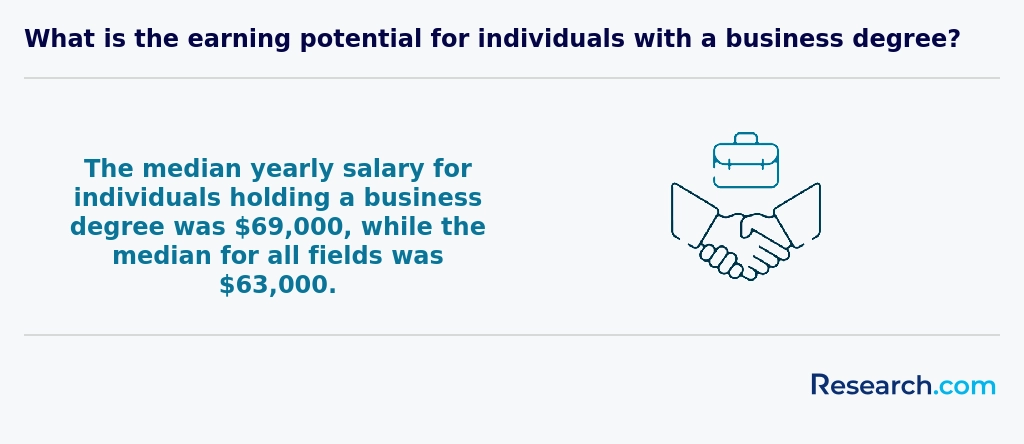
Many successful business professionals further distinguish themselves by obtaining targeted certifications that complement their academic credentials. Adding professional certifications to your business degree not only validates your expertise but also expands your skill set in specialized areas such as data analytics, digital marketing, and project management. These credentials can make you more competitive in the job market by demonstrating a commitment to continual learning and professional development. For instance, you might consider exploring a list of the best online business certificates to advance your career that align with emerging industry trends and demand. Certifications from recognized organizations help build employer trust and can often lead to higher starting salaries, broader networking opportunities, and a faster path toward leadership roles. By integrating advanced certifications with your formal education, you position yourself at the forefront of the business landscape, ready to tackle complex challenges and drive organizational success.
When pursuing a business degree in Springfield, numerous financial aid options make the journey accessible and rewarding. Many graduates from local universities have benefited from federal aid like Pell Grants, which provide up to $7,000 annually without needing repayment-a true relief for those balancing tight budgets.
Stafford Loans stand out as practical solutions too, offering manageable interest rates. Some advanced business students tap into Direct Unsubsidized Loans, borrowing up to $20,500 yearly to focus on their studies without financial distractions. State programs like Missouri's Access Missouri Financial Assistance offer Springfield residents extra support, lightening tuition costs at nearby schools.
Merit-based scholarships highlight academic achievements or leadership, rewarding dedication with substantial tuition support. Local community scholarships, such as those from the Springfield Chamber of Commerce, often empower students who show promise in business and local impact. Combining these aids with work-study roles within Springfield's business schools or firms helps students gain both income and valuable experience while pursuing their dreams.
To embark on a business degree journey in Springfield, you'll need a solid foundation starting with a high school diploma or its equivalent. Many graduates from well-known Springfield institutions recall how excelling in math, economics, and English really set them up for success, offering skills that directly translate to business concepts. Imagine preparing for your classes by mastering these subjects first - it makes tackling finance or marketing cases much less daunting.
Standardized tests like the SAT or ACT have traditionally been a part of the process. However, at places like Drury University, students have embraced a test-optional policy, helping reduce stress and emphasizing your overall strengths and personal story instead.
Letters of recommendation from teachers or counselors who know your work ethic and character are essential. Picture your mentor sharing how your dedication in class reflected your future ambitions - this personal boost can make a big difference.
Additionally, expect to craft a thoughtful personal statement that shares your passion for business, clarifying why Springfield is your platform for growth. For graduate applicants, holding a bachelor's degree with a competitive GPA, relevant work experience, and possibly GMAT or GRE scores are key steps towards admission.

Evaluating the return on investment (ROI) of a Business degree in Springfield, MO involves comparing total program costs against expected earnings over time. On average, a four-year bachelor’s degree in business management carries tuition and fees of $12,600–$13,100 per year, plus living expenses estimated at $15,000 annually. With graduates earning mean salaries of $80,220 as Project Managers and $108,790 as Business Analysts, most students recoup their educational investment within 4–6 years of full‐time employment. Key factors driving ROI include program reputation, internship opportunities, and alumni network strength. For example, Missouri State University graduates report a 90% job placement rate within six months, while Drury University alumni benefit from small class sizes that lead to early-career promotions. Factoring in average starting salaries of $65,000 and annual salary growth of 5%, graduates can anticipate a cumulative earnings differential of over $200,000 compared to the national average within a decade. To further optimize ROI, prospective students should consider flexible program formats that reduce opportunity costs. Online pathways often allow working professionals to maintain full-time employment while completing coursework, shortening the effective payback period. For detailed comparisons of affordable online options, see our Inexpensive Online Business Degree Programs Ranking in Miami, FL. Ultimately, the strongest ROI comes from selecting accredited programs with robust career services, clear internship pipelines, and active alumni mentorship. By weighing tuition expenses against projected salary growth and job placement statistics, students can make data-driven decisions that maximize long-term financial outcomes.
When you dive into a business degree in Springfield, you'll find courses that build a strong foundation in management, finance, marketing, and accounting, just like graduates from well-known local colleges often describe. Imagine studying management by exploring real case studies about Springfield's thriving manufacturing and retail sectors, learning how local companies organize their teams and plan strategically for growth.
Finance courses will connect you with practical skills like investment analysis and budgeting, essential for mastering the financial pulse of any business. Many students recall how projects involving Springfield's healthcare industry helped them grasp financial reporting in a meaningful way, making the theory come alive.
Marketing classes focus on consumer behavior and digital strategies, which graduates say ignite creativity and prepare them for today's fast-evolving markets. Accounting studies, including auditing and managerial accounting, equip you to confidently analyze financial data - a skill praised by alumni working in Springfield's corporate offices.
Additionally, electives like business law, ethics, and entrepreneurship inspire innovative and ethical thinking, preparing you to adapt and lead in Springfield's dynamic business landscape. These courses encourage hands-on projects and internships, helping you build a network and gain experience right here in the community.
When considering a business degree in Springfield, you'll find a rich array of specializations designed to match the local economy and your career ambitions. Many graduates from popular Springfield universities highlight Finance as a go-to choice, driven by the city's expanding manufacturing, healthcare, and retail sectors. These programs prepare you for careers in banking or corporate finance, reflecting the tangible 5% job growth in the region.
Marketing stands out as another exciting specialization, emphasizing digital skills essential for Springfield's thriving e-commerce and local business scenes. Graduates often share how courses in consumer behavior and data analytics directly helped them secure roles aligned with the 7% rise in demand for marketing pros.
The scope of Springfield business degree concentration options also includes dynamic fields like Entrepreneurship and Supply Chain Management, aligning perfectly with the city's startup culture and logistics hub. Business students often mention management tracks focusing on HR and Operations that empower them to lead Springfield's service-driven economy.
For those interested in tech-driven paths, Information Systems integrates IT with business strategy-a must in today's digital transformation. Exploring further? Check this list of the best online business certificates to advance your career to complement your degree and boost your prospects.
Choosing the best business degree in Springfield means focusing on programs that blend strong academics with real-world opportunities. Graduates from popular local colleges often share how accredited programs helped them gain trust from employers, especially those tied to the city's thriving finance and manufacturing sectors. When exploring options, look closely at curriculum relevance and career-focused courses that prepare you for the Springfield job market.
Many students find value in institutions offering extensive internship and networking opportunities. Hands-on experience within Springfield's business community was a game-changer for those who balanced their studies and careers effectively, a crucial factor when choosing affordable business degrees Springfield 2027.
Flexibility is another key. Some graduates praised programs with online or hybrid structures, enabling them to manage work and family alongside earning their degree. If you want to accelerate your education while maintaining this balance, consider an accelerated mba program online.
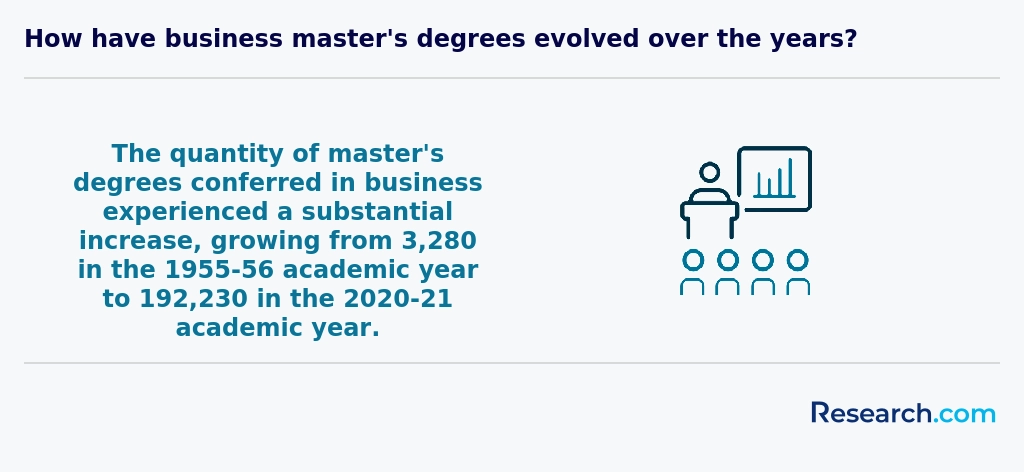
Graduates with a business degree in Springfield enjoy a variety of career paths tailored to the city's vibrant economy. From management roles in local manufacturing firms to financial analyst positions supporting Springfield's expanding small business community, opportunities are abundant. Many graduates from Springfield State University find themselves thriving as marketing specialists, leveraging digital platforms to connect with the city's growing tech-savvy population. Others build rewarding careers as human resources managers, helping employers navigate workforce challenges in retail and service sectors.
Exploring Springfield business degree job opportunities means considering roles like management consultants who assist businesses in boosting efficiency-real-world internships at popular local companies often prepare students for these dynamic positions. Entrepreneurs also flourish here, taking full advantage of supportive business incubators and grants that foster innovation. For additional guidance on affordability and program options, consider the Inexpensive Online Business Degree Programs Ranking in Miami, FL, which offers insight into budget-smart pathways similar to those available in Springfield.
The business degree job outlook Springfield graduates face is encouraging, with diverse sectors like manufacturing, healthcare, retail, and finance actively seeking candidates with strong management, marketing, and financial skills. Many graduates from popular local colleges find themselves quickly stepping into roles such as Financial Analyst or Operations Manager, reflecting the steady demand in Springfield's expanding economy. The local unemployment rate for business grads is notably below the national average, offering reassurance to those investing time and resources into their education.
Springfield business degree employment opportunities are boosted by the city's growing startup ecosystem and proximity to large employers. Students often secure internships that turn into full-time positions, gaining valuable experience that employers truly value. Graduates share how programs at universities here helped them merge academic theory with practical challenges, giving them confidence to navigate the job market.
For those balancing work and study, Springfield also offers fast online degree completion programs for working adults, which many find helpful for accelerating their path to employment without sacrificing income or experience.
2027 Best Business Degree Programs Ranking in Springfield
Investing in your education is a significant decision that can shape your future, and the Research.com team understands the importance of making informed choices. To assist prospective students in Springfield, we have meticulously crafted the "2027 Best Business Degree Programs Ranking in Springfield." Our commitment to quality, credibility, and accuracy is reflected in the extensive research and analysis conducted to compile this ranking.
We utilized the following reputable data sources to ensure a comprehensive evaluation of business degree programs:
By exploring this ranking, readers will gain valuable insights into the best business degree programs available in Springfield, empowering them to make well-informed decisions about their educational and professional futures. For more details on our methodology, please visit our Research.com methodology page.


Frequently Asked Questions About business
Business degree students in Springfield can maximize their learning experience by actively engaging with local business communities. Springfield hosts several chambers of commerce and networking events, providing opportunities to build professional connections. According to the Springfield Regional Economic Partnership, nearly 60% of local businesses prefer hiring graduates familiar with regional market dynamics. Internships with companies based in Springfield, such as those in manufacturing, healthcare, and finance sectors, offer practical experience that complements classroom learning. Additionally, students should leverage resources like career centers and workshops focused on leadership and entrepreneurship, which are commonly available at Springfield colleges. Utilizing these strategies enhances both knowledge and employability.
The business field is rapidly evolving, and several emerging niches are gaining traction among students pursuing business degrees in Springfield. One notable area is data analytics, where businesses rely on big data to make accurate decisions. According to the Springfield Chamber of Commerce, demand for data-savvy professionals grew by 22% between 2021 and 2023.
Another growing niche is sustainability management, reflecting a national shift toward environmentally responsible business practices. Local companies increasingly seek experts who can integrate green strategies into core operations.
Additionally, digital marketing continues to expand, driven by the rise of e-commerce and social media platforms in the region. Students focusing on these niches may find strong job prospects around Springfield's dynamic economy.
Preparing for the job market after completing a business degree in Springfield involves several key steps. Graduates should focus on building practical skills through internships and cooperative education programs, which local employers highly value. According to the Springfield Chamber of Commerce, approximately 60% of businesses prefer candidates with hands-on experience.
Networking is essential; attending Springfield-area business events or joining professional groups can connect graduates with potential employers. Leveraging university career services for resume reviews and mock interviews also improves job readiness.
Understanding local market trends, such as Springfield's growing logistics and healthcare sectors, helps graduates target their job search. According to recent data from the U.S. Bureau of Labor Statistics, jobs in these areas are projected to grow by 8% over the next five years.
Employers in Springfield seek a combination of technical and soft skills from business degree graduates. Analytical abilities, such as interpreting data and making strategic decisions, rank highly. According to the Springfield Chamber of Commerce 2023 report, 78% of hiring managers prioritize proficiency in financial analysis and market research.
Communication skills remain essential, as graduates must collaborate across departments and with clients. Leadership and teamwork are valued attributes, especially with Springfield's growing small business sector emphasizing adaptable managers. Technological competence, including familiarity with business software like Excel and CRM systems, is also important. These skills help graduates meet the demands of Springfield's diverse business environment effectively.
Finding internships in Springfield relevant to a business degree involves exploring local resources and leveraging university connections. Springfield hosts many diverse businesses including finance, healthcare, and manufacturing sectors, providing practical opportunities for business students. According to the Springfield Chamber of Commerce, companies in these industries frequently offer internships aimed at developing skills in management, marketing, and finance.
Students should consult their college career services, which often maintain exclusive ties with regional employers. Additionally, online platforms like Handshake and LinkedIn list internships specifically in the Springfield area, filtering by business-related roles. Networking events hosted by local business groups can also connect students directly to potential employers.
Government programs and small business associations in Springfield sometimes offer internship opportunities for students seeking hands-on experience in entrepreneurship and economic development. Staying proactive and applying early enhances chances of securing a position in the competitive Springfield market.
A business degree in Springfield significantly enhances career mobility and advancement opportunities. According to the U.S. Bureau of Labor Statistics, professionals with business degrees often experience a 15-20% higher employment growth rate compared to those without college degrees. Springfield's growing economy, notably in sectors such as healthcare administration and logistics, increasingly values graduates with strong business acumen.
Local employers, including large firms like MassMutual and Smith & Wessel, frequently seek candidates with formal business education for managerial roles. Earning a degree also provides access to valuable networking events and internships facilitated by Springfield-area universities, which can open doors to promotions and career shifts.
Furthermore, studies from the National Association of Colleges and Employers highlight that business graduates in Springfield report an average starting salary 10% above the regional average for all bachelor's degree holders, reflecting enhanced advancement potential.
Studying for a business degree in Springfield offers a strong foundation for navigating interdisciplinary roles by blending core business skills with knowledge from fields such as technology, healthcare, and public administration. This approach aligns well with Springfield's diverse economy, which includes healthcare giants like Mercy Springfield and tech startups supported by local incubators.
Programs often include courses in data analytics, communication, and ethics, preparing students to collaborate across departments. According to the Springfield Regional Economic Partnership, 45% of business vacancies in 2023 required skills beyond traditional business expertise, emphasizing adaptability and cross-sector knowledge.
Students benefit from internships and projects with local companies, fostering real-world interdisciplinary experience.
Choosing between a thesis and a non-thesis business degree program in Springfield depends on your career goals and learning preferences. A thesis option often suits students aiming for research, academic careers, or roles involving strategic analysis. It involves conducting original research and writing a detailed report, which helps develop strong analytical skills.
Non-thesis programs focus more on coursework and practical skills, ideal for those entering the workforce quickly or pursuing professional certifications. In Springfield, where industries like finance, healthcare, and manufacturing are growing, practical knowledge is highly valued by employers, according to the Springfield Chamber of Commerce data from 2023.
Consider your future goals and consult academic advisors to decide which path aligns best with your aspirations.
Students based in Springfield looking to study business abroad have several options through US universities' international partnerships and exchange programs. Many institutions encourage business majors to spend a semester or year at affiliated universities worldwide, enhancing global understanding and professional networks. For example, the University of Missouri-Springfield offers access to study abroad programs in Europe, Asia, and Latin America, focusing on international business practices.
Data from the Institute of International Education shows that approximately 12% of US business students participate in study abroad initiatives, reflecting strong interest in global perspectives. Students can also pursue dual-degree programs combining a US business degree with foreign credentials, increasing employability in multinational firms.
Springfield offers several part-time job opportunities that effectively complement business degree education. Many students find roles in retail management and customer service within local businesses, providing practical experience in operations and sales. According to the U.S. Bureau of Labor Statistics, these positions help develop communication and leadership skills essential for business careers.
Additionally, internships and assistant roles in Springfield's growing financial sector can provide exposure to accounting and finance. The Springfield Chamber of Commerce notes a 5% growth in financial services jobs, increasing opportunities for business students to gain relevant experience while studying.
Positions in marketing, especially digital marketing roles with Springfield-based startups, offer hands-on experience with real-world campaigns. These jobs allow students to apply classroom knowledge to business strategies, enhancing their resume.
Overall, these opportunities help build critical skills and professional networks in Springfield's evolving business landscape.
Business students in Springfield have access to diverse networking opportunities that can enhance their professional growth. Many local universities host events where students can connect with industry leaders from Springfield's growing sectors, such as healthcare, manufacturing, and finance. According to the Springfield Regional Chamber of Commerce, these events attract over 1,000 professionals annually, offering valuable contacts for internships and jobs.
Additionally, Springfield offers numerous professional organizations including the Springfield Business Association and local chapters of national groups like the American Marketing Association. These groups regularly meet and provide networking mixers, workshops, and guest speaker sessions.
Students also benefit from career fairs organized by Springfield's colleges, which attract more than 80 local and regional companies each year. These venues allow direct interaction with recruiters and alumni, making Springfield a promising environment for building a strong business network.
Alumni networks provide valuable advantages to business degree students in Springfield by offering access to professional connections within the local market. These networks enable students to engage with graduates who have established careers in Springfield's growing industries such as finance, logistics, and healthcare management. According to the Springfield Chamber of Commerce, 62% of local businesses prefer hiring candidates referred through alumni connections.
Networking opportunities include mentorship programs, job fairs, and internships coordinated by alumni, which can enhance students' practical experience and employment prospects. Additionally, alumni often share insights about industry trends and local business culture, giving current students a competitive edge.
This support can be crucial in navigating Springfield's unique economic landscape, helping students transition smoothly from education to professional roles.
Customizing a business degree program in Springfield involves selecting courses and specializations aligned with your career goals. Many institutions allow students to choose from concentrations such as marketing, finance, entrepreneurship, or supply chain management. According to the Springfield Area Chamber of Commerce, sectors like manufacturing and health services are growing, so focusing on relevant skills can enhance job prospects.
Students can also engage in internships with local companies to gain practical experience. Additionally, some programs offer flexible scheduling and elective courses tailored to emerging business trends. Academic advisors in Springfield's colleges help tailor curricula to individual ambitions, making degrees more relevant and actionable.
Business students in Springfield often face financial challenges due to rising tuition costs. According to the Missouri Department of Higher Education, tuition at local institutions has increased by over 15% in the last five years. Many students struggle to balance part-time jobs with coursework, impacting their academic performance.
Another common issue is access to internships. While Springfield has a growing business sector, opportunities remain competitive. The Springfield Regional Chamber of Commerce reports that only 40% of business students secure internships annually, which affects practical experience acquisition.
Additionally, navigating the rapidly evolving digital business environment requires students to continuously update their skills, posing a notable challenge for those with limited access to technology or training resources.
With a business degree in Springfield, students have access to a variety of professional certifications that can enhance career prospects in multiple industries. Popular certifications include the Certified Public Accountant (CPA), which is essential for accounting careers and requires passing a state exam. The Project Management Professional (PMP) certification is widely recognized and valued in Springfield's growing logistics and manufacturing sectors.
The Certified Financial Planner (CFP) credential is another option, particularly for graduates interested in finance careers within Springfield's expanding banking industry. Additionally, the Certified Management Accountant (CMA) certification focuses on management accounting and is useful for leadership roles.
These certifications typically require relevant work experience and passing rigorous exams, providing graduates with a competitive advantage in the Springfield job market.
To write a winning application for a business program in Springfield, start by thoroughly researching local institutions to understand their values and focus areas. Tailor your personal statement to highlight your career goals and how the program aligns with Springfield's growing business sectors, such as manufacturing and healthcare.
Demonstrate your academic readiness by showcasing strong grades in math and economics, as Springfield programs often emphasize quantitative skills. Including relevant work or volunteer experience in Springfield's business community can enhance your profile.
Lastly, ensure standardized test scores meet or exceed the average for Springfield applicants, typically around the 75th percentile nationally, according to recent admissions data.
Business careers today are increasingly influenced by global economic trends and international markets. For Springfield students pursuing business degrees, understanding global perspectives is essential as companies seek professionals with cross-cultural management skills. According to the U.S. Bureau of Labor Statistics, the need for business analysts and managers with international knowledge is growing by over 8% annually nationwide.
Springfield's local economy is tied to sectors like manufacturing and logistics, which operate globally. This creates demand for graduates familiar with global supply chains, international finance, and trade regulations. Many Springfield colleges incorporate global business courses, reflecting the importance of worldwide economic interconnectivity.
Additionally, proficiency in foreign markets and digital communication is becoming a key asset. The evolving business landscape encourages Springfield students to gain international experience or language skills, preparing them for diverse leadership roles.
Gaining practical experience while studying for a business degree in Springfield can greatly enhance your career readiness. Many local universities and colleges offer internship programs that connect students with Springfield-based companies, providing real-world exposure in fields like finance, marketing, and management.
Additionally, students can participate in cooperative education (co-op) programs, which combine classroom learning with paid work experience. According to the Springfield Chamber of Commerce, over 60% of business students engage in internships during their studies, helping them build valuable networks.
Business clubs and student organizations often collaborate with local businesses on projects, offering another hands-on learning platform. Volunteering in community economic development initiatives in Springfield also allows practical application of business skills in real situations.
Choosing the right concentration within a business degree in Springfield begins with understanding your career goals. Business programs in the area typically offer concentrations such as finance, marketing, management, and entrepreneurship. According to the Springfield Chamber of Commerce, sectors like healthcare management and manufacturing are growing locally, making related concentrations attractive.
It is useful to review course offerings at Springfield-area institutions and consider how they align with industry demands. Internship availability in Springfield's strong logistics and retail sectors can also influence your choice. Exploring career services and alumni outcomes at prospective schools offers valuable insight into which concentrations lead to successful employment in the region.
- 2027 Best Business Degree Programs Ranking in Conway
- 2027 Best Business Degree Programs Ranking in Kansas City
- 2027 Best Business Degree Programs Ranking in Little Rock
- 2027 Best Business Degree Programs Ranking in Wichita
- 2027 Best Business Degree Programs Ranking in Denton
- 2027 Best Business Degree Programs Ranking in Dallas
- 2027 Best Business Degree Programs Ranking in Dubuque
- 2027 Best Business Degree Programs Ranking in West Lafayette
- 2027 Best Business Degree Programs Ranking in Louisville
- 2027 Best Business Degree Programs Ranking in Indianapolis
See What Experts Have To Say About Studying Business
Read our interview with Business experts


David W. Stewart
Business Expert
Emeritus President's Professor of Marketing
Loyola Marymount University

Ingrid S. Greene
Business Expert
Clinical Assistant Professor of Management
Loyola Marymount University

- Know more about thesis vs non- thesis: what is the difference? https://studyfans.com/en/blogs/816
- How to Use Your MBA for Career Growth While You’re Still Studying - International Career Institute USA https://icieducation.com/blog/how-to-use-your-mba-for-career-growth-while-youre-still-studying/
- Business Management | Springfield College https://springfield.edu/programs/business-management
- Business & Computer Science | Ozarks Tech (OTC) https://ozarkstech.edu/programs/business/
- The Seven Biggest Challenges Faced by Student Entrepreneurs https://venturewell.org/blog/five-biggest-challenges/
- Ten Types of Business Degree Specializations | AIU https://www.aiuniv.edu/degrees/business/articles/10-types-of-business-degree-specializations-you-can-pursue
- How to Write the Perfect Cover Letter – EU Business School https://www.euruni.edu/blog/write-perfect-cover-letter/
- 55 Trending Business Ideas for 2025 and Beyond https://www.uschamber.com/co/start/business-ideas/top-trending-business-ideas
- Global careers, real impact: building your career with an international business degree | University of East London https://www.uel.ac.uk/blog/global-careers-real-impact-building-your-career-international-business-degree
- Business - BUSN.AS | STCC https://www.stcc.edu/explore/programs/business.as/