2027 Best Business Degree Programs Ranking in Ohio

Co-Founder and Chief Data Scientist
Choosing the right business degree program can shape your future career and open exciting opportunities. For students in Ohio, we've gathered valuable insights to guide your decision.
The 2027 Best Business Degree Programs Ranking in Ohio was created by the Research.com team of data scientists. This ranking highlights top programs based on solid data, helping you find the best fit for your goals.
Reading this article will give you a clearer understanding of quality programs, making your path to a rewarding business career feel achievable and inspiring.
Key benefits of getting business degree in Ohio
- Business degree graduates in Ohio can expect strong earning potential, such as Business Development Executives earning a mean annual wage of $83,190 and Business Analysts earning $112,950, reflecting rewarding financial opportunities.
- Graduates from Ohio's popular universities often explore diverse career paths like marketing, consulting, or financial analysis, giving them flexibility to find roles that match their passions and skills.
- Online business degrees from well-known Ohio institutions offer the benefit of flexible schedules and practical learning, helping students balance work, life, and education effectively while gaining valuable credentials.
- 2027 Best Business Degree Programs Ranking in Ohio
- What can I expect from business degree in Ohio?
- Where can I work with business degree in Ohio?
What can I expect from business degree in Ohio?
The average cost of pursuing a business degree in Ohio typically hovers around $11,000 per year for in-state students at public universities. For many graduates from institutions like Ohio State University or the University of Cincinnati, this cost feels like a smart investment given the strong regional job market and extensive internship networks available. Imagine attending classes focused on accounting or business law while simultaneously gaining real-world experience through internships with local companies in Columbus or Cincinnati.
Many students appreciate how financial aid and scholarships make these programs more accessible, easing concerns about affordability. For working professionals or those with busy schedules, schools also offer flexible online options that help balance life and study commitments. Graduates often express pride in completing their degrees at competitive costs while gaining skills that align with Ohio's thriving industries such as manufacturing, healthcare, and finance.
Where can I work with business degree in Ohio?
Graduates from well-known Ohio business schools like Ohio State University and Miami University often find themselves stepping into dynamic roles across the state's diverse economy. Imagine starting your career analyzing market trends for a Fortune 500 company headquartered in Columbus or helping a local startup optimize their supply chain in Cincinnati. Alumni frequently share how internships and networking events in these cities opened doors to careers in finance, marketing, and operations.
Emerging trends like digital transformation and sustainable business practices are reshaping opportunities-graduates are increasingly in demand for skills in data analytics and ethical leadership within Ohio's growing tech and healthcare sectors. Working for a nonprofit or state agency offers the rewarding chance to influence regional economic development, a path many find fulfilling after hands-on university projects focused on community impact.
Financial hubs such as Cleveland and Columbus continue to attract business graduates aiming for careers in investment firms, compliance, or financial planning, often starting with competitive salaries near $70,000. For students, Ohio offers a rich landscape to turn business knowledge into real-world success stories.
Graduates with a business degree from Ohio institutions like Ohio State University or Miami University often see promising salary prospects as they step into the workforce. For example, those pursuing roles such as Business Development Executives can anticipate a mean annual wage around $83,190. This competitive figure reflects strong demand for professionals who can drive company growth and innovation in Ohio's dynamic business landscape.
Many graduates also find opportunity in analytical roles. Business Analysts in Ohio earn approximately $112,950 annually, showcasing the value of analytical skills combined with a solid business education. These figures energize students who aspire to work in metropolitan hubs like Columbus or Cincinnati, where economic growth supports higher salaries and career advancement.
Imagining the future, business graduates engaging in internships and networking within Ohio's robust business communities are likely to unlock even more lucrative roles. The state's blend of established corporations and emerging startups creates a fertile ground for ambitious graduates to use their skill sets creatively and build rewarding careers with steadily increasing salaries.
- In-state tuition for public universities in Ohio ranges from $10,000 to $12,000 per year, while private schools typically charge between $30,000 and $40,000 annually.
- Books, housing, and living expenses add significant costs beyond tuition fees for business students in Ohio.
- The average starting salary for business graduates in Ohio is approximately $50,000 per year, increasing to between $75,000 and $90,000 mid-career.
- Fields such as finance, accounting, and management offer higher salary potential for business graduates.
- Jobs in business and financial operations in Ohio are expected to grow by about 6% over the next decade.
- Major cities like Columbus, Cleveland, and Cincinnati provide many internship and employment opportunities within various industries.
Completing a business degree in Ohio often takes about four years for full-time students pursuing a Bachelor of Business Administration, as seen at institutions like Ohio State University and Kent State University. Many graduates fondly recall the balance of coursework and campus life during those eight semesters, feeling a rewarding sense of accomplishment. However, some adventurous students accelerate their pace by enrolling in extra credits or summer courses, trimming their journey to as little as three years and opening doors to earlier career opportunities.
Others appreciate the flexibility of part-time or online programs, ideal for working professionals juggling jobs and family, even if that means extending their studies beyond four years. For example, MBA candidates in Ohio experience diverse pathways, from intensive two-year full-time tracks to more gradual part-time options lasting three years or more.
Looking ahead, innovations in digital learning and credit transfer agreements promise even greater flexibility. Future students might tailor their timelines more seamlessly, maximizing convenience without sacrificing depth or quality of their education.
Understanding the financial payoff of a business degree is critical for prospective students weighing costs against future earnings. In Ohio, graduates with a bachelor’s in business typically graduate with an average student debt of $28,000 and command starting salaries around $60,000. This translates to a payback period of roughly 4–5 years, depending on specialization and career path. Key ROI metrics:
- Average Debt Load: $28,000
- Starting Salary: $60,000–$65,000
- Mid-Career Salary (10+ years): $90,000+
- Estimated Payback Period: 4–5 years Specializations such as finance and supply chain management often accelerate ROI, with mid-career salaries exceeding $100,000. Internship stipends and co-op programs also shorten the break-even point by offsetting tuition through real-world earnings. For students seeking even more affordable pathways, especially those balancing work and study, exploring out-of-state online options can be advantageous. You may find valuable cost comparisons in our Cheapest Online Business Degree Programs Ranking in Maryland, which highlights programs with lower tuition yet strong career outcomes. By analyzing both costs and expected earnings, Ohio business students can make data-driven decisions that align financial investment with long-term career ambitions, ensuring their degree delivers maximum value.
Online and on-campus business degrees in Ohio offer contrasting experiences that future students should consider carefully. Graduates from Ohio State University often highlight the energizing face-to-face interaction and spontaneous networking that come with campus life-bumping into peers in the student union or attending career fairs at Fisher College of Business. These moments build strong alumni connections and practical insights through internships arranged on campus.
Conversely, those who pursued an online business degree describe the flexibility to study around work or family commitments, an advantage well-suited for busy Ohio residents. Miami University students who chose the online path appreciate recorded lectures they can revisit at any time, which fits perfectly with unpredictable schedules.
Looking ahead, emerging technologies might blend these benefits-imagine virtual reality networking events bringing together online learners with on-campus communities in vibrant, immersive ways. For Ohio students, balancing personal pace with the desire for connection will increasingly define these choices, shaping future business education in dynamic ways.
Pursuing a business degree in Ohio is a significant investment, and understanding the affordability and potential return on investment (ROI) is crucial for prospective students. One of the key factors to consider is the cost of tuition, which can vary significantly between public and private institutions. However, many students find that the benefits of a business degree, including access to cheapest business programs in ohio, far outweigh the costs. With the right program, students can gain the skills and knowledge needed to secure high-paying jobs and achieve a strong ROI. By carefully evaluating the costs and potential benefits, students can make informed decisions about their educational investments and set themselves up for long-term success in the business world.
The average cost of a business degree in Ohio typically aligns with a median total of around $29,500 for in-state students and about $47,164 for out-of-state students. These figures reflect the total investment needed to complete the program, including tuition, fees, and additional expenses. Graduates from well-known Ohio institutions often recall balancing these costs with financial aid and scholarships, which many find essential to making their education affordable and worthwhile. For example, students attending Ohio State University, renowned for its business department, often strategize their budgets around this range while taking advantage of campus resources to manage expenses effectively.
Understanding Ohio business degree tuition and fees helps prospective students visualize their financial path. Many describe their experience as a mixture of challenge and motivation, knowing that the investment in their education opens doors to rewarding careers. Private colleges in Ohio, with tuition closer to the $47,000 median, offer specialized programs that graduates say provide exceptional networking opportunities and industry insights, justifying the higher cost for many.
Those considering where to start often explore options carefully, including the cheapest business programs in Ohio, which can significantly reduce the financial burden while still offering a quality education. Alumni frequently emphasize that the right choice involves balancing cost with program quality, campus culture, and personal goals-key factors that shape their positive outcomes.
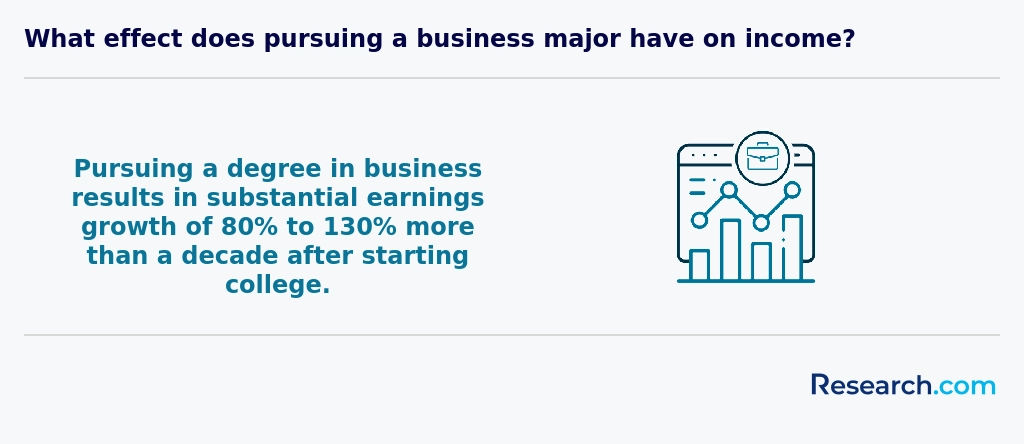
Business students in Ohio frequently tap into a blend of federal and state financial aid options that lighten the burden of tuition. Many graduates from Ohio State's Fisher College of Business recall how the Pell Grant, offering up to $7,395 annually, made a critical early difference, enabling them to focus on leadership skills rather than finances. Flexible Federal Direct Student Loans also create a supportive safety net, offering manageable repayment plans tailored to diverse career paths.
Looking ahead, state-specific aid like the Ohio College Opportunity Grant (OCOG) could expand, especially for students at public universities where many business programs thrive. Graduates often highlight how OCOG substantially cut their out-of-pocket costs, providing a sense of relief and motivation throughout their studies.
Merit scholarships, especially at Ohio's major business schools, reward not only academic excellence but professional potential. Employers in the region increasingly partner with universities to offer tuition reimbursement programs, enabling working students to advance without financial strain. These evolving supports paint an encouraging picture for future business students in Ohio.
Graduates of Ohio’s top business degree programs experience strong returns on investment, with many securing full-time employment within six months of graduation. According to recent data, the average job placement rate for business alumni across public universities in Ohio stands at 92%, while private institutions report placement rates exceeding 95%. These numbers reflect the effectiveness of career services offices, which provide personalized coaching, resume workshops, and industry-specific networking events. Key metrics driving ROI:
- Median Starting Salary: $62,000 for bachelor’s graduates; $88,000 for master’s graduates.
- Average Student Debt at Graduation: $27,500, with flexible repayment plans available through income-driven options.
- Time to Employment: 85% of graduates find full-time roles within 3 months; 95% within 6 months. Career Services and Employer Partnerships Ohio’s business schools maintain robust partnerships with leading employers such as Procter & Gamble, JPMorgan Chase, and Kroger. These collaborations translate into exclusive internship pipelines and on-campus recruiting events. One graduate noted, “My summer internship with a Fortune 500 firm led directly to a full-time offer before graduation,” underscoring the power of these connections. Alumni Network and Mentorship An engaged alumni network enhances long-term career growth. Recent surveys reveal that 78% of graduates seek mentorship through alumni chapters, which host quarterly webinars and local meetups. Leveraging these relationships often accelerates promotions and salary growth. For professionals aiming to fast-track their credentials, exploring accelerated executive mba programs can offer condensed timelines and targeted leadership training, further boosting ROI. Return on Investment Calculator Prospective students can model their potential ROI by comparing tuition costs, expected post-graduation salaries, and average debt levels. Tools provided by universities and third-party sites aid in estimating break-even points-typically within 4–7 years for a bachelor’s degree and 3–5 years for a master’s degree. Factoring in scholarships, assistantships, and employer tuition reimbursement can shorten these timelines and enhance overall value. By evaluating career outcomes, placement rates, and long-term earning potential, future students can make data-driven decisions that maximize the financial and professional benefits of a business degree in Ohio.
Enrolling in a business degree program in Ohio increasingly demands a strong foundation in key academic areas. Graduates from Ohio State University often recall how having solid skills in algebra and statistics made complex financial models and market analyses more accessible and enjoyable. These courses build the quantitative confidence necessary to excel.
Many prospective students find that meeting a minimum high school GPA requirement-commonly around 2.5 to 3.0-and demonstrating proficiency in English through standardized test scores or placement exams sets a positive tone for their college journey, especially at institutions like Miami University. Test-optional policies have made the path more flexible, encouraging a wider variety of student backgrounds.
Community college transfers emphasize the value of completing introductory courses such as microeconomics or accounting beforehand, which helps ease their transition. Imagining yourself navigating these prerequisites with support from Ohio's educational ecosystem fosters optimism and excitement about the future challenges and opportunities a business degree will bring.
As the business landscape continues to evolve, Ohio’s higher education institutions are adapting to new trends that not only reshape curricula but also prepare graduates for unforeseen challenges. Today’s programs are increasingly integrating advanced technology, data analytics, and innovative teaching methods to foster a future-ready workforce. Institutions are placing greater emphasis on experiential learning through virtual simulations, real-time case studies, and strategic partnerships with industry leaders, ensuring that students gain hands-on experience even before graduation. Furthermore, the shift towards personalized learning models and digital classrooms is making education more accessible and adaptable. Students seeking flexibility now have options such as easiest business degrees that combine convenience with rigorous academic standards. This approach not only broadens access for working professionals and remote learners but also enriches the overall educational experience by bridging theory with practical application. As business programs in Ohio continue to innovate, prospective students should look for institutions that actively incorporate these trends into their course offerings, career services, and networking opportunities. By staying informed about emerging opportunities and embracing change, students can position themselves to lead in a dynamic, technology-driven business environment.
Business degrees in Ohio typically incorporate a well-rounded mix of courses that merge theory with practical, region-specific insights. Graduates from popular Ohio schools often remark on how courses like Principles of Management and Business Law helped them confidently navigate leadership roles and legal challenges within Ohio's dynamic market. The inclusion of Financial and Managerial Accounting provides students with sharp financial intuition, crucial for positions both in local startups and established industries such as manufacturing and logistics.
Marketing Fundamentals isn't just theory; many students recall running real campaigns tailored to Ohio's diverse consumer base, deepening their understanding through hands-on projects. The emphasis on Operations Management and Business Ethics prepares individuals to create efficient, responsible solutions rooted in Ohio's economic environment.
Looking ahead, courses integrating data analytics and information systems are expected to expand, reflecting Ohio's growing tech presence and transportation hub status. Many graduates appreciate how entrepreneurial classes and cooperative education programs connect them directly with Ohio businesses, fostering excitement and readiness for the state's evolving economic landscape.
Students pursuing business degrees in Ohio often select from traditional specializations such as finance, marketing, management, accounting, and entrepreneurship. Graduates from popular colleges in Ohio frequently share how the finance track sharpened their skills in investment analysis, enabling them to confidently navigate corporate environments. Others highlight management concentrations that develop leadership qualities critical for dynamic workplaces. The demand for business degree specializations in Ohio continues to evolve as industries like manufacturing and healthcare reshape the local economy.
Emerging areas like supply chain management and information systems are gaining traction, reflecting Ohio's growing logistics sector. Business students appreciate how these specializations prepare them for future roles in data-driven decision-making and operational efficiency. Those studying at leading Ohio universities often recount the satisfaction of applying classroom concepts to real-world challenges, reinforcing their enthusiasm for their chosen paths. For those exploring versatile options, resources detailing the easiest business degrees can be invaluable in choosing the right concentration.
Ohio business degree concentration options offer a chance to align education with career ambitions, fostering both practical skills and innovative thinking that graduates proudly carry into the workforce.
Choosing the best business degree in Ohio means anticipating how the state's evolving economy might shape your future opportunities. Graduates from Ohio's leading institutions often share how programs with AACSB accreditation gave them confidence employers trust, a factor that can be decisive in competitive job markets. Some found their education at universities near Columbus or Cincinnati invaluable for building networks with major companies like Procter & Gamble or Kroger, turning internships into full-time positions.
Balancing cost with quality is a personal journey. Many students weigh tuition against outcomes, remembering peers who graduated with manageable debt and landed strong salaries, especially from top business schools Ohio cost considerations often motivate exploring scholarship options or accelerated tracks. Demand is growing for flexible schedules, with some turning to accelerated executive mba programs to fast-forward career growth.
When reflecting on the best business degree programs Ohio has to offer, consider how well a specialization matches future industry trends. Graduates focusing on supply chain or international business often feel optimistic about thriving in Ohio's expanding logistics sector and global markets.

Graduates with a business degree in Ohio find a thriving landscape of career opportunities that reflect the state's economic diversity and innovation. Many from popular universities and colleges in Ohio secure roles as financial analysts or marketing specialists in corporate settings, where they experience firsthand the evolving demands of sectors like banking and manufacturing. These opportunities align well with projections for steady growth, a key factor for those considering business degree career opportunities in Ohio.
Entrepreneurial graduates often leverage Ohio's supportive startup scene, especially in hubs like Columbus and Cincinnati, launching ventures or joining innovative firms supported by resources such as the Ohio Small Business Development Centers. This real-world exposure generates excitement and optimism about creating new business models that can adapt to future market shifts.
Graduates also pursue specialized paths like supply chain management and business analytics within large corporations and healthcare organizations, where data-driven decisions are becoming crucial. The relatively affordable cost of business education in Ohio adds further appeal, making it an attractive choice for students seeking Ohio business degree job prospects with strong potential for growth and adaptability. For those exploring affordable options, the Cheapest Online Business Degree Programs Ranking in Maryland can provide inspiration beyond state lines.
The job market for business degree graduates in Ohio remains promising, fueled by diverse sectors such as manufacturing, finance, healthcare, and technology. Those studying at respected institutions like Ohio State University or the University of Cincinnati often find early-career opportunities in management or finance roles within Columbus's bustling corporate scene. Graduates frequently share how their internships and networking in these cities translate into offers with competitive salaries well above $60,000, especially in areas like financial management where median wages exceed $130,000 annually.
Economic growth projections by the Ohio Department of Job and Family Services are encouraging, with business-related occupations expected to expand by 5-7% through 2030. This aligns with feedback from recent alumni who describe an environment rich with roles in marketing and human resources, critical for thriving firms adapting to future business trends. For Ohio students seeking a practical path, the state's affordable cost of living complements manageable tuition expenses, enhancing real-world returns.
To accelerate their careers while balancing work and study, many choose programs like the fastest online undergraduate degrees for working adults, enabling them to stay connected with Ohio's dynamic industries as they advance professionally. This forward momentum makes Ohio a compelling choice for anyone exploring business degree job outlook Ohio.
2027 Best Business Degree Programs Ranking in Ohio
Investing in one's education is a significant decision that can profoundly impact a career, and the Research.com team recognizes the importance of providing reliable guidance. To support prospective students in Ohio, we have carefully developed the "2027 Best Business Degree Programs Ranking in Ohio." Our dedication to quality, credibility, and accuracy is demonstrated through rigorous research and thorough analysis.
We utilized the following reputable data sources to create this comprehensive ranking:
By consulting this ranking, readers will gain critical insights into the most outstanding business degree programs in Ohio, empowering them to make well-informed educational decisions. For further information about how this ranking was developed, please visit our Research.com methodology page.


Frequently Asked Questions About business
Business degree students in Ohio can maximize their learning experience by engaging actively with local industries. Ohio's economy includes strong sectors like manufacturing, finance, and healthcare, offering practical internship opportunities. According to the Ohio Department of Higher Education, over 60% of business students participate in internships, which significantly boosts job readiness.
Students should also leverage Ohio's numerous business competitions and networking events, such as those hosted by the Ohio Small Business Development Center. These experiences develop critical skills beyond the classroom.
Combining coursework with real-world applications ensures students build versatile expertise, enhancing career prospects in Ohio's diverse business landscape.
Emerging niches within the business field in Ohio reflect broader national trends as well as local economic needs. Areas like data analytics and supply chain management are growing rapidly due to Ohio's strong manufacturing and logistics sectors. According to the Ohio Department of Job and Family Services, business analytics roles in the state are projected to grow by over 15% through 2028.
Another niche gaining traction is sustainable business practices. Companies in Ohio increasingly focus on environmental responsibility, creating demand for experts in corporate sustainability. Additionally, fintech is expanding as Dayton and Columbus develop as financial technology hubs.
These niches offer new opportunities for students pursuing business degrees in Ohio to specialize and meet evolving industry demands.
Preparing for the job market after earning a business degree in Ohio involves strategic planning and practical experience. Ohio's strong economy, with sectors like finance, manufacturing, and healthcare, offers diverse opportunities for business graduates. According to the Ohio Department of Job and Family Services, business-related occupations are projected to grow by 5% between 2020 and 2030.
Students should pursue internships and cooperative education programs during college to build relevant skills and networks. Participating in career fairs and connecting with Ohio-based companies can provide valuable insights into local job markets.
Additionally, obtaining certifications such as Certified Business Analyst (CBA) or Project Management Professional (PMP) can enhance employability.
Strong communication and technological skills remain essential in Ohio's competitive business environment.
Employers in Ohio seek specific skills in business degree graduates to meet the demands of a dynamic economy. Key competencies include strong communication and teamwork abilities, which 85% of Ohio business leaders identify as essential, according to a 2023 Ohio Chamber of Commerce survey.
Analytical thinking is also crucial, particularly in finance and marketing roles, where data-driven decision making drives success. The Ohio Department of Job and Family Services notes that proficiency in technology, including advanced Excel and business software, is increasingly valued.
Additionally, leadership and problem-solving skills rank highly, as Ohio businesses emphasize adaptability in competitive markets. Understanding regulatory environments and ethical practices is important for compliance-focused industries like manufacturing and healthcare, which are major employers in the state.
Finding internships in Ohio relevant to a business degree involves leveraging local resources and university career centers. Ohio hosts several Fortune 500 companies like Procter & Gamble and Nationwide, creating numerous internship opportunities in finance, marketing, and management. Using platforms such as Handshake, which many Ohio universities participate in, can connect students directly with employers.
The Ohio Department of Job and Family Services provides labor market information, helping students identify growing business sectors. Additionally, networking through business clubs and attending career fairs at institutions such as Ohio State University or University of Cincinnati improves chances significantly.
Employers in Ohio often look for interns skilled in data analysis and digital marketing, emphasizing practical experience alongside coursework.
A business degree in Ohio significantly enhances career mobility and advancement opportunities. According to the Ohio Department of Higher Education, individuals with a bachelor's in business experience employment growth rates higher than the state average, especially in finance, marketing, and management sectors. Employers in Ohio often seek candidates with formal business education due to their analytical, leadership, and strategic skills. Additionally, many Ohio companies value internships and connections built through degree programs, further aiding job placement.
The OhioMeansJobs website reports that business graduates earn a median annual wage above $60,000, indicating strong advancement potential. Completing a business degree can open doors to promotions, management roles, and cross-industry transitions within Ohio's diverse economy.
Studying for a business degree in Ohio offers students a strong foundation to succeed in interdisciplinary roles. Ohio's business programs emphasize collaboration across fields such as finance, marketing, information technology, and management. This approach aligns with Ohio's diverse economy, which includes manufacturing, healthcare, and technology sectors. According to the Ohio Department of Higher Education, many Ohio institutions incorporate experiential learning, internships, and case studies that reflect real-world business challenges.
These programs develop skills in critical thinking, communication, and data analysis, preparing graduates to work effectively with experts from different disciplines. Additionally, Ohio's business schools often partner with local industries, providing practical exposure to varied professional environments. This fosters adaptability and problem-solving abilities, key for interdisciplinary careers.
When choosing between a thesis and a non-thesis business degree program in Ohio, students should consider their career goals and learning preferences. Thesis programs emphasize research and require a formal project, ideal for those interested in consulting, academia, or pursuing a PhD. Non-thesis options focus more on coursework and practical skills, suitable for professionals aiming for immediate workforce entry or managerial roles.
Ohio hosts numerous accredited business schools, including Ohio State University and University of Cincinnati, offering both options. According to the Ohio Department of Higher Education, about 40% of graduate business students there enroll in thesis tracks, reflecting substantial interest in research-based learning.
Financial and time commitments can differ; thesis programs often demand longer completion times. Prospective students should weigh program flexibility and potential employer preferences within Ohio's competitive business market.
Students in Ohio pursuing business degrees have various opportunities to study abroad through partnerships between Ohio universities and international institutions. Many Ohio schools, like Ohio State University and University of Cincinnati, offer semester-long exchange programs or short-term faculty-led trips in business hubs such as London, Shanghai, and Paris. These programs enable students to gain global business insights and practical experience.
According to NAFSA: Association of International Educators, about 13% of U.S. college students study abroad, with business being one of the top fields. Ohio's emphasis on international business education reflects its strong economic ties to global markets.
Additionally, students can apply for scholarships specifically aimed at business study abroad experiences, easing financial barriers.
Students pursuing business degrees in Ohio can find several part-time job opportunities that complement their education and build valuable skills. Roles such as administrative assistants, sales associates, and customer service representatives are common and provide practical experience in communication and management.
Internships within Ohio's leading industries, including finance, manufacturing, and healthcare, offer hands-on learning that aligns with coursework in accounting, marketing, and operations. According to the Ohio Department of Job and Family Services, business-related jobs are projected to grow by 5% through 2028, creating increasing opportunities.
Additionally, startups in cities like Columbus and Cleveland often hire part-time analysts or marketing interns, offering exposure to entrepreneurial environments.
Business students in Ohio benefit from a variety of networking opportunities that support career growth and professional connections. Many universities partner with local industries for internships, enabling students to build relationships early in their careers. Organizations like the Ohio Business Roundtable provide access to corporate leaders and community events.
Additionally, student chapters of national groups such as the American Marketing Association and Beta Gamma Sigma honor society offer structured networking forums. Ohio's strong economy, ranked seventh largest in the U.S. by GDP, means students can connect with diverse businesses across sectors like manufacturing, finance, and technology, enhancing practical learning and job prospects.
Alumni networks play a crucial role in supporting business degree students in Ohio by offering valuable connections and career opportunities. Many Ohio universities, such as Ohio State and University of Cincinnati, maintain extensive alumni directories that facilitate mentorship, internships, and job placements within the state's robust industries.
According to the Ohio Department of Higher Education, over 70% of business graduates find employment through networking contacts, highlighting alumni connections as a strong asset. These networks also provide access to events and workshops that help students develop professional skills and stay updated on market trends.
Furthermore, local businesses often prefer hiring graduates recommended through established alumni ties, emphasizing the importance of these networks for early career development.
Ohio offers various business degree programs that allow students to tailor their studies to specific career goals. Many universities in Ohio provide concentrations such as finance, marketing, entrepreneurship, and supply chain management, helping students build expertise in high-demand fields. According to the Ohio Department of Higher Education, nearly 40% of business graduates pursue specialized coursework to improve job readiness.
Students can often customize their degree by selecting electives aligned with local industry needs. For example, Cincinnati and Columbus are major centers for finance and logistics, so programs often emphasize skills relevant to these sectors.
Internships and cooperative education options further enhance practical experience. Many Ohio schools collaborate with the state's top employers, including Procter & Gamble and Cardinal Health.
Career advisors and academic mentors also assist in creating personalized study plans, making it easier to match education with professional ambitions.
Business students in Ohio encounter several challenges that can impact their academic success and career preparation. A primary difficulty is balancing demanding coursework with part-time jobs or internships, as many students work to support themselves financially. According to the Ohio Department of Higher Education, about 60% of undergraduates in the state work while studying.
Another notable challenge is accessing relevant experiential learning opportunities. While Ohio offers strong business networks, competition for internships with leading firms in cities like Columbus and Cleveland is intense.
Additionally, students often face rising tuition costs and navigating financial aid options, which can delay graduation or increase debt burden. Strategies to improve time management and leverage campus resources are crucial for overcoming these hurdles.
With a business degree from Ohio, graduates can pursue several valuable professional certifications that boost career prospects. Popular options include the Certified Public Accountant (CPA) license, especially relevant given Ohio's large accounting job market reported by the Ohio Department of Job and Family Services.
Other notable certifications are the Project Management Professional (PMP) and Certified Management Accountant (CMA), both recognized nationwide and beneficial for business graduates seeking roles in management or finance.
The Certified Business Analyst Professional (CBAP) is another pathway suited for those interested in analytics positions within Ohio's growing manufacturing and healthcare sectors.
Many Ohio universities offer preparatory courses aligned with these certifications, helping students meet licensing requirements efficiently.
Writing a winning application for a business program in Ohio requires clear organization and attention to detail. Start by thoroughly researching each school's business program, emphasizing those recognized in recent rankings such as U.S. News & World Report which features Ohio State University's Fisher College of Business. Tailor your personal statement to highlight your career goals and how the program's strengths align with these ambitions.
Include relevant work experience, internships, or leadership roles that demonstrate practical skills. Ohio's growing economy, especially in finance and manufacturing sectors as reported by the Ohio Development Services Agency, values candidates with real-world business aptitude.
Finally, prepare for standardized tests like the GMAT or GRE if required, and obtain strong recommendation letters from professors or employers familiar with your business potential. Following these steps improves your chance of acceptance into top Ohio programs.
The global perspective on a business career highlights the increasing importance of cross-cultural skills and international experience. Many employers value graduates who understand global markets and can navigate diverse economic environments. For students in Ohio, business degrees often integrate global case studies and opportunities for study abroad, reflecting this trend.
According to the U.S. Bureau of Labor Statistics, careers in business management and financial analysis are expected to grow by about 8% by 2031, driven in part by globalization. Ohio's strong manufacturing and finance sectors also create demand for professionals with global awareness.
Moreover, Ohio universities regularly collaborate with international partners, preparing students for careers that may span continents and cultures. This global outlook expands options for graduates beyond local or national markets.
Students pursuing business degrees in Ohio can gain practical experience through internships, cooperative education (co-op) programs, and participation in university-affiliated business labs. Many institutions collaborate with local companies, particularly in cities like Columbus and Cincinnati, which have vibrant business sectors. According to the Ohio Board of Regents, over 70% of Ohio business students engage in internships before graduation. These opportunities allow students to apply classroom knowledge in real-world settings, enhancing their resumes and professional networks.
Additionally, Ohio universities often support student-run consulting projects and competitions, providing hands-on experience in solving actual business problems. These practical components are crucial for career readiness in Ohio's competitive business environment.
Choosing the right concentration within a business degree program in Ohio involves assessing your career goals and regional market demands. Ohio's economy is diverse, with strengths in finance, manufacturing, healthcare, and technology. For example, concentrations like finance or accounting may lead to opportunities in cities such as Columbus and Cincinnati, where financial services are prominent.
Consider your personal interests alongside Ohio's top industries to ensure alignment. According to the Ohio Department of Job and Family Services, business and financial occupations are projected to grow by 5% through 2030 in the state.
Research programs carefully, examining faculty expertise, internship opportunities, and connections with local businesses. These factors can significantly impact your practical experience and job prospects after graduation.
- 2027 Best Online Business Degree Programs Ranking in Indiana
- 2027 Best Online Business Degree Programs Ranking in West Virginia
- 2027 Best Online Business Degree Programs Ranking in Pennsylvania
- 2027 Best Online Business Degree Programs Ranking in Michigan
- 2027 Best Online Business Degree Programs Ranking in Virginia
- 2027 Best Online Business Degree Programs Ranking in Tennessee
- 2027 Best Online Business Degree Programs Ranking in North Carolina
- 2027 Best Online Business Degree Programs Ranking in Missouri
- 2027 Best Online Business Degree Programs Ranking in Maryland
- 2027 Best Online Business Degree Programs Ranking in South Carolina
See What Experts Have To Say About Studying Business
Read our interview with Business experts

Ingrid S. Greene
Business Expert
Clinical Assistant Professor of Management
Loyola Marymount University


David W. Stewart
Business Expert
Emeritus President's Professor of Marketing
Loyola Marymount University

- 55 Trending Business Ideas for 2025 and Beyond https://www.uschamber.com/co/start/business-ideas/top-trending-business-ideas
- 1. Online registration https://moderna.edu.pl/majors/management/bachelor-of-management/business-management/
- How to Identify Profitable Business Niches: A Guide for ... https://www.invoiceonline.com/the-entrepreneur-s-handbook/entrepreneurship/business-strategy/how-to-identify-profitable-business-niches-97365
- Business degree: What to study and how to find a job https://brive.com/blog/studies/business-degree-guide-to-study-and-find-a-job/
- Top 10 Emerging Business Niches of 2026 & How to Plan for Them https://prometai.app/blog/emerging-niches-business-planning
- Exploring Different Types of Business Majors https://www.ivywise.com/ivywise-knowledgebase/exploring-different-types-of-business-majors/
- Business Administration Degree Salary | UE Amsterdam https://www.ue-amsterdam.com/blog/business-administration-degree-salary-how-much-can-you-earn
- Online Degree vs. Traditional: Choosing the Right Path https://beal.edu/online-degree-vs-traditional/
- Risky business: For-profit education in Ohio - Policy Matters Ohio https://policymattersohio.org/research/risky-business-for-profit-education-in-ohio/
- Ohio Colleges/Degree for Business minded Junior. https://talk.collegeconfidential.com/t/ohio-colleges-degree-for-business-minded-junior/1973298