2027 How to Read an Online MBA Curriculum Before You Apply

Co-Founder and Chief Data Scientist
Choosing an online MBA program can feel overwhelming when faced with complex curriculum descriptions and varied course offerings. Many prospective students struggle to understand how subjects align with career goals or how the program's structure fits their schedules. This confusion may lead to enrolling in programs that lack key skills or flexibility, causing delays in career advancement. This article breaks down how to evaluate online MBA curricula efficiently. It will guide readers in identifying essential courses, understanding accreditation importance, and assessing program formats to make informed application decisions that align with professional objectives.
Key Things You Should Know
- Understanding core courses and electives helps evaluate if the curriculum aligns with your career goals, with 78% of programs emphasizing leadership, strategy, and data analytics as key competencies in 2026.
- Review credit requirements and delivery formats, since 85% of online MBA programs now offer asynchronous classes for flexibility, impacting time management and work-study balance.
- Accreditation status, especially from bodies like AACSB, ensures program quality and influences employer recognition, affecting 70% of graduates' job prospects in competitive markets.
What Is an Online MBA Curriculum?
An online MBA curriculum structure defines the required core and elective courses that form the backbone of a digital Master of Business Administration program. Core courses address essential business areas such as finance, marketing, operations, leadership, and strategy, with examples including financial accounting, organizational behavior, and supply chain management. Electives allow students to tailor their studies to specific interests like entrepreneurship, data analytics, or international business.
Typical courses in an online MBA program may also involve capstone projects, case studies, or consulting assignments to bridge theory and real-world practice. The curriculum's delivery mode usually features asynchronous lectures, virtual collaboration, and interactive modules optimized for remote learning. Assessment methods vary, incorporating timed exams, group discussions, and live presentations, all of which influence the overall learning experience.
Recent data from Validated Insights Inc. and Poets&Quants shows that 58% of mba students enrolled in fall 2023 selected online programs, highlighting the increasing rigor and acceptance of such curricula when compared to traditional on-campus options. This shift results in more diverse course offerings, flexible pacing, and broader access across different student profiles.
When researching an online MBA curriculum, consider accreditation, faculty expertise, course sequencing, concentrations offered, and the technology platforms involved. For students concerned about cost, exploring cheap online MBA options can help identify programs balancing affordability and quality.
Why Read the Curriculum Before Applying?
Reading the curriculum before applying to an online MBA is crucial for aligning your career goals with educational offerings. Curriculums differ widely in course content, focus, and skill development, with some programs emphasizing leadership and strategy, while others highlight analytics or entrepreneurship. Knowing these details helps you select a program that strengthens your skills and addresses gaps in your experience.
The growing number of online MBA programs-rising from 555 to 732 in recent years-has lowered average enrollment per program, which means quality and focus can vary significantly. When evaluating online MBA coursework for application decisions, consider these key factors:
- Core courses and electives: Make sure foundational topics like finance, marketing, and operations are covered and electives include emerging fields like digital transformation.
- Capstone projects or internships: Look for practical opportunities to build real-world skills.
- Faculty expertise: Check that instructors have relevant academic and industry credentials.
- Format and pacing: Assess the mix of synchronous and asynchronous courses to fit your schedule.
- Specializations: Ensure the track aligns with your career path, such as supply chain management or healthcare administration.
Reviewing the curriculum thoroughly prevents surprises after enrollment and justifies the investment of time and money. It also lets you evaluate if the program's outcomes reflect skills demanded by today's employers. For those seeking affordability alongside quality, the cheapest AACSB MBA programs offer valuable options worth exploring.
How to Find and Access Online MBA Curricula?
Accessing detailed online mba course outlines is best done through official university websites, where full curricula are often posted. These pages typically include core courses, electives, credit requirements, and sometimes sample weekly schedules, giving a clear view of what to expect academically. Educational platforms and academic directories also offer tools to compare programs side by side, helping prospective students find a curriculum that matches their career goals and preferences.
If certain curriculum details remain unclear, contacting admissions advisors via email or virtual chats can provide further explanations or updated course catalogs. This is especially useful for understanding flexible program features like concentrations, capstone projects, internships, or international study components. Tuition prices often reflect curriculum breadth and delivery methods; as such, budget-conscious applicants can consider options like cheap executive MBA programs that balance affordability with academic rigor.
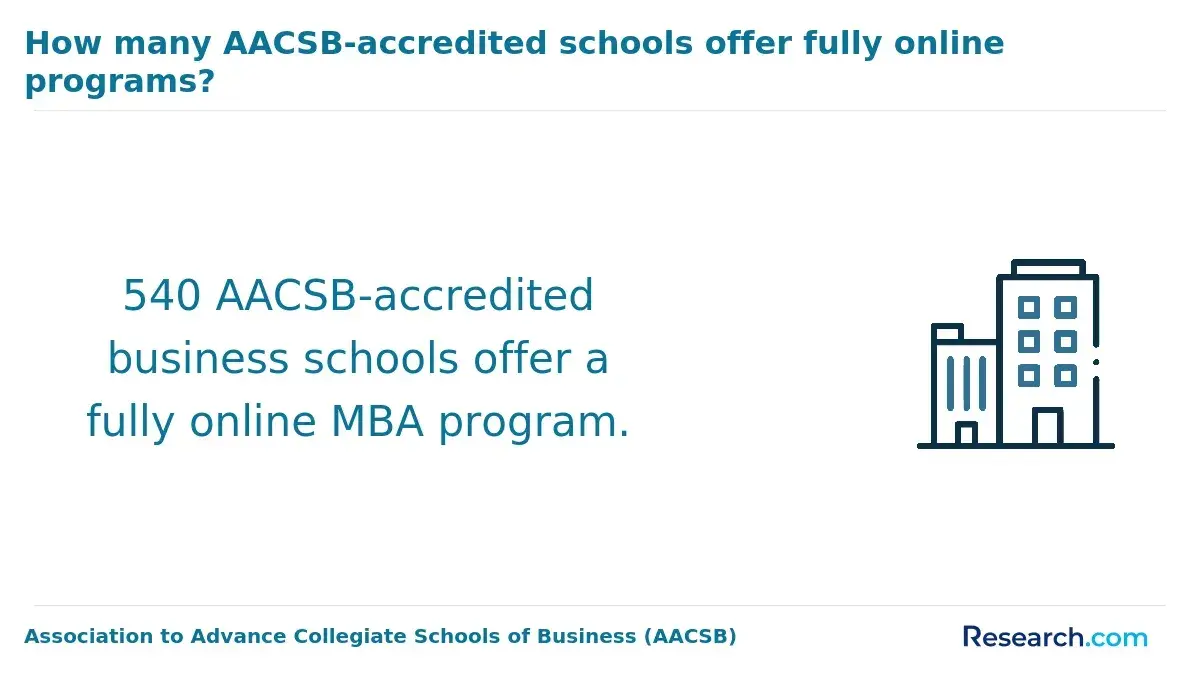
Reviewing accreditation status is essential to ensure curriculum quality and credit transferability. Regional accreditation and business accreditations such as AACSB are vital indicators. Forums and student reviews also offer valuable insights into curriculum difficulty and instructor involvement, supplementing official program materials.
- Find complete curricula on official university program pages.
- Use educational directories for side-by-side curriculum comparisons.
- Directly contact admissions for detailed course clarifications.
- Consider tuition costs as indicators of curriculum scope and format.
- Verify accreditation to confirm curriculum quality and recognition.
Key components of an MBA curriculum typically include core courses, electives, experiential learning, and flexible delivery options. Core coursework in online MBA programs usually covers foundational business knowledge such as finance, marketing, operations, strategy, and leadership. These core classes equip students with essential management principles and analytical skills critical for effective business decision-making.
Electives and specializations in MBA curriculum allow students to focus on areas like entrepreneurship, international business, data analytics, or healthcare management. This flexibility supports specific career goals, enabling deeper expertise in targeted industries or roles. Many programs also provide options for concentrations or dual degrees, such as combining MBA studies with supply chain management or data science.
Experiential learning, including internships, consulting projects, and case studies, is central to many programs. These opportunities enhance problem-solving abilities and practical business acumen. Capstone projects often challenge students to apply their knowledge to real-world organizational issues.
Delivery formats are evolving to meet student preferences for flexibility. A recent AACSB and Wiley survey found that 73% of prospective mba students preferred self-paced online study over fixed schedules and synchronous collaborations. This drives schools to offer asynchronous modules, hybrid models, and mobile-accessible platforms, appealing to working professionals seeking convenience. Many who wish to find affordable and accessible options explore online MBA programs no GMAT.
Leadership and ethics training remain important curriculum elements, focusing on organizational behavior, corporate social responsibility, and communication skills. These courses prepare students to lead diverse teams ethically and strategically in complex business environments.
Most online MBA programs emphasize a comprehensive set of core courses aimed at building essential business skills. These typically include accounting, analytics, business law, economics, finance, and management. For instance, Tulane Freeman School of Business requires 28 credits in these core areas within a 46-credit total program, reflecting a strong foundation for leadership roles.
Core coursework often includes:
- Financial accounting and managerial accounting
- Quantitative methods and business analytics
- Business ethics and corporate law
- Microeconomics and macroeconomics
- Corporate finance and investment analysis
- Organizational behavior and strategic management
Programs may vary by including additional subjects such as marketing fundamentals or operations management within the core. Selecting a program with the right mix of courses is critical depending on your career focus-data-driven roles benefit from strong analytics or finance coverage, while aspiring leaders should seek emphasis on management and strategy.
Credit distribution also indicates program focus. Programs dedicating over half their credits to core business topics provide depth but may limit elective specialization. Reviewing course descriptions carefully is key, since some schools integrate emerging subjects like digital innovation in business within traditional courses or offer broader topic combinations to address evolving industry demands.
Online MBA programs offer diverse electives and specializations to help students customize their learning toward specific career paths. For example, Pace University's online MBA includes three main concentrations: Corporate Finance, Marketing Management, and a general Business track. Students select three electives that complement their focus, balancing specialization with broader knowledge.
These electives allow students to develop skills in niche areas. Within Corporate Finance, options may include investment analysis, financial modeling, and risk management. Marketing Management students might study digital marketing, consumer behavior, or brand strategy. Those in the Business concentration can explore leadership development, entrepreneurship, or operations management.
This flexible structure suits a range of professional goals. Working professionals seeking leadership roles in finance or marketing gain targeted expertise while maintaining core business knowledge. Others aiming to build broad managerial competencies benefit from the customizable elective choices.
When considering programs, prospective students should review course catalogs for how electives fit core requirements. Important factors include whether electives are asynchronous or require live participation, which affects scheduling flexibility. Additionally, check if certifications, such as project management or data analytics, are offered through electives to enhance career opportunities.
Online MBA programs differ from campus offerings mainly in delivery, pacing, and course customization. They provide flexibility with asynchronous lectures and assignments suited for working professionals, unlike campus programs that require fixed schedules and in-person attendance. This flexibility accommodates diverse learner needs without sacrificing core curriculum content.
Most online MBA curricula cover traditional business disciplines such as finance, marketing, and leadership, but some adapt to focus on practical applications and digital tools. Features like virtual simulations and cloud-based case studies bolster skills in digital collaboration, essential for today's business environment.
According to the AACSB 2023 survey, 40% of business schools emphasize analytics and in-demand job skills in their programs. Online mbas often include targeted electives in data analytics and technology, leveraging their tech-friendly platforms to provide specialized quantitative skills training.
Enrollment declines reported by 61% of schools have led to curriculum innovations including modular course formats and micro-credentials to appeal to career-focused learners.
- Consider how an online MBA integrates hands-on quantitative skills.
- Look for interactive digital tools enhancing learning.
- Assess whether its focus aligns with your career goals in a rapidly changing industry.
Accreditation serves as a crucial benchmark for quality in MBA programs, with AACSB, AMBA, and EQUIS being the most prestigious accrediting bodies. AACSB is considered the gold standard, especially in U.S. business education, found in fewer than 5% of schools globally. AMBA focuses solely on MBA programs, emphasizing curriculum rigor, while EQUIS evaluates institutions on a broader scale, including internationalization and corporate partnerships.
Choosing an accredited MBA ensures adherence to high academic standards, a comprehensive curriculum, and qualified faculty. It also signals to employers that your degree carries credibility and relevance to industry demands. Some schools hold multiple accreditations, which further strengthens their reputation.
Beyond accreditation, it's important to verify if programs embed soft skills development, such as writing, critical thinking, public speaking, and teamwork, into their courses and assessments. These skills are increasingly prioritized by employers and align mba education with workforce needs.
Key factors to review in mba programs include:
- Accreditation status and accrediting body.
- Integration and evaluation of soft skills.
- Faculty qualifications and credentials.
- Connections with employers and hands-on learning opportunities.
These elements together ensure strong educational value and better preparation for competitive job markets.
Aligning an online MBA curriculum with your career goals involves careful evaluation of course content, specialization options, and practical learning opportunities. Focus on programs offering core and elective courses that support your targeted industry or role. For careers in analytics, finance, or consulting, prioritize curricula featuring quantitative analysis, statistics, and data-driven decision-making. U.S. News notes a rising demand for MBA programs emphasizing data skills and analytics concentrations.
Assess whether the curriculum includes applied components such as case studies, simulations, or projects relevant to your professional field. Programs lacking these may not fully prepare you for real-world challenges. Look for capstone projects or consulting experiences designed to align with your career objectives.
Specialization flexibility is key. Many online MBA programs offer minors or certificates in areas like healthcare management or entrepreneurship, enhancing niche marketability. Check if emerging industry trends such as sustainability, digital transformation, or global business strategies are integrated into the curriculum.
Soft skill development-leadership, communication, and team management-should be woven into coursework, as these are essential for career advancement. Review alumni outcomes and career services data to confirm the program's effectiveness in supporting roles aligned with your aspirations.
- Compare courses side-by-side with job postings in your target field to verify relevance.
- Prioritize programs offering applied learning and flexible specializations.
What Outcomes and ROI Expect from Online MBAs?
Online MBA programs provide measurable outcomes that align closely with career advancement and return on investment (ROI). Graduates typically gain enhanced management abilities, leadership skills, and increased earning potential. These benefits are supported by concrete data such as graduation rates, employment placement statistics, and salary improvements after completing the program.
A survey by Wiley via AACSB found that 80% of online MBA programs use student feedback combined with enrollment, retention, and job placement data to evaluate effectiveness-surpassing 73% of traditional MBA programs in outcome transparency. This highlights a strong commitment within online programs to continuously monitor and improve career outcomes.
Key alumni outcomes to consider include:
- Average salary increases within 1-3 years post-graduation
- Percentage of graduates in leadership or executive roles
- Industry sectors with highest employment rates
- Networking and mentorship that support career growth
Evaluating ROI requires weighing tuition costs against expected salary gains and career benefits. Programs with corporate partnerships or specialized tracks in fields like technology or healthcare management may offer accelerated ROI by positioning students in niche markets.
Reviewing multi-year longitudinal data and student satisfaction surveys focusing on career preparedness can provide a more comprehensive view of an online mba's impact. Such data-driven insights assist prospective students in making informed decisions tailored to their professional aspirations.
Other Things You Should Know About MBA
In 2027, many online MBA programs incorporate experiential learning components. These may include virtual simulations, collaborative group projects with industry partners, or even remote consulting opportunities, allowing students to apply theoretical knowledge in practical, real-world scenarios seamlessly integrated within the digital learning environment.
Yes, most online MBA programs provide opportunities to specialize in areas such as finance, marketing, entrepreneurship, or healthcare management. These specializations usually involve choosing elective courses focused on the desired field. Understanding the available specializations in the curriculum helps tailor the MBA to your career goals.
Online MBA courses often use a mix of assessments, including written assignments, case studies, quizzes, exams, and group projects. Some programs may also require presentations or participation in discussion forums. Knowing the assessment methods upfront can help you prepare for the program's demands and workload.
- Best Online MBA Courses: Complete guide - Online Coursely https://onlinecoursely.com/best-online-mba-courses/
- Great Curriculum Is Important. But It’s Not Enough. https://www.educationnext.org/great-curriculum-important-not-enough/
- MBA Basics - Syllabus | Courses | Curriculum - All you need to know https://e-gmat.com/blogs/mba-courses-curriculum/
- How to Align Your Career Goals With the Right Academic Program - edXtra https://edxtra.com/4440/how-to-align-your-career-goals-with-the-right-academic-program/
- MBA Application Timeline: What to Do & When to Do It https://menlocoaching.com/mba-applications-and-admissions-guide/timeline/
- Online MBA vs On-Campus MBA https://www.princetonreview.com/business-school-advice/online-mba-vs-on-campus-mba
- From Curriculum to Career: Connecting Curriculum Outcomes to Future Careers https://www.facultyfocus.com/articles/teaching-and-learning/from-curriculum-to-career-connecting-curriculum-outcomes-to-future-careers/
- OnlineMBAPage.com - Find Accredited Online MBA Programs https://onlinembapage.com/
- How Does an Online MBA Work? Benefits, Career & Growth - Chandigarh https://www.onlinecu.in/blog/cu/how-does-an-online-mba-work.php
- Online MBA Programs Worldwide | FIND MBA Online https://findmbaonline.com/