2027 What Can You Do With a Mechanical Engineering Degree in 2026?

Co-Founder and Chief Data Scientist
A mechanical engineering degree can lead to work in robotics, energy, aerospace, automotive design, manufacturing, medical devices, and product development-but the right path depends on your goals. The U.S. Bureau of Labor Statistics reports that mechanical engineers had a 2024 median pay of $102,320, making this a high-value degree for students who like math, design, testing, and problem-solving.
This guide explains jobs, salaries, outlook, online options, costs, accreditation, and decision points so you can judge whether mechanical engineering is the right investment.
Key Things You Should Know
- Mechanical engineering is one of the broadest engineering degrees, preparing graduates for roles in design, testing, manufacturing, robotics, energy systems, aerospace, automotive technology, and thermal-fluid systems.
- The BLS lists the 2024 median annual pay for mechanical engineers at $102,320, but salaries vary by industry, location, experience, security clearance, software skills, and whether the role involves design, field work, management, or research.
- The BLS projects 11% employment growth for mechanical engineers from 2023 to 2033, with demand strengthened by automation, advanced manufacturing, electrification, renewable energy, robotics, and modernized infrastructure.
What can you do with a mechanical engineering degree across different industries and roles?
A mechanical engineering degree prepares you to design, analyze, build, test, and improve systems that involve motion, force, heat, energy, materials, or manufacturing. Because nearly every physical product or industrial process has mechanical components, graduates can work in many sectors rather than being locked into one narrow career track.
At its core, mechanical engineering connects physics, mathematics, computer-aided design, materials science, and real-world product performance. That makes the degree useful for students who want career flexibility but still want a technical, engineering-focused credential.
The table below shows how the same degree can translate into different industries. Use it to compare the kind of work you would do day to day, not just the industry name.
| Industry | Common work for mechanical engineering graduates | Best fit if you enjoy |
| Aerospace and defense | Designing structures, propulsion components, thermal systems, test rigs, and mission-critical hardware | High-reliability systems, simulation, testing, and regulated engineering environments |
| Automotive and electric vehicles | Working on powertrains, battery packaging, chassis systems, thermal management, manufacturing processes, and vehicle testing | Vehicles, electrification, product iteration, and performance optimization |
| Robotics and automation | Designing mechanisms, actuators, end effectors, machine frames, sensors integration, and automated production systems | Mechatronics, coding-adjacent work, prototyping, and factory technology |
| Energy and utilities | Improving turbines, pumps, HVAC systems, renewable energy equipment, pipelines, and power plant systems | Thermodynamics, fluid mechanics, sustainability, and large-scale infrastructure |
| Manufacturing | Optimizing production lines, tooling, quality systems, process controls, and equipment reliability | Hands-on problem solving, operations, continuous improvement, and cost reduction |
| Medical devices and biotechnology | Designing implants, diagnostic equipment, surgical tools, lab automation, and precision mechanical systems | Human-centered design, safety, compliance, and cross-functional teamwork |
| Consumer products | Creating appliances, electronics housings, sports equipment, tools, and durable goods | Product design, usability, prototyping, and supplier coordination |
Mechanical engineers often collaborate with electrical engineers, software developers, industrial designers, technicians, and business teams. If you are drawn to hardware but want to work closely with circuits, embedded systems, or power electronics, comparing mechanical engineering with programs listed among the top online electrical engineering schools can help you decide whether your interests are more mechanical, electrical, or mechatronic.
This degree tends to fit students who like applied math, visualizing how objects move, improving physical systems, and solving problems that must work under real-world constraints. It may be a weaker fit if you strongly dislike calculus, physics, laboratory work, iterative design, or the possibility of working with manufacturing and testing teams.
What entry-level and advanced job titles are common for mechanical engineering graduates?
Mechanical engineering job titles vary widely because employers label roles based on products, systems, or functions. A new graduate may not have the title "mechanical engineer" immediately, but the work can still build toward a mechanical engineering career.
The table below separates common early-career and advanced titles so you can see how progression usually works. The exact path depends on employer size, industry, licensure expectations, and whether you move toward technical leadership or management.
| Career stage | Common job titles | Typical responsibilities |
| Entry-level | Mechanical engineer I, design engineer, product engineer, manufacturing engineer, test engineer, quality engineer | Creating CAD models, running calculations, documenting designs, supporting tests, analyzing failures, and assisting senior engineers |
| Early to mid-career | Mechanical systems engineer, project engineer, reliability engineer, applications engineer, process engineer | Owning subsystems, coordinating vendors, improving performance, managing technical changes, and troubleshooting production or field issues |
| Advanced technical | Senior mechanical engineer, principal engineer, thermal engineer, fluids engineer, finite element analysis engineer, robotics mechanical engineer | Leading complex designs, mentoring junior staff, reviewing calculations, validating simulations, and setting technical direction |
| Leadership | Engineering manager, product development manager, operations manager, program manager, director of engineering | Managing teams, budgets, schedules, risk, hiring, customer expectations, and cross-functional delivery |
| Research and specialized roles | R&D engineer, biomechanics engineer, materials engineer, combustion engineer, controls-adjacent systems engineer | Developing new technologies, building prototypes, publishing or patenting work, and solving advanced technical problems |
For entry-level roles, employers usually look for an ABET-accredited bachelor's degree, internship or co-op experience, CAD skills, engineering fundamentals, and evidence that you can document and communicate technical work. A portfolio of class projects, design competition work, senior capstone projects, or internship deliverables can make a strong difference, especially when applicants have similar GPAs.
Advanced roles often require one or more of the following signals of readiness:
- Demonstrated ownership of a product, subsystem, manufacturing process, test program, or engineering improvement project.
- Advanced software ability in tools such as SolidWorks, Creo, CATIA, ANSYS, MATLAB, Python, LabVIEW, or manufacturing execution systems.
- Experience with codes, standards, safety reviews, quality systems, or regulated documentation.
- A master's degree for specialized research, simulation, robotics, thermal sciences, aerospace, or leadership-track roles.
- Professional Engineer licensure when the work involves public safety, consulting, infrastructure, utilities, or sign-off authority.
A common mistake is assuming that the first job determines your entire career. In reality, many mechanical engineers start in testing, manufacturing, quality, or applications engineering and later move into design, systems, management, sales engineering, or product strategy after they understand how products actually perform in the field.
How much do mechanical engineers earn and how do salaries vary by role and location?
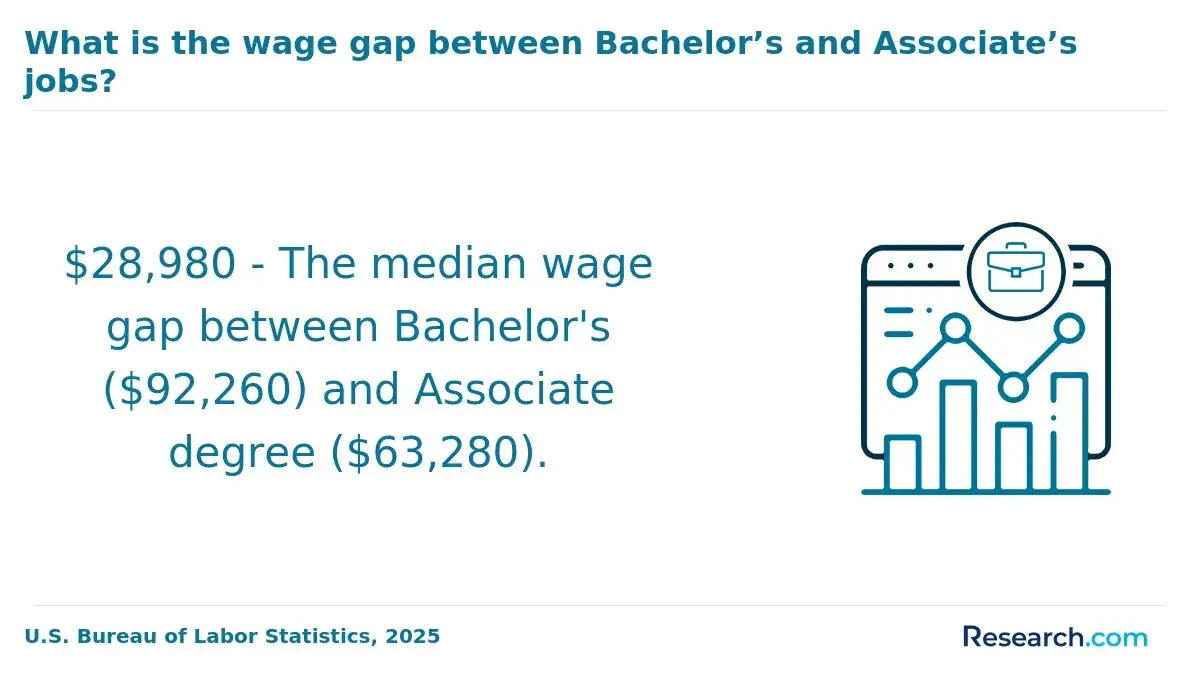
Mechanical engineering salaries depend on the role, industry, location, experience level, and technical specialization. The most reliable national benchmark is the BLS wage estimate: mechanical engineers had a 2024 median annual pay of $102,320. That figure is useful as a midpoint, not a promise, because entry-level offers, high-cost metro salaries, overtime policies, bonuses, and security-clearance premiums can shift actual compensation.
The table below summarizes the main factors that usually explain salary differences. Use it to evaluate job offers or compare career paths within mechanical engineering.
| Salary factor | How it can affect pay | What to look for before choosing a path |
| Industry | Aerospace, defense, energy, semiconductor equipment, medical devices, and advanced manufacturing may pay differently from general manufacturing or facilities roles | Compare total compensation, stability, clearance requirements, and advancement opportunities |
| Location | Major engineering hubs may offer higher salaries but also higher housing, taxes, and commuting costs | Compare cost of living, hybrid work policies, and local employer concentration |
| Role type | Design, R&D, field engineering, manufacturing, quality, and management roles reward different skill sets | Match the role with your strengths rather than chasing the highest title |
| Experience | Senior engineers are paid for judgment, technical ownership, mentoring, and risk reduction, not just years worked | Build evidence of completed projects, measurable improvements, and cross-functional leadership |
| Credentials | A master's degree, PE license, security clearance, or specialized software skill may improve access to certain roles | Confirm that the credential is valued in your target industry before paying for it |
Location matters, but it should not be evaluated in isolation. A higher salary in a high-cost region may not improve your financial position if rent, transportation, and taxes rise faster than your pay. Conversely, a lower-cost region with strong manufacturing, energy, or defense employers can offer a better long-term balance for some graduates.
When reviewing salary data, avoid three common mistakes:
- Comparing an entry-level offer with a national median that includes experienced engineers.
- Ignoring benefits, relocation support, overtime rules, bonuses, tuition reimbursement, and retirement contributions.
- Assuming one industry's salary norms apply to every mechanical engineering role.
The smartest salary strategy is to build marketable technical depth early. Graduates who can combine mechanical fundamentals with simulation, data analysis, manufacturing knowledge, coding basics, or hands-on testing often have more options than graduates who only know theory.
What is the job outlook for mechanical engineers and which sectors show the strongest demand?
The employment outlook is favorable compared with many occupations. The BLS projects 11% growth for mechanical engineers from 2023 to 2033, which is faster than the average for all occupations. For students, that means the degree remains broadly marketable, especially when paired with internships, modern software skills, and exposure to high-demand technologies.
Demand is not evenly distributed. Mechanical engineers are likely to see stronger opportunities in sectors tied to modernization, automation, energy transition, defense systems, medical technology, and advanced manufacturing. The best opportunities often go to candidates who can work across mechanical, electrical, and software boundaries.
Several current trends are shaping the market:
- Automation and robotics: Employers need engineers who can design mechanisms, integrate sensors, improve uptime, and work with controls or manufacturing teams.
- Electrification: Electric vehicles, battery systems, charging infrastructure, and thermal management create demand for mechanical engineers who understand heat transfer, packaging, and reliability.
- Advanced manufacturing: Additive manufacturing, digital twins, computer-aided manufacturing, and automated inspection are changing how products are designed and produced.
- Energy resilience: Utilities, renewables, HVAC, and industrial energy systems need engineers who can improve efficiency, reliability, and safety.
- Defense and aerospace modernization: Long product life cycles and strict reliability requirements sustain demand for testing, systems engineering, materials, and thermal-fluid expertise.
AI is also changing the work, but it is not simply replacing mechanical engineers. Generative design, simulation automation, predictive maintenance, and AI-assisted documentation can speed up routine tasks. However, engineers still need to define constraints, validate results, interpret failures, understand safety, and make trade-offs that software cannot responsibly make on its own.
To improve your outlook while in school, focus on practical evidence. Employers value internships, co-ops, Formula SAE, robotics clubs, undergraduate research, machine shop experience, CAD portfolios, and senior design projects because these show that you can apply theory to real systems.
What types of mechanical engineering degrees and specializations can you pursue?
Mechanical engineering is available at multiple degree levels, and each level serves a different purpose. The right choice depends on whether you want to enter the workforce quickly, qualify for engineering licensure, specialize technically, move into research, or teach at the college level.
The table below compares common degree options. It can help you avoid overpaying for a credential that is more advanced than your immediate goal requires.
| Degree type | Typical purpose | Best fit |
| Associate degree in mechanical engineering technology | Prepares students for technician, CAD, manufacturing, or transfer pathways | Students seeking a lower-cost start or hands-on technical roles |
| Bachelor's degree in mechanical engineering | Standard entry credential for mechanical engineer roles | Students who want design, analysis, testing, systems, or engineering development roles |
| Bachelor's degree in mechanical engineering technology | Emphasizes application, labs, manufacturing, and implementation | Students who prefer practical systems work, though some engineering roles may prefer a traditional engineering degree |
| Master's degree in mechanical engineering | Provides deeper specialization in areas such as robotics, thermal sciences, fluids, materials, aerospace, or simulation | Engineers seeking advanced technical roles, R&D, or career switching within engineering |
| Doctorate in mechanical engineering | Prepares graduates for research, university teaching, advanced industry R&D, or highly specialized technical leadership | Students committed to original research and long-term specialization |
Specializations matter because mechanical engineering is broad. Students can usually shape their path through electives, research, internships, capstone projects, and graduate study rather than relying only on the degree title.
Common specialization areas include:
- Robotics, mechatronics, and automation.
- Aerospace systems and propulsion.
- Thermal sciences, HVAC, and energy systems.
- Fluid mechanics and turbomachinery.
- Materials, mechanics, and structural analysis.
- Manufacturing, additive manufacturing, and quality systems.
- Biomechanics and medical device design.
- Automotive systems and electric vehicle technology.
If your interest is closer to earth systems, drilling, mining equipment, environmental field work, or subsurface energy, a mechanical engineering program may overlap with but not replace a geoscience pathway. In that case, comparing options such as a geologist degree online can clarify whether you want to design equipment or study geological systems directly.
A key decision is whether to pursue engineering or engineering technology. Engineering programs usually emphasize theory, analysis, and design calculations, while engineering technology programs usually emphasize application, testing, and implementation. Both can be valuable, but they may lead to different job titles, licensure pathways, and graduate school options.
What courses and skills are typically included in a mechanical engineering curriculum?
A mechanical engineering curriculum builds from math and science into design, analysis, labs, and capstone projects. Students should expect a demanding sequence, but the workload is manageable when they build strong study habits early and use tutoring, office hours, project teams, and peer groups.
Most bachelor's programs include a version of the following course areas:
- Calculus, differential equations, linear algebra, and statistics.
- Physics, chemistry, and engineering science foundations.
- Statics, dynamics, mechanics of materials, and machine design.
- Thermodynamics, heat transfer, and fluid mechanics.
- Materials science and manufacturing processes.
- Computer-aided design, computer-aided manufacturing, and technical drawing.
- Instrumentation, measurements, controls, and laboratory methods.
- Engineering economics, ethics, communication, and project management.
- Senior design or capstone projects involving real design constraints.
The technical skills are only part of the value. Mechanical engineers also need to communicate uncertainty, explain trade-offs, document assumptions, and work with people who may not share the same technical background.
Students should try to graduate with evidence of these practical skills:
- CAD modeling and engineering drawings that follow professional conventions.
- Basic simulation or analysis experience, such as finite element analysis or computational fluid dynamics exposure.
- Comfort with data analysis tools such as Excel, MATLAB, Python, or similar platforms.
- Hands-on testing, measurement, prototyping, or machine shop experience.
- Clear technical writing, design reviews, and presentation ability.
- Understanding of tolerances, manufacturability, safety factors, and failure modes.
Students interested in biomechanics, sports technology, rehabilitation equipment, or human performance devices may also want exposure to anatomy, physiology, or movement science. Comparing mechanical engineering electives with exercise science degrees can help clarify whether the better fit is engineering design for human systems or direct study of health and performance.
One red flag is a program that teaches theory but gives students little access to labs, design projects, or modern software. Mechanical engineering is an applied field, so students should look for programs where they can build, test, fail, revise, and explain their work.
How do online mechanical engineering programs compare with campus-based options?
Online mechanical engineering programs can be legitimate, especially at the master's level, but they are not all structured the same way. The main challenge is that mechanical engineering requires labs, design projects, and sometimes hands-on testing, so fully online bachelor's options are less common than online programs in fields with fewer physical lab requirements.
The table below compares online, hybrid, and campus-based formats. Use it to match the learning format to your schedule, location, and need for hands-on support.
| Format | Advantages | Trade-offs |
| Campus-based bachelor's degree | Strong access to labs, machine shops, project teams, faculty, career fairs, and peer support | Less flexible for working adults and may require relocation or commuting |
| Hybrid bachelor's degree | Combines online coursework with in-person labs, intensives, or local technical requirements | Students must plan travel, lab scheduling, and employer flexibility |
| Online master's degree | Often designed for working engineers who want specialization without leaving employment | May require strong self-direction and may not offer the same research access as campus programs |
| Online engineering technology or completion pathway | Can support technicians or transfer students who already have hands-on experience | May not carry the same licensure or job-market expectations as a traditional engineering degree |
Online study can work well for students who are disciplined, already employed in a technical environment, or pursuing graduate specialization. Campus-based study may be better for first-time engineering students who need structured labs, direct faculty access, tutoring, and project-based networking.
Before choosing an online or hybrid program, ask specific questions:
- Is the program ABET-accredited at the degree level I am pursuing?
- How are labs completed, and are there travel or residency requirements?
- Can online students join capstone teams, research projects, or career fairs?
- What software, hardware, proctoring, and equipment costs are not included in tuition?
- Do graduates qualify for the same employer pipelines, graduate programs, or licensure steps as campus students?
Students comparing formats should also think about how they learn technical material. If you need frequent live help in calculus, physics, or mechanics, an online program without robust tutoring may be risky. If you already have engineering workplace experience, online learning may be a practical way to advance without pausing your career.
As engineering work becomes more data-heavy, students also benefit from knowing how to manage technical documentation and information systems. If that side of knowledge organization interests you, learning what is library science can offer a useful contrast between engineering problem-solving and information-management careers.
What accreditation and program quality standards should mechanical engineering schools meet?
Accreditation is one of the most important checks before enrolling. For mechanical engineering in the U.S., ABET accreditation is the key program-level standard employers, graduate schools, and licensing boards often recognize. Institutional accreditation also matters because it affects federal financial aid eligibility and transfer credit evaluation.
ABET accreditation does not guarantee a job, but it signals that the program has been evaluated for curriculum, faculty, facilities, student outcomes, continuous improvement, and engineering standards. It is especially important if you may pursue the Fundamentals of Engineering exam, Professional Engineer licensure, public-sector work, or consulting roles.
The table below summarizes the quality signals worth checking before you commit to a school.
| Quality signal | Why it matters | What to verify |
| ABET accreditation | Supports employer recognition, licensure pathways, and curriculum quality expectations | Confirm the exact program name, degree level, and campus or delivery format |
| Institutional accreditation | Supports federal aid eligibility and transfer credit recognition | Check that the college or university is accredited by a recognized institutional accreditor |
| Lab and design access | Mechanical engineering requires practical experience with measurement, prototyping, and testing | Ask how students complete labs, senior design, and hands-on requirements |
| Career outcomes | Placement patterns show whether employers recruit from the program | Request recent outcomes by major, not only university-wide employment figures |
| Faculty and industry connections | Research, internships, co-ops, and project sponsorships can improve opportunity quality | Review faculty specialties, employer partners, and student project examples |
| Student support | Engineering attrition can be tied to weak math support, advising, or course sequencing | Look for tutoring, peer mentoring, transfer advising, and predictable course availability |
Be cautious if a school is vague about accreditation, says accreditation is "in progress" without a clear timeline, or advertises engineering roles while offering only a non-engineering or unaccredited program. This does not always mean the program has no value, but it does mean you should verify whether it matches your intended career path.
Licensure rules can vary by state and role. Many mechanical engineers never need a PE license, especially in product development or manufacturing, but it can be important in consulting, HVAC, utilities, infrastructure, government work, and public safety-related design. If licensure is part of your plan, check requirements before enrolling, not after graduation.
How long does a mechanical engineering degree take and what does it cost?
A traditional bachelor's degree in mechanical engineering usually takes four years of full-time study, but the actual timeline can change because of prerequisites, co-ops, transfer credits, part-time enrollment, course sequencing, or repeated math and science courses. Engineering courses often build on each other, so missing one prerequisite can delay graduation more than in less sequential majors.
Cost varies widely by institution type, residency, financial aid, housing, and time to completion. College Board's 2024 pricing data lists average published tuition, fees, housing, and food at $24,920 for in-state students at public four-year institutions and $58,600 at private nonprofit four-year institutions. Those published figures are not the same as net price after grants and scholarships, but they show why comparing total cost-not just tuition-is essential.
The table below outlines common timelines and cost considerations by degree level. Use it as a planning framework rather than a school-specific price quote.
| Credential | Typical full-time length | Cost factors to compare |
| Associate degree or transfer pathway | About two years | Community college tuition, transfer agreements, course equivalency, advising quality, and whether credits apply to an engineering bachelor's |
| Bachelor's degree | About four years | Tuition, fees, housing, lab fees, software, transportation, summer courses, and time to degree |
| Co-op bachelor's pathway | Often four to five years | Additional time in school balanced against paid work experience and stronger job readiness |
| Master's degree | About one to two years full time, longer part time | Employer tuition support, assistantships, online fees, research requirements, and specialization value |
| Doctorate | Often four to six years after a bachelor's, depending on research progress | Funding package, stipend, assistantship duties, research fit, and opportunity cost |
To reduce costs, students should plan strategically rather than simply choosing the lowest advertised tuition. A cheaper program can become expensive if credits do not transfer, required courses are unavailable, or the program lacks support that helps students graduate on time.
Practical ways to manage cost include:
- Start with a community college only if there is a clear transfer pathway into an ABET-accredited engineering program.
- Compare net price after grants, scholarships, and institutional aid instead of relying only on sticker price.
- Ask whether engineering fees, software, tools, lab kits, or laptop requirements add meaningful costs.
- Look for paid co-ops, internships, undergraduate research, or employer tuition assistance.
- Avoid unnecessary delays by mapping prerequisites and course rotations before enrolling.
The return on investment depends on your total cost, debt, completion time, internship experience, local job market, and career goals. A higher-cost program may be worth it if it offers strong co-ops, employer recruiting, specialized labs, and high completion support, while a lower-cost public or transfer pathway may be the better choice if it still leads to the same accredited credential and strong career access.
How can you choose the right mechanical engineering program for your career goals?
The best mechanical engineering program is not automatically the highest-ranked or most expensive option. It is the program that is accredited, affordable enough for your situation, strong in your target specialization, realistic for your schedule, and connected to employers or research opportunities that match your goals.
Start by defining your intended outcome. A student aiming for automotive design, a working technician seeking advancement, a future HVAC consultant, and a student interested in robotics research may need different program features.
Use this decision process before applying or enrolling:
- Identify your target role or industry, such as aerospace, energy, robotics, manufacturing, HVAC, medical devices, or product design.
- Check whether the program is ABET-accredited for the exact degree and delivery format you plan to complete.
- Review the curriculum for courses, labs, electives, and capstone projects that match your target field.
- Compare total net cost, expected time to degree, transfer credit policies, and financial aid conditions.
- Ask about internships, co-ops, employer recruiting, undergraduate research, and student engineering teams.
- Evaluate support for difficult gateway courses such as calculus, physics, statics, dynamics, thermodynamics, and fluids.
- Look at recent outcomes by major, including job titles, graduate school placements, and industries represented.
It also helps to compare mechanical engineering against adjacent majors before committing. Electrical engineering may be better for circuits and power systems, computer engineering for embedded hardware and software, industrial engineering for process optimization, civil engineering for infrastructure, and materials science for material behavior and development.
Avoid these common program-selection mistakes:
- Choosing a school without confirming ABET accreditation when licensure or traditional engineering roles matter..
- Focusing only on tuition while ignoring housing, fees, delayed graduation, and lost income.
- Assuming every online engineering program provides equivalent lab, capstone, and employer access.
- Picking a specialization because it sounds impressive instead of because it matches your skills and target jobs.
- Ignoring internship and co-op pipelines, even though work experience often matters heavily for first jobs.
- Relying only on rankings without checking course availability, advising, and student support.
If you are still deciding, compare programs by evidence rather than marketing language. Ask admissions teams for sample four-year plans, lab requirements, recent senior design projects, internship employers, transfer credit rules, and career outcomes specific to mechanical engineering majors.
A mechanical engineering degree is usually worth considering if you enjoy applied problem-solving, can commit to rigorous math and science, and want flexibility across industries that build or improve physical systems. It may not be the best fit if your interests are primarily in pure software, business, healthcare practice, or nontechnical creative work, unless you intentionally combine mechanical engineering with those areas.
Other Things You Should Know About Mechanical Engineering
Mechanical engineering is challenging because it combines calculus, physics, design, labs, and abstract problem-solving. It is not necessarily harder than other engineering majors, but it requires consistent study habits and comfort with both theory and hands-on application.
Many mechanical engineers do not work as software developers, but basic coding is increasingly useful. Python, MATLAB, or similar tools can help with data analysis, automation, simulation, testing, and engineering calculations.
Some people work in related technical roles through engineering technology, technician, military, or manufacturing pathways. However, most roles with the title mechanical engineer require a bachelor's degree in mechanical engineering or a closely related engineering field.
High school students aiming for a mechanical engineering career in 2027 should focus on excelling in math and science courses like calculus and physics, participate in STEM-related extracurricular activities, and consider learning coding basics to gain an edge in technological integration.
References
- Online Mechanical Engineering Degrees 2026: Costs & Salary Compared https://www.fernstudi.net/en/onlinestudies/technology/mechanical-engineering
- What jobs can you do with a mechanical engineering degree? https://targetjobs.co.uk/careers-advice/engineering/what-jobs-can-you-do-mechanical-engineering-degree
- Accreditation processes for technical programs https://edquip.co/blog/accreditation-processes-for-technical-programs
- What Classes Do Mechanical Engineers Take In College? https://www.grace.edu/what-classes-do-mechanical-engineers-take-in-college/
- What can you do with a mechanical engineering degree? https://www.hull.ac.uk/study/undergraduate/courses/mechanical-engineering-beng-meng-hons/what-can-you-do-with-a-mechanical-engineering-degree
- Mechanical Engineering Career Paths - Complete Guide | Vista Projects https://www.vistaprojects.com/mechanical-engineering-career-paths-guide/
- Campus vs Online Engineering Degrees - What Employers Think https://www.itcareerfinder.com/brain-food/blog/entry/what-employers-think-about-online-engineering-degrees.html
- Seven essential skills for your mechanical engineering career - Academic and Future Workforce https://blogs.sw.siemens.com/academic/seven-essential-skills-mechanical-engineering-career/
- How to Choose the Right Specialization in Mechanical Engineering https://pathivy.com/blog/how-to-choose-the-right-specialization-in-mechanical-engineering
- Exploring Mechanical Engineering Specializations: Types & Careers https://mvjce.edu.in/blog/exploring-mechanical-engineering-specializations-types-and-careers/