2027 Online Mechanical Engineering Degrees With Thermodynamics Coursework

Co-Founder and Chief Data Scientist
Choosing an online mechanical engineering degree is harder when your goal involves thermal systems, energy, HVAC, propulsion, or manufacturing heat transfer. The U. S. Bureau of Labor Statistics reports a 2024 median pay of $102,320 for mechanical engineers, making program quality and accreditation especially important. This guide is for prospective bachelor's, completion, and master's students who need flexible study without sacrificing thermodynamics depth. You'll learn how online formats handle labs, which credentials matter, what costs to expect, and how to choose a program that fits your career goals.
Key Things You Should Know
- For licensure-oriented mechanical engineering careers, an ABET-accredited bachelor's degree is usually the safest online option because many PE boards and employers rely on ABET status when screening education.
- Thermodynamics-focused online programs should include heat transfer, fluid mechanics, thermal-fluid labs, CAD or simulation tools, and a senior design or capstone tied to energy, HVAC, engines, materials, or manufacturing systems.
- The BLS reported a 2024 median annual wage of $102,320 for mechanical engineers, but outcomes vary by industry, location, degree level, software skills, internship experience, and whether the role requires PE licensure.
What is an online mechanical engineering degree with a thermodynamics focus?
An online mechanical engineering degree with a thermodynamics focus is a mechanical engineering program delivered fully or mostly online that includes substantial study of heat, energy conversion, fluids, thermal systems, and related design problems. The degree may be a full bachelor's degree, a bachelor's completion program for transfer students, or a master's degree for engineers who already hold an undergraduate engineering credential.
Thermodynamics is not usually a standalone major at the undergraduate level. Instead, it appears as a concentration, technical elective cluster, research area, capstone theme, or graduate specialization within mechanical engineering. A strong program connects theory to design work, so students learn not only the laws of thermodynamics but also how to apply them to engines, turbines, heat exchangers, refrigeration, batteries, combustion systems, and energy-efficient buildings.
This pathway is a good fit for students who want engineering roles involving energy systems, aerospace propulsion, HVAC design, automotive powertrains, manufacturing process heat, renewable energy systems, or thermal management in electronics. It may be a poor fit if you want a lighter math curriculum, an entirely self-paced program with no lab expectations, or a quick credential that bypasses calculus, physics, and engineering design.
The degree level you choose should match your starting point and career target. The table below summarizes common online options and how they typically relate to thermodynamics-heavy work.
| Program type | Best fit | Thermodynamics depth | Important limitation |
| Online bachelor's in mechanical engineering | First-time engineering students or transfer students seeking entry-level engineering roles | Core thermodynamics, heat transfer, fluids, labs, and design projects | Must be checked carefully for ABET accreditation if licensure is a goal |
| Online bachelor's completion program | Students with prior calculus, physics, chemistry, and engineering prerequisites | Upper-division thermal-fluid courses and capstone work | Admission depends heavily on transfer credits and course equivalencies |
| Online master's in mechanical engineering | Working engineers seeking advanced thermal systems, energy, or simulation roles | Advanced thermodynamics, combustion, CFD, heat transfer, energy systems, or research electives | May not replace an ABET-accredited bachelor's degree for PE licensure in some states |
| Graduate certificate in thermal systems | Engineers who need targeted upskilling without a full degree | Narrow but advanced coursework in thermal-fluid topics | Usually not enough by itself for entry-level mechanical engineering roles |
How do online mechanical engineering programs compare with on-campus options for thermodynamics?
Online and on-campus mechanical engineering programs can cover the same thermodynamics theory, but they differ in how students complete labs, collaborate on design work, access equipment, and build professional networks. For thermodynamics, the biggest question is not whether lectures are online; it is whether the program provides credible lab, simulation, and design experiences.
The comparison below shows where online formats can work well and where campus study may still have an advantage.
| Factor | Online mechanical engineering | On-campus mechanical engineering | Decision point |
| Thermodynamics lectures | Often delivered through recorded lectures, live sessions, problem sets, and discussion boards | Delivered in person with scheduled class meetings | Online works well for disciplined students who can manage math-heavy coursework independently |
| Labs | May use remote labs, simulation, mailed lab kits, local proctoring, or short campus residencies | Usually uses campus equipment and supervised lab sessions | Ask exactly how heat transfer, fluids, and thermal systems labs are completed |
| Design projects | Often team-based through virtual collaboration tools and digital design platforms | Often includes machine shops, testing spaces, and in-person project teams | Online students should look for strong capstone support and clear access to prototyping resources |
| Flexibility | Better for working adults, military students, caregivers, and students far from campus | Better for students who want a structured daily schedule | Choose the format you can complete consistently, not just the one that looks easiest |
| Networking | Depends on virtual advising, employer partnerships, alumni access, and internship support | Often easier through labs, clubs, career fairs, and faculty offices | Online students should confirm how the school supports internships and employer connections |
Online learning can be especially effective for simulation-heavy thermal work because industry already uses digital tools such as CAD, computational fluid dynamics, digital twins, and energy modeling. However, employers still value evidence that you can test, validate, document, and troubleshoot physical systems, so an online program should not eliminate hands-on engineering entirely.
The better choice depends on your constraints. Online study makes sense if you need to keep working, live far from an engineering campus, or already have access to technical work experience. Campus study may be better if you are early in your education, need close tutoring in calculus and physics, or want daily access to labs, faculty, and student engineering teams.
Which accreditation and ABET standards should online mechanical engineering degrees meet?
For U.S. mechanical engineering students, accreditation is one of the most important quality checks. Institutional accreditation confirms that the college or university meets broad academic and administrative standards, while programmatic accreditation evaluates the engineering program itself. For mechanical engineering, the key programmatic accreditor is ABET.
ABET accreditation matters because it signals that a program has been reviewed against engineering education standards covering math, science, engineering design, ethics, experimentation, teamwork, communication, and continuous improvement. It is especially important for students who may pursue Professional Engineer licensure, government engineering roles, defense work, public infrastructure projects, or employers that screen for ABET-accredited degrees.
When reviewing an online mechanical engineering program, check these accreditation details before applying:
- Confirm that the mechanical engineering degree itself is ABET-accredited, not just the university or another engineering program at the same institution.
- Verify the exact degree title, campus, and delivery format listed by the school, because accreditation can apply differently across locations or programs.
- Ask whether the online version follows the same curriculum, faculty oversight, labs, and assessment standards as the accredited on-campus version.
- If you plan to seek PE licensure, contact your state engineering board to confirm whether the program meets education requirements before enrolling.
A common mistake is assuming that a regionally accredited university automatically offers an ABET-accredited mechanical engineering program. Another mistake is choosing an engineering technology degree when your target job requires a mechanical engineering degree. Engineering technology can be valuable, but it may lead to different licensure pathways and job classifications.
ABET standards also help protect students from overly thin online programs. A credible thermodynamics-focused curriculum should require rigorous calculus-based physics, chemistry, differential equations, core engineering science, lab experience, and design work. If a program promises a mechanical engineering degree with minimal math or no meaningful lab requirement, treat that as a serious red flag.
What thermodynamics courses and labs are typically included in online mechanical engineering curricula?
Thermodynamics coursework in mechanical engineering builds from foundational science to increasingly complex thermal-fluid design. Students begin by learning how energy moves and changes form, then apply those principles to real systems such as compressors, heat exchangers, engines, refrigerators, boilers, turbines, and renewable energy devices.
The following courses commonly appear in online mechanical engineering programs that support thermodynamics-related career paths:
- Engineering thermodynamics, including properties of substances, first and second law analysis, entropy, power cycles, refrigeration cycles, and energy efficiency.
- Heat transfer, including conduction, convection, radiation, heat exchangers, insulation, fins, and thermal resistance networks.
- Fluid mechanics, including pressure, flow, viscosity, Bernoulli analysis, pipe flow, pumps, boundary layers, and flow measurement.
- Thermal-fluid systems design, including combined analysis of fluids, heat transfer, and energy conversion in engineered systems.
- Combustion or propulsion electives, especially for students interested in aerospace, automotive, power generation, or emissions-related work.
- Energy systems electives, which may cover renewable energy, HVAC, power plants, fuel cells, sustainability, or building energy modeling.
- Computational methods, such as numerical analysis, MATLAB, Python, finite element methods, or computational fluid dynamics.
Labs are where online students should look closely. A legitimate thermodynamics pathway should teach students how to measure temperature, pressure, flow rate, efficiency, and uncertainty, not just solve textbook problems. Online programs may use remote instrumentation, virtual lab platforms, take-home kits, local lab partnerships, or short campus visits to meet these outcomes.
Ask schools how students complete the following lab or applied experiences, because these are especially relevant to thermal engineering work:
- Heat exchanger testing, including temperature measurement, flow control, and efficiency calculations.
- Fluid flow experiments, including pipe losses, pumps, pressure drops, and flow meters.
- Thermodynamic cycle analysis, including refrigeration, heat pumps, turbines, or internal combustion systems.
- Instrumentation and uncertainty analysis, including sensors, calibration, data acquisition, and error estimation.
- Senior design or capstone projects involving thermal management, energy conversion, HVAC, manufacturing, aerospace, or environmental control systems.
Current industry practice makes simulation skills increasingly important. AI-assisted design, digital twins, and automated optimization tools can speed up early-stage modeling, but engineers still need thermodynamics knowledge to judge whether a model is physically realistic. A program that combines theory, simulation, and testing will prepare you better than one that relies on software demonstrations alone.
What are the admission requirements for online mechanical engineering degrees with thermodynamics coursework?
Admission requirements depend on degree level. Online bachelor's programs may admit first-year students, but many online mechanical engineering options are designed as transfer or completion programs because early engineering prerequisites are lab-heavy and sequenced. Online master's programs usually require a bachelor's degree in mechanical engineering or a closely related engineering field.
For bachelor's-level admission, expect schools to review your readiness for calculus-based engineering coursework. Common requirements include:
- High school diploma or equivalent, with strong preparation in algebra, trigonometry, chemistry, and physics.
- College transcripts if applying as a transfer student or to a degree-completion pathway.
- Completed or in-progress calculus, calculus-based physics, chemistry, and introductory engineering courses for upper-division admission.
- Minimum GPA requirements that may be higher for engineering than for general university admission.
- Placement testing or prerequisite verification for math and science sequencing.
For master's-level admission, programs often expect a completed engineering degree, prior coursework in thermodynamics, fluids, heat transfer, and mathematics, plus professional or academic evidence that you can handle graduate-level analysis. Some schools may require GRE scores, while others have test-optional policies for qualified applicants.
Engineering admissions requirements can be stricter than general online degree admissions because course sequencing matters. If you are comparing related engineering pathways, reviewing electrical engineering degree online admissions can help you see how calculus, physics, transfer credit, and lab expectations often shape technical degree entry requirements.
Before applying, take these practical steps to avoid delays:
- Request an unofficial transfer credit review before paying enrollment deposits if you have prior college coursework.
- Ask whether prerequisite courses must be completed at the same institution or can be taken at a community college.
- Confirm whether labs attached to physics, chemistry, or engineering courses are accepted online or must be completed in person.
- Map course sequencing for at least the first four terms, because missing one prerequisite can delay thermodynamics, heat transfer, or capstone courses.
- Ask whether the school offers tutoring or bridge modules for calculus, differential equations, statics, dynamics, and programming.
How long do online mechanical engineering programs take, and what do they cost?
Online mechanical engineering timelines vary because engineering courses are highly sequenced. A first-time bachelor's student should usually plan for about four years of full-time study, while transfer or completion students may finish faster if prerequisites are already complete. Part-time students often take longer, especially if they are balancing work, family, or military responsibilities.
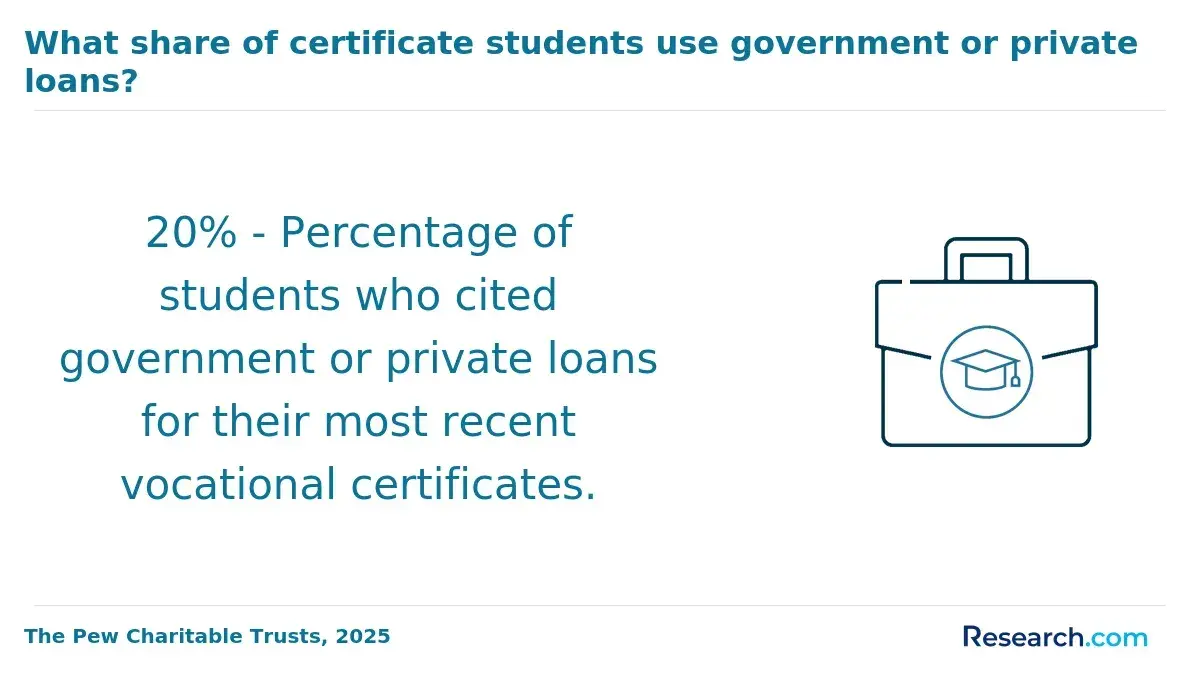
Cost is also highly variable. Tuition depends on residency, public versus private control, transfer credits, engineering fees, lab requirements, textbooks, software, and whether the program charges separate online fees. Rather than comparing tuition alone, estimate the total cost to complete the exact degree plan you will follow.
These cost and aid figures are useful starting points when building your budget:
- Federal Pell Grant maximum award for the 2025-26 award year: $7,395 for eligible undergraduate students.
- Federal Direct Loan annual undergraduate borrowing limits: Commonly from $5,500 to $12,500 depending on year in school and dependency status.
- Engineering-specific costs to ask about: Lab kits, campus residencies, proctoring, CAD or simulation software, testing equipment, graduation fees, and travel.
The table below summarizes common timeline and cost trade-offs. Use it to identify which option fits your schedule and risk tolerance.
| Path | Typical timeline | Cost advantage | Main trade-off |
| Full-time online bachelor's | About four years if starting from the beginning | May reduce relocation and commuting costs | Heavy weekly workload in math, labs, and design courses |
| Part-time online bachelor's | Often longer than four years | Allows continued employment | Course sequencing can stretch the timeline if prerequisites are missed |
| Online bachelor's completion | Often shorter for students with accepted transfer credits | Can reduce duplicate coursework | Transfer rules may exclude older or non-equivalent technical credits |
| Online master's | Often one to three years depending on course load | May be employer-funded for working engineers | Does not always solve undergraduate accreditation gaps for PE licensure |
Students comparing affordability across technical fields may notice that engineering degrees are less commonly offered fully online than some computing programs. If cost is your main constraint, comparing resources such as the cheapest master in data science can help you understand how tuition, online fees, and employer-funded graduate study differ across STEM disciplines.
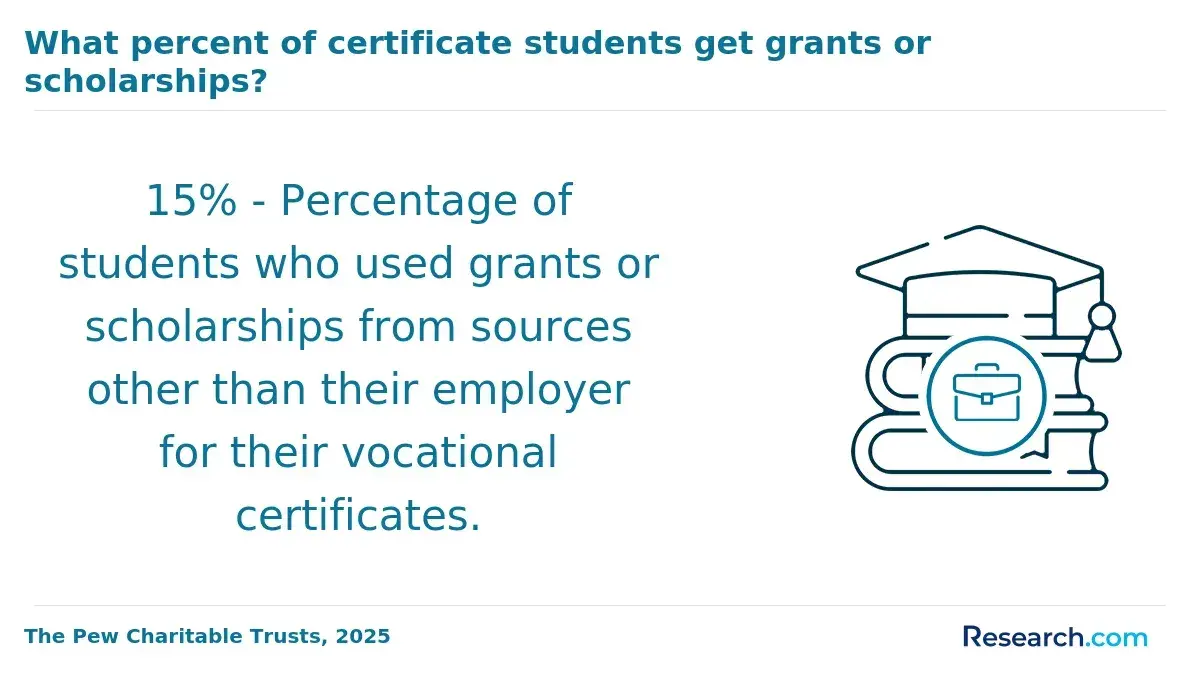
To control costs, prioritize transfer planning, employer tuition assistance, in-state online tuition policies, scholarships for engineering students, and programs that include required software through campus licenses. Avoid choosing the lowest tuition program before confirming accreditation, lab delivery, credit acceptance, and graduation requirements.
What careers can you pursue with an online mechanical engineering degree emphasizing thermodynamics?
A mechanical engineering degree with thermodynamics coursework can support many roles where heat, energy, fluids, and mechanical systems intersect. The BLS projects employment for mechanical engineers to grow 9% from 2024 to 2034, which suggests stronger-than-average demand, but openings will still depend on industry cycles, regional employers, security clearance requirements, and technical specialization.
Thermodynamics is especially relevant in industries that need energy efficiency, thermal reliability, emissions reduction, automation, electrification, and advanced manufacturing. Career paths may involve analysis, design, testing, compliance, field support, or project management.
The table below connects common roles with thermodynamics-related responsibilities so you can see how coursework translates into work tasks.
| Career path | Typical thermodynamics connection | Common work setting | Helpful skills |
| Mechanical design engineer | Designs components that must manage heat, pressure, flow, or energy loss | Manufacturing, product development, machinery, consumer products | CAD, materials, heat transfer, tolerance analysis, prototyping |
| Thermal systems engineer | Analyzes cooling, heating, power, or energy conversion systems | Electronics, aerospace, automotive, energy, defense | Thermodynamics, CFD, test planning, data analysis, simulation validation |
| HVAC or building systems engineer | Designs heating, ventilation, air conditioning, and energy-efficient building systems | Architecture-engineering firms, facilities, construction, consulting | Heat loads, psychrometrics, codes, energy modeling, PE pathway awareness |
| Energy engineer | Improves efficiency, evaluates energy systems, or supports renewable and conventional power projects | Utilities, industrial plants, consulting, government, sustainability teams | Energy audits, thermodynamic cycles, economic analysis, controls |
| Test or validation engineer | Measures performance, temperature, pressure, flow, reliability, and failure modes | Automotive, aerospace, equipment manufacturing, labs | Instrumentation, uncertainty analysis, lab safety, Python or MATLAB |
| Manufacturing process engineer | Optimizes thermal processes such as casting, welding, drying, curing, or heat treatment | Factories, advanced manufacturing, materials processing | Process control, heat transfer, quality systems, root-cause analysis |
Students interested in energy, mining, geothermal resources, water systems, or environmental fieldwork may also compare adjacent science pathways such as online geology programs. Mechanical engineering usually leads more directly to machine, energy, and thermal system design, while geology-oriented programs focus more on earth materials, subsurface systems, and field investigation.
To improve career readiness while studying online, build a portfolio that includes design reports, simulation files, lab data, capstone documentation, and internship or project evidence. Employers often want proof that you can apply equations to messy real systems, communicate trade-offs, and validate assumptions with data.
What salary ranges and earning potential exist for mechanical engineers specializing in thermodynamics?
Salary potential for thermodynamics-focused mechanical engineers depends on role, employer, location, experience, education level, licensure, and industry. The BLS reported a 2024 median annual wage of $102,320 for mechanical engineers. That median is a midpoint, not a promise; individual offers can be lower for entry-level roles or higher for experienced engineers in specialized industries.
Thermal expertise can be valuable because many employers need engineers who can reduce energy waste, prevent overheating, improve reliability, meet environmental requirements, and design systems under real physical constraints. However, thermodynamics alone is rarely enough. Strong candidates usually pair it with CAD, simulation, test engineering, controls, manufacturing knowledge, or domain-specific experience in aerospace, HVAC, automotive, electronics, or power systems.
The following salary factors are especially important when estimating return on investment:
- Industry: Aerospace, defense, energy, electronics, and scientific research roles may pay differently from general manufacturing or facilities roles.
- Location: Salaries often reflect local employer demand, cost of living, and concentration of engineering firms.
- Degree level: A master's degree may help for advanced analysis, simulation, or research roles, but it is not automatically required for all thermal jobs.
- Licensure: PE licensure can matter more in HVAC, consulting, public works, and building systems than in some product design or manufacturing roles.
- Experience: Internships, co-ops, military technical work, lab experience, and capstone projects can affect early-career competitiveness.
For ROI, compare the total cost of the degree against the jobs you realistically qualify for after graduation, not the highest salary you find online. If you already work in a technical role, an online degree may offer a stronger return because you can keep earning income while building toward engineering responsibilities.
What licensing, PE exam, or certification steps apply to mechanical engineers in thermodynamics-heavy roles?
Licensing is not required for every mechanical engineering job, but it can be important for thermodynamics-heavy roles involving public safety, building systems, energy infrastructure, consulting services, or engineering documents submitted to public agencies. In the United States, the Professional Engineer pathway is regulated by state boards, so requirements vary.
The typical PE pathway includes several steps. Use this sequence as a planning framework, but verify details with the state board where you want to practice:
- Earn an engineering degree that meets the state board's education requirements, often an ABET-accredited bachelor's degree for the most straightforward path.
- Pass the Fundamentals of Engineering exam, commonly called the FE exam, to become an Engineer in Training or Engineering Intern depending on the state.
- Gain qualifying engineering experience under appropriate supervision, often involving progressive responsibility and documented engineering work.
- Pass the Principles and Practice of Engineering exam in the relevant mechanical discipline or another approved area.
- Maintain licensure through state-specific renewal, ethics, and continuing education requirements.
Mechanical PE exam areas can include HVAC and refrigeration, mechanical systems and materials, or thermal and fluid systems. Students interested in thermodynamics-heavy roles should review exam specifications early so they can choose electives, internships, and projects that strengthen relevant knowledge.
Certifications can also support career advancement, although they do not replace licensure where a PE is legally required. Depending on your role, useful credentials may relate to energy management, HVAC design, building energy modeling, project management, quality systems, safety, or specific software platforms.
Avoid two licensing mistakes. First, do not assume a fully online degree automatically meets PE education requirements in every state. Second, do not wait until graduation to ask about ABET status, FE exam preparation, and qualifying experience. These decisions are easier to manage before you enroll than after you have completed expensive coursework.
How can you evaluate and choose the best online mechanical engineering program for thermodynamics?
The best online mechanical engineering program for thermodynamics is the one that matches your career goal, meets accreditation and licensure needs, provides credible labs, and fits your budget and schedule. Rankings can be useful, but they should not replace a detailed program audit.
Use this evaluation process before committing to a school:
- Define your target role, such as HVAC engineer, thermal systems engineer, aerospace engineer, energy engineer, or manufacturing process engineer.
- Confirm ABET accreditation for the specific mechanical engineering program if you may need PE licensure or employer recognition.
- Review the curriculum for thermodynamics, heat transfer, fluids, thermal-fluid labs, simulation tools, and a relevant capstone.
- Ask how online labs are completed, including whether you need campus visits, lab kits, remote equipment, or local testing arrangements.
- Request a written transfer credit evaluation and degree plan before enrolling.
- Compare total cost to completion, including tuition, fees, travel, software, lab materials, books, and lost income if course loads affect work.
- Check career support for online students, including internship access, employer partnerships, FE exam preparation, and alumni networking.
- Speak with current online engineering students or recent graduates if the school can connect you with them.
The table below highlights common red flags and better alternatives. It is designed to help you spot risks that are easy to miss in marketing materials.
| Red flag | Why it matters | Better sign |
| No clear ABET information for the exact program | Licensure and employer recognition may be affected | The school clearly identifies the accredited degree name and program delivery details |
| Vague lab descriptions | Thermodynamics requires measurement, testing, and validation skills | The program explains remote labs, residencies, kits, or equivalent lab experiences |
| No published course sequence | Prerequisite chains can delay graduation | The school provides a term-by-term plan for full-time and part-time students |
| Marketing emphasizes speed over rigor | Mechanical engineering is math- and lab-intensive | The program is transparent about workload, prerequisites, and academic support |
| Limited online student career services | Internships and employer access matter for engineering jobs | Online students receive career advising, project support, and recruiting access |
Good program evaluation habits apply across disciplines: verify outcomes, check accreditation, compare total cost, and look beyond marketing claims. For example, the same evidence-based mindset used to compare best library schools can help engineering students avoid relying on rankings alone and focus on program fit.
If you are still unsure, ask admissions advisors direct questions: Which thermodynamics electives are offered online every year? How are labs assessed? What FE exam support is available? Where have online students completed internships? What happens if a required course is offered only once per year? Clear answers are a strong sign; vague answers are a reason to keep comparing.
Other Things You Should Know About Mechanical Engineering
Yes, but you may need to be more proactive. Ask the program whether online students can use the same career fairs, employer portals, co-op offices, and faculty referrals as campus students. Local internships, remote design projects, and employer-sponsored work can all be useful if they involve real engineering responsibilities.
Common tools include CAD software, MATLAB, Python, spreadsheet modeling, and sometimes CFD or finite element analysis platforms. You do not need to master everything before enrolling, but comfort with programming, data analysis, and technical documentation can make thermodynamics and lab courses easier.
Most 2027 online mechanical engineering programs cover the first and second laws of thermodynamics, property tables, cycles, heat transfer basics, and entropy. Many require a 3- to 4-credit thermodynamics course, often taken after calculus and physics prerequisites, before advanced energy-system design classes.
In 2027, online mechanical engineering programs typically use virtual labs and simulations to cover practical aspects of thermodynamics. These tools allow students to perform experiments and understand concepts without needing physical lab equipment, ensuring a comprehensive learning experience remotely.
References
- Top 10 Highest Paying Jobs in Mechanical Engineering | CADD https://caddcentre.com/blog/top-10-high-paying-jobs-in-mechanical-engineering/
- What is a PE? https://www.nspe.org/about/about-professional-engineering/what-pe
- Mechanical Engineering (Top-up) (Online) BEng Tech (Hons) https://www.tees.ac.uk/undergraduate_courses/engineering_&_construction/beng_tech_(hons)_mechanical_engineering_(top-up)_(online).cfm
- Online Mechanical Engineering Degrees 2025 https://www.affordablecollegesonline.org/degrees/engineering-programs/mechanical-engineering/
- What Does It Take to Become a Mechanical Engineer https://www.pdh-pro.com/pe-resources/what-does-it-take-to-become-a-mechanical-engineer/
- Professional Engineers - Florida Board of Professional Engineers https://fbpe.org/licensure/licensure-process/professional-engineers/
- Thermodynamics courses and classes https://www.uniprof.ie/find-a-teacher/courses/thermodynamics
- 2025 Best Online Mechanical Engineering Degrees https://www.onlineu.com/degrees/mechanical-engineering
- Classes Mechanical Engineers Take | University of Bridgeport https://www.bridgeport.edu/news/what-classes-do-mechanical-engineers-take/
- Technische Hochschule Nürnberg Georg Simon Ohm https://www.th-nuernberg.de/en/degree-programmes/en-mechanical-engineering-beng/