2027 States Where Game Development Careers Have the Strongest Growth

Co-Founder and Chief Data Scientist
Choosing where to study or work in game development now means looking beyond famous studios. The field increasingly overlaps with software engineering, AI, simulation, cloud platforms, and interactive media. The U. S. Bureau of Labor Statistics projects software developer, quality assurance analyst, and tester employment to grow 15% from 2024 to 2034, much faster than the average for all occupations.
This guide helps future students, career changers, and early developers compare high-growth states, education paths, skills, costs, salaries, and practical next steps.
Key Things You Should Know
- Game development hiring is strongest where software development growth, studio density, tech investment, and digital media ecosystems overlap; current standouts include California, Washington, Texas, Georgia, North Carolina, Florida, New York, Massachusetts, Colorado, and Utah.
- The best labor-market proxy is usually software developer employment, because BLS does not classify "game developer" as a separate occupation; BLS reports a 2024 national median pay of $133,080 for software developers.
- A bachelor's degree remains the most common entry path, but certificates, portfolios, game jams, internships, and engine-specific skills can matter more than the degree title for entry-level hiring.
Which U.S. states currently offer the strongest growth for game development careers?
The strongest states for game development careers are not always the states with the most game studios. A better way to judge growth is to combine several signals: software developer demand, presence of game and interactive media employers, AI and cloud infrastructure growth, university talent pipelines, and cost-adjusted career opportunity.
Because "game developer" is not a standalone federal occupation, the table below uses software development as the closest labor-market proxy and adds game-industry context. Use it as a decision-support shortlist, not as a guaranteed ranking of job availability.
| State | Why it is a strong game development market | Best fit for | Main caution |
| California | Largest concentration of major studios, platform companies, entertainment tech, and game-adjacent software employers. | AAA games, tools programming, technical art, AR/VR, engine work, production pipelines. | High competition and high cost of living can reduce entry-level flexibility. |
| Washington | Strong mix of game studios, cloud platforms, software employers, and technical infrastructure roles. | Online games, backend systems, game services, cloud gaming, gameplay engineering. | Hiring can favor candidates with strong software engineering fundamentals. |
| Texas | Large and growing tech economy with game studios in Austin, Dallas, and other metro areas. | Gameplay programming, mobile games, simulation, tools, QA automation. | Opportunities are spread across metros, so location strategy matters. |
| Georgia | Film, animation, esports, production, and digital media growth support interactive entertainment roles. | Game art-tech collaboration, production, immersive media, applied simulation. | Students should verify whether programs emphasize programming, design, or production. |
| North Carolina | Research Triangle tech growth and a recognized game studio presence create pathways into both games and software. | Game systems programming, serious games, education technology, simulation. | Entry-level candidates may need a broader software portfolio, not only game prototypes. |
| Florida | Expanding tech, simulation, defense, theme-park, and entertainment ecosystems create game-adjacent roles. | Simulation, interactive attractions, VR training, mobile and casual games. | Traditional game studio density varies by city. |
| New York | Strong media, advertising technology, fintech, mobile, and interactive entertainment market. | Mobile games, user experience, creative technology, monetization systems. | Game-specific roles may compete with broader software and media-tech hiring. |
| Massachusetts | University research, robotics, AI, simulation, and software employers support specialized development careers. | AI gameplay, simulation, educational games, research-driven interactive systems. | Advanced roles may prefer graduate study or strong research experience. |
| Colorado | Growing software market, aerospace, simulation, and remote-friendly tech employment support interactive roles. | Simulation, tools, visualization, indie and remote game development. | Students may need to combine local networking with remote job searches. |
| Utah | Fast-growing tech corridor and lower-cost alternative to coastal hubs for software and digital media talent. | Indie games, mobile, web-based games, software-to-games transitions. | Studio density is smaller than in California or Washington. |
The best state for you depends on your target role. A gameplay programmer may benefit from California, Washington, Texas, or North Carolina, while a student interested in simulation or immersive training may find better alignment in Florida, Massachusetts, Colorado, or Georgia.
How does game developer demand and job outlook compare across different U.S. states?
Game developer demand varies widely by state because hiring is tied to local software ecosystems, studio concentration, funding cycles, tax incentives, and remote-work policies. A state with fewer game studios can still be a smart choice if it has strong software development demand and employers that use game-engine skills for simulation, training, visualization, or interactive media.
The most useful comparison is not simply "Where are the most studios?" but "Where can a game programming skill set transfer across multiple industries?" The table below compares state-market profiles so readers can match location strategy to career risk tolerance.
| Market type | Typical states | Career advantages | Risk factors |
| Major game hubs | California, Washington, Texas | More studio roles, experienced mentors, industry events, and specialized teams. | More competition, higher cost of living, and more exposure to game-industry layoffs. |
| Hybrid tech and media markets | Georgia, New York, North Carolina, Massachusetts | Broader mix of games, media, AI, education technology, and software roles. | Students must build portfolios that show both creativity and engineering depth. |
| Simulation and interactive training markets | Florida, Colorado, Virginia, Alabama, Maryland | Game-engine skills can apply to defense, aerospace, healthcare, and workforce training. | Some roles may require U.S. citizenship, security clearance eligibility, or domain-specific knowledge. |
| Emerging lower-cost tech markets | Utah, Arizona, Nevada, Tennessee | Lower living costs may help early-career workers build experience and savings. | Fewer large studios may mean more remote work or adjacent software roles. |
Recent industry trends also matter. AI-assisted asset generation, procedural content tools, live-service game operations, cloud multiplayer infrastructure, and cross-platform development are changing what employers need. Students who can combine C++, C#, Unreal Engine, Unity, backend systems, and collaborative production experience are better positioned than those who only learn game design theory.
What education and skills are required to start a game programming and development career?
Game development is a software-centered career path, even when the final product is creative. Game programmers write code for gameplay systems, physics, AI behavior, rendering, networking, user interfaces, tools, and performance optimization. Some developers work directly on commercial games, while others use game engines for simulation, education, healthcare, military training, architecture, or virtual production.
Most entry-level programming roles expect a bachelor's degree in computer science, software engineering, game programming, or a closely related field. However, employers usually evaluate candidates through a combination of education, coding ability, portfolio quality, teamwork experience, and familiarity with production tools.
Students should focus on the following skill areas because they transfer across both game studios and broader software markets:
- Programming fundamentals: data structures, algorithms, object-oriented programming, debugging, version control, and software testing.
- Game-specific technical skills: gameplay systems, physics, collision, rendering basics, animation systems, AI behavior, input systems, and optimization.
- Production tools: Unreal Engine, Unity, Git, Perforce, Jira, Blender or Maya basics, build systems, and profiling tools.
- Collaboration skills: working with artists, designers, producers, QA testers, audio teams, and live-operations staff.
- Math and systems thinking: linear algebra, vectors, probability, simulation logic, and performance trade-offs.
AI is now part of the career conversation, but it does not replace core programming knowledge. Developers who understand how AI tools work, where they fail, and how to integrate them responsibly can stand out. Students exploring technical specializations may also compare game programming with an AI degree if they want deeper preparation for machine learning, behavior modeling, procedural systems, or intelligent simulation.
Which game programming degrees and certificates best align with growing state job markets?
The best credential depends on your starting point, budget, timeline, and target state. A student aiming for AAA gameplay programming in California or Washington may need stronger computer science depth than someone seeking an entry-level QA automation or Unity developer role in a smaller market.
The table below compares common education paths and how well they align with different game development career goals.
| Credential | Best for | Typical strengths | Limitations |
| Associate degree | Students seeking a lower-cost start or transfer pathway. | Programming basics, math, general education, and portfolio foundations. | May not be enough for competitive programming roles without transfer or strong projects. |
| Bachelor's in computer science | Students targeting high-growth software and game programming markets. | Strongest transferability across games, software, AI, tools, and backend roles. | May require students to build game-specific projects outside required coursework. |
| Bachelor's in game programming or game development | Students who want structured game-engine, production, and portfolio experience. | Direct alignment with engines, design collaboration, capstone games, and studio-style work. | Quality varies widely; weak programs may underteach algorithms or software engineering. |
| Certificate or bootcamp | Career changers or degree holders adding engine-specific skills. | Shorter timeline and focused training in Unity, Unreal, or technical art tools. | Usually not a substitute for a degree in competitive software-heavy roles. |
| Master's degree | Students targeting AI, graphics, simulation, research, or advanced technical roles. | Specialized preparation and stronger research or technical depth. | Higher cost and opportunity cost; not always needed for entry-level game jobs. |
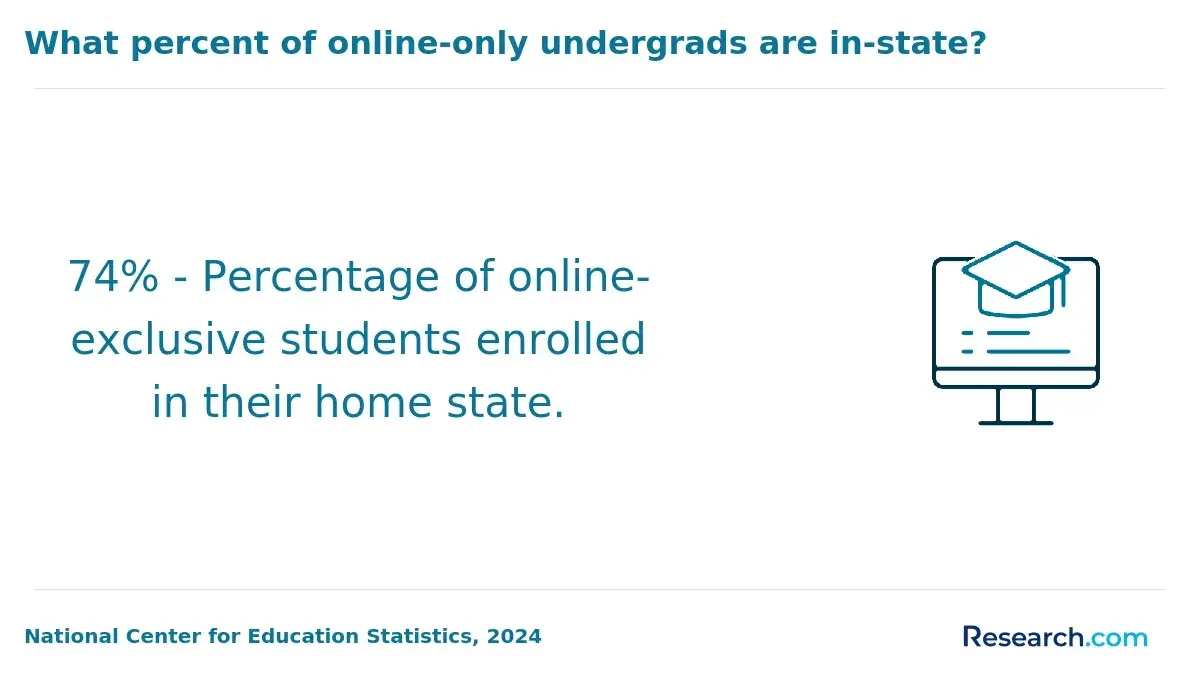
Students comparing a game development degree online should pay close attention to whether the curriculum is programming-heavy or design-heavy. "Game design," "game art," "interactive media," and "game programming" can lead to different outcomes, even when the program names sound similar.
A practical rule is simple: choose computer science or software engineering if you want maximum job-market flexibility, choose game programming if you want structured engine experience, and choose a certificate only if you already have enough technical foundation to make the short credential useful.
How do online game development programs compare with campus-based options for career growth?
Online and campus-based game development programs can both lead to strong outcomes, but they serve different learners. The better choice depends on how you learn, whether you need local studio access, how much flexibility you need, and whether the program offers meaningful portfolio feedback.
The table below summarizes the main trade-offs students should weigh before choosing a format.
| Format | Best advantages | Potential drawbacks | Who should choose it |
| Online program | Flexible schedule, broader school choice, easier fit for working adults, potential access to lower-cost options. | May require more self-discipline and extra effort to build peer networks. | Students who need flexibility, live far from game hubs, or want to keep working while studying. |
| Campus-based program | In-person labs, team projects, local recruiting events, faculty access, and easier collaboration. | Higher relocation or housing costs and less schedule flexibility. | Students who benefit from structured environments, local studio networks, or hands-on production labs. |
| Hybrid program | Combines flexibility with periodic in-person collaboration or studio access. | Availability varies, and travel requirements can add costs. | Students who want online convenience without giving up all in-person networking. |
Online programs can be especially useful for students targeting remote-friendly markets or building portfolios while working. Campus programs may offer stronger access to game jams, lab equipment, visiting studio speakers, and local internships. Neither format is automatically better; the strongest choice is the one that produces a stronger portfolio, better feedback, and more relevant industry connections.
Before enrolling, students should ask how online team projects are managed, whether faculty review code directly, whether students use professional tools such as Git or Perforce, and whether capstone projects are completed in teams that resemble real production environments.
What core courses and specializations prepare students for high-growth game development roles?
High-growth states tend to reward developers who can move between creative production and rigorous software engineering. That means the best programs do not only teach students how to make a small game; they teach students how to build maintainable, efficient, collaborative systems.
The courses below are especially valuable because they map directly to common entry-level and mid-level responsibilities in game programming.
- Computer programming in C++, C#, or Java: Prepares students for engine scripting, gameplay systems, and general software roles.
- Data structures and algorithms: Supports performance-sensitive work, technical interviews, and scalable system design.
- Game engine development or engine scripting: Builds practical fluency in Unreal Engine, Unity, or custom engines.
- Computer graphics and rendering: Supports technical art, shaders, graphics programming, and optimization roles.
Students interested in analytics-heavy game roles should also consider coursework in databases, statistics, experimentation, and machine learning. Live-service games depend on player behavior analysis, matchmaking, retention systems, and monetization experiments, so some students compare game programming with an online master data science pathway after gaining programming experience.
Specialization should come after fundamentals. A student who learns only one engine without understanding programming concepts may struggle when tools change. A student who masters algorithms but never ships a playable project may struggle to show game-specific readiness. The strongest portfolio combines both.
How long do game programming programs take, and what tuition costs should students expect?
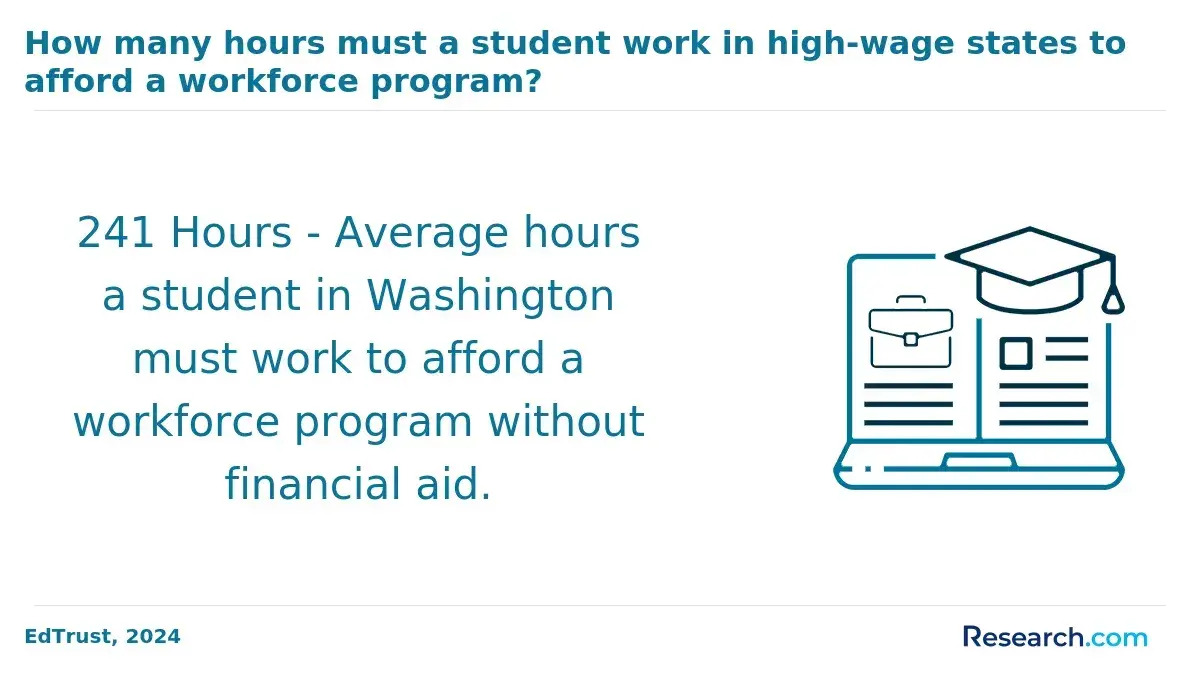
Program length and cost vary by credential, school type, residency status, transfer credits, and whether the student studies full time or part time. For most students, the key financial question is not only tuition; it is total cost, including fees, software, hardware, housing, lost work hours, and loan interest.
For budgeting context, College Board's 2024 Trends in College Pricing report lists average published tuition and fees for 2024-25 at $11,610 for in-state students at public four-year colleges, $30,780 for out-of-state students at public four-year colleges, and $43,350 at private nonprofit four-year colleges. These are sticker prices, not net prices after grants or scholarships, so students should compare financial-aid offers before deciding.
The table below gives a practical planning range by credential type. Actual costs can be higher or lower depending on institution, residency, transfer credits, and aid.
| Program type | Typical completion time | Cost factors to compare | Best value when |
| Certificate | Several months to 1 year | Tuition, software access, career services, portfolio review, and instructor feedback. | The student already has coding fundamentals and needs targeted engine skills. |
| Associate degree | 2 years full time | Community college tuition, transfer agreements, lab fees, and general education credits. | The student plans to transfer into a bachelor's program while reducing first- and second-year costs. |
| Bachelor's degree | 4 years full time | Tuition, housing, residency status, scholarships, internships, and transfer-credit policies. | The program builds strong software fundamentals and a portfolio with shipped projects. |
| Master's degree | 1 to 3 years | Graduate tuition, assistantships, employer reimbursement, research opportunities, and opportunity cost. | The student is targeting advanced AI, graphics, simulation, or technical leadership roles. |
Students can reduce costs by starting at a community college, using transfer pathways, choosing an in-state public institution, applying for need-based aid, reusing existing hardware when possible, and asking whether game-engine software is included through institutional licenses.
What salaries do game developers earn in top-growth states compared with the national average?
Game developer salaries vary by role, employer, state, experience, and whether the work is classified as gameplay programming, software development, technical art, QA automation, tools engineering, or backend development. BLS does not publish a separate national wage series for "game developer," so software developer wages are the most useful national benchmark.
According to BLS occupational data, the national median annual wage for software developers was $133,080 in May 2024. For readers, this means game programming can align with a high-wage software occupation, but salaries are not guaranteed and may be lower for entry-level QA, junior design, internships, or indie roles.
The table below compares salary expectations in top-growth game markets against the national software developer benchmark without implying that all game roles pay the same.
| State or market | Typical comparison with national software developer pay | Why pay may differ |
| California | Often above the national benchmark for experienced software and game engineers. | Large studio concentration, major technology employers, and high cost of living. |
| Washington | Often above the national benchmark for cloud, platform, and senior engineering roles. | Strong software infrastructure market and competition for experienced developers. |
| New York and Massachusetts | Often competitive with or above the national benchmark for software-heavy roles. | High concentration of technology, media, research, and enterprise software employers. |
| Texas and Colorado | Often near or above the national benchmark depending on metro and specialization. | Growing technology markets, lower costs than some coastal hubs, and varied employer mix. |
| Georgia, North Carolina, Florida, and Utah | Often competitive, though entry-level game-specific pay may vary more by employer. | Growing tech ecosystems, simulation markets, and cost-adjusted opportunities. |
Salary comparisons should be adjusted for cost of living. A higher offer in Los Angeles, San Francisco, Seattle, Boston, or New York may not create more take-home value than a slightly lower offer in Austin, Raleigh, Atlanta, Orlando, Denver, or Salt Lake City. Students should compare rent, taxes, commuting costs, remote-work flexibility, and promotion pathways before choosing a location.
Which certifications, portfolios, or industry credentials improve hiring prospects in key states?
Certifications are not usually required for game developer jobs, but they can help when they prove practical tool knowledge. A strong portfolio generally carries more weight than a certificate alone, especially for programming roles. Employers want to see clean code, playable builds, documentation, teamwork, and problem-solving under constraints.
The following credentials and portfolio assets can improve hiring prospects when they match the target role and state market:
- Engine credentials: Unity or Unreal Engine training can support junior Unity developer, Unreal developer, technical designer, or real-time visualization roles.
- Cloud and backend credentials: AWS, Azure, or Google Cloud training can help candidates pursuing multiplayer, live-service, backend, or game services roles.
- Programming portfolio: candidates should include Git repositories, short technical write-ups, gameplay videos, and explanations of performance or design trade-offs.
- Team-based projects: game jam entries, capstone games, modding projects, and collaborative prototypes show communication and production readiness.
- QA automation evidence: test scripts, bug reports, build verification workflows, and automation examples can support entry-level pathways into studios.
Students should avoid the common mistake of building only visually impressive projects without explaining their technical contribution. A hiring manager needs to know what you built, what tools you used, what problems you solved, and how your code improved the project.
A strong entry-level portfolio usually includes two or three polished projects rather than ten unfinished prototypes. At least one project should show a complete gameplay loop, one should show technical depth, and one should show teamwork or production discipline.
How can prospective students evaluate and choose reputable, accredited game development programs?
Choosing a reputable game development program requires more than reading rankings or admiring student artwork. Students should verify accreditation, curriculum depth, faculty experience, portfolio support, internship access, transfer policies, and career outcomes before committing tuition and time.
Use the following steps to evaluate programs in a practical, risk-aware way:
- Check institutional accreditation through the school's website and recognized accreditation databases before applying.
- Read the required course list and confirm that programming, algorithms, software engineering, and production workflows are required rather than optional.
- Ask to see recent student capstone projects, not only marketing reels, and look for playable builds, code quality, and team roles.
- Compare faculty backgrounds to your goal, such as gameplay engineering, graphics, simulation, technical art, or interactive media.
- Ask whether the program has employer connections in your target state or supports remote internships and portfolio reviews.
- Review transfer-credit rules, withdrawal policies, net price after aid, and hardware or software requirements.
- Request job-placement methodology, including whether outcomes include game roles, general software roles, internships, freelance work, or unrelated employment.
Common red flags include programs that promise jobs, hide total costs, overemphasize game ideas without teaching programming fundamentals, provide little feedback on code, or lack team-based production experiences. The same careful program-comparison mindset applies across online fields, including master of library science online programs, because accreditation, curriculum fit, and career outcomes matter more than marketing language.
The safest choice is usually a program that keeps your options open. If the game industry slows in your chosen state, strong software engineering preparation can still support roles in simulation, enterprise software, education technology, AR/VR, mobile apps, defense, healthcare visualization, or data-driven products.
Other Things You Should Know About Game Programming & Development
It can be a strong career for students who enjoy programming, problem-solving, collaboration, and creative technology. The best outlook is for candidates who can qualify for both game-specific and broader software development roles.
California, Washington, and Texas offer the deepest game and software ecosystems, but Georgia, North Carolina, Florida, Massachusetts, New York, Colorado, and Utah can also be strong depending on specialization, cost of living, and internship access.
A degree is not always mandatory, but many programming roles prefer a bachelor's degree in computer science, software engineering, or game programming. A portfolio, internships, shipped projects, and strong coding skills are also critical.
In 2027, selecting the right state for a game development career is crucial as certain states show remarkable growth in this field, offering more opportunities, higher salaries, and better industry connections. States like California, Texas, and Washington have robust tech ecosystems fostering job creation and innovation in game development.
References
- Game Developer salary in US https://builtin.com/salaries/us/game-developer
- Game Development Career Pathways | CG Spectrum https://www.cgspectrum.com/career-pathways/game-development
- The Rookies - Global School Rankings 2024 - Game Design & Development https://www.therookies.co/schools/rankings/2024/game-design-and-development
- What Are Industry Certifications https://www.savvas.com/resource-center/blogs-and-podcasts/college-and-career-readiness/intro-to-cte/what-are-industry-certifications
- What skills do you need to break into game development? | Learning People https://www.learningpeople.com/uk/career-insights/blog/what-skills-do-you-need-to-break-into-game-development/
- Top Game Development Cities in USA: A Comprehensive Guide https://devvibe.com/top-game-development-cities-in-usa/
- What to Look for in a Game Design Program https://www.princetonreview.com/college-advice/game-design/researching-game-design-programs
- Video Game Jobs | Job Outlook for Game Developers in 2026 and Beyond https://videogamejobs.co/blog/job-outlook-for-game-developers
- Top Cities for Video Game Development Jobs https://www.gameindustrycareerguide.com/best-cities-for-video-game-development-jobs/
- Video Game Developer Salary: Averages by State https://gamedesignskills.com/game-development/developer-salary/