2027 How AI Degrees Support Non-Traditional Students

Co-Founder and Chief Data Scientist
Many non-traditional students face challenges balancing career changes, family commitments, and education when pursuing degrees in artificial intelligence. Traditional programs often lack the flexibility needed to accommodate irregular schedules and previous academic backgrounds unrelated to technology. This mismatch can hinder access to opportunities and career growth in a rapidly evolving field. Institutions now offer specialized ai degree programs that address these barriers through flexible formats, tailored curricula, and support systems designed for diverse learners. This article explores how such programs empower non-traditional students to transition effectively into the artificial intelligence industry and achieve their professional goals.
Key Things You Should Know
- AI degree programs increasingly offer flexible online and part-time options, supporting non-traditional students balancing work and family, with 62% of enrollees in 2025 studying remotely.
- Curricula emphasize practical skills and interdisciplinary approaches, enabling career switchers to enter AI fields without prior tech backgrounds, reflecting a 35% rise in adult student enrollment since 2024.
- Financial aid and employer partnerships have expanded, lowering average student debt for non-traditional learners by 18% compared to traditional students in recent studies.
How do AI degree programs serve non-traditional and adult learners in the United States?
AI degree programs designed for adult learners in the United States increasingly offer flexible education options that accommodate busy schedules. These programs provide part-time, evening, and fully online courses, enabling non-traditional students to advance their careers without interruption. In fact, by 2026, 58% of students enrolling in AI-related programs globally were aged 25 or older and already working, underscoring the demand for adaptable learning paths.
Flexible AI education options for non-traditional students in the US often feature modular curricula, allowing learners to concentrate on specialized topics aligned with their career goals. Many institutions also offer stackable certificates within broader AI degrees, supporting incremental credential earning.
Financial aid tailored to adult learners plays a significant role in accessibility. Options may include employer tuition reimbursement, scholarships for career changers, and manageable payment plans that reduce upfront costs. Dedicated support services-such as academic advisors experienced with adult learner challenges, career counseling for mid-career transitions, and peer networking-enhance program relevance and student success.
Project-based learning is emphasized to help students apply AI concepts directly in their current roles, accelerating workplace impact. Considering these factors, AI degrees that combine asynchronous online coursework with real-world applications and strong institutional support best serve adult learners balancing time constraints and professional experience.
For those exploring options, resources like the best online computer science degree programs can provide guidance on accelerated and flexible paths in this evolving field.
What types of artificial intelligence degrees and certificates are available for non-traditional students?
Non-traditional students seeking artificial intelligence degrees benefit from flexible options tailored to diverse schedules. Many programs offer fully online, hybrid, and part-time formats to support working professionals, parents, and others balancing multiple commitments. According to the 2025 AI Degree Report by MastersInAI.org, 76% of new AI master's programs in the U.S. launched in 2025 provide fully online or hybrid delivery, highlighting the rise of adaptable learning models.
Types of artificial intelligence degrees for non-traditional students include:
- Bachelor's degrees in AI or related fields such as computer science with AI specializations, often available part-time or online.
- Master's degrees focusing on machine learning, data science, or AI engineering, frequently offering evening or weekend classes.
- Graduate certificates delivering targeted AI skills ideal for professionals seeking skill upgrades without full degree commitment.
- Micro-credentials and professional certificates focused on AI programming, neural networks, robotics, and natural language processing, offered by universities and reputable platforms.
Many programs utilize asynchronous coursework and recorded lectures to facilitate study at convenient times. Typically, students can complete programs within 12 to 24 months part-time while advancing careers. When researching online artificial intelligence certificate programs for adult learners, verifying accreditation, curriculum relevance, and academic support tailored to non-traditional learners is essential. For those seeking affordable options, considering the cheapest online mechanical engineering degree may offer useful insights into cost-effective online learning models as well.
How do online AI degrees compare with campus-based programs for flexibility and support?
Online ai degree flexibility compared to campus programs is especially beneficial for non-traditional students balancing work, family, and other responsibilities. Unlike fixed schedules on campus, many online programs offer asynchronous coursework, allowing students to study at their convenience. This setup suits mid-career professionals who need to manage learning pace alongside job demands.
Student support services for online vs campus-based ai degrees have improved significantly. Virtual tutoring, career services, and peer forums are common in online formats, alongside live Q&A sessions and interactive assignments that replicate campus engagement. However, in-person labs, networking, and mentorship remain advantages of campus programs, aiding those who require hands-on learning to master complex ai concepts.
Career switchers find online AI degrees effective; a 2025 Coursera workforce trends report noted that 43% of professionals completing AI-related online degrees or certificates moved into higher-paying data roles within a year, with a median salary bump of 27%. Such outcomes highlight online options as accessible paths for career growth without full-time campus attendance.
Students choosing between formats should evaluate:
- Flexible scheduling and asynchronous learning tools
- Access to mentorship and career placement services
- Hands-on opportunities and lab facilities
- Personal learning preferences and lifestyle demands
For those exploring pathways to advanced study, an online PhD in AI represents a growing option combining flexibility and robust academic support for diverse student needs.
What admission requirements do AI programs typically have for working adults and career changers?
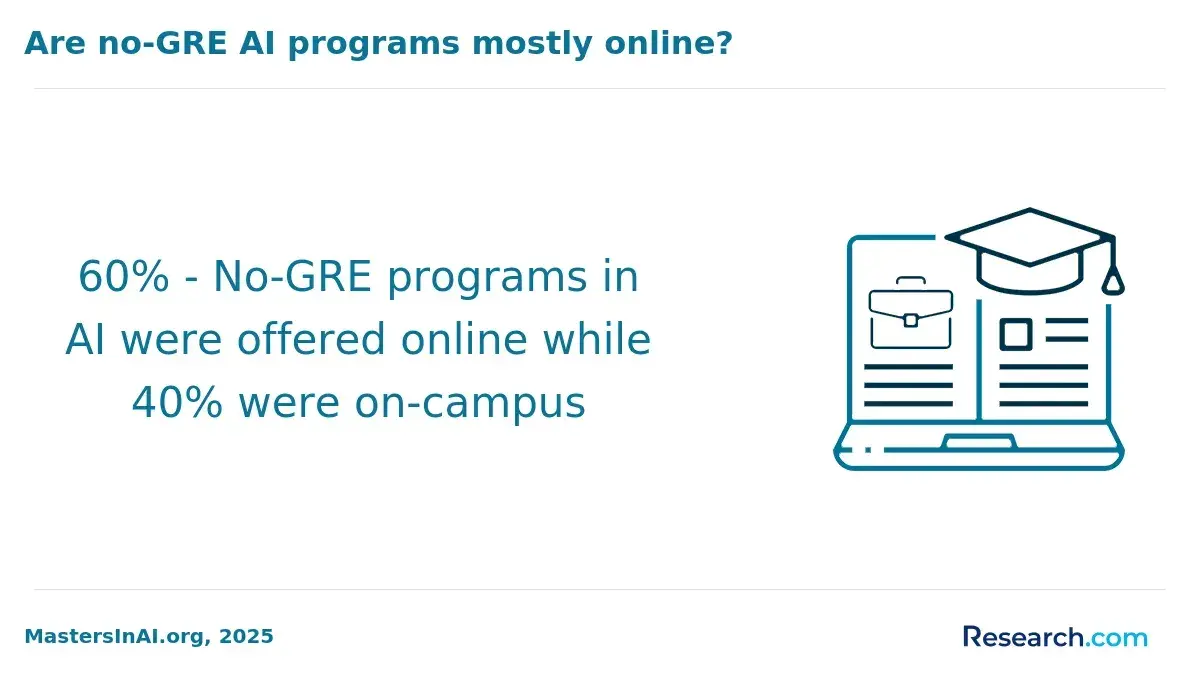
Admission criteria for ai degrees for working professionals often prioritize flexibility and relevant experience instead of traditional academic metrics like GPA or standardized tests. Many programs waive these requirements, focusing instead on professional background, prerequisite coursework, or proven skills in programming, mathematics, or data analysis. Portfolios or industry certifications that demonstrate ai project experience are also commonly accepted as part of the admissions process.
Programs catering to career changers typically offer part-time or online ai master's options with rolling admissions or multiple start dates annually. This adaptability helps applicants align their studies with work schedules. Some programs also require a statement of purpose to clarify career goals and motivation for the transition, ensuring a good fit between student and curriculum.
Applicants with non-technical backgrounds may need to complete prerequisite courses in topics like linear algebra, statistics, or machine learning fundamentals, either before or early in the program. Many universities provide bridge programs or certificate paths to build foundational knowledge, smoothing the shift into advanced coursework. This is an essential aspect of ai program requirements for career changers.
Financial aid and employer partnerships enhance accessibility, supporting working professionals given the strong earning potential of ai degrees. According to the 2026 Stanford HAI AI Index, U.S. ai specialists with a master's degree earn a median salary of $164,000, more than double the median salary of bachelor's-level workers. Prospective students interested in a flexible and affordable pathway might consider an online computer science degree as a strong option.
What should non-traditional students look for in accreditation of AI degree programs?
Accreditation plays a critical role for non-traditional students pursuing applied ai programs, ensuring that educational quality and relevance meet recognized academic and industry standards. Regional and specialized accreditors like ABET or AACSB validate curricula, which is essential for credit transfer, federal aid eligibility, and employer trust. Given the fast pace of ai advancements, accredited programs typically update content to include current technologies and ethical practices.
Focus on programs offering flexible learning options such as asynchronous online classes, evening courses, or hybrid models. Accreditation should guarantee these formats uphold rigorous standards without compromising the curriculum. For instance, accreditation with distance education criteria confirms quality oversight of faculty, student support, and assessment methods.
Support for diverse learners is increasingly important. According to WorldMetrics' 2026 Non-Traditional Student Statistics, first-generation and low-income students now make up 41% of enrollees in public university applied ai programs, up from 29% in 2020. Accredited programs are evaluated for mentoring, tutoring, and career counseling services that aid underrepresented groups.
It is vital to ensure accreditation covers the entire degree rather than just individual courses or certificates, which may lack full credential recognition. Additionally, accredited programs often maintain partnerships with industry or research institutions, enhancing practical training and job placement prospects.
What core courses and specializations are included in most AI degree curricula?
AI degree programs typically combine foundational coursework with specialized topics to prepare students for the evolving job market. Core courses often include machine learning, data structures, algorithms, statistics, and programming languages like Python and R. These subjects develop strong mathematical and technical skills necessary to build and understand AI models.
Students usually explore advanced topics such as natural language processing (NLP), computer vision, robotics, and reinforcement learning. For example, NLP specializations cover speech recognition and sentiment analysis, while computer vision deals with image processing and object detection. Certain programs also integrate applied studies in AI ethics and fairness to address bias and transparency concerns.
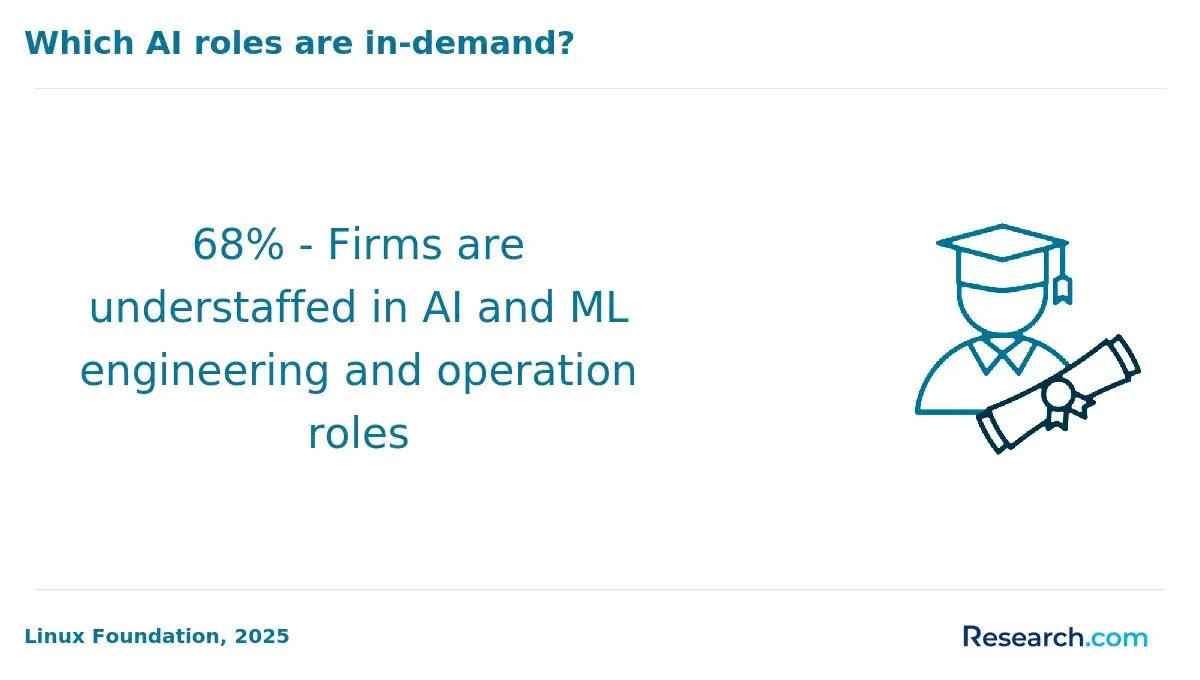
Hands-on experience through projects and internships is a vital component, frequently facilitated by partnerships between universities and tech companies. This practical training helps bridge academic knowledge with industry demands. According to Inside Higher Ed's coverage, 86% of employers hiring for AI roles report insufficient candidates with formal AI training, and 72% place high value on AI degrees obtained by career changers.
This blend of core skills and flexible options equips students-especially those transitioning into tech careers-with the credentials and expertise that employers increasingly seek in the AI field.
How long do AI degrees take to complete, and what are typical tuition and total costs?
AI degree duration varies by program type, delivery method, and student pace. Traditional bachelor's degrees often require four years, while master's programs typically take one to two years for full-time students. Many institutions provide part-time, online, or hybrid options, which can extend completion time but increase flexibility for working adults and others.
Short-term credentials like certificates and microcredentials have surged in popularity, sometimes taking only months to complete. A Georgetown CSET 2024 study reported a 320% growth in AI-focused certificates and microcredentials since 2019. Importantly, 61% of enrollees were non-traditional students, including working professionals and those without prior STEM backgrounds. These stackable credentials serve as valuable entry points or supplements to degree programs.
Tuition costs vary widely: public bachelor's degrees average $9,000 to $15,000 per year for in-state students, totaling about $36,000 to $60,000, while private schools often charge $35,000 or more annually. Master's programs usually range from $20,000 to $50,000 total. Certificates and microcredentials cost from a few hundred to several thousand dollars depending on the provider and length.
Non-traditional students should factor in fees, materials, and potential lost income alongside tuition. Financial aid, employer assistance, and federal loans can help offset expenses. Choosing stackable certificates provides a cost-effective, flexible alternative to full degrees for building credentials incrementally.
What AI-related careers can non-traditional graduates pursue, and what skills are required?
Non-traditional graduates can pursue a wide range of careers in ai beyond traditional computer science roles. Key positions include data analyst, machine learning engineer, ai product manager, and natural language processing specialist. Each requires specific skills, but many are accessible through focused training rather than extensive STEM backgrounds.
Data analysts interpret complex datasets to support business decisions. Vital skills include statistical software like Python's pandas or R, data visualization, and basic machine learning knowledge. Machine learning engineers focus on designing predictive models, needing expertise in programming languages such as Python or Java and familiarity with cloud platforms for ai workflows.
Ai product managers blend technical understanding with project management, guiding ai integration within products and communicating effectively across teams. Natural language processing specialists develop systems to process human language, requiring knowledge of linguistics and tools like NLTK or spaCy.
A 2025 mixed-methods study of a diverse ai-in-education master's program found that students without STEM backgrounds had course completion and project performance rates close to those of STEM students, with only a 3% difference in average scores. This highlights the feasibility of entering ai through alternative pathways. Building practical project experience and continuous skill enhancement in programming and analytical tools are essential strategies for those aiming to compete in this evolving field.
What are the salary expectations and job outlook for AI professionals in the U.S. labor market?
AI professionals in the U.S. labor market enjoy strong salary potential, with entry-level specialists earning between $80,000 and $95,000 annually. Experienced AI researchers, machine learning engineers, and architects can expect salaries ranging from $130,000 to $180,000 or more, particularly in tech hubs like Silicon Valley, Seattle, and New York.
The Bureau of Labor Statistics projects a 22% growth in computer and information research science jobs, including AI roles, from 2022 to 2032. This rapid expansion is fueled by increasing AI adoption across healthcare, finance, manufacturing, and autonomous systems.
Many employers value practical skills and portfolios alongside formal education. Certifications and ongoing learning in AI frameworks, data science, and programming can enhance employment prospects and salary growth. Non-traditional students should particularly consider these pathways.
The 2026 Coursera AI in Higher Education Report reveals a significant gap: only 20% of universities have a formal AI policy, and 56% of students and educators feel unprepared for AI challenges. Graduates may need to develop workplace-specific AI expertise independently to stay competitive.
Career opportunities in AI are diverse, ranging from software development and data analysis to ethics and product management, each offering unique salary and growth trajectories.
How can non-traditional students choose a reputable AI program aligned with their career goals?
Non-traditional students should focus on AI programs with strong industry connections and specialized tracks like machine learning, natural language processing, or AI ethics that align with their career goals. For instance, those targeting data science roles benefit from programs emphasizing data analytics and model deployment. Accreditation and faculty expertise matter greatly; seek programs recognized by reputable bodies and staffed by experts active in research or industry.
Flexibility is crucial for balancing work and family. Programs offering asynchronous online courses, part-time options, or modular certifications support this balance. Career services tailored to adult learners-such as mentorship, internships, and job placement-enhance outcomes.
Review course syllabi for hands-on projects and tools like TensorFlow or PyTorch, which prepare students with practical, applicable skills. Cost and return on investment are important considerations. Compare tuition fees against average graduate salaries and employment rates in AI fields.
According to Engageli's 2026 AI in Education market analysis, the global AI in education market is expected to grow from $7.05 billion in 2025 to $136.79 billion by 2035, with a 35% compound annual growth rate. This trend underscores the value of investing in reputable AI education for sustained career advancement.
Other Things You Should Know About Artificial Intelligence
Success in artificial intelligence programs requires strong foundations in mathematics, especially linear algebra, calculus, and statistics. Proficiency in programming languages such as Python and experience with data structures and algorithms are also essential. Additionally, critical thinking and problem-solving skills help students apply theoretical concepts to real-world challenges.
Many AI degree programs encourage or require internships to provide hands-on experience with industry tools and real-world data. Practical experience allows students to apply theoretical knowledge and improve their collaborative and technical skills. It also enhances employability by offering exposure to current AI applications and workplace environments.
Students lacking a strong computing background can succeed if they are willing to invest time in foundational courses and self-study. Many programs offer preparatory classes in programming and math to help learners build necessary skills. Persistence and engagement with supplemental resources are key to overcoming early challenges.
In 2027, AI degrees often support working professionals by offering flexible learning formats such as online courses and evening classes. Many programs also provide part-time study options, enabling students to balance their jobs and education without compromising on quality. This flexibility is crucial for non-traditional learners.
References
- AI Jobs With No Experience â 10+ Entry-Level Roles | Beginner Guide 2026 â Mindrift https://mindrift.ai/blog/ai-jobs-with-no-experience
- Top 10 AI certifications and courses for 2025 https://www.techtarget.com/whatis/feature/10-top-artificial-intelligence-certifications-and-courses
- How Long Does It Take to Learn AI Completely? https://blog.nobledesktop.com/learn/ai/how-long-do-ai-courses-take
- Artificial Intelligence Degree Curriculum Guide 2026 https://hakia.com/degrees/artificial-intelligence/curriculum-guide/
- Best Online Master's in AI for Career Changers 2026 — Ranked https://www.nexford.edu/insights/best-online-masters-in-ai-for-career-changers-ranked
- Best AI Certifications to Boost Your Career in 2026 – Dataquest https://www.dataquest.io/blog/best-ai-certifications/
- 6 AI Tools To Prepare Students for College and Career https://www.onegoal.org/about/blog/6-ai-tools-that-can-help-students-prepare-for-college-and-career/
- Non-Traditional Student Success Strategies for Adult Learners https://moderncampus.com/blog/what-is-a-non-traditional-learner.html
- Online Learning at EU Business School: Where Learning Meets Lifestyle | EU Business School https://www.euruni.edu/blog/online-learning-at-eu-business-school-where-learning-meets-lifestyle/
- Reaching and Engaging Non-Traditional Students in Higher Education https://element451.com/blog/marketing-to-non-traditional-students