2027 Walden University Online MS in Information Technology - Health Informatics: Cost, Curriculum, Admissions, and Career Outcomes

Co-Founder and Chief Data Scientist
Deciding to pursue an online MS in Information Technology - Health Informatics at Walden University requires careful consideration of how well the program fits one's academic background, career goals, and learning preferences. As demand for health informatics professionals grows, with the U. S. Bureau of Labor Statistics projecting significant job growth in this sector by 2032, accessibility and flexibility of online education become critical factors.
Recent data shows that adult learners increasingly prioritize programs offering asynchronous coursework to balance education with work and life commitments. Understanding Walden University's curriculum, costs, admissions requirements, and career outcomes helps clarify if this degree aligns with one's professional advancement strategy. This article will analyze these key aspects to guide prospective students in making an informed decision.
Key Points About Walden University's MS in Information Technology - Health Informatics Program
- Walden University's program has open admission, which lowers entry barriers but requires applicants to weigh a $34,458 tuition investment against career goals and potential return in health IT roles.
- Students report that faculty focus on applied skills relevant to current healthcare IT challenges, which aids in developing practical expertise valued by employers in health informatics positions.
- Employers recognize graduates for their hands-on capabilities, and alumni progression into diverse healthcare and IT roles highlights the degree's utility in advancing technical careers beyond theoretical knowledge.
What can students expect from Walden University's online MS in Information Technology - Health Informatics curriculum?
Choosing the curriculum of Walden University's online MS in Information Technology - Health Informatics means engaging with a program structured around practical applications that align closely with employer expectations and standard US curriculum frameworks. Its design reflects conventional U.S. MS Health Informatics program structures while integrating unique interdisciplinary elements that combine IT proficiency with healthcare management skills.
For example, a student preparing to analyze electronic health record systems in a hospital IT department will find that Walden's curriculum equips them with both the technical know-how and regulatory insight to navigate complex healthcare data environments. Below is an overview of key topics covered in Walden University health informatics curriculum:
- Health Data Management: Students explore methods to collect, store, and organize clinical and administrative health data securely and efficiently, emphasizing accuracy and compliance with regulations such as HIPAA.
- Healthcare Systems Analysis: This coursework requires detailed examination of healthcare workflows and IT system design, training students to identify solutions that improve system interoperability and patient care delivery.
- Data Analytics Tailored to Healthcare: Learners apply analytical techniques to real-world healthcare datasets, developing skills to support decision-making processes and quality improvement initiatives.
Walden's curriculum further includes training in leadership and project management that reflects core demands seen across the health informatics workforce. The program balances theoretical research components with practical projects, reinforcing skills relevant for roles such as clinical systems managers or IT consultants in healthcare contexts. Its flexible online format supports students who must manage work-study commitments while honing expertise pivotal for evolving healthcare technology roles. For individuals weighing the broader landscape of health-focused STEM education, Walden's program fits within a competitive field that intersects with top 10 best majors for the future.
What are Walden University's admission requirements for online MS in Information Technology - Health Informatics program?
Admission to Walden University's online MS in Information Technology - Health Informatics program prioritizes accessibility over traditional academic gatekeeping, which means prospective students without standardized test scores like the SAT, ACT, or GMAT are still eligible to apply. This approach reflects a practical understanding that real-world experience and professional readiness often outweigh conventional academic metrics in this field. For example, a working professional with extensive health IT experience but no strong test scores can still pursue the program, leveraging their resume and prior academic records to demonstrate capability. Below are the typical requirements applicants need to prepare for consideration.
- Transcripts: Official transcripts from previous institutions are required to verify completed coursework and demonstrate academic history. These provide foundational evidence of a candidate's educational background even without strict GPA cutoffs, supporting admissions decisions based on overall potential.
- Resume: A current professional resume helps illustrate applicable experience in health informatics, IT, or related fields. This document acts as proof of hands-on skills and relevant knowledge, helping offset the absence of standardized test scores for admissions evaluation.
- Standardized Tests: No specific minimum requirements or mandatory submissions for exams like the SAT, ACT, or GMAT are imposed, allowing candidates with diverse backgrounds to apply without the typical barriers of these assessments.
- Letters of Recommendation: These are not explicitly required, reducing the administrative burden on applicants and focusing more on verifiable academic and professional qualifications rather than subjective endorsements.
- Transfer Credits: While no specific limits or criteria are published, students aiming to transfer credits should directly consult the university's transfer policies to determine how prior coursework may apply toward degree requirements.
Is it difficult to get admitted to Walden University's online MS in Information Technology - Health Informatics program?
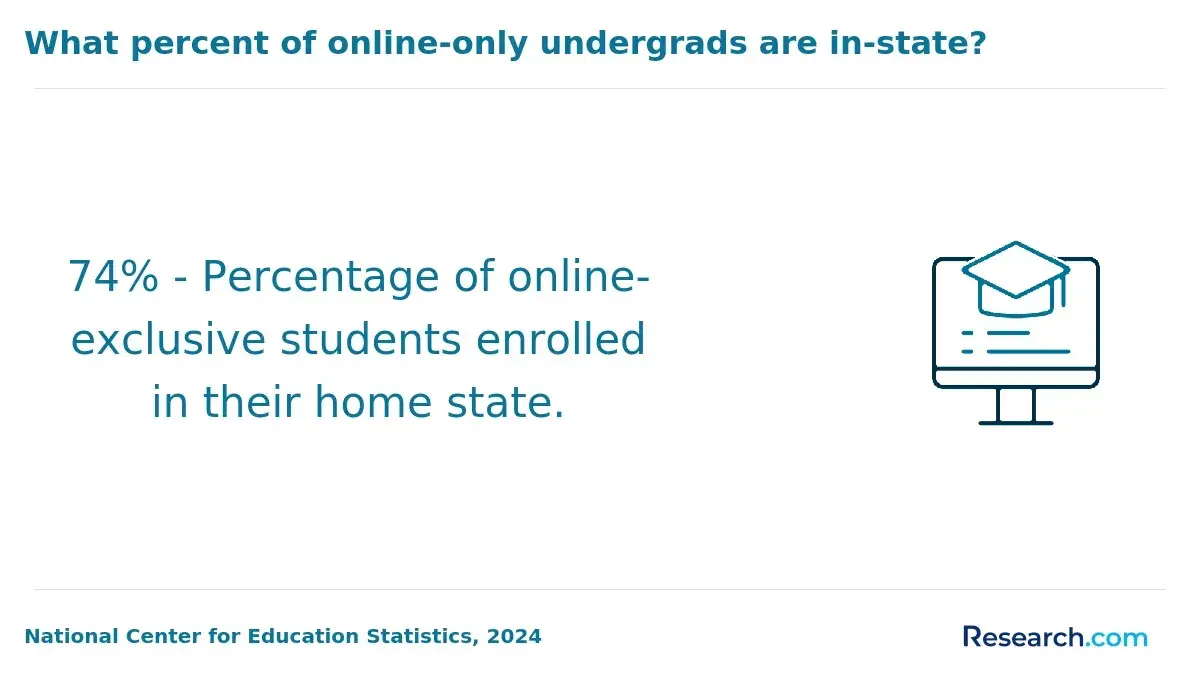
Most MS in Information Technology - Health Informatics programs maintain selective admissions due to increased demand from healthcare employers seeking specialized IT skills, resulting in competitive entry that filters for academic preparedness and relevant experience. In this context, candidates often face rigorous evaluation of prior coursework, professional background, and standardized testing, which can limit access despite growing market opportunities.
By contrast, admission to Walden University's online MS in Information Technology - Health Informatics program reflects an open policy that does not enforce SAT or ACT submission or present clear numeric acceptance barriers. This approach reduces entry friction, allowing broader access primarily contingent on meeting foundational prerequisites rather than outperforming a competitive applicant pool. The absence of published admission rates signals minimal selection pressure, which may benefit applicants who lack traditional academic metrics but also raises considerations about program rigor and peer cohort variability.
One graduate shared that the straightforward admissions process eased their decision to apply amidst juggling full-time work and family responsibilities. They noted relief in avoiding the stress of standardized tests but acknowledged initial uncertainty about how an open admission might influence networking and job placement outcomes. Their experience underscores how the accessibility of Walden's program can provide necessary flexibility, though prospective students should weigh this against industry expectations for credentials and competitive differentiation.
What is the cost of attending an online MS in Information Technology - Health Informatics program at Walden University?
Tuition for the online MS in Information Technology - Health Informatics program at Walden University is $12,498 per year, a figure that excludes books and supplies, which add approximately $900 annually. This clear pricing structure lacks additional technology fees, offering predictability for students budgeting their education costs. For those weighing educational investments, understanding the total cost-estimated around $34,458 annually when including fees, housing, and other expenses-is crucial to assessing their financial commitment and potential debt load.
Compared to programs with on-campus components, Walden's flat-rate tuition irrespective of geographic location eliminates common disparities in cost, particularly for students outside major metro areas who might otherwise face higher fees. This can be a significant consideration for professionals balancing work and study across different states. The cost-focused transparency in Walden's model contrasts with many traditional programs that factor room and board into their pricing, which often inflates the perceived expense beyond direct educational costs.
When evaluating walden university online health informatics program tuition fees against the broader market, it tends to present a competitive option, especially for those emphasizing flexibility and minimizing relocation or commuting costs. Employers in IT health informatics increasingly value practical skills and certifications alongside traditional degrees, making it important for prospective students to consider how tuition expenses align with tangible career outcomes.
Students exploring accelerated alternatives to reduce time and cost should also research pathways such as a bachelor degree online in 2 years to create a tailored educational plan that fits their career timeline and budget constraints while maintaining relevance in the evolving health informatics workforce.
Are there financial aid options for online MS in Information Technology - Health Informatics students at Walden University?
Financial aid for online MS in Information Technology - Health Informatics students at Walden University tends to rely heavily on a combination of institutional awards and federal funding, reflecting a broader trend where graduate programs supplement federal aid rather than offering extensive program-specific scholarships. This blend of funding sources requires prospective students to carefully evaluate their eligibility and maximize multiple aid channels since relying solely on university scholarships may not fully cover costs. For many working professionals, employer tuition reimbursement often plays a decisive role in managing education expenses, illustrating the practical necessity of integrating workplace benefits into financial planning. Below are key financial aid options available to students in this program.
- Institutional Scholarships: Available to online graduate students including those in health informatics, these awards typically reward academic merit and financial need. While amounts vary, recipients usually must maintain satisfactory academic progress and submit periodic applications.
- Federal Grants and Loans: Eligibility depends on FAFSA completion and standard federal criteria. Grants may provide partial tuition support, but most aid comes through federal loans offering competitive interest rates and flexible repayment terms designed for graduate borrowers.
- Employer Tuition Reimbursement: Many students finance their degree through corporate programs that reimburse part or all tuition in exchange for continued employment. Approval processes vary by employer and often require documentation of academic progress.
- Veteran Benefits: Active military personnel and veterans can access educational benefits, which sometimes cover full or partial tuition costs. Eligibility and coverage depend on service records and specific benefit programs utilized.
- Institutional Aid Supplements: Walden offers additional institutional grants intended to complement federal aid, helping reduce students' out-of-pocket expenses. These often require separate applications and are subject to budget constraints.
What learning resources are available to online MS in Information Technology - Health Informatics students at Walden University?
Effective learning resources are critical for students pursuing an online MS in Information Technology - Health Informatics, as the complexity of the field demands seamless access to both technical tools and expert guidance. Without timely support and structured academic resources, students risk falling behind in mastering specialized competencies essential for roles in health IT systems management or data analysis. For example, a student juggling full-time work and coursework benefits significantly from immediate technical assistance to resolve platform issues, ensuring uninterrupted progress. The available learning resources at Walden University are designed to address these real-world challenges and foster student success. Below are key components of this support framework:
- Technical Infrastructure: A stable learning management system delivers consistent access to course materials, assignments, and interactive elements. This reduces downtime and prevents delays that can disproportionately affect online learners balancing multiple commitments.
- Technical Support: Responsive support teams assist with software and platform problems, preventing technological barriers from hindering progression in the curriculum or timely submission of critical assignments.
- Academic Advising: Personalized advising helps students align coursework with career goals, identify suitable electives, and navigate program requirements, which is vital in tailoring the degree to evolving health informatics roles.
- Tutoring and Writing Assistance: Targeted tutoring fortifies understanding of complex IT concepts while writing support enhances communication skills necessary for documentation and reporting within health informatics jobs.
- Career Services and Networking: Career development resources cultivate industry connections, provide resume and interview coaching, and facilitate placement opportunities, directly impacting employability in competitive health information technology sectors.
Does Walden University's online MS in Information Technology - Health Informatics program have in-person clinicals or practicums?
The absence of in-person clinicals or practicums in Walden University's online MS in Information Technology - Health Informatics program presents both advantages and tradeoffs tied to workforce readiness. Many health informatics master's programs involve onsite clinical hours when focused on patient-facing or nursing informatics roles, which remain essential for roles requiring direct healthcare delivery experience. Walden's program, by contrast, emphasizes managing health information systems, data security, and analytics-areas that employers generally prioritize for remote or technical positions without onsite clinical requirements.
Regarding Walden University online MS in Information Technology - Health Informatics clinical practicum requirements, students are not required to complete in-person clinicals or practicums. This structural choice facilitates access for working professionals and distance learners who might face geographic or scheduling constraints. Instead, the curriculum uses virtual simulations and project-based learning with case studies reflecting real-world challenges, providing relevant applied experience without physical clinical placements. This approach aligns with employer expectations for technical competence in health IT rather than direct patient care experience.
In-person clinical components for Walden University MS in Information Technology - Health Informatics students are effectively replaced by applied projects with healthcare entities or data-driven case analyses. While this limits hands-on exposure in clinical settings, it suits those targeting roles in health information management or system implementation rather than clinical practice. Prospective students should weigh this aspect carefully, particularly if they aim for positions where clinical familiarity is a hiring prerequisite. For those also considering foundational credentials, Walden is part of a broader market of online degrees, distinct from more traditional pathways often highlighted alongside affordable online bachelor degree programs.
What careers can graduates of online MS in Information Technology - Health Informatics at Walden University secure?
The professional marketability of graduates from the online MS in Information Technology - Health Informatics at Walden University is closely tied to their ability to navigate roles that merge healthcare practices with technology infrastructure. A key evaluation of any academic program's merit lies in how effectively it transitions students into sustainable career paths, which in health informatics often means balancing clinical insight with IT system management. This creates tradeoffs, such as needing both healthcare knowledge and technical skills, which shapes employer preferences and candidate success. Below are representative roles illustrating these dynamics:
- Health Informatics Specialist: These professionals integrate IT solutions within healthcare operations, ensuring data security and integrity. They command median salaries around $100,000, reflecting the importance of maintaining accurate digital health records.
- Clinical Data Analyst: Analysts in this position interpret large datasets to identify trends that can improve treatments or operational efficiency. Their insights directly influence patient care protocols and institutional decision-making.
- Health IT Project Manager: These managers oversee the deployment of health technology projects, coordinating technical teams and clinical stakeholders to deliver effective systems within budget and timelines.
- EHR Systems Analyst: Specialists here focus on customizing and sustaining electronic health record platforms to comply with clinical requirements and regulations, ensuring accessibility and reliability in clinical workflows.
For those weighing health informatics jobs for Walden University graduates, understanding the intersection of healthcare demands and IT challenges is essential. Numerous employers prioritize candidates demonstrating fluency in both sectors. Furthermore, students exploring options might consult rankings of non profit colleges to compare program outcomes with financial considerations.
What is the salary outlook for online MS in Information Technology - Health Informatics graduates?
The salary outlook for graduates of an online MS in Information Technology - Health Informatics at Walden University indicates competitive earnings primarily tied to the intersection of healthcare and technical expertise. Employers increasingly value candidates who combine IT skills with health informatics knowledge, a blend reflected in median salaries similar to roles in Computer and Information Sciences and Health-related fields. For example, graduates with computing-focused degrees earn an average of $54,093, while professionals in health services report median salaries around $47,503, illustrating the tradeoff between specialized technical skills and healthcare acumen.
Analyzing the average earnings for Walden University health informatics graduates reveals potential advantages in administrative and managerial healthcare IT roles. With salary figures near $52,093 in Health and Medical Administrative Services and $47,287 in Business Administration, graduates often find opportunities that leverage both operational management and IT capabilities. This dual competency can position them for stronger financial outcomes compared to other health and social science paths, such as Clinical Psychology or Human Services, where median pay tends to be lower.
While data on the exact median earnings for MS in Information Technology - Health Informatics graduates is limited, the broader salary context suggests that those pursuing this degree may exceed general median earnings. Students weighing their options should consider current workforce demand and salary trends in healthcare IT. Those interested may also explore online colleges with weekly start dates to compare enrollment flexibility and career outcomes across programs.
How do you know if Walden University's online MS in Information Technology - Health Informatics program is the right choice for you?
Choosing to pursue an MS in Information Technology - Health Informatics requires a careful match between the program's delivery, content, and support structures with your specific career trajectory and learning preferences. This alignment impacts not just your academic success but also how effectively you transition into practical roles within healthcare IT. Here are important aspects to consider when evaluating whether walden university's online program meets your needs:
- Flexibility and Scheduling: Assess how the program's combination of asynchronous coursework and occasional live sessions fits with your current job and personal obligations. Flexibility can reduce dropout risk but may also require strong self-discipline.
- Curriculum Relevance: Review how closely the curriculum tracks with evolving health informatics technologies and industry standards. Prioritize programs offering applied skills that employers actively seek to ensure your learning translates into viable career options.
- Faculty Engagement and Support: Investigate the level of mentorship and interaction faculty provide. Programs with robust, accessible faculty can better support complex technical learning and professional development.
- Networking Opportunities: Consider the program's ability to connect you with peers, alumni, and industry professionals. Strong virtual forums or alumni groups can amplify your career prospects beyond coursework.
One graduate recalled weighing multiple online options while working full-time in a hospital IT role. They opted for Walden because its asynchronous format allowed study around shift work, and the curriculum addressed real-world interoperability challenges they faced daily. However, they noted initial hesitation about the reduced in-person interaction, which required them to proactively seek out faculty and peer connections.
Ultimately, this decision hinged on balancing immediate professional demands with long-term goals, illustrating how the program suited their specific context but might not fit candidates seeking a more traditional classroom experience. For many individuals exploring PhD online programs, the flexibility and accessibility offered by these options can make them an attractive alternative despite the differences from a conventional academic setting.
What Graduates Say About Walden University's MS in Information Technology - Health Informatics Program
- Logan: "Studying the MS in Information Technology - Health Informatics program at Walden University offered me a detailed understanding of how technology integrates with healthcare data systems. The hands-on projects and case studies helped me build a solid portfolio, which proved essential when I applied for positions since many employers emphasized practical experience over formal licensure. Although I initially faced challenges competing for roles in larger hospital systems, the flexibility of the program allowed me to upskill while working remotely, which ultimately led to a promotion in my current healthcare IT role."
- Brent: "Walden University's MS in Information Technology - Health Informatics program was a pragmatic choice for me, balancing work, family, and study. The curriculum's focus on real-world data management, project workflow, and compliance issues prepared me well for the realities of healthcare IT, especially around interoperability challenges. Post-graduation, I noticed that certifications combined with the degree improved my chances, but salary growth was sometimes limited without additional licensure or management experience, so I planned a gradual career pivot toward leadership roles supported by online networking opportunities the university offered."
- Dominic: "Reflecting on my time at Walden University, the MS in Information Technology - Health Informatics program challenged me to think critically about data security and patient privacy - topics that are vital in today's healthcare environment. The program's cohort discussions and virtual internships gave me insight into the day-to-day obstacles professionals face, which made me more adaptable during interviews. After graduating, I found that while many employers valued my degree, they also prioritized candidates' certifications and demonstrable project experience, so I strategically pursued those alongside the degree to accelerate entry into the sector."
Other Things You Should Know About Degrees
Walden University's MS in Information Technology - Health Informatics program is primarily designed for online delivery with asynchronous coursework, which offers significant flexibility. However, students should be aware that despite this flexibility, the program maintains a rigorous pace with weekly deadlines that require consistent time management. For working professionals, it's important to prioritize the program as a substantial time investment; underestimating the workload can lead to stress, so planning ahead and setting a realistic study routine is crucial for success.
The 2027 Walden University Online MS in Information Technology - Health Informatics program equips students with a robust blend of theoretical knowledge and practical skills. Graduates gain technical expertise, industry-relevant insights, and an understanding of healthcare systems, enhancing employability in dynamic health IT environments.
Though the program welcomes students from diverse academic backgrounds, the technical nature of health informatics can be challenging without prior experience in IT or healthcare. The coursework assumes some comfort with data management and information systems concepts, which may require additional self-study or remedial resources. Students without direct expertise should weigh the potential for higher initial difficulty and plan for extra preparation to keep pace with technical assignments and projects.
Walden's program focuses heavily on online learning without mandatory in-person components, which benefits students needing location flexibility but may limit networking and hands-on experiential learning opportunities. Those who prioritize immersive, face-to-face collaboration or direct clinical exposure might find other programs more aligned with their goals. If balancing work and personal responsibilities is paramount, Walden's format offers a practical option, but students should assess how the lack of in-person experiences could impact their learning style and career networking.
References
- Walden University Health Informatics Master's Degree | Study IT in Healthcare USA https://www.studyabroadcourses.org/programmes/walden-university-information-technology--health-informatics
- 100 Percent Online Master's in Health Informatics - MSHI Degrees https://www.mhaonline.com/faq/fully-online-ms-health-informatics-programs
- Health Informatics (MSc) - Grad admissions - University of Victoria https://www.uvic.ca/graduate/programs/graduate-programs/credential-pages/health-information-science-cred/health-informatics-msc.php
- Masters in Healthcare Informatics Salary Outlook https://www.careersinpublichealth.net/resources/masters-healthcare-informatics-salary-outlook/
- Top 30 Best Online Master’s in Healthcare Informatics Degree Programs 2020 - Healthcare Administration Degree Programs https://www.healthcare-administration-degree.net/best/online-masters-healthcare-informatics-programs/
- 11 Health Informatics Careers for Master’s Graduates to Consider https://www.nec.edu/news/health-informatics-careers
- Master’s in Health Informatics https://nursinglicensemap.com/resources/healthcare-degree-programs/masters-in-health-informatics/
- What Is a Master’s in Health Informatics? | USF Guide https://www.usfhealthonline.com/resources/health-informatics/what-is-a-masters-degree-in-health-informatics/
- Is a Masterâs in Health Informatics Worth It? https://potomac.edu/is-a-masters-in-health-informatics-worth-it/