2027 The University of Arizona Global Campus Online BA in Accounting: Cost, Admissions, Curriculum, and Career Paths

Co-Founder and Chief Data Scientist
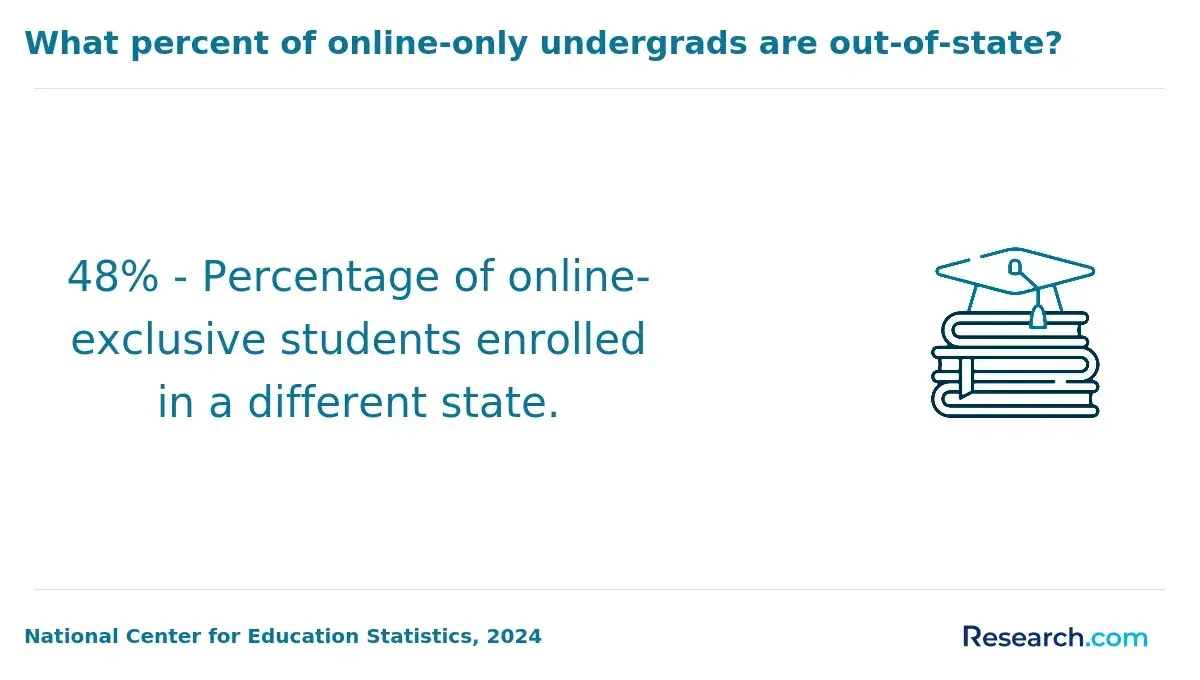
Choosing an online BA in Accounting program requires careful evaluation of its alignment with career goals and learning preferences. The University of Arizona Global Campus offers flexibility critical for adult learners balancing work and study, responding to a 14% annual growth in online enrollment reported by the National Center for Education Statistics in 2024.
However, increased accessibility might come with tradeoffs in networking or curriculum depth compared to traditional programs. Understanding how this program structures its cost, coursework, admissions, and post-graduation outcomes is vital for informed decision-making. This article examines these factors to clarify whether this degree fits specific academic and professional ambitions.
Key Points About The University of Arizona Global Campus's BA in Accounting Program
- Open admission at The University of Arizona Global Campus lowers barriers, attracting diverse students but potentially affecting peer academic rigor and employer perception in competitive job markets.
- A tuition total of $37,387 reflects a significant investment; students must weigh this against local state universities or community college pathways for cost efficiency and return on investment.
- Regional accreditation supports academic credibility, yet limited data on employer preference and alumni success suggests cautious evaluation of how well the program prepares students for accounting roles.
What can students expect from The University of Arizona Global Campus's online BA in Accounting curriculum?
The curriculum for the University of Arizona Global Campus online BA in Accounting is designed to equip students with both foundational knowledge and applied skills needed in today's finance-related roles.
While the program aligns closely with accounting degree standards common across the U.S., it incorporates practical elements intended to ease the transition into typical workplace scenarios, such as handling real financial data and preparing for certification exams.
Below are key focus areas within the coursework that shape this career-focused approach:
- Financial Accounting: This course demands mastery of basic accounting principles and standards, ensuring students can accurately record and interpret financial transactions essential for business transparency and compliance.
- Managerial Accounting: Centered on internal decision-making, this class challenges students to analyze costs, budgeting, and performance metrics to provide actionable insights-skills employers value for operational efficiency.
- Auditing and Compliance: Covering compliance frameworks and audit procedures, this segment prepares students to critically evaluate financial statements and controls, an important competency for those pursuing roles in auditing or preparing for the CPA exam.
Integrating subjects like taxation and accounting information systems further enhances the curriculum's relevance, supporting practical readiness for varied roles in finance and accounting departments. The University of Arizona Global Campus online accounting curriculum structure balances academic rigor with accessibility, accommodating students who must navigate work or family commitments.
For example, a student working part-time in bookkeeping can apply learned concepts directly to their job while progressing toward professional certification. This combination of theory, practice, and flexibility reflects realistic expectations in accounting education and career progression.
Those investigating the value of this degree should also consider wider trends in the labor market and educational offerings, assessed in reports such as those found through best college degrees, to weigh the program's applicability to their long-term career strategies within financial fields.
What are The University of Arizona Global Campus's admission requirements for online BA in Accounting program?
Admission to the University of Arizona Global Campus's online BA in Accounting prioritizes accessibility over rigid filtering metrics, which means practical considerations around academic history become the key gatekeepers rather than standardized test scores.
This can be advantageous for adult learners or those returning to education after time away, but it also places more emphasis on accurate transcript documentation to assess readiness.
Consider a working professional looking to pivot into accounting without recent formal education; this admission structure facilitates entry without the hurdles of standardized exams but requires clear proof of prior coursework through transcripts.
Typical admission requirements for prospective online BA in Accounting students include the following:
- Official Transcripts: Applicants must submit official records from prior academic institutions to verify previous educational attainment. These transcripts form the primary basis for evaluating eligibility and assessing transfer credit potential.
- Open Admission Policy: The absence of SAT, ACT, or GMAT score requirements broadens access, especially for non-traditional students, but it also means academic records carry increased weight during admission reviews.
- Transfer Credit Evaluation: Transfer students should expect a case-by-case assessment of prior coursework to determine equivalency with program standards. This process can affect time to degree completion depending on credit acceptance.
- No Letters or Portfolios: Letters of recommendation, resumes, or portfolios are not required, simplifying the application but limiting qualitative insights into applicants' experience or skills beyond transcripts.
Is it difficult to get admitted to The University of Arizona Global Campus's online BA in Accounting program?
Competitive pressure for admission to bachelor's degrees in accounting often stems from the field's clear career pathways and steady labor market demand. Many traditional programs enforce moderate selectivity, requiring strong academic records and standardized test scores that screen for candidates likely to meet the rigorous curriculum.
This can delay entry for applicants balancing work or life challenges, particularly when upfront hurdles limit access despite strong motivation or practical experience.
The University of Arizona Global Campus's online BA in accounting contrasts sharply with these norms through an open admission model that effectively removes such barriers. It does not require SAT or ACT scores and does not cap enrollment, resulting in minimal admission difficulty.
This significantly lowers the threshold for entry, ensuring that nearly all applicants who meet basic qualifications can enroll without the typical competitive gatekeeping found elsewhere. For individuals prioritizing flexibility or re-entry into education after career interruptions, this accessibility can be decisive.
One former student shared that applying felt surprisingly straightforward compared to earlier attempts at other institutions. "I was hesitant at first-wondering if skipping the SAT scores meant a weaker program," they said.
"But the simple application and quick acceptance relieved me, especially when juggling a full-time job. It made returning to school realistic after years away from academics."
Their experience underscores how the streamlined admission process at the University of Arizona Global Campus can open doors that more selective programs might keep closed.
Tuition and fees for the online BA in Accounting program at The University of Arizona Global Campus total approximately $13,160 annually, with an added $1,150 for books and supplies. This relatively stable cost structure is reinforced by the university's absence of additional technology fees for online students-a factor that simplifies budgeting compared to programs where digital access costs are tacked on as separate charges.
However, students should factor in other living expenses and miscellaneous costs, which bring the total estimated annual expenditure to about $37,387, reflecting a broad accountability for study-related expenditures beyond tuition.
The university's tuition fees align with, but slightly exceed, many public institutions offering similar programs, where in-state residents attending on-campus might expect total costs closer to $30,866 annually.
For prospective students evaluating this program, it is essential to weigh the tradeoffs between cost predictability here and potential differences in program flexibility, reputation, or additional fees that other offerings might impose. When comparing with even shorter-term options such as accelerated associate degree pathways, the longer-term financial and career implications of the BA should be carefully assessed.
Cost considerations also depend heavily on individual background and eligibility for financial aid or scholarships, which remain critical for making the accounting degree attainable without undue debt burden.
The University of Arizona Global Campus online accounting degree generally maintains transparent pricing, which can be advantageous in forecasting the financial investment versus expected professional outcomes in accounting-related roles that favor bachelor's credentials.
Ultimately, tuition fees for the University of Arizona Global Campus online accounting degree reflect broader market trends where upfront costs are balanced with the program's online delivery and operational policies, making it a cautious choice for students prioritizing steady, predictable expenses over more variable financial commitments common in other educational settings.
Financial aid availability at The University of Arizona Global Campus plays a crucial role in shaping the net cost and accessibility of its online BA in Accounting. Navigating these options requires critical consideration of how aid types align with individual circumstances and long-term debt implications.
For example, a student working full-time for a company offering tuition reimbursement might reduce out-of-pocket expenses substantially compared to relying solely on federal loans, influencing both financial strain and academic focus.
Below are key aid categories relevant to prospective and current accounting students:
- Merit-Based Scholarships: Awarded primarily for academic achievement or specific talents, these scholarships help lower tuition costs without repayment obligations. They typically require maintaining a minimum GPA and may be limited to business-related disciplines including accounting students.
- Need-Based Grants: Designed to assist students demonstrating financial need through FAFSA completion, such grants reduce loan dependence and often cover a significant portion of costs, though award amounts can fluctuate annually based on funding and applicant pool.
- Federal Aid Programs: Comprising loans, grants, and work-study roles, federal aid requires eligibility through standard federal guidelines. Loans must be repaid, so careful budgeting and borrowing limits are essential to avoid excessive debt post-graduation.
- Veteran Benefits: Military-affiliated students can access education benefits under federal regulations, providing tuition support or stipends, which can mitigate education costs markedly in return for service.
- Alternative Financing: Options like corporate tuition reimbursement allow students employed by partner organizations to offset educational expenses directly through their employer, often coupled with flexible payment plans offered institutionally to spread out tuition payments.
The learning resources provided to students in the online BA in Accounting program at The University of Arizona Global Campus play a decisive role in addressing common remote learning challenges such as isolation, uneven access to materials, and limited real-time feedback.
These resources foster critical engagement and offer targeted academic intervention, which are essential for maintaining momentum in a program demanding sustained conceptual and technical skill development.
For instance, without prompt access to specialized tutoring or academic advising tailored to accounting topics, students may struggle to navigate complex subjects or policy changes in financial regulations, impacting their readiness for certification exams and employer expectations.
Below is an overview of key learning resources that support students throughout the program:
- 24/7 Technical Support: The university's round-the-clock IT help desk ensures students can promptly resolve issues accessing the learning platform, minimizing disruption during critical study or submission periods.
- Personalized Tutoring: Targeted tutoring sessions help clarify difficult accounting concepts and assist in applying principles to practical scenarios, which is particularly useful given the abstract nature of some coursework.
- Academic Advising: Advisors provide strategic course planning and career alignment advice, helping students meet degree requirements efficiently while considering licensure or industry certification prerequisites.
- Extensive Library Resources: Access to databases and accounting journals supports research assignments and keeps students informed about industry trends, a necessity for analytical and up-to-date financial decision-making skills.
- Career Development Support: Career counseling, resume workshops, and virtual networking events connect students with employers and alumni, bridging academic learning with workforce realities and enhancing job market competitiveness.
Accounting education typically does not mandate in-person clinicals or practicums, which is distinct from many health science or social work degrees that require hands-on clinical exposure. The University of Arizona Global Campus's online BA in Accounting aligns with this industry standard by not requiring students to complete onsite practicums or clinical placements.
This approach suits learners who prioritize flexibility or who may face geographic or scheduling constraints, but it also means students need to proactively seek internship experiences to develop practical skills valued by employers.
The university's curriculum emphasizes theoretical knowledge and analytical skills through courses in financial reporting, auditing, taxation, and management accounting, supplemented by case studies and project work.
This design reflects common practice for online accounting degrees, where in-person practicum options for online accounting degree Arizona students are typically minimal or optional rather than compulsory.
However, for individuals aiming to enhance employability, securing internships or practical projects-often remote or local-is crucial, as these experiences serve as real-world proof of applied competency.
While this non-clinical structure provides convenience, students should carefully weigh the tradeoff between flexibility and hands-on experience. Employers often favor graduates who can demonstrate experiential learning alongside academic credentials.
Given the rise of online business degrees, including some of the easiest associate degree to get online, prospective students must consider how they will supplement their education with practical exposure to meet evolving hiring standards.
Graduates of the online BA in Accounting from The University of Arizona Global Campus enter a job market where practical financial skills and regulatory knowledge are crucial, especially for those aiming to build a career with steady advancement potential.
The transition from academic theory to workforce readiness largely depends on how well alumni apply core competencies like ledger reconciliation and audit processes in real-world environments. Navigating the realities of entry-level positions often means accepting roles that emphasize accuracy and data management while building foundational experience.
These career pathways highlight the tradeoffs between immediate employability and longer-term professional growth. Examining typical job roles clarifies how graduates can leverage their degree in various functional accounting capacities.
Below are common career outcomes in online accounting careers for University of Arizona Global Campus graduates:
- Staff Accountant: This role centers on managing financial records, preparing balance sheets, and supporting tax documentation. Salaries generally reflect entry-level status but can increase with certifications and experience.
- Accounts Payable/Receivable Clerk: Focused on processing invoices and ensuring timely payments, this position demands attention to detail and is often considered a stepping stone toward more advanced accounting roles.
- Audit Associate: Involves verifying transaction accuracy and compliance with relevant standards. This role provides valuable exposure to regulatory frameworks and internal controls within organizations.
- Budgeting Analyst: Responsibilities include assisting in the creation and monitoring of financial plans, which inform organizational spending and resource allocation strategies.
For individuals weighing job opportunities with a BA in Accounting from The University of Arizona Global Campus, it is essential to consider that career mobility often requires further certification or specialized training beyond the degree.
The demand for professionals who can bridge business fundamentals and accounting principles remains stable, but success depends on practical application and continuous skills development. Prospective students should also research how their academic choices align with employer expectations and industry standards, especially when evaluating options among non profit schools.
The salary outlook for graduates holding an online BA in Accounting from The University of Arizona Global Campus reflects a modest but steady starting point within the broader landscape of business degrees. Alumni specifically in accounting and related services report an average annual salary of $41,637, which is slightly higher than the institution's median alumni salary of $35,404.
This gap illustrates a practical upward movement for graduates who enter entry-level roles in accounting firms or corporate finance departments, though expect limited initial leverage compared to some specialized business majors.
The general financial perspective for online BA in Accounting graduates at The University of Arizona Global Campus suggests a moderate short-term earning potential. While accounting graduates earn more than the typical alumnus of this institution, they earn less than peers in Business Administration, Management and Operations ($52,247) or Business/Managerial Economics ($55,719).
This differentiation highlights the tradeoff between a focused accounting education and broader business fields that may offer higher salary ceilings early in one's career. Students should weigh this in relation to their career aspirations and the demand for accounting professionals in their regional job markets, such as Arizona.
For individuals researching the online BA in accounting graduate salary in Arizona and aspiring to evaluate options, it's important to consider the steady yet conservative salary trajectory typical to this degree. Given the median earnings for University of Arizona Global Campus accounting graduates, continuing education or certifications will likely be necessary to access higher-paying roles.
To better understand program options suited for specific demographics, including military families, prospective students may find resources like the military spouse online college data valuable for comparing pathways aligned with their circumstances.
Choosing whether the University of Arizona Global Campus's online BA in Accounting fits your unique situation demands careful consideration of how the program's design aligns with your learning style, career trajectory, and life constraints. Misalignment here can lead to wasted time or missed opportunities.
The following factors can help clarify if this program matches your priorities and goals:
- Flexibility and Delivery Format: Evaluate how the fully online and mostly asynchronous structure fits your daily schedule, especially if you balance work or family responsibilities. Confirm whether you thrive in self-paced environments or need more live interaction to stay engaged.
- Student Support Network: Consider the availability and responsiveness of academic advising and peer connection opportunities. A supportive virtual community can impact persistence and motivation, crucial for completing an online degree on time.
- Career Preparation and Outcomes: Assess how well the curriculum integrates practical accounting skills with real-world scenarios. Also, look into the career services offered-do they provide tailored guidance that meets the evolving demands of employers in accounting and finance fields?
- Long-Term Employability: Reflect on how employers in your target industry and region view online degrees from this institution, especially regarding internship access and networking possibilities.
One graduate recalled the challenge of choosing an online program while working full-time and caring for family. They initially hesitated because they worried about feeling isolated.
However, after engaging with the advising team and peer forums, they found the support system credible and the course pacing manageable alongside job demands.
This balance was decisive; they emphasized that recognizing their need for flexible scheduling combined with accessible mentorship made the University of Arizona Global Campus's BA in Accounting a viable option rather than just a convenience.
What Graduates Say About The University of Arizona Global Campus's BA in Accounting Program
- Logan: "Studying at The University of Arizona Global Campus gave me the flexibility to work full-time while completing my BA in Accounting, which was crucial for gaining real-world experience alongside coursework. The program emphasized practical applications and case studies that helped me build a portfolio employers take seriously, especially since I chose not to pursue CPA licensure immediately. This balance allowed me to pivot quickly into remote bookkeeping roles and later expand into financial analysis, proving the program's adaptability to real hiring preferences."
- Brent: "The University of Arizona Global Campus's BA in Accounting program was a solid foundation, but I realized that without additional certifications or internships, advancing beyond entry-level accounting roles was challenging. The coursework was comprehensive and reflective of current industry standards, but the job market often favored candidates with CPA credentials or direct industry internships. Despite that, the degree did allow me to step into the workforce sooner and develop a clearer sense of the certifications I needed to invest in for further growth."
- Dominic: "After completing my BA in Accounting through The University of Arizona Global Campus, I appreciated how the curriculum mirrored the practical challenges I face daily, especially in audit preparation and compliance. The program's focus on remote learning prepared me for the increasing shift toward virtual teams and digital workflows in accounting firms. While some of my colleagues struggled with the licensing route, my degree helped me secure a mid-level position quickly, though I've since decided to pursue further certifications to expand my upward mobility."
Other Things You Should Know About Degrees
Applicants are expected to complete placement requirements in math and English before enrolling in upper-division accounting courses. The curriculum includes quantitative work in financial accounting, managerial accounting, and business statistics, so students should be comfortable with algebra-level problem solving before beginning the major.
This BA in Accounting degree does not directly include structured prep courses for professional certifications like the CPA within its core curriculum. While foundational accounting concepts are covered, students seeking certification must invest additional time and resources outside the program to prepare for licensure exams. Prioritizing external certification study early on is advisable to avoid unexpected delays in career advancement.
The university's online format is fully accredited, but some employers in more traditional firms may still weigh on-campus degrees more heavily due to long-standing hiring biases. However, many employers now value online degrees equally, especially when paired with relevant internships or work experience. Students lacking professional experience should consider supplementing their degree with practical opportunities to strengthen their job market competitiveness.
Students can build professional relationships by engaging in online discussions, attending virtual networking events, and joining professional accounting organizations. Leveraging social media platforms like LinkedIn can also connect them with industry professionals and peers.
- What To Do With an Accounting Degree | University of Phoenix https://www.phoenix.edu/articles/accounting/what-can-you-do-with-an-accounting-degree.html
- The University of Arizona Global Campus Reviews https://www.onlineu.com/online-reviews/the-university-of-arizona-global-campus
- Elevate your opportunities with the University of Arizona Global Campus https://www.azfb.org/Article/Elevate-your-opportunities-with-the-University-of-Arizona-Global-Campus
- How to choose a bachelor's in accounting | edX https://www.edx.org/resources/how-to-choose-a-bachelors-in-accounting
- Bachelor's Degrees in Accounting: Programs, Costs, Careers https://www.accounting.com/degrees/accounting/bachelors/
- Accounting https://www.ucalgary.ca/future-students/undergraduate/explore-programs/accounting
- Factors to Consider When Choosing an Accounting Program https://www.accounting-education.org/blog/choose-accounting-program-factors/
- The University of Arizona Global Campus https://uagc.careers/university-arizona-global-campus/