2027 Is Youngstown State University Worth It? Tuition, Value, and ROI

Co-Founder and Chief Data Scientist
Deciding to pursue a degree at Youngstown State University involves balancing immediate costs with potential long-term benefits. With college tuition rising nearly 5% annually according to recent education economics data, determining whether this public institution offers sustainable value matters deeply. Prospective students face questions about how Youngstown State University's tuition compares with alternatives, especially for those juggling work, family, or transfer credits.
This evaluation affects traditional and non-traditional learners weighing debt against career mobility in a tightening labor market. This article analyzes Youngstown State University's affordability, educational quality, career outcomes, and return on investment. It will equip readers with a data-driven framework to decide if attending Youngstown State University aligns with their financial and professional goals.
Key Points About the Cost, Value, and Return on Investment of Youngstown State University
- The total cost of attendance at Youngstown State University is $20,028, combining tuition and living expenses, which demands careful financial planning for students evaluating affordability.
- Graduates carry an earnings to debt ratio of 1.73x, suggesting they earn about 73% more than their debt annually, a moderate return impacting their capacity to repay loans.
- Alumni face a debt premium correlated with earnings four years post-graduation, emphasizing the need to weigh debt levels against expected income in this regional job market and program mix.
What Is The Total Cost Of Attendance At Youngstown State University, Including Tuition, Fees, And Living Expenses?
Youngstown State University's undergraduate tuition and mandatory fees total approximately $9,576 for in-state students and $21,216 for out-of-state students annually. This baseline cost provides a competitive tuition framework relative to other regional public institutions with similar program offerings and campus services.
Beyond tuition, indirect costs significantly affect total expenses. Living costs for housing, food, transportation, and personal needs add about $12,950 each year. Inflation has driven these costs sharply higher, especially for housing and food prices, which have increased by around 7.5%, putting additional strain on students managing tight budgets.
Students attending remotely or living off-campus must account for these indirect expenses carefully. Even with tuition containment efforts, rising mandatory fees and living costs can push the real cost of attendance near $22,526 annually for in-state students. This rising financial burden influences decisions to balance education investment with achievable outcomes in local labor markets.
Youngstown State University's financial aid tools help calculate net price by factoring grants and scholarships against total costs. Prospective students should use these resources alongside cost-of-living estimates to gauge their true out-of-pocket expenses. This approach aids in realistic budgeting and highlights how aid availability affects affordability beyond sticker prices.
How Much Financial Aid, Scholarships, And Grants Are Available To Students At Youngstown State University?
Financial aid at Youngstown State University provides meaningful support but rarely covers total costs, requiring students to strategize carefully around available scholarships and grants to manage net expenses. For example, a first-generation student from Ohio may combine merit and need-based awards yet still need to budget for housing and personal expenses beyond tuition. Below is an overview of key financial aid options at Youngstown State University that prospective students should consider.
- Academic Excellence Award: This merit-based scholarship targets new freshmen with strong academic records. It generally covers a portion of tuition and rewards sustained high performance during high school.
- President's Scholarship: Designed for top-ranking students, this competitive award can significantly reduce tuition fees. Recipients typically demonstrate exceptional academic achievements and leadership qualities.
- Pell Grant: A need-based federal aid program for qualifying low-income students. While it assists with tuition and fees, recipients often need supplemental funding to cover full educational costs.
- YSU Foundation Scholarships: These scholarships incorporate both merit and financial need criteria. Awards vary widely and can include funds for books, supplies, and tuition.
- Ohio College Opportunity Grant: This grant helps Ohio residents with financial need by providing additional tuition support after federal aid is applied, aiming to close funding gaps.
Despite these options, a 2024 study found 36% of Pell Grant recipients experienced delays in aid disbursement due to FAFSA modernization efforts, demonstrating how timing and reliability of aid can affect enrollment and retention at Youngstown State University. Such disruptions emphasize that financial aid availability does not always translate into immediate affordability or smooth access to resources, especially for students heavily reliant on federal grants.
The mix of scholarships and grants at Youngstown State University reflects common models balancing merit and need, but students face practical tradeoffs. Those seeking degrees in technical or rapidly evolving fields might also explore the best degrees to get for increased ROI, factoring how financial aid availability supports long-term career goals.
What Is The Average Net Price Students Actually Pay To Attend Youngstown State University?
Youngstown State University's average net price reveals distinct affordability challenges depending on family income and residency status. In-state students from lower-income families pay significantly less out-of-pocket compared to their higher-income peers, which can influence enrollment choices and financial strain. For example, a student from a family earning under $30,000 in Ohio might manage costs through grants and aid totaling thousands of dollars, making YSU a feasible option compared to more expensive institutions.
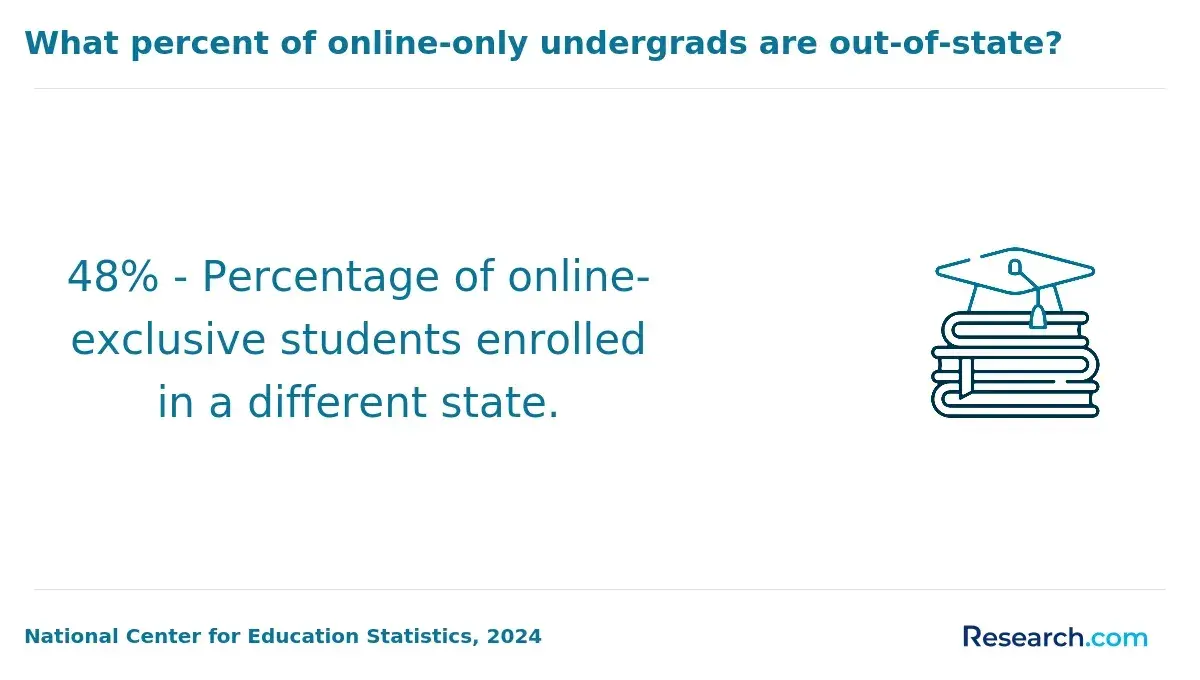
Out-of-state students, however, face sharply higher net prices, often near $25,000, which may deter enrollment or increase student debt. Recent data from a 2024 National Center for Education Statistics study highlights a consistent income-stratified net price gap of $7,000 to $12,000 at institutions like YSU, underscoring persistent financial equity issues. Below is a breakdown of typical out-of-pocket costs at Youngstown State University Ohio by family income tiers:
- In-State Families Earning Under $30,000: These students typically pay about $9,750 after grants, receiving substantial need-based aid and scholarships that cover much of tuition and fees.
- In-State Families Between $30,000 and $48,000: Net prices rise to approximately $12,000, reflecting reduced financial aid but continued access to targeted assistance.
- In-State Families Between $48,000 and $75,000: Average net costs near $14,500 as grant eligibility declines moderately, increasing out-of-pocket expenses.
- In-State Families Making $75,000 to $110,000: These students face costs around $16,900 with fewer grants available, relying more on loans or personal funds.
- Families Above $110,000 Income: Cost roughly $18,500, reflecting limited aid eligibility and maximum tuition exposure for in-state residents.
Prospective students must consider these averages alongside employment prospects specific to their programs and regional market conditions. Navigating expected costs in tandem with career outcomes can clarify return on investment. Those weighing alternatives might explore certifications online as complementary or cost-saving paths enhancing job market position without escalating debt burden.
How Much Student Loan Debt Do Graduates Of Youngstown State University Typically Have?
The majority of Youngstown State University undergraduates rely heavily on financial aid, with about 98% receiving support averaging $7,993. This high aid participation means most students take on a combination of grants, scholarships, and federal loans, contributing to initial student loan debt accumulation even before graduation.
Graduates' debt levels vary by program, with fields like STEM or health sciences typically requiring more borrowing due to longer and more costly study requirements. Humanities and social sciences programs may result in lower debt overall, but national patterns indicate repayment challenges generally stem from loan size relative to income, not degree type.
As graduates enter the workforce, federal policy changes around income-driven repayment plans aim to ease federal loan burdens. However, complications arise from growing multi-generational Parent PLUS loans, which can delay financial independence for borrowers managing complex family obligations. Recognizing these nuances is critical for understanding long-term repayment realities.
Students should actively combine aid opportunities with budgeting strategies to minimize borrowing. Early engagement with federal repayment options and attention to evolving policies can optimize loan timelines. Choosing programs aligned with realistic earning potential and monitoring multi-generational loan impact reduces future financial strain and enhances return on investment.
What Is The Graduation Rate At Youngstown State University, And What Does It Say About Student Success?
Youngstown State University's graduation rates fall within regional public university norms, typically between 40% and 60%. This range signals moderate institutional effectiveness but implies room for improvement amid competitive academic environments. Graduation rates reflect how well the university supports student retention and degree completion over time.
Retention programs play a critical role in student success at Youngstown State. Targeted academic advising and student support initiatives aim to stabilize first-year enrollment, a key factor since many schools see retention rates near 70% to 75%. Efficient spending on these services can boost completion rates by up to 10%, according to the National Student Success Report, indicating direct impacts on graduation outcomes.
To maximize timely graduation, students should engage actively with advising resources early and monitor academic progress closely. Leveraging tutoring, career services, and planning tools can address challenges before they compound. For transfer students or those balancing work and school, proactive scheduling and faculty communication are essential to avoid delays that affect degree completion.
One graduate recalls feeling overwhelmed by balancing a part-time job and a full course load. She hesitated to seek help until mid-semester but found that academic advising helped her restructure classes to fit her situation. "Without adjusting my schedule and using campus support, I might have dropped out," she said. Her story underscores how timely institutional guidance can make graduation attainable despite real-life obstacles.
What Career Outcomes Can Students Expect After Graduating From Youngstown State University?
Youngstown State University graduates face varied labor market demand depending on their degree. Engineering fields such as Electrical Engineering ($63,147) and Mechanical Engineering ($60,894) provide strong hiring competitiveness with consistent job openings regionally. Conversely, graduates in Communications and Humanities often encounter limited vacancy growth and lower salaries, highlighting the need for strategic career choices.
Active job openings for YSU alumni tend to cluster in Ohio's manufacturing, healthcare, education, and IT sectors. Students targeting technical roles in Computer Science ($56,461) or Chemical Engineering ($60,173) benefit from broader local industry demand. However, job prospects can be constrained by the university's regional employment focus, requiring graduates to consider geographic mobility or remote possibilities carefully.
To secure roles, applicants should leverage regional job boards, university career services, and local employer networks. Emphasizing adaptable, demonstrable skills is critical, as a 2024 study by the National Association of Colleges and Employers reports a rising trend in skill-first hiring that reduces early-career underemployment risks. This approach helps graduates navigate Youngstown State University graduate salary outcomes in Ohio with a practical edge.
Prospective students should also explore options like the cheapest bachelor degree online to compare costs and ROI effectively. Understanding career prospects for Youngstown State University alumni aids in aligning academic plans with realistic economic outcomes and job market access.
How Much Do Graduates Of Youngstown State University Earn After Completing Their Degrees?
Evaluating the post-graduation earnings of Youngstown State University alumni requires considering how major choice, regional job markets, and career trajectories shape income potential over time. YSU graduates confront a labor market where median salaries align with Midwestern economic realities rather than national averages. The 2024 data from Georgetown University Center on Education and the Workforce reveals STEM degree holders earn up to 50% more in mid-career roles, underscoring the financial advantage for YSU's technical programs. Graduates must weigh initial earnings, salary growth, and debt-to-income ratios to grasp true return on investment. Below are key salary benchmarks and outcomes that illustrate YSU's varied financial returns.
- Electrical, Electronics, and Communications Engineering: Entry-level salaries start at $63,147 with steady growth beyond $60,000 mid-career. This strong technical field benefits from regional industrial demand and offers graduates a competitive income trajectory.
- Mechanical Engineering: Beginning salaries near $60,894 reflect the value of applied engineering skills in manufacturing sectors, supporting higher earnings as experience accrues and local industries expand.
- Registered Nursing: With mid-career salaries at $54,758, nursing graduates leverage healthcare demand to secure stable, well-paying roles that often include shift differentials and benefits enhancing long-term financial stability.
- Clinical Laboratory Science: Salaries averaging $55,965 mid-career highlight the advantage of specialized healthcare training amid a tight labor market, reinforcing solid ROI through consistent employment opportunities.
- Journalism and Communication Fields: Lower starting salaries around $22,000 to $24,000 reflect market saturation and limited regional salary premiums, indicating longer timelines before significant financial returns can materialize.
- Earnings-to-Debt Ratio of 1.73x: Alumni earn less than twice their student loan debt on average, signaling moderate financial pressure and necessitating careful financial planning post-graduation.
- Regional Employer Connections: Ties to manufacturing and healthcare sectors boost some salaries over time but create dependency on local economic conditions that may limit wage growth compared to national averages.
A Youngstown State University graduate from the Mechanical Engineering program shared that despite a solid starting salary near $60,000, initial hesitation arose due to regional cost-of-living concerns and student loans. Over a few years, steady raises and a shift to a specialized manufacturing role eased financial stress. The graduate noted, "I wasn't sure if the debt was worth it at first, but the technical skills opened doors nearby that wouldn't have been accessible otherwise." This reflects the nuanced reality many face-early earnings may feel modest, yet discipline-specific growth and local employer demand can create meaningful upward mobility over time.
What Is The Long-Term Return On Investment Of A Degree From Youngstown State University?
The long-term return on investment of a degree from Youngstown State University hinges on the balance between median alumni earnings and the costs incurred during study. Youngstown State University graduates typically see a modest financial payoff with a median salary of $41,544, a figure slightly above many entry-level positions but below national norms for certain fields.
The true lifetime financial benefits of Youngstown State University graduates vary considerably by discipline and career trajectory, with STEM fields like Electrical Engineering ($63,147) and Computer Science ($56,461) offering more robust economic outcomes compared to lower-paying fields such as Journalism ($24,178) and Radio/TV Communication ($22,169). The following factors shape the realistic long-term financial and professional advantages of a Youngstown State University degree:
- Median Alumni Salary: Salary outcomes directly affect how quickly graduates can repay education costs and accumulate wealth. Higher median salaries in STEM correlate with faster financial recovery and improved lifetime earnings.
- Field-Specific Earnings Variability: Degree choice dictates ROI. Graduates in technology and engineering fields receive significantly stronger long-term returns than those in media-related programs.
- Graduation Rate and Cost Payback: Though specific data for Youngstown State University is unavailable, typical payback periods for similar institutions span 10 to 15 years, reflecting gradual financial recovery.
- Local Employment Networks: The university's strong presence in Northeast Ohio enhances job placement, leveraging regional employer relationships that can accelerate career advancement.
- Net Present Value Over Career Lifespan: Studies suggest net present value for mid-tier universities becomes positive well into a 20- to 40-year career, emphasizing the importance of career longevity and progression for ROI.
- Career Services Impact: Access to tailored career support improves employability and helps navigate discipline-specific challenges, directly influencing long-term earnings.
- Degree Access and Affordability: Options such as online universities with no application fee reduce upfront barriers, making higher education more attainable and potentially enhancing long-term returns when balanced against costs.
How Does The Value Of Youngstown State University Compare With Competing Colleges And Universities?
Youngstown State University offers a moderate return on investment with an earnings to debt ratio of 1.73x, balancing affordability and post-graduate outcomes compared to regional peers. Graduates see a realistic yet limited financial advantage against institutions like Kent State University and the University of Akron, which often have higher net prices but more brand recognition.
In practical terms, local employers value Youngstown State University credentials for regional job markets, though broader recruitment favors schools with stronger national reputations. This employer preference affects career mobility beyond Ohio, making cost and program choice critical for students targeting broader industries or geographic areas.
The National College Affordability Report highlights affordability trends focusing on net price, with median costs near $13,000 annually for public regionals. This shift means that Youngstown State University's true value depends heavily on its financial aid policies and actual out-of-pocket costs rather than sticker price, impacting long-term return on investment assessments for prospective students.
Students seeking alternatives may also explore short certificate programs that pay well online, which can offer faster, lower-cost paths to employable skills. Comparing Youngstown State University vs regional public universities helps clarify trade-offs between traditional degrees and credentialing options in Ohio's evolving education landscape.
What Graduates Say About the Value and ROI of Attending Youngstown State University
- Noah: "Choosing Youngstown State University's online program was a practical decision for me since I needed the flexibility to balance work and study. The coursework was rigorous, especially in the later stages, but the ability to manage my schedule made it manageable. Once I graduated, I found that employers were more focused on my portfolio and internship experience than just the degree, but the program's emphasis on real-world projects definitely helped me build a strong foundation. Overall, it facilitated a quicker transition into the workforce than I expected."
- Rosalie: "My experience with Youngstown State University's online degree was a mixed bag; the program's convenience was ideal given my full-time job, but some areas felt a bit theoretical and less aligned with current industry demands. After graduation, I realized that certifications and continued learning were essential to stay competitive in my field, as my degree alone didn't open all doors. That said, the credibility of the degree helped me pivot careers more smoothly, even though salary growth has been slower than peers with in-person degrees."
- Vivian: "Studying online at Youngstown State University was a strategic move to gain credentials while exploring a career pivot. The structure of the program encouraged me to develop practical skills and maintain a steady work-study rhythm. Upon entering the job market, I faced the reality that many employers prioritize hands-on experience, so I made sure to supplement the degree with internships and freelance projects. The online program gave me the educational background I needed, but the career advancement has required continuous effort beyond the degree."
Other Things You Should Know About Youngstown State University Degrees
Online programs at Youngstown State University typically require the same amount of coursework and academic rigor as campus-based programs, but the structure demands a higher degree of self-discipline and time management. Without the fixed schedule of in-person classes, students must proactively engage with material and deadlines independently. This can be challenging for those balancing work or family obligations and may affect the overall pacing and stress level, making it crucial to evaluate personal readiness before enrolling.
Employers generally recognize online degrees from Youngstown State University as comparable to traditional degrees, particularly when the programs are fully accredited. However, certain industries or employers still prefer or prioritize candidates with in-person experience, especially for roles requiring extensive networking or hands-on skills. Prospective students should consider their target career paths and if additional practical experience or certifications will be necessary alongside the online degree to remain competitive.
Students should prioritize programs that align closely with clear, marketable skills and industries with steady employment demand, rather than simply choosing based on convenience or lower tuition. Assess the curriculum's relevance, faculty expertise, and availability of career support services including internships or networking opportunities. This targeted approach helps ensure the time and financial investment translate into meaningful career advancements rather than generic credential accumulation.
References
- Youngstown State University Graduation Rate & Demographics | CollegeData https://www.collegedata.com/college-search/Youngstown-State-University/students
- Youngstown State University Tuition and Financial Aid https://www.prepscholar.com/sat/s/colleges/Youngstown-State-University-tuition-financial-aid
- Affordable Education at Youngstown State University https://www.collegefairguide.com/single-post/affordable-education-at-youngstown-state-university
- 326 Youngstown State University (YSU) scholarships 2026-27 [Updated] https://www.wemakescholars.com/university/youngstown-state-university-ysu-/scholarships
- Ups and downs at YSU https://www.vindy.com/news/local-news/2022/01/ups-and-downs-at-ysu/
- About 900 earn degrees at YSU https://www.tribtoday.com/news/local-news/2025/12/about-900-earn-degrees-at-ysu/
- Youngstown State University - Wikipedia https://en.wikipedia.org/wiki/Youngstown_State_University
- Freshman Year Programming and Its Impact on High School Graduation Rate https://rave.ohiolink.edu/etdc/view
- Youngstown State University: Is It Worth It? ROI https://www.campusroi.com/schools/youngstown-state-university/
- Youngstown State University - Cost & Financial Aid https://www.meetyourclass.com/ysu/cost