2027 Is Walden University's Online MS in School Counseling - Rehabilitation Counseling Worth It? What Students Should Know

Co-Founder and Chief Data Scientist
Choosing an online MS in School Counseling - Rehabilitation Counseling program requires balancing career goals with the realities of program delivery and outcomes. With a 15% projected growth in counselor demand by the U.S. Bureau of Labor Statistics, the timing and structure of graduate education shape employability and career mobility. Accessibility via online platforms can enhance enrollment flexibility but may trade off hands-on experiences crucial for licensure and practical skill development.
Prospective students must weigh whether Walden University's online program aligns with their professional timelines, preferred learning styles, and local credentialing requirements. This article evaluates those factors to clarify the program's suitability and value proposition.
Key Points About Walden University's Online MS in School Counseling - Rehabilitation Counseling Program
- Walden University's open admission policy for the online MS in School Counseling - Rehabilitation Counseling allows diverse candidates to enter, though this may affect cohort consistency and peer interaction quality.
- The total tuition of $34,458 combined with an earnings to debt ratio of 2.05x suggests graduates generally recover their investment through increased earning potential.
- Experienced faculty and an alumni network achieving a median salary of $42,810 highlight workforce integration opportunities and practical career outcomes in rehabilitation counseling.
What makes Walden University's online MS in School Counseling - Rehabilitation Counseling program stand out?
Walden University's online MS in School Counseling - Rehabilitation Counseling program appeals particularly to working professionals who require schedule flexibility without sacrificing the depth of instruction. The asynchronous format allows students to manage coursework alongside employment or caregiving duties, yet this flexibility demands strong self-discipline and time-management skills. For students balancing full-time jobs, the absence of live sessions reduces logistical barriers but also removes the immediate peer interaction some learners find motivational, which can impact engagement and retention over time.
The program's scale, serving 44,223 students supported by 3,423 employees, including 1,117 full-time and 2,306 part-time faculty, facilitates a broad range of expertise and institutional resources. This breadth supports comprehensive academic advising and career services tailored for online learners, which is crucial in preparing candidates for counseling roles that require both theoretical grounding and applied skills.
The curriculum's focus on real-world scenarios and application-based assignments sharpens practical competencies needed in environments ranging from schools to rehabilitation centers, distinguishing it from more general counseling degrees with less field-specific focus.
Is it difficult to get admitted to Walden University's online MS in School Counseling - Rehabilitation Counseling program?
Admission to most MS in School Counseling - Rehabilitation Counseling programs involves evaluating prior academic performance, relevant experience, and often standardized test scores. This can create a moderately competitive environment, with some candidates filtered out based on GPA thresholds or GRE results. Programs with such criteria aim to predict student success and readiness for the demanding nature of counseling roles. Consequently, navigating these requirements requires strategic preparation and may extend application timelines.
In contrast, Walden University's program features an open admission policy that eliminates the need for standardized tests and does not emphasize competitive screening. This approach lowers traditional entry barriers and broadens access, especially for applicants with diverse academic backgrounds or limited standardized testing experience.
While this can expedite entry, it also means applicants assume greater responsibility for independently verifying program quality, ensuring clinical preparation, and planning for credentialing requirements post-graduation.
The lack of selective filters may appeal to working professionals or those needing flexibility without rigorous gatekeeping, but employers and credentialing bodies will often still scrutinize practical competencies and licensure standards beyond admission ease. Candidates should weigh this tradeoff carefully in light of their career goals and the importance of demonstrating readiness through other means during employment and supervision stages.
One graduate recalled applying late during a job transition and finding relief in the straightforward process. "I didn't have to worry about GRE scores or extensive recommendation letters, which saved me precious time," she said.
Still, uncertainty lingered about how the open admission would reflect on employers until she completed her practicum and gained relevant experience. Her advice was to prepare thoroughly for practical components since admission was just the first step in meeting professional expectations.
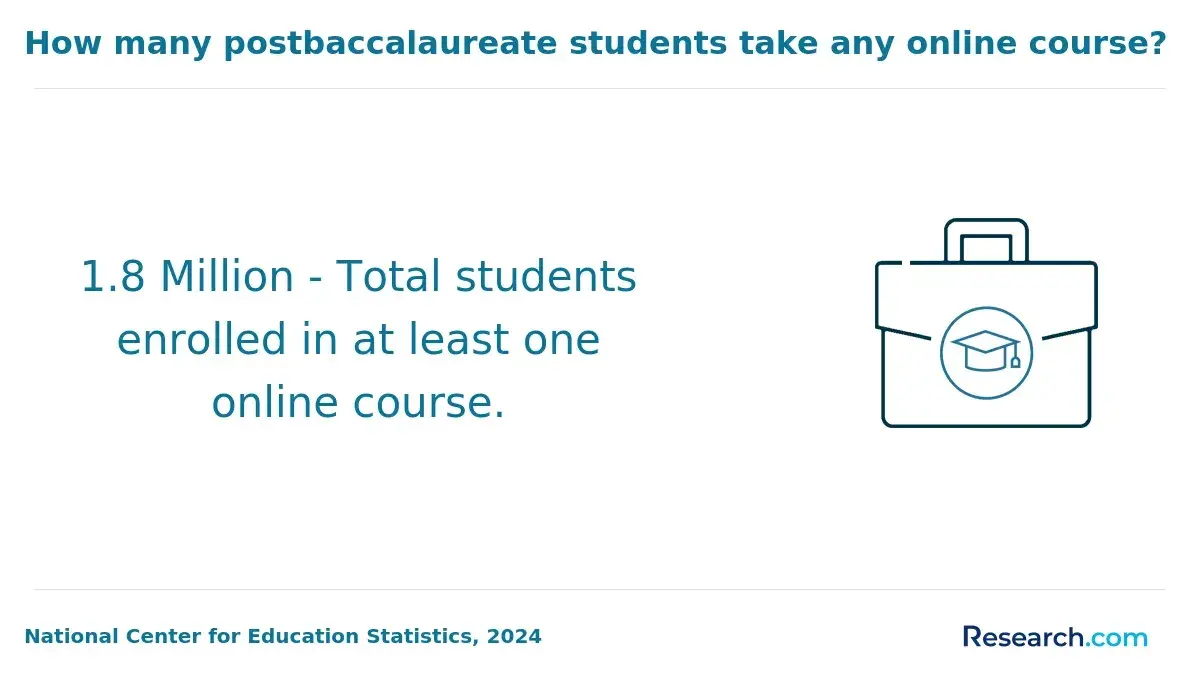
How does the curriculum of Walden University's online MS in School Counseling - Rehabilitation Counseling program stay aligned with current industry trends?
Walden's MS in School Counseling – Rehabilitation Counseling is designed to keep pace with how the field is actually evolving, not just how it's traditionally taught. The curriculum pairs classical counseling theory with current rehabilitation trends like mental health support and disability advocacy, while embedding supervised fieldwork to build the hands-on competency employers increasingly expect. A strong emphasis on cultural and technological adaptability further prepares graduates for the interdisciplinary, client-facing realities of modern counseling environments.
Integrated Foundational and Emerging Skills: The program balances classical counseling theories with current rehabilitation trends such as mental health support and disability advocacy, enabling graduates to address diverse client needs effectively amidst shifting policy landscapes and care models.Experiential Learning Components: Supervised fieldwork and internships are embedded to cultivate applied skills and professional readiness, acknowledging that many employers prioritize hands-on experience and proof of competency over classroom knowledge alone.Cultural and Technological Competence: Emphasizing adaptability, the program trains students to navigate various counseling environments and interdisciplinary teams, which reflects workplace realities where cultural sensitivity and tech proficiency impact client outcomes.
This program's industry alignment situates graduates to meet standards expected of MS in School Counseling - Rehabilitation Counseling degrees, though prospective students must weigh the spectrum of training depth and practical exposure when comparing programs. For those navigating financial decisions, researching options for aid can be crucial; you might explore what online college gives the most financial aid to balance costs and benefits effectively.
How much does Walden University's online MS in School Counseling - Rehabilitation Counseling program cost?
The tuition for Walden University's online MS in School Counseling - Rehabilitation Counseling program is approximately $12,498 annually, but students should anticipate additional costs such as books and supplies, averaging around $900. When adding room, board, and other living expenses, the total annual cost rises to about $34,458. This distinction between direct tuition fees and overall living-related expenses is critical for prospective students to accurately gauge their financial commitment beyond just enrollment costs.
Financial aid availability can significantly influence net expenses. Although the referenced federal data indicating 90% of undergraduate students receive an average of $3,353 in aid primarily applies to undergraduates, it reflects the institution's broader commitment to financial support, which may extend to graduate students.
Moreover, Walden's flat-rate tuition structure for online learners eliminates regional price variance, a common challenge for those pursuing programs across states. Institutional scholarships, grants, and corporate tuition reimbursement partnerships offer potential offsets to the base cost, impacting the economic feasibility of the program.
When benchmarked against the average tuition fees for Walden University rehabilitation counseling program equivalents nationwide, these costs align closely with national norms. Many comparable programs factor in additional fees or expensive technology charges, which Walden notably avoids. This cost consistency, combined with the fully online format, may present an operational tradeoff worth considering for students prioritizing predictable expenses and geographic flexibility.
Despite the comprehensive yearly outlay, students weighing this program should consider employment outcomes linked to rehabilitation counseling roles, where demand fluctuates regionally across healthcare and educational systems. Those with an eye on labor market positioning would benefit from evaluating these costs alongside potential earnings detailed in studies like the highest paying college majors report, balancing investment with realistic career prospects.
What are the admission requirements for Walden University's online MS in School Counseling - Rehabilitation Counseling program?
Admission to Walden University's online MS in School Counseling - Rehabilitation Counseling program reflects a balance between accessibility and demonstrating candidate suitability through documentation rather than standardized testing.
This model may appeal to candidates who lack competitive ACT or SAT scores but necessitates clear articulation of relevant experience and goals to offset traditional metrics. Familiarity with the criteria is crucial since ignoring the qualitative expectations can weaken an application, particularly in fields where professional readiness and communication skills inform hiring decisions.
Below are key admission factors candidates should consider:
- Test Scores: This program does not require SAT or ACT results, which streamlines entry for those without recent standardized testing but shifts emphasis onto other evidence of competence.
- Transfer Credits: Transfer credit evaluations occur on an individual basis with a passing grade typically required to qualify, affecting applicants who seek to leverage prior coursework.
- Supporting Documents: Applicants must submit personal statements or resumes to showcase professional background and motivation, crucial for contextualizing academic qualifications.
- Recommendations: Letters of recommendation may be requested to assess interpersonal skills and readiness for graduate-level study, which holds weight in both academic and employment settings.
- Exams and Portfolios: There is no requirement for entrance exams, portfolios, or practical assessments, potentially easing initial admission but placing scrutiny on written and referential evidence.
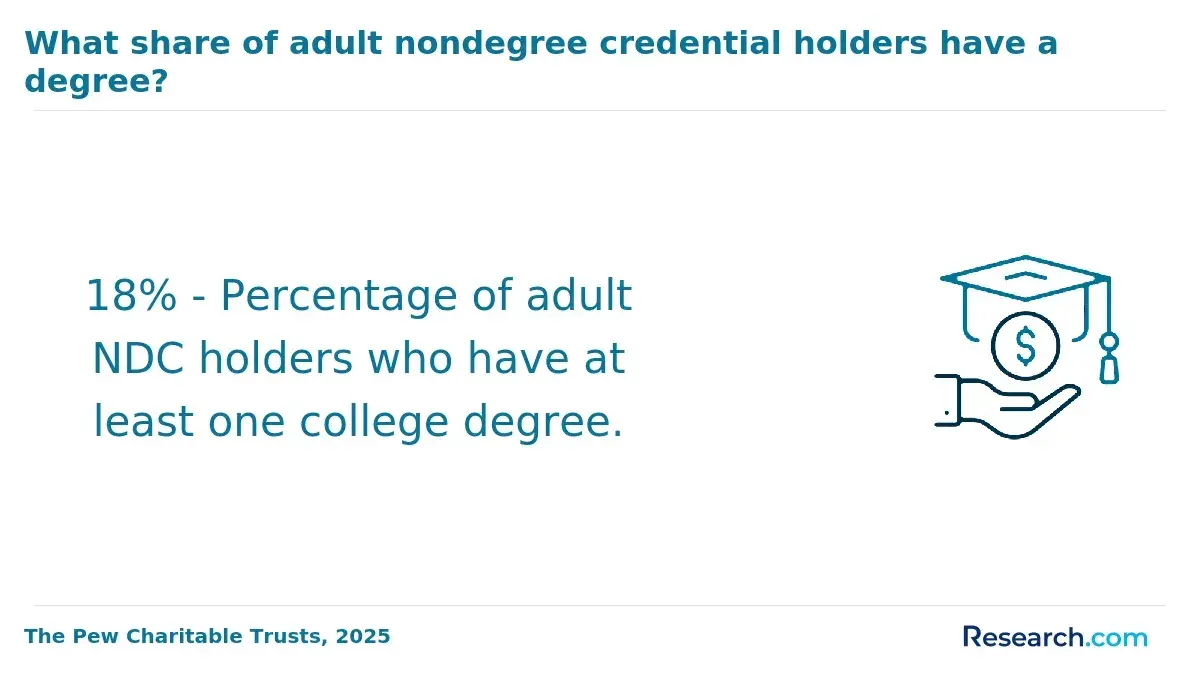
What is the ROI of attending Walden University's online MS in School Counseling - Rehabilitation Counseling program?
Choosing to invest in Walden University's online MS in School Counseling - Rehabilitation Counseling program entails weighing a tuition and fees cost of around $34,458 against an initial median salary near $42,810. This salary level closely matches the national median for graduates with similar credentials, indicating that the program's cost aligns reasonably with entry-level earnings in this sector. However, these earnings remain largely static over a decade, which may constrain long-term financial growth compared to other health and human services careers where salaries tend to rise more substantially with experience and specialization.
The graduate debt median of approximately $20,834 yields an earnings-to-debt ratio slightly above 2.0, suggesting graduates earn twice their debt amount yearly, a minimal benchmark to avoid negative financial strain. That said, individual ROI shifts markedly if students secure scholarships or other aid, lowering debt and boosting early-career net income. Conversely, graduates who struggle to access higher-paying roles or geographic markets with robust counseling demand might find the fixed salary ceiling limits financial flexibility.
Employers in educational and rehabilitation settings often value field experience and licensing alongside degree credentials, so ROI also depends on how well graduates convert academic training into credentialed practice and employment within recommended pathways. For those pursuing leadership or specialized counseling roles, salary growth and employment prospects improve, but prospective students should realistically consider local job markets and funding opportunities to optimize the economic value of the program.
Is there a high student satisfaction for Walden University's online MS in School Counseling - Rehabilitation Counseling program?
Student satisfaction with Walden University's online MS in School Counseling - Rehabilitation Counseling program hinges largely on balancing academic rigor with available support systems. While there is no publicly detailed data specific to this program's graduation or retention rates, the institution's overall performance lends some context. For working professionals or those managing families, the program's flexibility can be a critical advantage, allowing students to adapt coursework around life demands. Yet, this flexibility comes with a need for strong self-motivation, as the workload can prove challenging without consistent time management.
Walden facilitates student engagement through online forums and peer mentoring groups, which many report as valuable for mitigating the isolation common in remote learning. These networks foster peer-to-peer interactions that help sustain motivation and provide practical guidance through program demands. However, the effectiveness of these resources can vary based on individual involvement and the student's capacity to integrate into virtual communities.
The program's structured support and community-building efforts are positives, though satisfaction often depends on personal circumstances and learning styles. The absence of granular data specifically for this program means prospective students must weigh these factors alongside their own professional goals and resilience to remote study challenges.
One graduate recalled initial hesitation about enrolling online, concerned whether remote learning would match the quality of in-person instruction. They found the program's flexible pacing essential for continuing part-time work while pursuing the degree but noted it required "a lot of personal discipline to stay on track." Online peer groups provided crucial encouragement during tougher semesters, highlighting how student satisfaction frequently depended on actively leveraging available resources rather than passively attending classes.
How does Walden University help online MS in School Counseling - Rehabilitation Counseling graduates secure employment?
Employer hiring practices in rehabilitation counseling increasingly depend on candidates' networking and timely access to relevant job openings, making institutional career support critical. Research shows that approximately 65% of new hires in counseling roles secure employment through connections established during their academic programs, which underscores the impact of targeted career services. This context places added importance on how Walden University online rehabilitation counseling career support directly facilitates job market entry.
Graduates who actively engage with these resources often navigate the complex rehabilitation counseling job market more effectively. Some key employment support features at Walden include:
- Virtual Career Fairs: These events connect students with employers nationwide, allowing participation regardless of geographic or scheduling constraints. Early engagement here can lead to job offers before graduation.
- Resume Workshops: Tailored sessions refine application materials specifically for counseling and rehabilitation positions, increasing applicants' competitiveness by aligning resumes with industry expectations.
- Job Placement Portal: A dedicated online platform lists employment opportunities targeted to graduates' qualifications and locations, streamlining the job search process in a specialized field.
- Alumni Mentorship Programs: Networking with experienced alumni offers guidance, industry insights, and potential referrals, which are essential in a profession shaped by personal connections and reputational trust.
These career support mechanisms complement the specialized education provided by Walden University MS in school counseling graduates, helping graduates achieve timely employment in a competitive field. The emphasis on practical, relationship-driven job search strategies reflects the broader reality of healthcare and counseling recruitment.
Students considering this pathway should weigh how such institutional assistance compares to other options, including more traditional programs or those promising easier entry like certain easiest associate degrees that may offer quicker but less specialized routes.
What are the career outcomes for recent graduates of Walden University's online MS in School Counseling - Rehabilitation Counseling?
Career outcomes following an MS in School Counseling - Rehabilitation Counseling from Walden University reflect important tradeoffs between service-driven work and earning potential. Graduates typically enter roles that emphasize client support and community impact but face modest starting salaries relative to other fields, making it essential for prospective students to weigh income expectations alongside vocational goals.
For individuals navigating employment opportunities, understanding these salary realities can influence decisions about additional certifications or job settings. Below are some common professional trajectories:
- School Counselor: Focused on student academic and social-emotional development, this role integrates educational guidance with counseling practices. Average salaries tend to align with broader human development sectors, reflecting stable but moderate earnings.
- Rehabilitation Counselor: These professionals assist clients with disabilities or health challenges in securing employment and independent living. Compensation here often mirrors health service roles, with growth linked to experience and credentials.
- Mental Health Counselor: Providing therapeutic support for various psychological conditions, this career path offers direct impact but typically falls on the lower end of salary scales compared to clinical psychology or nursing fields.
Real-world hiring often prioritizes practical experience and licensure, meaning graduates might need to pursue further training or licensure exams to enhance job prospects. Additionally, the social service nature of these roles means salaries trend lower than programs like Curriculum and Instruction or Registered Nursing, highlighting a balance between meaningful work and financial compensation. Those considering programs should also research low GPA colleges that facilitate entry, as academic requirements may shape available options and timing for career entry.
How do I know if Walden University's online MS in School Counseling - Rehabilitation Counseling program is the right fit for my goals?
Determining if Walden University's online MS in School Counseling - Rehabilitation Counseling program aligns with your goals requires nuanced consideration of how the program's features intersect with your academic and long-term professional objectives. This is not a one-size-fits-all judgment; factors such as the balance between school counseling and rehabilitation counseling elements, practicum accessibility, and eventual licensure influence whether the investment yields tangible career returns. The decision also hinges on how well the program matches your preferred learning style and the realities of your current life commitments.
Critical evaluation involves weighing several key aspects:
- Curriculum Relevance: The program should offer comprehensive coursework covering both school and rehabilitation counseling theories, techniques, and legal frameworks that directly support eligibility for licensure and real-world counseling competencies.
- Fieldwork or Practicum Opportunities: Practical training is essential. Ensure Walden provides options that accommodate your schedule and geography, such as local placement support or flexible practicum arrangements, since hands-on experience is often mandatory for employment and certification.
- Accreditation Status: Verify that the program holds accreditation from recognized bodies, as this influences licensure portability and employer acceptance, which are crucial if you plan to work across different states or counseling settings.
- Delivery Format and Support Services: As an online program, the availability of responsive faculty, engaging learning materials, and peer interaction tailored to your pacing will impact your ability to master complex counseling topics effectively.
- Long-Term Career Goals: Analyze if the degree's focus aligns with your intended professional roles within school counseling or rehabilitation counseling. For example, some may prioritize roles identified among introvert jobs that pay well and consider how this program supports those pathways.
What Graduates Say About Walden University's Online MS in School Counseling - Rehabilitation Counseling Program
- Layla: "Studying at Walden University gave me the flexibility to balance work and school, especially since I was already working part-time in a community rehabilitation center. The MS in School Counseling - Rehabilitation Counseling program's strong emphasis on internships helped me build a portfolio that employers actually valued more than just the degree or licensure. That practical experience made all the difference when I transitioned to a full-time counseling role, though I quickly realized that moving up in salary without additional certifications can be challenging in this field."
- June: "I went into the MS in School Counseling - Rehabilitation Counseling program at Walden University with a clear goal: to shift careers and work remotely in counseling. The coursework was rigorous, which I appreciated, and I found that employers cared a lot about my hands-on internship experience and adaptability rather than just my licensure status. However, navigating the hiring process showed me that some organizations still favor candidates with traditional degrees or more clinical hours, so I've had to strategically choose positions while continuing to add certificates to stay competitive."
- Adeline: "Walden University's MS in School Counseling - Rehabilitation Counseling program provided a solid foundation, but what really shaped my career was how the program integrated real-world case studies and practical skills. After graduating, I faced the reality that while licensure opens more doors, many employers were equally interested in my applied experience and ability to manage caseloads effectively. The program's online format also accelerated my workforce entry, allowing me to accept a role sooner than peers in traditional programs, although that sometimes meant accepting a role with slower advancement potential initially."
Other Things You Should Know About Degrees
In 2027, Walden University's online format aims to support full-time professionals by offering flexible scheduling and asynchronous courses. This allows students to manage coursework alongside job responsibilities, ensuring that they can progress through the program without sacrificing their careers.
While the program offers online coursework, practicum and internship requirements must be completed in person at approved sites, which can pose logistical challenges. Students need to secure suitable placements near their location, which may require proactive coordination early in the program. Walden University provides support in placement but does not guarantee specific sites, so students should consider their local network and employer relationships as part of evaluating the program's fit.
The program's curriculum is designed with national benchmarks, but licensure requirements for school and rehabilitation counseling vary significantly by state. Students must research their target state's licensing boards and may need to pursue additional coursework or supervised hours beyond Walden's offerings. For those prioritizing licensure flexibility, it is advisable to consult Walden's academic advisors early and plan accordingly to meet state-specific mandates.
The online delivery model limits face-to-face interaction, which can impact networking opportunities compared to traditional, on-campus programs. While virtual platforms and discussion forums facilitate peer and faculty engagement, students often need to take extra initiative to connect with local professionals through their practicum sites or externships. For prospective students placing high value on networking, combining the program with active participation in local counseling associations is a recommended strategy.
References
- Master’s Degree in Counseling Guide https://www.counselingdegreeguide.org/degrees/masters/
- 25+ Affordable Online Masters in School Counseling Programs https://schoolcounselingmasters.org/cheapest-school-counseling-programs/
- Rehabilitation Counseling Online Master’s Degree Programs (Rehab) https://www.onlineeducation.com/counseling/masters-in-rehabilitation-counseling-programs
- Walden University https://www.amhca.org/members/benefits/walden
- Reflections on my 6-Year Journey as a Walden Graduate AssistantWalden University Career Planning and Development Blog https://waldencareerservices.com/2024/01/19/reflections-on-my-6-year-journey-as-a-walden-graduate-assistant/
- How To Choose The Best Masters In Counseling Program? - MastersInCounseling.org https://mastersincounseling.org/what-advice-do-you-have-for-someone-trying-to-choose-the-best-masters-in-counseling-program/
- Walden University Reviews https://www.gradreports.com/colleges/walden-university
- Walden University Counseling Programs Earn CACREP Accreditation https://www.prnewswire.com/news-releases/walden-university-counseling-programs-earn-cacrep-accreditation-300426992.html
- School Counseling Master's Programs — No GRE Required 2026 https://www.school-counselor.org/school-counseling-admissions-requirements/