2027 Cheapest Online Degrees at Keiser University

Co-Founder and Chief Data Scientist
Many students aiming for online degrees face rising tuition costs and fluctuating financial aid options, making it hard to identify truly affordable programs. Remote enrollment has surged to over 35%, intensifying competition for accessible, cost-effective education. This environment requires prospective students to critically evaluate schools for both price and value.
Keiser University offers several online degree options that may fit tighter budgets while delivering applied skills relevant to the job market. Understanding the tuition structure and program offerings at Keiser University helps clarify whether it can meet financial constraints without sacrificing practical outcomes. This article examines the cheapest online degrees available at Keiser University and assesses their overall return on investment for students.
Key Points About the Cheapest Online Degrees at Keiser University
- The total tuition cost for an online degree at Keiser University is $54,232, situating it mid-to-high in affordability compared to other online programs in similar fields.
- Keiser's online offerings in business, healthcare, and technology present cost-effective options, but students should evaluate how program choice impacts long-term employability and industry-specific earnings.
- An earnings to debt ratio of 1.52x suggests a modest financial return, requiring students to consider individual career paths and market demand before committing to debt.
Why is Keiser University emerging as a top choice for cost-effective online education?
Keiser University's rise as a top choice for cost-effective online education reflects a broader shift toward programs that prioritize measurable financial returns alongside accessibility. As remote enrollment grows nationally by over 15% annually according to recent data from the National Center for Education Statistics, students increasingly demand programs that connect tuition investment to tangible earnings outcomes. Keiser's earning to debt ratio of 1.52x indicates graduates generally make 52% more than their debt, which is significant given the growing scrutiny on education ROI.
For example, a working adult balancing family obligations and a part-time job might find Keiser's mix of flexible scheduling and financial aid critical to completing a program without incurring unsustainable debt.
Key drivers for why Keiser stands out include:
- Generous Financial Aid Access: With 96% of students receiving aid averaging $8,300, Keiser reduces upfront costs and lowers financial barriers for budget-conscious learners pursuing online degrees.
- Competitive Tuition Rates: Tuition levels remain affordable relative to peer institutions, helping students accumulate less debt over their academic careers, which supports better net financial outcomes post-graduation.
- Career-Aligned Programming: Curricula are designed to address workforce demands, increasing employability and earnings potential immediately after completion, a priority for students who must justify their educational expenses.
- Flexible Scheduling Options: Online formats accommodate non-traditional students, such as working adults or caregivers, enabling steady progress without sacrificing income streams or job stability.
- Strong Student Retention Indicators: Though exact retention rates are not public, overall institutional scale and positive economic outcomes imply effective student engagement strategies important to degree completion success.
A graduate recalled the challenge of managing tuition while working full-time and caring for children. "I hesitated to enroll because I feared debt would overwhelm me," she explained, "but Keiser's substantial financial aid made the difference. The online format was the only way I could earn a degree without quitting my job or sacrificing family time. By graduation, my debt was minimal, and my new salary covered it quickly." This experience underscores how Keiser's financial structure and program delivery serve students needing affordable, pragmatic paths through higher education.
What is the current base cost of online programs at Keiser University?
The current base tuition rates for online programs at Keiser University generally fall between $500 and $600 per credit, varying by program level and discipline. These costs position Keiser somewhat above some regional public institutions but remain competitive within private university online education markets. Compared to its overall reported annual cost of $54,232, online learners might find more affordable pathways tailored to their schedules and needs.
Keiser University typically charges additional fees for online students beyond base tuition, including technology and course access fees. These costs reflect the growing institutional recognition of the resources required to maintain robust online learning environments. This practice aligns with national trends where online education pricing diverges from traditional tuition baselines due to the infrastructure costs essential for quality delivery.
A prospective online student deciding between programs should consider that many employers increasingly value practical skills combined with accredited credentials. The best degrees to get online often balance affordability with targeted career outcomes. Understanding affordable online degree costs at Keiser University helps candidates gauge the long-term return on investment, especially amid increasing demand across healthcare and technology sectors.
Keiser University's lack of transparent standalone tuition figures complicates direct cost comparisons. The Federal Scorecard's lower total cost estimate of $45,701 for in-state on-campus attendance highlights this variation. Students must account for these nuances when evaluating Keiser University's online offerings against other institutions' base tuition and fee structures.
Does Keiser University offer flat-rate tuition for out-of-state distance learners?
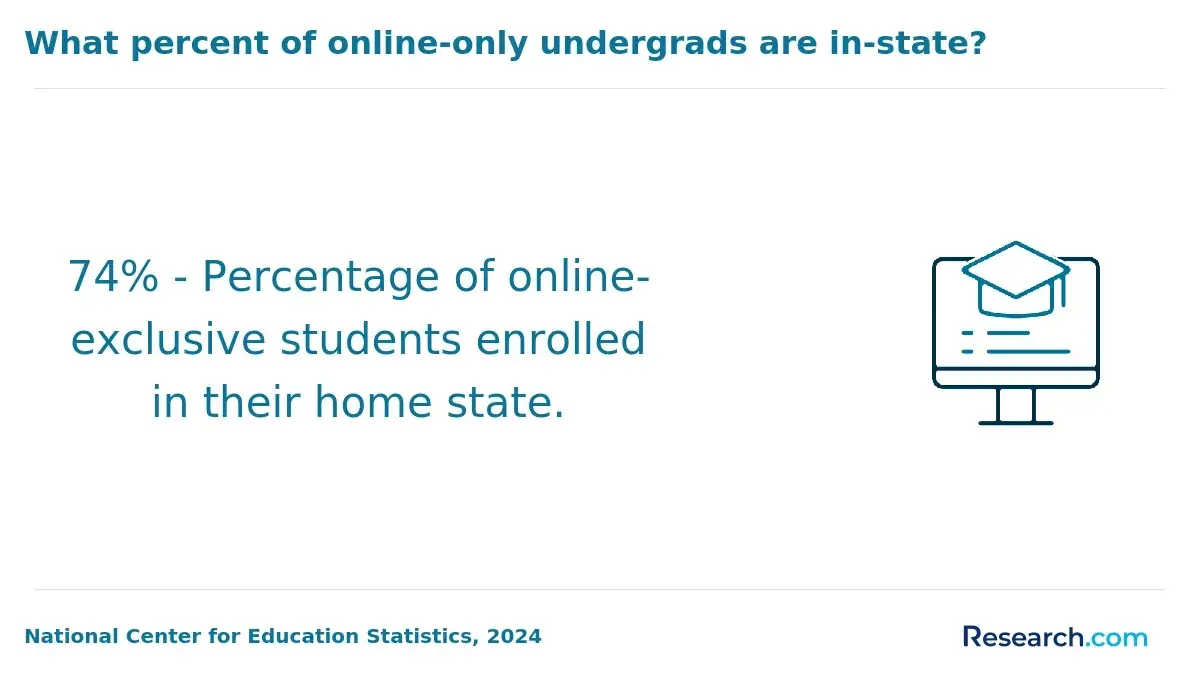
The average out-of-state tuition at Keiser University significantly impacts the total cost of attendance for distance learners, reaching well beyond in-state rates. Nonresident students face substantially higher expenses, making affordability a critical factor when considering online degree options here.
Keiser University does not offer flat-rate tuition or regional waivers that standardize costs for out-of-state online students. This means tuition varies strictly by residency, unlike some institutions that implement reciprocity agreements or digital pricing waivers to lessen financial barriers for remote learners.
Nationally, only about 15% of universities provide pricing waivers or flat-rate tuition for nonresident online students, which limits equitable access to affordable remote education. This reality underscores that students enrolling at Keiser should anticipate the full out-of-state premium without reductions often found elsewhere.
For example, a prospective nursing student living out-of-state must budget for a higher tuition rate at Keiser compared to universities that offer geographic cost equalization. This gap can affect long-term return on investment and financial planning for working adults balancing education and income.
Which online bachelor's degrees at Keiser University offer the lowest total tuition?
Keiser University offers a selection of online bachelor's degrees that provide tangible tuition savings without sacrificing academic rigor or market relevance. Students who prioritize cost-efficiency alongside career-focused curricula can find value in these programs. The programs listed below illustrate how Keiser's approach to affordable education combines fixed low tuition rates with open educational resources, reducing overall expenses. Prospective students should consider these options carefully to manage their long-term financial commitment while aligning with workforce demand.
- Business Administration: This program features a stable tuition rate of approximately $370 per credit hour. Its curriculum uses open-source materials, minimizing textbook costs. Delivered fully online, it supports students aiming to balance educational investment and flexible scheduling in a competitive business job market.
- Information Technology: With tuition costs equivalent to other affordable tracks, the IT curriculum focuses on up-to-date technical skills. The program is structured to reduce ancillary fees and leverages digital learning tools. Its emphasis on technical proficiency responds to national trends favoring technical degrees due to their lower debt-to-income ratios and higher starting salaries.
- Criminal Justice: This degree maintains low tuition by combining digital resources with a curriculum tailored to public safety sectors where stable demand exists. The fully online format facilitates access for working adults pursuing career shifts without significant financial strain.
- Health Services Administration: Offering cost control through fixed tuition and open-source learning materials, this program addresses the healthcare industry's need for skilled administrators. Its affordable pricing makes it an attractive option for students targeting middle-ground careers with steady labor market demand.
- Legal Studies: This program also holds the $370-per-credit tuition rate and integrates digital course content to lower expenses. It emphasizes foundational legal knowledge for diverse professional pathways, benefiting students who seek affordable credentials with practical value.
Nationally, remote undergraduate enrollment has reached near 45%, showing widespread adoption of online education, intensifying competition among providers. Additionally, technical programs like Information Technology generally cost around 15% more than humanities but yield better financial outcomes, which matters in evaluating the bachelor's degrees job outlook. Such trends highlight the importance of balancing tuition affordability with program relevance and career returns when selecting a degree at Keiser University or elsewhere.
What are the most affordable online master's degree programs at Keiser University?
Keiser University offers some of the most affordable online master's degree programs, making it a practical option for students weighing education investment against achievable salary gains. For example, a working professional in healthcare seeking leadership roles can benefit by avoiding costly relocations due to Keiser's lack of on-campus residency, cutting down expenses significantly. Comparing this with programs requiring physical attendance highlights Keiser's advantage in lowering financial and logistical barriers. Below are notable degree programs that illustrate cost-effective delivery and potential for advancing salary velocity.
- Master of Science in Business Administration: Tuition ranges from $375 to $395 per credit, enabling learners to spread costs over time while accessing an entirely online curriculum. This structure suits professionals targeting management roles without incurring large upfront debt, optimizing return on investment through skill-focused, flexible scheduling.
- Master of Science in Criminal Justice: Designed for working adults, this program eliminates campus visits and leverages asynchronous learning materials. The modest material fees of $75 to $125 per course support program sustainability while maintaining affordability, crucial for students balancing income and career growth.
- Master of Science in Education Leadership: Offering online content with no residency requirement, this degree helps educators transition into administrative roles. The competitive per-credit tuition combined with controlled ancillary fees keeps overall costs manageable compared to many private institutions.
- Master of Science in Healthcare Administration: Targeting professionals aiming for supervisory positions, this online program reduces time away from work. The blend of affordable tuition and minimal additional fees lowers total expenditure, preserving financial flexibility for ongoing career development.
- Master of Science in Information Technology: This program provides technological expertise through online platforms, avoiding relocation and travel costs. Its cost structure lets students invest in credentialing without excessive debt, crucial given the positive income premium associated with graduate degrees.
Keiser's affordable online master's degree programs are notable in the broader context of national debt trends. With graduate debt frequently exceeding $55,000, selecting flexible and lower-cost options is critical for long-term financial health. Recent research shows advanced degree holders experience median income increases around 22% compared to bachelor's-only peers, highlighting the prudence of affordable online options like those at Keiser University. Prospective students should analyze these savings alongside employer expectations to ensure alignment between degree costs and career outcomes.
Additionally, the cheapest accredited online master's degrees offered by Keiser University often avoid mandatory on-campus requirements, a feature especially valuable to individuals with significant family or professional commitments. This flexibility exceeds offerings from many other institutions where residency can inflate expenses unexpectedly.
Students evaluating online degree affordability might also consider similar pathways available at institutions like Barbados Community College, which provide comparable considerations for cost and flexibility at the associate degree level, reinforcing the importance of budget-conscious planning across education stages.
Are digital course materials at Keiser University expensive?
Online students must budget for course materials and supplies in addition to tuition, as these add significant expenses that impact overall affordability. At Keiser University, digital materials alone often cost around $4,000 across a degree program. This figure is substantially higher than the national average yearly spend of $1,240 on textbooks and supplemental materials for online learners, reflecting the adoption of multiple paid platforms that deliver varied educational content. Such costs, split across separate fees per course, can challenge students with limited finances, requiring careful weighing of whether these learning tools translate into measurable skills or employment outcomes.
Key resources used at Keiser University and their cost implications include:
- Cengage MindTap: An interactive learning platform that combines readings, exercises, and assessments. It offers adaptive tools but typically costs students $100 to $300 per course, adding up quickly over multiple classes.
- McGraw-Hill Connect: Used for homework submission and quizzes, this platform supports continuous assessment but comes with a recurring fee similar to other digital resources, affecting budget planning for each term.
- WileyPLUS: A supplemental practice system that enhances understanding in STEM and business courses. While effective for mastery, its standalone cost increases total material expenses substantially.
- Pearson MyLab: A platform offering personalized study paths and analytics. It supports tailored learning but requires additional payment per course, which accumulates through a degree.
- ProQuest Access: Provides research articles necessary for academic work. Although usually less costly than platforms tied directly to courses, it still represents an additional financial demand.
Does Keiser University offer accelerated term options for online students?
The standard timeline to graduation at Keiser University aligns with traditional semesters, but students can opt for accelerated terms lasting 5 or 8 weeks. These compressed courses enable faster credit accumulation and degree completion compared to typical semester schedules.
While faster pacing helps bypass additional semester fees, total tuition can remain $54,232 due to billing by credit. A student juggling a full time job might find the intense course load demanding, heightening the risk of burnout or reduced content mastery despite shorter enrollment.
Compared to many institutions with rigid 15-week semesters, Keiser's accelerated calendar reduces overall enrollment duration, contributing to a recent trend where higher education institutions improved calendar efficiency by up to 20%, a gain linked to lower student debt burdens.
Still, the intensity requires disciplined time management. Employer demand favors quick skill acquisition, but students must balance speed with knowledge retention to maximize long-term career outcomes and avoid sacrificing academic success for haste.
Can online students Keiser University transfer credits to reduce tuition costs?
Keiser University typically accepts up to 75% of transfer credits for online bachelor's programs, potentially cutting total tuition costs from $54,232 by a substantial margin. This average acceptance rate can translate into immediate savings of thousands of dollars by reducing the number of required courses and semesters.
Variations in tuition savings hinge on how transfer credits are evaluated. Prior Learning Assessments and military training can supplement traditional college credit transfers, but the lack of formal articulation agreements may require students to undergo individual credit reviews. This process can delay degree completion and create uncertainty around the exact financial benefit.
Accreditation plays a crucial role in transfer eligibility. Credits earned at regionally accredited institutions are more likely to transfer smoothly, while those from less recognized schools may face rejection. Nationally, improvements in credit articulation have grown transfer student enrollment by 8%, signaling increased attention to cost-effective pathways for degree attainment.
One recent Keiser online student shared, "I transferred 60 credits from my community college, but the rest required detailed evaluation. Waiting for credit approval was stressful and delayed my course plan. Still, saving a semester's tuition made those months of uncertainty worth it." This illustrates the practical tradeoffs students confront when leveraging transfer policies to reduce costs.
What financial aid options are available to online students at Keiser University?
Financial aid for online students at Keiser University substantially reduces tuition costs, helping students manage debt in an environment where student borrowing is slowly declining due to increased reliance on grants and scholarships. This shift is important since managing educational costs against expected earnings is crucial for long-term financial stability. For instance, an aspiring nursing student taking advantage of targeted awards may be able to afford Keiser's program without excessive loans, directly impacting their ability to focus on licensure and employment. Below are key scholarship and grant options available to Keiser University online learners.
- Keiser Academic Scholarship:This award supports high-achieving applicants by covering up to 50% of tuition. Eligibility hinges on academic merit, providing significant relief for students demonstrating strong prior performance.
- Online Program Grant:This fixed $3,000 grant is available exclusively to students enrolled fully online. It is designed to offset cost burdens unique to remote learning environments.
- Military Service Scholarship:Eligible veterans and active-duty military personnel receive a 40% discount on tuition. This acknowledges service while easing financial strain for military-affiliated learners.
- Pell Grant Supplement:Students demonstrating financial need may access additional federal Pell Grant resources, supplementing other forms of aid to decrease loan dependency.
- STEM Excellence Award:This award provides up to $5,000 annually for students pursuing science and technology programs. It targets high-demand fields, aligning support with workforce needs.
Online students should weigh these aids against program costs and anticipated labor market outcomes. Many employers prioritize relevant certifications and practical skills alongside degrees. Prospective learners may also explore self paced online universities to compare financial aid opportunities and program flexibility that best fit their career timelines and budgets.
How do you know if the affordable online programs at Keiser University are worth it?
The value of affordable online degree programs at Keiser University depends heavily on outcomes such as graduation rates, median alumni salaries, and program alignment with career goals. For example, a student pursuing nursing-related degrees at Keiser can expect median salaries around $62,512, reflecting strong industry demand and justifying educational costs. Conversely, degrees in fields like Biology or Psychology often produce median salaries below $30,000, raising concerns about long-term financial return and loan repayment feasibility.
Recent workforce studies show that graduates with high debt but low income struggle with debt-to-income ratios five years out, making program selection critical for sustainable career and financial health. Below are core indicators to assess when determining if an affordable online degree from Keiser University holds practical and economic value.
- Median Alumni Salary: This measures typical income after graduation, indicating earning potential relative to educational investment. At Keiser, nursing programs offer notably higher median wages, while others fall below national averages, so comparisons by major are essential.
- Graduation Rate: Keiser's 44% graduation rate means less than half of students finish their degrees, impacting total costs and delays entering the workforce, which reduce overall return on investment.
- Program Accreditation and Recognition: Accreditation verifies academic quality and can affect employer acceptance of credentials. Prospective students should confirm Keiser's accreditation status and whether its programs align with industry standards.
- Industry Demand and Job Prospects: Programs tied to growing sectors, such as nursing, enhance employment opportunities. Students should research labor market trends to ensure their degree matches current hiring needs.
- Debt-to-Income Ratios: Students must evaluate potential debt against expected earnings. National data emphasize the importance of enrolling in programs where income can feasibly cover loan payments, preserving long-term financial stability.
- Time to Workforce Entry: Timely completion affects income flow and cumulative education costs. Lower graduation rates or prolonged program lengths increase expenses and delay earning potential.
- Flexible Start Dates: Keiser's online programs offer multiple enrollment options, providing scheduling flexibility that benefits working adults balancing education with other responsibilities. This is a common feature among online universities with multiple start dates.
What Graduates Say About the Cheapest Online Degrees at Keiser University
- Jonathan: "Choosing to study an online program at Keiser University was largely a financial decision for me. While the upfront tuition was noticeably cheaper than other options I researched, I quickly realized that some unexpected fees for digital resources and tech support slightly inflated the cost. That said, the flexibility of attending classes remotely allowed me to keep my current job, so I avoided housing and commuting expenses, which helped balance out the hidden fees. Entering the workforce with a Keiser University degree, I found employers responsive to the practical skills I gained, and I was able to move ahead professionally without accumulating significant debt."
- Wesley: "My experience with Keiser University's online program was marked by a careful weighing of value versus cost. The sticker price for their cheapest degree was appealing, but I was cautious about whether cutting costs might mean compromising quality or career prospects. The reality was a mixed bag: while I appreciated saving money by avoiding campus living expenses, I did face some frustration with the online platform and additional charges that weren't initially clear. Still, the degree provided a solid foundation that helped me quickly transition into my career, making the financial trade-offs worthwhile, though I remain mindful of these hidden costs when advising others."
- Spencer: "Studying online at Keiser University gave me the practical schedule flexibility I needed to balance family commitments and work. The cost savings compared to traditional on-campus programs were a significant part of my decision, especially since I avoided commuting and housing fees. However, I found that some tech and course delivery fees felt less transparent upfront, which complicated direct price comparisons with other schools. Professionally, my degree did open doors faster than I expected, but I'd advise prospective students to consider how these smaller expenses impact the overall value, not just the advertised tuition. For me, the balance was positive, and Keiser's program aligned well with my career goals."
Other Things You Should Know About Keiser University Degrees
The cheapest online programs at Keiser University generally follow a structured 8-week term format, which offers some flexibility but also demands consistent pacing. Students should expect a steady workload rather than sporadic bursts of study, meaning time management is critical, especially for those balancing work or family. While this format supports faster completion, it may not suit those needing a more self-paced, asynchronous schedule, so prospective students must weigh the need for flexibility against timely progress.
Employers increasingly accept online degrees, but the reputation of the institution and program rigor still matter. Keiser University's accreditation supports the credibility of its degrees, including the low-cost online options, yet graduates should be prepared to demonstrate applicable skills and experience to stand out. Candidates may find greater employer acceptance in fields with a strong practical component or where certification supplements the degree, making hands-on experience or internships valuable alongside the affordable degree.
In 2027, tuition fees for Keiser University's cheapest online degrees vary, typically starting at approximately $10,000 per academic year. However, students should consider additional costs like textbooks, online resources, and technology fees. Overall, Keiser University remains committed to offering affordable education options.
Students who benefit most are those seeking a balance between affordability and a structured curriculum that leads to practical skills in high-demand industries. Those who thrive under a consistent schedule and can dedicate regular time to coursework will gain more from these programs than students needing significant time flexibility or self-directed learning. Working adults aiming to upskill for career transitions often find these programs offer a reasonable tradeoff between cost and timely degree completion.
References
- Financial Aid - Keiser University Athletics https://kuseahawks.com/sports/2016/9/20/financial-aid.aspx
- Benefits of online education - Keiser University https://keiseruniversity.edu.ni/benefits-of-online-education/
- Online Education Degrees | Keiser University https://www.keiseronline.com/education-degrees/
- Tuition fees and scholarship program for international students at Keiser University HaNoi 2024 https://kuv.edu.vn/tuition-fees-and-scholarship-program-for-international-students-at-keiser-university-hanoi-2024/
- All Master courses at Keiser University, Florida https://www.hotcoursesabroad.com/study/all-degrees/us-usa/all-courses-at-keiser-university/144380/programs.html
- The Case for Online Learning: A Data Review https://www.rize.education/blog/demand-for-online-learning
- Faq - Broward College - Garodia International College https://garodiainternationalcollege.com/about-keiser-university/frequently-asked-questions/
- Keiser University - Campus Reviews https://www.gradreports.com/colleges/keiser-university-campus
- Keiser University Book Store https://climber.uml.edu.ni/HomePages/fulldisplay/M2a708/KeiserUniversityBookStore.pdf