2027 Is Southern New Hampshire University's Online BS in Criminal Justice - Substance Abuse Worth It? What Students Should Know

Co-Founder and Chief Data Scientist
Choosing an online BS in Criminal Justice - Substance Abuse program involves weighing program flexibility, career relevance, and academic rigor. One challenge is verifying if Southern New Hampshire University's curriculum matches evolving substance abuse intervention standards amid rising opioid cases nationally. The Bureau of Labor Statistics projects growth in substance abuse and behavioral disorder counseling roles, underscoring demand for specialized education.
However, prospective students must assess whether the program's online structure supports effective skills acquisition and networking critical in this field. This article examines these factors in detail, guiding readers to decide if Southern New Hampshire University's program aligns with their professional ambitions and learning preferences.
Key Points About Southern New Hampshire University's Online BS in Criminal Justice - Substance Abuse Program
- Southern New Hampshire University's admission rate of 96% offers broad access, but the $51,392 tuition cost requires weighing affordability against program benefits.
- The median graduate salary of $50,318 coupled with a 2.39x earnings to debt ratio indicates a moderate financial return on investment for the BS in Criminal Justice - Substance Abuse.
- Employer recognition of alumni success in substance abuse and criminal justice fields reflects the program's alignment with workforce needs and practical career outcomes.
What makes Southern New Hampshire University's online BS in Criminal Justice - Substance Abuse program stand out?
Southern New Hampshire University's online BS in Criminal Justice - Substance Abuse program offers a critical advantage for students balancing work and life obligations through its fully online, asynchronous format. This flexibility is significant for professionals in social services or law enforcement who need to maintain employment while earning a degree, allowing access to coursework without strict scheduling constraints.
However, students unfamiliar with self-directed study should weigh this convenience against the demands of staying motivated without real-time interaction. What sets the program apart is its integration of specialized substance abuse content within the criminal justice framework, addressing a growing workforce need as substance abuse intersects increasingly with crime and rehabilitation efforts.
The curriculum's practical orientation aligns with roles in treatment facilities, probation departments, and policy analysis, providing relevant skills beyond generalized criminal justice degrees. Additionally, Southern New Hampshire University's enrollment of 184,099 and staff of 14,416 supports robust academic advising and career resources, which can be essential for navigating job placement in a competitive field.
The 45% graduation rate reflects both the program's challenge and the commitment required to succeed, reinforcing the importance of personal discipline in an online learning environment.
Is it difficult to get admitted to Southern New Hampshire University's online BS in Criminal Justice - Substance Abuse program?
Admission into many BS in Criminal Justice - Substance Abuse programs tends to be moderately competitive as these fields attract students aiming to address complex legal and public health issues. Employers often expect candidates to demonstrate foundational knowledge and relevant skills, making entry requirements a useful initial filter. However, the balance between selectivity and accessibility varies notably among institutions.
Southern New Hampshire University's online BS in Criminal Justice - Substance Abuse program exhibits a comparatively high acceptance rate of 96%, which is significant given the approximately 45,127 annual applicants and 43,377 admitted students. This suggests an overall admission difficulty that leans toward moderately difficult but favors broad accessibility. The lack of SAT or ACT requirements further lowers barriers.
This accessible approach potentially expands opportunities for nontraditional or working adult students who might otherwise struggle with rigid standardized testing policies. Nonetheless, the program must still maintain academic rigor to prepare graduates for the nuanced demands of substance abuse-related criminal justice roles, a tradeoff that may influence both candidacy pools and eventual workforce readiness.
One graduate recalled, "I waited until late in the application cycle, unsure if I met the traditional academic expectations. When I learned SNHU's program didn't require test scores, I submitted my materials quickly, relieved but still tense about what came next." Their experience emphasizes how admission policies can affect applicant timing and stress levels, highlighting the practical value of flexible entry criteria in facilitating access while navigating personal uncertainties during the application process.
How does the curriculum of Southern New Hampshire University's online BS in Criminal Justice - Substance Abuse program stay aligned with current industry trends?
Aligning an online BS in Criminal Justice - Substance Abuse curriculum with evolving workforce demands requires more than foundational knowledge; it demands a synthesis of practical skills, ethical reasoning, and adaptability to shifting social and legal landscapes. Southern New Hampshire University's program reflects this expectation by integrating sectors such as counseling and social services within the criminal justice framework-a combination increasingly valued by employers who seek professionals capable of handling complex substance abuse cases through multidisciplinary approaches.
Graduates are typically expected to navigate real-world challenges, such as coordinating interventions between law enforcement and community agencies, reinforcing the importance of updated and relevant curricular content. Below are three key aspects demonstrating how Southern New Hampshire University criminal justice substance abuse curriculum updates maintain alignment with New Hampshire online criminal justice substance abuse industry trends:
- Data-Driven Practices: The curriculum emphasizes program planning and evaluation, equipping students with skills in measurement and analysis essential for demonstrating intervention efficacy. This focus corresponds to employer demands for evidence-based approaches in treatment and policy development within criminal justice systems dealing with substance abuse.
- Interagency Collaboration: By fostering communication and critical thinking skills, the program prepares students to work within multidisciplinary teams. This readiness addresses workforce realities where criminal justice and behavioral health professionals must coordinate efforts for rehabilitation and recidivism reduction.
- Ethical and Legal Frameworks: Coursework on criminal justice ethics and relevant legal issues ensures graduates understand the boundaries and responsibilities guiding substance abuse interventions. This component is crucial given ongoing legislative changes and the need to balance enforcement with treatment-oriented practices.
The consistently updated curriculum offers alignment with industry standards for BS in Criminal Justice - Substance Abuse graduates, providing practical competencies matched to employer expectations across social services and law enforcement. Prospective students should weigh these curricular strengths against other factors such as program delivery format and overall career goals.
For those weighing alternatives, evaluating the return on investment compared to other options like an easiest online master's degree path in related fields may offer additional perspective.
How much does Southern New Hampshire University's online BS in Criminal Justice - Substance Abuse program cost?
Analyzing the financial commitment required for the online BS in Criminal Justice - Substance Abuse at Southern New Hampshire University reveals key tradeoffs in total costs versus focused expenses. The base tuition and fees amount to $16,450 annually, excluding an estimated $1,800 for books and supplies.
However, the full cost of attendance, factoring in room, board, and other expenses, reaches $51,392, which would typically apply more to on-campus students or those with higher living costs. This distinction matters for prospective students balancing affordability with program logistics, especially since online learners avoid additional technology fees and benefit from a flat-rate tuition irrespective of their location.
Financial aid often significantly alters these figures. With roughly 81% of undergraduates receiving some aid averaging about $3,350, students can reduce their net expenses through federal assistance, institutional grants, and corporate tuition reimbursement programs. These options are particularly relevant for those weighing the cost-effectiveness of SNHU's option versus other institutions, as they can shape how manageable the financial burden feels in practice.
Considering the cost of earning a BS in Criminal Justice - Substance Abuse degree at Southern New Hampshire University requires evaluating both sticker price and aid availability to forecast realistic out-of-pocket costs. Compared to national averages for a similar bachelor's program, SNHU's pricing is competitive and reflects the broader market trend where program costs fluctuate widely by institution and delivery format.
The online program's transparent pricing and flat-rate tuition offer predictability that some institutions lack, addressing a common challenge for students navigating variable fees. While some schools may present lower base tuition, hidden costs or complex fee structures can nullify initial savings, highlighting the practical value of simplicity in pricing for prospective online students.
Ultimately, decisions about enrolling in Southern New Hampshire University online BS in Criminal Justice - Substance Abuse tuition fees involve weighing program affordability against long-term employability in substance abuse roles, an area that aligns with increasing demand across healthcare and community services. For those prioritizing career pathways linked to the highest-paying careers within criminal justice and social services contexts.
What are the admission requirements for Southern New Hampshire University's online BS in Criminal Justice - Substance Abuse program?
Applicants to Southern New Hampshire University's online BS in Criminal Justice - Substance Abuse program must navigate an admission process that balances academic expectations with flexibility for diverse educational backgrounds. This approach means prospective students should assess their readiness not only by credentials but also by how well their prior learning and experiences align with program demands.
Knowing the admission criteria helps applicants anticipate necessary preparations and weigh alternatives if certain requirements present obstacles. Below are key components of the admissions framework.
- Academic Background: Completion of high school or an equivalent credential such as a GED is required, including a review of secondary school GPA and overall academic record to gauge baseline preparedness.
- Supporting Materials: Letters of recommendation and evidence of completing a college-preparatory curriculum strengthen the application but standardized test scores like SAT or ACT, while advised, are not mandatory.
- English Language Proficiency: Non-native English speakers must provide TOEFL scores to demonstrate capacity for university-level coursework delivered in English.
- Transfer and Credit Policies: The program permits transfer credits and recognizes advanced placement credits or life experience, enhancing accessibility for students who previously accumulated relevant qualifications, though it excludes dual credit options.
- Technological Readiness: A reliable computer is essential for participation in this online program, with institutional support available for purchase or leasing to ensure access does not hinder enrollment or academic progress.
What is the ROI of attending Southern New Hampshire University's online BS in Criminal Justice - Substance Abuse program?
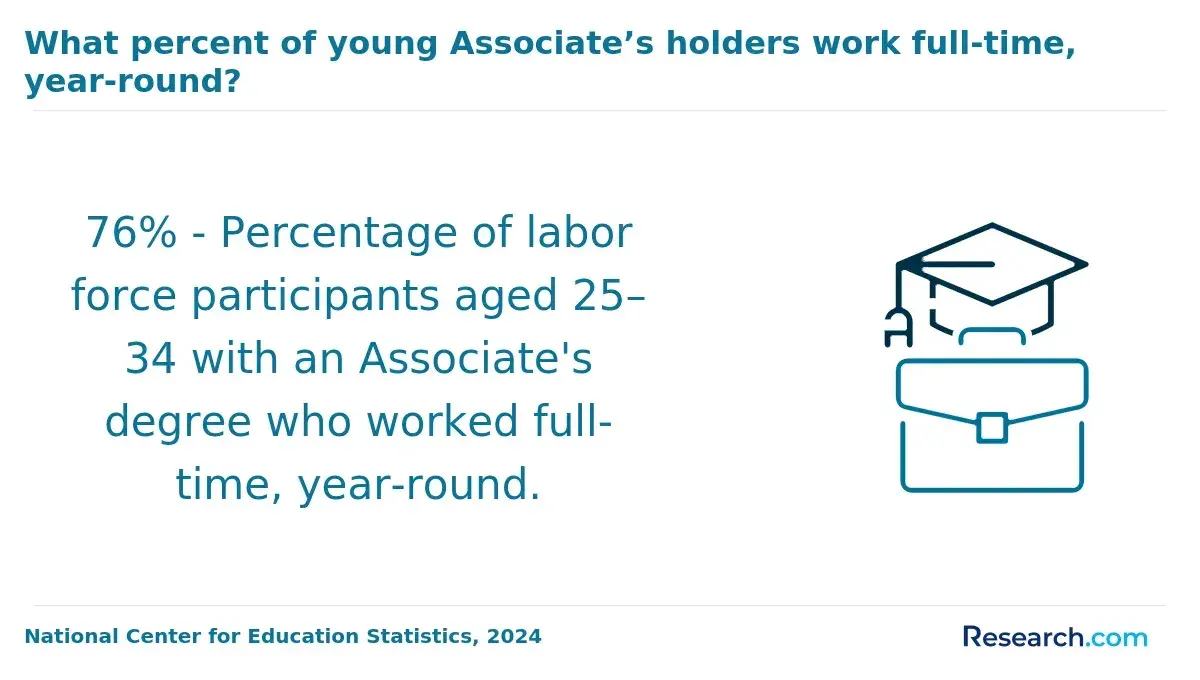
The ROI of attending Southern New Hampshire University's online BS in Criminal Justice - Substance Abuse program reflects a cautious balance between cost and long-term earning potential. With a total annual expense exceeding $50,000, the upfront investment significantly surpasses the federal estimate for comparable in-state on-campus programs. Graduates face a median starting salary near $50,000, which notably remains stagnant over a decade.
This stagnant salary trajectory poses a practical tradeoff: students must weigh the benefits of stable employment against fewer opportunities for substantial salary increases. The graduate earnings-to-debt ratio of about 2.39x indicates moderate returns, but this could vary widely depending on individual circumstances such as scholarship availability and geographic job markets.
For example, securing grants or working in higher-paying government or healthcare roles related to substance abuse rehabilitation can improve ROI, whereas entry into nonprofit or probation positions may provide stability at lower compensation. Ultimately, students should consider how their financial aid package and realistic job placement prospects influence total costs versus benefits.
Employers in these fields typically value consistent experience within public service rather than rapid salary escalation, making this degree viable primarily for those prioritizing job security in specialized community-focused roles over high income growth.
Is there a high student satisfaction for Southern New Hampshire University's online BS in Criminal Justice - Substance Abuse program?
Student satisfaction in Southern New Hampshire University's online BS in Criminal Justice - Substance Abuse program is nuanced, shaped largely by individual engagement and external commitments. The program's flexibility caters to working adults balancing family and jobs, yet this advantage also presents a tradeoff: limited synchronous interaction can make the experience feel isolating.
Students who proactively use available mentoring and peer discussion groups tend to report a more positive experience, as these resources help mitigate the often impersonal nature of online learning. While the curriculum demands consistent effort, the structured support system and adaptable scheduling are essential for maintaining motivation over time.
The mixed graduation and retention rates reflect common challenges, where nearly half of enrollees struggle to complete the degree-often due to life's competing demands rather than academic difficulty alone. In practice, this means those weighing this program must realistically assess their capacity to engage fully and leverage online community supports if they aim for a rewarding outcome.
The student culture emphasizes flexibility and asynchronous participation, yet some learners express a desire for more real-time engagement with instructors and peers. The university's virtual meetups and student-led organizations provide pockets of connection, which are critical for fostering a sense of belonging in a predominantly online context.
One graduate recalled starting the program while managing a full-time job and caring for two kids. "At first, I hesitated because I wasn't sure I could keep up," they said. "But the mentors and discussion groups really helped me stick with it when things got tough. I didn't feel like I was just another number even online." This blend of challenge and support captures why satisfaction varies widely depending on how actively students integrate into the program's community and balance their other responsibilities.
How does Southern New Hampshire University help online BS in Criminal Justice - Substance Abuse graduates secure employment?
Employers increasingly prioritize candidates who demonstrate both relevant knowledge and access to industry networks, which makes schools a pivotal factor in job placement for graduates. Approximately 85% of employed students from Southern New Hampshire University's online BS in Criminal Justice - Substance Abuse program attribute their success in securing positions to the institution's targeted career placement resources.
Key employment aids provided by SNHU include:
- Virtual Job Fairs: These connect students directly with employers actively hiring in criminal justice and substance abuse sectors, allowing candidates to engage prior to graduation and understand employer expectations early.
- Online Workshops: Tailored sessions focus on practical skills like resume optimization, interview preparation, and remote job search techniques, addressing the unique constraints of virtual education.
- Alumni Mentorship Programs: With a network exceeding 150,000 members, SNHU facilitates mentorship relationships that provide insights into industry trends, referrals, and personalized guidance often critical for breaking into specialized roles.
Despite these structured supports, graduates must navigate a field where credentialing alone may not suffice. Supplementing the degree with quick certifications that pay well or gaining practical experience can be decisive in meeting employer preferences.
Prospective students should weigh how effectively a program's career services complement their personal initiative and local job market conditions when assessing the value of the Southern New Hampshire University criminal justice graduates employment support services for their long-term goals.
What are the career outcomes for recent graduates of Southern New Hampshire University's online BS in Criminal Justice - Substance Abuse?
The career outcomes for graduates of Southern New Hampshire University's online BS in Criminal Justice - Substance Abuse reflect a blend of criminal justice responsibilities and behavioral health support roles. Job placement rates for this criminal justice substance abuse program are influenced by regional demand, especially within New England, where the integration of substance abuse counseling and probation oversight is a critical workforce need.
Deciding if this program is worth pursuing hinges on understanding these specific employment prospects and their associated salary realities. Roles emerging from the program typically involve public service and healthcare intersections, where specialized knowledge can restrict job options but also provide targeted entry points into addiction recovery fields. Below are common career paths for graduates:
- Substance Abuse Counselor: These professionals operate in treatment centers and community agencies, assisting clients with understanding addiction and establishing recovery strategies. Average salaries often reflect entry-level compensation in the mid-$40,000 range, varying by local demand.
- Probation Officer: Tasked with supervising offenders and ensuring court mandate compliance, probation officers balance enforcement with rehabilitation support. This role typically offers stable public sector employment but may come with moderate starting wages.
- Case Manager: Individuals in this role coordinate care services for clients dealing with substance abuse and criminal justice involvement, facilitating access to health and social support systems. Salaries may fluctuate based on organizational type and funding.
- Rehabilitation Specialist: Focused on guiding individuals through recovery and reintegration, these specialists often work within correctional or health service settings, with salaries aligning with allied health positions closer to the national average of approximately $57,000.
Prospective students should weigh program outcomes against their intended career trajectory and regional job market dynamics. For those exploring options among online colleges with free applications, this program offers a pathway, but thorough evaluation of employment rates and salary benchmarks remains crucial to ensure alignment with professional goals.
How do I know if Southern New Hampshire University's online BS in Criminal Justice - Substance Abuse program is the right fit for my goals?
Deciding if Southern New Hampshire University's online BS in Criminal Justice - Substance Abuse program fits your goals depends heavily on how the curriculum aligns with your intended career path and the realities of employment in the substance abuse and criminal justice sectors. For example, a student aiming for counseling roles must ensure the program balances theory with practical training in substance abuse interventions, while someone focused on law enforcement might prioritize broader criminal justice coursework.
Several factors collectively determine whether the program is a worthwhile investment. Consider these key criteria when evaluating the program:
- Curriculum Relevance: Evaluate if the courses provide specialized knowledge in substance abuse alongside core criminal justice principles. This ensures the degree equips you for specific roles such as rehabilitation counseling or probation work, rather than just general knowledge that may be less applicable.
- Learning Flexibility: Consider whether the program's online structure supports your personal schedule. For individuals balancing work or family obligations, self-paced options and accessible online tools are critical to completing the degree without undue strain.
- Program Credibility: Confirm Southern New Hampshire University's accreditation status and faculty expertise in both criminal justice and substance abuse. This impacts how employers and graduate programs perceive the value of your degree when assessing your qualifications.
- Career Outcomes: Look for data or evidence on job placement rates, alumni success stories, and internship availability. Connectivity with professional organizations can significantly improve the practical transition from study to work.
Because career goals and personal circumstances vary widely, no single program suits every student. Those exploring the best path for their background, including returning citizens, may want to research the best degree for felons to understand broader options and how criminal justice degrees like this fit into that landscape.
For anyone evaluating whether Southern New Hampshire University online criminal justice program career alignment works for them, a clear-eyed assessment of these factors will provide a more precise measure of the degree's practical value.
What Graduates Say About Southern New Hampshire University's Online BS in Criminal Justice - Substance Abuse Program
- Sofia: "Studying at Southern New Hampshire University gave me the flexibility to balance work and classes, which was crucial as I was already navigating a career pivot. The BS in Criminal Justice - Substance Abuse program deepened my understanding of addiction dynamics, and even though I noticed many employers emphasize hands-on experience and certifications over the degree alone, the program's internship opportunities helped me build a portfolio. It definitely made me more competitive when applying for remote case management roles, although I realized that without licensure, salary growth can plateau."
- Mallory: "The structure of Southern New Hampshire University's BS in Criminal Justice - Substance Abuse program was intense but practical, and its focus on real-world challenges prepared me for the hiring realities in the field. After graduation, I found that employers really valued my completed internships and certifications alongside the degree. While the program opened doors to workforce entry faster than I expected, I've had to be strategic about pursuing additional credentials to move beyond entry-level positions in substance abuse counseling."
- Gabriella: "Reflecting on my time at Southern New Hampshire University, the BS in Criminal Justice - Substance Abuse program equipped me with a solid theoretical foundation, but breaking into higher roles required more than just the degree. Many hiring managers prioritize experience and specialized certifications more than licensure, something the program pointed out early on. The flexibility of online learning helped me continue working full-time, and now I am focused on building my credentials through fieldwork to advance in this competitive industry."
Other Things You Should Know About Degrees
Southern New Hampshire University's Online BS in Criminal Justice - Substance Abuse offers flexible course pacing designed to accommodate working adults. Students can learn at their own pace, with options for part-time or full-time study, making it suitable for those balancing work and family commitments.
While the curriculum includes theory and case studies related to criminal justice and substance abuse, the fully online format limits direct, in-person practicum or clinical placements. This gap means students seeking substantial field experience might need to pursue internships or volunteer roles independently. For those prioritizing experiential learning as a pathway to employment, this program may require supplementing with external work or local networking opportunities.
Employers in criminal justice and substance abuse often value degrees like this but typically pair them with certifications or licenses for clinical practice. Because this program focuses on theory and criminal justice intersections rather than clinical credentials, graduates may find it more suited for positions in policy, advocacy, or case management rather than direct treatment roles. Prioritizing additional certifications post-graduation is advisable for those aiming for clinical or counseling positions.
The BS in Criminal Justice - Substance Abuse maintains a workload consistent with other SNHU online bachelor's degrees, featuring weekly readings, written assignments, and discussion posts. Students comfortable with online learning and managing multiple deadlines should find it manageable but should not underestimate the cumulative effort required over the course of the degree. For those new to online education, seeking academic support early can be beneficial to balance demands effectively.
References
- Southern New Hampshire University (SNHU) https://www.princetonreview.com/college/southern-new-hampshire-university-1023271
- Best Criminal Justice Schools In New Hampshire https://www.criminaljusticedegreeschools.com/degree-by-state/new-hampshire/
- Resocialization with criminology - bachelor's degree studies - Academy of Applied Sciences of the Academy of Social Sciences in Opole https://www.wszia.opole.pl/en/produkt/resocjalizacja-z-kryminologia-studia-i-stopnia/
- University of Central Arkansas | UCA https://uca.edu/healthsci/undergraduate/addiction-studies/
- Everything You Need to Know About Becoming a Substance Abuse Counselor https://www.umassglobal.edu/blog-news/become-substance-abuse-counselor
- Criminal Justice Studies, Substance Abuse, B.I.S. https://catalog.uncp.edu/preview_program.php
- Online Addiction Counseling Bachelor's Degrees - BS in Counseling https://addiction-counselor.org/degrees/online-bachelors/
- Explore Bachelor's Degree in Criminal Justice | All Criminal Justice Schools https://www.allcriminaljusticeschools.com/criminal-justice/criminal-justice-bachelors-degree/