2027 Walden University Online MSHE Leadership for Student Success: Cost, Curriculum, Admissions, and Career Outcomes

Co-Founder and Chief Data Scientist
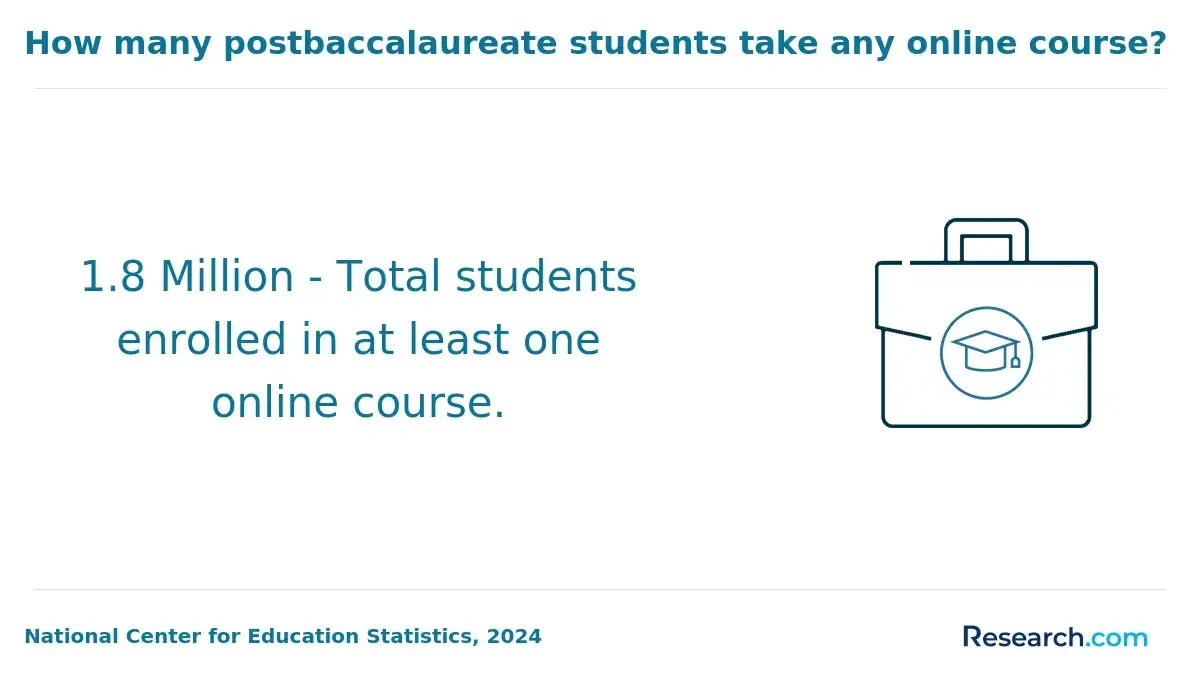
Evaluating whether to enroll in Walden University online MSHE Leadership for Student Success can challenge prospective students balancing career goals and personal obligations. The rapid rise of online education saw enrollment increase by over 12% in 2023 according to the National Center for Education Statistics, reflecting a growing preference for flexible learning models among adult learners. This shift highlights the importance of program accessibility and adaptability when choosing advanced degrees. Understanding Walden's curriculum rigor, admissions criteria, cost structure, and potential career outcomes is crucial for assessing if it aligns with individual professional aspirations and life circumstances. This article examines these factors to aid informed decision-making.
Key Points About Walden University's MSHE Leadership for Student Success Program
- The open admission policy at Walden University's online MSHE Leadership for Student Success expands access but may limit peer cohort diversity, affecting collaborative learning depth and networking opportunities.
- Employers recognize graduates for applied leadership skills, implying this degree supports midcareer advancement within education sectors focused on student success and institutional outcomes.
- The total tuition cost of $34,458 positions the program as a moderately priced option, requiring candidates to weigh investment against career gains and potential debt load.
What can students expect from Walden University's online MSHE Leadership for Student Success curriculum?
Students in Walden University's online MSHE Leadership for Student Success program encounter a curriculum that mirrors common structures found in MSHE leadership programs nationwide, but with a deliberate emphasis on practical application in higher education settings. For example, someone working in student affairs might apply strategic retention tactics learned here directly to improving graduation rates at a community college. The program blends foundational leadership theory with applied research, paced to accommodate working professionals through asynchronous online delivery. Below are three key coursework components that define the learning experience.
- Organizational Leadership: This coursework demands an understanding of leadership frameworks and their adaptation to higher education environments. Students are expected to analyze leadership styles and develop strategies to manage diverse teams, a critical skill for leading complex educational programs.
- Student Development Theory: Focused on developmental psychology and student engagement, this course requires learners to critically assess how different student populations experience college life, helping prepare leaders to foster inclusive campus climates that support retention and success.
- Assessment and Evaluation Methods: This component equips students with the quantitative and qualitative tools necessary to measure program effectiveness and student outcomes, emphasizing data-driven decision-making crucial for institutional accountability and improvement.
Such courses reflect the student success leadership courses at Walden University and align with broader national standards while addressing real-world challenges in higher education leadership. The program's integration of applied research projects encourages students to translate theory into practice, essential for workforce readiness. Those seeking online programs that pay well may find this curriculum's balance of strategic, interpersonal, and analytical training relevant to leadership roles that influence student persistence and institutional performance.
What are Walden University's admission requirements for online MSHE Leadership for Student Success program?
Admission to Walden University's online MSHE Leadership for Student Success program reflects a pragmatic approach that prioritizes professional readiness over traditional academic gatekeeping. For example, a working professional with substantial leadership experience in education but without standardized test scores can realistically gain access to this program, making it accessible for those pivoting careers or advancing without conventional academic credentials. However, applicants must still demonstrate foundational academic competence and relevant experiential background. Below are the typical documents and requirements prospective students should prepare:
- Official Transcripts: Applicants must submit transcripts from all previously attended institutions to verify academic history and qualification levels. This requirement ensures that candidates possess essential prior education needed for graduate-level work.
- Professional Resume or CV: A detailed record of relevant work experience, particularly in educational or leadership roles, supports evaluation of an applicant's practical preparedness and alignment with program goals.
- Letters of Recommendation: While not always explicitly required, these letters serve to corroborate a candidate's readiness for graduate study from professional or academic referees and may influence admission decisions.
- Transfer Credit Inquiry: Students seeking to apply prior graduate coursework should engage directly with admissions counselors to clarify credit transfer policies, as criteria are not standardized publicly and depend on course relevancy and accreditation.
This combination of flexible entry standards and graduate-level documentation requirements reflects a trend toward valuing applied expertise and educational background while maintaining baseline verification for academic rigor. It also means that prospective students without traditional testing credentials should focus on demonstrating their professional contributions and academic preparedness through documentation and counselor engagement.
Is it difficult to get admitted to Walden University's online MSHE Leadership for Student Success program?
Most MSHE Leadership for Student Success programs involve selective admission processes due to limited cohort sizes and the professional experience expected from candidates. These programs can be competitive, especially at institutions with established reputations where applicant pools significantly exceed available seats, forcing prospective students to demonstrate clear leadership potential and academic readiness.
By contrast, Walden university's online MSHE Leadership for Student Success program employs an open admission policy that accepts all applicants meeting basic eligibility criteria. It does not require SAT or ACT scores or pose competitive acceptance hurdles. This approach reduces barriers to entry, making it accessible for working professionals who may lack traditional academic credentials but seek flexible, career-oriented leadership training.
The tradeoff inherent in this open admission strategy is that while it simplifies enrollment, it may also attract a broader range of academic preparedness and professional backgrounds. Employers in higher education leadership roles often favor candidates with demonstrated skills and credentials from more selective programs, which can influence hiring outcomes despite degree attainment.
One recent graduate shared that she initially hesitated because the lack of stringent admissions criteria made her question the program's rigor. However, juggling a full-time job and family responsibilities, she appreciated how quickly she secured admission and started coursework without time-consuming standardized testing or lengthy application reviews. This reduced upfront stress helped her focus on practical leadership development rather than admission barriers.
What is the cost of attending an online MSHE Leadership for Student Success program at Walden University?
The tuition for the online MSHE Leadership for Student Success program at Walden University is $12,498 annually, with additional expenses such as books and supplies averaging around $900. The total estimated annual cost, including fees, room, and board, reaches $34,458. This cost breakdown demonstrates how tuition comprises a fraction of overall expenses, which is critical for prospective students to consider when budgeting for their education. The flat-rate tuition model, which applies uniformly regardless of a student's location, is particularly relevant for those living outside traditional in-state boundaries, effectively simplifying financial planning.
Compared to other programs, Walden University's online MSHE tuition fees often fall below the national average, especially when factoring in location-independent costs. Many similar programs impose additional technology or out-of-state fees, pushing total expenses higher. This positioning makes Walden's offering competitive but should be weighed against program outcomes and delivery format. Students must evaluate if the program's online structure aligns with their learning style and professional objectives, especially within the broader healthcare education market.
The cost structure of Walden's MSHE Leadership for Student Success program impacts not only immediate financial commitment but long-term career decisions. Employers increasingly look for candidates with relevant qualifications but also experience and demonstrated leadership skills, which could influence whether a lower tuition option justifies the tradeoffs in networking or hands-on opportunities. Such practical implications often shape the return on investment in advanced healthcare leadership education.
For those comparing degrees with an eye on affordability and flexibility, it's useful to explore alternative pathways that might offer similarly valued credentials. Students curious about finding less costly options or quicker routes might consider reviewing an easiest online degree programs list for context on how different degree structures and costs vary.
Are there financial aid options for online MSHE Leadership for Student Success students at Walden University?
Access to financial aid for students in the online MSHE Leadership for Student Success program at Walden University involves weighing institutional support against practical cost-management strategies. While aid availability is broad, navigating the mix of grants, scholarships, and loans requires a clear understanding of eligibility and typical coverage. For working professionals balancing employment and education, exploring these options carefully impacts not only affordability but also post-graduation debt load and career mobility. Below are key financial aid avenues relevant to prospective and current students:
- Institutional Scholarships: Available to many students, these are often merit-based or program-specific and can reduce tuition costs partially or fully. Eligibility usually depends on academic standing and enrollment in health or education-related fields at Walden University.
- Federal Financial Aid: Students admitted to the program commonly qualify for federal grants and loans, including subsidized and unsubsidized loans with various repayment plans tied to income and employment status after graduation.
- Corporate Tuition Reimbursement: Many working adults leverage employer education benefits that cover some tuition expenses. Eligibility and amounts vary widely by employer, making coordination with human resources essential for optimization.
- Veteran Benefits: Military service members and their families may access eligible VA education benefits, which can significantly offset costs, but require navigating specific application procedures.
- Institutional Grants: Designed to assist students managing career and personal commitments, these grants provide targeted funding based on need or circumstance, helping to balance educational expenses without increasing loan reliance.
What learning resources are available to online MSHE Leadership for Student Success students at Walden University?
Access to comprehensive learning resources significantly influences success in online programs like Walden University's MSHE Leadership for Student Success, where students juggle professional duties alongside academic goals. Without robust support systems, maintaining consistent progress in a virtual environment can be arduous, often resulting in delays or diminished engagement. The availability and quality of these resources directly affect how well students navigate program challenges and apply leadership principles effectively in educational settings. The following highlights key resources designed to meet these demands.
- Advanced Online Platform: Walden leverages a sophisticated digital learning environment that centralizes course materials, discussion forums, and interactive tools. This ensures that students can access content anytime, fostering flexibility essential for working professionals balancing multiple responsibilities.
- Technical Support: Dedicated technical assistance resolves access or functionality issues promptly, minimizing interruptions. In an online cohort where timely participation impacts collaboration and learning outcomes, this support is critical.
- Academic Services: Tailored support including tutoring, writing help, and research guidance caters to diverse student needs. Such services assist in mastering complex content and developing scholarly work aligned with leadership standards expected in higher education.
- Faculty Mentorship: Access to experienced instructors and advisors offers individualized guidance on curricular navigation and leadership skill development. This mentorship bridges theoretical learning with practical application, increasing employability in roles requiring educational leadership acumen.
- Career Services Network: Facilitating connections with education professionals, internships, and potential employers, these services assist students in transitioning from academic study to roles focused on student success. Networking opportunities embedded here address a significant challenge among graduates: translating academic credentials into relevant career pathways.
Does Walden University's online MSHE Leadership for Student Success program have in-person clinicals or practicums?
Most MSHE programs incorporate in-person clinicals or practicum requirements to ensure students gain hands-on experience in student services or academic advising. These traditional field experiences are often valued by employers for providing direct interaction with campus populations and practical problem-solving skills in physical settings. However, Walden University's online MSHE Leadership for Student Success departs from this norm by eliminating mandatory in-person clinicals or practicums. This distinction can be critical for current education professionals balancing work and study, as it removes the logistical burden and financial costs associated with travel or relocation.
Rather than requiring an on-site practicum, Walden's program integrates virtual simulations, case studies, and project-based assignments tailored to leadership challenges in higher education. These activities allow students to apply theory within their own employment environments or approved virtual settings. Such flexibility supports students who need to maintain professional and personal commitments, though it may limit exposure to the dynamics of a physical campus environment that some employers still emphasize when evaluating clinical internship opportunities for Walden University online MSHE Leadership for Student Success students.
For prospective students evaluating the tradeoffs of this online format, it's important to consider employer expectations in their target job markets. While employers in some regions or institutions may prioritize traditional in-person practicum experience, others are increasingly recognizing alternative fieldwork that demonstrates leadership competency remotely. Those interested in how such program features compare broadly can refer to the top 10 online colleges rankings for additional context on online program standards and outcomes.
What careers can graduates of online MSHE Leadership for Student Success at Walden University secure?
Graduates from the Walden University online MSHE leadership for student success program often enter roles where translating leadership theory into practical student support is critical. The direct applicability of this degree to real-world student success initiatives is a key factor for employers, especially in higher education institutions balancing retention pressures with limited resources. This tradeoff means graduates must not only lead but also analyze data and develop inclusive strategies that measurably improve academic outcomes. Below are examples of typical career paths these graduates pursue within educational leadership and student services.
- Academic Advisor: Academic advisors assist students with course selection and career planning, serving as frontline guides to improve persistence and graduation rates. Salaries for this role generally range from $50,000 to $65,000 annually, varying by institution type and region.
- Student Affairs Administrator: These professionals manage campus programs and student support services designed to enhance engagement and development. Median pay typically falls between $60,000 and $75,000, reflecting the managerial responsibilities involved.
- Enrollment Manager: Focused on recruitment and retention strategies, enrollment managers analyze data to attract and maintain student populations amid competitive markets. Compensation often aligns with $65,000 to $80,000 per year.
- Retention Specialist: Retention specialists implement targeted initiatives to reduce dropout rates and improve academic success, requiring a mix of leadership and data-driven decision-making skills.
Each of these roles demands a blend of leadership capacity and operational insight, reinforcing how the Walden University online MSHE leadership for student success curriculum supports student success leadership career paths in Walden University program graduates. For prospective students weighing program investment against career goals, comparing this degree's practical outcomes to other alternatives like the quickest cheapest master's degree options can be a critical part of decision-making.
What is the salary outlook for online MSHE Leadership for Student Success graduates?
The salary outlook for online MSHE Leadership for Student Success graduates often reflects broader sector-specific tradeoffs, where leadership roles in education typically yield moderate but stable earnings. For example, choosing to specialize in curriculum development versus administrative management can result in significantly different income trajectories and job responsibilities. The median alumni salary at Walden University is $42,810, which serves as a baseline when assessing immediate financial returns from the degree.
Graduates pursuing leadership positions in curriculum and instruction can expect higher median earnings near $67,666, a reflection of demand for expertise in educational content development and program evaluation. Meanwhile, related fields such as human development and family services report lower median salaries around $30,980, highlighting that career salary potential for online MSHE Leadership for Student Success in the US varies substantially by area of focus and sector hiring patterns.
Fields linked to health and public health administration offer intermediate salary potential-typically in the $47,000 range-illustrating opportunities to leverage leadership skills beyond traditional K-12 environments. Business administration and health services management report median earnings of approximately $47,287 and $52,093 respectively, suggesting the degree can be a stepping stone for roles with more operational and financial oversight. Those weighing options should consider practical tradeoffs between mission-driven educational roles and the often more lucrative but complex management tracks. Prospective students can also consult resources from competency based universities to better understand program structures that align with evolving employer expectations.
How do you know if Walden University's online MSHE Leadership for Student Success program is the right choice for you?
Determining whether Walden University's online MSHE leadership for student success program fits your individual objectives requires more than a surface-level review. This decision hinges on assessing how program features align with your learning style, career trajectory, and practical constraints. Consider the following key factors to evaluate its suitability thoughtfully.
- Instructional Format: Analyze if the asynchronous, self-paced design matches your discipline in balancing flexibility with accountability. Students juggling work or family commitments need to ensure the structure supports sustained engagement without in-person deadlines driving progress.
- Skill Application Focus: Scrutinize how the curriculum translates theory into actionable leadership competencies for higher education settings. Programs emphasizing data-driven decisions and strategic planning better prepare candidates for roles where measurable institutional impact is expected.
- Community and Networking: Evaluate the program's ability to connect you with diverse peers and faculty, which can influence access to broad professional perspectives and collaborative problem solving after graduation.
- Long-Term Career Alignment: Weigh how credentials and knowledge from this program match employer expectations in your desired student success or leadership niche. Consider if the degree's scope sufficiently covers specialized skills required for advancement or if supplemental experience will be necessary.
A graduate shared that initially, the flexibility attracted her as a working parent balancing full-time employment and childcare. However, what ultimately affirmed her choice was the program's concrete focus on real-world decision-making rather than abstract theory alone. She recalls hesitation about online learning quality but found that the diverse student cohort broadened her viewpoint far beyond what a local program could offer. This blend of convenience and substantive leadership training helped her secure a mid-level administrative role, confirming that such alignment between lifestyle and curriculum is key when selecting an online MSHE leadership for student success program.
What Graduates Say About Walden University's MSHE Leadership for Student Success Program
- Connor: "Studying the MSHE Leadership for Student Success program at Walden University gave me a practical perspective on how leadership theories apply directly to student outcomes. I particularly valued the hands-on projects that pushed me to develop actionable plans rather than just consume theory. Post-graduation, I noticed employers in my district really appreciated my portfolio demonstrating real interventions, which helped me secure a leadership role despite lacking traditional licensure."
- Devon: "My experience at Walden University was a balancing act between work and study, but the program's flexible schedule allowed me to continue working full-time in education while earning my MSHE Leadership for Student Success degree. The curriculum's focus on remote collaboration tools and contemporary leadership challenges prepared me for the shift to virtual work environments. While I've faced some salary growth limitations without additional certifications, the degree opened doors for me to pivot into administrative positions remotely, which I value greatly."
- Ahmed: "Enrolling in Walden University's MSHE Leadership for Student Success program was a strategic choice after realizing that gaining experience alone wasn't enough to move up in my career. The program challenged me to reflect analytically on complex workplace dynamics and sharpened my skills in data-driven decision-making. Although competing for some district-level roles remains tough without licensure, the program helped me leverage internships and networking opportunities that ultimately led to a promotion in student affairs. It's been a nuanced journey, but definitely informed by what I learned."
Other Things You Should Know About Degrees
The mshe leadership for student success degree is designed with a focus on practical leadership skills tailored to student affairs and success roles, which aligns with many employer needs in higher education administration. However, some employers may prefer candidates with additional hands-on experience or specialized credentials in student services or institutional research. Applicants should consider supplementing their degree with internships or networking within higher education to enhance job market competitiveness.
The program blends theory with applied leadership, but the emphasis leans toward developing strategic thinking and decision-making frameworks rather than day-to-day operational management skills. Students looking for a heavily practice-oriented curriculum focused on immediate administrative functions may find the academic approach less hands-on. It is advisable to assess whether this balance matches your professional goals or if supplemental practical experience will be necessary post-graduation.
While the mshe leadership for student success program is fully online, it incorporates discussion boards and group projects to facilitate peer interaction, though these may not fully replicate the networking benefits of in-person programs. Students should be proactive in leveraging virtual networking tools and connecting with faculty to compensate for the physical distance. Prioritizing engagement in these virtual activities is crucial for building a professional network important for career advancement in higher education leadership.
References
- Mountain Region - The Most Affordable Educational Leadership Administrator Prep Master’s Programs - Educational Leadership Degree https://www.educationalleadershipdegree.com/editors-choice/mountain-region-most-affordable-masters/
- Walden University SAT, ACT & GPA Requirements for Admissions https://testbook.com/en-us/college/walden-university-admissions
- Leadership for Student Success at Walden University | Higher Education Leadership Course USA https://www.studyabroadcourses.org/programmes/walden-university-higher-education--leadership-for-student-success
- Walden University https://www.onlinefnpprograms.com/school-profiles/walden-university-online-np-programs/
- School of Nursing Practicum Manual - OnlineNursingPapers https://onlinenursingpapers.com/school-nursing-practicum-manual/
- Pathways Coaches - AACC https://www.aacc.nche.edu/programs/aacc-pathways-project/pathways-coaches/
- Walden University Success Story https://www.encoura.org/resources/success-stories/walden-university/
- Walden University Admissions Information https://collegeiq.com/colleges/walden-university/admissions
- Our Team - The Higher Education Assistance Group, Inc. https://heag.us/our-team/