2027 Is Grand Canyon University's Online Master's in Reading: K-12 Worth It? What Students Should Know

Co-Founder and Chief Data Scientist
Choosing an online Master's in Reading: K-12 program presents unique challenges. Prospective students often grapple with whether the curriculum aligns with current literacy standards and the evolving demands of diverse K-12 classrooms. According to the U.S. Bureau of Labor Statistics, demand for reading specialists is growing faster than average, reflecting increased focus on literacy interventions.
This growth underscores the importance of selecting a program offering both theoretical knowledge and practical application. Those considering Grand Canyon University's program must evaluate its balance of flexibility, accreditation, and real-world skill development. This article explores these factors to clarify if this program meets academic and professional aims.
Key Points About Grand Canyon University's Online Master's in Reading: K-12 Program
- The online Master's in Reading: K-12 at Grand Canyon University has a 60% acceptance rate, balancing accessibility with selectivity, which may affect the competitiveness of candidate pools.
- Total tuition costs $37,212, presenting a moderate financial commitment that corresponds to an earnings to debt ratio of 1.91x, suggesting a reasonable investment relative to potential salary.
- Grand Canyon University graduates often secure education roles valued by employers, reflecting faculty strength and program relevance in preparing candidates for workforce demands.
What makes Grand Canyon University's online Master's in Reading: K-12 program stand out?
The online Master's in Reading: K-12 program at Grand Canyon University offers distinct value by catering to working professionals who require flexibility in managing education alongside employment. Unlike traditional programs with rigid schedules, this program's fully asynchronous format allows educators to access course materials and lectures anytime, reducing conflict with their work and personal obligations.
For teachers balancing classroom demands, this scheduling flexibility can be critical in maintaining steady progress without sacrificing job performance. Grand Canyon University's large faculty-7,773 staff with 1,845 full-time and 5,928 part-time instructors-provides a breadth of expertise rarely found in similar online reading programs. This structure supports personalized interaction through interactive digital platforms.
However, the average graduation rate of 43% highlights the program's rigor and the significant self-motivation required, making it better suited for highly disciplined students who can persist through its challenges. These features collectively position the Master's in Reading: K-12 for educators focused on literacy leadership in demanding environments.
The program's robust resources and flexible format appeal to those committed to advancing literacy education while continuing professional work, though candidates must realistically assess whether they can meet the academic challenges inherent in an online, accelerated model.
Is it difficult to get admitted to Grand Canyon University's online Master's in Reading: K-12 program?
Admission to a master's program in reading education typically involves moderate competition, reflecting the specialized yet essential nature of literacy instruction. Programs in this field balance rigorous academic requirements with an openness to diverse educational backgrounds, recognizing the varied profiles of candidates interested in K-12 literacy advancement.
Grand Canyon University's online Master's in Reading: K-12 fits this middle ground, admitting about 60% of its roughly 47,978 applicants each cycle. This acceptance rate indicates a program that is accessible but not without standards-applicants must meet baseline test score ranges (SAT verbal 540-620, math 518-555; ACT 19-97), ensuring a level of academic competence without creating an exclusionary barrier.
Compared to more selective education programs, this admission difficulty is moderately challenging, which may influence how employers perceive credential rigor depending on local market expectations. For candidates weighing their timing and preparation, this moderate admission difficulty suggests a need for strategic planning rather than last-minute application attempts.
One graduate recalled submitting their application during a late decision window only after retaking the SAT to improve verbal scores slightly. The process involved waiting anxiously for acceptance news amid balancing full-time work, underscoring how managing admissions timelines and academic readiness can be pivotal to entry and subsequent success in the program.
How does the curriculum of Grand Canyon University's online Master's in Reading: K-12 program stay aligned with current industry trends?
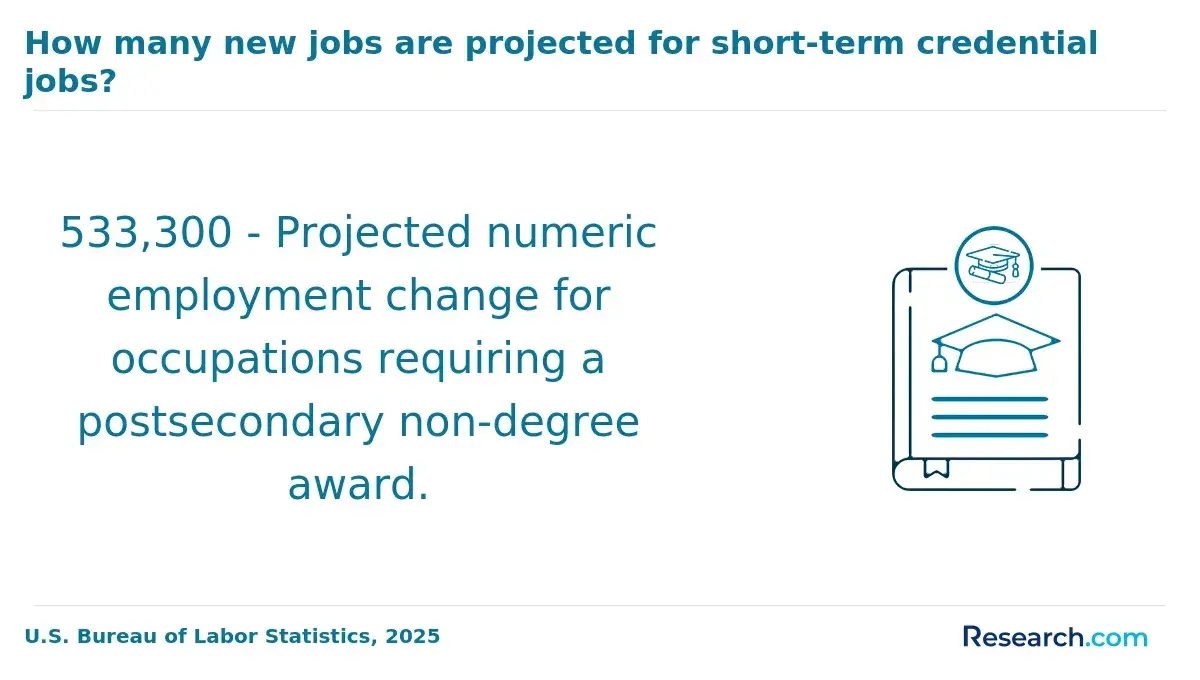
A strong curriculum remains relevant by evolving alongside industry standards, employer expectations, and professional certification requirements. Programs that regularly update course content, incorporate emerging technologies, and emphasize practical, career-focused skills help graduates stay competitive in today's job market.
- Data-Driven Instruction: The curriculum emphasizes the use of diagnostic assessments to identify specific reading challenges. This equips graduates with the ability to develop targeted intervention plans-a skill increasingly mandated by schools seeking measurable progress in literacy outcomes.
- Culturally Responsive Teaching: By incorporating culturally aware literacy development practices, the program prepares educators to engage diverse student populations effectively. This focus responds directly to calls from educational research for inclusivity and relevance in reading interventions.
- Technology Integration: Practical experience with blended learning environments and literacy technology tools is embedded in the coursework. Such preparation addresses contemporary literacy instruction's shift toward hybrid models and supports the evolving digital competencies needed in schools.
This Grand Canyon University online master's in reading curriculum alignment with industry trends reflects substantive efforts to meet the operational realities educators face. For prospective students, understanding how these curriculum components translate into job market advantages-especially when combined with practical experience-is essential.
Individuals pursuing advanced degrees in education should also consider affordability; researching options like cheap online colleges that accept FAFSA can mitigate financial tradeoffs while ensuring alignment with career goals in literacy education.
How much does Grand Canyon University's online Master's in Reading: K-12 program cost?
The tuition for Grand Canyon University's online master's in reading program tuition amounts to $17,450 annually, excluding additional costs such as books and supplies, which add approximately $1,100 per year. This cost framework is notable because the university charges a flat in-state tuition rate for all online students regardless of their location, which can simplify budgeting but may not reflect regional cost-of-living differences typically impacting on-campus or hybrid program expenses.
Financial aid factors heavily into the net cost, as nearly all undergraduates-99%-receive some form of aid, averaging $7,744. While graduate aid specifics differ, prospective students should actively pursue scholarships, grants, and employer tuition reimbursement partnerships that can meaningfully reduce their out-of-pocket expenses.
This is particularly important given that the total annual expense, considering fees, room, and board for on-campus students, reaches $37,212, a figure not applicable to most online learners but illustrative of broader cost variances. Compared against typical costs for similar graduate reading programs, Grand Canyon's fees remain competitive.
For example, the Federal Scorecard's Total Cost of Attendance for in-state students on campus is approximately $31,493, suggesting that GCU's online offering aligns with reasonable expectations for graduate-level education expenses while offering a more predictable flat-rate tuition model. However, differing fee structures and the absence of reported online technology fees mean students must consider their own circumstances carefully before deciding.
Students weighing whether to pursue this master's degree should also consider how the cost ties into broader workforce outcomes-investing in an advanced credential may help meet employer expectations for K-12 reading specialists, but must be judged against alternative time- and cost-efficient options, such as an associate degree in 6 months online that may accelerate entry into education support roles.
What are the admission requirements for Grand Canyon University's online Master's in Reading: K-12 program?
Admission to Grand Canyon University's online Master's in Reading: K-12 requires more than just baseline eligibility; it reflects a selective process balancing academic readiness with documentation of language proficiency. Candidates should assess these requirements carefully, as meeting minimum criteria like a GED and TOEFL scores does not guarantee admission but forms the foundation of consideration.
Below are key aspects to understand when preparing an application.
- Academic Credentials: Applicants must provide official secondary school transcripts showing completion of a high school equivalency such as a GED. Although a college-preparatory background and secondary school rank are recommended, they are not mandatory, allowing some flexibility for non-traditional students.
- English Proficiency: Demonstrating command of English via a TOEFL score is required, reflecting the program's need for language skills adequate for graduate-level literary study and instruction.
- Supplementary Documents: While not compulsory, submitting letters of recommendation, a personal statement, and a professional resume can enhance an application by evidencing motivation, experience, and readiness for advanced academic work.
- Transfer Credits: The university accepts various credit transfers, including ACE recommendations and standardized exams like CLEP and DSST, easing the pathway for students with prior college-level coursework, but specific transfer credit limits are unspecified.
- Admission Selectivity: The absence of an open admission policy signals that selective evaluation occurs, underscoring the importance of a complete and competitive application package tailored to meet graduate expectations.
What is the ROI of attending Grand Canyon University's online Master's in Reading: K-12 program?
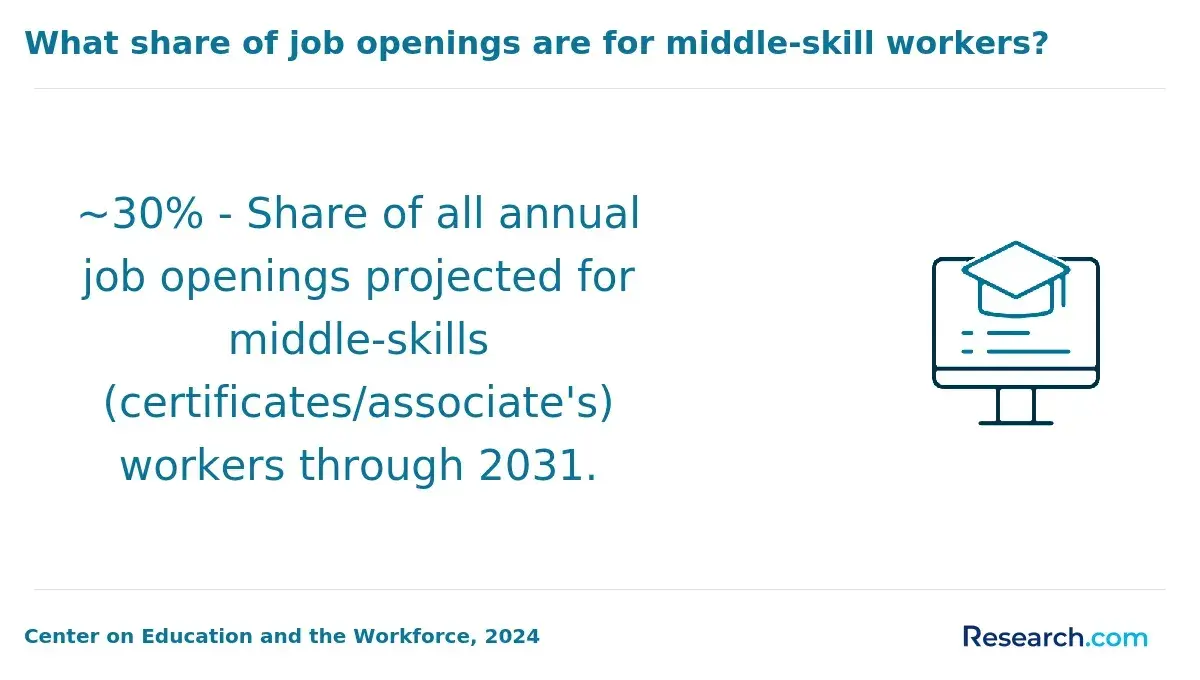
The return on investment for attending Grand Canyon University's online Master's in Reading: K-12 largely hinges on how graduates translate their credentials into sustained employment within public education systems. With a total annual cost exceeding $37,000, students invest significant resources upfront. This cost contrasts with median starting salaries around $42,186, which remain somewhat flat even a decade after graduation.
The modest wage growth highlights the importance of considering both immediate income prospects and the likelihood of climbing into higher-paying leadership or specialist roles to improve long-term ROI. A graduate debt median near $22,000 suggests a manageable repayment burden relative to earnings, reflected in a graduate earnings-to-debt ratio of about 1.91x.
However, this ratio assumes steady employability within education sectors where salary increments tend to be incremental rather than rapid. Securing scholarships or grants prior to enrollment can significantly tilt this balance, lowering debt load and enhancing financial outcomes. Conversely, those who struggle to attain roles beyond entry-level teaching positions may find the degree's ROI limited by stagnant salary scales.
For prospective students, understanding local district hiring patterns and certification requirements is crucial. Employers often reward additional credentials and demonstrated expertise, which can influence salary trajectories post-graduation. Therefore, ROI is not just a function of tuition versus starting salary but depends on an individual's capacity to leverage the degree within increasingly specialized or administrative K-12 education roles.
Is there a high student satisfaction for Grand Canyon University's online Master's in Reading: K-12 program?
Student satisfaction in Grand Canyon University's online Master's in Reading: K-12 program reflects a balance between the program's demands and the institutional support available. While a moderate graduation rate suggests completion challenges common in online education, many students value the flexibility that enables them to juggle teaching careers with coursework. This flexibility is critical for working educators who cannot pause their professional responsibilities but still require rigorous academic development.
The university's sizable faculty, including a large number of part-time instructors, implies varied access to expertise and mentorship, which can affect the consistency of student experiences. Student-led organizations and peer mentoring are practical assets that foster community and reduce isolation, a common hurdle in fully remote programs.
These networking opportunities often translate directly into engagement and motivation, which are crucial given that the reading master's involves integrating theory with classroom application under time constraints. Factors such as course difficulty, instructor responsiveness, and work-school-life balance weigh heavily on satisfaction. Candidates report that while coursework is demanding, the availability of counseling and mentoring services makes the workload more manageable, supporting perseverance.
One recent graduate shared how balancing teaching a full day with evening classes initially felt overwhelming, prompting doubts about completing the degree. However, the peer support forums and accessible faculty guidance "kept me grounded" through challenging assignments. She noted that these connections made the online format feel less isolating and played a significant role in sustaining her motivation and satisfaction with her educational investment.
How does Grand Canyon University help online Master's in Reading: K-12 graduates secure employment?
Schools significantly influence graduate employability by providing more than just credentials; they offer targeted career services that directly shape hiring outcomes. For online Master's in Reading: K-12 graduates, the ability to connect with education sector employers before completing the program can reduce post-graduation job search time and increase alignment with district needs. Data indicates that 76% of education graduates find their first job through school-affiliated resources or alumni networks.
This dynamic reflects the critical tradeoff in selecting programs: graduates benefit not only from academic preparation but also from how well a school facilitates positioning within the education labor market. The following outlines specific ways Grand Canyon University's career services assist students navigating employment in this field, demonstrating practical steps that enhance workforce transitions for those pursuing a Master's in Reading: K-12.
- Virtual Job Fairs: These events allow students to engage remotely with school districts and educational organizations actively hiring reading specialists and K-12 educators, offering interview opportunities that can streamline the job placement process.
- Resume Workshops: Tailored sessions help students adapt their resumes to emphasize skills and certifications relevant to K-12 reading instruction, increasing their competitiveness in regional and national job markets.
- Job Placement Portal: A dedicated online platform connects graduates with curated openings specifically for education roles, facilitating strategic and timely applications aligned with individual career goals.
- Alumni Mentorship Programs: Formal mentorship connects students with experienced graduates who provide insights on navigating certifications, district hiring nuances, and professional networking critical for job acquisition in this specialized field.
These services underscore how Grand Canyon University career services for Master's in Reading: K-12 graduates provide actionable support beyond coursework, reinforcing that participation in such programs can be crucial for job market success. Prospective students evaluating good online colleges should weigh these targeted employment resources as a substantive factor in program value.
What are the career outcomes for recent graduates of Grand Canyon University's online Master's in Reading: K-12?
Graduates of Grand Canyon University's online Master's in Reading: K-12 often enter roles focused on literacy intervention and educational support rather than high-level administrative positions. This specialization aligns with positions that emphasize direct student engagement and curriculum enhancement, but the tradeoff lies in comparatively modest earning potential within the education sector.
Assessing career outcomes is crucial in determining whether the program meets expectations for financial viability and job stability. These outcomes reveal a realistic picture of where graduates typically find employment and how their expertise translates into salary and advancement opportunities, especially relevant for those evaluating master's degrees in education.
The following career paths highlight typical roles and earning ranges for graduates, illustrating the practical implications of their educational investment:
- Reading Specialist: This role entails assessing student reading progress, designing targeted interventions, and collaborating with teachers to improve literacy. Salaries for reading specialists generally reflect mid-range education sector wages, offering steady employment in K-12 settings.
- Literacy Coach: Literacy coaches support educators in implementing effective reading strategies school-wide. While demanding strong pedagogical skills, these positions usually provide moderate salaries consistent with educational support staff.
- Instructional Coordinator: Coordinators develop curriculum and oversee instructional methods, leveraging expertise gained through the master's program. Earnings are in line with specialized teaching roles, occasionally increasing with leadership responsibilities.
These career pathways illustrate the workforce realities facing alumni, particularly in Arizona, where Master's in Reading: K-12 graduate job placement rates reflect steady demand for literacy professionals. Advancement often requires additional training or moving into consulting or curriculum development, which can enhance earning potential.
For those weighing this degree's value, understanding these tradeoffs within education's financial landscape is essential. For a broader context on accelerated educational degrees and their market impact, see this resource on fast-track degrees.
How do I know if Grand Canyon University's online Master's in Reading: K-12 program is the right fit for my goals?
Choosing whether Grand Canyon University's online Master's in Reading: K-12 program fits your goals hinges heavily on aligning academic offerings with clear professional outcomes. For instance, a teacher aiming to deepen literacy instruction skills versus one pursuing administrative roles will weigh the same curriculum differently.
The program's practical value depends on how well its components translate into sought-after competencies or certifications, making it essential to evaluate distinct factors before committing. Key considerations include these:
- Curriculum Relevance: Ensure the coursework prioritizes current reading theories, assessment methods, and teaching strategies that directly apply to K-12 settings. Look for evidence that content is updated to reflect shifts in literacy education practices and that it supports practical classroom implementation.
- Accreditation and Recognition: Confirm the program's accreditation status and reputation among education employers and certifying bodies. Accreditation impacts not only quality assurance but also eligibility for teaching certifications and professional licensure upgrades.
- Delivery Format Compatibility: Assess if the fully online structure suits your learning style and schedule. Consider whether the virtual environment facilitates meaningful interaction with instructors and peers, which can be crucial for mastering complex instructional techniques.
- Career Advancement Support: Review how the program connects theory to practice through practicum opportunities or links to K-12 schools. Guidance on certification processes or pathways to specialized roles often distinguishes a program's real-world utility.
- Professional Goal Alignment: Reflect on how the program outcomes align with your specific career aspirations, such as improving literacy instruction, gaining specialization, or moving into leadership positions. This alignment is key to ensuring your investment produces tangible benefits.
Those assessing fit for Grand Canyon University master's in reading K-12 online degree should also consider broader alternative pathways. For example, exploring best competency-based colleges offering flexible credit models might better serve candidates seeking accelerated timelines or customized learning experiences.
What Graduates Say About Grand Canyon University's Online Master's in Reading: K-12 Program
- Emily: "Studying at Grand Canyon University gave me the flexibility to balance work and my graduate studies, which was essential since I was already teaching full-time. The Master's in Reading: K-12 program deepened my understanding of literacy interventions, but I quickly noticed that many schools valued hands-on experience and specialized certifications more than just having the degree. It helped me get my foot in the door for reading specialist roles, though I had to invest additional time in building a solid portfolio and mentorships to progress further."
- Kendra: "After completing my Master's in Reading: K-12 from Grand Canyon University, I found an unexpected opportunity to transition into curriculum development rather than traditional classroom roles. The program's strong focus on research and practical strategies proved invaluable in designing effective literacy programs, yet I had to navigate the reality that certain districts preferred licensure for instructional leadership positions. This shaped my career path toward education consulting where I could leverage the degree's skills without facing those licensure barriers."
- Makayla: "I approached my Master's in Reading: K-12 at Grand Canyon University with a clear goal of advancing in school leadership, but the experience opened my eyes to the complexities of hiring practices in education. Employers often emphasized classroom experience over the academic credential alone, which meant that despite completing the program, my salary growth was modest without additional licensure. Still, the online structure allowed me to continue working and start remote tutoring gigs that supplemented my income and broadened my professional network significantly."
Other Things You Should Know About Degrees
The program expects consistent weekly engagement, including readings, assignments, and practicums, with courses typically lasting eight weeks. While designed for working educators, the compressed term format means heavier short-term workloads rather than steady pacing across months. Prospective students should prioritize strong time management and assess whether their current job and personal commitments can accommodate intensive study bursts, or else risk burnout and falling behind.
The required field experiences aim to provide hands-on exposure, but the level of direct supervision and classroom diversity can vary based on local placements. Students relying on these experiences to develop deep, varied instructional skills should carefully consider how their geographic location and school partnerships impact the quality of fieldwork. Those in less resourceful districts might need to seek additional practicum opportunities outside the program to fully prepare for diverse K-12 reading environments.
Online delivery restricts face-to-face interaction, limiting spontaneous discussions that can enrich understanding of complex reading instruction concepts. Faculty are accessible through scheduled virtual office hours and forums, but communication often hinges on students' initiative. For those who thrive on collaborative learning or require more immediate feedback, this could be a drawback; prioritizing programs with synchronous sessions or hybrid options might better suit such students.
References
- Careers https://www.gce.com/careers.html
- Grand Canyon University Reviews https://www.gradreports.com/colleges/grand-canyon-university
- Most Affordable Online Master’s in Education for 2025 https://www.onlinemastersdegrees.org/most-affordable/education-programs/
- Career Services https://georgian.edu/academics/career-services/
- Why You Should Get a Master’s in Literacy - Graduate Programs for Educators https://www.graduateprogram.org/blog/why-you-should-get-a-masters-in-literacy/
- Reading Specialist https://www.sru.edu/programs/grad-reading-specialist
- Grand Canyon University Ranking: What You Need To Know https://www.staging.westernautisticschool.vic.edu.au/vic-news/grand-canyon-university-ranking-what-you-need-to-know-1767648806
- Reading/Literacy Specialization, M.Ed. or Post-Master's Program https://catalog.georgian.edu/graduate/school-education/educational-services-advanced-studies-certificate-masters-degree-programs/reading-literacy-specialization-med/
- Mastering the Science and Art of Teaching Reading https://languagemagazine.com/2026/04/20/mastering-reading/