2027 Arizona State University Online BS in Ocean Futures - Coastal and Marine Science: Cost, Curriculum, Admissions, and Career Outcomes

Co-Founder and Chief Data Scientist
Determining if the online BS in ocean futures - coastal and marine science at arizona state university fits both academic ambitions and career plans challenges many prospective students. This program appeals to those balancing work and education, but with online enrollments increasing by over 30% in 2024 according to the National Center for Education Statistics, flexibility alone isn't enough.
Students must evaluate curriculum rigor, admissions requirements, and workforce relevance carefully. Understanding how the program aligns with evolving environmental job markets and personal scheduling needs is essential for informed decision-making. This article examines cost, curriculum, admissions, and career outcomes to help students assess this degree's practical value and long-term benefits.
Key Points About Arizona State University's BS in Ocean Futures - Coastal and Marine Science Program
- Arizona State University's high acceptance rate of 90% for this online BS in Ocean Futures program reduces barriers to entry but may require students to proactively engage to maintain academic momentum.
- The curriculum's emphasis on research and practical marine science informs employers' positive perception of graduates, enhancing early-career job prospects within a competitive environmental sector.
- The total tuition cost of $34,845 positions the program as a focused investment, balancing accessibility with the need for students to evaluate long-term return amid specialized field demands.
What can students expect from Arizona State University's online BS in Ocean Futures - Coastal and Marine Science curriculum?
Students pursuing Arizona State University's online BS in Ocean Futures - Coastal and Marine Science encounter a curriculum structured around the core competencies expected in similar US programs, with a distinct emphasis on integrating interdisciplinary approaches for practical marine and coastal problem-solving. This degree mirrors standard course frameworks in biological, chemical, and physical oceanography but supplements these with applied topics critical for marine science workforce readiness.
For example, a graduate might analyze coastal data to inform local conservation strategies or assist policymakers in managing fisheries sustainably. Here is an outline of key curriculum components:
- Marine Ecosystems: This coursework requires students to understand habitat dynamics and species interactions within marine environments. It develops skills necessary to evaluate ecosystem health, vital for roles in conservation or resource management.
- Coastal Resource Management: Students learn to assess human impacts on coastal zones through policy and science integration, preparing them to contribute to sustainable development and resilience planning.
- Research Methods and Data Management: Emphasis on designing scientific studies and handling oceanographic data equips students with practical lab and field skills indispensable in research or consulting careers.
The detailed course structure within Arizona State University's coastal and marine science curriculum offers hands-on virtual experiences aligned with evolving industry demands, distinguishing it within the landscape of online BS in ocean futures coastal and marine science curriculum details. This focus on applied knowledge aims to fulfill both academic standards and the expectations of employers who prioritize analytical capabilities combined with multidisciplinary perspectives.
For students weighing online bachelor's options against accelerated tracks like the best 1 year PhD programs online, the program's balance of breadth and specialization in marine sciences is an important consideration based on career goals and timing flexibility.
What are Arizona State University's admission requirements for online BS in Ocean Futures - Coastal and Marine Science program?
Admission to arizona state university's online BS in ocean futures - coastal and marine science is selective, underscoring the need for applicants to present a substantiated academic profile rather than relying solely on open admission. For a typical prospective student-say, someone balancing work with education-understanding these requirements highlights the importance of early preparation and strategic submission of materials to improve admission chances.
Below are key admission criteria prospective students should focus on:
- Secondary School Record: Submission of official high school transcripts or GED documentation is mandatory. This provides a verified academic history, ensuring applicants meet baseline educational prerequisites for rigorous science coursework.
- English Language Proficiency: Required for applicants whose primary language is not English, this is typically demonstrated via TOEFL scores. This confirms readiness to engage with complex curriculum and communicate effectively in an online academic environment.
- Standardized Test Scores: Although SAT or ACT scores are recommended, they are not compulsory. This flexibility reflects an admission approach valuing holistic evaluation beyond numeric test results, but submitting scores can strengthen the application.
- Letters and Competency Demonstrations: While not strictly required, submitting letters of recommendation and documented evidence of relevant skills or competencies can enhance an applicant's profile by showcasing motivation and aptitude.
- Technology Access: Given the fully online format, applicants must have reliable computer access. Arizona State University provides options to purchase or lease equipment, ensuring technical readiness to handle program demands.
Is it difficult to get admitted to Arizona State University's online BS in Ocean Futures - Coastal and Marine Science program?
Admission to most BS in Ocean Futures - Coastal and Marine Science programs tends to be moderately accessible, reflecting the niche yet growing interest in marine and environmental sciences. Unlike highly selective STEM degrees with limited enrollment, this field generally sees steady demand without intense competition, allowing a broader range of applicants to qualify based on relevant interests and academic background.
Arizona State University exemplifies this trend with its notably high acceptance rate of 90%, admitting about 62,084 of 68,840 annual applicants overall. This inclusivity is enhanced by the absence of SAT or ACT requirements, which lowers entry barriers compared to conventional university admissions. As a result, gaining entry to ASU's online BS in Ocean Futures - Coastal and Marine Science is unlikely to be a significant hurdle for applicants meeting basic eligibility, aligning with the institution's mission to provide flexible access to emerging science fields.
One graduate recalled feeling relief during her application process, having initially worried about needing standardized test scores amid career shifts. She noted, "I appreciated that not having SAT scores didn't shut the door for me, especially while balancing part-time work and family. The straightforward acceptance felt like a practical step toward specialized knowledge without extra hurdles." This perspective underscores the program's appeal to those seeking specialized education without traditional gatekeeping obstacles.
What is the cost of attending an online BS in Ocean Futures - Coastal and Marine Science program at Arizona State University?
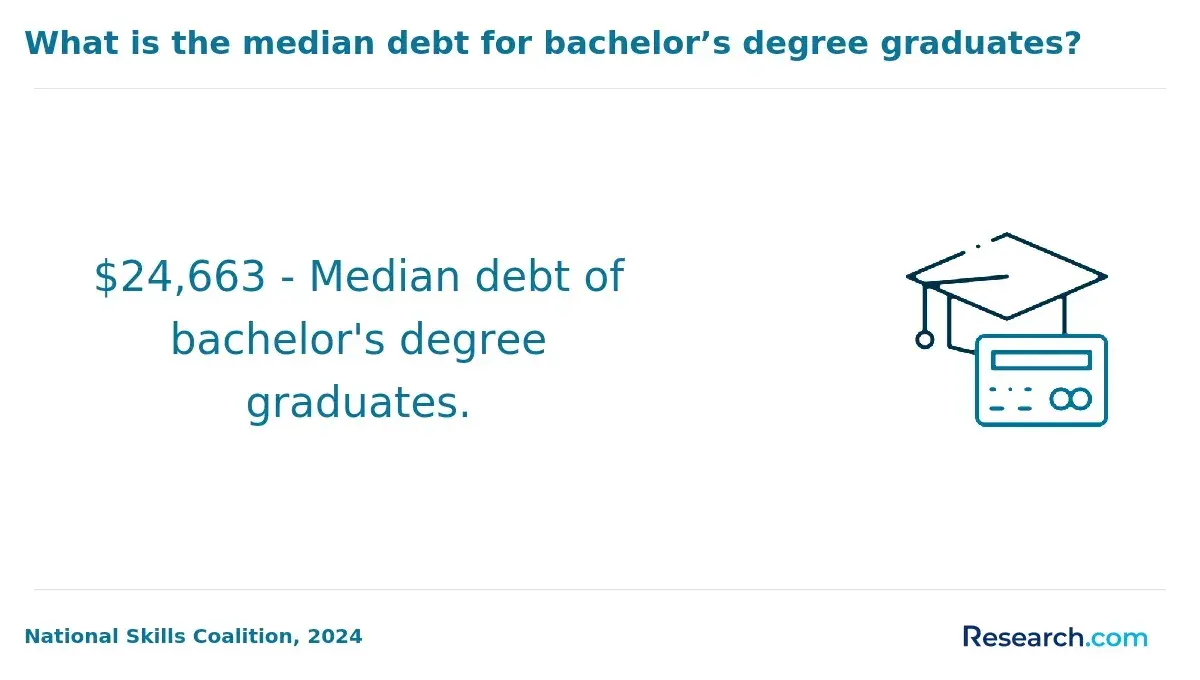
The tuition for an online BS in Ocean Futures - Coastal and Marine Science at Arizona State University stands at $12,051 annually, excluding books and living expenses, which can add roughly $1,320 for supplies. This baseline cost offers transparency but requires scrutiny when compared to in-state on-campus figures that include room and board, reaching approximately $28,047. Students must be prepared for this divergence as it reflects the practical tradeoff between remote flexibility and campus amenities or resources not charged in the online model.
The absence of additional online technology fees and a flat-rate tuition regardless of location simplifies budgeting, yet it places the onus on students to evaluate the total financial commitment beyond tuition alone. For those seeking affordable coastal and marine science degree programs in Arizona, these nuances influence both direct costs and potential hidden expenses like specialized equipment or fieldwork support, which may vary by program.
Compared to national averages, Arizona State University's tuition is competitive within ocean and marine science fields, helping students balance cost with access to institutional resources. However, given the specialized nature of the BS in Ocean Futures, candidates should consider how program quality and subsequent employability align with tuition outlay, especially in a labor market valuing practical environmental and marine expertise.
For students weighing their options, identifying fun majors in college that pay well is an important filter, as the financial investment must be justified by career trajectory and salary potential post-graduation. This analysis is crucial for those prioritizing ROI over general academic interest within this niche but strategically significant field.
Are there financial aid options for online BS in Ocean Futures - Coastal and Marine Science students at Arizona State University?
Financial aid options for online BS in Ocean Futures - Coastal and Marine Science students at Arizona State University can substantially mitigate the financial burden, but navigating eligibility and application requirements is essential to maximize support. Decisions around financing often affect whether students can sustain enrollment or need to pursue additional work hours, impacting their academic progress.
Below are key financial aid types to consider.
- Institutional Scholarships: ASU offers merit- and need-based scholarships that sometimes prioritize fields like environmental and marine sciences. Awards vary but often provide partial to significant tuition coverage, requiring applications that demonstrate academic achievement or financial need.
- Federal Financial Aid: Pell Grants and federal student loans are accessible for qualifying students based on income, enrollment status, and satisfactory academic progress. Pell Grants do not require repayment and help reduce upfront costs, while loans require careful consideration due to long-term repayment obligations.
- Veteran Benefits: Eligible military service members and their dependents can leverage VA education benefits, which can cover tuition and fees. Using these benefits may require coordination with ASU's veteran services to align with program requirements.
- Corporate Tuition Reimbursement: ASU's partnerships with employers facilitate corporate-sponsored tuition reimbursement programs. Students employed by participating organizations can offset education costs, but this often requires maintaining employment and meeting specific internal policies.
- Institutional Grants: Beyond scholarships, ASU provides grants targeting sustainability and ocean-related disciplines. These grants typically have specific eligibility criteria tied to program enrollment and may offer funding that reduces the need for loans.
What learning resources are available to online BS in Ocean Futures - Coastal and Marine Science students at Arizona State University?
Access to targeted learning resources significantly shapes the likelihood of student success in online environmental science programs, particularly in specialized fields like ocean futures and coastal studies. For students balancing practical skill acquisition with theoretical knowledge, reliable support systems provide a critical advantage in navigating complex scientific content and professional expectations.
These resources also mitigate some inherent challenges of remote learning, such as limited hands-on experiences and networking opportunities. Below is an overview of the primary support mechanisms designed to reinforce the online bs in ocean futures - coastal and marine science curriculum at Arizona State University.
- Advanced Online Platform: The program utilizes a sophisticated digital learning environment enabling students to access lectures, data sets, and interactive simulations easily. This platform reduces technical friction, helping students focus on content mastery rather than navigating software issues.
- Technical Support: Dedicated assistance is available for troubleshooting access and connectivity problems, which is essential for maintaining uninterrupted study schedules in an asynchronous online context where timely resolution impacts learning continuity.
- Academic Advising and Tutoring: Personalized academic counseling and virtual tutoring sessions help students tailor their coursework to career objectives and clarify challenging scientific concepts. This targeted support often distinguishes successful learners in STEM fields.
- Career Services and Networking: Beyond academics, students gain access to career counseling, internship placement support, and connections with alumni and industry professionals. These relationships are vital for translating academic credentials into meaningful employment within marine science and environmental sectors.
- Writing Assistance: Specialized writing support improves students' abilities to effectively communicate scientific findings, a skill highly valued by employers and graduate programs alike.
Does Arizona State University's online BS in Ocean Futures - Coastal and Marine Science program have in-person clinicals or practicums?
In marine and coastal science fields, practical, hands-on experience through in-person clinicals or practicums often serves as a critical benchmark for employer readiness. Many traditional BS programs require students to complete fieldwork or lab internships to develop competencies in real-world data collection and environmental assessment. However, Arizona State University's online BS in Ocean Futures - Coastal and Marine Science deviates from this norm by eliminating mandatory on-site clinical experience, a tradeoff that can impact immediate job preparedness but offers accessibility for non-traditional or geographically remote students.
Industry standards typically emphasize immersive field practicums, yet the arizona state university coastal and marine science online program clinical experience options prioritize virtual labs, fieldwork projects adapted for remote participation, and simulation-based learning. This model allows students to gain practical skills while managing diverse schedules or living distant from coastal research centers. Although students can pursue local internships independently, none are compulsory for degree completion. This flexibility might limit exposure to specific hands-on environments valued by employers focused on direct field experience.
Choosing this program means weighing convenience against the value that in-person practicums contribute to professional networking and site-specific expertise. Prospective students interested in the easiest associate degree to get online or those balancing work and study can benefit, but should assess how absence of embedded clinicals aligns with their career goals within ocean sciences and environmental sectors.
What careers can graduates of online BS in Ocean Futures - Coastal and Marine Science at Arizona State University secure?
The career marketability of graduates from the online BS in Ocean Futures - Coastal and Marine Science at Arizona State University depends heavily on their ability to intersect scientific expertise with practical environmental challenges. A critical evaluation shows that while the degree imparts valuable interdisciplinary skills, the transition into stable employment requires navigating sectors with varying demand and often project-based funding.
This degree can open doors to specialized marine and environmental roles, but graduates may need to leverage additional certifications or experience to stand out. Importantly, employment prospects in marine science for asu ocean futures degree holders frequently involve fieldwork, policy influence, and engagement with increasingly complex climate-related issues.
Below are relevant career paths reflecting these realities.
- Marine Biologist: Professionals study aquatic organisms and ecosystems, often involved in research or conservation projects. Salaries vary widely based on employer type, from government roles to nonprofit sectors.
- Coastal Resource Manager: These specialists oversee sustainable use of coastal environments, balancing development and conservation. Positions often require collaboration with policymakers and can offer moderate to competitive pay depending on jurisdiction.
- Environmental Consultant: Consultants assess human impacts on marine habitats and advise clients on compliance or mitigation strategies. Earnings tend to be higher in private firms, though workload is frequently project-driven.
- Oceanographer: Focused on physical, chemical, or geological ocean processes, oceanographers often work in research institutions or government agencies. Compensation reflects advanced expertise and research responsibility.
Given the program's focus on sustainable ocean management, graduates also find relevance in communications, planning, and aquaculture sectors, albeit with varying employment stability. For students evaluating enrollment, comparing these career opportunities alongside program costs and potential need for further qualifications is essential. It's also prudent to research online schools no application fee to minimize upfront expenses while considering this degree path.
What is the salary outlook for online BS in Ocean Futures - Coastal and Marine Science graduates?
The salary outlook for graduates of arizona state university online BS in ocean futures - coastal and marine science reflects the specialized nature of environmental and marine resource careers, often aligning with roles in natural resource conservation and environmental consulting. Job seekers should weigh that initial salary levels may be modest compared to other STEM fields, impacting early-career financial stability.
For example, entry-level positions in governmental agencies or conservation organizations typically offer median salaries near $35,617, a figure drawn from comparable natural resource sectors rather than exact program data. Broader median alumni earnings for arizona state university ocean futures - coastal and marine science degree holders across disciplines average $62,668, indicating potential growth as professionals gain experience or pivot to related technical roles.
Graduates capable of leveraging specialized skills in environmental engineering or marine policy can anticipate median salaries approaching those of environmental or civil engineers, around $63,000 to $65,000, but such outcomes often require strategic career moves beyond the initial coastal science focus.
Prospective students evaluating this degree should consider the financial tradeoffs when compared with other accelerated degree programs for working adults, some of which may offer faster access to higher-paying sectors in technology or engineering. The program foundation supports steady earning potential in conservation and science technology roles, with median salaries near $58,107 for related industries, which remains an important context when planning career trajectories.
How do you know if Arizona State University's online BS in Ocean Futures - Coastal and Marine Science program is the right choice for you?
Choosing whether the online BS in Ocean Futures - Coastal and Marine Science at Arizona State University suits your needs requires a detailed evaluation of how the program matches your learning style, career ambitions, and desired engagement level. Making this decision thoughtfully helps avoid misaligned expectations that can lead to wasted time or missed opportunities.
Consider the following criteria when weighing your options.
- Curriculum Relevance and Rigor: Assess if the coursework integrates marine science fundamentals with applied topics like climate change and ecosystem management, which are critical for roles in coastal resource management or environmental consulting.
- Learning Format Flexibility: Determine your preference for synchronous interaction versus asynchronous study. ASU's model blends both, but understanding your own ability to stay motivated in online settings with less real-time contact is vital.
- Community and Networking Opportunities: Effective online programs replicate campus social dynamics through discussion boards and group projects. Investigate whether the program fosters meaningful peer and faculty connections that support collaboration and reduce isolation.
- Career Support and Outcomes: Review resources like internships, faculty involvement, and career counselling to gauge how the program facilitates employment pathways in marine science sectors.
What Graduates Say About Arizona State University's BS in Ocean Futures - Coastal and Marine Science Program
- Aubrey: "Studying the BS in ocean futures - coastal and marine science at Arizona State University was a strategic choice for me because of its flexible online format, allowing me to balance part-time work and coursework. The program emphasized building a solid portfolio through fieldwork simulations and research projects, which proved crucial during job interviews since many employers focus more on hands-on experience than traditional licensure. While the path to certain specialized roles was competitive, the skills I gained gave me a practical edge and helped me transition quickly into a coastal resource management position."
- Phoebe: "Arizona State University's BS in ocean futures - coastal and marine science program gave me a broad understanding of marine ecosystems, but what really stood out was how much they stressed the importance of internships and certifications alongside the degree. When I graduated, I noticed many companies valued those credentials equally as they did the degree itself, so I made sure to pursue additional marine GIS certification before applying for environmental consulting roles. The program's remote learning structure also helped me enter the workforce faster and negotiate remote-friendly jobs, which has benefited my work-life balance tremendously."
- Mariah: "Reflecting on my time at Arizona State University, the BS in ocean futures - coastal and marine science taught me the realities of the marine science field-salary growth can plateau without advanced licensure, and many roles require persistence and a diverse skill set. I had to compete for initial positions against candidates with more direct oceanographic field experience, which was intimidating at times. Still, the analytical tools and environmental policy modules provided a foundation that allowed me to pivot into a science communication role, illustrating how versatile the program's curriculum can be depending on career direction."
Other Things You Should Know About Degrees
While the online program at Arizona State University provides access to faculty and virtual collaboration, it inherently lacks in-person networking opportunities common to traditional campus programs. This can limit spontaneous mentorship and local industry engagement, which are valuable for internships or job placements. To compensate, students should proactively engage in online forums, virtual events, and seek external marine science internships to build a robust professional network.
The program offers some flexibility with asynchronous coursework, but core science labs and certain collaborative projects may have scheduled deadlines that require regular participation. This structure means students with highly variable schedules should carefully assess their ability to meet these time-sensitive components. For those needing maximum flexibility, enrolling part-time or planning breaks might be necessary to successfully complete the degree.
Graduates from this online degree may encounter skepticism from some employers who prioritize hands-on field experience and on-campus credentials, particularly in marine science roles requiring physical presence. To overcome this, students should seek out internships, certifications, or fieldwork opportunities during their studies to demonstrate practical skills. Prioritizing these experiences enhances employability, as the degree alone may not suffice to fully validate job readiness in this competitive sector.
References
- Studying the ocean from the desert - The Arizona State Press https://www.statepress.com/article/2025/11/ocean-futures-asu
- Arizona State University Launches Two Degrees Preparing Students to Create a Sustainable, Just, Ocean Future - blueeconomynews.earth https://blueeconomynews.earth/arizona-state-university-launches-two-degrees-preparing-students-to-create-a-sustainable-just-ocean-future/
- ASU launches online ocean futures undergraduate degrees https://www.prnewswire.com/news-releases/asu-launches-online-ocean-futures-undergraduate-degrees-302535139.html
- ASU launches online ocean futures undergraduate degrees https://finance.yahoo.com/news/asu-launches-online-ocean-futures-120700615.html