2027 How Hard Is It to Get Into American University Online Programs?

Co-Founder and Chief Data Scientist
Consider a prospective student juggling full-time work and family commitments, hoping to secure a spot in American University's online programs. Admissions competition grows as applications increase, yet acceptance rates remain selective, with recent data showing acceptance rates near 40%. This indicates a significant screening process where academic records, relevant experience, and clear career objectives weigh heavily.
Getting admitted depends on more than credentials. Admissions committees evaluate practical readiness and potential contribution to the program. Understanding how American University balances selectivity and accessibility helps applicants target their strengths more effectively. This article will analyze admission difficulty, requirements, and strategies to improve prospects in American University's online programs.
Key Points About Admission Difficulty at American University Online Programs
- American University's 47% acceptance rate shows moderate selectivity, suggesting online applicants face a competitive but not prohibitive admission environment that requires clear differentiation in applications.
- Out of 17,786 applicants, roughly 8,365 are admitted, meaning candidates must present relevant credentials and aligned career goals to meet the school's evaluative standards and employer expectations.
- The admissions process demands realistic self-assessment and preparation, as evaluation criteria reflect program outcomes and labor market relevance, impacting acceptance chances based on fit and qualification rigor.
How competitive is admission to American University's online programs?
Admission to American University online programs is moderately competitive, with a 47% acceptance rate reflecting a careful balance between accessibility and selectivity. This rate places the institution above open-access schools admitting 70% or more but below highly selective programs with under 30% acceptance, indicating that prospective students must demonstrate baseline academic qualifications. For example, an applicant with average undergraduate credentials will still face competition from those presenting stronger academic records or relevant professional experience, particularly in high-demand disciplines such as business or cybersecurity.
Admissions standards at American University typically require applicants to meet specific program prerequisites and submit a compelling application portfolio that may include letters of recommendation, personal statements, or work samples. These requirements serve as filters to maintain program quality and ensure graduates meet employer expectations. Prospective students often assess their candidacy realistically by comparing their academic background and experience to published program standards and then invest additional effort into strengthening their applications to improve their likelihood of admission.
National trends show increasing selectivity in online program admissions across the country, driven by rising demand for flexible education and employer emphasis on rigorous training, according to recent findings from the National Center for Education Statistics. This shift suggests that even programs with moderate acceptance rates like American University's face pressure to prioritize applicants demonstrating readiness and potential career alignment. Therefore, understanding program-specific criteria and market expectations becomes crucial when deciding whether to apply.
What academic credentials do successful applicants typically have?
Academic credentials shape an applicant's ability to succeed in American University online programs more than mere completion of secondary education. Candidates often face competitive benchmarks requiring demonstrated mastery across multiple criteria. For example, a student aiming for competitive graduate programs must plan for specific prerequisites early. The typical profile reflects not just a diploma but a coherent record of academic preparation well-suited for rigorous coursework, evidencing readiness to engage with demanding content and online learning formats. The following list highlights essential credentials commonly held by successful applicants.
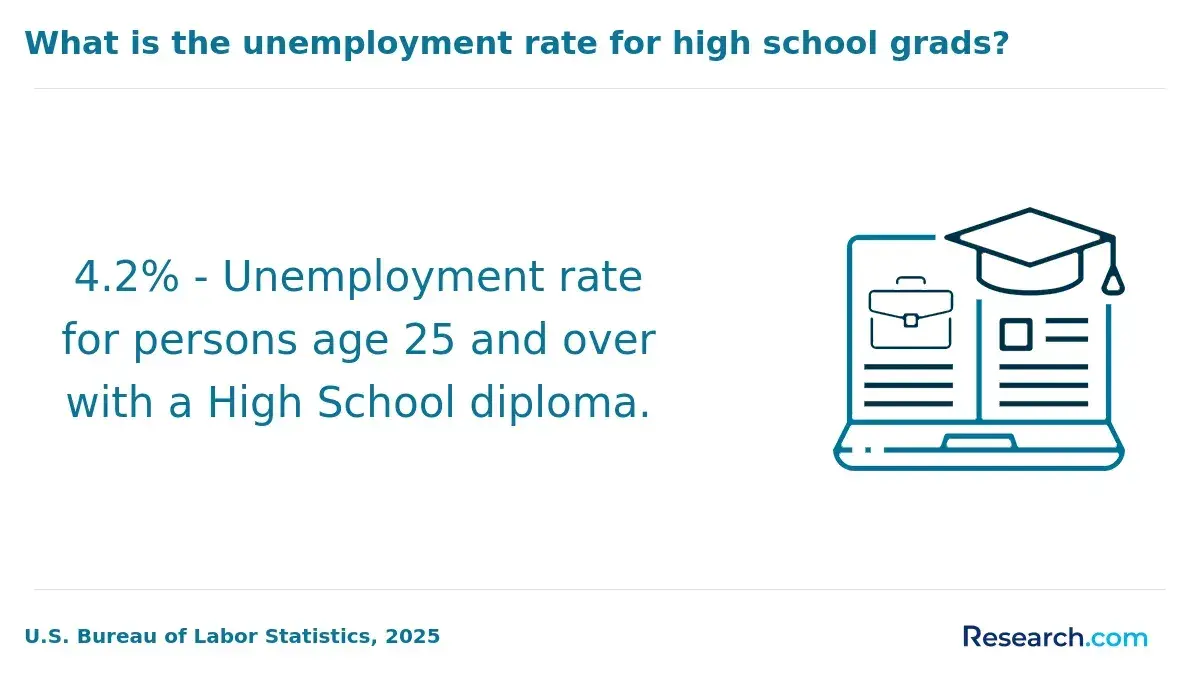
- High School Diploma or GED: Completion of high school or a General Educational Development credential is mandatory. Applicants must ensure their documentation is official and recognized in admissions to show foundational readiness.
- Competitive GPA: An average GPA between 3.3 and 3.7 on a 4.0 scale is standard among admitted online students. A solid GPA signals academic consistency and the ability to manage college-level work.
- Standardized Test Scores: SAT verbal scores typically range from 670 to 740, with math between 630 and 710, or ACT composite scores between 29 and 33. These scores demonstrate proficiency in essential skills and help differentiate applicants.
- College-Preparatory Curriculum: Completion of a rigorous high school curriculum designed to prepare students for university studies confirms academic rigor. It strengthens applications by aligning prior coursework with future demands.
- Recommendations and Competency Demonstrations: Letters of recommendation are required, reinforcing academic and personal qualities. Formal demonstrations of competency may further support an applicant through practical validation of skills.
- English Proficiency Tests: Non-native English speakers must supply TOEFL scores, ensuring they possess language skills sufficient for academic communication in an online environment.
- Advanced Placement Credits: Recognized AP credits provide an academic advantage by showing college-level work completed in high school, reducing time and cost burdens while affirming capability.
A nuanced understanding of these factors helps prospective students assess their standing before applying. Candidates with borderline qualifications might explore programs labeled as the easiest doctorate to get as alternative pathways, balancing ambition with pragmatic planning. American University online program admission requirements reflect a selective approach valuing proven academic achievement and preparation for impactful, career-aligned education.
What admissions requirements matter most beyond GPA?
Admission to American University online programs requires more than a strong GPA. The university evaluates candidates through a combination of academic history, personal endorsements, and demonstrated competencies, reflecting an applicant's readiness for both academic rigor and workplace demands. For instance, a candidate with moderate grades but exceptional recommendation letters and cognitive test scores might be more competitive than one with a high GPA but limited supporting evidence. These factors show a broader profile and help admissions committees weigh potential success beyond numeric grades. Below are key additional requirements that matter for applicants aiming to stand out in American University online admissions.
- College-Preparatory Completion:A full secondary school record indicating completion of a college-preparatory curriculum is essential. This foundation signals preparedness for university-level challenges and consistency in academic rigor.
- Letters of Recommendation:Applicants must submit recommendation letters from educators or mentors. Strong endorsements provide insight into character and capabilities that grades alone cannot reveal, often boosting acceptance odds.
- English Language Proficiency:Non-native English speakers must take the TOEFL exam to prove language skills. This requirement ensures candidates can manage course material effectively in an English-language environment.
- Formal Competency Assessments:Tests such as the Wonderlic or WISC-III are encouraged to demonstrate cognitive abilities and readiness in alternative ways. These measures offer admissions a nuanced perspective beyond GPA and standardized test scores.
- Secondary School Rank and Advanced Placement:Though school rank is recommended but not mandatory, Advanced Placement credits are accepted and signify experience with advanced academic work, enhancing a candidate's profile.
Recent findings show that 68% of successful applicants combine strong recommendation letters with formal competency evaluations, a combination that outperforms GPA alone in predicting acceptance according to research from the National Center for Online Learning. This highlights the need for applicants to secure meaningful endorsements and possibly pursue assessments that validate their academic and professional potential.
Applicants considering their likelihood of admission and exploring routes to strengthen their profiles should factor in these components carefully. For those seeking accelerated options or alternative credentials, examining a reputable associates degree online might provide strategic value aligned with employer expectations and educational goals.
Are online American University programs easier to get into than campus-based programs?
American University's online programs report an acceptance rate near 42%, whereas campus-based programs admit roughly 29% of applicants. Despite this gap, both modalities subject candidates to identical admissions committees and evaluation standards, including academic records, personal statements, and relevant experience. The higher online acceptance rate largely reflects differing applicant pools rather than lower admissions criteria.
Online programs tend to attract working adults and non-traditional students with extensive professional backgrounds, which diversify the applicant demographic. Campus applicants more often reflect recent high school graduates or those with traditional academic pathways. This variance influences acceptance rates by blending selectivity with capacity and audience focus rather than signaling weaker standards.
Prospective students should weigh how selectivity compares not just statistically but contextually. An online applicant with significant work experience may find admissions more accessible than a campus applicant with a purely academic profile, though program rigor and employer perceptions remain consistent across both formats. Selectivity therefore hinges on applicant type and program demand, impacting long-term credential value and networking prospects.
For example, a mid-career professional seeking to pivot industries might view the online program's acceptance rate as an opportunity but should also consider networking limitations inherent in remote study. Conversely, a recent high school graduate might face tighter campus competition but gain immersive experiences potentially prized by employers.
One online student recalled hesitating initially, uncertain if the online route at American University was less demanding to access than campus options. After researching acceptance patterns and prerequisites, they realized the admissions process mirrored traditional channels, with the difference resting mostly in applicant profiles. "It wasn't easier or harder," they noted, "just different types of students and experiences." This clarity helped them move forward without undervaluing the program's rigor or their own readiness.
How do admissions standards vary across different American University online programs?
Admissions standards at American University vary widely because programs serve different career paths and academic disciplines. Some programs prepare students for professional licensure, requiring strict prerequisites and demonstrated mastery. Others focus on academic research or leadership roles, expecting higher levels of prior achievement and experience. Demand and capacity also influence selectivity, with popular or resource-intensive online degrees tending to raise their bars. The practical implications of these differences can directly affect how prospective students align their credentials and expectations.
Admissions standards for notable online programs at American University include:
- Online Bachelor's Degree Completion Programs: These programs have more accessible admissions with a minimum GPA around 2.5 and require an associate degree or equivalent credits. They prioritize working adults seeking flexible scheduling rather than competitive selectivity, making admission relatively attainable but less focused on specialization.
- Online Master of Public Administration (MPA): This program requires at least a 3.0 undergraduate GPA and relevant professional experience. Admissions reflect the field's emphasis on leadership and policy skills, so demonstrated capacity for public sector work is critical, raising competitiveness above many general master's programs.
- Online Master of Science in Cybersecurity: Admission standards include at least a bachelor's degree in a related field and evidence of technical proficiency. Given the specialized demand for cybersecurity skills and employer requirements, admission is more selective and expects concrete prior experience or certifications.
- Online Doctor of Philosophy (PhD) in International Relations: With acceptance rates below 20%, this program demands strong academic records, published research, and faculty endorsements. Its purpose is to train independent scholars and leaders, explaining its high selectivity compared to professional master's programs.
- Online Master of Education (MEd): Requires a relevant bachelor's degree and often current teaching experience. Because many graduates must pursue licensure or certification, standards are aligned with professional regulatory bodies, influencing admissions rigor differently than purely academic programs.
- Online Master of Arts in Communication: Admissions typically expect a moderate to strong undergraduate GPA and a portfolio or writing samples to assess applicants' communication skills. This reflects the discipline's blend of theory and applied practice, demanding both academic and professional readiness.
- Online MBA Program: The program sees competitive admissions requiring a minimum GPA near 3.0, GMAT/GRE scores (in some cases), and professional work experience. The admissions process focuses on leadership potential and strategic thinking, responding to high employer expectations within business sectors.
Higher selectivity in graduate and doctoral programs compared with undergraduate online pathways aligns with increasing employer expectations and institutional focus on quality. Understanding these nuances alongside factors like online tuition costs at American University or cost comparison of American University online and campus programs helps applicants make strategic decisions. For those assessing their fit, investigating affordable online master's programs can clarify both admission chances and financial commitments in competitive fields.
How do transfer credits and prior experience affect admission chances?
Transfer credits and prior professional or military experience can shape admission outcomes at American University's online programs beyond simple eligibility. Applicants who strategically compile relevant credentials stand a better chance of admission, provided they align with program criteria and institutional standards. The recognition of diverse learning sources reflects a trend toward valuing demonstrated competencies over traditional academic trajectories. However, the extent of credit acceptance and evaluation rigor directly impacts how much prior learning advantages admissions, especially amid competitive cohorts. A 2024 report found that institutions with flexible transfer credit policies increased transfer retention rates by up to 15%, underscoring the practical importance of how prior credentials are leveraged for admission success.
Key factors influencing transfer credit and prior experience recognition include the quality, documentation, and relevance of learning. Here are critical elements applicants should consider:
- ACE Evaluations of Military and Workplace Training: American University values American Council on Education (ACE) credit recommendations, which standardize credits earned through military service or professional training. Applicants should submit ACE transcripts to demonstrate credible, institutionally recognized learning that may reduce course requirements and strengthen admission chances.
- CLEP Subject and General Exams: Passing CLEP exams provides official documentation of mastery in various college-level subjects. Since American University accepts these exams, submitting CLEP scores can expedite credit transfer and signal academic readiness, improving application competitiveness.
- Previous College or University Credit: Transferable coursework from accredited higher education institutions often forms the backbone of admission decisions. Applicants must ensure that credits align with their intended program's curriculum because non-equivalent credits may be discounted or rejected.
- Portfolio Assessments of Prior Learning: For nontraditional students with substantial work experience, submitting portfolios detailing relevant skills and projects can support credit recognition. Although not guaranteed, this personalized evidence may influence admissions committees toward positive evaluation.
- Relevance to Degree Program Requirements: Transfer credits and prior experience matter most when they fulfill specific course or competency requirements. Credits misaligned with a program's core learning outcomes carry less weight, emphasizing the need for tailored credit evaluation strategies.
- Term Entry Flexibility: Since American University offers fall, spring, and summer start terms, applicants can time their submissions to coincide with optimal credit assessment periods, potentially improving admission chances by demonstrating readiness for immediate enrollment.
Emily, who transferred into American University's online public affairs program, found the ACE credit process both a relief and a challenge. She initially hesitated to apply, unsure if her military service would count academically. After submitting her official ACE transcript, much of her relevant training converted into credit, shortening her degree timeline. She noted, "That transfer credit felt like a second chance. It gave me the confidence to apply when I wasn't sure I actually belonged in a university setting. Still, I spent extra time making sure those credits lined up with my major requirements before submitting my application." Her experience illustrates the strategic effort required to translate prior learning into genuine admission advantage.
What common application mistakes lead to rejection?
Admission decisions at American University's online programs depend heavily on more than academic qualifications. The quality and completeness of an application strongly influence outcomes. Submitting partial documents or failing to follow instructions often leads to rejection despite adequate academic credentials. For instance, a prospective student applying for an online associate degree may face denial if key transcripts are missing or prerequisites are overlooked. Understanding the most common application mistakes is essential for applicants seeking acceptance.
The following list highlights frequent errors that result in rejection and provides actionable insight for how to avoid them.
- Incomplete Documentation: Missing transcripts or vital paperwork cause immediate disqualification. Admissions committees require full verification of academic history to ensure eligibility. Double-check that all requested documents are submitted before deadlines.
- Neglecting Prerequisites: Overlooking course or program requirements signals unpreparedness. Applicants should carefully review criteria to demonstrate readiness and alignment with program demands.
- Poorly Crafted Essay Responses: Vague or generic answers fail to convey motivation and career vision. Detailed, focused essays clarify fit and distinguish candidates.
- Failure to Follow Instructions: Ignoring application guidelines, such as formatting or word limits, suggests lack of attention to detail. This can reflect negatively on soft skills valued by employers and admissions alike.
- Late Submission: Submitting materials after fixed enrollment deadlines often leads to automatic rejection due to cohort size limits and scheduling constraints.
- Underestimating Process Importance: Treating online applications as informal risks undermining perceived applicant seriousness. Consistent and thorough completion signals readiness for online learning rigor.
- Ignoring Application Updates: Failing to monitor and respond to requests for additional information delays progress and may cause denials.
How can applicants improve their chances of acceptance?
Applicants seeking to increase acceptance odds at American University online programs benefit most by framing their application around clear career goals and relevant professional experience. Admissions outcomes strongly favor candidates who link personal statements to specific career objectives, showing how program completion fits into long-term employability. For example, an applicant with demonstrated leadership in remote project management can differentiate themselves by illustrating how the degree advances these skills. In recent data, applicants with such career-aligned narratives have a 22.5% higher chance of being admitted. Practical skills and real-world problem-solving matter more than standardized test scores, reflecting employer emphasis on job readiness. These factors are essential for those pursuing work from home degrees with direct workforce relevance.
Tips for strengthening applications to American University online admissions focus on how to showcase academic credentials alongside pertinent experiences. The university conducts a holistic review, making contextual clarity a decisive factor. Below are key strategies to refine applicants' chances.
- Align Personal Statements with Career Goals: Connect your statement clearly to how the program supports your specific professional path. This focus signals motivation and a realistic plan, which admissions favor in a competitive pool.
- Leverage Strong Letters of Recommendation: Obtain recommendations that highlight both academic proficiency and workplace competence. Concrete examples of problem-solving or leadership add credibility and practical validation.
- Highlight Relevant Work Experience: Present transcripts alongside verifiable skills gained on the job. Real-world accomplishments related to the program emphasize readiness beyond grades or test scores.
- Emphasize Skills in Remote or Hybrid Settings: For those targeting online or remote work fields, demonstrating adaptability to digital environments can strengthen applications, as demand for work from home degrees rises.
Does admission selectivity affect student success and career outcomes?
Admission selectivity at American University's online programs helps identify students with a higher likelihood to persist and graduate, contributing to its respectable 78% graduation rate. Competitive admissions often screen for academic readiness and motivation, essential for managing the demands of remote learning. However, selectivity alone does not guarantee long-term success or career outcomes, as these rely heavily on factors beyond initial acceptance.
Quality of instruction, curriculum relevance, and student engagement significantly influence whether graduates achieve positive employment results. Median alumni earnings of $77,370 indicate that many students secure meaningful jobs aligned with their education, irrespective of how selective the program was. For example, an applicant with solid work experience but a less competitive academic background may still thrive due to the program's support services and career resources.
Research published in the Journal of Higher Education shows graduates from less selective institutions that offer strong career services and curriculum alignment experience similar earnings growth over time compared to peers from highly selective schools. This finding matters because it highlights that program quality and ongoing professional development opportunities can offset the initial advantage of admissions competitiveness and support sustained career progress.
Employers typically prioritize skills, experience, and adaptability over the prestige of admission barriers. Prospective students should weigh admission difficulty against practical outcomes like graduation rates and alumni salary when assessing career potential. In many fields, especially those with increasing workforce demands, a well-supported online education with moderate selectivity can produce graduates who meet market needs and advance professionally.
What should students consider before applying to a American University online program?
Admission to American University online programs demands more than meeting academic thresholds. Prospective students must evaluate their readiness and consider how the program fits with their professional goals and financial situation. The total cost, including potential on-campus fees, can impose significant financial strain requiring thoughtful planning. The value of the degree hinges not only on acceptance but also on completion, program relevance, and post-graduation employment prospects. The following factors are critical in determining whether to apply.
- Financial Commitment and Aid Potential: Assess the full affordability of the program by accounting for tuition, fees, and indirect costs such as technology or limited campus visits. Investigate available financial aid options early to avoid unexpected debt, as higher borrowing without clear income prospects can undermine long-term financial stability.
- Time Management and Self-Discipline Skills: Online formats require rigorous self-motivation and effective scheduling. Candidates should honestly evaluate their ability to balance work, family, and study demands, since poor time management correlates strongly with attrition in remote programs.
- Technology Access and Digital Literacy: Reliable internet, up-to-date devices, and proficiency with digital platforms are prerequisites. Students lacking these resources or skills may struggle to engage fully, impacting performance and satisfaction.
- Alignment With Career Objectives: Analyze how the program's curriculum and outcomes correspond with targeted job roles or sectors. Employers increasingly value practical experience, so programs emphasizing applied learning or networking can enhance employability beyond academic credentials alone.
- Program Completion Rates and Outcomes: Research indicates students who carefully match programs to their circumstances are over 27% more likely to graduate. Considering graduation likelihood and alumni success rates reveals whether the investment of time and money is likely to yield meaningful advancement.
- Employer Recognition and Industry Demand: Confirm if the degree is respected within your professional field and if it meets industry standards or certification requirements. Degrees disconnected from labor market needs risk limited return despite academic rigor.
- Personal Support Systems: Consider the availability of academic advising, peer interaction, and mental health resources. Strong support networks can offset challenges of remote learning and boost persistence through setbacks.
What Students Say About Getting Into American University Online Programs
- Claire: "When I first considered applying to American University's online program, I was hesitant because of the competitive GPA standards and the extensive prerequisite coursework required. I spent extra time refining my application essays to highlight my professional experience, which I felt was a valuable complement to my academic record. In retrospect, the admissions process pushed me to demonstrate a well-rounded profile, and the degree has opened doors in government-related roles thanks to the university's strong reputation."
- Yesenia: "My decision to apply to American University's online degree came down to balancing selectivity with accessibility. I wasn't entirely sure my GPA alone would make me competitive, so I focused on gathering strong recommendation letters and emphasizing my relevant work experience. The application felt stringent, but it reassured me about the quality of the program. After graduating, I found employers valued the program's rigor, which gave my career a significant boost in nonprofit leadership."
- Shanice: "I approached American University's online admissions with some uncertainty, wondering if my nontraditional background would be a hurdle given the fairly rigorous application criteria. However, the clear guidelines about dossier expectations helped me prepare thoroughly, especially by highlighting my real-world skills alongside academic achievements. Studying online allowed me to maintain a full-time job, and since graduating, I've noticed how the specialized curriculum has differentiated me in the competitive tech job market."
Other Things You Should Know About American University Degrees
Yes, application volume influences decision timelines and can create bottlenecks during peak periods. Because American University online programs attract a sizable number of applicants, especially for popular fields, admissions staff may take longer evaluating each file thoroughly. This means prospective students should expect a wait time that might extend beyond initial estimates, which impacts planning for enrollment and financial aid arrangements.
The rigorous, self-directed nature of American University's online programs, with synchronous and asynchronous components, demands careful selection of students able to manage deadlines and independent study. Admissions committees weigh applicants' potential to handle this workload seriously. Consequently, being admitted means you likely meet a threshold for strong time management and technical aptitude, which indirectly raises admission standards compared to programs emphasizing less intensive formats.
Choosing between program reputation and flexibility depends on your career timeline and capacity for demanding studies. More reputable programs at American University generally have harder admissions and heavier workloads, which could delay graduation or increase stress if flexibility is essential. If maintaining work-life balance is critical, applying to less selective but more flexible options may provide a better return on investment, even if the program's prestige is slightly lower.
References
- American University Requirements for Admission https://www.prepscholar.com/sat/s/colleges/American-University-admission-requirements
- American University GPA Requirements | Ivy Coach https://www.ivycoach.com/the-ivy-coach-blog/college-admissions/american-university-gpa-requirements/
- Advancing Student Success at High-Graduation-Rate Institutions - Ithaka S+R https://sr.ithaka.org/publications/advancing-student-success-at-high-graduation-rate-institutions/
- American University accepts 38 percent of applicants for the class of 2024 - The Eagle https://www.theeagleonline.com/article/2020/04/american-university-accepts-38-percent-of-applicants-for-the-class-of-2024
- Undergraduate Admissions Transfer Credit | The American University in Cairo https://www.aucegypt.edu/admissions/undergraduate-requirements/transfer-credit
- Transfer Student Admissions & Credit Transfer Information https://aur.edu/transfer-student-admissions-credit-transfer-information
- How to enroll in an American University, the first higher https://www.educationindex.co.uk/articles/higher-education-in-the-usa/application-to-usa-university/kak-postupit-v-universitet-v-ssha/
- American University Acceptance Rate | Prep Expert https://prepexpert.com/american-university-acceptance-rate/
- American University: Admission 2025-26, Rankings, Fees & Acceptance Rate at American uni https://yocket.com/universities/american-university-3243
- How to Get Into American University: Acceptance Rate and Strategies https://www.collegetransitions.com/blog/how-to-get-into-american-university/