2027 Can You Earn a Degree Faster at Syracuse University as an Adult Learner?

Co-Founder and Chief Data Scientist
Many adult learners juggling careers and prior college credits ask if attending an online program at Syracuse University can speed up their degree completion. Professional experience often translates into credit eligibility or waived requirements, but policies vary widely. Working students also need flexible schedules that align with accelerated course formats to maintain momentum while meeting personal obligations.
Recent data shows adult enrollment in accelerated degree programs has grown by over 15%, reflecting a market demand for faster pathways. This trend highlights the importance of evaluating how well institutions like Syracuse University integrate transfer credits, credit for experience, and pacing options. This article examines those factors to help adult learners realistically gauge how to shorten the time needed to graduate at Syracuse University.
Key Points About Faster Degree Completion at Syracuse University
- Up to 81% of degree credits at Syracuse University may transfer, including recognition of professional experience, enabling adult learners to reduce program duration and focus on required coursework directly impacting their career trajectory.
- Online programs facilitate year-round enrollment with asynchronous courses, allowing adult learners to balance job commitments while progressing steadily, which can shorten the time to a degree without sacrificing practical application of skills.
- Graduates show an earnings-to-debt ratio of 3.04x, indicating that accelerated completion aligns with positive long-term financial returns, though learners must weigh increased workload against the accelerated timeline's career advantages.
Can adult learners at Syracuse University realistically complete their degrees quickly?
Adult learners at Syracuse University can realistically reduce their time to degree completion, but the pace depends on individual credits and program demands. Studies in 2024 show that adult students nationally cut degree time by 20-40% through credit for prior learning, a trend aligning with Syracuse's flexible policies.
A typical adult learner might accelerate graduation by up to two years by transferring professional certifications or leveraging prior coursework. For example, a working professional enrolling in online accelerated programs can complete a degree in as little as 18 months instead of the standard four years. This requires balancing heavier course loads and intensive study periods.
Syracuse enables acceleration through course overloading and credit transfers, though institutional policies ensure workload remains manageable to maintain academic quality. Online and non-traditional students have options like flexible course scheduling and extra credit projects, maximizing term credits while adhering to academic standards.
The wide variation in degree completion timelines stems from program complexity and credit availability. Fields with strict sequential courses allow less flexibility, while others permit quicker progression. Graduates should assess these factors carefully to align their speed of study with long-term career readiness and employer expectations.
Does Syracuse University have specific admission requirements for adult learners?
Syracuse University enforces admission requirements that specifically impact adult learners, particularly those who seek to accelerate degree completion by leveraging prior learning or professional experience. For example, a mid-career professional aiming to transfer credits and reduce course load will confront competitive evaluation criteria alongside a 42% overall acceptance rate. Adult learners face additional requisites beyond typical academic metrics.
The following list outlines key admission requirements to consider when planning how to apply as an adult student at Syracuse University.
- Competency Demonstration: Adult learners must formally demonstrate relevant competencies, often through exams or documented experience, to validate prior knowledge. This requirement is crucial because it underpins the university's rigorous standards and helps ensure students can handle advanced coursework.
- Transfer Credit Evaluation: Syracuse accepts transfer credits and recognizes ACE recommendations, CLEP subjects, and DSST/DANTES exams. Adult students can use these credits to shorten degree duration, but must provide official documentation and meet academic equivalency standards.
- English Proficiency (TOEFL): Non-native English speakers must submit TOEFL scores. This ensures readiness for academic communication and is mandatory regardless of prior credentials, affecting international adult learners' admissions.
- Life Experience Credit: The university offers academic credit for professional and life experience, allowing adult learners to reduce required coursework. Applicants should prepare comprehensive portfolios that align experiences with curricular outcomes, a growing trend in competency-based education.
While flexible pathways exist, limitations include the absence of an open admission policy and no dual credit program, which narrows options for some adults. Recent trends reflect an increase in competency-based assessments and recognition of prior learning credits at Syracuse University, aligning with employer expectations for applied knowledge.
Adult learners must carefully document all relevant exams and experiences to capitalize on available credits. For guidance on comparable options in adult education, consider resources on what is the easiest master's degree to get online.
Are there executive programs at Syracuse University for mid-career professionals?
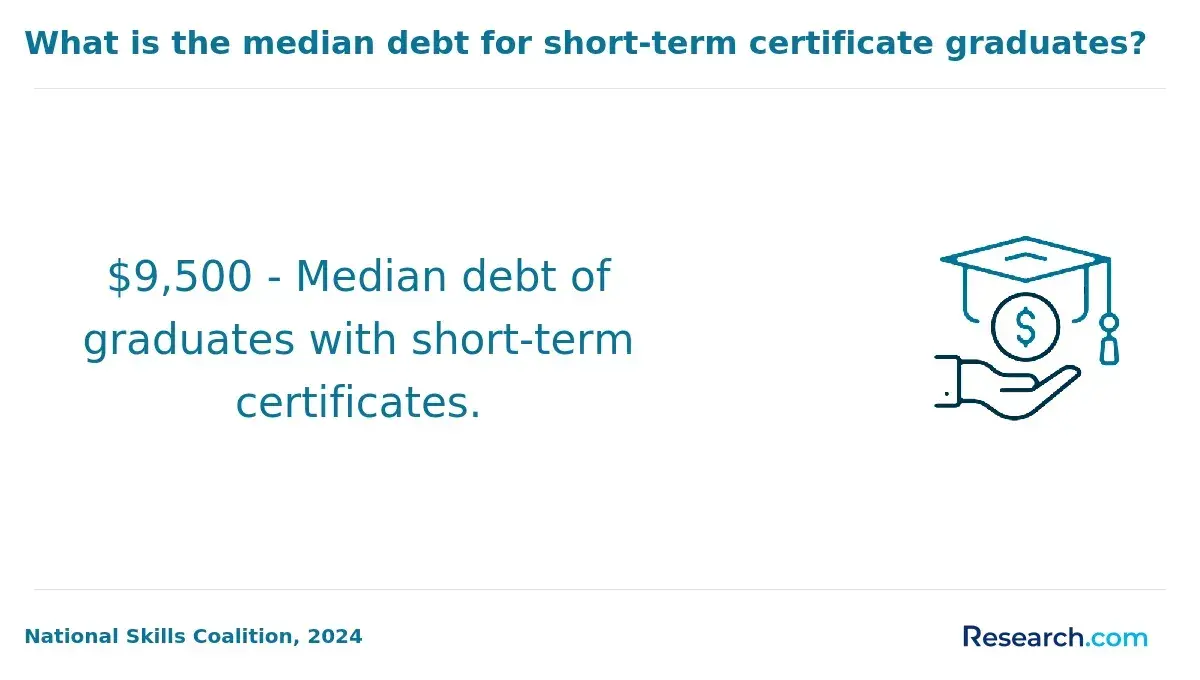
Syracuse University offers executive programs for mid-career professionals that can significantly accelerate degree completion for adult learners. These programs, including the Executive MBA and specialized certificates, use flexible formats like hybrid delivery and weekend intensives to fit working adults' schedules while leveraging prior professional experience.
Unlike traditional online tracks, executive programs emphasize cohort-based learning and peer networking, which fosters practical skill application and employer-aligned competencies. This model minimizes time away from work and supports skill upgrades without long career interruptions. Nationally, executive-level enrollment in professional training programs increased by 12.3%, reflecting a growing demand for education that integrates smoothly with ongoing careers and employer expectations.
For example, a mid-level manager pursuing a certificate in supply chain management can accelerate graduation by applying work experience as credit while engaging in intensive weekend sessions. However, success demands strict time management to balance work and study rigor. Such programs offer targeted pathways but require focused effort to ensure long-term career impact.
Adult learners exploring accelerated degree options for working adults in Syracuse should also consider certification programs online as a complementary strategy to enhance credentials faster alongside executive tracks.
How can credit transfers affect the time-to-graduation for adult learners at Syracuse University?
Credit transfers at Syracuse University can notably shorten time-to-graduation for adult learners when strategically aligned with core major requirements. For example, an adult student transferring credits that cover foundational business courses can bypass initial semesters, focusing sooner on upper-level specialization. However, transfer benefits depend on course relevance; credits applied only as electives may delay progress due to prerequisite sequences or limited core substitution.
A recent study by the National Center for Education Statistics shows that institutions with proactive credit transfer policies reduce degree completion time by approximately 20%, highlighting the importance of maximizing credit applicability for adult students. The following outlines specific ways credit transfers accelerate graduation timelines at Syracuse University.
- Reduced Core Course Load: Transferring credits that satisfy major core requirements allows students to avoid repeating essential classes, directly cutting semesters from their academic plan and accelerating progression into advanced topics.
- Bypassing Entry-Level Prerequisites: Acceptance of ACE, CLEP, and DSST exams can replace lower-division courses, sparing time spent on foundational material and hastening eligibility for upper-level courses necessary in structured programs.
- Optimized Credit Application: Careful evaluation of transfer credits ensures they fulfill program needs instead of general electives. This precision prevents unexpected course sequencing delays caused by unmet major prerequisites.
- Increased Flexibility in Scheduling: With fewer required credits to complete on campus, adult learners can choose accelerated or evening classes that better fit work and life commitments, further compressing time to degree completion.
One Syracuse University online graduate recounted hesitating before transferring credits earned through employer-sponsored training, unsure if they would apply toward his information science degree. After detailed advisement, he successfully transferred 30 credits covering introductory and some specialized courses. This clarity allowed him to condense a four-year plan into under three years, a relief that balanced urgency with academic rigor.
He noted, "Knowing exactly how my prior learning counted gave me confidence to plan efficiently without risking unnecessary course repetition." This real-world example underscores how informed credit transfer decisions at Syracuse University can meaningfully expedite adult learners' degree timelines.
Can professional certifications and training be converted into credits at Syracuse University?
Professional certifications and training can significantly shorten degree completion at Syracuse University by converting validated prior learning into academic credits. Adult learners who apply for credit transfer under the university's Prior Learning Assessment framework often reduce their course load and time to graduation. However, the amount of credit awarded varies by program, as some require strict alignment between certification content and curriculum objectives, while others offer only limited credit for specialized skills.
Syracuse University's policies acknowledge that earning credit for professional certifications depends on several factors, including the documentation provided and how closely the certification matches program requirements. For instance, a certification might cover core competencies but not the full scope of a course, resulting in partial credit. Adult learners must actively document their credentials and consult advisors to ensure that their professional certifications credit transfer at Syracuse University aligns with their degree plan.
Many programs accept industry-recognized certifications and training courses as credit, reflecting their standardized academic equivalency. Examples include certifications widely respected for rigorous content and relevance to collegiate learning. The following list highlights key certifications frequently convertible into Syracuse credits:
- Project Management Professional (PMP): PMP certification validates advanced project leadership skills and methodologies applicable across industries, often equated with upper-level management coursework.
- Certified Information Systems Security Professional (CISSP): CISSP demonstrates expertise in cybersecurity principles critical to many information technology programs, meeting criteria for specialized credit.
- Cisco Certified Network Associate (CCNA): CCNA covers essential networking fundamentals required in information technology degrees, qualifying for technical credit transfer.
- SHRM-CP (Society for Human Resource Management - Certified Professional): This credential reflects proficiency in human resources practices aligning with related academic subjects.
- Military Training Credits: Certain military training is recognized for its extensive technical and leadership components, potentially translating into multiple academic credits depending on the discipline.
A 2024 study notes that students leveraging PLA credits graduate 40% faster on average, underscoring the importance of strategic conversion of professional certifications into academic credit for adult learners. Navigating these options carefully and considering the specific program criteria can optimize both educational and career outcomes.
For those evaluating flexible degree pathways, Syracuse University's approach to prior learning is a valuable resource worth comparing with other recognized institutions listed among the best online schools.
Does Syracuse University have competency-based education programs for adult learners?
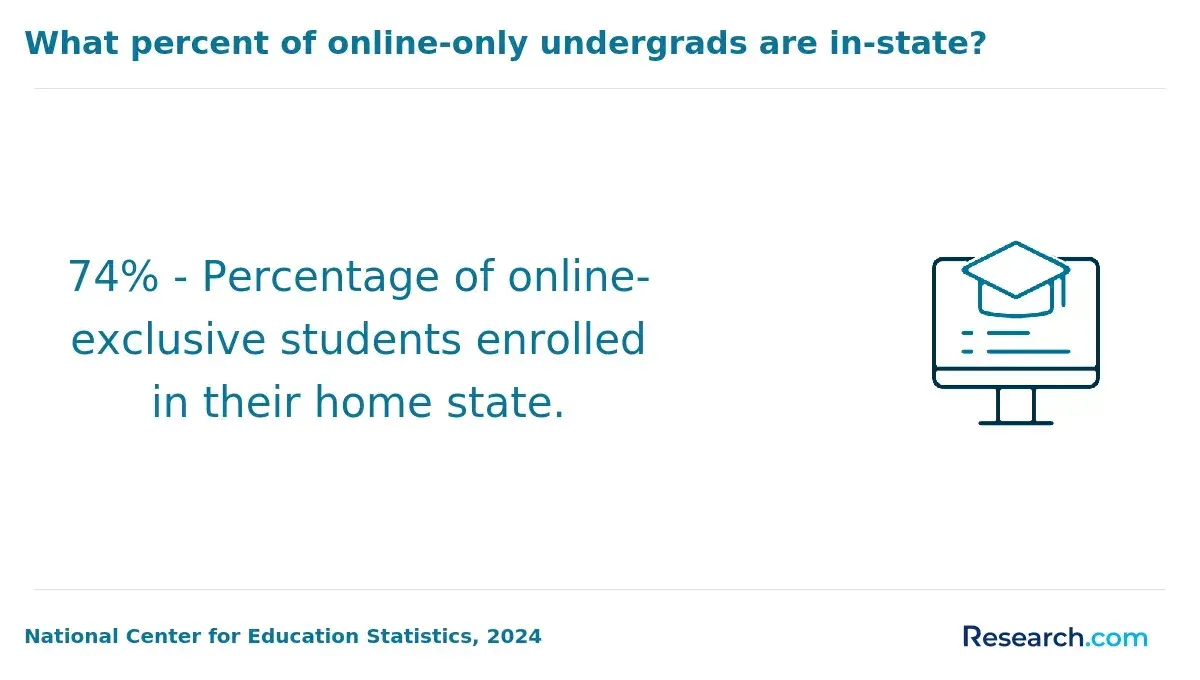
Syracuse University does not offer dedicated competency-based education (CBE) or direct-assessment degree programs tailored for adult learners seeking accelerated degree completion. Adult students looking for accelerated adult learner competency programs in Syracuse University rely instead on credit transfer policies, prior learning recognition, and flexible online degrees. These options allow experience to count but still require adherence to traditional semester schedules and credit-hour requirements.
In practice, adult learners cannot bypass course timelines through competency validation as CBE programs allow. This means the pace and rigor remain comparable to standard online degrees. With US enrollment in competency-based higher education models growing by 27%, reflecting adult learner demand for skills-focused progressions, Syracuse's absence of formal CBE limits opportunities to accelerate degrees based on demonstrated competencies.
Adult learners evaluating fastest online master's pathways at Syracuse University must weigh the tradeoff between flexible course-based progress and the efficiencies of competency-based models. While Syracuse's pathways support credit-for-experience, they do not deliver the same career-driven time savings or employer-valued direct-assessment benefits increasingly sought in modern workforce education.
Does Syracuse University run a continuous school calendar that eliminates summer breaks?
Syracuse University does not operate a fully continuous school calendar that eliminates summer breaks. Instead, it follows a traditional academic calendar with defined fall and spring semesters. Adult learners seeking to accelerate their degree must rely on optional summer sessions rather than year-round enrollment options.
This structure can pose challenges for working adults who need maximum flexibility. For example, a part-time student balancing full-time work might only accelerate progress by taking summer courses, since rolling or multi-term continuous enrollment options are unavailable. Institutions with continuous calendars report a 15% increase in adult graduation rates, highlighting how uninterrupted enrollment can shorten time to degree.
The lack of multiple start dates at Syracuse limits the ability to seamlessly maintain continuous study for adult learners compared to universities offering flexible term patterns. Registration and course availability rules mirror those for traditional students. This means that unlike a rolling enrollment system, transfer credits and professional experience must be strategically combined with summer courses to optimize acceleration.
Finally, academic term lengths at Syracuse can vary based on program-specific requirements, especially in professional or specialized degrees. Some programs may incorporate shorter, intensive modules but still adhere to the core semester schedule. This variation further impacts how adult students can pace their studies to reduce overall completion time.
What are the challenges of faster degree completion for adult learners at Syracuse University?
Faster degree completion at Syracuse University for adult learners often involves navigating a complex array of institutional and personal challenges that can offset the intended benefits of acceleration. For example, an adult learner juggling a full-time job and family responsibilities might find course overload limits and delayed transfer credit evaluations hinder a desired fast track.
Accelerated pathways require more than motivation; they demand strategic planning and realistic accommodation of structural constraints. Below is a breakdown of key challenges adult learners face and suggested approaches to manage them effectively.
- Academic Pacing Restrictions: Syracuse's semester structures limit the number of courses a student can take concurrently, reducing the opportunity to accelerate. Adult learners must coordinate carefully with advisors to identify any flexibility or alternative course formats available.
- Transfer Credit Barriers: Institutional policies often delay or diminish the recognition of prior coursework or professional certifications, resulting in repeated classes. Early and thorough credit evaluation is critical to avoid wasting time on redundant credits.
- Burnout from Competing Demands: Balancing work, family, and study increases stress, with 43% of non-traditional students withdrawing from accelerated courses due to overload, according to a recent national study. Time management and employer support become essential preventive measures.
- Limited Compressed Course Availability: Essential classes may only run on traditional semester schedules, extending degree timelines. Learners should explore online or hybrid options while registering early to secure spots in intensive courses.
- Inadequate Tailored Advising: Reduced access to academic guidance specific to accelerated study makes planning difficult, increasing the risk of misaligned course sequences. Proactive engagement with advisors who understand adult students' goals is necessary.
- Financial Aid Compliance Risks: Accelerated credit loads affect aid eligibility, making it imperative to understand financial rules and maintain compliance through informed credit management.
- Knowledge Retention Concerns: Intense course loads can undermine deep learning and practical skill application, impacting employability and career growth. Adults should balance speed with adequate assimilation of material.
One Syracuse University online program graduate recalled, "I tried doubling up on courses to finish faster while working full-time and caring for my kids. At first, I felt motivated to push through, but the pace was relentless. When transfer credits I counted on didn't apply, my timeline slipped further."
"The academic advising was helpful, but didn't always anticipate my work schedule demands. I ended up dropping a class halfway through the term to avoid burnout, which was frustrating but necessary. In hindsight, I wish I had stretched out the program a bit more to keep up quality learning and my personal life."
How can Syracuse University students leverage school resources to fast-track their degree?
Adult learners at Syracuse University can significantly reduce their time to degree completion by leveraging tailored institutional resources designed for their unique challenges. For example, a working professional balancing family responsibilities can use flexible scheduling and credit transfer options to maintain steady progress toward graduation without sacrificing personal commitments.
The university provides a variety of support mechanisms that address academic, experiential, and logistical barriers to degree acceleration. Below is a detailed list outlining these key resources and how they assist adult students in fast-tracking their degree completion.
- Specialized Academic Advising: Advisors focus on the specific needs of online and part-time adult learners, creating personalized degree plans that avoid unnecessary courses and optimize credit sequencing for faster completion.
- Fast-Track Credit Review: Prior college credits and professional certifications can be evaluated for academic credit, allowing students to convert experiential learning into degree progress and shorten their overall timeline.
- Dedicated Success Coaches: These coaches provide ongoing guidance to help students navigate program requirements and anticipate common pitfalls that could delay graduation.
- Flexible Scheduling Options: Accelerated terms and multiple start sessions enable students to customize their course loads and pace according to work and life demands, maintaining momentum throughout their studies.
- Tutoring Services and Workshops: Targeted academic support addresses skill gaps quickly, reducing risks of course failure that extend study duration.
- Proactive Retention Strategies: Data demonstrates that programs with specialized advising and support increase retention by 15% and reduce time to degree by 12% among online adult learners nationwide, underscoring the effectiveness of these resources.
- Credit Transfer Navigation: How Syracuse University adult learners utilize credit transfer options is critical to minimizing redundant coursework and accelerating degree progress efficiently.
These mechanisms provide meaningful opportunities to earn credits faster and avoid common delays, although success ultimately depends on the student's consistent engagement. Those seeking immediate enrollment might explore online colleges that start immediately for alternative scheduling flexibility. Adult learners at Syracuse University can thus strategically combine external credits, institutional support, and flexible pacing to accelerate completion without compromising academic rigor or long-term career value.
What are the career advantages of earning a degree from Syracuse University on a shorter timeline?
Earning a degree faster at Syracuse University offers distinct career advantages shaped by practical workforce demands and evolving employer perspectives. Accelerated degree completion reduces time spent out of the labor market, enabling adult learners to transition quickly into roles with higher responsibility or reenter employment without extended interruption.
For example, an experienced project manager leveraging transfer credits and flexible course scheduling can complete their degree in less than two years, qualifying sooner for promotions or salary increases that require formal credentials. A recent study found that 68% of hiring managers view accelerated online graduate programs as equally credible as traditional degrees, signaling growing acceptance of these pathways by employers.
These professional benefits reflect a blend of financial, skill, and strategic career outcomes. Key advantages include:
- Reduced Financial Burden: Completing a degree faster curtails the accumulation of graduate debt and minimizes income loss from extended schooling, allowing learners to allocate resources earlier toward savings or career development.
- Earlier Workforce Reentry: Accelerated completion gets adult learners back into full-time work more quickly, increasing cumulative earning potential and helping them stay competitive in fast-changing industries.
- Improved Career Mobility: Speedy degree attainment aligns with promotion cycles and industry shifts, preventing skill obsolescence and enabling timely qualification for leadership or specialized roles.
- Employer Recognition of Alternative Credentials: Growing acceptance of accelerated programs opens doors in firms that value flexible education pathways, broadening job opportunities beyond traditional degree timelines.
What Graduates Say About Being an Adult Learner at Syracuse University
- Daniel: "Enrolling in an online degree program at Syracuse University was a strategic step for me to balance full-time work while progressing academically. I took advantage of their test-optional admissions and transferred a significant portion of my previous college credits, which greatly reduced my course load and accelerated my path to graduation. This approach allowed me to finish my degree months ahead of the average timeline, enabling a swifter entrance into a new managerial role with a notable salary increase."
- Jin: "As an adult learner returning to school, I found that Syracuse University's flexibility with credit-by-exam options was invaluable. Converting my professional experience into academic credits meant I avoided retaking subjects I already mastered, and the online program's design let me study at my own pace. While the accelerated path demanded discipline, it genuinely shortened my timeline to graduation, and I quickly secured a promotion that reflected my newly earned qualification."
- Jason: "My experience with Syracuse University's online degree was thoughtful and pragmatic. I carefully weighed the benefits of accelerating my studies against the workload and opted not to push for the fastest completion route. Leveraging test-optional policies helped me bypass some administrative hurdles, and though I took a more measured pace, the credits I transferred and the flexible format enabled me to reskill efficiently. Ultimately, the degree facilitated my career pivot without the burnout I often heard about from others racing through their programs."
Other Things You Should Know About Syracuse University Degrees
Adult learners at Syracuse University in 2027 face challenges, such as balancing workload, maintaining quality of learning, and managing time effectively when enrolling in multiple online courses. Overextending can impact performance and degree completion speed.
Employers typically value the quality and relevance of skills over how quickly a degree was earned, but may perceive overly accelerated programs skeptically if the pace compromises mastery. For adult learners, it is important to select programs that emphasize applied skills and projects recognized in their industries. Accelerating a degree can be advantageous only if it does not reduce opportunities for meaningful learning or networking, as these are critical for longer-term career advancement. When deciding whether to fast-track, adult learners should weigh employer norms in their field alongside personal capacity to absorb complex material swiftly.
Regular interaction with academic advisors can significantly affect how efficiently adult learners navigate program requirements and avoid unnecessary coursework. At Syracuse University, proactive advising helps tailor course selection to maximize credit applicability and align with graduation goals. Given that accelerated pacing leaves little room for errors, adult students should prioritize establishing strong advising relationships. Ignoring this resource often results in missed opportunities to take advantage of flexible scheduling or identify faster paths through elective substitutions.
The asynchronous nature of many online courses offers flexibility crucial for balancing fast-track studies with other obligations. However, the absence of real-time engagement requires high self-discipline and effective time management skills. Adult learners should evaluate whether they can maintain motivation without frequent live interaction and seek programs with built-in structure or cohort models if needed. Those with clear schedules and habits for independent study are more likely to succeed when accelerating online degree completion at Syracuse University.
References
- Adult Postsecondary Learners: Reviewing the Data and Evidence https://www.jff.org/idea/adult-learners/
- District Calendar - Syracuse City School District https://www.syracusecityschools.com/distcalendar.cfm
- Why Competency-Based Education Is a Great Fit for Adult Learners https://www.d2l.com/blog/why-competency-based-education-is-a-great-fit-for-adult-learners/
- Bringing Credit Transfer into Focus - Ithaka S+R https://sr.ithaka.org/blog/bringing-credit-transfer-into-focus/
- Expand competency-based education to support adult learners https://www.highereddive.com/spons/expand-competency-based-education-to-support-adult-learners/642381/
- The Benefits of Competency-Based Education for Adults https://evolllution.com/opinions/the-benefits-of-competency-based-education-for-adults
- Benefits of Graduating Early: 7 Reasons to Consider It https://www.xceedprep.org/benefits-of-graduating-early/
- Executive Education and Professional Development Programs https://www.bentley.edu/centers/executive-education
- Syracuse University https://abound.college/finishcollege/school/syracuse-university/
- Executive Education https://www.brighthorizons.com/article/education/executive-education