2027 Fastest Accredited Online Database Management Programs: Accelerated Degrees and Completion Times

Co-Founder and Chief Data Scientist
Choosing the fastest online database management degree is really a question of credits, workload, and accreditation-not just an advertised timeline. Database administrators and architects remain a strong tech path: the BLS reports a May 2024 median pay of $123,100, with growth projected as organizations expand cloud, analytics, and AI-ready data systems. This guide is for transfer students, working adults, and career changers comparing accredited online options. You will learn what makes a program genuinely accelerated, how transfer credits and prerequisites change completion time, and how to choose speed without sacrificing recognition or career fit.
Key Things You Should Know
- The fastest realistic path is usually a bachelor's-completion program finished in about 12 to 24 months after transferring 60 to 90 credits; students starting with no college credit should usually expect closer to 3 to 4 years.
- Accelerated online database management programs commonly use 6-, 8-, or 10-week courses, monthly or multiple annual start dates, year-round enrollment, or competency-based pacing.
- Many accredited bachelor's programs accept up to 90 transfer credits toward a 120-credit degree, but residency rules, major prerequisites, capstones, and course sequencing can still extend the timeline.
Which Colleges Offer the Fastest Accredited Online Database Management Programs?
The fastest accredited online database management programs are usually not labeled only "database management." They may appear as data management, information systems, information technology with a database concentration, data analytics, computer science with data analysis, or management information systems. The table below compares examples of U.S. institutions with online, accredited programs that can support database-focused study and faster completion for qualified students.
| College | Online database-related program | Accreditation type to verify | Speed features | Fastest realistic fit |
| Western Governors University | B.S. Data Analytics | Institutional accreditation through NWCCU | Competency-based pacing, monthly starts, transfer-credit review | Experienced students who can move quickly through assessments and transfer substantial prior credit |
| Southern New Hampshire University | B.S. Computer Science with Data Analysis concentration | Institutional accreditation through NECHE | Eight-week undergraduate terms, multiple starts, up to 90 transfer credits commonly allowed | Transfer students seeking a predictable term-based schedule |
| Purdue Global | B.S. Information Technology with data-focused options | Institutional accreditation through HLC | Online terms, transfer-credit pathways, prior-learning options in some cases | Adult learners with prior college, IT experience, or military credit |
| Colorado State University Global | B.S. Management Information Systems and Business Analytics | Institutional accreditation through HLC | Eight-week courses, monthly starts, transfer-friendly structure | Students who want database, analytics, and business systems preparation |
| Franklin University | B.S. Data Analytics or information technology-related pathways | Institutional accreditation through HLC | Adult-focused online format, generous transfer evaluation, applied capstone work | Working adults completing upper-division coursework after prior credits |
| University of Maryland Global Campus | Data science, computer science, or information systems-related online programs | Institutional accreditation through MSCHE | Online courses, transfer-credit policies, career-aligned IT curriculum | Military-affiliated and transfer students comparing flexible public-university options |
This is not a universal ranking because "fastest" depends heavily on your transcript. A school that advertises eight-week courses may still take longer than a competency-based program for a highly experienced student, while a structured term-based program may be faster for someone who needs deadlines and advising.
If affordability is as important as speed, compare database programs against broader lists of cheap online degrees so you can separate low tuition from truly shorter time to graduation.
How Long Does It Take to Complete an Accredited Online Database Management Degree?
Completion time depends on whether you are earning a certificate, associate degree, full bachelor's degree, bachelor's-completion degree, or master's degree. In this context, "fastest" means the shortest credible time to finish an accredited program while meeting all required credits, major courses, and graduation rules.
The table below summarizes realistic timelines rather than marketing claims. Use it to estimate your own timeline based on how many credits you can transfer and how many courses you can handle at once.
| Credential type | Typical credit load | Accelerated online timeline | Traditional online timeline | Who it fits best |
| Undergraduate certificate in database or data management | About 12 to 30 credits | 6 to 12 months | 1 to 2 years | Students who need targeted database skills but not a full degree |
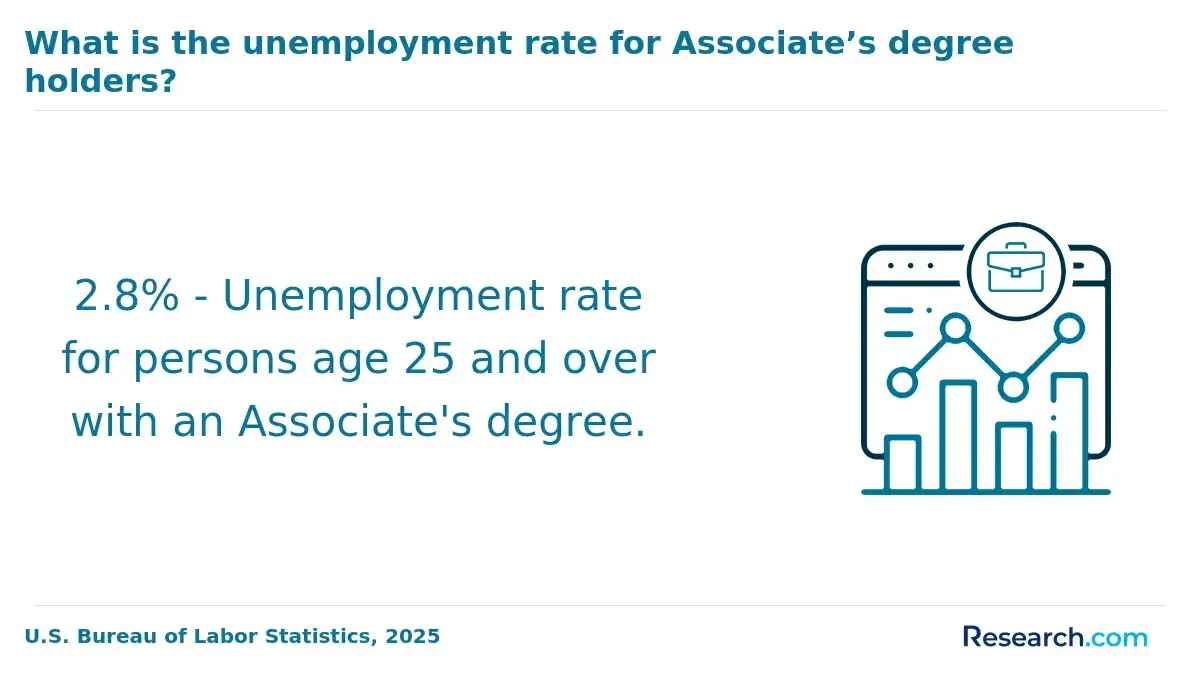
| Associate degree in information technology or database-related study | About 60 credits | 12 to 24 months | 2 years | Entry-level learners or students planning to transfer |
| Bachelor's-completion degree | Usually 30 to 60 remaining credits after transfer | 12 to 24 months | 2 to 3 years | Students with an associate degree or substantial prior college credit |
| Full bachelor's degree | Usually 120 semester credits | About 3 years with heavy year-round study | 4 years or more | Students starting with little or no transfer credit |
| Master's degree in data, information systems, or database-related study | Usually 30 to 36 credits | 12 to 18 months | 2 years or more | Students who already hold a bachelor's degree and want advancement |
Eight-week courses can make the calendar move faster, but they do not cut the amount of learning in half. A full-time student in accelerated terms may complete more credits per year because courses run continuously, while a part-time student may take the same number of total credits over a longer period.
Students comparing fast database programs may also benefit from looking at other accelerated degree models, such as a fastest business degree online, because many of the same speed factors apply: transfer credits, short terms, year-round scheduling, and a manageable course load.
How Do Accelerated and Competency-Based Online Database Management Programs Work?
Accelerated online programs compress the academic calendar, increase scheduling flexibility, or allow students to move at their own pace. Competency-based programs go a step further by letting students advance after proving mastery, which can be faster for people who already know SQL, data modeling, cloud databases, analytics tools, or programming basics.
These formats affect both speed and workload, so compare them before enrolling:
- Eight-week or six-week terms: You finish each course faster, but weekly reading, labs, projects, and exams are more concentrated.
- Year-round enrollment: Taking courses in fall, spring, and summer can reduce calendar time compared with taking summers off.
- Multiple start dates: Monthly or frequent starts reduce waiting time if you are ready to enroll quickly.
- Competency-based pacing: You may move quickly through familiar material, but you need strong self-discipline and fast access to required assessments.
- Stackable certificates: Some schools let database, analytics, or IT certificates count toward a later degree, which can shorten the path if credits are fully applicable.
The biggest trade-off is intensity. A course that normally runs for 16 weeks but is delivered in 8 weeks may require roughly twice the weekly pace, especially in technical subjects involving SQL queries, database design projects, normalization, Python or R work, cloud platforms, and security concepts.
Accreditation is the first speed filter because an unaccredited or poorly recognized program can cost you time later. For database management degrees, start by verifying institutional accreditation from a recognized U.S. accreditor, then check whether the specific program has additional computing or business accreditation when relevant.
Use the following accreditation checks before you apply because they affect transferability, financial aid, employer recognition, and graduate-school options:
- Confirm that the college holds recognized institutional accreditation from an agency accepted by the U.S. Department of Education or CHEA.
- Check whether the program has programmatic accreditation, such as ABET accreditation for certain computing programs, if that matters for your goals.
- Ask whether online students earn the same degree title and transcript notation as campus students.
- Verify that the program is eligible for federal financial aid if you plan to use grants or loans.
- Ask graduate schools or target employers whether they recognize the specific degree type if you plan to pursue advanced study or specialized roles.
Programmatic accreditation is not always required for database careers, but institutional accreditation is essential. A faster program is not a good shortcut if its credits will not transfer, its degree is not recognized by employers, or it limits access to future graduate study.
Students who may eventually pursue graduate education should compare database-related bachelor's programs with the accreditation expectations of other online graduate pathways, such as an online MSW, where institutional recognition and field requirements can strongly affect admissions and completion timelines.
Transfer credit is often the single biggest factor in finishing an online database management degree quickly. A student who transfers 90 applicable credits into a 120-credit bachelor's program may have only 30 credits left, while a student starting from scratch must complete the full general education, elective, and major sequence.
The table below shows how transfer credit can change calendar time. These are planning ranges, not guarantees, because each school decides how prior coursework applies to the major.
| Credits accepted toward degree | Credits remaining in a 120-credit bachelor's | Possible accelerated timeline | What can slow it down |
| 0 credits | 120 credits | About 3 to 4 years | General education, prerequisites, math sequence, programming foundations |
| 30 credits | 90 credits | About 2.5 to 3 years | Credits transferring as electives instead of major requirements |
| 60 credits | 60 credits | About 18 to 30 months | Upper-division database, systems, or analytics courses still required |
| 90 credits | 30 credits | About 12 to 18 months | Residency rules, capstone timing, unavailable courses, minimum grade rules |
Prior learning can also help, especially for adults with IT work experience, military training, vendor certifications, or completed professional development. Schools may award credit through portfolio review, standardized exams, ACE-evaluated training, certification mapping, or institutional challenge exams.
To avoid losing time after enrollment, complete these steps before you commit:
- Request an unofficial transfer evaluation before applying if the school offers one.
- Ask how many credits transfer into the degree, not just how many are accepted by the university.
- Confirm whether SQL, programming, statistics, or systems courses must be retaken because of age limits or grade requirements.
- Ask how many credits must be completed at the institution to satisfy residency rules.
- Get a term-by-term graduation plan showing when required database courses are actually offered.
Accelerated online database management programs are often designed for adults, so admissions may be more flexible than traditional campus programs. Still, faster entry does not always mean faster graduation, especially if you need prerequisite math, programming, or writing courses before beginning upper-division database work.
Most programs will ask for some combination of the following items, and each one can affect how quickly you start:
- High school diploma, GED, or prior college transcript for undergraduate admission
- Official transcripts from every college previously attended
- Minimum GPA, especially for transfer or upper-division admission
- Placement or prerequisite review for math, statistics, programming, and writing
- Resume, statement of purpose, or professional experience documentation for some adult-focused or graduate programs
- Bachelor's degree and, in some cases, prerequisite technical coursework for master's-level programs
Start dates matter more than many students realize. A program with one annual start may delay you even if it has short courses, while a program with six or more starts per year can reduce waiting time. However, make sure required major courses are offered often enough; a missed database design or capstone course can add a full term or more to your timeline.
If you are comparing future graduate costs after a database bachelor's degree, resources explaining what is the cheapest online master's degree program can help you think beyond first-degree speed and plan a longer education budget.
A fast online database management degree can cost less if it reduces the number of terms you pay for, but acceleration does not automatically mean affordability. Tuition model, transfer credit, technology fees, textbooks, subscription software, certification exam costs, and repeated courses can all change the final price.
College Board's 2024 pricing data reported average published tuition and fees of $11,610 for in-state students at public four-year institutions and $43,350 at private nonprofit four-year institutions. Online programs may price tuition differently, but this benchmark shows why transfer credit and per-credit cost matter as much as advertised speed.
- Public online bachelor's programs may charge lower in-state tuition, flat-rate online tuition, or separate distance-learning rates.
- Private nonprofit and private online programs may offer predictable per-credit pricing but can vary widely in total cost.
- Competency-based programs may charge by subscription term, which can reward students who complete many courses quickly.
- Per-credit programs may be cheaper for part-time students but more expensive if many credits do not transfer.
- Technology fees, proctoring fees, lab software, cloud platform access, and certification exams can add to the total cost.
Financial aid may be available if the school and program are eligible. Students should complete the FAFSA, ask about transfer scholarships, employer tuition assistance, military benefits, payment plans, and whether accelerated enrollment changes aid eligibility by term.
You can work full time while completing an accelerated online database management degree, but the schedule has to be realistic. Database courses are often project-heavy, and technical assignments can take longer than expected when you are debugging SQL statements, designing schemas, working with cloud tools, or preparing analytics reports.
The table below helps you compare workload intensity. It is especially useful if you are deciding between finishing faster and protecting your work, family, and health commitments.
| Enrollment pace | Common course load | Likely fit | Timeline effect |
| Part time | 1 course per accelerated term | Full-time workers, caregivers, students new to programming | Slower but more sustainable |
| Moderate full time | 2 courses per accelerated term | Students with stable schedules and some technical confidence | Can shorten completion significantly |
| Heavy accelerated | 3 or more courses per term, where allowed | Students with strong prior knowledge and flexible work hours | Fastest but highest risk of burnout or course withdrawal |
| Competency-based intensive | As many assessments as completed within the term | Experienced IT workers with strong self-management | Potentially fastest when prior knowledge is high |
A slower pace may be the better choice if you are new to math-heavy technical coursework, lack reliable study time, or need employer tuition reimbursement that requires minimum grades. The fastest plan is only useful if you can finish courses successfully without repeated withdrawals or failed attempts.
Employers and graduate schools generally care more about accreditation, skills, projects, and experience than whether the degree was completed online or on campus. A respected online database management degree should come from an accredited institution, include rigorous technical coursework, and produce evidence of practical ability.
Database-related roles often involve designing, maintaining, securing, and optimizing data systems. Depending on the program, graduates may pursue or prepare for roles such as database administrator, database developer, data analyst, business intelligence analyst, data engineer assistant, systems analyst, or cloud database support specialist.
Current hiring trends make applied skills especially important. AI adoption has increased demand for clean, well-governed, queryable data, which means database professionals need more than basic SQL; they may also need data modeling, security, cloud platforms, automation, documentation, and collaboration skills.
For students comparing career-changing degrees across fields, database programs differ from people-centered graduate paths such as child psychologist masters programs, where supervised practice, licensure rules, and state requirements can play a much larger role in completion time.
How Should You Compare the Fastest Accredited Online Database Management Programs?
The best accelerated online database management program is the one you can finish quickly while still meeting your career, transfer, budget, and graduate-school goals. Do not choose based only on the shortest advertised timeline; choose based on your actual degree audit and the school's ability to offer required courses when you need them.
Before enrolling, ask admissions and academic advising for specific answers to these questions:
- How many of my credits apply directly to the database management, data, IT, or information systems major?
- What is the minimum number of credits I must complete at your institution?
- Are required courses offered every term, every other term, or only once per year?
- Can I take courses year-round, and is there a maximum course load?
- Are there prerequisite chains in programming, statistics, systems analysis, or database design?
- Does the program require a capstone, internship, practicum, or proctored assessment?
- What happens to my timeline if I fail or withdraw from an accelerated course?
- Will the degree title clearly reflect my database, data, information systems, or IT preparation?
Common mistakes include assuming all credits will transfer, confusing shorter terms with easier courses, ignoring accreditation, choosing a program without enough technical depth, and overlooking software or certification costs. A better approach is to request a written graduation plan, compare total cost after transfer credit, and choose the fastest schedule you can sustain.
The fastest accredited online database management degree is usually a transfer-friendly, accelerated or competency-based program from a recognized institution. For many students, the practical fastest route is not a full degree from zero credits, but a carefully planned bachelor's-completion path using prior college credit, professional learning, and year-round enrollment.
Other Things You Should Know About Database Management
No. Database management focuses on storing, organizing, securing, and maintaining data systems. Data analytics focuses more on interpreting data for decisions. Many online programs combine both areas, but the coursework and career emphasis can differ.
Certification is not always required, but it can help demonstrate specific skills in SQL, cloud databases, security, or vendor platforms. Examples may include credentials from Microsoft, Oracle, AWS, Google Cloud, or CompTIA, depending on your target role.
It can be challenging if you are new to programming, statistics, or technical problem-solving. Beginners may still succeed, but they should consider a lighter first term, tutoring access, and a program with strong academic support.
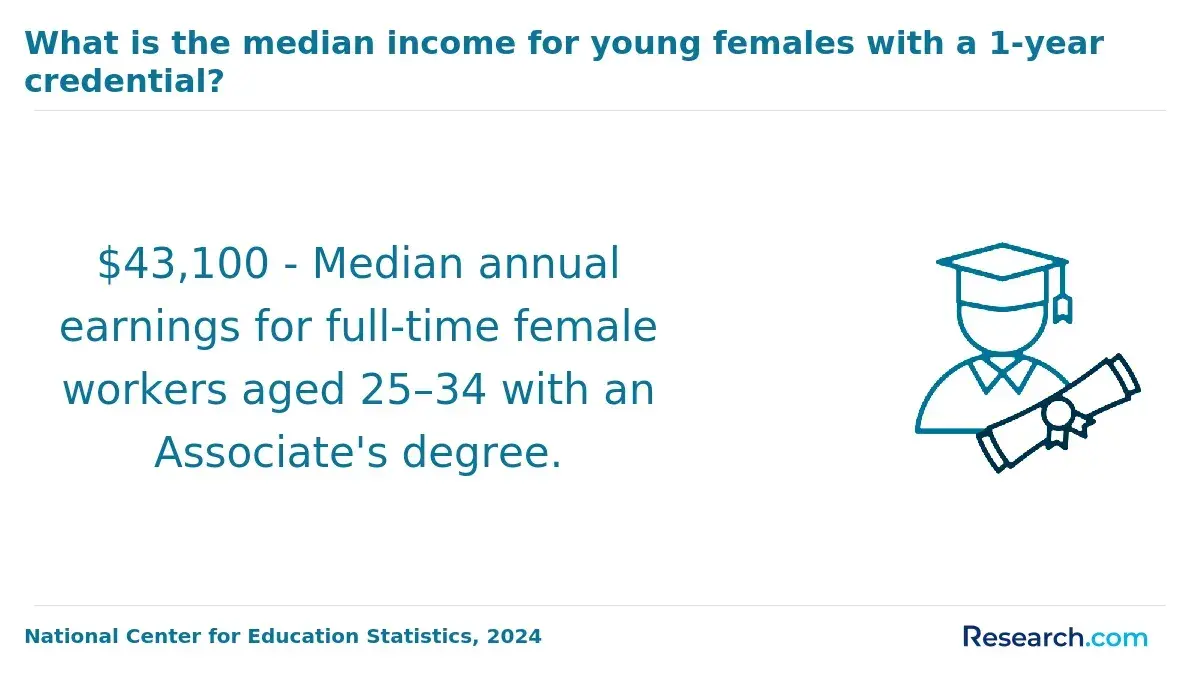
Some entry-level support or junior data roles may accept an associate degree plus skills, experience, or certifications. However, many database administrator and database architect roles prefer a bachelor's degree in information technology, computer science, information systems, or a related field.
- Financial Aid For Online Colleges https://www.affordablecollegesonline.org/financial-aid/financial-aid-for-online-colleges/
- Database Management and Data SecurityAssociate of Science https://www.northshore.edu/academics/programs/dbd/index.html
- 2025's Fastest Online Master’s Degrees & Accelerated Programs https://www.onlinemastersdegrees.org/features/fastest-online-masters-degrees/
- Comparative analysis of the performance of selected database management system https://ph.pollub.pl/index.php/jcsi/article/view/5927
- Top 20 Fastest Accelerated Online Degrees [by Degree Level] https://www.edsmart.org/fastest-accelerated-online-degrees/
- Data Modeling/Warehousing and Database Administration https://www.fastweb.com/directory/scholarships-for-data-modeling-warehousing-and-database-administration-majors
- Guide to Financial Aid for Online Students https://www.onlineu.com/resources/financial-planning/financial-aid
- Database Management Degree Online | DeVry https://www.devry.edu/online-programs/bachelors-degrees/computer-information-systems/database-management-specialization.html
- Does Dataquest provide discounts, scholarships, or ... https://support.dataquest.io/en/articles/37-does-dataquest-provide-discounts-scholarships-or-financial-aid
- The Role of Learning Outcomes in Designing the ... https://wjis.org/index.php/wjis/article/download/26/22