2027 Online Database Management Degree Programs That Accept 60, 75, or 90 Transfer Credits

Co-Founder and Chief Data Scientist
Choosing an online database management degree as a transfer student is really a credits question: will your 60, 75, or 90 prior credits shorten the degree, lower tuition, and satisfy the right requirements? NCES data released in 2024 shows more than half of U. S. undergraduates took at least one distance education course, making online degree completion a mainstream path.
This guide is for students with substantial college credit who want to compare transfer-friendly programs, understand what actually applies, and avoid enrolling before knowing the true remaining cost and timeline.
Key Things You Should Know
- Most online bachelor's degrees in database management, information technology, computer science, or data analytics require about 120 credits; transferring 60, 75, or 90 credits can leave roughly 60, 45, or 30 credits, but only if those credits fit general education, major, elective, residency, and upper-division rules.
- A school may "accept" up to 90 transfer credits while applying fewer credits to the database management major; always request an official degree audit showing remaining courses before comparing cost or speed.
- Residency requirements commonly require at least 30 credits completed through the awarding university, so a 90-credit transfer cap often represents the practical maximum for a 120-credit online bachelor's degree.
How Many Transfer Credits Can You Apply Toward an Online Database Management Degree?
For most students, an online database management degree is a bachelor's program in database management, information technology, computer science, management information systems, data analytics, or software development with database coursework. A 120-credit bachelor's degree is the common planning model, so transfer credit limits determine how much work remains after admission.
The important distinction is accepted credits versus applied credits. Accepted credits are credits the university recognizes as college-level work. Applied credits are credits that actually satisfy requirements in your degree plan. A school might accept 90 credits overall, but if many are free electives and your degree has limited elective space, the applied total could be lower.
This comparison shows what 60, 75, and 90 transfer credits may mean in a typical 120-credit online bachelor's degree. Use it as a planning estimate, not a promise, because the final number depends on course equivalencies and degree requirements.
| Transfer-credit scenario | Typical remaining credits in a 120-credit degree | What it usually means | Main risk to check |
| 60 transfer credits | About 60 credits remaining | Often aligns with an associate degree and may cover many general education requirements | Technical database, programming, or systems courses may still be required |
| 75 transfer credits | About 45 credits remaining | Can shorten the path if prior credits include both general education and lower-division technology courses | Some credits may become electives rather than major requirements |
| 90 transfer credits | About 30 credits remaining | Often the maximum practical transfer amount because many schools require the final 30 credits in residence | Upper-division major, capstone, and residency requirements can still control the timeline |
Students comparing transfer-friendly technology programs should also compare tuition after transfer, not just the advertised annual cost. The same logic applies when researching cheap online degrees: the lowest sticker price is not always the lowest total price if fewer credits apply.
Which Online Database Management Degree Programs Accept 60, 75, or 90 Transfer Credits?
There are relatively few U.S. online bachelor's degrees titled exactly "database management." Most transfer-friendly options are broader technology degrees that include database design, SQL, data modeling, cloud data systems, database administration, business intelligence, or data warehousing. That can be an advantage if you want database skills plus broader IT employability.
The examples below are common online degree-completion options to investigate if you have 60, 75, or 90 credits. Policies can change, so confirm the current catalog, transfer maximum, residency requirement, and official degree audit before applying.
| School or program type to review | Database-related fit | Published or common transfer-credit maximum | Best fit for students with |
| Southern New Hampshire University online BS programs in computer science, data analytics, or information technology | Useful for students seeking database, programming, analytics, and systems coursework | Up to 90 credits toward many bachelor's programs | 60 to 90 prior credits, especially broad general education plus technical electives |
| University of Maryland Global Campus online computing and data-related bachelor's programs | Often includes database systems, cybersecurity, programming, and information systems options | Up to 90 credits toward a bachelor's degree | Associate-degree holders, military students, and adults with mixed transfer credit |
| Western Governors University online data analytics or IT-related bachelor's programs | Competency-based model can fit students with database, scripting, analytics, or IT experience | Generally up to 75% of a bachelor's program, often equivalent to about 90 credits | Students who can move quickly through competency-based courses |
| Franklin University online information technology, computer science, or data analytics pathways | Designed for adult learners and often includes applied technology and database coursework | Often allows a high transfer maximum, commonly above the 90-credit level depending on program rules | Students with many completed credits who still need upper-division major work |
| Purdue Global online information technology and analytics-related programs | May fit students seeking IT, database, analytics, or software-oriented coursework | Often up to 75% of degree requirements | Students with 60 to 90 eligible credits and prior professional or military learning |
| Liberty University online technology or information systems programs | May include database, business systems, programming, and analytics-related study | Often up to 75% of a bachelor's degree | Students who need a flexible online format and a clear transfer pathway |
The best program is not automatically the one with the highest transfer cap. A 75-credit transfer into a program where every credit applies can be better than a 90-credit transfer where 15 credits do not satisfy the major, upper-division, or residency requirements.
How Can You Tell Whether Transfer Credits Will Actually Apply Toward Your Database Management Degree?
The safest way to evaluate an online database management degree is to ask for a written transfer evaluation mapped to the exact catalog year and major. Do not rely only on a quick admissions estimate, because admissions teams may describe what could transfer before the registrar or academic department decides how credits apply.
Use the following sequence to separate "accepted" credits from credits that reduce your remaining degree requirements:
- Request official transcripts from every college, university, military transcript system, and testing agency where you earned credit.
- Ask whether the school will complete an unofficial pre-evaluation before admission or only an official audit after admission.
- Compare each transferred course against general education, lower-division major, upper-division major, elective, and capstone requirements.
- Ask which credits are accepted as electives only and which credits satisfy required database, programming, systems analysis, statistics, or data management courses.
- Confirm the minimum grade required for transfer, especially for major courses that may require a C or higher.
- Get the final remaining course list in writing before calculating completion time, tuition, or financial aid needs.
A major red flag is a school that advertises a large transfer maximum but will not show how your credits fit the degree plan. Another is a program that accepts old or unrelated credits only as electives when the degree has little elective room left.
Online database management transfer students often bring credits from community colleges, four-year schools, military training, professional certifications, exams, or previous majors. The more closely your prior courses match the new degree requirements, the more likely they are to reduce both time and tuition.
The following credit sources are commonly reviewed, but each school sets its own rules for grades, accreditation, subject fit, and maximum alternative credit:
- Community college credits: Often useful for general education, introductory programming, statistics, networking, business, or database fundamentals.
- Prior four-year college credits: May apply to general education, electives, lower-division technology courses, or upper-division courses if the content and level match.
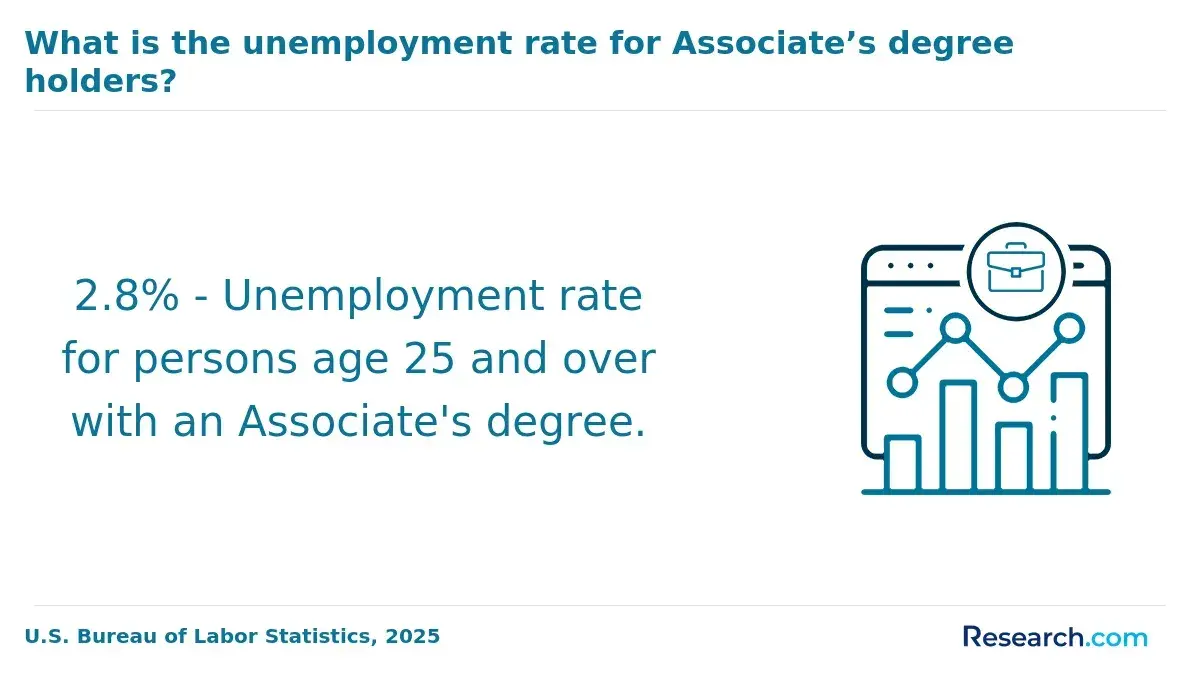
- Associate degrees: An AA, AS, AAS, or applied technology degree may transfer well, but applied associate degrees sometimes leave more general education gaps.
- Exam credit: CLEP, DSST, AP, and similar exams may cover general education or introductory requirements if the university accepts them.
- Military credit: Joint Services Transcript or Community College of the Air Force credits may apply to electives, IT, cybersecurity, management, or technical requirements.
- Industry certifications: Some schools award credit for approved IT, cloud, security, database, or analytics certifications.
- Prior learning assessment: Work experience may count only if the school has a formal portfolio or assessment process tied to specific course outcomes.
Credits from another field can still help, especially for general education or electives. For example, a student who previously explored an online MSW pathway may have social science, writing, statistics, or ethics credits that apply outside the database major.
Residency and upper-division rules are two of the biggest reasons students with 90 credits may still need more than one or two terms to graduate. Residency means the minimum number of credits you must complete at the university granting the degree. Upper-division requirements are junior- and senior-level courses, often numbered 300 or 400, that must be completed in the major.
This table shows how common rules affect transfer students. It is especially important if you already have 75 or 90 credits and want the shortest possible path.
| Requirement | Why it matters | How it affects a database management student |
| Minimum institutional residency | Many bachelor's programs require about 30 credits from the degree-granting school | Even if 100 credits are accepted, you may still need 30 credits at the new university |
| Major residency | Some schools require a portion of major courses to be completed in-house | Transferred database or programming courses may not replace advanced database administration, capstone, or project courses |
| Upper-division credit minimum | Bachelor's degrees commonly require a set number of junior- and senior-level credits | Community college credits may transfer but usually do not satisfy upper-division requirements |
| Capstone requirement | Technology degrees often end with a project, portfolio, practicum, or senior seminar | Capstones are rarely waived because they assess final program outcomes |
| Recency requirement | Some technical courses must be recent because tools and platforms change | Older database, programming, or systems courses may transfer as electives instead of major courses |
The practical takeaway is simple: a 90-credit transfer cap usually means "you may bring in up to 90 credits," not "you only have 30 easy credits left." The remaining 30 credits may be the most specialized courses in the degree.
The transfer evaluation process is where your decision becomes concrete. A strong evaluation should show exactly which credits transferred, which requirements they satisfied, which credits were rejected, and which courses remain for graduation.
Most students should follow this process before committing financially to a program:
- Create a spreadsheet listing every completed course, credit amount, grade, institution, and course description if available.
- Collect syllabi for database, programming, statistics, networking, systems, and analytics courses because departments may need them for major equivalency reviews.
- Apply to or request evaluation from two or three transfer-friendly programs, not just one, because credit application can vary significantly.
- Ask for a degree plan showing remaining course names, credit counts, term availability, prerequisites, and whether courses are offered fully online.
- Confirm whether your transfer evaluation is official, conditional, or only an estimate.
- Before enrolling, ask whether changing majors, catalogs, or concentrations could change how credits apply.
A common mistake is enrolling based on a verbal estimate such as "you can transfer up to 90 credits." The better question is, "How many of my credits apply to this specific database management degree, and which courses do I still need?"
Completion time depends on remaining credits, course availability, term length, prerequisites, and whether you study full time or part time. In a standard 120-credit bachelor's degree, transferring 60 credits may put you halfway through the degree, while transferring 90 credits may place you near the final year.
The table below estimates possible completion timelines based on remaining credits. It assumes courses are available when needed, which is not always true for advanced technology courses with prerequisites.
| Credits transferred | Approximate credits remaining | Possible full-time timeline | Possible part-time timeline | What can slow it down |
| 60 | 60 | About 2 academic years | About 3 to 4 years | Missing prerequisites in programming, statistics, or computer systems |
| 75 | 45 | About 15 to 24 months | About 2.5 to 3 years | Upper-division sequencing and limited major-course availability |
| 90 | 30 | About 1 academic year | About 18 to 24 months | Residency, capstone, and required senior-level database courses |
Accelerated online terms can shorten the calendar, but only if your remaining courses are offered frequently and you can handle the workload. Students comparing speed across fields may see similar planning issues when evaluating the fastest business degree online: acceleration works best when transfer credits, course sequencing, and degree requirements all line up.
Transfer credits can reduce cost because you pay for fewer credits at the new university. The savings depend on per-credit tuition, fees, books, technology costs, and whether the program charges by credit, term, subscription, or competency unit.
To estimate savings, multiply accepted-and-applied credits by the receiving school's per-credit tuition. The table below uses three illustrative tuition rates so you can see how the same transfer credit amount can produce very different savings. These are examples, not price quotes.
| Applied transfer credits | Estimated savings at $300 per credit | Estimated savings at $500 per credit | Estimated savings at $700 per credit |
| 60 credits | $18,000 | $30,000 | $42,000 |
| 75 credits | $22,500 | $37,500 | $52,500 |
| 90 credits | $27,000 | $45,000 | $63,000 |
Cost comparisons should include the credits you still need, not just the credits you bring. Use this quick checklist before deciding which program is truly cheaper:
- Ask for total tuition based on the exact remaining course list, not an average annual price.
- Check whether online students pay technology, distance learning, graduation, transcript, or course materials fees.
- Ask whether transfer students qualify for institutional scholarships, employer tuition assistance, military benefits, or federal aid.
- Compare the cost of retaking a non-transferable course against choosing a school that applies it.
- Review whether competency-based pricing could lower costs if you can complete courses quickly.
The same cost logic applies beyond bachelor's programs. If you later compare graduate options and ask what is the cheapest online master's degree program, the best answer will still depend on total credits required, fees, pace, and aid eligibility.
Prior learning can matter a lot in database management because many students enter with work experience in IT support, reporting, SQL, cloud platforms, cybersecurity, or systems administration. However, schools vary widely in whether they convert that learning into academic credit.
These are the most common nontraditional credit routes to ask about:
- Military training: ACE-recommended military coursework may apply to electives, management, cybersecurity, networking, or technical requirements.
- Professional certifications: Some universities award credit for approved credentials in cloud computing, networking, cybersecurity, project management, analytics, or database technologies.
- CLEP and DSST exams: These may help with general education, business, math, or introductory computing requirements, depending on the institution.
- AP or IB credit: Previously earned high school-based exam credit may still apply if it appears on an official score report or prior transcript.
- Portfolio assessment: Some schools let students document work-based learning, but the portfolio must usually match specific course outcomes.
The key caution is that alternative credit often has caps and may not satisfy advanced major requirements. This is different from highly sequenced or licensure-oriented fields, such as child psychologist masters programs, where clinical and accreditation rules may sharply limit what can be replaced by prior learning.
Do Older College Credits Expire When Transferring Into an Online Database Management Degree?
Older college credits do not always expire, but technical credits receive more scrutiny than many general education credits. English composition, humanities, history, and social science courses may transfer even if they are old, while database platforms, programming languages, cybersecurity, networking, and systems courses may face recency limits.
The reason is practical: database management has changed with cloud platforms, distributed systems, data privacy expectations, automation, and AI-assisted development tools. A course in SQL fundamentals may still be useful, but an old course tied to outdated software may not satisfy a current major requirement.
Ask each school these questions before assuming old credits will apply:
- Is there a recency limit for database, programming, analytics, cybersecurity, or networking courses?
- Can an older technical course transfer as an elective if it does not satisfy the major?
- Will a current certification, work experience, or placement assessment help validate older technical knowledge?
- Can you submit a syllabus, course catalog description, or portfolio to support a course equivalency review?
- Would retaking one prerequisite unlock several upper-division courses and shorten the overall timeline?
The best outcome may not be maximizing old credit at all costs. Sometimes retaking one current database or programming course is worth it if it prepares you for advanced coursework and prevents delays in the final year.
Other Things You Should Know About Database Management
Yes, many online bachelor's programs accept associate-degree credits, especially from regionally accredited colleges. The degree may cover much of your general education requirement, but you may still need upper-division database, programming, systems, analytics, and capstone courses.
Not exactly. Database management focuses more on storing, organizing, securing, querying, and administering data systems. Data analytics focuses more on interpreting data, reporting, visualization, and statistical or business insights. Many online programs overlap, so review the course list carefully.
Relevant roles may include database administrator, database developer, data analyst, business intelligence analyst, data engineer assistant, systems analyst, or IT specialist. According to BLS occupational data, the median annual wage for database administrators and architects was $123,100 in May 2024, but pay varies by role, experience, employer, location, and technical skill set.
Not automatically. Choose the school that applies the most credits to your specific degree requirements, offers the remaining courses online on a workable schedule, has appropriate accreditation, and gives you the lowest realistic total cost to finish.
- Best Database Management Bachelor's Degrees https://www.computerscience.org/degrees/bachelors/database-management/
- Top Online Schools That Accept Transfer Credits https://www.edvisorly.com/student-guides/online-schools-that-accept-transfer-credits