2027 Abilene Christian University Online Ed.D. in Organizational Leadership - Higher Education: Cost, Admissions, Curriculum, and Career Paths

Co-Founder and Chief Data Scientist
Deciding whether to pursue an online Ed.D. in Organizational Leadership - Higher Education at Abilene Christian University requires a clear understanding of how the program fits evolving professional demands and personal learning preferences.
With the National Center for Education Statistics reporting that over 40% of doctoral students in 2024 are enrolling part-time, the growing trend highlights the need for flexible, accessible programs that accommodate working professionals.
This shift reflects broader workforce expectations for advanced leadership skills without sacrificing ongoing career responsibilities. This article examines the program's cost, curriculum, admissions, and career outcomes to help prospective students make informed choices aligned with their goals.
Key Points About Abilene Christian University's Ed.D. in Organizational Leadership - Higher Education Program
- The 64% acceptance rate signals moderate selectivity, suggesting applicants should prepare robust leadership experience and academic credentials to navigate admission challenges effectively.
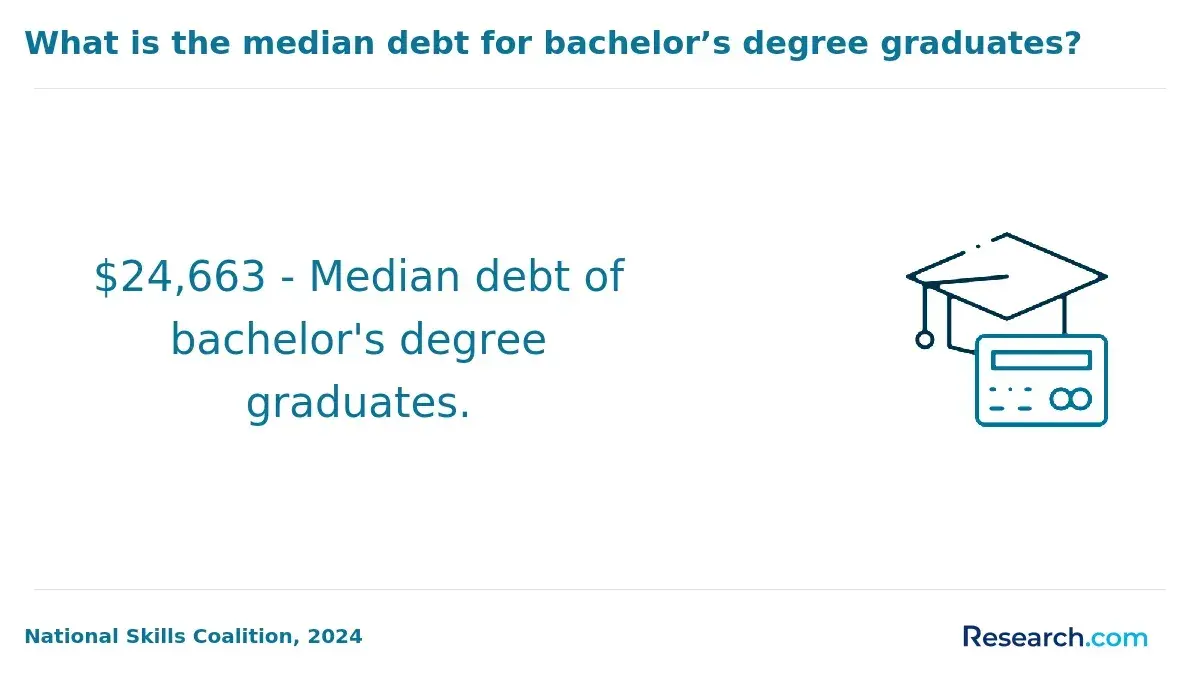
- With total tuition at $61,424, students face significant financial investment that requires weighing long-term career advancement against upfront cost and potential debt burden.
- Graduates' success in higher education leadership roles reflects employer recognition, indicating that the program aligns well with sector demands but may expect practical leadership outcomes.
What can students expect from Abilene Christian University's online Ed.D. in Organizational Leadership - Higher Education curriculum?
The online Ed.D. in Organizational Leadership - Higher Education curriculum at Abilene Christian University targets professionals aiming to lead complex educational institutions with nuanced leadership demands.
Unlike some programs focused solely on theory, this curriculum integrates applied research and strategic decision-making relevant to real-world institutional challenges. For instance, a director of student services navigating policy changes and diverse stakeholder interests would find the program's focus on ethical leadership and change management particularly applicable.
Below are core aspects of the curriculum that prepare students for workplace realities:
- Organizational Theory: This coursework requires students to critically analyze leadership frameworks and their practical applications, emphasizing adaptive models tailored to higher education settings. It aims to build a foundation for understanding institutional behavior and governance complexities.
- Research Methods: Both quantitative and qualitative research courses train students in designing and executing rigorous studies. This is vital for those pursuing dissertation research on leadership issues impacting universities and for making evidence-based policy recommendations.
- Ethics and Servant Leadership: Reflecting the university's commitment to values-based leadership, these courses compel students to confront ethical dilemmas and develop servant leadership strategies, skills increasingly demanded by senior administrators in academia.
Aligned with typical U.S. standards for higher education leadership courses in Abilene Christian University Ed.D. programs, this curriculum combines theory with practical leadership skills and policy analysis. Its emphasis on dissertation research ensures students can conduct original investigations tailored to institutional challenges.
Those considering this path should weigh the program's strong focus on leadership models that address governance, student affairs, and program development against their own career goals. Candidates interested in navigating higher education's evolving landscape might also explore cost considerations, including options at the cheapest online colleges that accept FAFSA in USA.
What are Abilene Christian University's admission requirements for online Ed.D. in Organizational Leadership - Higher Education program?
Admission to the online Ed.D. in Organizational Leadership - Higher Education program at Abilene Christian University reflects a selective process prioritizing academic readiness and demonstrated language proficiency, factors critical for success in doctoral study and academic leadership roles.
Consider a working professional preparing to transition into senior administrative positions at a university. Meeting these standards ensures they possess foundational knowledge and communication skills necessary to engage with complex educational policies and research.
Below are key admission requirements for prospective students:
- Academic Records: Applicants must provide a secondary school record and GPA, highlighting consistent academic achievement. This requirement underpins the program's focus on a track record of scholastic success over reliance on standardized test scores.
- Language Proficiency: A TOEFL score is mandatory for those whose first language is not English, ensuring candidates can effectively participate in a rigorous academic environment where advanced communication is essential.
- Letters of Recommendation: While not strictly required, these offer evaluators insight into an applicant's potential for doctoral-level work and leadership promise, serving as an important qualitative measure beyond grades.
- Transfer Credits and Advanced Placement: The program does not accept transfer or life experience credits but allows advanced placement credits, which may benefit those with prior advanced coursework, acknowledging existing competencies without diluting program rigor.
- Technology Access: Own computer access is not required, but the university facilitates this through purchase or lease options, reflecting the practical needs of online doctoral candidates balancing multiple responsibilities.
Is it difficult to get admitted to Abilene Christian University's online Ed.D. in Organizational Leadership - Higher Education program?
Admission to Ed.D. in Organizational Leadership programs, especially within Higher Education, generally involves balancing academic credentials with professional experience. These programs often seek candidates who demonstrate leadership potential and relevant backgrounds, making entry moderately competitive. The field demands applicants to present well-rounded profiles rather than only high test scores or grades.
At Abilene Christian University, the acceptance rate of 64% reflects an intermediate level of selectivity. With around 10,510 applicants vying annually for approximately 6,714 spots across the university, the environment is competitive but not prohibitive.
While undergraduate standardized test ranges provide some insight into academic expectations, graduate admissions typically weigh professional accomplishments and recommendations more heavily, adding a layer of practical evaluation beyond numeric thresholds.
This middle ground means that applicants must prepare thorough portfolios showing both leadership qualities and academic readiness to avoid falling short. Those expecting a fully open enrollment may face surprises, while overly cautious candidates might undervalue their chances.
One graduate recalled feeling uncertain amid a competitive cohort but found that clear articulation of her professional leadership experiences and strong letters of recommendation significantly offset concerns about GPA scores earlier in her career.
She noted, "Submitting detailed examples of my work managing academic programs made the difference. The process felt tense until I realized the program valued practical leadership as much as grades."
Tuition for the online Ed.D. in Organizational Leadership - Higher Education at Abilene Christian University stands at approximately $42,380 annually, excluding additional costs like books, supplies, or living expenses. Considering the total annual cost exceeds $61,000 with fees and incidentals, prospective students must realistically weigh this financial commitment against expected career returns.
The absence of separate online technology fees and in-state online tuition makes price predictability simpler but does not lower the overall financial barrier, especially for remote learners balancing work and study.
When compared to similar programs nationwide, the Abilene Christian University organizational leadership program price falls in the mid to upper range. Many comparable Ed.D. pathways may offer lower base tuition but can incur hidden expenses or less direct institutional support, impacting long-term value.
This positioning speaks to a tradeoff between price and perceived program quality, with employers often scrutinizing accreditation and faculty credentials over cost alone.
For students assessing this investment, the online Ed.D. tuition cost at Abilene Christian University should be contextualized alongside career trajectory considerations within higher education leadership fields.
Employers often prioritize candidates whose doctoral education aligns closely with institutional goals and leadership competencies. This pragmatic lens suggests tuition plus cost assessments must factor in practical returns rather than sticker price.
Additionally, those exploring accelerated educational options might consider how this program compares with shorter alternatives, such as an accelerated associate degree online pathways in related fields, although these serve distinctly different career levels and entry points.
Financial aid options for students enrolled in the online Ed.D. in Organizational Leadership - Higher Education at Abilene Christian University are broad but often require deliberate navigation to leverage effectively. Since all students reportedly receive some form of aid, the availability can significantly impact cost management, although the types and amounts vary widely depending on eligibility and funding sources.
For working professionals balancing employment with study, combining employer tuition reimbursement with institutional and federal aid may make a decisive difference in affordability and debt load. The practical challenge lies in piecing together multiple streams of support, each with its own application process and qualifying criteria.
Key financial aid opportunities include the following:
- Institutional Scholarships: These university-provided awards may apply to doctoral students, including those in organizational leadership, but often require separate applications or nomination and can be competitive. They reduce tuition costs directly and may have GPA or enrollment status requirements.
- Employer Tuition Reimbursement: Many students leverage corporate support programs that cover partial to full tuition expenses. Eligibility depends on current employment policies and usually requires proof of enrollment and successful course completion.
- Veteran Benefits: Military-affiliated students can access federal programs such as the GI Bill, which can substantially offset tuition and fees. Proper certification and adherence to benefit timelines are necessary to utilize these funds.
- Federal Financial Aid: Completing the FAFSA allows qualification for loans and grants subject to federal criteria, providing a foundational aid source. Loan repayment terms and borrowing limits should be carefully assessed given potential long-term debt implications.
- Graduate Grants and Loans: While less prominent than undergraduate aid, some federal and state grants or low-interest loans remain available to doctoral candidates meeting specific conditions, requiring periodic renewal and documentation of academic progress.
The availability and quality of learning resources in an online Ed.D. in Organizational Leadership - Higher Education program critically influence a student's ability to manage the demanding balance of academic rigor and professional responsibilities. For many doctoral candidates, especially working professionals, seamless digital access to academic materials and support services reduces obstacles such as time constraints and geographic isolation, which can otherwise disrupt momentum toward degree completion.
These resources shape not only immediate academic success but also preparedness for leadership roles where technological fluency and continuous learning are valued. Considering these factors highlights how effective infrastructure and support systems serve as fundamental enablers rather than mere conveniences.
Below is a concise overview of key learning resources that affect student experiences and outcomes in this program.
- Learning Management System: A centralized digital platform delivers course materials, multimedia content, and interactive assignments, enabling students to engage asynchronously with peers and faculty. This flexibility is essential for managing diverse schedules and maintaining consistent progress.
- Technical Support: Dedicated IT assistance addresses software issues, platform navigation, and troubleshooting promptly. Reliable tech support minimizes downtime that can stall critical research or assignment deadlines, a frequent risk in fully remote programs.
- Academic Support Services: Beyond technology, students access targeted resources such as digital libraries, research databases, writing assistance, and individualized advising. These services address common doctoral challenges, including dissertation development and scholarly communication, which directly impact time to degree and research quality.
- Career and Professional Placement: Networking and placement support leverage connections with higher education institutions and leadership organizations to facilitate internships, mentorships, and job placement. This resource is particularly helpful given the competitive nature of senior academic and administrative positions.
- Virtual Communication Tools: Tools for synchronous and asynchronous interaction foster collaboration and peer support, reducing isolation. Effective communication resources also model leadership practices relevant to overseeing distributed teams and remote learning environments.
The inclusion of in-person practicums or clinical hours remains a common expectation in many Ed.D. programs, particularly those emphasizing organizational leadership or higher education, as employers often value hands-on experiences that simulate real-world challenges.
However, the Abilene Christian University online Ed.D. in Organizational Leadership - Higher Education program diverges from this norm by eliminating mandatory in-person components, a significant consideration for working professionals balancing demanding careers with advanced study.
Industry standards typically require students to complete in-person clinical components to develop applied leadership skills and verify experiential learning in a controlled environment. In contrast, Abilene Christian University's online Ed.D. integrates practical leadership initiatives directly into students' current professional contexts, allowing the development of strategic problem-solving and leadership abilities without separate residencies.
This approach reduces the logistical barriers of travel and time away from work, catering to adult learners but also relying heavily on the quality of workplace opportunities for meaningful leadership experiences.
Students in this program do not need to fulfill traditional in-person clinicals or practicums; instead, applied research and project-based tasks embedded within professional responsibilities constitute the practical experience requirements. This model shifts the focus from simulated environments to actual workplace challenges under remote faculty mentorship.
For individuals evaluating the value and fit of the Abilene Christian University online Ed.D. in Organizational Leadership - Higher Education practicum requirements, it is critical to assess how well their current job roles can serve as effective platforms for doctoral-level leadership development. Those seeking programs with formal clinical supervision or onsite residencies may find this structure limiting, whereas others will appreciate the flexibility that still aligns with many contemporary workforce demands.
For comparative context on educational finance and pathways, consider exploring affordable online master's programs.
The marketability of graduates from the online Ed.D. in Organizational Leadership - Higher Education at Abilene Christian University largely depends on their ability to translate leadership theory into administrative impact in complex academic environments.
Career trajectories typically require balancing strategic oversight with operational execution, especially in institutions where policy and culture shifts are frequent. Choosing this program means preparing for roles that demand both broad vision and hands-on management, often navigating challenges like budget constraints and evolving diversity goals.
Below are typical positions that demonstrate the range and expectations for jobs and career paths for Abilene Christian University Ed.D. organizational leadership higher education graduates.
- University Administrator: Oversees institutional policy and resource distribution, ensuring efficient operation across academic departments. Salaries often range from $90,000 to $130,000, reflecting the responsibility for maintaining institutional goals.
- Academic Dean: Leads faculty teams and manages academic programs to uphold educational quality. This role requires strong leadership and curriculum oversight, with pay generally falling between $80,000 and $115,000.
- Student Affairs Director: Focuses on student support services and campus engagement, enhancing the overall student experience. Compensation varies but typically aligns with mid-to-senior administrative salary bands.
- Organizational Development Consultant: Implements change initiatives and evaluates program effectiveness within educational settings. Consultants command competitive salaries depending on experience and institutional size.
Many graduates also take on roles like chief diversity officers, a position increasingly valued for advancing inclusive policies. Given current trends identified among military friendly online colleges, the skillset cultivated through this Ed.D. supports adaptability across a variety of institutional types, expanding employability in a changing higher education landscape.
Graduates of the online Ed.D. in Organizational Leadership - Higher Education program at Abilene Christian University likely see financial benefits that reflect their advanced leadership competencies, positioning them above many education-sector peers.
This program's alumni median salary of $55,736 suggests a stronger earning profile compared to fields such as Teacher Education and Professional Development, where salaries tend to hover between $34,727 and $39,141. For example, a graduate moving into a senior administrative role at a university can expect compensation that leverages the program's specialized focus on organizational leadership.
The average earnings for online Ed.D. in Organizational Leadership - Higher Education alumni in Abilene reveal a competitive middle ground, notably below top health administration salaries but above general business disciplines. Registered Nursing and Nursing Administration median salaries reach about $62,092, reflecting higher demand and specialized clinical oversight.
By contrast, Business Administration and Marketing alumni typically earn between $41,737 and $42,484, underscoring the unique advantage leadership-focused doctoral graduates have in educational and organizational sectors.
Significantly, while precise salary data specific to this Ed.D. concentration are not widely reported, the median alumni salary benchmark offers a useful framework for realistic expectations. Individuals weighing enrollment should consider how these earning prospects integrate with their career goals, particularly in securing executive roles
For those seeking guidance on good paying jobs for introverts, the leadership emphasis may open doors in higher education administration and related areas where strategic decision-making and organizational skills are highly valued.
Choosing an online Ed.D. in Organizational Leadership - Higher Education program requires careful alignment with your specific professional goals, learning style, and personal circumstances. The right program balances flexibility, interaction, and curricular focus in ways that match how and why you want to advance within higher education leadership.
Consider these key criteria to determine if Abilene Christian University's offering fits your needs.
- Flexible Learning Format: Many candidates juggle full-time jobs and family commitments, so confirm whether the program's asynchronous coursework with optional synchronous elements truly accommodates your schedule and reduces stress without sacrificing engagement.
- Community and Mentorship: Evaluate how the program fosters peer and faculty connections, especially in a virtual setting, as this impacts motivation and professional networking opportunities crucial for leadership roles.
- Curriculum Relevance: Examine if the coursework addresses your career focus in higher education administration, policy, or ethics, ensuring practical skills and theoretical insight that your future employers recognize and value.
- Program Culture and Values: Reflect on whether the program's faith-based, collaborative environment aligns with your personal leadership philosophy and supports holistic development beyond academics.
A graduate shared their experience: "When I was weighing options, I felt hesitant because balancing work with doctoral studies felt overwhelming, but ACU's flexible schedule and cohort model helped me feel connected rather than isolated."
They added, "What tipped the scale was realizing the curriculum combined leadership theory with applied practice specific to higher education, which matched my aim to move into administration. The faith-based angle was initially less important to me, but it grew on me as I saw how the community supported my leadership style and resilience during tough moments."
What Graduates Say About Abilene Christian University's Ed.D. in Organizational Leadership - Higher Education Program
- Stella: "Studying the Ed.D. in Organizational Leadership - Higher Education at Abilene Christian University gave me a real edge when shifting from administrative support to academic leadership. The program's emphasis on practical leadership models and case studies prepared me to navigate hiring committees that often favored candidates with tangible portfolios over traditional credentials. While finding a senior role wasn't immediate due to licensure preferences, the experience helped me position my remote leadership projects effectively, ultimately boosting my candidacy in a competitive market."
- Helena: "I appreciated the flexibility of Abilene Christian University's Ed.D. in Organizational Leadership - Higher Education program while balancing work and family. The coursework sharpened my ability to lead diverse teams remotely, a skill that employers have increasingly valued. However, I quickly learned that salary growth in my district was limited without additional certifications, so I had to strategically plan career moves alongside aspiring to licensure roles. The program gave a solid foundation in strategic thinking, which has been crucial in those conversations."
- Cecilia: "Abilene Christian University's Ed.D. in Organizational Leadership - Higher Education deepened my understanding of institutional dynamics, but the real takeaway was how to tailor leadership strategies for higher ed contexts specifically. Post-graduation, I found the hiring landscape favored hands-on experience and internships more than just the degree itself, so I made sure to highlight my practicum work extensively. This pragmatic approach has guided my career pivot from faculty to administrative leadership, where I now focus on building collaborative campus initiatives."
Other Things You Should Know About Degrees
The Ed.D. in Organizational Leadership - Higher Education at Abilene Christian University offers some flexibility with part-time study options, but the program's structured 3-4 year timeline can be demanding for full-time employees. Students juggling work and family should prioritize their time carefully since synchronous components and cohort progressions limit how much pacing can be adjusted. Those needing greater flexibility should assess whether they can commit upfront to the program's ritmo before enrolling.
Students must complete an applied dissertation, usually built from the program’s research seminars and leadership courses. The final project is typically defended after the doctoral coursework is finished, and it must demonstrate an original solution to a higher education leadership problem using scholarly methods.
Although the program is fully online, networking opportunities may be more limited than in traditional, campus-based programs. Cohort interaction is primarily virtual, which can reduce informal mentoring or spontaneous connections that often occur in face-to-face settings. Students motivated to build a professional network should proactively engage in virtual discussions and seek external avenues for leadership development within their local higher education communities.
Abilene Christian University’s Online Ed.D. program offers virtual networking opportunities through online forums, webinars, and peer collaboration. The program ensures students engage with professionals in the field, participate in virtual conferences, and access career development resources to build a strong professional network.
- Best Online Doctor of Education Programs for 2025 https://www.princetonreview.com/education-school-rankings/
- Abilene Christian University Official Bookstore https://acu.ecampus.com/shop-by-course
- Learning for Wisdom: Christian Education and the Good Life https://www.acupressbooks.com/products/learning-for-wisdom
- Best Online EdD in Higher Education Programs of 2025 https://www.eddprograms.org/schools/higher-education/