2027 Ultrasound Technology Student Debt Report: Borrowing, Monthly Payments, and Repayment Risk

Co-Founder and Chief Data Scientist
Ultrasound technology programs often combine rigorous clinical training with technical coursework, extending typical program lengths compared to other health technician fields. This extended duration, along with stringent accreditation and licensing mandates, influences borrowing behavior as students balance tuition with the need for clinical placements that may limit part-time work.
In 2024, the Bureau of Labor Statistics noted a median starting salary variance across regions, which affects graduates' repayment capacity and monthly obligations. The age distribution in ultrasound technology students, skewing toward both recent high school graduates and mid-career changers, signals evolving workforce demands and diverse educational accessibility challenges. This report examines borrowing, payment patterns, and repayment risk within this context.
Key Things to Know About Ultrasound Technology Student Debt
- Average monthly payments for ultrasound technology debt often exceed typical entry-level wages, creating a repayment burden that delays financial stability and limits early-career mobility.
- Employers show increasing preference for candidates with certifications that reduce time-to-employment, intensifying pressure to manage debt without prolonged education delays.
- A 2024 study found rising tuition costs outpacing wage growth in this field, highlighting a tradeoff: longer programs increase debt risk but may improve long-term career resilience.
- Key Things to Know About Ultrasound Technology Student Debt Key Things to Know About Ultrasound Technology Student Debt
- How Much Student Loan Debt Do Ultrasound Technology Graduates Typically Have at Graduation? Average Studen Loan Debt
- What Factors Have the Biggest Impact on Ultrasound Technology Student Loan Debt? Student Debt Key Factors
- What Is the Average Monthly Student Loan Payment for Ultrasound Technology Graduates? Average Monthly Payment
- How Do Repayment Rates Compare Between Public and Private Institutions? Public vs. Private Institution Repayment Rates
- Do Online Ultrasound Technology Graduates Have Different Repayment Outcomes Than Campus-Based Students? Online vs. On-Campus Student Loan Repayment
- Which Industries Provide the Best Financial Return Relative to Borrowing Costs? Which Industries Provide the Best Financial Return Relative to Borrowing Costs?
- Does Student Debt Affect Which Jobs Ultrasound Technology Graduates Accept? Does Student Debt Affect Which Jobs Ultrasound Technology Graduates Accept?
- What Factors Increase Student Loan Repayment Risk for Ultrasound Technology Graduates? Loan Repayment Risk Factors
- How Can Ultrasound Technology Students Reduce Student Loan Debt While Earning Their Degree? Tips to Reduce Student Debt
- How Should Prospective Students Evaluate Borrowing Risk Before Enrolling? Evaluating Student Debt Risk
How Much Student Loan Debt Do Ultrasound Technology Graduates Typically Have at Graduation?
Graduates completing ultrasound technology programs typically carry student loan debt ranging between $20,000 and $35,000 at graduation, according to 2024 data from the National Center for Education Statistics. Debt levels reflect the balance between relatively brief program durations and the specialized nature of technical training, placing ultrasound technology graduate student loan debt averages in a moderate bracket compared to other healthcare fields.
Although these programs offer a strong return through steady employability, the borrowing amounts represent a significant financial factor given starting annual salaries generally in the mid-$50,000 range, influencing monthly repayment burdens. Variations in borrowing stem largely from institutional and enrollment differences. Public community colleges and technical schools tend to produce graduates with lower debt due to reduced tuition costs and higher availability of state-backed financial aid compared to private or out-of-state programs, which amplify total borrowing.
Further, students pursuing associate degrees usually incur less debt than those in bachelor's degree pathways or combined programs where extended enrollment increases living expenses and tuition obligations. Part-time enrollment and access to scholarships or grants can also shift typical ultrasound technology program borrowing amounts, underscoring how funding sources and program design interact with student decisions and regional cost-of-living disparities.
These debt distributions carry important implications for repayment strategies and financial stability post-graduation. Managing debt relative to moderate salaries involves careful evaluation of income-driven repayment options and recognition that monthly loan payments can exert pressure on budgets alongside other expenses. Graduates must weigh borrowing decisions against local employment prospects and clinical training quality, as these factors influence long-term affordability and career trajectory.
For individuals exploring pathways to enhance healthcare credentials, options like online RN to BSN programs may present alternative cost and debt profiles worth comparing within an overall education finance strategy.
What Factors Have the Biggest Impact on Ultrasound Technology Student Loan Debt?
Student loan debt levels among ultrasound technology students reflect a complex interplay of institutional pricing, program design, financial aid access, and individual decision-making rather than any single factor. Variations in borrowing are shaped by how institutional cost structures interact with the specific financial circumstances and enrollment choices of students.
Understanding these deeper drivers helps clarify why debt burdens can differ markedly even within the same field of study.
- Program Length and Credential Type: Programs leading to associate degrees typically impose lower borrowing demands due to shorter durations and reduced tuition exposure compared to bachelor's or post-bachelor certificate programs. According to the National Center for Education Statistics (2024), students in healthcare-related bachelor's programs accumulate roughly 20% more debt than those in associate degree tracks, underscoring how extended enrollment increases total borrowing by amplifying tuition and living costs over time.
- Institutional Pricing and Financial Aid Availability: Public community colleges often maintain lower tuition rates especially for in-district students, which limits borrowing. By contrast, private institutions and out-of-state public universities frequently come with higher sticker prices, resulting in greater loan balances unless offset by sufficient financial aid or scholarships. Differential access to institutional grants and aid packages significantly affects borrowing patterns, particularly where financial counseling is weak or absent.
- Geographic Location and Living Expenses: Urban areas with elevated costs of living force students to borrow more to cover housing, transportation, and daily needs alongside tuition. This factor interacts with institutional pricing, as high-tuition programs in expensive metropolitan areas accumulate debt faster. Unpaid internships or extended clinical training required in certain regions may also lengthen time-to-completion, elevating living costs and borrowing requirements.
- Enrollment Patterns and Student Financial Behavior: The decision to enroll full-time or part-time, combined with borrowing discipline, can considerably influence debt outcomes. Students opting for part-time study to manage work obligations may incur indirect costs through prolonged program length, while others lacking financial counseling might over-borrow based on uncertain employment prospects. Graduates with realistic repayment expectations tied to local market wages tend to accumulate more manageable debt loads.
A field marked by disparities in program format and institutional types, ultrasound technology education exemplifies how debt formation is not just about tuition but also about how students navigate financial aid, residency status, and career planning. For readers exploring pathways such as medical billing and coding programs, awareness of these borrowing dynamics is crucial to making informed decisions that align educational investment with realistic post-graduation financial capacity.
What Is the Average Monthly Student Loan Payment for Ultrasound Technology Graduates?
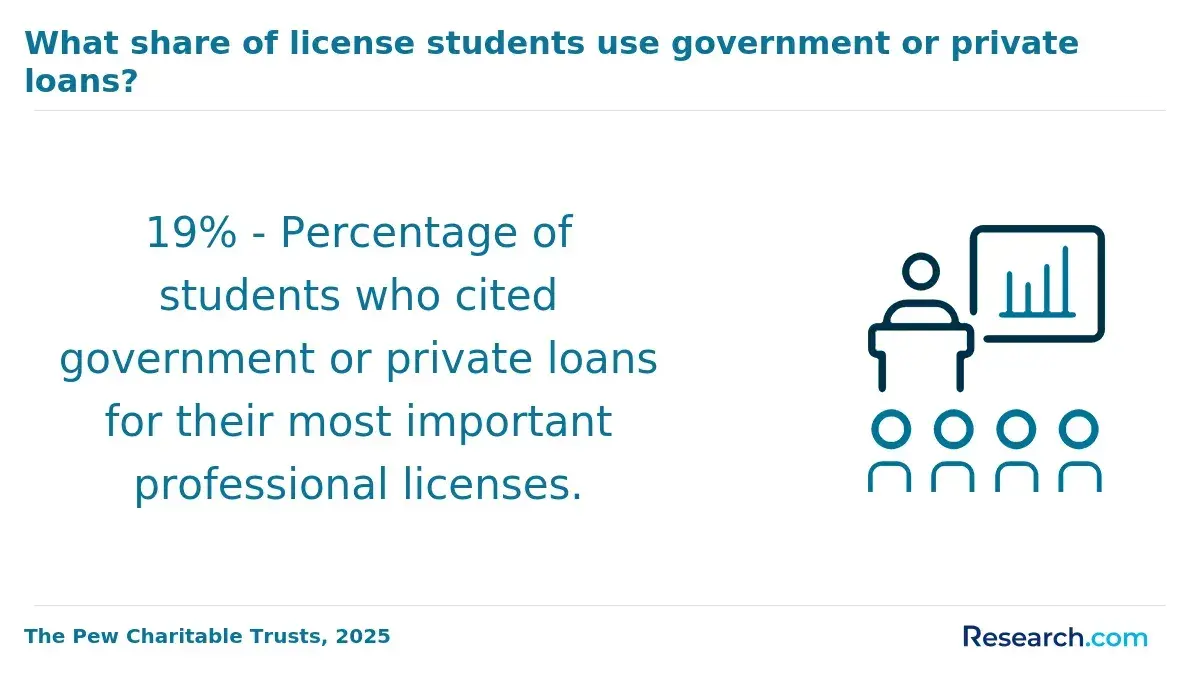
Recent data from the U.S. Department of Education and the Federal Reserve indicate that monthly student loan payments for ultrasound technology graduates generally range between $200 and $350. This spectrum reflects typical borrowing levels, which often fall between $20,000 and $35,000, paired with the common repayment structure of a standard 10-year plan. These figures embody a balance between manageable debt service and the average starting salary in the field, which hovers around $60,000 annually.
Variations in payment amounts are expected due to loan type distinctions, including federal versus private loans, as well as differing interest rates and repayment schedules. Several financial dynamics drive this variation in monthly payments. Total debt size at graduation is the primary factor, alongside the repayment strategy adopted: standard fixed plans usually result in higher monthly obligations compared to income-driven options that adjust payments based on earnings.
Though income-based plans can lessen immediate monthly burdens, they tend to extend repayment timelines and increase total interest paid. Additionally, the relatively steady income scale for ultrasound technologists limits upward mobility in payment capacity, meaning those with larger loans or delayed employment encounters may face heavier financial pressure. Loan interest accrual, particularly on private loans or deferred payments, further complicates the affordability of monthly obligations across graduates.
One graduate recalled applying to ultrasound technology programs during a rolling admissions cycle and feeling uncertain about when to commit. Delaying enrollment to improve their application allowed for more preparation but compressed the timeline to manage finances post-graduation. This tight schedule made understanding potential monthly loan payments crucial, prompting them to prioritize programs with flexible repayment counseling.
How Do Repayment Rates Compare Between Public and Private Institutions?
Recent data from the U.S. Department of Education's College Scorecard reveals notable disparities in student loan repayment rates between graduates of public and private ultrasound technology programs. Within three years of repayment, approximately 52% of graduates from public institutions successfully reduce their loan balances, whereas this figure drops to about 41% for graduates from private schools.
These rates reflect more than just institutional characteristics; they highlight systemic differences in borrowing patterns, loan servicing, and post-graduate financial stability that shape how borrowers manage their debts shortly after entering the workforce. Several structural factors drive these repayment outcomes. Public institutions often have lower tuition costs, resulting in smaller average debt loads that are easier to manage relative to earnings in sonography roles.
Additionally, public colleges typically provide greater access to federal and state grants, decreasing dependence on high-interest private loans. Conversely, many private institutions, particularly those with for-profit models, charge higher tuition and enroll students who borrow larger sums, intensifying monthly repayment burdens. Employment placement and salary trajectories also play critical roles; graduates from public programs frequently benefit from more consistent job placement and stable wage growth, enhancing their capacity to meet loan obligations.
These dynamics collectively influence the risk profile of borrowers and underline why repayment rates should be viewed through the lens of debt-to-income balance and institutional financial support rather than mere sector designation. The implications extend beyond immediate repayment metrics. Students graduating with heavier debt loads face greater financial stress and limited flexibility in career or personal finance decisions, potentially delaying asset accumulation or increasing vulnerability to default.
Consequently, repayment performance becomes a critical indicator not just of program effectiveness but of long-term financial wellness and institutional accountability. For prospective and current ultrasound technology students, understanding these nuanced repayment patterns is essential for assessing the economic value and debt sustainability associated with different educational pathways in this specialized healthcare field.
Do Online Ultrasound Technology Graduates Have Different Repayment Outcomes Than Campus-Based Students?
Data from the National Center for Education Statistics (NCES) 2024 report reveals noticeable differences in repayment rates between graduates of public and private institutions in ultrasound technology degree programs. Public university graduates generally achieve higher three-year repayment rates-around 54%-compared to approximately 42% among private college graduates. These figures reflect not only varied borrower behavior but also distinct institutional dynamics in financing and career support that influence how quickly students can reduce their debt post-graduation.
The divergence in repayment performance stems from several interconnected factors. Public institutions typically have lower tuition costs and thus encourage smaller average borrowing amounts, which reduces repayment pressure relative to earnings. Graduates from these programs often benefit from stronger employer networks and hands-on clinical experiences, facilitating smoother transitions into full-time employment with more stable incomes.
Private institutions rely more heavily on financial aid distribution policies and may attract a demographically diverse student body with varying capacity to manage debt, contributing to differences in long-term debt-to-income ratios. This nuanced financial interplay underpins repayment outcomes beyond the cursory campus versus online ultrasound technology student debt outcomes often cited.
These disparities carry broader implications for both borrower stress and institutional accountability. Higher repayment rates at public institutions can signal more sustainable loan burdens, which in turn influence graduates' financial mobility and career stability over time. Conversely, lower repayment performance at many private ultrasound programs raises concerns about default risk and repayment extensions, which shape perceptions of program value among prospective students.
For those weighing educational pathways, understanding these structural finance patterns is critical alongside direct factors like program length, employment opportunities, and clinical exposure. Such analysis also connects to decision frameworks seen in other healthcare credentials, including the FNP post-master's certificate, where repayment and career dynamics similarly influence student choices.
Which Industries Provide the Best Financial Return Relative to Borrowing Costs?
Financial returns for ultrasound technology graduates vary considerably depending on the industry, shaped by both earning potential and typical student debt levels. Return on investment (ROI) analysis must incorporate income growth prospects alongside borrowing burdens, as industries with higher wages but limited advancement or unstable demand may still leave repayment challenges.
Understanding how salary trajectories, hiring trends, and career progression speed affect debt-to-income ratios is essential for assessing which employment sectors best offset education costs and support manageable loan repayment.
- Outpatient Care Centers: These settings often provide higher starting salaries and specialized roles that increase earning potential early in a graduate's career. The combination of above-average wage levels and steady hiring demand improves the capacity to reduce debt quickly, minimizing repayment duration despite typical education-related borrowing.
- Specialty Medical Practices: Fields such as cardiology or vascular clinics typically require advanced ultrasound skills, offering wages that outpace general diagnostic roles. Faster wage growth and a preference for experienced technicians here strengthen financial returns by enhancing income relative to debt from the outset.
- Hospitals: Although a major employer, hospitals generally offer lower entry-level pay and slower salary progression in ultrasound technology roles. Graduates with high student debt may face increased repayment strain if hired in this sector, as income gains may not sufficiently offset borrowing costs within early career stages.
- Diagnostic Imaging Centers: These facilities combine specialized service offerings with competitive compensation, attracting experienced sonographers. Growing demand for outpatient diagnostic services supports moderate wage growth, delivering a balanced ROI that assists in managing loans, albeit not as robustly as top-paying outpatient centers.
- Mobile Imaging Services: Emerging demands in mobile diagnostics can offer flexible work and niche opportunities, often with mid-level salaries. Career advancement potential exists but may be more variable; thus, managing debt requires careful attention to job stability and wage progression in this less traditional industry segment.
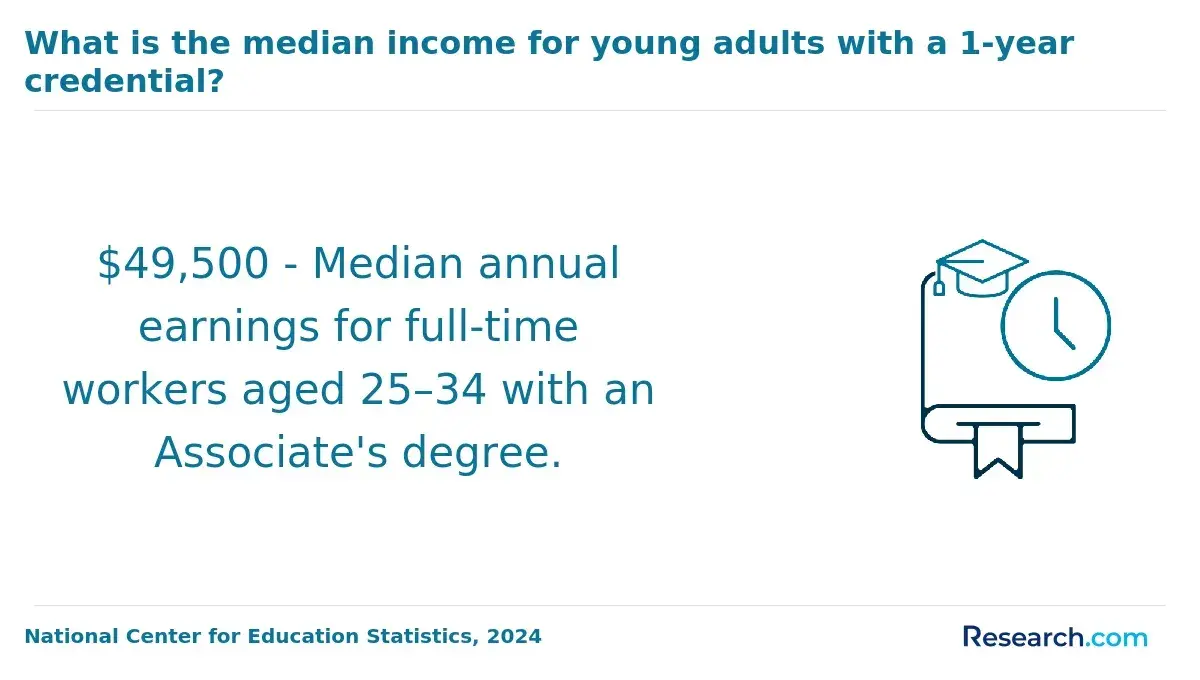
Data from the U.S. Bureau of Labor Statistics and the National Center for Education Statistics for 2024 indicate median annual wages for sonographers in outpatient care surpass hospital wages by about 15%, underscoring how industry choice meaningfully influences debt repayment feasibility. Graduates aiming for sectors with specialized skill demands and consistent hiring see stronger financial returns, emphasizing the interplay between labor market dynamics and educational borrowing outcomes.
Does Student Debt Affect Which Jobs Ultrasound Technology Graduates Accept?
Graduates with student debt in ultrasound technology often base their initial job acceptances heavily on the immediate financial feasibility of positions, favoring roles that offer salaries sufficient to manage monthly loan obligations. According to the 2024 National Postsecondary Student Aid Study, about 65% of graduates carry an average debt near $25,000, with some owing over $30,000, creating monthly repayments that frequently exceed $300.
These repayment demands elevate the importance of securing full-time employment quickly and incentivize graduates to prioritize employers offering sign-on bonuses, tuition reimbursement, or loan repayment assistance. Consequently, higher debt burdens shift decision-making toward jobs in settings like hospitals or outpatient clinics where pay scales tend to be more competitive, often at the expense of lower-paying roles that might better align with long-term interests or specialization ambitions.
Beyond salary imperatives, student debt impacts geographic mobility and career path flexibility, as high-debt graduates are less willing to relocate or accept entry-level positions lacking immediate financial return. This constraint narrows the scope of employment opportunities compared to peers with minimal or no debt, who may pursue positions in research, education, or community health that offer slower initial income growth but potentially greater professional development.
Industry selection thus reflects an interplay between financial necessity and career strategy, influencing whether graduates accept short-term financial stability or invest in a long-term trajectory. Understanding how these dynamics manifest helps clarify why ultrasound technology labor market behavior diverges along debt levels and why financial support initiatives have become critical in shaping workforce patterns within healthcare.
One ultrasound technology graduate described navigating a rolling admissions cycle under growing financial pressure, delaying enrollment while weighing loan implications. She had initially hesitated to commit without knowing the full scope of financial aid options, fearing debt would constrain job prospects post-graduation.
When a last-minute tuition reimbursement offer became available shortly before the program's start, she quickly finalized her enrollment, relieved to have a clearer path toward balancing education costs with future employment. Her experience underscored how timing and evolving support structures during admissions can significantly affect strategic choices faced by prospective students burdened with debt concerns.
What Factors Increase Student Loan Repayment Risk for Ultrasound Technology Graduates?
Student loan repayment risk among ultrasound technology graduates stems from a complex interplay of financial obligations, labor market conditions, and educational factors rather than a single cause. Debt accumulation must be weighed alongside post-graduation earning stability and employment consistency to understand repayment challenges accurately. Particularly, borrowing levels combined with wage variability and employment types significantly shape the potential for repayment difficulty.
Notably, the impact of online versus campus-based ultrasound technology programs on repayment risk reflects differences in tuition costs and credential timelines, which can affect debt levels and readiness for stable employment markets.
- High Initial Debt-to-Income Ratio: Many graduates incur debt that exceeds starting salaries, which often range between $50,000 and $70,000 depending on region and employer. This disparity results in monthly payments that consume a disproportionate share of income, reducing flexibility to manage other living expenses or savings, thus elevating default risk.
- Geographic Disparities in Wages and Job Availability: Graduates employed in rural or economically challenged areas often encounter lower wages and fewer full-time roles. This not only limits income growth but can also lead to precarious employment, increasing repayment strain compared to peers in urban centers where salaries are higher but living costs also rise.
- Program Duration and Credential Level: Longer or more advanced ultrasound technology training programs increase borrowing but don't necessarily guarantee proportionally higher wages. Graduates entering assistant or support roles with limited advancement prospects may struggle to improve earnings, impeding effective debt management.
- Employment Stability and Work Schedules: Positions involving shift work, part-time contracts, or irregular hours disrupt consistent cash flow, making it difficult to maintain steady repayments. Benefits and job security variability in healthcare influence repayment reliability.
A 2024 report from the National Center for Education Statistics found that approximately 28% of healthcare technology graduates with student loans face repayment challenges within three years of workforce entry, reflecting the cumulative impact of these factors. For those considering educational pathways, options such as 1-year nurse practitioner programs online exemplify the range of credential timelines influencing debt risk and career prospects.
How Can Ultrasound Technology Students Reduce Student Loan Debt While Earning Their Degree?
Reducing student loan debt while earning an ultrasound technology degree requires proactive planning and strategic decision-making across a program's full timeline. Minimizing borrowing involves more than cutting expenses; it demands financial awareness, optimizing academic efficiency, and leveraging institutional resources effectively. Students who align their study choices with available aid and employability realities can lower lifetime debt burdens without compromising education quality.
- Choose Accredited, Cost-Effective Programs: Prioritizing accredited programs with reasonable tuition fees, especially at community colleges or public institutions, can yield comparable training quality at significantly lower costs. This approach limits excessive borrowing by avoiding overpriced private programs that don't always translate to higher employment returns.
- Maximize Federal Grants and Scholarships Early: Understanding eligibility for non-repayable aid such as Pell Grants or healthcare-specific scholarships reduces loan dependence. Beginning this research and application process before enrollment ensures students don't miss critical deadlines or lose potential financial aid opportunities.
- Consider Part-Time or Accelerated Enrollment Thoughtfully: Part-time study enables working students to earn income, directly offsetting costs and reducing loan necessity, though it may prolong degree completion. Accelerated paths can decrease living expenses by shortening study time but may limit the ability to work concurrently, imposing tradeoffs that must be managed strategically.
- Engage in Paid Clinical Internships: Seeking paid internships or entry-level ultrasound technician roles during clinical training phases provides income and relevant experience. Such opportunities directly supplement finances, lower overall debt, and enhance post-graduation employability.
- Utilize Institutional Resources and Academic Advising: Leveraging advisors' expertise to align program choices with financial aid packages, transfer credits, and curriculum planning improves academic efficiency. This guidance helps avoid unnecessary course repetitions and tuition costs, fostering more timely graduation.
- Monitor Borrowing and Budget with a Long-Term Perspective: Regularly reviewing loan amounts against future salary expectations encourages disciplined borrowing. Students informed about industry compensation trends and repayment obligations make more sustainable financial decisions throughout their studies.
According to a 2024 survey by the American Society of Radiologic Technologists, students combining part-time work with study reduced average borrowing by 25%, emphasizing the tangible impact of integrating employment with academics in managing ultrasound technology student loan debt reduction strategies. Prospective students may also explore broader educational pathways such as a PhD in counseling online to diversify future career and financial options while maintaining a measured borrowing approach.
How Should Prospective Students Evaluate Borrowing Risk Before Enrolling?
Evaluating borrowing risk before enrolling in an Ultrasound Technology degree is essential to understanding the long-term financial impact of student debt. Prospective students must balance total anticipated borrowing against realistic post-graduation earnings and repayment obligations. This assessment helps determine whether the education investment translates into manageable debt relative to career income and stability.
- Projected Starting Salary: Analyze local job market wages for ultrasound technicians to ensure expected entry-level pay can comfortably cover monthly loan payments, avoiding excessive debt strain.
- Total Program Cost and Length: Compare costs and durations across programs, since shorter, less expensive programs may reduce debt but could limit credential recognition or specialization opportunities.
- Repayment Terms and Interest Rates: Review loan conditions, including interest accrual, grace periods, and health-related forgiveness options, to forecast realistic monthly payment scenarios over time.
- Debt-to-Income Ratio: Calculate the ratio of total expected debt to anticipated starting salary, using benchmarks such as the reported $28,000 median allied health debt with roughly $300 monthly payments, to gauge borrowing prudence.
- Employment Stability and Growth: Assess local demand and employment trends for ultrasound technologists, since stable or growing job markets increase the likelihood of reliable income for loan repayment.
- Alternative Funding Sources: Identify scholarships, grants, or employer tuition assistance to minimize borrowing and reduce financial exposure.
- Personal Financial Resilience: Consider individual savings, emergency funds, and other income sources that provide buffers against repayment challenges, improving long-term financial security.
Balancing these factors helps students make informed enrollment choices that align cost with career outcomes, avoiding excessive debt that could impair financial well-being after graduation.
References
- Understand Federal Loans Before You Start Sonography School https://mtschool.edu/understand-federal-loans-start-sonography-school/
- How AMSC’s Financial Aid Department Helps You | Ultrasound Technician, Diagnostic Medical Sonography, Bachelor and Associate Programs - Los Angeles, Glendale, Pasadena https://amsc.edu/how-amscs-financial-aid-department-helps-you/
- Prepare for a Career in Diagnostic Medical Sonography - San Joaquin Valley College https://www.sjvc.edu/guides/career-guide-diagnostic-medical-sonographer/
- Sonography & Ultrasound Tech Programs with Financial Aid https://www.edumed.org/online-schools/sonography-ultrasound-programs/financial-aid/
- Average Student Loan Payment [2026]: Cost per Month https://educationdata.org/average-student-loan-payment
- Average Sonography Student Loan Debt - NextStudent.com https://www.nextstudent.com/student-debt-burden/average-sonography-student-loan-debt/
- Financial Aid: How to Pay for Sonography School https://www.ultrasoundschoolsinfo.com/how-to-pay-for-sonography-school/
- Average Student Loan Debt: Who Owes the Most? | SoFi https://www.sofi.com/learn/content/average-student-loan-debt-by-career/
- Key Figures on Cost, Student Debt, & ROI at Public Universities - APLU https://www.aplu.org/our-work/4-policy-and-advocacy/publicuvalues/key-figures-on-cost-student-debt-amp-roi-of-public-universities/
Other Things You Should Know About Ultrasound Technology
Programs with longer durations or part-time formats often result in higher cumulative borrowing due to extended tuition and living expenses. This can increase repayment strain, especially if students delay entering the workforce full-time. Prioritizing programs that balance thorough clinical experience with efficient timelines can mitigate excessive debt accumulation, reducing long-term repayment risk without compromising skill development.
Graduates accepting positions in smaller clinics or rural areas may encounter lower salaries compared to large hospitals, intensifying repayment pressure despite similar debt levels. While these roles might offer less competition and valuable experience, the financial tradeoff could delay debt payoff. Evaluating employer compensation alongside growth opportunities helps align career steps with sustainable loan repayment.
Programs with heavier clinical or lab demands may extend time to degree completion if students reduce course loads to manage stress, inadvertently increasing tuition costs and borrowing. Balancing program intensity with personal capacity and loan limits is crucial; selecting a program that offers manageable workload pacing can prevent extended borrowing periods and associated repayment burdens.
Accelerating loan repayment reduces overall interest and financial risk, but postponing certification upgrades may limit income growth potential. Students should weigh immediate repayment benefits against the long-term salary increases that specialized credentials might bring. In many cases, allocating funds toward high-value credentials shortly after initial repayment can optimize lifetime earnings and facilitate more manageable debt reduction.