2027 How Employers Are Changing Hiring Criteria for Ultrasound Technology Graduates in the AI Era

Co-Founder and Chief Data Scientist
A prospective ultrasound technology student entering the healthcare field today quickly realizes that earning a degree alone no longer guarantees a competitive edge. As artificial intelligence reshapes clinical practices and diagnostic protocols, employers increasingly seek candidates who integrate technical expertise with AI literacy. According to a 2024 report from the U. S. Bureau of Labor Statistics, nearly 45% of healthcare employers now prioritize digital proficiency and adaptability when hiring, reflecting a shift in workforce requirements that extends beyond traditional credentials.
This evolving landscape demands that ultrasound technology graduates demonstrate not only clinical skills but also an understanding of AI tools and their implications on patient care. Employers value candidates who can navigate new technologies and apply critical thinking in dynamic environments. This article examines how hiring criteria for ultrasound technology graduates are changing, the growing importance of AI literacy and transferable skills, and the strategies students can use to remain competitive in the AI era.
Key Things to Know About the Changing Hiring Criteria for Ultrasound Technology Graduates in the AI Era
- AI integration requires graduates to interpret algorithmic outputs critically, shifting hiring preference toward candidates who understand AI's limitations rather than blindly trusting automated analyses.
- Employers increasingly value AI literacy and transferable skills like data management and interdisciplinary communication, pressing students to build versatile competencies beyond traditional ultrasound operation.
- A 2024 survey found 68% of healthcare employers prioritize adaptive problem-solving over fixed technical skills, signaling a market where flexibility in evolving AI tools drives long-term employability.
- Key Things to Know About the Changing Hiring Criteria for Ultrasound Technology Graduates in the AI Era Key Things to Know About the Changing Hiring Criteria for Ultrasound Technology Graduates in the AI Era
- How Is AI Changing What Employers Look for in Ultrasound Technology Graduates? How Is AI Changing What Employers Look for in Ultrasound Technology Graduates?
- Which AI Skills Are Employers Expecting Ultrasound Technology Graduates to Have? AI Skills
- Which Human Skills Are Employers Looking for in Ultrasound Technology Graduates? Human Skills
- How Are AI Tools Changing Daily Work in Ultrasound Technology Careers? AI Workplace Tools
- How Are Employers Evaluating Ultrasound Technology Candidates Beyond Academic Credentials? Hiring Criteria
- How Are Ultrasound Technology Degree Programs Adapting to AI? AI Curriculum
- Which Industries Are Changing Hiring Expectations Most for Ultrasound Technology Graduates? AI and Industry Expectations
- How Is AI Changing Career Growth for Ultrasound Technology Professionals? AI and Career Growth
- How Should Ultrasound Technology Students Prepare for AI-Driven Hiring? Career Preparation
- How Should Students Choose a Ultrasound Technology Program for the AI Era? How Should Students Choose a Ultrasound Technology Program for the AI Era?
How Is AI Changing What Employers Look for in Ultrasound Technology Graduates?
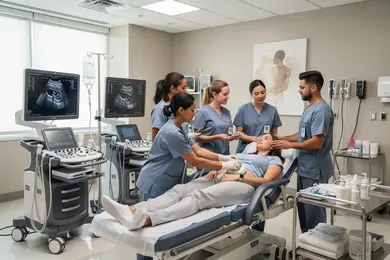
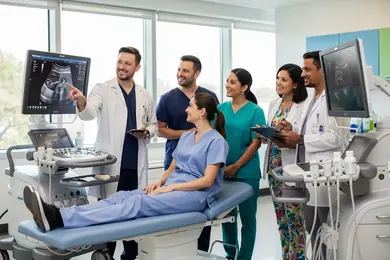
Employers seeking ultrasound technology graduates are increasingly valuing the ability to collaborate with AI-driven tools rather than relying solely on traditional manual scanning skills. According to a 2024 report from the U.S. Bureau of Labor Statistics and the Healthcare Information and Management Systems Society, over 70% of healthcare providers have adopted AI to enhance imaging workflows. This shift means employers prioritize candidates who not only operate ultrasound equipment but also can interpret AI-processed data critically, recognizing when algorithmic outputs may require manual review or correction. A practical example is a clinical setting where a sonographer uses AI software to flag potential anomalies but must apply their judgment to confirm or adjust these findings, ensuring patient safety and diagnostic precision.
The impact of AI on ultrasound technician hiring criteria has broadened the skill set employers desire. Beyond proficiency with imaging devices, digital literacy and an adaptive mindset to evolving AI applications are essential. Graduates must also demonstrate strong communication skills to explain complex AI-supported insights to physicians and patients effectively. In this era, knowledge of data privacy and regulatory compliance has become vital given the vast data volume generated by AI tools. The American Registry for Diagnostic Medical Sonography highlights that employers seek candidates capable of integrating these technological competencies with clinical expertise while maintaining ethical and privacy standards.
Given these shifting priorities, early-career ultrasound professionals should pursue targeted education that includes AI applications in medical imaging to remain competitive. Specialized training, certifications, or even further degrees such as a DNP program online with a focus on informatics can help meet emerging employer expectations. Nonetheless, human oversight remains irreplaceable; the critical thinking required to assess AI outputs reinforces that technology complements rather than replaces core clinical judgment. This balanced perspective underscores ongoing employer emphasis on blending foundational skills with advanced AI competencies in ultrasound technology graduates.
Which AI Skills Are Employers Expecting Ultrasound Technology Graduates to Have?
Artificial intelligence is reshaping employer expectations within healthcare diagnostics, especially for ultrasound technology professionals. Graduates entering this field are no longer assessed solely on traditional imaging proficiency but must also demonstrate practical AI competencies that improve clinical workflows and diagnostic accuracy. Employers seek candidates who can navigate AI-enhanced systems while critically interpreting their outputs, ensuring AI serves as an adjunct rather than a replacement for clinical expertise. This evolution reflects broader industry acknowledgment, such as reports from the National Institute of Health Technology, emphasizing measurable wage benefits for ultrasound technology graduates with AI skills. Below are five specific AI skills that employers increasingly demand.
- Machine Learning Integration: Ultrasound technology graduates must understand how machine learning models optimize imaging devices by automating anomaly detection and assisting diagnostic decisions. Employers expect practical knowledge of operating these AI-embedded tools and the ability to troubleshoot system outputs, which students can develop through hands-on lab work and specialized coursework incorporating AI-driven ultrasound applications.
- Data Analytics for Imaging: Proficiency in analyzing and managing imaging data sets is critical, as AI systems rely on quality input for accurate interpretations. Graduates should be comfortable using software that supports data preprocessing and feature extraction, enabling more precise imaging results. Building these skills often involves training in statistical analysis and familiarity with healthcare data platforms.
- Algorithmic Literacy: A foundational understanding of AI algorithms relevant to pattern recognition and anomaly detection equips graduates to evaluate the reliability of AI outputs actively. This skill enables technologists to flag potential errors or ambiguities, maintaining patient safety and diagnostic integrity. Instructional programs that demystify AI processes help students acquire this competency.
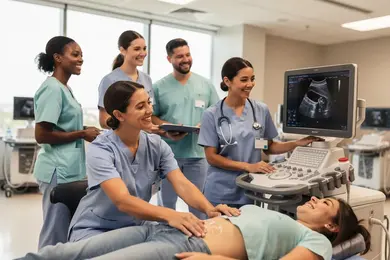
- Interdisciplinary Communication: As AI tools become standard, ultrasound technologists play a pivotal role in translating AI findings to clinical teams. Employers value graduates who can clearly and accurately communicate AI insights, bridging technical results with actionable medical decisions. Developing communication skills alongside AI literacy is essential and may be enhanced through team-based clinical simulations.
- Adaptive Learning Capability: Given the rapid evolution of AI technologies, graduates must demonstrate ongoing learning agility to keep pace with novel applications and software updates. Employers prefer candidates committed to continuous education, often reflected in engagement with emerging AI research and participation in fast track career programs that emphasize adaptability.

Which Human Skills Are Employers Looking for in Ultrasound Technology Graduates?
Artificial intelligence continues to automate many routine tasks in medical imaging, shifting employer focus toward human skills that AI cannot replicate. These uniquely human capabilities are crucial for interpreting AI outputs within broader clinical contexts and for preserving the empathetic patient care that technology alone cannot provide. For ultrasound technology graduates, this means that technical proficiency is just one part of the equation; their ability to work alongside AI tools and healthcare teams hinges on distinct interpersonal and cognitive skills. Below are key human skills that increasingly define competitiveness in this evolving field.
- Effective Communication: Clear communication remains essential as practitioners explain complex procedures and AI-generated findings to patients and multidisciplinary teams. Developing cultural sensitivity and active listening early in training prepares graduates to ease patient anxieties and foster trust during diagnostic processes.
- Critical Thinking and Problem Solving: While AI may flag potential issues, ultrasound technicians must evaluate these insights rigorously, identifying anomalies or inconsistencies AI might miss. Building this evaluative judgment can reduce diagnostic errors and ensure more comprehensive assessments.
- Adaptability and Lifelong Learning: The rapid pace of advances in AI and imaging technology demands professionals who can swiftly update their technical skills and workflows. Cultivating flexibility and resilience, as noted in the World Economic Forum's 2024 Future of Jobs Report, is vital for sustaining career relevance.
- Emotional Intelligence: Empathy, patience, and ethical awareness enable technicians to manage patient fears and emotional responses effectively. Since AI lacks these human nuances, honing emotional intelligence differentiates professionals focused on patient-centered care.
- Collaborative Teamwork: Ultrasound technology does not operate in isolation; technicians must coordinate efficiently with radiologists, physicians, and other healthcare workers. Strengthening interpersonal collaboration skills helps ensure seamless integration of AI findings into clinical decision-making.
A recent graduate recalled a situation where an AI tool highlighted an ambiguous pattern during a cardiac scan. Although the algorithm suggested a benign anomaly, the graduate's attentive communication with the supervising physician and careful, real-time re-analysis revealed subtle signs of an early-stage condition. Navigating this required not only critical thinking but also the confidence to question machine-generated results and the emotional sensitivity to communicate potential concerns without causing undue alarm. This experience underscored the irreplaceable value of human judgment and interaction in an AI-augmented clinical environment.
How Are AI Tools Changing Daily Work in Ultrasound Technology Careers?
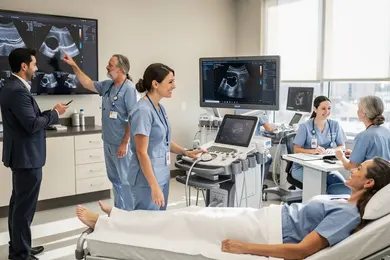
The integration of artificial intelligence into ultrasound technology is fundamentally altering daily workflows by automating routine tasks like image parameter adjustments and preliminary assessments. This shift allows sonographers to redirect their focus toward more nuanced responsibilities such as interpreting AI-generated insights and making complex clinical judgments. For example, rather than manually optimizing each scan, an ultrasound technologist might oversee the AI's analysis, verifying its accuracy and addressing discrepancies that require human expertise to resolve. Such collaboration between human and machine not only enhances diagnostic precision but also increases throughput without compromising quality.
According to recent data from the American Registry for Diagnostic Medical Sonography and the U.S. Bureau of Labor Statistics, nearly two-thirds of healthcare facilities employing ultrasound technologies have adopted AI-driven software tools as of 2024. This widespread adoption correlates with observed improvements in productivity, where sonographers report completing a higher volume of scans more efficiently. Yet, the evolving role demands that professionals develop skills beyond traditional imaging, encompassing critical thinking, ethical evaluation of algorithmic limitations, and effective communication with both patients and interdisciplinary teams. Consequently, adaptability and technological literacy are becoming indispensable for those entering or advancing in this field, reflecting a realignment of competencies toward collaborative oversight rather than purely technical execution.
How Are Employers Evaluating Ultrasound Technology Candidates Beyond Academic Credentials?
Employers in healthcare imaging are now evaluating ultrasound technology candidates using a wider array of criteria than traditional academic credentials alone. Recent trends emphasize the value of practical experience, such as internships, hands-on projects, and certifications, especially those involving AI-augmented imaging tools. For example, a candidate who can demonstrate proficiency in machine learning applications during a scenario-based assessment is often preferred over one whose qualifications are solely academic. This approach reflects a more nuanced understanding that skills like adaptability, communication, teamwork, and problem-solving are critical when working with interdisciplinary teams and rapidly evolving diagnostic technologies.
According to a 2024 report by the U.S. Bureau of Labor Statistics, healthcare employers increasingly prioritize candidates who show a blend of foundational knowledge and AI literacy, signaling a shift in ultrasound technology candidate evaluation criteria in the AI era. Employers consider evidence of continual learning, engagement in workshops or certifications, and practical software troubleshooting skills as strong indicators of job readiness. Communication skills also weigh heavily since ultrasound technologists must interpret AI-generated data and explain results effectively to diverse stakeholders. For students exploring how to develop these capabilities, programs featuring real-world experience alongside academic coursework, such as medical assistant programs that accept financial aid, can provide relevant pathways to build transferable skills employers seek in ultrasound technology graduates.
How Are Ultrasound Technology Degree Programs Adapting to AI?
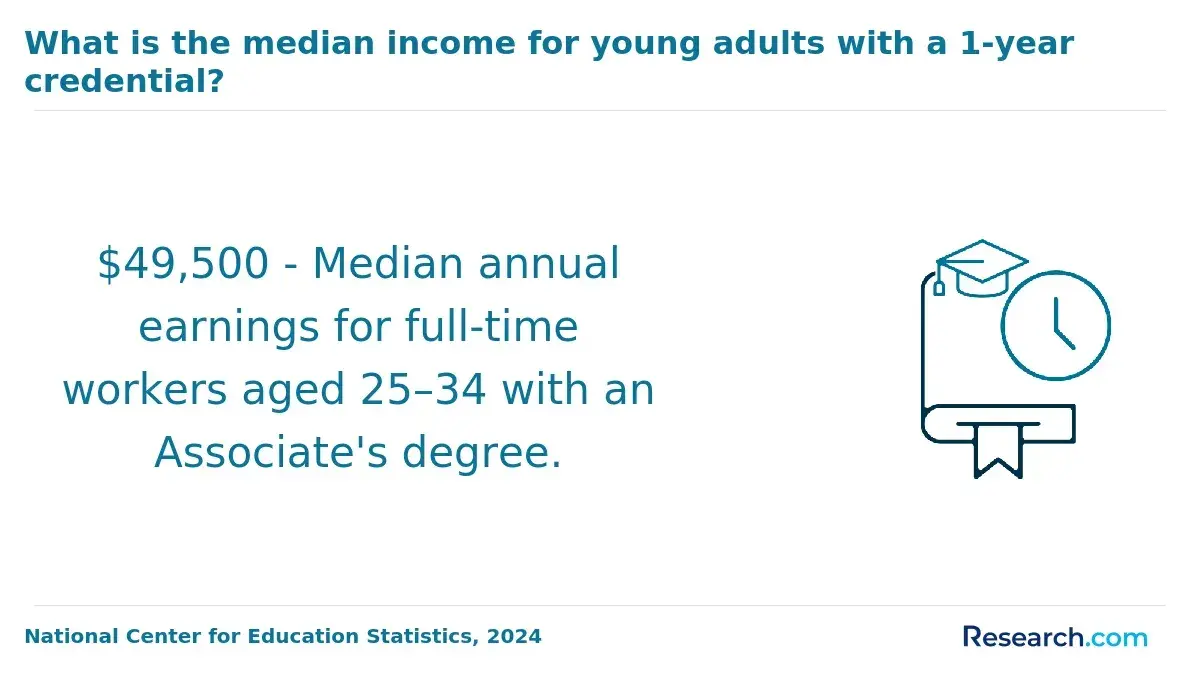
Ultrasound technology degree programs are increasingly integrating AI-focused content while preserving essential sonographic skills, responding to 2024 data from the National Center for Education Statistics showing over two-thirds of healthcare programs include AI fundamentals. This means students are trained not only in traditional imaging techniques but also in AI-driven image analysis, anomaly detection, and data interpretation, preparing them to operate sophisticated diagnostic tools. For example, a recent graduate might combine hands-on scanning proficiency with the ability to critically assess AI-generated findings, ensuring diagnostics benefit from both human insight and technological precision.
To adapt effectively, institutions are updating curricula to embed machine learning basics, data security, and ethical considerations around AI use, often through interdisciplinary coursework and partnerships with industry leaders providing experiential learning. These changes emphasize a hybrid skill set that balances technical knowledge with clinical judgment, addressing employers' demand for professionals who can navigate AI outputs confidently while maintaining patient-centered care. However, programs also caution against an overdependence on automation, recognizing that sustained career resilience relies on strong manual expertise alongside AI literacy.
Graduates who gain this integrated expertise enter the job market better equipped for evolving roles that blend technology and healthcare practice, standing out in competitive hiring pools. These curriculum advancements reflect a broader trend toward lifelong learning and adaptability, guiding students to approach AI as a complementary tool rather than a replacement. This balanced educational approach aligns workforce readiness with future clinical realities, helping ensure ultrasound technology professionals remain versatile contributors within rapidly changing healthcare environments.
Which Industries Are Changing Hiring Expectations Most for Ultrasound Technology Graduates?
The rate at which artificial intelligence integrates into different industries significantly influences hiring preferences for ultrasound technology graduates. Some sectors adopt AI-driven tools more rapidly, reshaping their workforce needs, while others adjust more gradually due to operational complexity or investment cycles. For instance, a recent graduate weighing job options might notice healthcare imaging demands proficiency with AI-enhanced diagnostic systems, whereas biomedical research roles prioritize skills in data analysis and algorithmic understanding. Recognizing these sector-specific variations is crucial for targeting skill development. Below are five industries leading the evolution in hiring standards for ultrasound technology professionals.
- Healthcare Imaging and Diagnostics: This field is at the forefront of AI adoption, relying heavily on machine learning to assist in image interpretation and decision making. Employers increasingly expect graduates to operate AI-augmented ultrasound systems and accurately interpret algorithmic outputs, making AI literacy indispensable for clinical roles.
- Biomedical Research: Rapid advancements in experimental imaging require graduates to possess strong quantitative and computational abilities. Research institutions favor candidates who can integrate ultrasound data with AI-driven analytics to optimize study outcomes and automate image processing, blending clinical insight with technical expertise.
- Pharmaceutical Industry: AI integration here focuses on improving drug development through enhanced ultrasound data modeling. Hiring managers look for graduates familiar with combining imaging results and machine learning frameworks to refine clinical trial predictions, emphasizing flexibility alongside foundational ultrasound skills.
- Veterinary and Animal Health: Though traditionally slower in tech uptake, this sector is adopting AI-based imaging tools to improve diagnostics. Employers now seek graduates comfortable navigating AI applications tailored to animal health, reflecting a steady shift towards sophistication in veterinary care technology.
- Medical Device Development: Companies creating ultrasound equipment embed AI to enhance device functionality and user experience. Graduates with knowledge of AI integration methodologies and feedback systems gain an edge, as manufacturers prioritize those who can contribute to product innovation and technical troubleshooting.
One graduate recalled the challenge of choosing between a hospital radiology department and a pharmaceutical firm. While the hospital offered a more traditional ultrasound role, the pharmaceutical position promised engagement with AI-driven predictive modeling. The graduate hesitated initially, uncertain about the required technical depth, but recognized that cultivating AI fluency would open broader opportunities. This decision underscored how nuanced differences in employer expectations across industries directly influence career trajectories for those entering the ultrasound technology field.
How Is AI Changing Career Growth for Ultrasound Technology Professionals?
The pace at which artificial intelligence (AI) is integrated into healthcare varies significantly across industries, creating uneven shifts in hiring criteria for ultrasound technology graduates. Sectors adopting AI faster demand a blend of clinical knowledge and data fluency, while others maintain more traditional skill expectations. This divergence reflects differences in budget, regulatory environments, and the volume of imaging data processed. Consequently, understanding which industries are accelerating AI adoption can guide graduates in aligning their skills with evolving employer needs. Below are five key industries where hiring expectations for ultrasound technology professionals are changing most rapidly.
- Hospital Systems: Large hospital networks lead AI integration by combining vast imaging datasets with advanced analytics. Employers increasingly expect graduates to interpret AI-generated insights alongside manual scans, requiring competencies in machine learning fundamentals and collaborative workflows. This demand stems from hospitals' drive to improve diagnostic accuracy and operational efficiency.
- Cardiology Clinics: Specialized cardiology centers are early adopters of AI-powered echocardiography tools that automate measurements and detect subtle pathologies. Graduates with skills in AI application and workflow optimization are preferred, as clinicians rely on technologists to manage sophisticated imaging software and validate AI outputs.
- Outpatient Imaging Centers: These centers face competitive pressures to enhance speed and precision. AI tools for routine image enhancement and abnormality detection are reshaping technologist roles, emphasizing continuous upskilling in AI systems and data interpretation to meet higher productivity and quality benchmarks.
- Research Institutions: Academic and clinical research settings require ultrasound professionals skilled in integrating AI methods with experimental protocols. Familiarity with programming basics and cross-disciplinary teamwork enhances career potential, as technologists contribute to AI algorithm development and validation in ultrasound applications.
- Emergency Care Facilities: The urgent nature of emergency departments demands rapid, accurate imaging interpretation. AI supports faster diagnostics, and technologists proficient in real-time AI collaboration help reduce patient wait times, making AI literacy a critical hiring criterion.
Across these sectors, ultrasound technology graduates must navigate shifting expectations influenced by AI. Developing skills in data analysis, AI workflows, and interprofessional collaboration will be essential to remain competitive in this evolving landscape. For those considering educational paths, some programs now blend traditional ultrasound training with AI competencies, offering better alignment with these industry shifts. Prospective students aiming for a comprehensive educational experience might explore options like the best 5 year speech pathology programs to understand models integrating healthcare technology and interdisciplinary skills.
How Should Ultrasound Technology Students Prepare for AI-Driven Hiring?
Preparing for AI-driven hiring in ultrasound technology demands more than completing degree requirements; it requires a strategic blend of technical acumen, AI literacy, and interpersonal skills. With over 65% of healthcare employers prioritizing candidates who understand AI-integrated imaging and data analysis, graduates must navigate a workplace where manual scanning expertise alone is insufficient. Success in this evolving job market involves learning to work alongside diagnostic AI systems and cultivating adaptability and problem-solving skills to complement automated tools. Below are key strategies for students preparing for this landscape.
- Build AI Technical Competence: Develop foundational knowledge in AI applications such as pattern recognition and automated image interpretation. This enhances diagnostic accuracy and aligns with employer expectations documented by health workforce surveys, making candidates more competitive.
- Engage in Interdisciplinary Learning: Complement core ultrasound training with coursework in machine learning, data literacy, and AI basics. This approach broadens analytical skills and prepares students to understand and leverage AI tools effectively in clinical settings.
- Participate in AI-Focused Internships: Seek practicum opportunities at healthcare institutions that employ AI technologies. Real-world exposure hones practical skills and illustrates adaptability, a critical trait valued during hiring processes in AI-integrated environments.
- Develop Soft Skills for Collaboration: Emphasize communication, problem-solving, and teamwork to work harmoniously with AI systems and healthcare teams. These human-centered skills are increasingly vital to meet the collaborative demands highlighted by recent workforce analyses.
- Commit to Ongoing Education: Pursue certifications and continuing education in AI-driven diagnostic tools to stay current with technology advances. This lifelong learning mindset signals dedication to employers and sustains career resilience amid rapid innovation.
These approaches reflect a balanced preparation for ultrasound technology graduates facing AI-driven hiring dynamics, emphasizing practical adaptability and integration of technical and soft skills. For students exploring specialized interdisciplinary paths beyond ultrasound technology, programs like the BCBA accelerated program may offer complementary expertise relevant to evolving healthcare roles.
Preparing ultrasound technology graduates for AI integration requires a clear understanding of employer priorities and workforce expectations in 2024. Incorporating both essential skills for ultrasound students in AI era and practical experience ensures readiness for this transformative era.
How Should Students Choose a Ultrasound Technology Program for the AI Era?
Choosing an ultrasound technology program today demands more than evaluating reputation or cost; it requires assessing how effectively a curriculum prepares students for a rapidly evolving AI-driven healthcare landscape. Employer expectations now prioritize graduates skilled in both clinical proficiency and emerging AI applications. For instance, a recent graduate who trained on AI-enhanced imaging systems may more quickly identify subtle diagnostic patterns, an advantage that traditional programs might not provide. Students must therefore scrutinize programs for deep integration of AI-related content alongside practical experience. Below are five critical factors to consider when selecting an ultrasound technology program in the AI era.
- AI Curriculum Integration: Programs should embed AI concepts such as machine learning and image recognition into core coursework to build relevant technical skills and improve clinical decision-making aligned with industry evolution.
- Hands-On Experience With AI Tools: Access to AI-enabled ultrasound equipment or partnerships with med-tech firms ensures practical skills that employers increasingly seek.
- Data Literacy and Programming Basics: Understanding AI algorithms requires foundational knowledge in programming and data interpretation, vital for adapting to new diagnostic technologies.
- Faculty Expertise and Interdisciplinary Learning: Faculty proficient in AI and programs offering projects that combine technology, ethics, and healthcare prepare students for complex real-world situations.
- Alignment With Industry Standards: Recent curriculum updates reflecting 2024 healthcare workforce data signal a program's responsiveness to employer expectations and future AI developments.
References
- Sonography Career Paths https://www.ultrasoundschoolsinfo.com/sonography-career-paths/
- The Future of Diagnostic Medical Sonography: Technological Advancements and Career Outlook https://www.unitedmedicalinstitute.edu/single-post/the-future-of-diagnostic-medical-sonography-technological-advancements-and-career-outlook
- The Impact of Ultrasound AI on Radiology Jobs https://www.exo.inc/article/the-impact-of-ultrasound-ai-on-radiology-jobs
- Artificial Intelligence and Machine Learning in Musculoskeletal Ultrasound: How It Will Change Your Profession https://www.sonoskills.com/article/artificial-intelligence-and-machine-learning-in-musculoskeletal-ultrasound-how-it-will-change-your-profession/
- Careers | Gynaia https://www.gynaia.com/careers
- Ultrasound tech hiring guide for healthcare facilities https://medsquirrels.com/how-to-hire-ultrasound-technicians-for-your-facility/
- How AI is Changing the Ultrasound Industry - StaffDNA https://staffdna.com/ghost/how-ai-is-changing-the-ultrasound-industry/
- Benefits of Certification | ARDMS, APCA, & POCUS Certifications https://www.inteleos.org/benefits-of-certification/
- Top 5 Skills Needed for Ultrasound Techs | MTMI https://www.mtmi.net/blog/top-5-skills-needed-ultrasound-techs
- Revolutionizing Healthcare: Ultrasound AI Explained | National Polytechnic College https://npcollege.edu/how-ai-and-other-innovations-are-changing-ultrasound/
Other Things You Should Know About Ultrasound Technology
Employers increasingly prioritize candidates who demonstrate foundational technical skills alongside the ability to learn and adapt to evolving AI tools. This means a graduate fluent in ultrasound imaging techniques but resistant or slow to embrace AI integration may be less competitive. For applicants, focusing on learning agility and openness to continuous upskilling is as critical as mastering core clinical competencies.
Employers face a dilemma between newer graduates trained in AI-augmented systems and those with years of hands-on experience in conventional ultrasound. AI-specific training can speed up workflow and reduce errors but may lack nuanced judgment gained through experience. In many cases, employers recommend prioritizing candidates who blend recent AI knowledge with proven clinical decision-making, recognizing that overreliance on AI without contextual skill can compromise outcomes.
While familiarity with specific AI platforms can improve initial job readiness, employers often value broader analytical and troubleshooting abilities more highly. Given the rapid turnover and variation in AI technologies across clinical settings, graduates who build flexible problem-solving skills tend to adapt faster and contribute more effectively. The practical recommendation is to balance platform training with strong critical thinking, enabling smoother transitions across diverse employer environments.
AI integration often increases the pace and volume of work expected from ultrasound technologists, stressing efficiency without corresponding staffing increases. This shift can lead to burnout if new professionals focus solely on technical speed. Employers value graduates who also demonstrate sound workload management skills and resilience, which support sustained performance and create room for ongoing professional growth rather than just immediate productivity gains.