2027 Technical Communication ROI by Institution Type: Public vs Private vs Nonprofit Online Programs

Co-Founder and Chief Data Scientist
A prospective student comparing online technical communication programs quickly notices near-identical curricula paired with sharply different tuition costs and graduation rates. For example, a 2024 report from the National Student Clearinghouse found that online programs at public institutions typically offer a 15% higher graduation rate than similarly priced private counterparts. However, public university graduates often face higher average debt burdens, complicating net ROI calculations.
Meanwhile, nonprofit providers may present less debt but variable employer recognition. These divergent outcomes highlight the risk of equating sticker prices with value. This article dissects ROI differences among public, private, and nonprofit online technical communication programs to guide smarter enrollment decisions.
Key Things to Know About Technical Communication ROI by Institution Type
- Public institutions typically offer lower total educational costs but may have longer average completion times, which can delay workforce re-entry and affect short-term ROI for adult learners balancing careers.
- Private programs often signal stronger institutional reputation and alumni networks, influencing employer perceptions positively yet usually entail higher student debt exposure, requiring careful evaluation of career advancement prospects.
- Nonprofit online programs emphasize flexible scheduling and targeted learner support, increasing graduation rates by up to 15% per recent studies, a critical factor for working professionals prioritizing timely credential attainment.
- Key Things to Know About Technical Communication ROI by Institution Type Key Things to Know About Technical Communication ROI by Institution Type
- What Does ROI Mean for a Technical Communication Program and How Is It Measured? Understanding Technical Communication Program ROI
- How Do Public, Private, and Nonprofit Online Technical Communication Programs Differ in Overall Value? Value by Institution Type
- How Do Tuition Costs Affect the ROI of a Technical Communication Program Across Institution Types? Tuition Costs and ROI
- How Do Graduation Rates Influence Technical Communication Program ROI? Graduation Rates Impact ROI
- What Role Do Career Outcomes Play in the ROI of a Technical Communication Degree? Career Outcomes and ROI
- How Does Student Debt Impact the Long-Term ROI of a Technical Communication Program? Debt vs. Long-Term ROI
- How Do Flexibility and Adult Learner Support Affect Technical Communication Program Value? Flexibility and Program Value
- How Do Accreditation and Institutional Reputation Influence Technical Communication ROI? How Do Accreditation and Institutional Reputation Influence Technical Communication ROI?
- How Does Time-to-Degree Affect the ROI of Public, Private, and Nonprofit Technical Communication Programs? How Does Time-to-Degree Affect the ROI of Public, Private, and Nonprofit Technical Communication Programs?
- How Can You Choose the Best Technical Communication Program Based on Your ROI Goals? Choosing Programs by ROI
What Does ROI Mean for a Technical Communication Program and How Is It Measured?
Return on investment for technical communication programs hinges on more than just upfront costs; it requires evaluating how total educational expenses, institutional reputation, and graduation efficiency collectively translate into tangible career benefits. For instance, a public online program might present a lower tuition burden-often about 40% less than private nonprofit options according to the National Center for Education Statistics-but longer time-to-degree or lower completion rates could offset initial savings by increasing opportunity costs. Students must weigh these tradeoffs carefully, especially when balancing ongoing work commitments and potential debt, as the time required to finish the program directly impacts the speed of workforce re-entry and subsequent salary improvements.
Measuring educational value and ROI in online technical communication degrees involves integrating career outcomes such as practical skill acquisition and employer recognition alongside quantitative cost factors. Private nonprofit institutions, while typically more expensive, may embed real-world projects and networking opportunities that enhance employability-a crucial consideration for learners aiming for faster or more significant career shifts. Moreover, individual circumstances like current employment status, borrowing capacity, and professional goals will influence how much debt burden is sustainable, which means that a lower-cost option does not universally produce the strongest long-term value. Prospective students seeking affordable routes can benefit from exploring targeted resources like affordable online MSW programs that offer structured insights into balancing expense and outcomes in related fields.
How Do Public, Private, and Nonprofit Online Technical Communication Programs Differ in Overall Value?
Cost and support structures shape how public, private, and nonprofit online technical communication programs deliver value, but the differences extend beyond sticker price. Public institutions often provide lower tuition, especially for residents, reducing upfront financial strain, though their larger scale can limit personalized advising and impact graduation rates. Private nonprofits usually command higher fees yet offer smaller classes and tailored mentorship, which a 2024 Higher Education Research Institute study links to graduation rates about 10% higher than public counterparts-though this may increase loan burdens unless offset by aid. Nonprofit programs frequently emphasize flexible scheduling and direct applicability to industry needs, supporting working adults balancing complex responsibilities while improving job alignment and retention, as noted by the Lumina Foundation.
This landscape means that prospective students must weigh immediate affordability against long-term employability and completion chances. For example, a working professional prioritizing flexible pacing might accept a moderately higher price at a nonprofit to avoid delays or interruptions, while a recent graduate focused on minimizing debt might lean toward an in-state public institution with strong career services but less individual attention. Employer perceptions vary regionally and by sector, sometimes favoring the reputation of private nonprofits but often valuing practical skill mastery regardless of institution type. Ultimately, decision-making around these programs requires anticipating how financial aid, institutional support, and program rigor align with one's professional timeline and risk tolerance for debt.
One prospective graduate struggled to decide after comparing public, private, and nonprofit online technical communication offerings. Though drawn to a private nonprofit's smaller classes and name recognition, they hesitated over the significantly higher tuition and potential for long-term debt. Public school options were affordable but lacked clear, individualized career advising, raising concerns about navigating job transitions efficiently. Discovering a nonprofit program combining flexible scheduling with reasonable costs and strong employer-aligned curriculum offered a pragmatic balance, easing worries about value and completion without excessive financial strain.
How Do Tuition Costs Affect the ROI of a Technical Communication Program Across Institution Types?
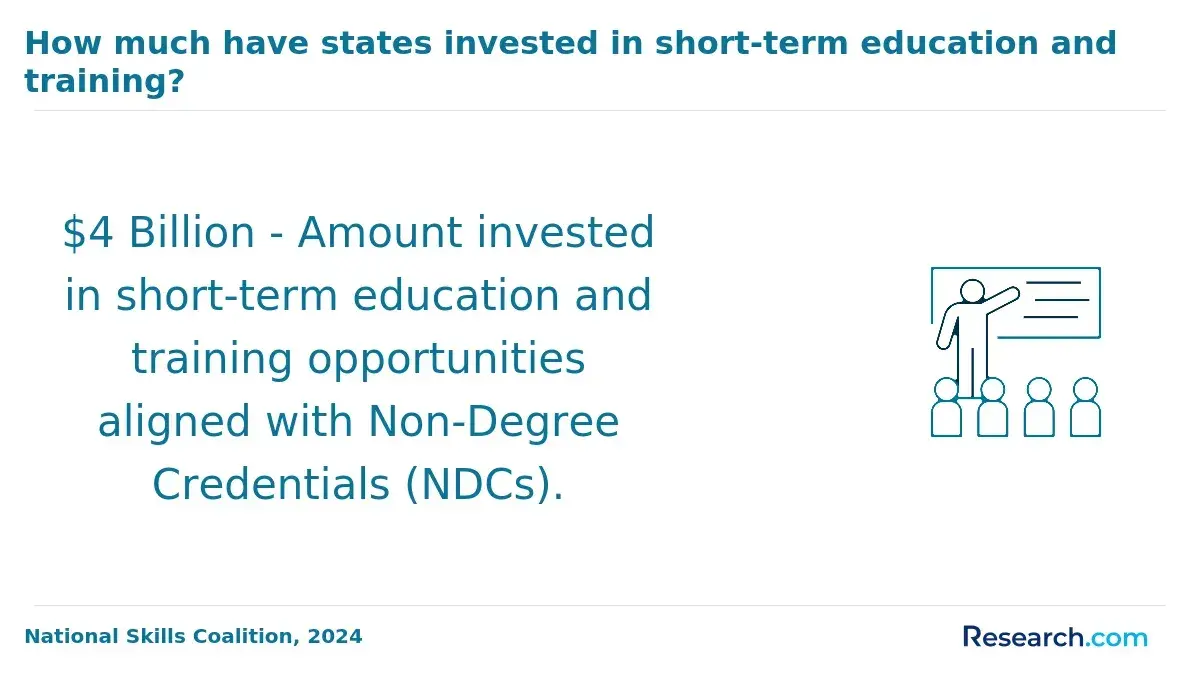
Tuition costs significantly influence the return on investment for technical communication programs, but lower sticker prices do not inherently guarantee better long-term value. Public online programs, with annual in-state tuition between $7,000 and $15,000, offer an immediate cost advantage, yet completion rates can be inconsistent, sometimes extending time-to-degree and reducing potential earnings. Financial aid can lower net prices by up to 30%, easing debt burdens, but students facing higher attrition might see diminished ROI despite the affordability. Conversely, private programs often charge $30,000 or more annually and tend to produce greater debt-about 25% higher on average-though their enhanced career services and industry relationships may translate to higher starting salaries for some graduates.
Nonprofit online programs typically balance cost and support, positioning themselves between public and private options. These institutions often maintain completion rates comparable to private schools while offering more manageable financing, which benefits working adults prioritizing debt control. For example, a working professional aiming to minimize student loans might prefer a nonprofit program that combines moderate tuition with flexible scheduling and robust advising, even if it lacks the premium networking found in some private schools. Ultimately, evaluating a program's ROI requires weighing upfront expenses against career services quality, graduation likelihood, and personal circumstances, since some higher-cost options might justify their price through improved outcomes, while lower-cost programs could impose hidden costs via extended study periods or weaker employment support.
How Do Graduation Rates Influence Technical Communication Program ROI?
Graduation rates serve as a practical benchmark for assessing return on investment in technical communication programs, but their interpretation varies by institutional context. Public online institutions, for instance, reported a 64% six-year graduation rate in 2024 according to the National Center for Education Statistics, reflecting challenges tied to diverse, often part-time student populations balancing external commitments. While lower immediate completion can temper short-term ROI, these programs may still deliver value through flexibility and extended pathways suited for adult learners, a factor critical when weighing graduation rates and ROI in technical communication programs.
Conversely, private nonprofit online programs typically exhibit higher full-time graduation rates but often come with increased tuition and debt burdens that dilute net ROI despite faster degree completion. Institutions offering strong academic support and retention services can drive higher graduation and better employment outcomes, yet students must consider how time-to-degree and cost interrelate with career goals rather than focus solely on completion speed. Many employers in technical communication also emphasize relevant skills and portfolio quality, highlighting that graduation rates, while informative, are only one dimension in evaluating program effectiveness. For those comparing different pathways, including technical communication online MFT programs, decisions should align with both financial realities and practical employability to capture long-term career benefits. For those also exploring adjacent technology degrees, options like video game programs illustrate how different fields layer distinct ROI dynamics.
What Role Do Career Outcomes Play in the ROI of a Technical Communication Degree?
The return on investment for a technical communication degree hinges on nuanced career outcomes that differ substantially between public, private, and nonprofit online institutions. Public and nonprofit programs often deliver higher employment rates within relevant fields-reports from the U.S. Department of Education's College Scorecard show around 75% of graduates from public and nonprofit online programs find related jobs within two years, versus about 68% for private online schools. This gap reflects varied employer perceptions, curriculum alignment with sector demands, and the strength of career services and industry connections. For students weighing tuition costs and potential debt, opting for a program with stronger job placement and regional relevance can mitigate long-term financial risk, especially when skills training matches evolving workplace expectations.
Furthermore, career mobility after graduation plays a critical role in assessing ROI beyond initial salary levels. Nonprofit programs frequently emphasize emerging communication technologies and strategic skills favored in knowledge-based industries, supporting professional growth that extends well past hiring. In contrast, private online programs may offer greater scheduling flexibility but sometimes provide less robust career advising, which can limit progression into specialized roles. Employers often scrutinize the rigor and accreditation of credentials, which influences the degree's value in competitive job markets. Taking these factors into account allows prospective students to predict not just short-term employment but the sustainable career trajectory their investment will foster.
One graduate from a nonprofit online technical communication program recalled scrutinizing career outcomes closely while deciding where to enroll, uncertain if the degree would justify its cost. After entering a new role, they found their expanded skill set recognized through team leadership responsibilities and better integration into project planning. While the financial return initially seemed ambiguous, the longer-term opportunity for internal promotions and enhanced professional visibility confirmed the degree's practical worth, highlighting how career outcomes extended beyond immediate salary boosts to tangible role advancement within the same employer network.
How Does Student Debt Impact the Long-Term ROI of a Technical Communication Program?
Borrowing levels and repayment obligations critically shape the long-term ROI of a technical communication program, especially for cost-conscious learners assessing public, private, and nonprofit online institutions. Private programs often require larger debt burdens, sometimes exceeding $35,000, which can extend repayment periods and reduce financial flexibility after graduation. For example, an adult learner graduating with high debt but lower completion assurance faces greater risk of default or delayed income recovery, affecting real-world affordability and career decisions. Balancing debt against realistic graduation rates and employment prospects in fields like technical writing becomes essential for sustainable financial outcomes.
Public online programs generally offer lower tuition and broader federal aid, resulting in average debt closer to $20,000-often translating into a more manageable repayment scenario without severely compromising career mobility. Nonprofit programs fall between these models, with debt-to-income ratios varying based on program length and institutional resources; graduates may earn median salaries around $55,000 but experience longer debt repayment compared to public program grads. Evaluating the debt impact through the lens of the long-term student debt effects on technical communication graduates means weighing these tradeoffs carefully-debt size, program quality, and time to completion all influence whether advanced education genuinely accelerates career opportunities or just prolongs financial strain.
Cost-conscious learners and career changers should consider how borrowing strategies relate to employability and income potential rather than defaulting to prestige or anecdotal outcomes. This practical perspective aligns with broader analyses in fields such as AACSB online MBA programs, highlighting the importance of financing decisions tied to program ROI. Ultimately, comprehensive evaluation of debt burden against career advancement and repayment success defines the educational value and long-term benefits of technical communication degrees across diverse institutional types.
How Do Flexibility and Adult Learner Support Affect Technical Communication Program Value?
Technical communication programs that integrate genuine scheduling flexibility with targeted support services markedly improve adult learners' retention and completion rates, directly enhancing their return on investment. For example, asynchronous course formats and part-time enrollment options allow working professionals or parents to continue their education without sacrificing job hours or family commitments, reducing opportunity costs associated with longer degree timelines. However, these benefits depend heavily on accessible academic advising and career counseling that address unique adult learner challenges such as credit transfer and workplace integration, factors often overlooked despite their practical impact on timely graduation and employment outcomes.
The contrast between institution types lies mainly in how these elements balance cost and service depth. Public institutions may offer lower tuition and smoother credit articulation but frequently struggle to provide individualized advising due to scale, potentially prolonging degree completion. Conversely, private programs often deliver more personalized support and flexible pacing yet impose higher debt burdens that can diminish net long-term value for those wary of loans. Nonprofit providers tend to fall between these extremes, balancing moderate fees with adequate adult learner accommodations, though program choices and support intensity vary widely. According to recent data from the National Center for Education Statistics, students enrolled in flexible, part-time, or asynchronous programs show a 15-20% higher persistence rate, which correlates strongly with successful degree completion and better workforce reintegration within six months postgraduation.
Ultimately, cost-conscious students must weigh whether the tradeoff between affordability and robust adult learner support aligns with their capacity to invest time and manage work-life-study integration. Faculty accessibility and responsiveness remain critical, especially for those juggling multiple responsibilities, as does recognition of prior learning through transfer-friendly policies. Failure in these areas can lead to extended program duration, increased expenses, and diminished career payoff despite institutional prestige. Thus, analyzing how flexibility and support converge to facilitate persistence and expedite entry into relevant roles is essential for assessing the true value of technical communication programs across public, private, and nonprofit sectors.
How Do Accreditation and Institutional Reputation Influence Technical Communication ROI?
When evaluating the return on investment of a Technical Communication program, regional and programmatic accreditation often serve as critical decision points rather than mere formalities. Employers typically recognize degrees from regionally accredited institutions as more transferable and credible, which affects graduate employability and access to licensure or advanced certifications. For example, a graduate from a regionally accredited public university may encounter fewer barriers when applying to employers who require proven academic rigor or when transferring credits toward graduate study. National or less recognized accreditations can limit such flexibility, potentially increasing total education costs and time to degree completion, affecting the long-term cost-benefit analysis.
Institutional reputation interacts with accreditation but rarely overrides demonstrated skills and real-world experience. A 2024 report by the National Center for Education Statistics found that graduates of regionally accredited Technical Communication programs had a 12% higher employment rate within six months than those from programs without such accreditation, underscoring employer preference for established standards. However, practical portfolios and competency remain paramount in technical communication hiring, especially within online education markets, where brand prestige carries less weight. Cost-conscious learners should weigh the balance between tuition levels, accreditation status, and available student support services, as these factors directly impact debt burden, retention, and timely completion, ultimately shaping ROI more than institutional name recognition alone.
How Does Time-to-Degree Affect the ROI of Public, Private, and Nonprofit Technical Communication Programs?
The interplay between time-to-degree and ROI in public, private, and nonprofit online technical communication programs significantly impacts total educational costs and career trajectory. For example, public institutions typically have longer completion times for part-time or transfer students due to course availability, which increases tuition exposure and delays workforce reentry. Private and nonprofit programs may offer accelerated or cohort-based pathways that shorten the time-to-degree, but students face higher upfront costs and potential debt burden. This tradeoff requires careful evaluation, especially for those balancing work and family obligations while seeking timely career advancement.
Efficient credit transfer and higher persistence rates often found in nonprofit technical communication online programs can reduce overall time-to-degree and improve graduation likelihood, enhancing ROI beyond just tuition savings. Part-time enrollment extends completion timelines but allows continued employment income, presenting a nuanced balance between opportunity costs and educational progress. Students must weigh these factors considering their individual circumstances rather than pursuing the fastest path indiscriminately. Those seeking the cheapest online mechanical engineering degree can draw parallels in assessing program flexibility and financial impact across fields with similar dynamics.
How Can You Choose the Best Technical Communication Program Based on Your ROI Goals?
Evaluating technical communication program ROI requires more than comparing tuition fees; students must consider how their personal priorities align with institutional characteristics. Public online programs generally provide cost advantages supported by state-funded aid and tend to feature moderate graduation rates, which can extend time-to-degree and increase expenses. Conversely, private online institutions often offer enhanced learner support and networking opportunities but come with a higher sticker price, frequently resulting in greater student debt burdens-an important factor given Federal Reserve data showing private nonprofit graduates carry about 20% more debt than public counterparts. These financial tradeoffs have practical repercussions for working professionals who need program flexibility and manageable debt alongside swift degree completion.
Nonprofit online technical communication programs frequently strike a balance between affordability and quality through career services and industry connections, boasting employment rates notably above national averages. However, ROI outcomes also depend on accreditation and institutional reputation, which influence employer perceptions and starting salaries. For many students weighing program options-including those examining the best online technical communication programs for career ROI-the interplay of graduation rates, financial aid availability, scheduling flexibility, and career placement should inform decisions rather than institution type alone. This approach is especially relevant to adults managing family and job responsibilities, where balancing time-to-degree against potential debt plays a pivotal role.
Prospective students can deepen their comparative analysis by consulting reputable sources such as the National Center for Education Statistics and considering specialized options like an online MLIS degree ALA accredited to understand cross-discipline value in communication-focused graduate studies. Ultimately, evaluating technical communication program ROI by institution type demands nuanced judgment reflecting individual life circumstances, career goals, and financial constraints rather than relying on simplistic rankings or cost comparisons.
References
- EdTech ROI Measurement: A Complete Guide to Proving Educational Technology Investment Value https://www.evelynlearning.com/blog/edtech-roi-measurement-a-complete-guide-to-proving-educational-technology-investment-value
- Seattle Public and Private K-12 and College Admissions Coach https://www.schoolingdoula.com/blog/financial-matters-understanding-college-roi
- ROI in HR: How to Measure Return on Investment in Personnel Initiatives https://www.nais.co/en/blog/roi-in-hr-how-to-measure-return-on-investment-in-personnel-initiatives
- Maximizing ROI with the Right Project Management Software https://www.celoxis.com/article/maximizing-roi-right-project-management-software
- Custom software ROI: calculation, TCO and measurable gains | KERN-IT https://www.kern-it.be/en/definitions/software-roi/
- Calculating the ROI of documentation and knowledge bases | KnowledgeOwl https://www.knowledgeowl.com/blog/posts/calculating-the-roi-of-documentation
- Marketing ROI: what it is, how to measure it, and strategies for 2026 https://monday.com/blog/marketing/marketing-roi/
- Guide to Technical Communication: History, Products, Skills, Education https://www.mastersincommunications.com/features/guide-to-technical-communication
- Maximizing ROI of your sales: how to effectively use the CRM platform https://www.salesbook.com/blog/sales/maximizing-roi-of-your-sales-how-to-effectively-use-the-crm-platform
- News and Events https://www.alextech.edu/atcc-news/2024/10/17/college-ROI
Other Things You Should Know About Technical Communication
The depth and rigor of technical communication programs can vary widely but are not solely determined by institution type. Public programs often emphasize foundational skills and offer broad electives, while some private and nonprofit programs may specialize in niche or advanced areas reflecting current industry trends. Prospective students should scrutinize course content and faculty expertise rather than relying on institution type as a quality proxy, since curriculum focus directly impacts practical skills applicable to employer expectations.
Program structures differ: public institutions may offer more traditional semester schedules with fixed deadlines, while private and nonprofit online programs often incorporate accelerated or modular formats. For working professionals, private and nonprofit programs may provide greater scheduling flexibility but can demand higher weekly workloads due to condensed pacing. Understanding these tradeoffs is crucial-choosing a program with a manageable workload aligned with your professional and personal commitments will better support successful completion and maximize ROI.
Employer recognition varies and often depends more on program reputation and alumni networks than on institutional type. Public programs may carry weight in regions with strong state university presence, while private or nonprofit schools with specialized technical communication credentials can attract employers seeking advanced technical writing or digital communication expertise. Prioritize programs with connections to industries or companies relevant to your career goals rather than making a blanket institution-type choice.
Networking opportunities often correlate with institutional resources and program delivery format rather than pure institution type. Nonprofit and private programs sometimes provide robust career services and targeted professional development due to smaller cohorts and focused curricula, which can benefit career changers. Public institutions may offer broader alumni bases but less personalized support. If advancing through professional connections is a priority, weigh the available networking infrastructure alongside ROI to select a program that balances cost with long-term career leverage.